Maxim Oreshkin outlines five megatrends for the future
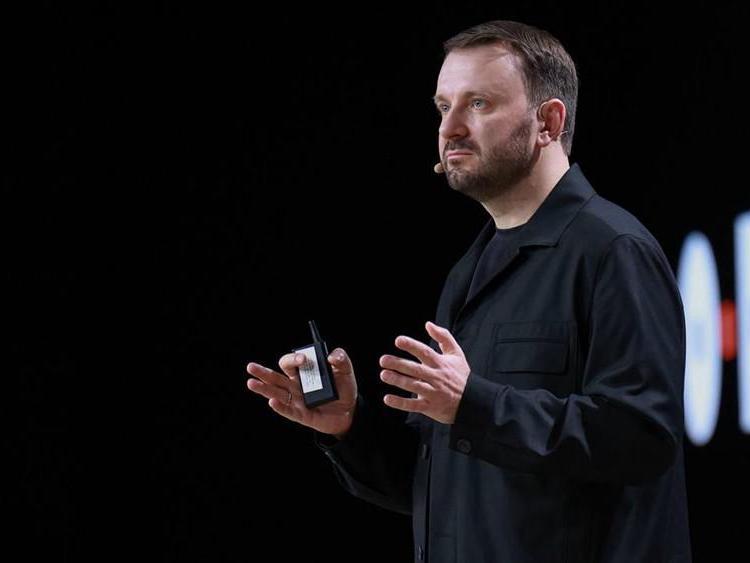

The January Expert Dialogues were held at the Russia National Center, where participants discussed key changes in the global economy and social sphere. The main event was the presentation of five megatrends that, according to Maxim Oreshkin, Deputy Head of the Presidential Administration of Russia, are already setting the direction for development for decades to come.
Globalization 2.0 and Sovereignty
Oreshkin described the first megatrend as a new global economic paradigm—«Globalization 2.0.» He said that the familiar model of globalization no longer works: it is being replaced by a more decentralized system. The role of BRICS+ countries and the Global South is growing, direct trade ties and settlements in national currencies are strengthening, and former financial centers are losing their monopoly influence.
«Globalization has not ended—it has become different. Today, the key word is »sovereignty.« Only countries that possess state, public, and socio-economic sovereignty will be able to compete and lead in a multipolar world,» emphasized Maxim Oreshkin.
He noted that the key economies remain China, the United States, India, and Russia, but new growth centers are simultaneously emerging. Among them are Indonesia, as well as «connector countries» such as the UAE, which link large economic regions together.
Platformization and Autonomy
The second megatrend is related to the platformization of the economy. Technologies allow not only individual processes to be automated, but also the very rules of interaction in the economy. Platforms and algorithms are increasingly involved in decision-making at the level of entire systems.
«Platform solutions will affect every sector—from education and healthcare to finance and trade. Those countries that build their own platforms faster will gain a serious advantage,» Oreshkin noted.
He emphasized that technological sovereignty is becoming critically important: countries without their own platforms risk becoming dependent on foreign solutions, which can be limited or shut down at any moment.
Decline of the Old Financial System
The third megatrend is the change in the familiar financial model. The growth of debts, deficits, and inequality shows that the existing system is nearing its limits. The way out, according to Oreshkin, is linked to technological development—primarily with blockchain, artificial intelligence, and digital platforms.
«Traditional payment mechanisms are increasingly not working. They are being replaced by decentralized systems, cryptocurrencies, and new technological solutions that are already seriously changing the financial architecture,» he said.
Demographic Catastrophe
The fourth megatrend concerns demography. Over recent decades, global birth rates have significantly declined, and the proportion of elderly population is growing. This changes the balance between workers and retirees and creates additional pressure on budgets and social systems.
Oreshkin noted that the reduction in the working-age population and the growing demand for medical and social services will become one of the most serious challenges for states in the 21st century.
Human Capital in the Technological Era
The fifth megatrend is related to the changing role of humans in the economy. Robots, autonomous systems, and AI are taking over routine tasks, and job requirements are rapidly changing. Standard intellectual labor is losing value, while demand for flexible and more complex competencies is growing.
«Artificial intelligence is not only a challenge but also an opportunity. It will significantly change the education system and labor market in the coming years,» emphasized Maxim Oreshkin.
The speaker illustrated each megatrend with examples from different regions of the world, showing how global processes affect the lives of specific people.
«The world has entered a period of serious changes. Those who understand the future and are ready to change will be able to make this future their own,» Oreshkin summarized.