Journalist Moves from Evenkia to Sakhalin, Prefers Latter
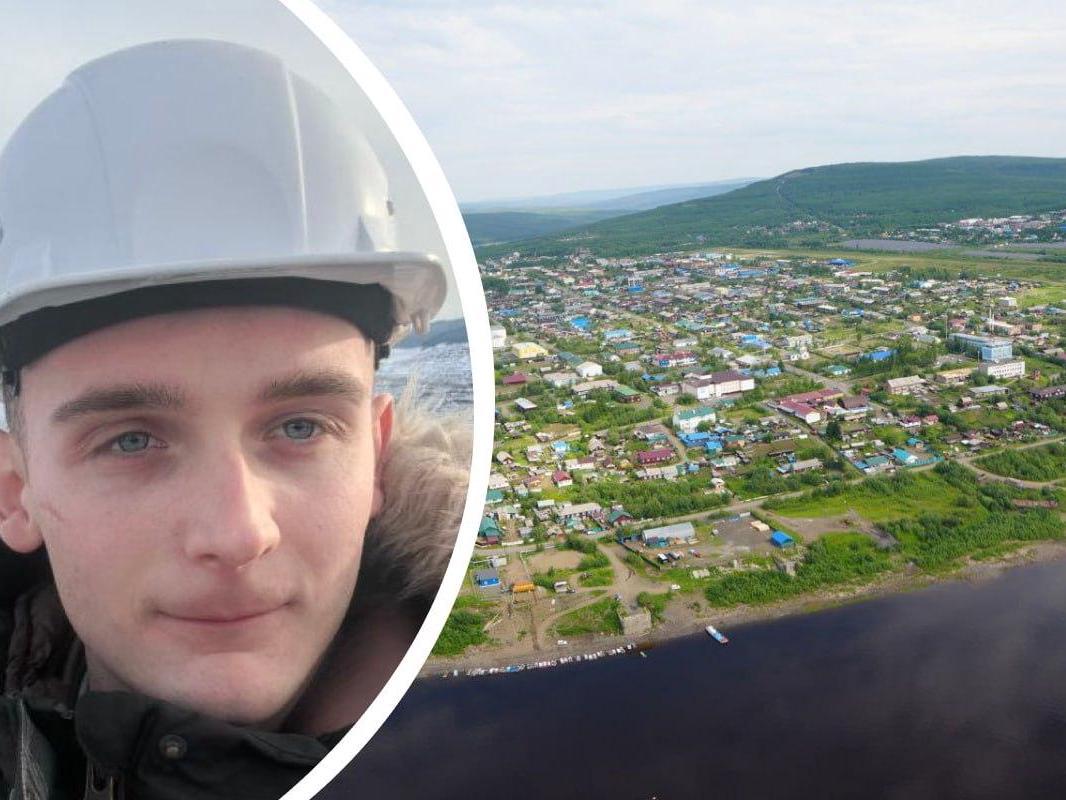

Krasnoyarsk journalist and blogger Anatoly Kachaev moved to Sakhalin. Before that, he managed to work and live in the north of Krasnoyarsk Krai — in Tura. He compared Evenkia and Sakhalin and told where he liked more and why. Below is his opinion.
He Was Ready to Do a Lot for Money
In Russia, you can live without internet, normal food, and drinking water, and it«s not extreme tourism, but ordinary journalist work. I went through Evenkia, where buckets serve as toilets, and moved to Sakhalin, where the edge of the earth suddenly turned out to be more comfortable than Krasnoyarsk. On credit, I bought a couple of fresh shirts, trousers, and got on a plane into the unknown. This text is about money, survival, and a strange northern choice.
Backstory
The move. Why did I need it? It«s simple. The main motive was money, for which I was ready to do a lot, but let»s take it step by step.
Sorry, but I«ll start from afar — with the fact that I»ve been working as a journalist for several years. First, I shot stories for Krasnoyarsk«s TVK channel. The team was incredible, all stars, every day was a new challenge. Constant scandals, intrigues, and investigations, you»re in the thick of events, but frankly, they paid little.
After a year, I realized I was tired of eating one supermarket sausage in dough for lunch and washing it down with bagged tea, and I simply couldn«t afford more. And I decided something needed to change. I got a job at the Center for Regional Management — a state office. A strange organization. They paid officially, but not much more. That is, in the same supermarket for lunch, I could afford, besides the sausage in dough, also coffee with cinnamon. Am I a zoomer or not? We can»t do without fancy drinks, they say.
What did I do in the new job? I wrote posts, shot videos, praised authorities of various levels on social networks. And the most interesting thing — not doing anything useful, but that«s a whole other story.
And what did I understand after a year of such work? First, it«s boring; second, there»s no career advancement. People sit there for a long time in one position, don«t get promoted, and don»t let others grow. Mostly an adult team — tired women over 45, even over 50. I looked around and realized I didn«t want that.
He Sent Stories by Plane to Krasnoyarsk
Then came my first creative «shift» — the newspaper «Evenkian Life». It«s not that I had high hopes about working there, but I thought the northern coefficient might be profitable, and the experience cool: nature, reindeer herding camps, ethnic culture. They paid for the travel. I had to live in the village of Tura — 1,000 km from Krasnoyarsk towards Norilsk. Only four thousand people there. All around is deep taiga, two rivers — the Nizhnyaya Tunguska and Kochechum. You can only reach neighboring settlements by air, motorboat, or winter road. No delivery centers, only one half-dilapidated post office. From a city clerk, I turned into a village boy.
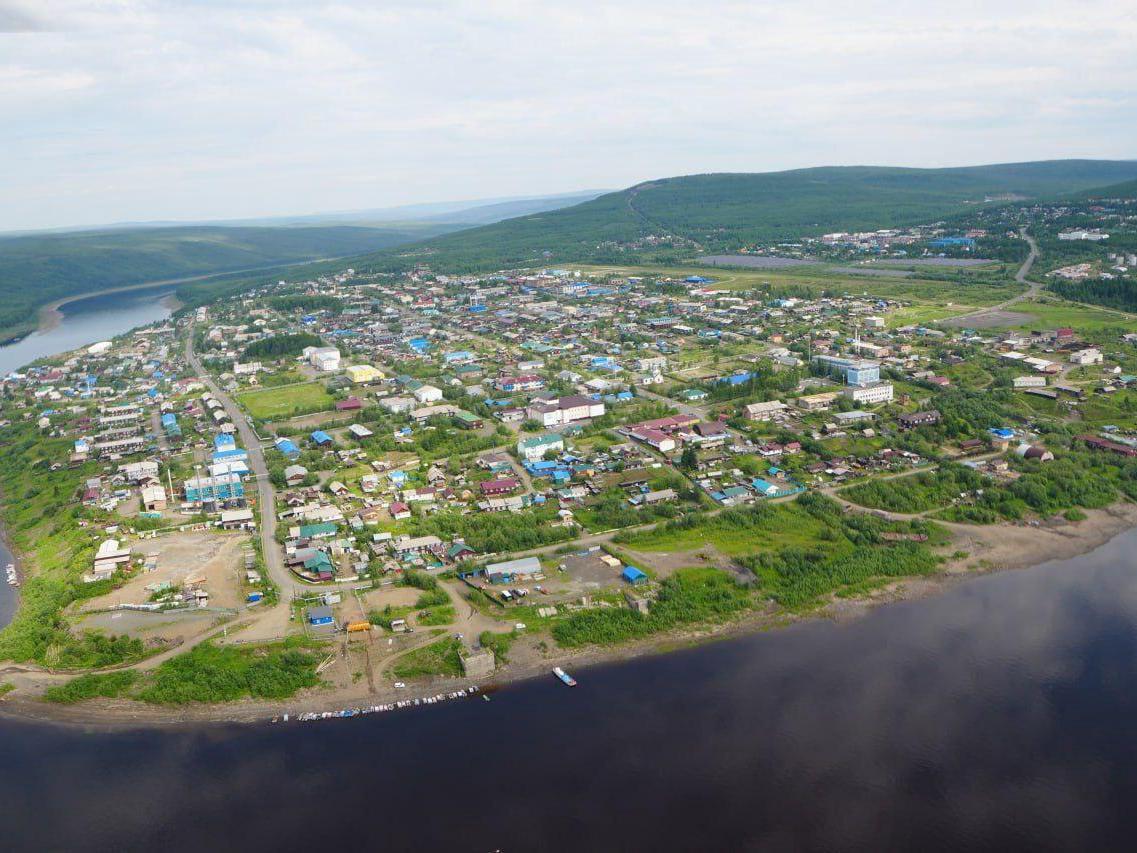
I was lucky: I was settled in a well-appointed house. By local standards, all conveniences — that«s when there»s cold and hot water, technical water. In most apartment buildings, it«s like that, initially not intended for drinking and household needs. But due to the lack of alternative, people have adapted to drain it from pipes to wash dishes, do laundry, and take showers.
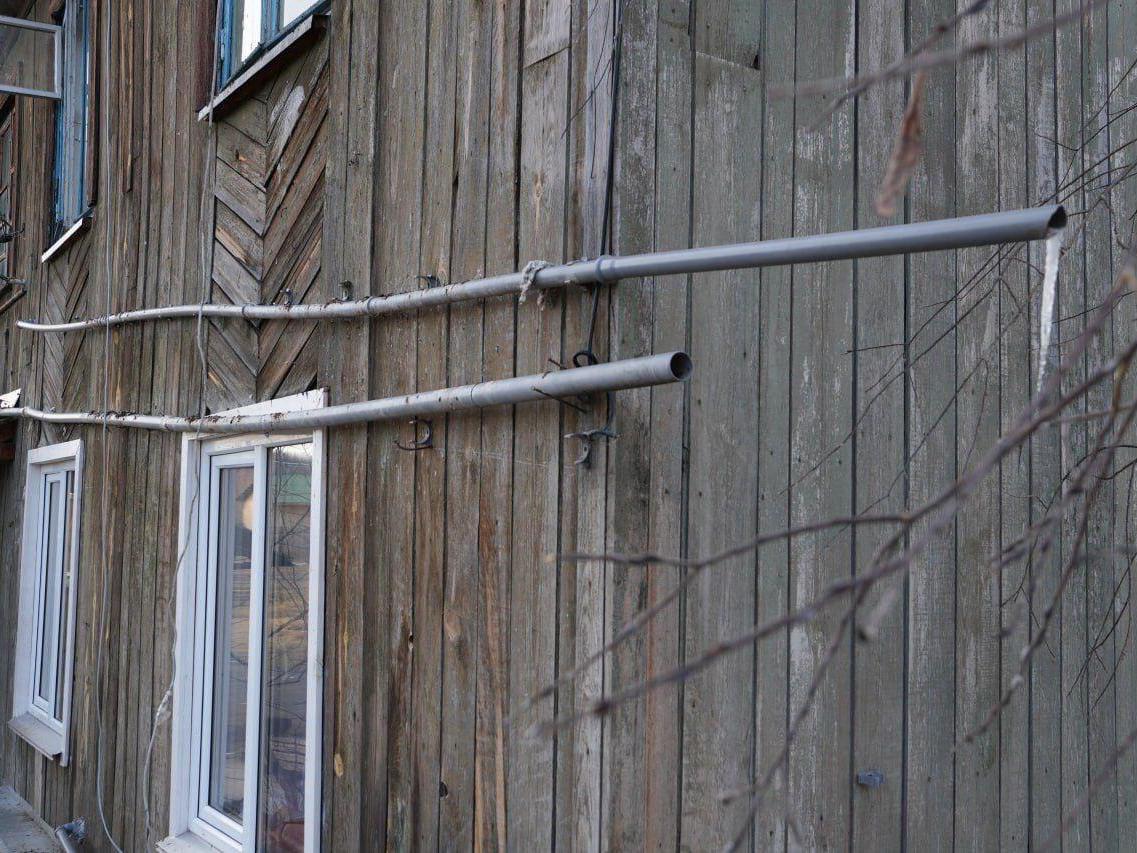
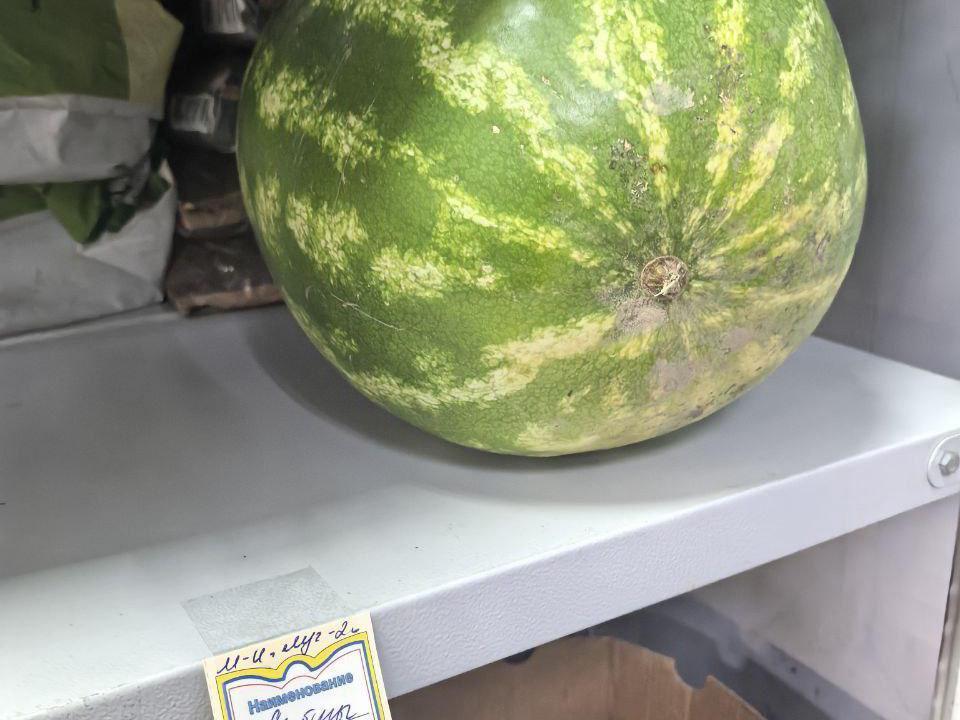
A few more words about how sad it was there. Sewage for locals — holes in the wall through which they run plastic pipes. Septic tanks are used less often than improvised drains. Not everyone installed toilets, although I had one because I was lucky. Most of the village uses special buckets, does their business in them, and carries them outside. As a result — terrible streams through the village in spring. In winter, living conditions are multiplied by forty-degree frosts (-40°C/-40°F) — and you get what you get.
The apartment was so cold that water on the bathroom floor froze. In summer it was okay, but at the end of September, every morning I turned on boiling water for about twenty minutes to warm the room a bit, washed up somehow, and ran to the editorial office. But the worst was the lack of internet. I had to record stories on a flash drive for TV and send them by plane to the director in Krasnoyarsk. Satellite internet — 25,000 rubles (about $250 at current rates) for 12 gigabytes. A rip-off, but you can«t find cheaper. And it»s not just a city softie, but children, especially high schoolers, couldn«t study online properly, download apps, or upload videos.
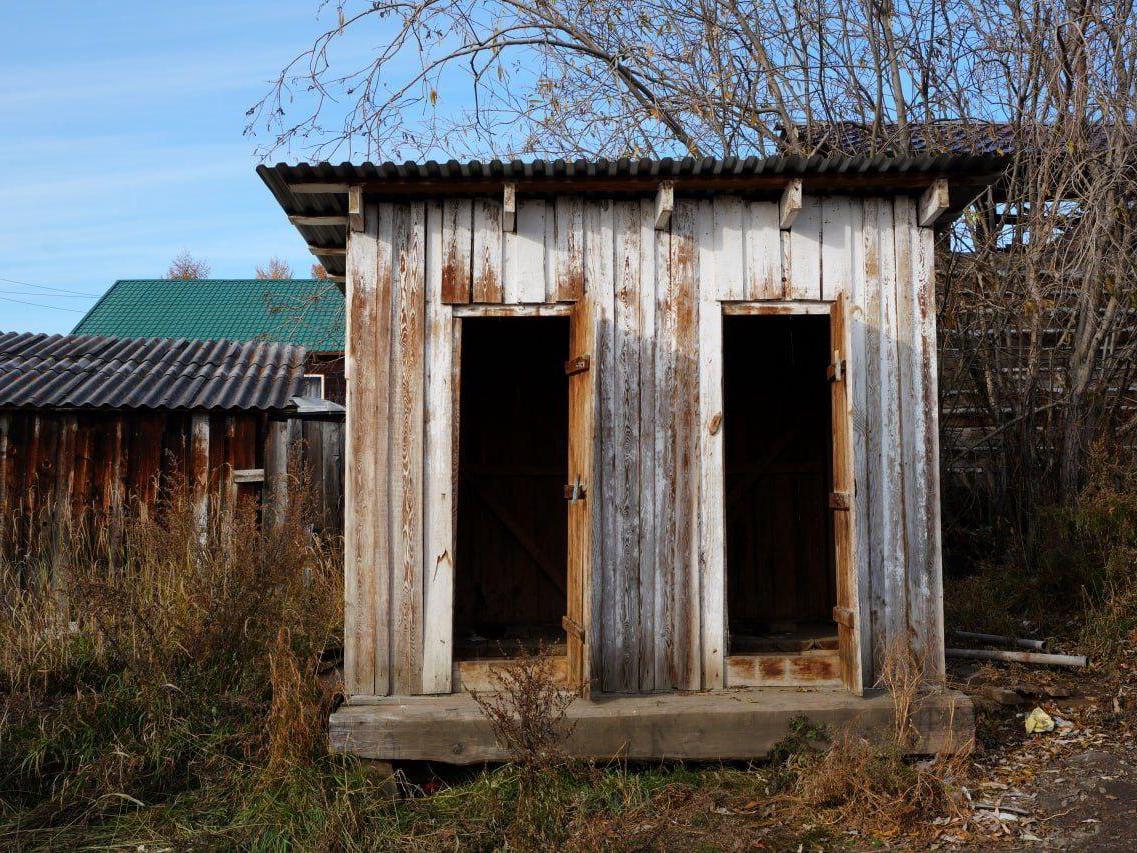
Another problem — food. There was nothing to eat. A new day — old heartburn. Everything costs twice, even three times more than in Krasnoyarsk. Milk — 240 rubles (about $2.40), a kilogram of watermelon — 120 rubles ($1.20), tomatoes and cucumbers in November — 700 rubles each ($7.00), eggs — two hundred rubles ($2.00). And the most unpleasant — vegetables are almost always wilted. In summer, they with dairy products sail for a whole week first along the Yenisei, then along the Nizhnyaya Tunguska to Tura. Sometimes self-propelled barges get stuck on rapids and can«t pass for a long time. Products end up on shelves already in a so-so state. There»s no choice, and people even buy expired items. Sour cream past its expiry date by 5–10 days doesn«t surprise anyone. The hardest time — the off-season a month before the winter road opens and a couple of months after it closes. During this time, stores become completely empty, you can only get cereals and canned goods.
And around the sixth month, I got so down that I didn«t know where to put myself or how to return back. And what back, when I don»t have my own apartment in Krasnoyarsk? I obsessed over not knowing how to earn, which made me suffer a lot. And here it«s not about yachts, a cool car, and a beautiful wife, but about covering basic needs. I just couldn»t do it. Although I did everything I was supposed to: university, studies, work — and nothing. All my capital — a laptop, a guitar, a winter down jacket from Sportmaster, and a video camera on credit. I thought: aren«t there normal shifts for journalists, somewhere? I just don»t know about them, and they don«t know about me. I started moving towards dashing off somewhere further, on more favorable terms, but I wasn»t sure it would work out.
Goodbye, Tura!
At some point, I was even ready to change professions and become, for example, an assistant driller on an oil well. Why not? They earn well. I had an interview with oil workers, but at the last moment, they called back from a coal company on Sakhalin and said they needed a person for the internal communications department. That«s closer to what I do. Word after word, we chuckled on the phone, discussed tasks, and I seemed to fit. And they promised a salary several tens of thousands more than I was paid. And I was like, »A carriage for me, a carriage! Goodbye, Tura!«
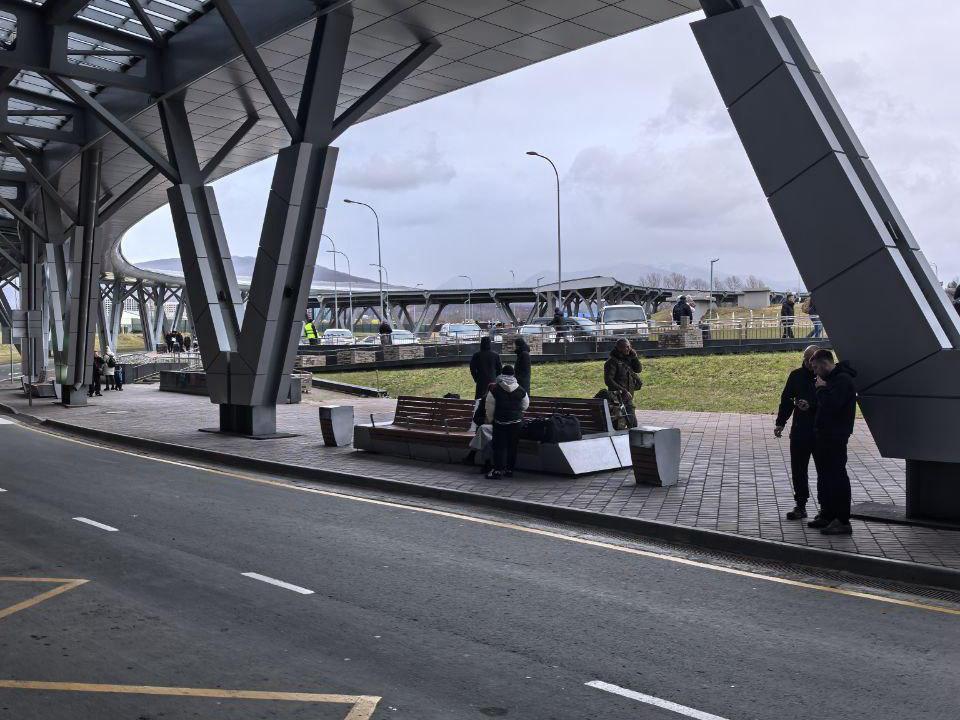
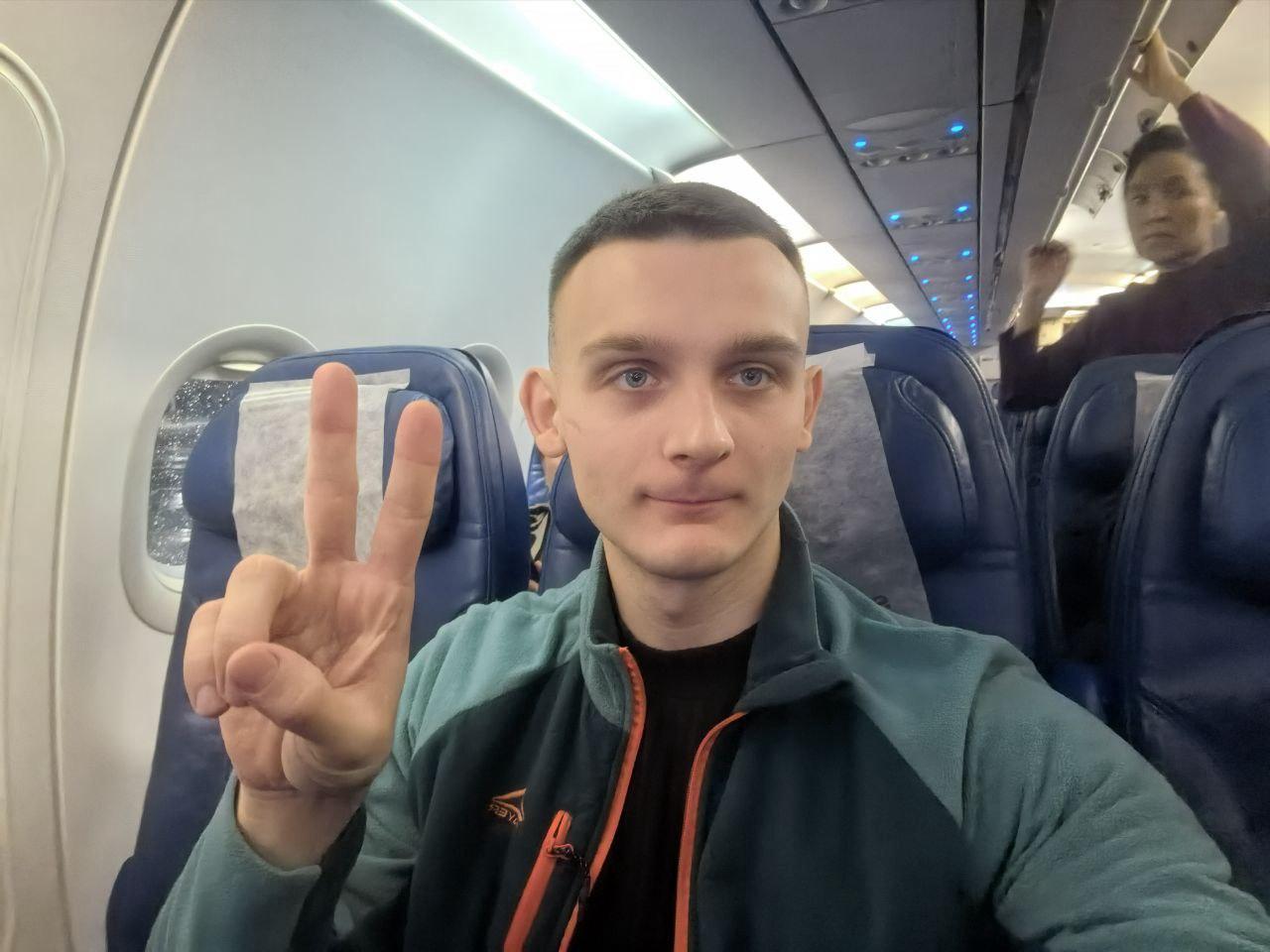
And so I fly to the edge of the earth. I was only in Yuzhno-Sakhalinsk for a day, but during that time I managed to notice that there«s a very nice airport here, completely new and stylish. It can compete with our Krasnoyarsk one. Although no more than 200,000 people live in the city itself, the aviation hub looks powerful.
Tickets. You can get to the island from Krasnoyarsk for ten thousand rubles (about $100). Sometimes more expensive, but if you plan the flight in advance, you don«t overpay. You»re in the air for five hours. But the flight from Krasnoyarsk to Tura costs 18,000 rubles ($180), if you have northern registration — 17,000 rubles ($170). And it«s a two-and-a-half-hour flight. Feel the first warning sign? Tickets to the Far East are subsidized so much it»s unbelievable. This isn«t a symbolic thousand from the master»s shoulder. Apparently, at the federal level, they«re very, very keen on having people live here. It»s a border territory after all, and it would be strange if no one was here. So big officials come up with all sorts of things.
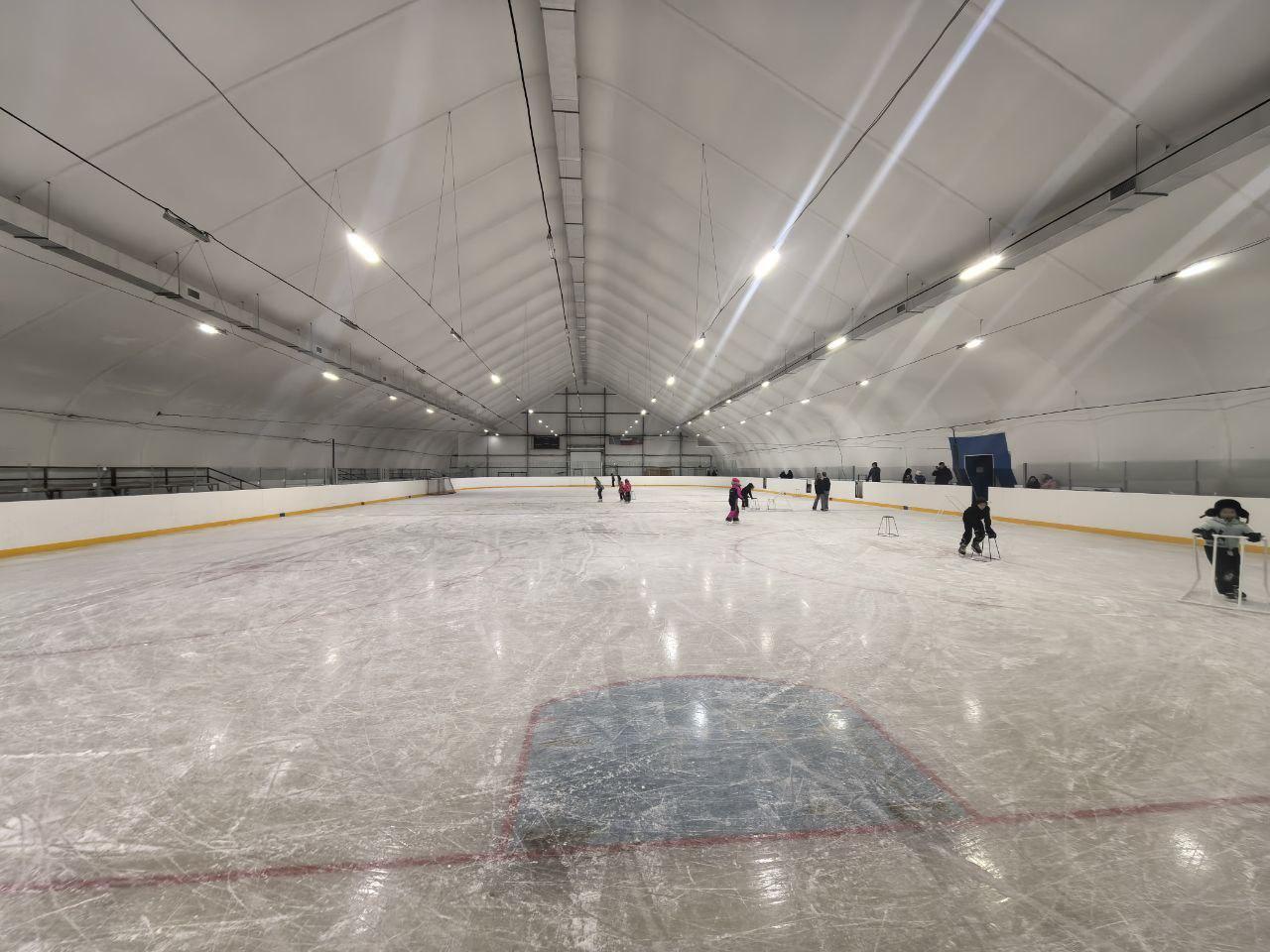
In Yuzhno-Sakhalinsk, I managed to go to a couple of canteens and several shopping centers. Stores here are more provincial, to be honest, but they have everything necessary. However, I went to live in another city — Uglegorsk — on the western coast of the island, 297 km from the regional center. Population — 7,000 people. You can get to the city by a bad, but still, road. There«s a covered skating rink, cinema, House of Culture, market, restaurant, gym, ski base with jumps, church, sea beach, Ozon, Wildberries, DNS, several pharmacies, park, stalls with vegetables and fruits, shopping center, and much more. There»s as much mobile and network internet as you want here. Toilets flush in houses, ice doesn«t freeze in the bathroom, drinking water runs from the tap. True, to drink it, you need to install filters, but still. Compared to Tura, it»s Paris. Although the territory is equated to the conditions of the Far North. Workers here are paid for tickets for vacation within the country round trip once every two years, and they rest here at least 44 days a year.
Development
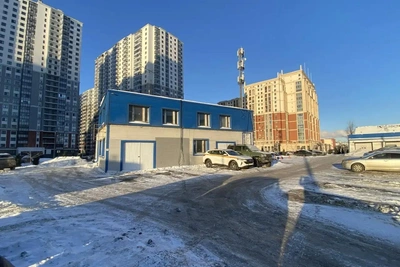
The feeling is that major repairs are regularly carried out in the area, benches in parks are replaced, and playgrounds are built. The general impression of the streets is prosperous. If in Evenkia there are terrible barracks, then in Uglegorsk — colorful five-story buildings. There are, of course, gray ones, but there seem to be fewer. Rent for a one-room apartment — 35–40 thousand rubles ($350–$400), same as in Tura. Utilities — only three thousand rubles ($30). Partly because hot water is from a boiler, not from the system — that«s a minus.
Food
Food prices are cheaper than in Evenkia, but more expensive than in Krasnoyarsk. Local producers smooth out the situation. Milk, for example, sells for 110 rubles ($1.10), a dozen eggs for 130 rubles ($1.30) can be found. If the producer is from the mainland, the price will be unpleasant. And here there«s no hellish problem with expired items — at least, it»s not as glaring as in Tura. Persimmons, of course, are softer than usual, but edible. At least they won«t make you constipated.

They bring a lot from Japan, South Korea, and China. A bunch of various chips, noodles, strange sweets, and other stuff. Lots of fruits and vegetables. They look fresh enough, but only to me, because I survived the traumatic experience of Evenkia. Local residents complain that it could be fresher and greener. I sometimes want to tell them they just don«t know what to compare it to, but the well-fed don»t understand the hungry.
Tangerines — 250–350 rubles ($2.50–$3.50);
apples — 200–350 rubles ($2.00–$3.50);
pears — 250–300 rubles ($2.50–$3.00);
persimmons — 300 rubles ($3.00);
grapes — 400–600 rubles ($4.00–$6.00);
tomatoes — 500 rubles ($5.00).
Fish here costs the same as in Krasnoyarsk, if not more expensive. True, sometimes you can buy it right on the street. Recently I bought a kilogram of navaga for 400 rubles ($4.00). Almost no bones in it, taste — tasty, but it«s far from smelt. Men here practice winter fishing. From small rivers, they get a lot of noble fish. By the way, herring and flounder also swim here. You can even catch them with a rod. And shrimp with crabs aren»t a fairy tale. Grandmothers sell them at the market. True, it«s not always legal, but they don»t worry about poaching.
Also, here in summer people gather seaweed. Waves wash it right onto the shore. You just need to collect it in a bag and bring it home. They salt it like cabbage, then eat it all winter, but no one has treated me yet — I have to buy it in the store. On the shore, I saw pieces of this laminaria, but a colleague at work said it«s not worth eating because it»s old, although I was ready to taste it.
Climate
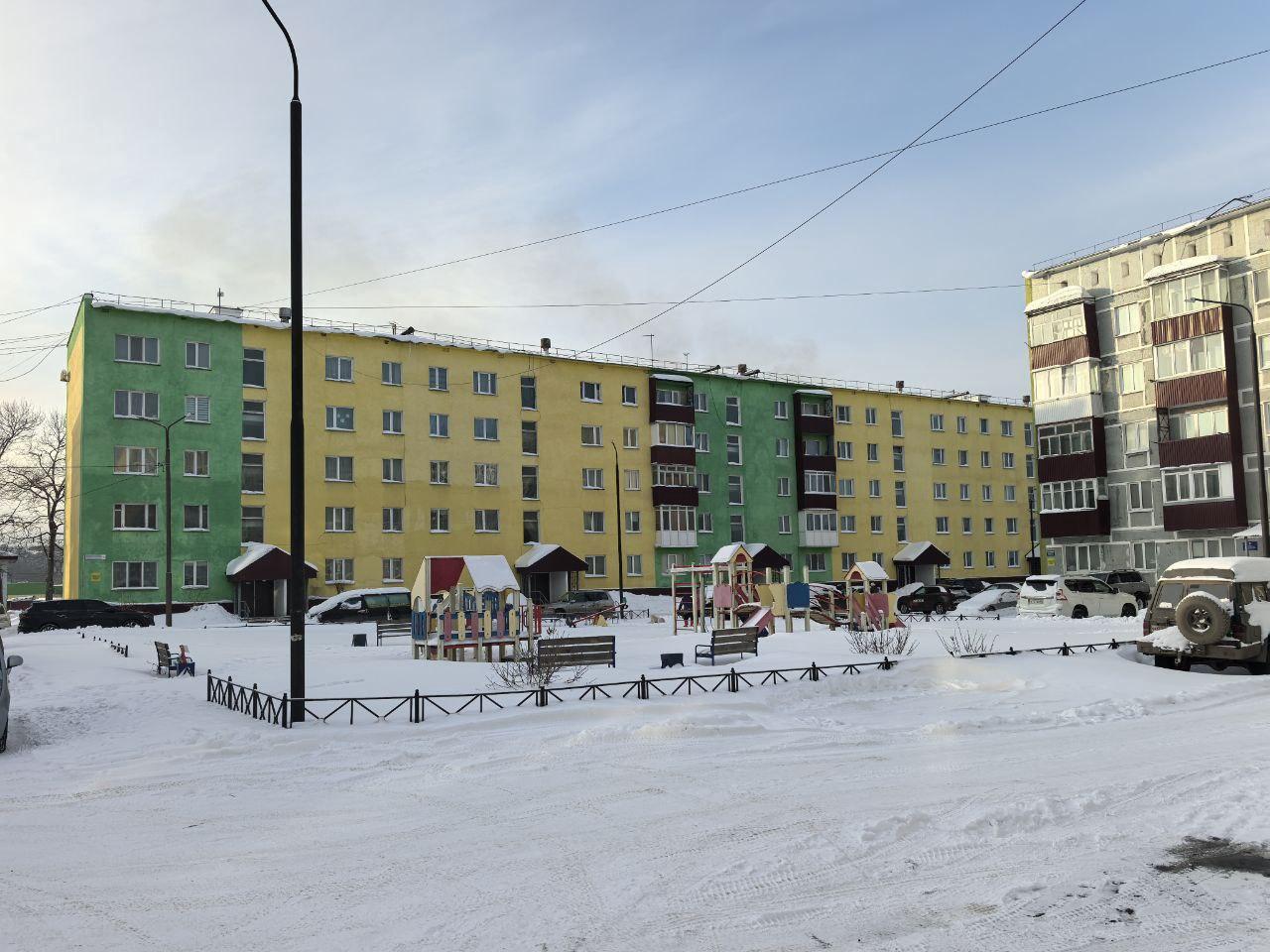
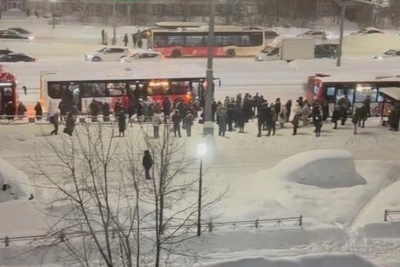
Snowfalls here are abundant. Because of this, roads are constantly closed, and you can wait a couple of days for them to open. This New Year, people couldn«t get from Yuzhno-Sakhalinsk to Uglegorsk — they celebrated the holiday away from family. Just everything was snowed in. Such weather anomalies happen almost every week. It feels like constant spring on Sakhalin: humid, so it snows 24/7. Frosts are rare, but snowdrifts like in Norilsk. Children love to climb on them. On highways — regularly cars that have flown into ditches: slippery, many just skid.
Who Earns How Much on Sakhalin
The whole island can roughly be divided into those who extract coal and those who extract gas. If you work in these fields, then you«ll definitely have enough for bread and butter. In the budget sector, it varies, but sometimes very interesting vacancies pop up on websites. Overall, human capital is more expensive here. Employers are ready to rent apartments for people and pay salaries above market rate. Maybe it»s subjective, but that«s the feeling. And if you»re a specialist in something, then here they«ll likely find a use for you and try to make you stay.
I also want to say a couple of words about the Far Eastern mortgage. Guys, 2%! Of course, I«m not inviting anyone here permanently, but now live with this information and pay your 17–20%.
Sakhalin Wildlife
Here, crows are very loud. I don«t know why they»re so vocal, but I was told it«s all because of humidity — they say, birds are constantly sick, so they»re very hoarse. I don«t know if it»s true or not, but it sounds convincing. There are many bears here, they say, but I haven«t seen any yet. If I meet one — I»ll definitely tell (hopefully). No wolves at all. By the way, in Evenkia, the chances of meeting a wild animal are higher — I saw real reindeer there when I was boating. And here you can meet seals on the shore. In winter, they descend south, so to see them, it«s better to wait for summer.
To sum up, I«ll say that Sakhalin is not a paradise island and you can hardly shoot an advertisement for the »Bounty« bar here, but people live much better on this edge of the earth than in Evenkia. And I also believe that for young people, there are more opportunities here than in Krasnoyarsk. I wasn»t hired by large companies in Krasnoyarsk Krai, but here I«m sort of a valuable specialist. The market here has developed like that — they cling to adventurers.
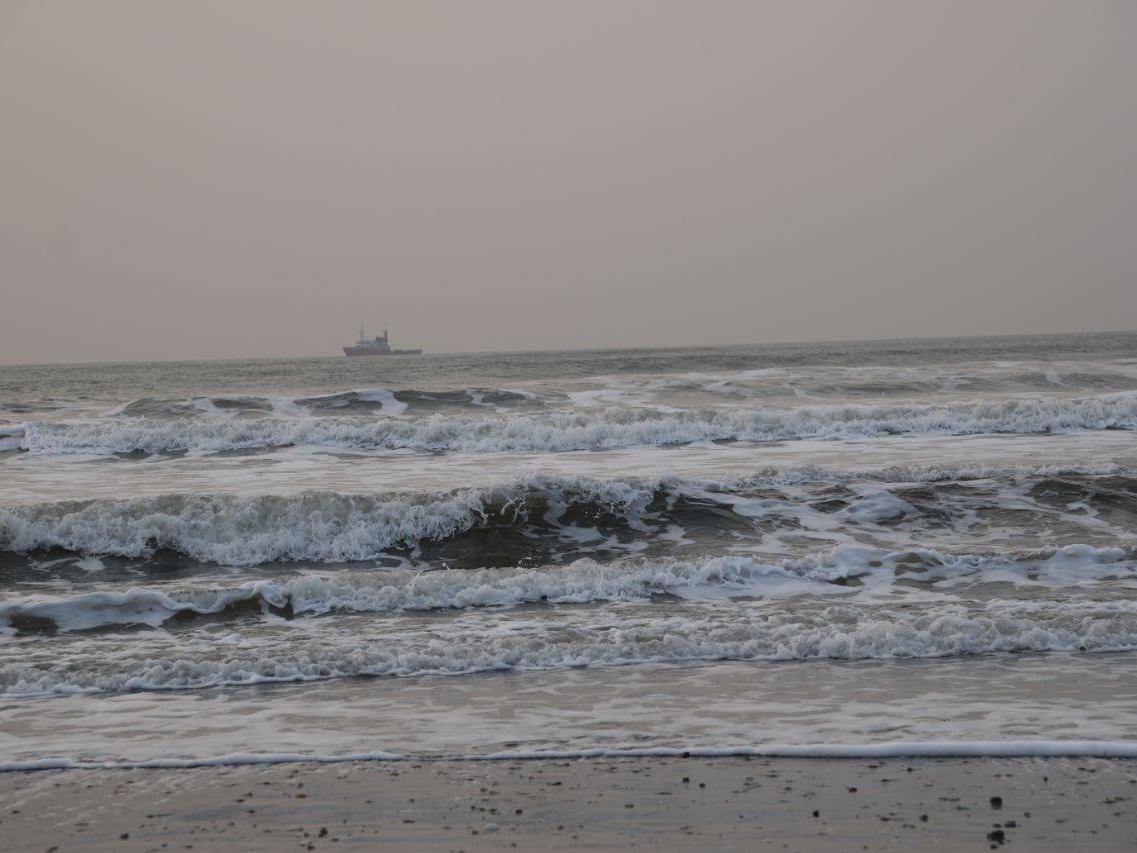
In general, to each their own, but I«m very glad I moved. If you»re also an adventure seeker, then boldly fly to the island. Live here a bit, try local fish, walk along the sea — you«ll have something to tell your children.