Carved icon in Chelyabinsk: origin and how to visit
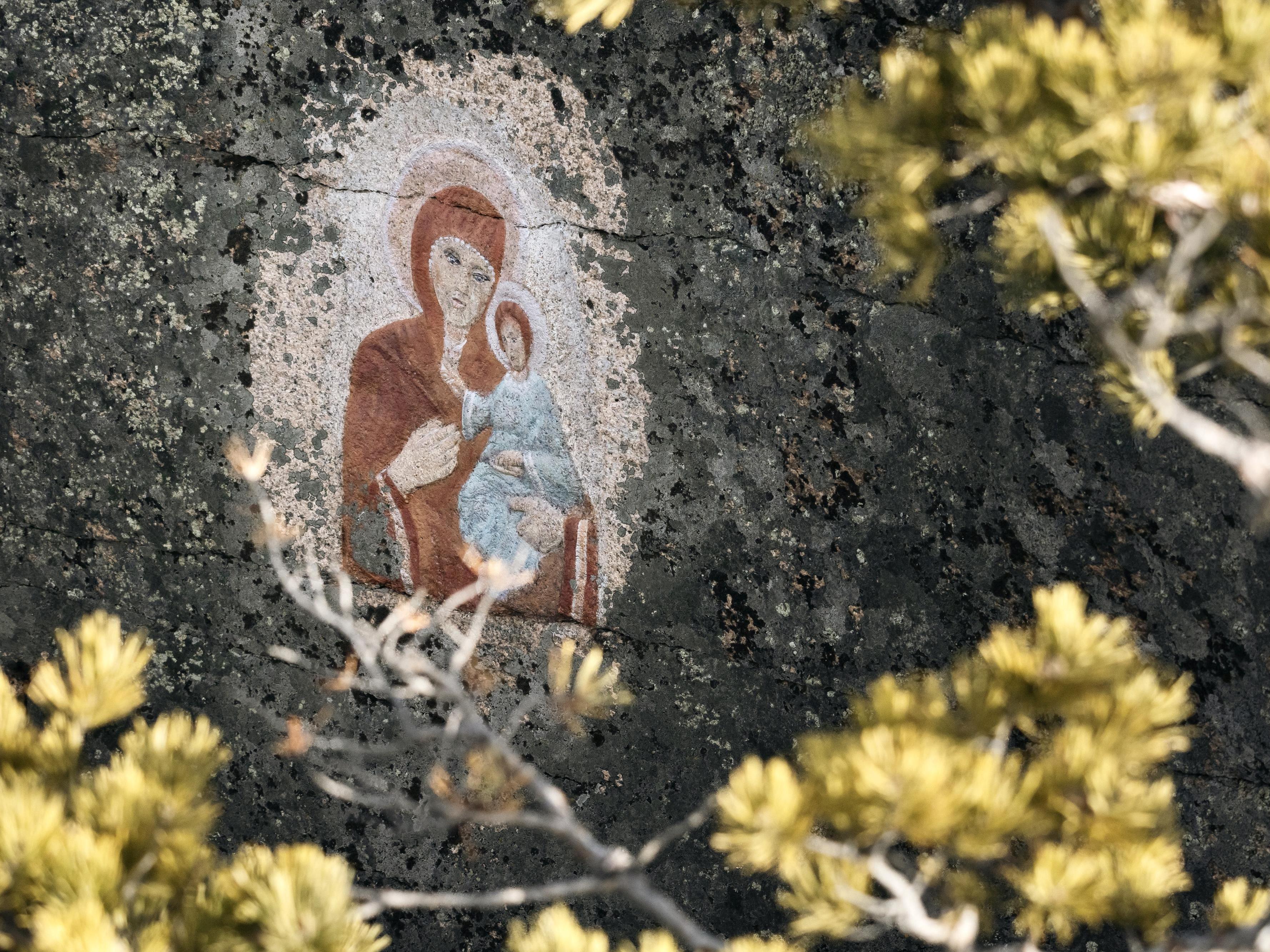

We learned about the icon carved on one of the rocks in Chelyabinsk region by chance. We were looking for vacation options during the New Year holidays, and going to Taganay or Zyuratkul again was not an option. Yes, the national parks are very beautiful, but we wanted something unusual. The icon carved on the rock seemed just the thing. It«s essentially impossible to stumble upon it accidentally: it»s located away from regional and federal highways, and it rarely pops up in the news. Although, of course, the shrine has its admirers. We«ll tell you where it came from and how to get there (and while we»re at it, we«ll also take a closer look at a few other local attractions).
«Newlyweds come to ask for happiness»
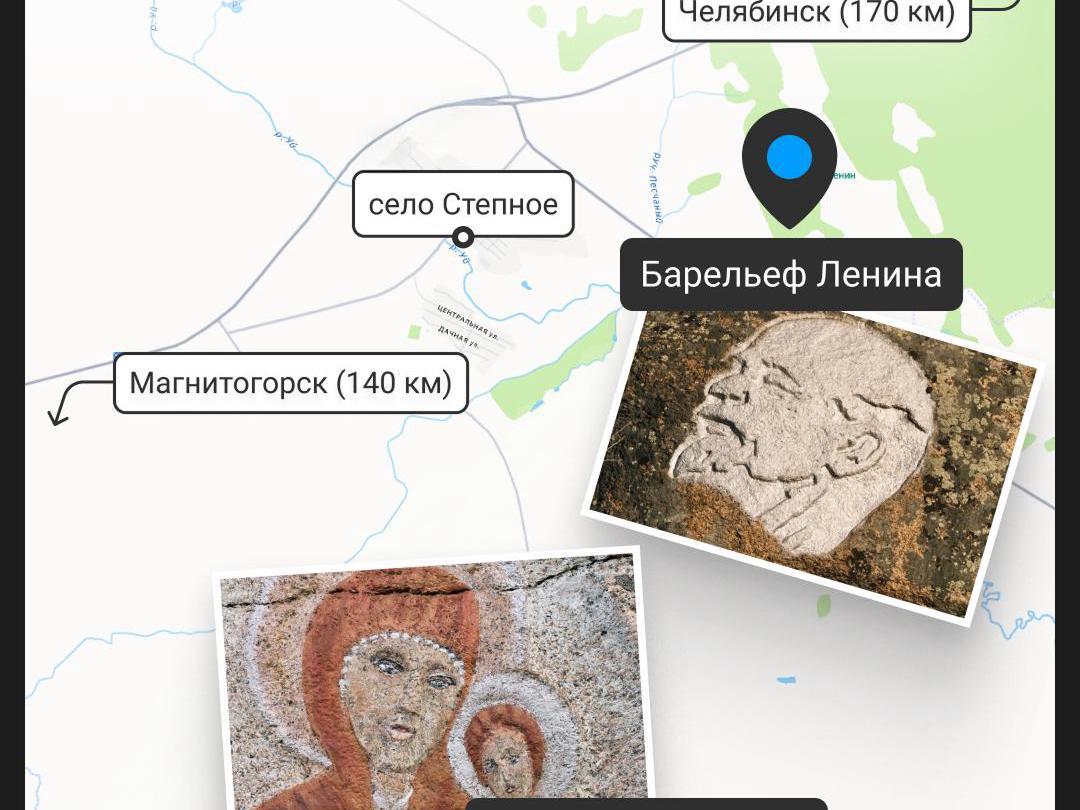
To see the icon on the rock, we head to Plastovsky District. We need the vicinity of the village of Stepnoye. From the highway, we turn towards the residential houses, and then get back on the road, this time a local one. It leads from Stepnoye to the small settlement of Stepninsky, which since collective farm days has been called «the third section.»
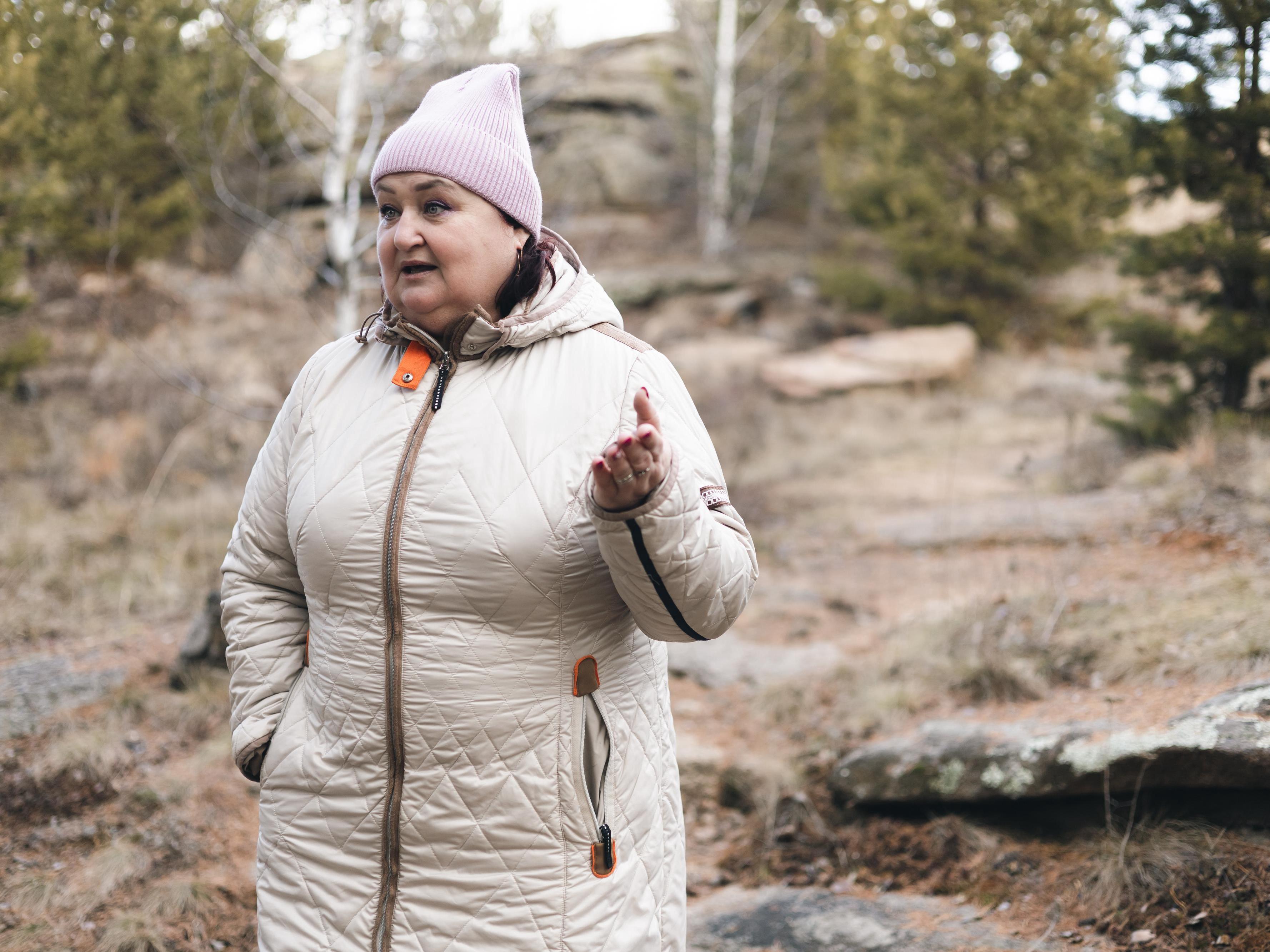
«The road is gravel, but it«s cleared because all the residents travel to Stepnoye — for work, to kindergarten, to school,» Larisa Lebedeva, the librarian of Stepnoye village, tells us on the way. «There»s a school there too, but only up to third grade, and then the children are transferred to the school in Stepnoye. So, the road is bad, but it exists, and in winter it«s cleared.»

The question about the road is not at all trivial. We set out to scout the local shrine before the heavy snowfalls, so we immediately ask if it«s passable after the onset of real, not just calendar, winter. It turns out, it is. However, right before Stepninsky, you need to turn off towards the icon, deeper into the forest belt. Usually, even here you can get right to the rocks via beaten paths, but after heavy snowfalls, you»ll have to walk a bit — literally 500–700 meters (about 1,600–2,300 feet).
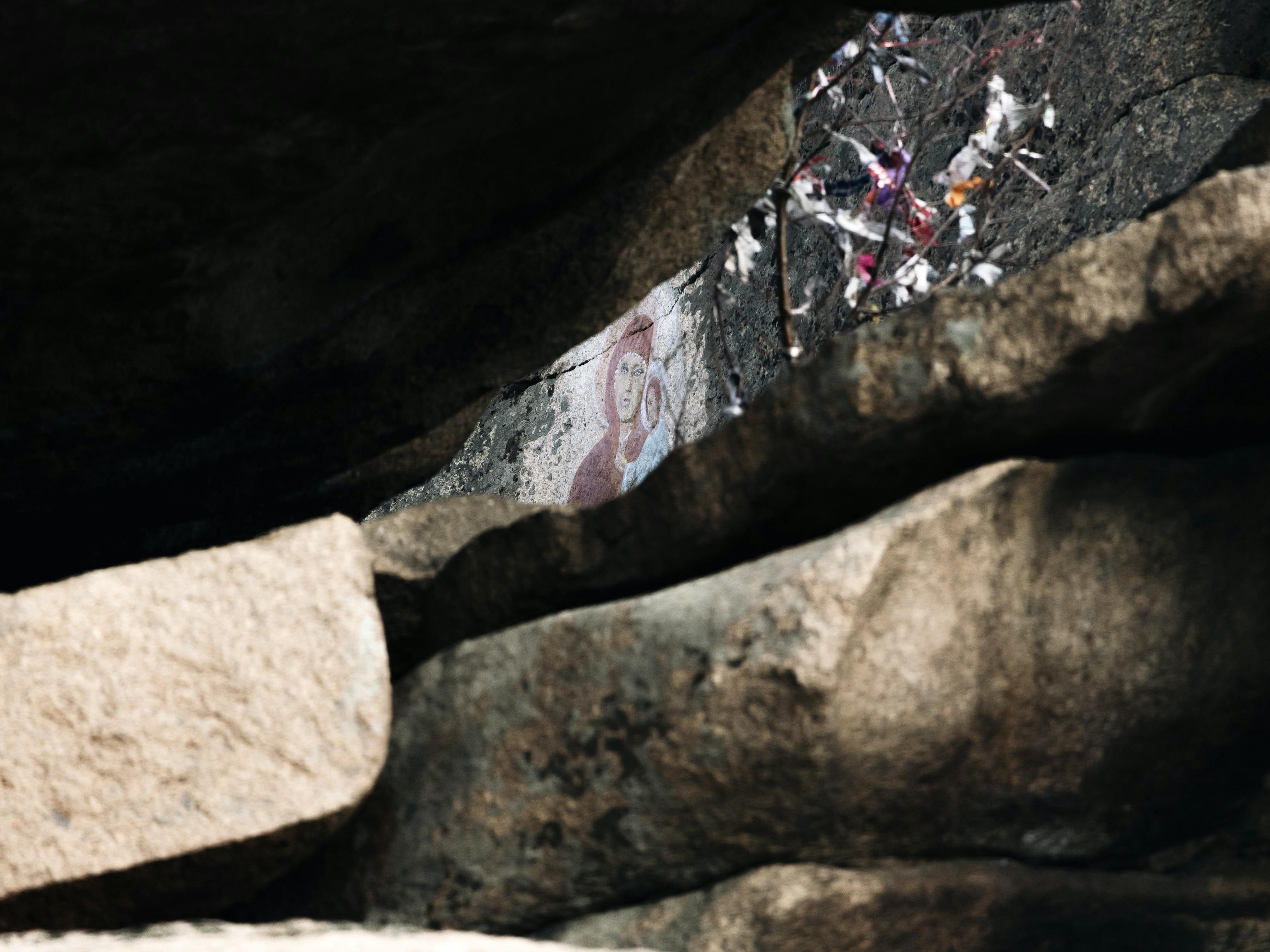
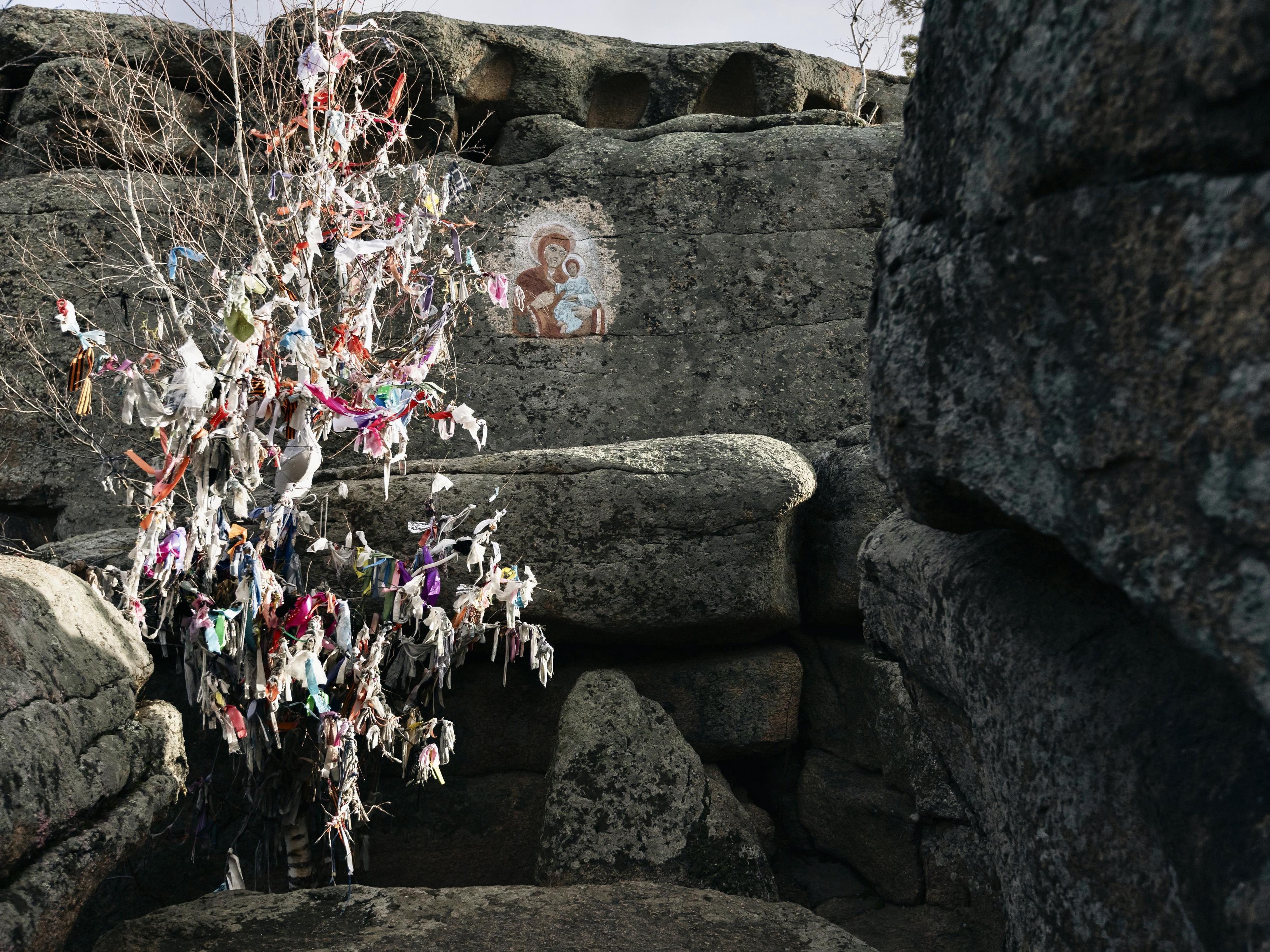
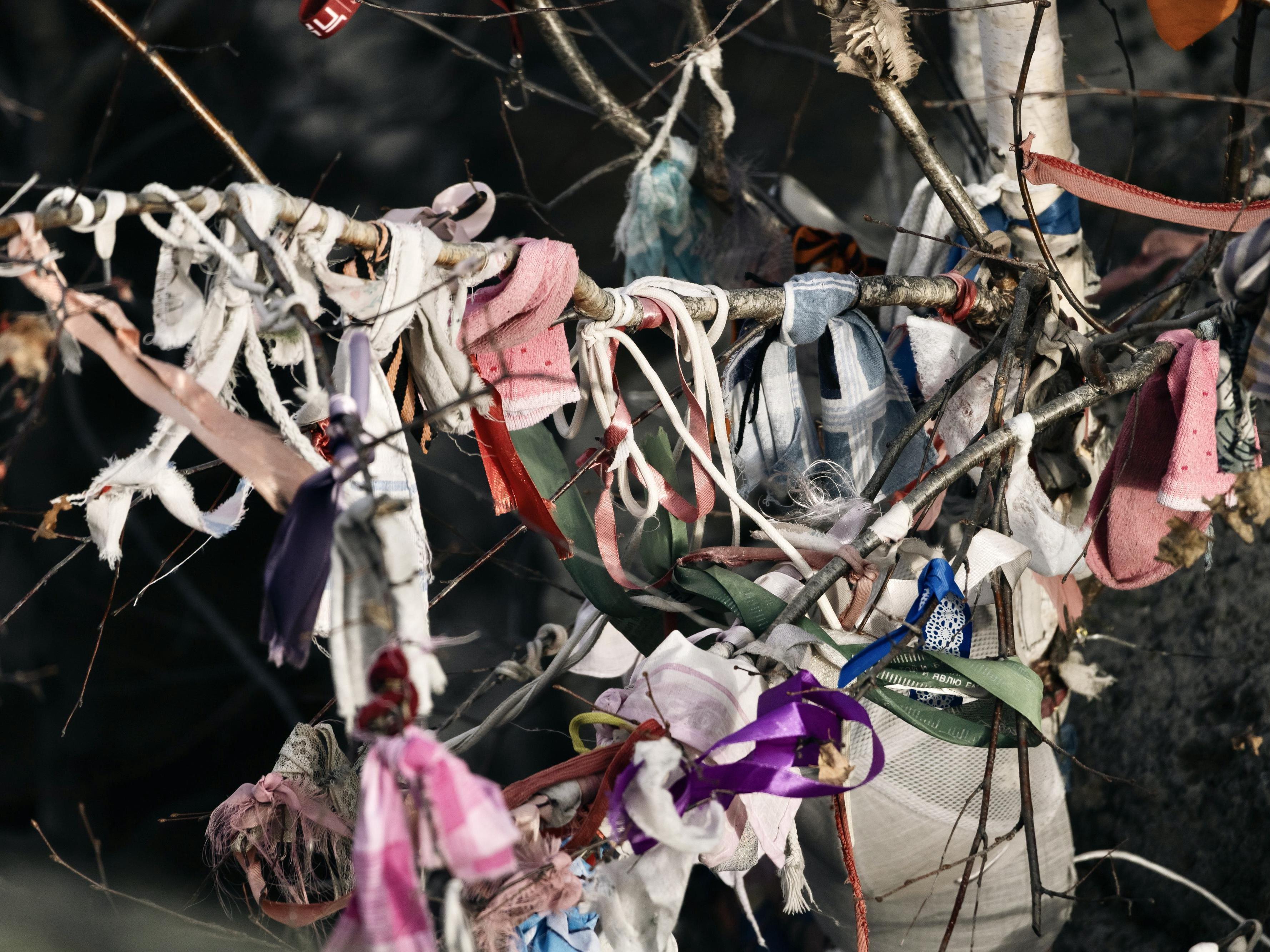
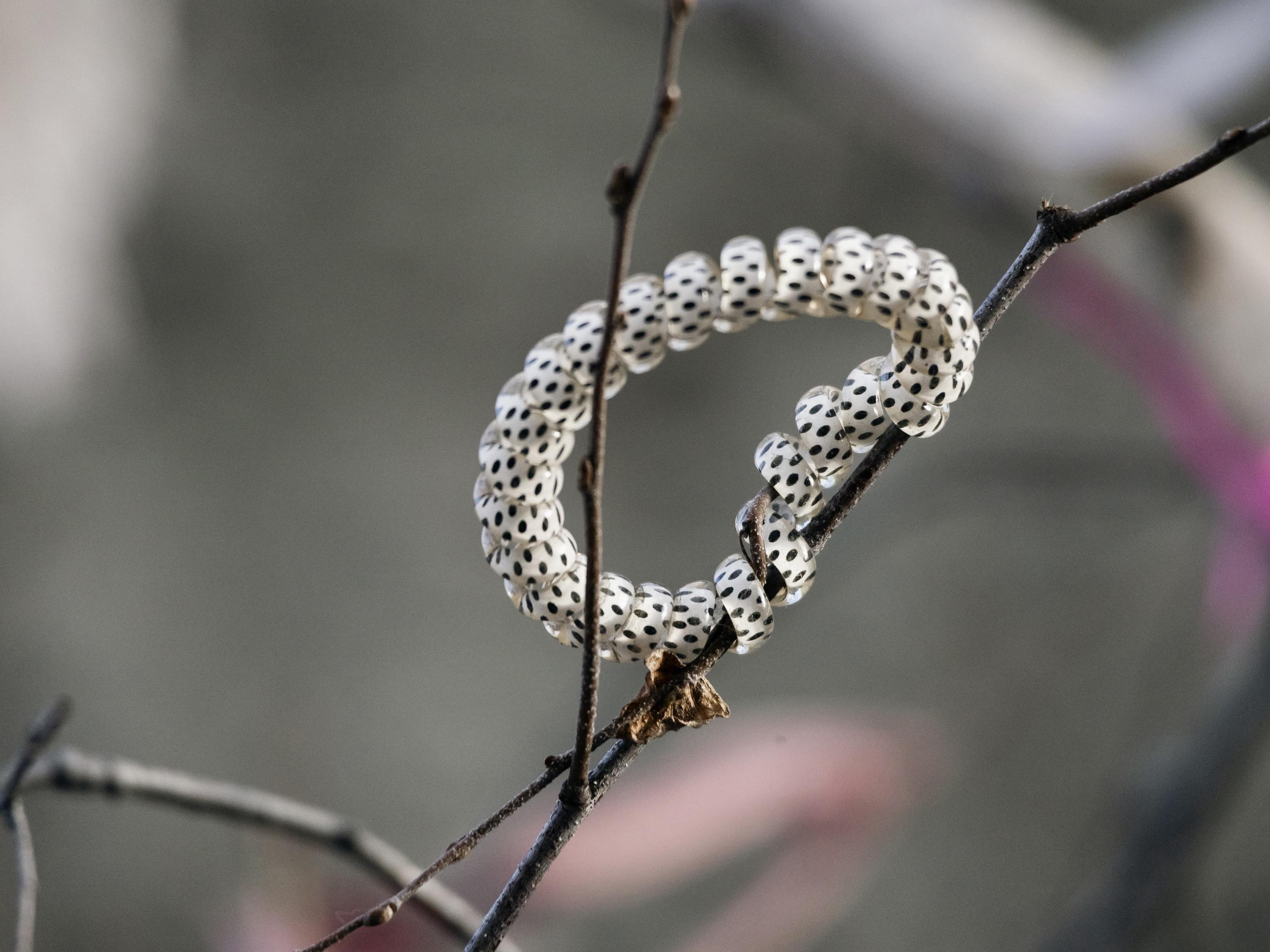
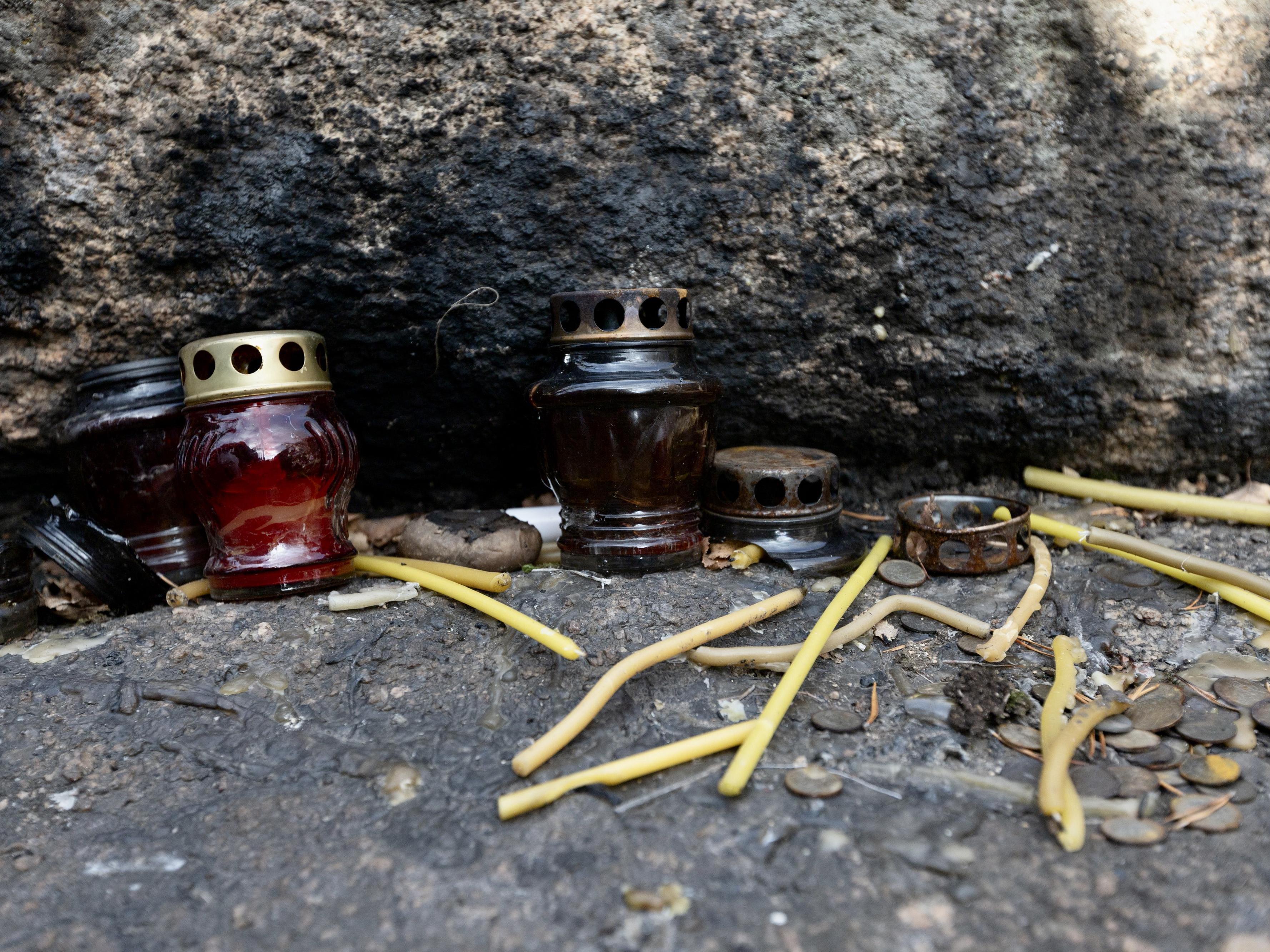
«Newlyweds come here to ask for happiness, to tie a ribbon,» Larisa Lebedeva says. «After the icon was consecrated, people started coming to it. Before, newlyweds would go to the soldier monument after registration, lay flowers, but now — to the icon.»
The place is also popular with Orthodox pilgrims, adds our guide. Some come to ask for help, others — to give thanks. The icon is, of course, man-made, appearing here in the late 1990s. Its author is local resident Yevgeny Andreyevich Televzhkin. He was neither a professional icon painter nor a sculptor; he simply decided one day to carve an icon on the rock. And for a long, long time, he drove around the area in an old Niva, looking for a suitable spot.
«Our places here are like that — hills, boulders. Yevgeny Andreyevich had a Niva. He«d get in, drive around the nearby hills and pick out a suitable stone. He»d tap — this stone crumbles, another breaks, but he was looking for a strong one,» says Lyudmila Lebedeva. «He was already old, and the family worried: «If he gets lost, where do we look for him?» You never know, what if something happened to his heart.»
The family«s concerns about his health were not at all trivial. When Yevgeny Televzhkin started working on the icon, he was already 77 years old. And for his relatives, his desire to carve the face of the Mother of God was, to put it mildly, unexpected.
«He had a stroke before that, was taken to the hospital. His granddaughter, a medic, was on duty, and he escaped. She calls me: «Mom, grandpa escaped.» And I look out the window — he«s walking,» recalls Yevgeny Televzhkin»s daughter-in-law, Lyubov Yegorovna. «He came, sat down, and cried: «Oh, Lyuba, I want to make the Mother of God.» I tell him: «You tell me, why did you escape from the hospital? You had a stroke! You need to get treatment.» And he: «I don»t want treatment. I have one thought — to make the Mother of God.« — »Where to make it?« — »On the hills.« But what hills? He could barely walk!»
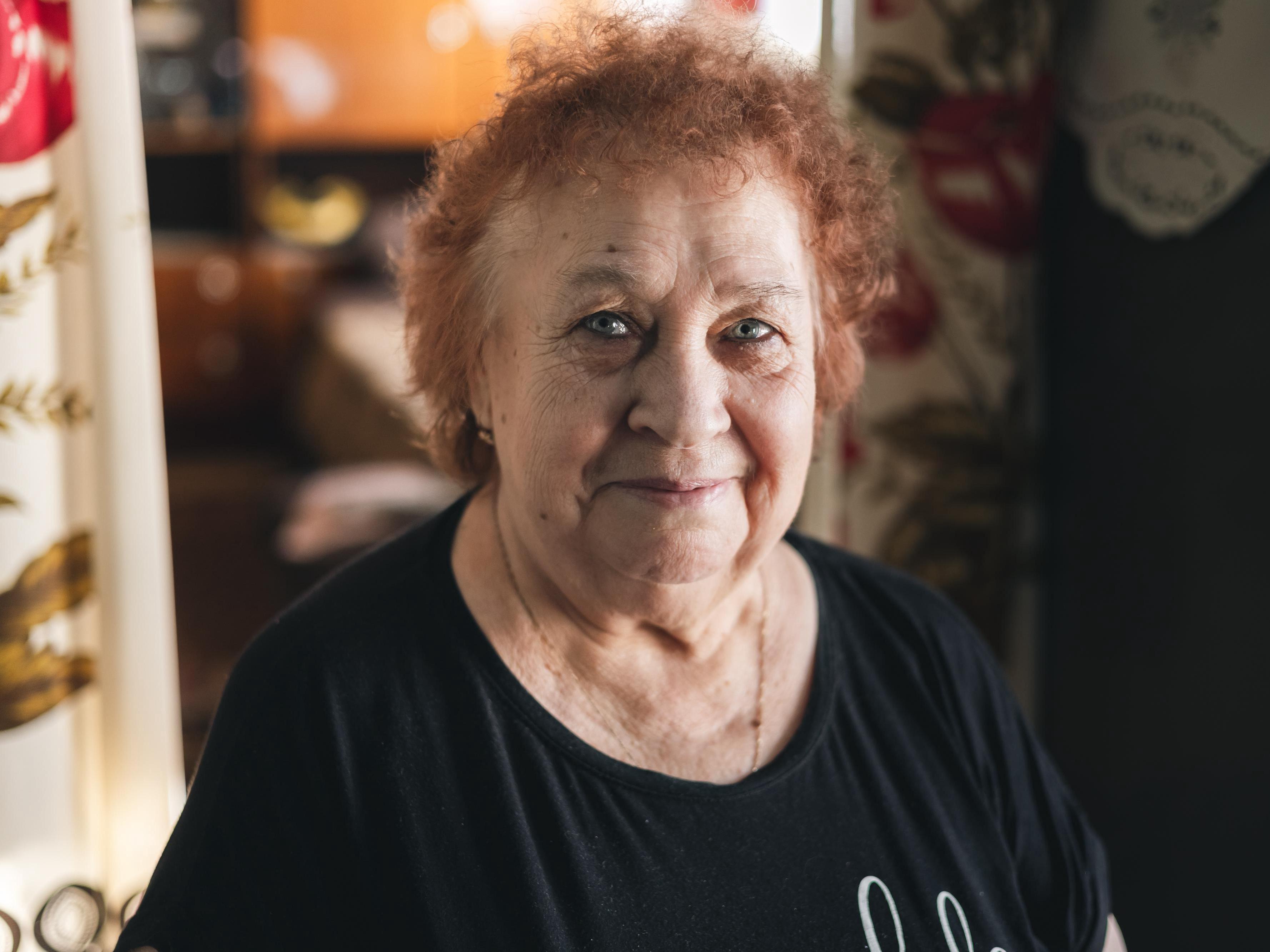
At first, the family even tried to dissuade the pensioner, but Yevgeny Andreyevich was adamant. He flatly refused to return to the hospital, found a suitable hill near the third section, got his tools — and started working. He took as a model an icon of the Mother of God that stood at home, and for several months, he drove to the rocks with his tools.
«He came in once and said over tea: «I finished my work.» And you can imagine what work,» recalls Lyubov Yegorovna. «And then people started saying: «Have you been to the Mother of God?» But we hadn«t been anywhere, didn»t know anything. We went — and there it was. Later, grandpa dropped by sometime, had some tea. I ask: «And where did you dash off to again?» He answers: «I»ll go, paint it [the icon]. Otherwise, it doesn«t stand out on the stone.» And he went, painted it.»
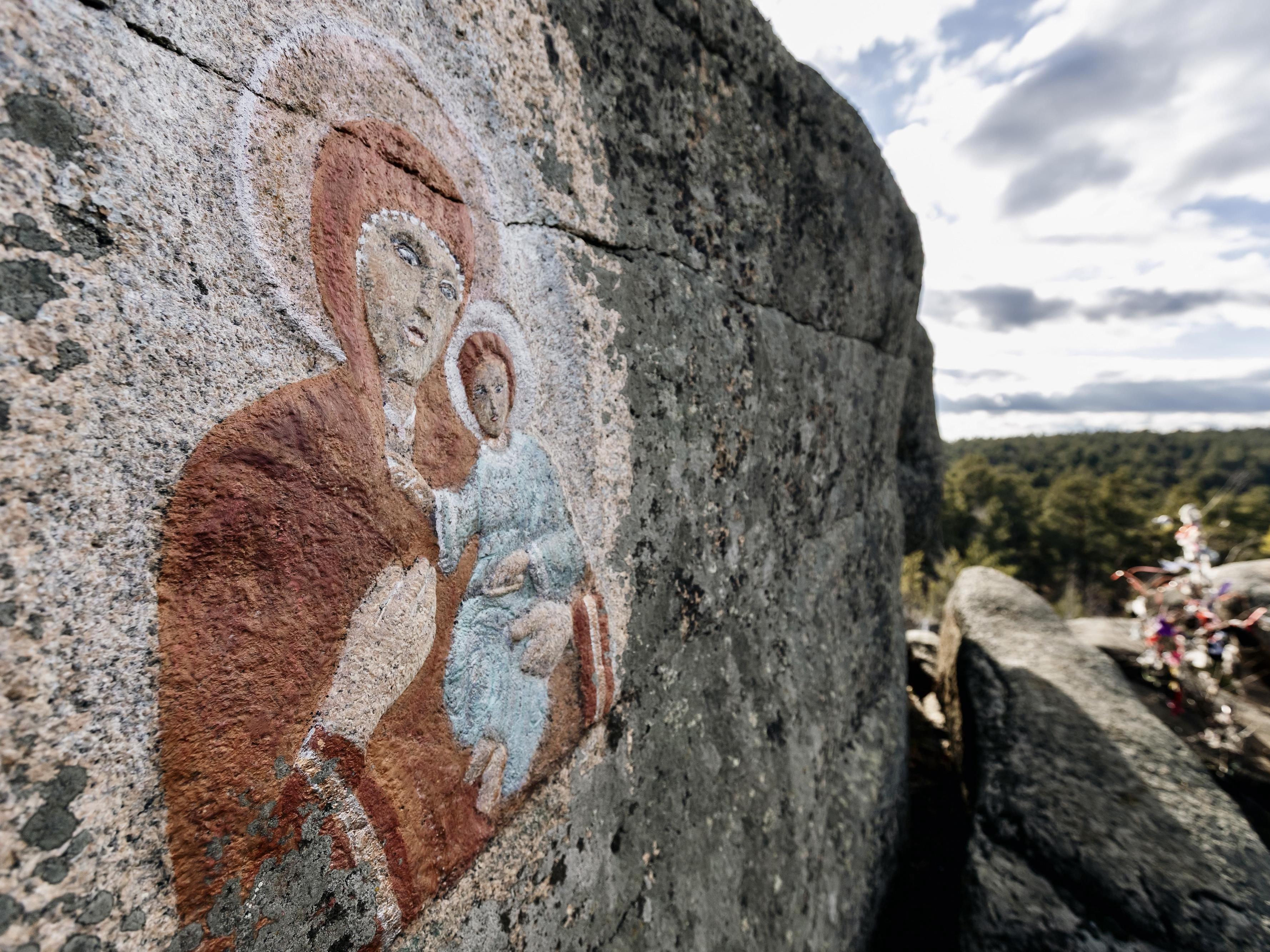
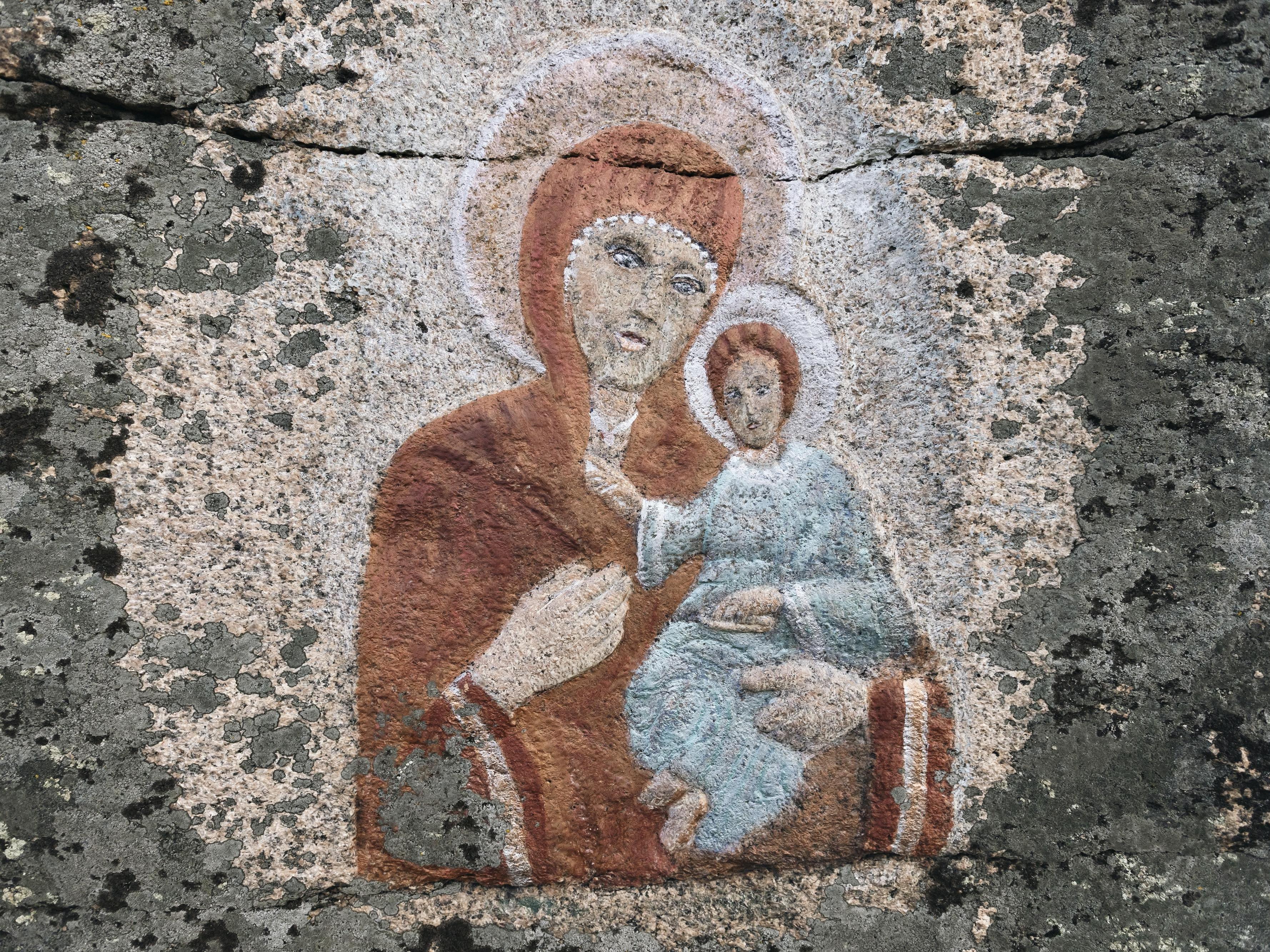
Over time, people talked so much about the icon on the rock that it attracted the church«s attention. A priest from Plast found Yevgeny Televzhkin and went with him to the hills, then consecrated the image at the request of parishioners.
«He hung on reins! It«s enough to drive you mad!»
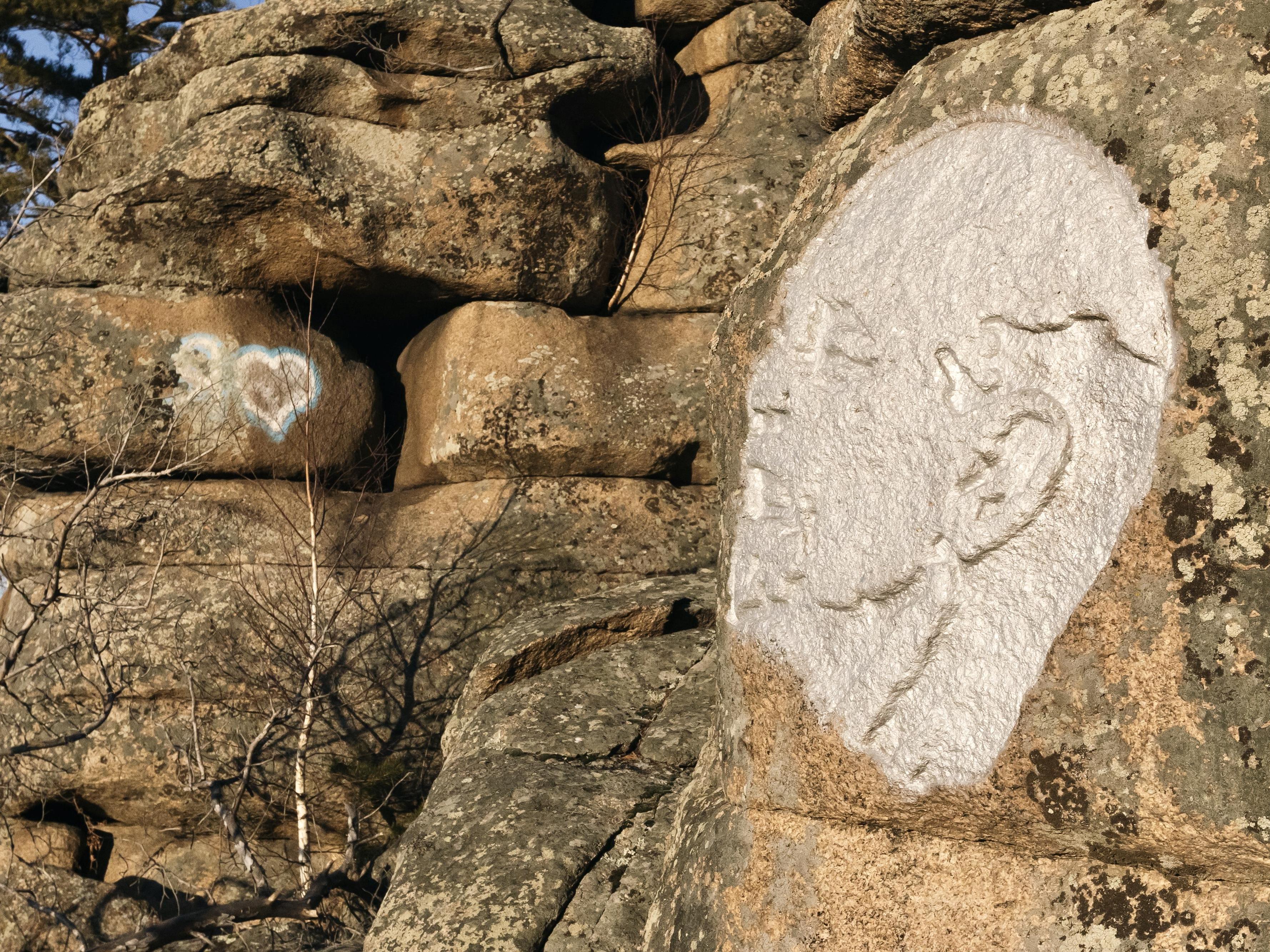
Relatives tell: actually, the image of the Mother of God was not Yevgeny Televzhkin«s first work. Back in 1967, for the 50th anniversary of Soviet power, he made a bas-relief of Lenin on the hills, and that place was cult-like for residents in Soviet times.
«Before, these hills were called Vasilyevsky, and then they became Lenin Hills. We went there for all holidays. We celebrated May 1st, May 9th there,» says the master«s daughter-in-law Lyubov Yegorovna. «That Lenin bas-relief he drew himself (we later found a pencil sketch when sorting through things), he carved it himself. We used to ride to this Lenin with the boys on motorcycles, adults celebrated all holidays there too. And in winter, my friend Natasha and I would run there on skis.»
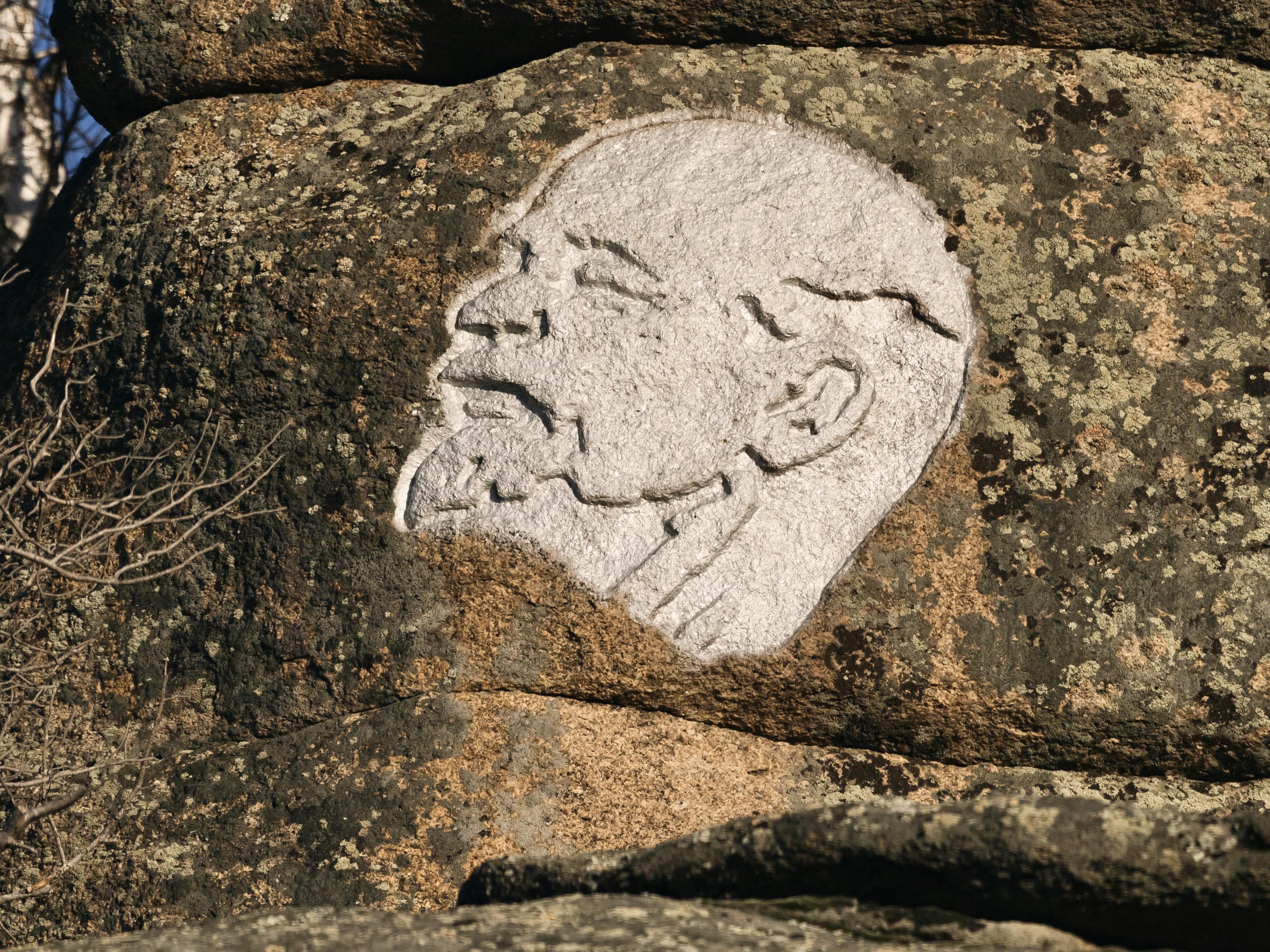
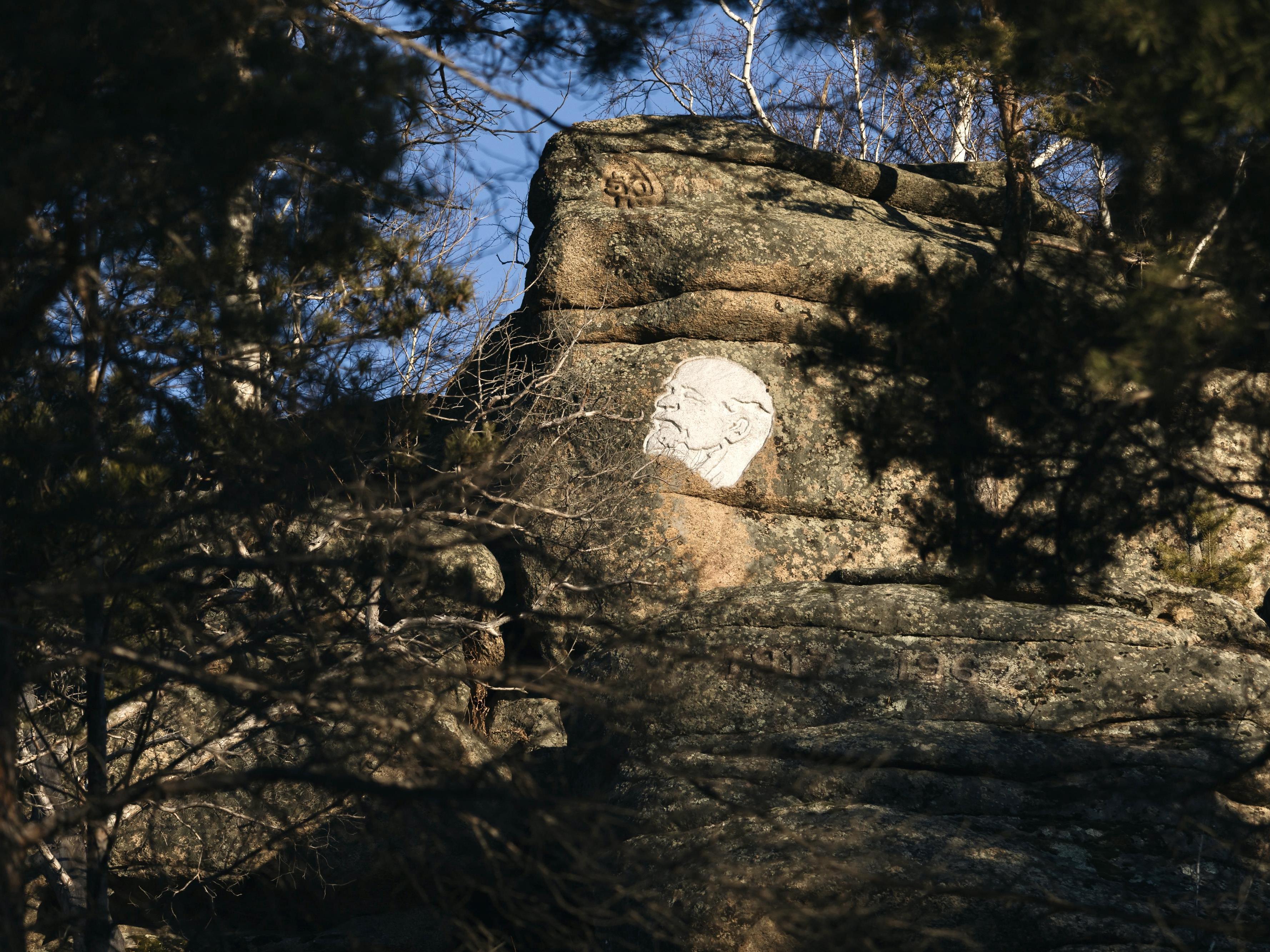
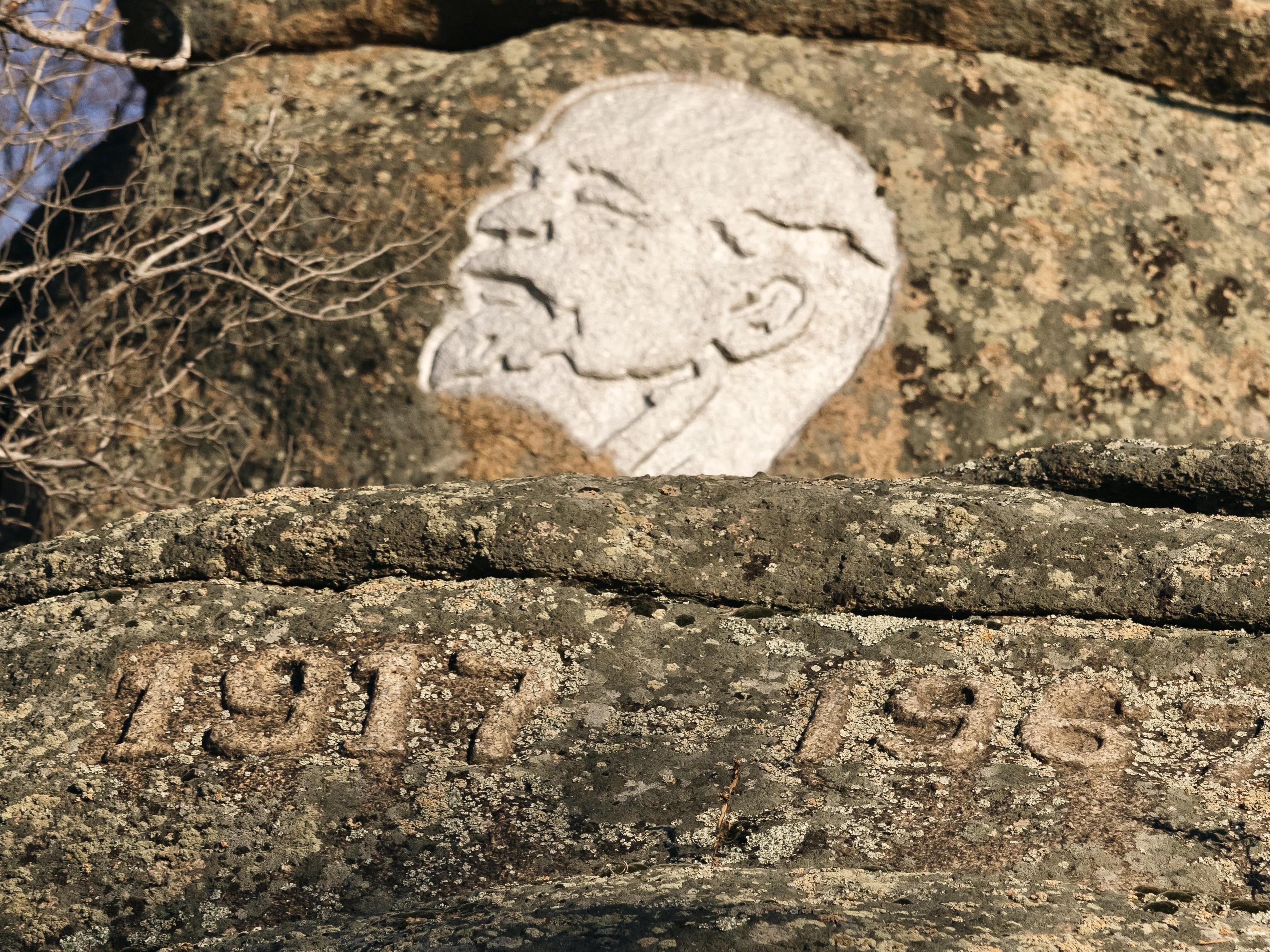
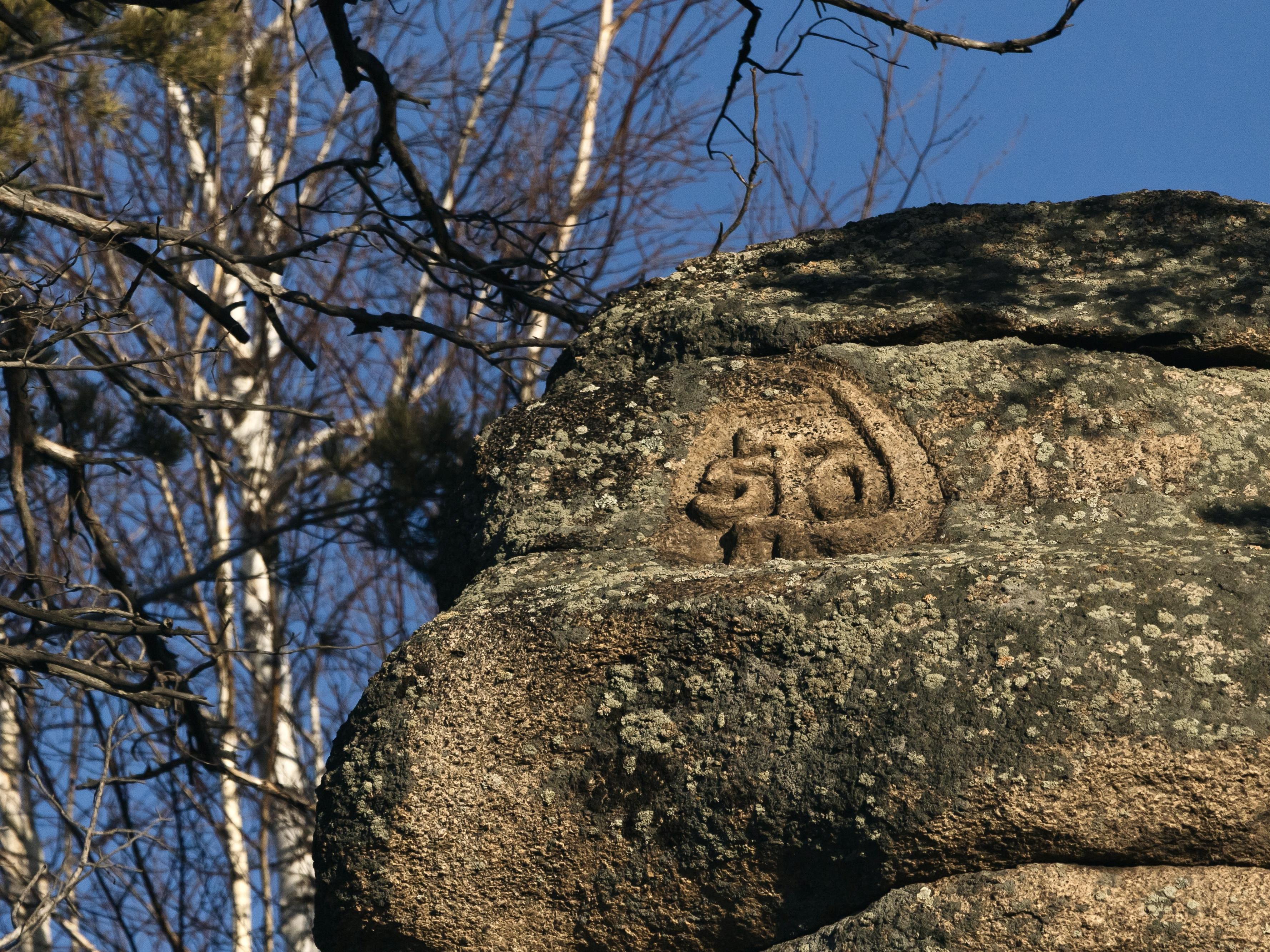
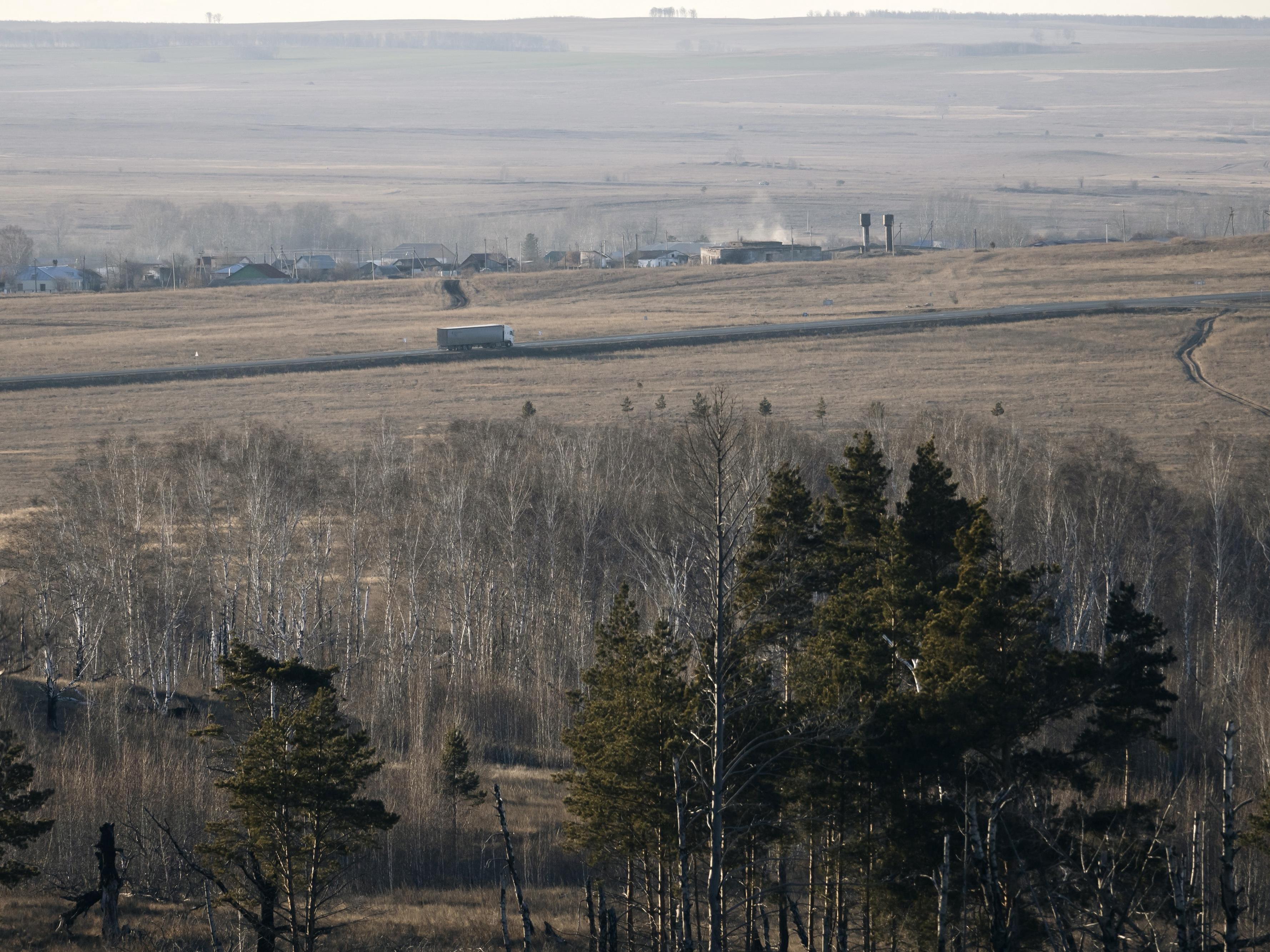
Now, you can«t drive to the hill with Lenin anymore: the territory belongs to the Sanarsky Nature Reserve, and foresters strictly ensure no unauthorized vehicles are there. But you can walk there; from the highway to the point — less than two kilometers (about 1.2 miles). Lenin Hill, by the way, is several times taller than a person, and if reaching the leader»s profile is no problem, Yevgeny Televzhkin had to work at a considerable height for the inscriptions.
«I always told him: «Daddy, how did you make Lenin? Such height!»» recalls Lyubov Yegorovna. «And he told: «I hung on reins.» Can you imagine? Hung on reins! It«s enough to drive you mad!»
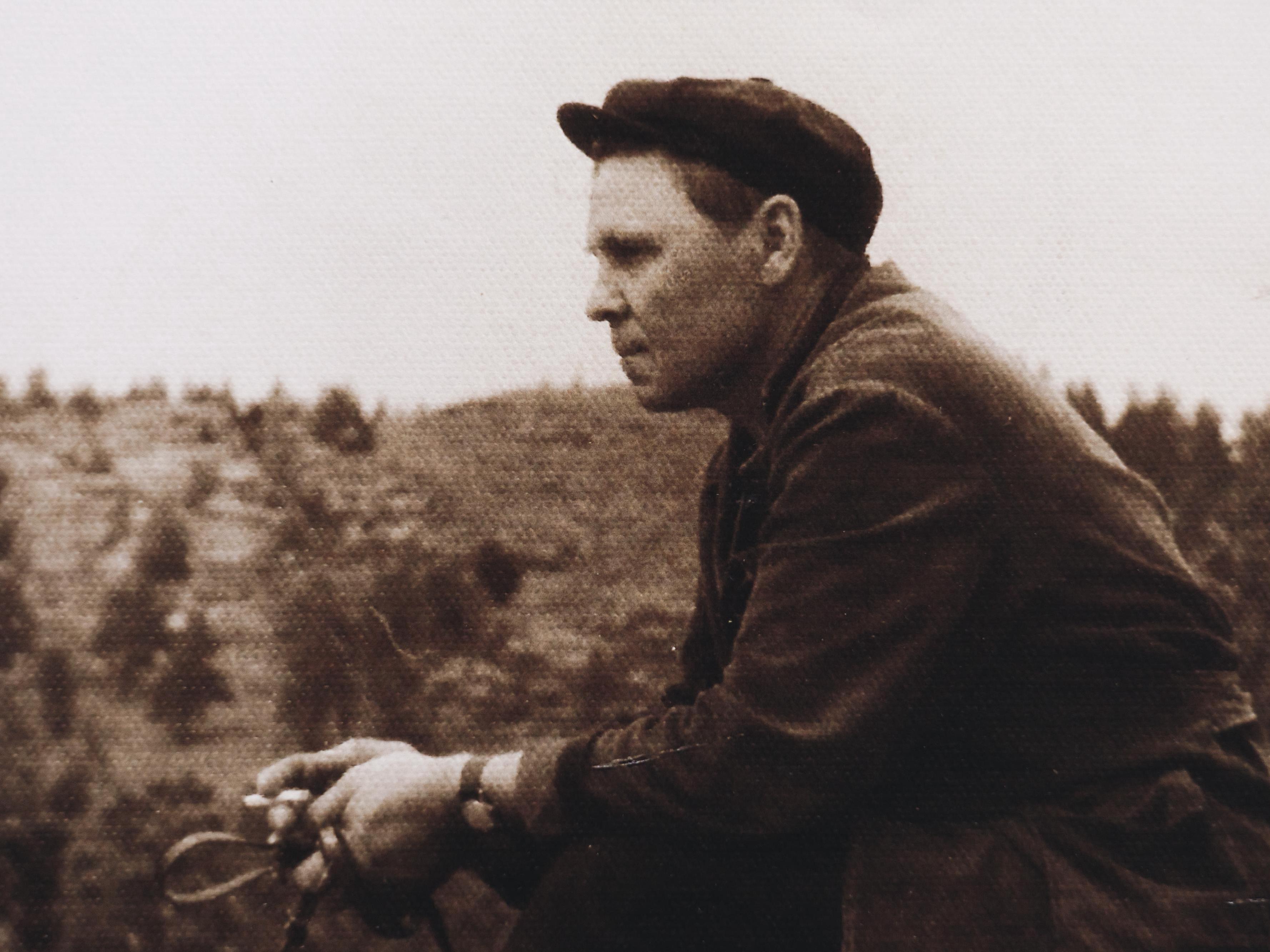
«There really is a very large stone,» librarian Larisa Lebedeva adds. «If you stand below, you can«t reach the highest part with your hand. And he needed to carve. So he fastened reins to the stone, lowered himself as if on a seat, and carved. Alone! And if he had fallen? There was no one around.»
«And I always said: I think someone was guiding him,» smiles Lyubov Yegorovna.
«Lenin himself — just like a child, literally»
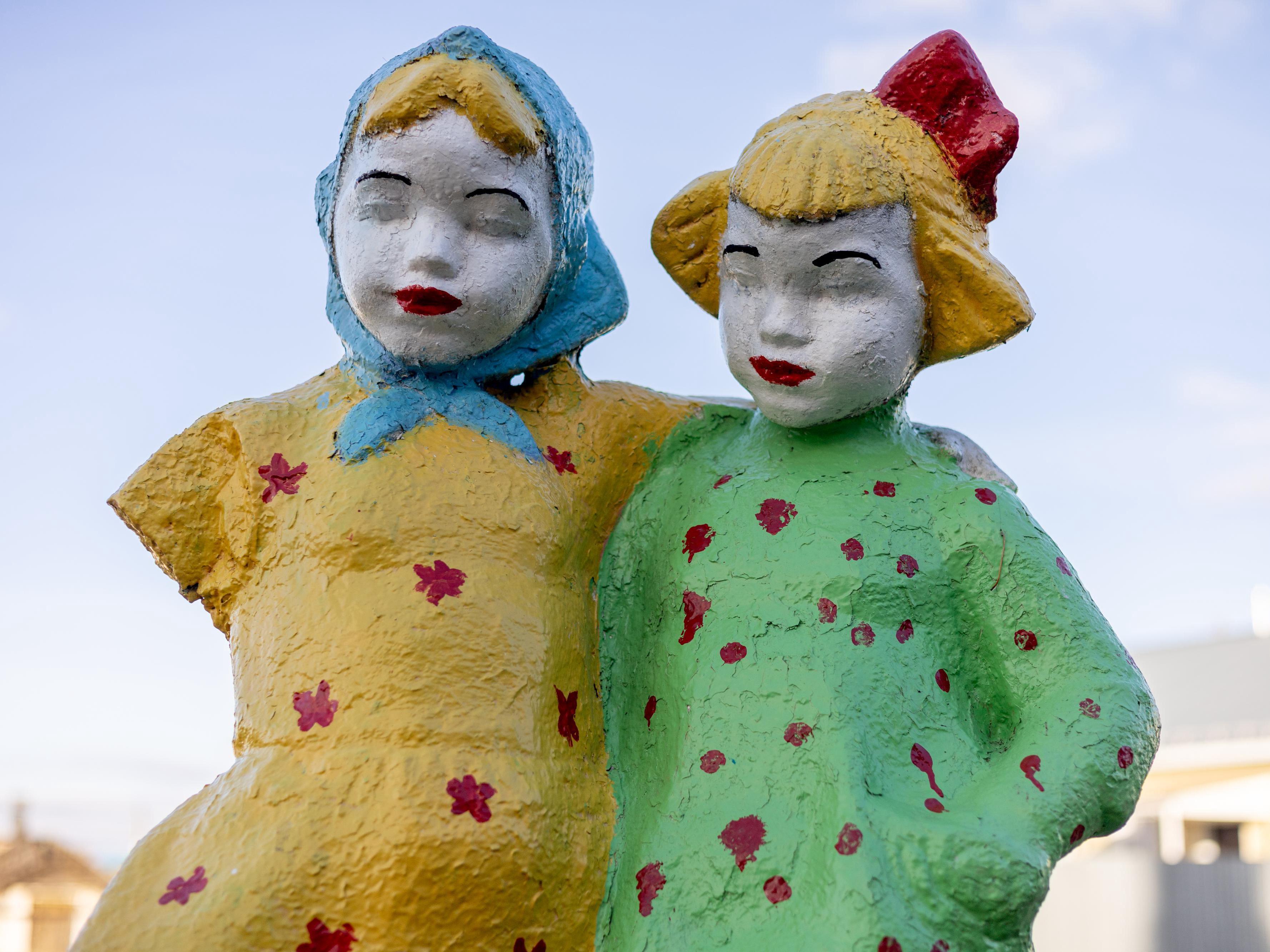
Yevgeny Televzhkin also worked with ordinary sculpture. In the 1970s, for the opening of a kindergarten in Stepnoye, he made figures of girls standing at the entrance. After half a century, they have started to slowly deteriorate, but they still stand in place. And in the yard of Yevgeny Andreyevich«s granddaughter, a figurine of Lenin as a child is displayed. Relatives tell: he carved it from a huge boulder.
«The stone is huge, it was moved by crane,» recalls Lyubov Televzhkina. «And Lenin himself — just like a child, literally. Curly hair, sitting with a book, as if reading. Pants, boots — he«s like alive.»
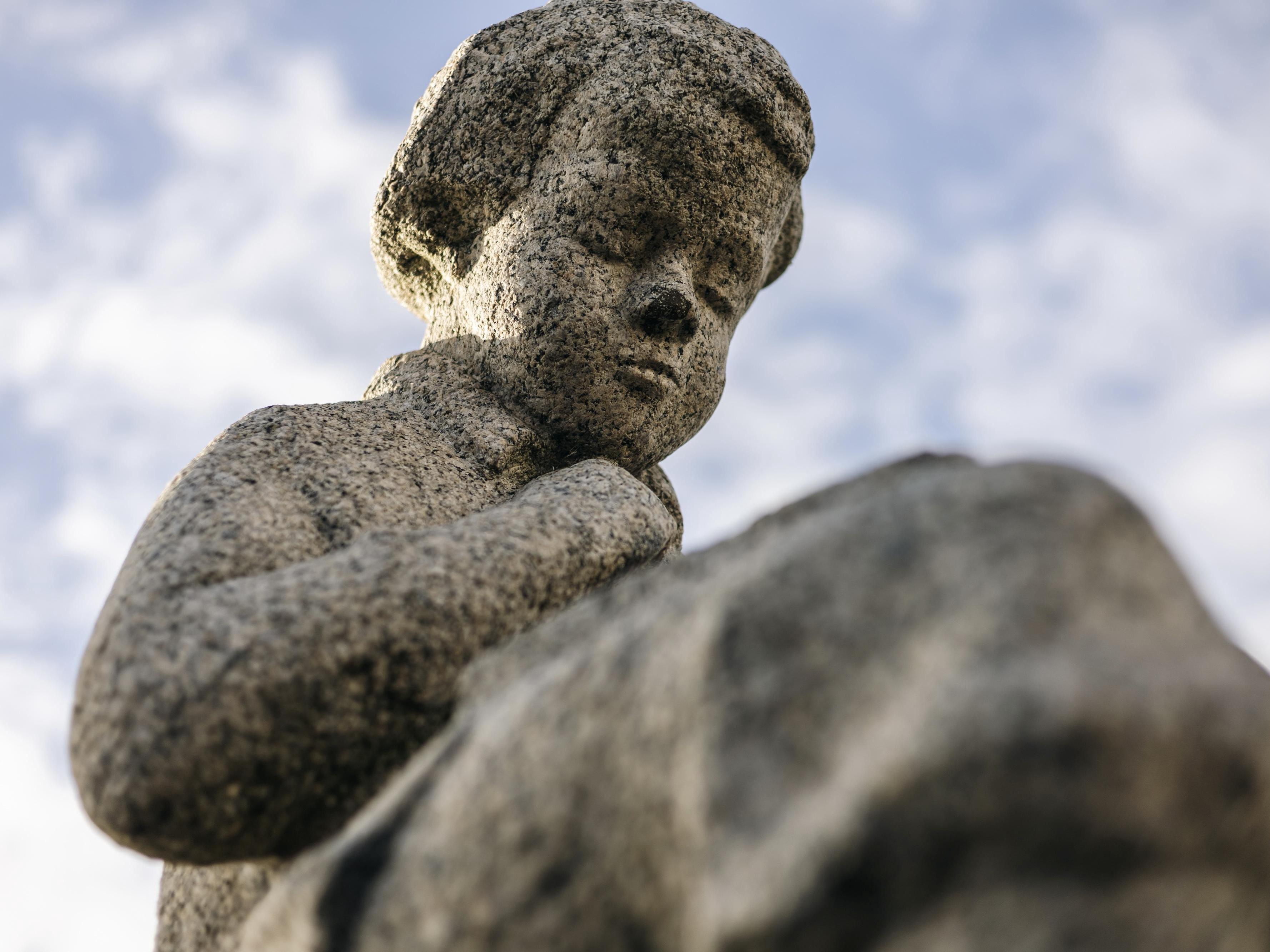
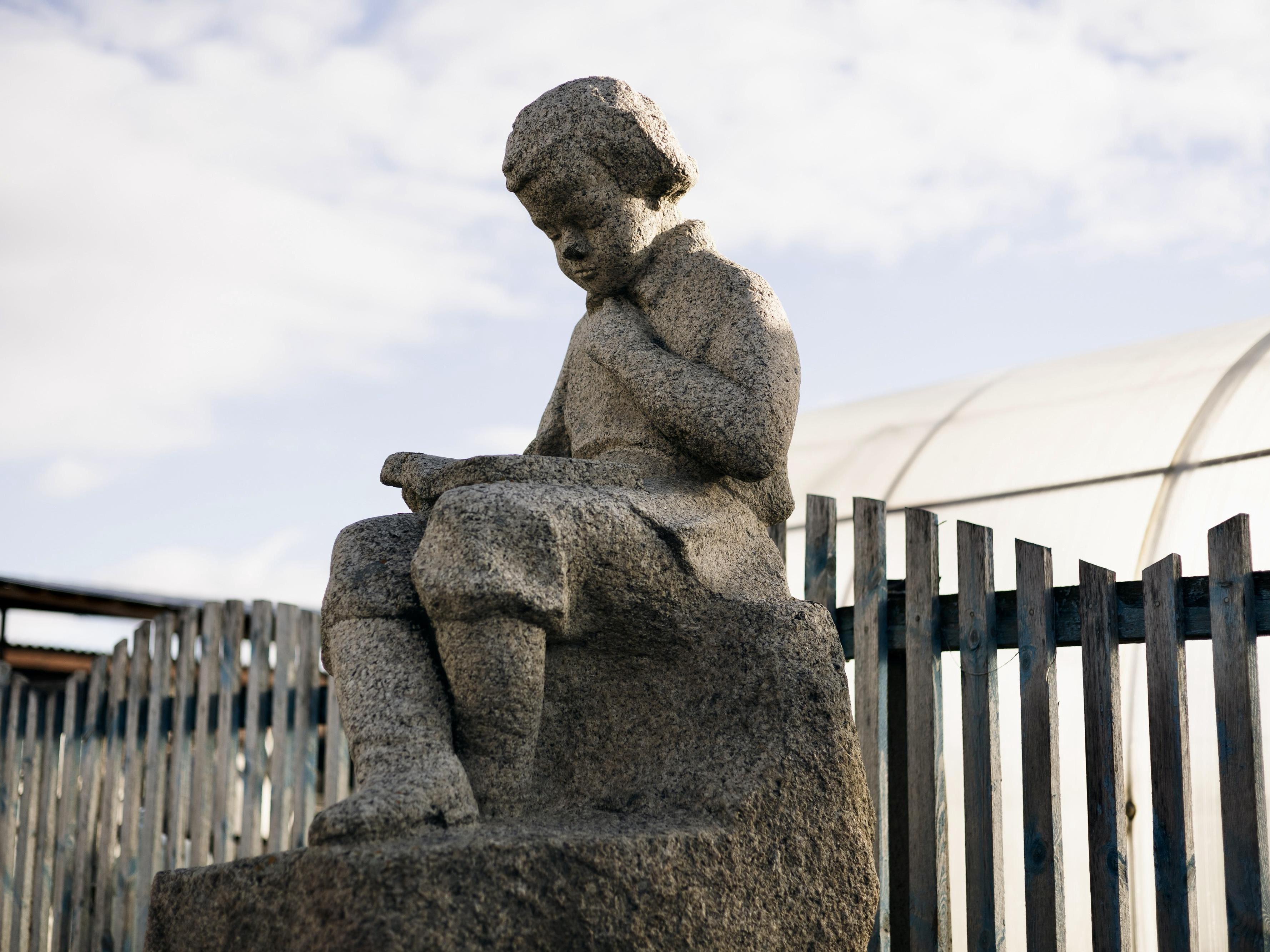
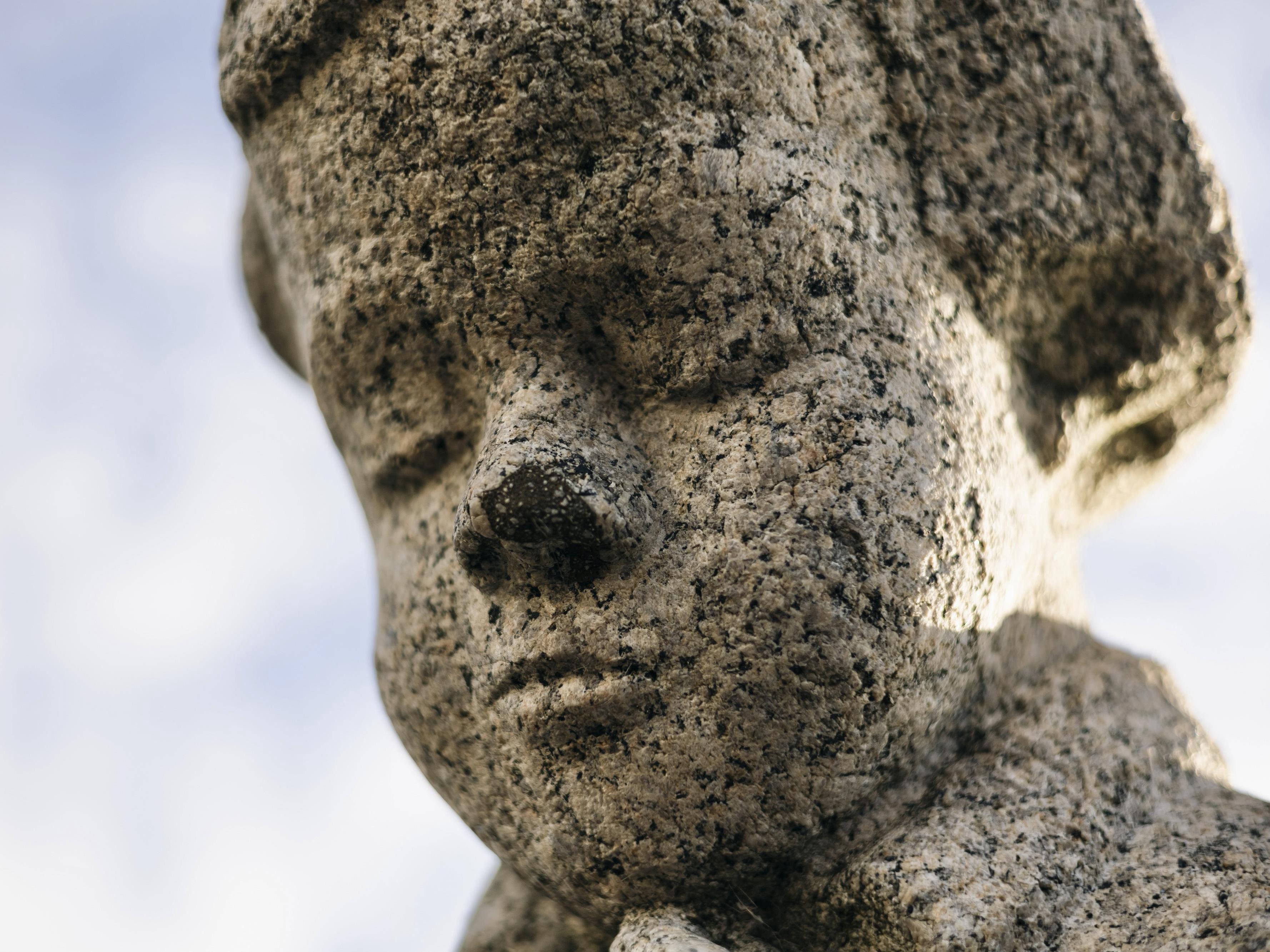
Previously, this monument stood in the front garden of Yevgeny Televzhkin«s house, adds our interlocutor. Then it was taken to Lazurny, and recently it was returned to Stepnoye — to the author»s homeland.
«Grandpa said he worked on it for almost 40 years,» says Lyubov Yegorovna. «He had a job, after all, he couldn«t just sit by the stone. And to carve such a stone, you need time. So he worked on it after work and in his free time.»
Yevgeny Andreyevich did have a regular job. He was born in Stepnoye village, but lived in Chelyabinsk for a while, worked as a mechanic at ChTZ (Chelyabinsk Tractor Plant). In the 1950s, after a party scandal, he returned to his homeland.
«Anna Petrovna, wife of grandpa Zhenya, was a communist, and she had an icon in the front corner,» says Lyubov Televzhkina. «Someone complained about her: «How is this? A communist, supposedly, has an icon.» You know yourself, it wasn«t allowed then. And that»s it, they got scared and came here with grandpa Zhenya, lived here. They were scared then. After all, grandpa Zhenya«s father was shot. He was a labor teacher, and someone complained about him, he was taken by the NKVD, shot. Only later was he posthumously rehabilitated.»
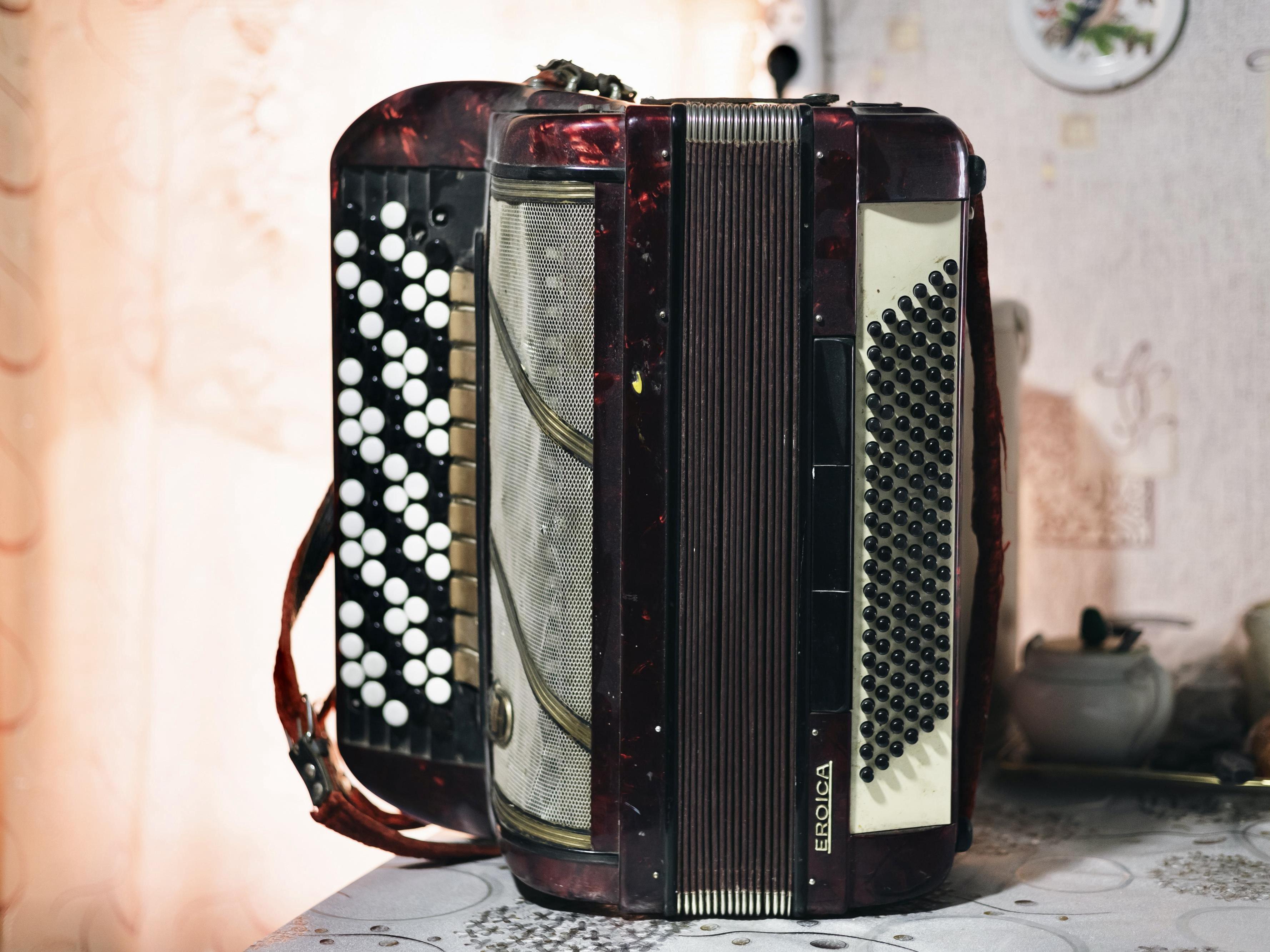
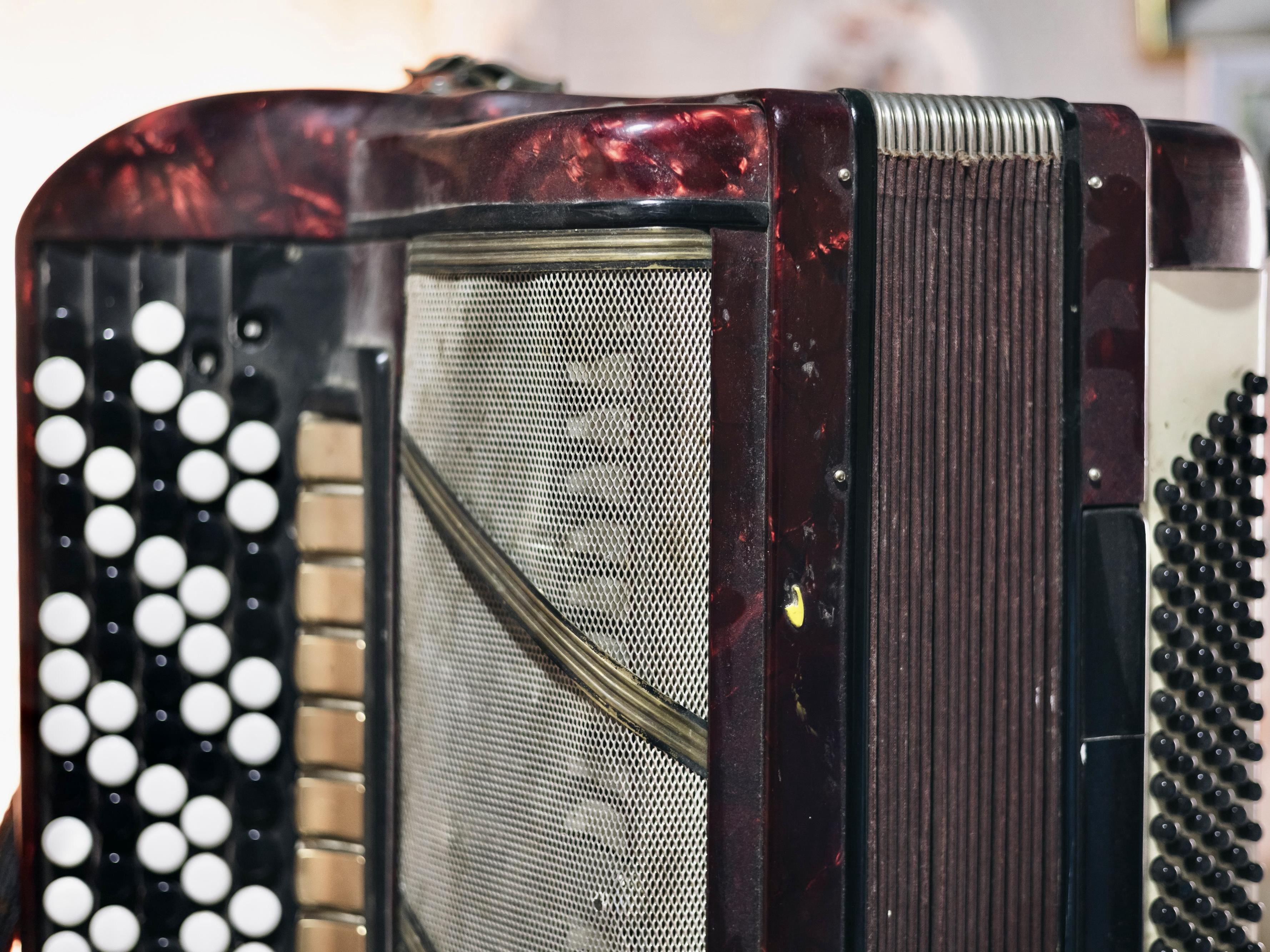
In Stepnoye, Yevgeny Andreyevich worked as a club manager, played the accordion, organized concerts for the local choir.
«He made musical instruments himself, little tubes — copper and others,» says Larisa Lebedeva. «Then he played them, taught others. He made something like a small balalaika, dombra: he«d process the wood, string it. Later he invented a device like a wind chime, he played on it too — like a one-man band. He used all this in the choir too.»
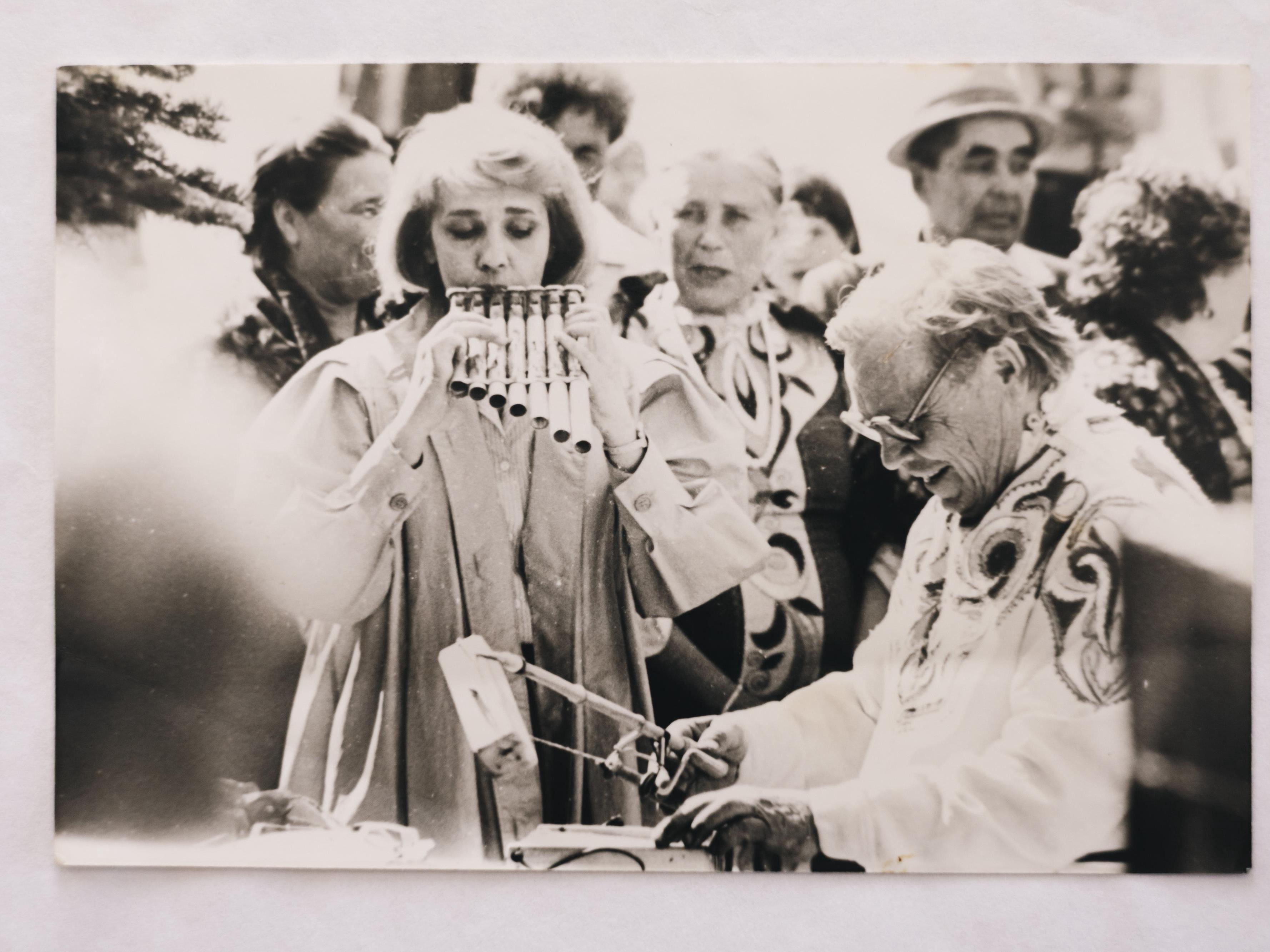
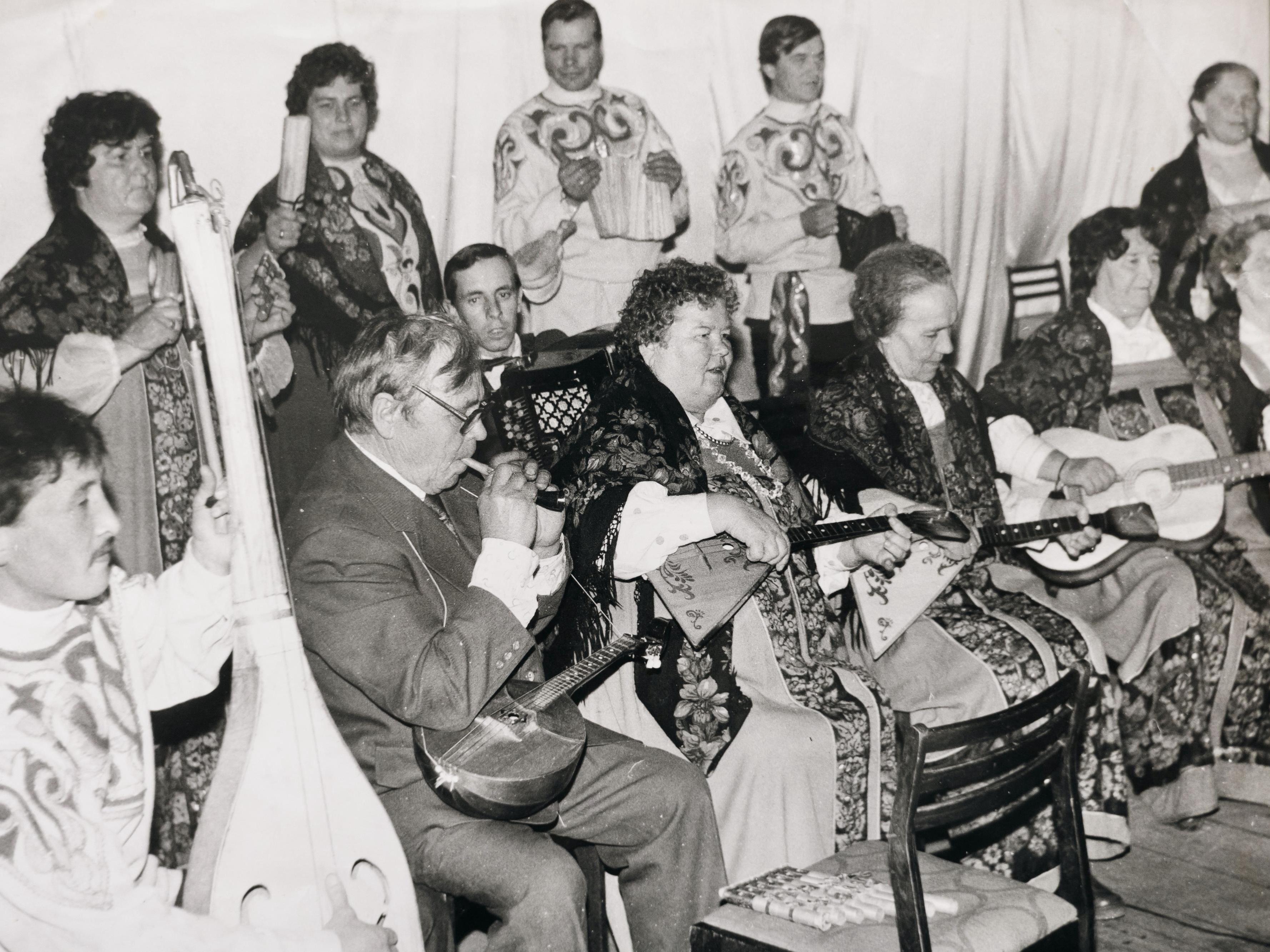
Later, the club burned down, the ensembles fell apart, and only occasionally were choir members invited for performances. But even then, Yevgeny Televzhkin didn«t remain idle: he repaired shoes for villagers, fixed cars dented in accidents, took photos for documents or for family archives.
«He was an excellent cobbler! When I was still studying in the city, my heel got into a drainage ditch, broke off. Yevgeny Andreyevich completely removed the sole for me, carved a new one. Made the shoes like new!» admires Larisa Lebedeva. «You«d go into his place — an old hut, you had to bend over [in the doorway], and on the wall there wasn»t a free spot, tools everywhere. Lots and lots of different tools.»
Yevgeny Televzhkin died in 2006, but many remember him well even 20 years later. And even if no one celebrates holidays near the Lenin bas-relief anymore, now and then tourists come to admire the rock carvings.