Abandoned Village Residents Say 'No One Needs Us'

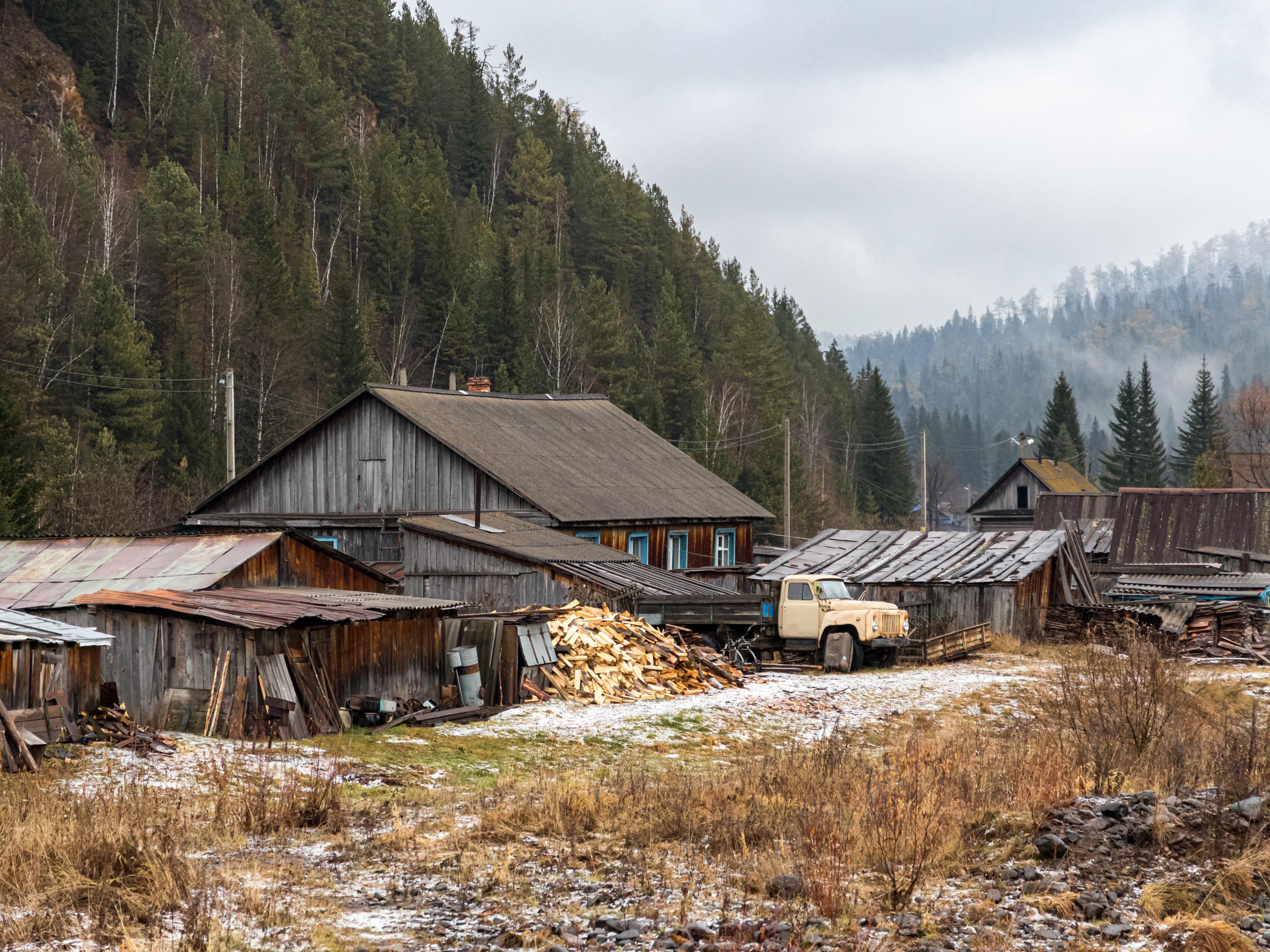
80 km from Krasnoyarsk, near the Krasnoyarsk Hydroelectric Power Station, right on the shoulder of the federal highway «Yenisei,» the small taiga village of Verkhnyaya Birusa is living out its final years. It appeared on the site of a forestry enterprise last century. And all its residents were somehow connected to the forest. Now there are no enterprises, no shops, no school, no pharmacy, and they can«t even gather firewood themselves. But it seems the remaining people haven»t been broken by this. NGS24.RU correspondents Alexey Taiganavt and Masha Lents visited the residents.
“We Thought There Were Baptists Here”
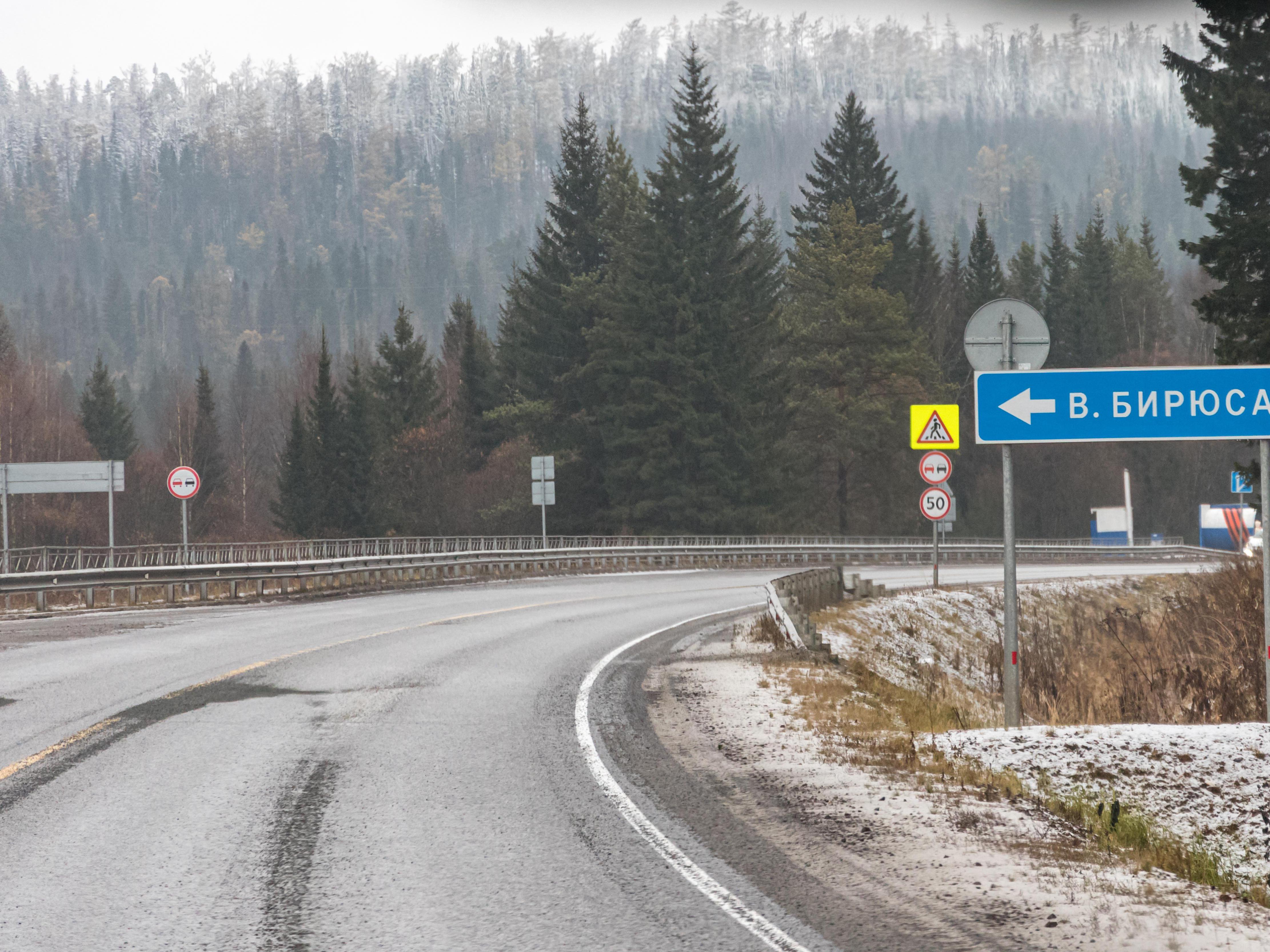
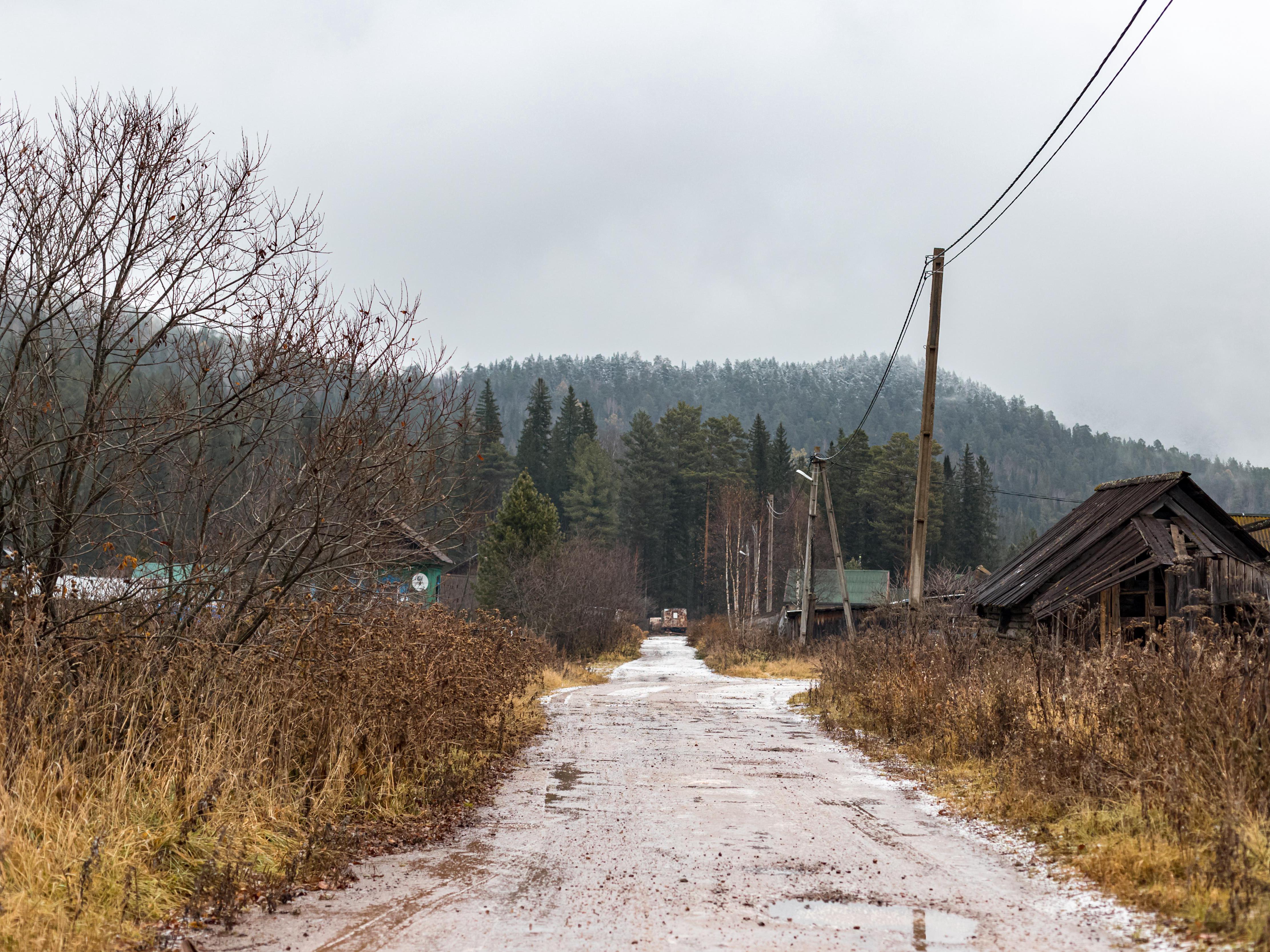
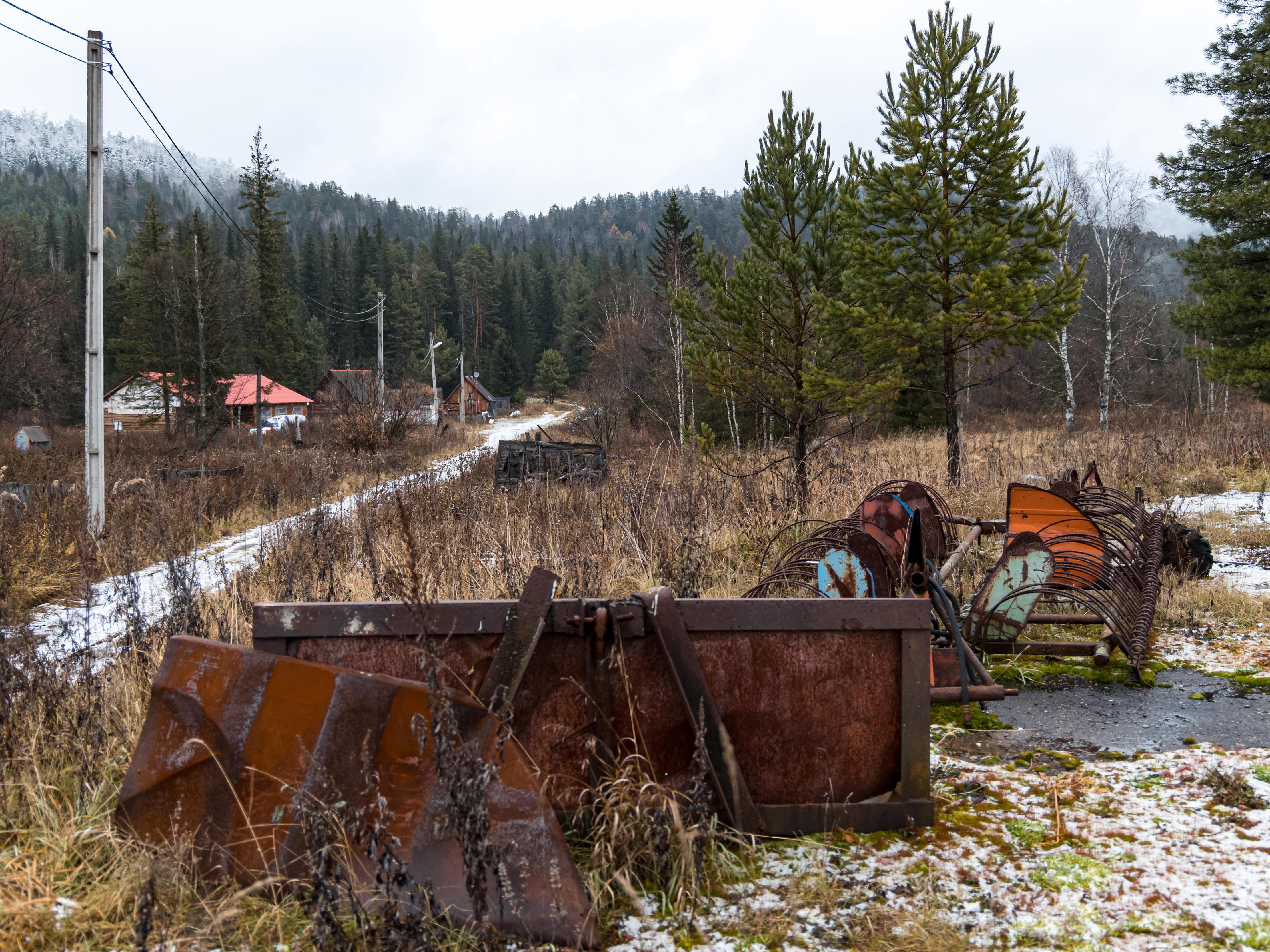
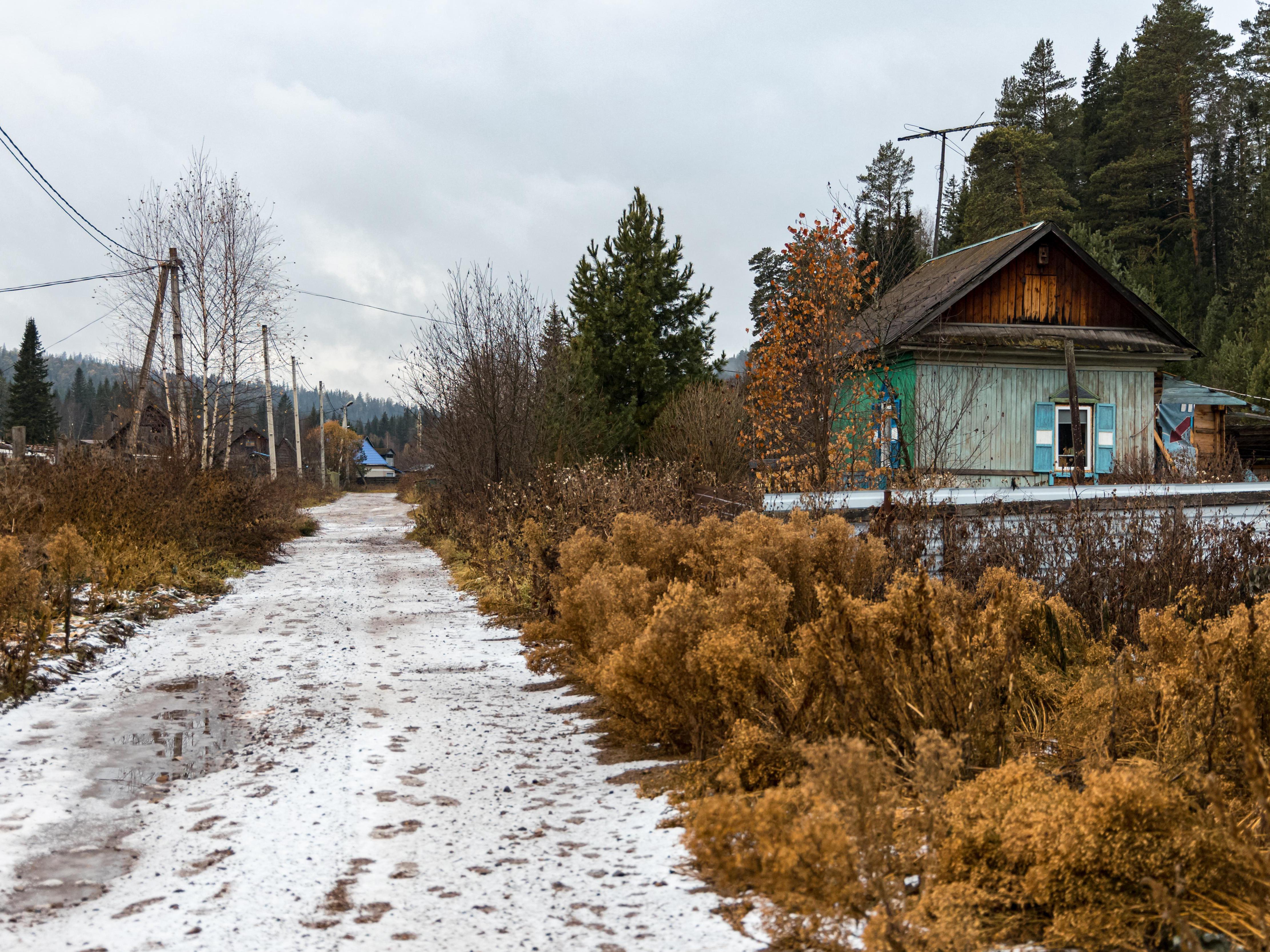
Their god-forsaken and boss-forgotten village is always in plain sight. The windows of old houses look out onto the federal highway «Yenisei» through meter-high weeds. Heavy trucks rumble past; cars with passengers on business or vacation to Khakassia speed by noisily.
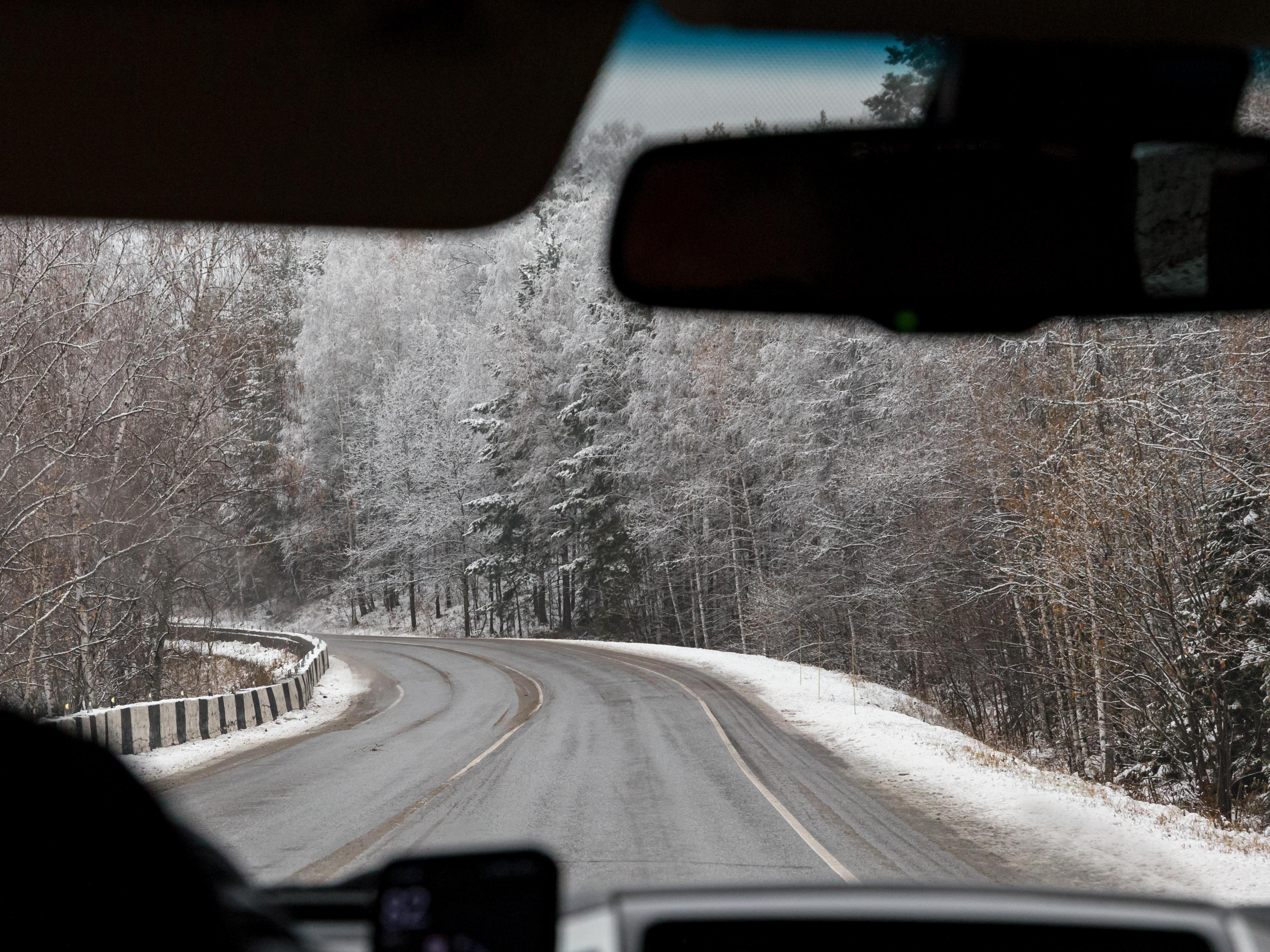
The cars are especially audible at night, when Verkhnyaya Birusa—a one-street village, most of whose houses are abandoned—sinks into darkness. Only the silhouette of the mountain at whose foot the settlement huddles is visible.
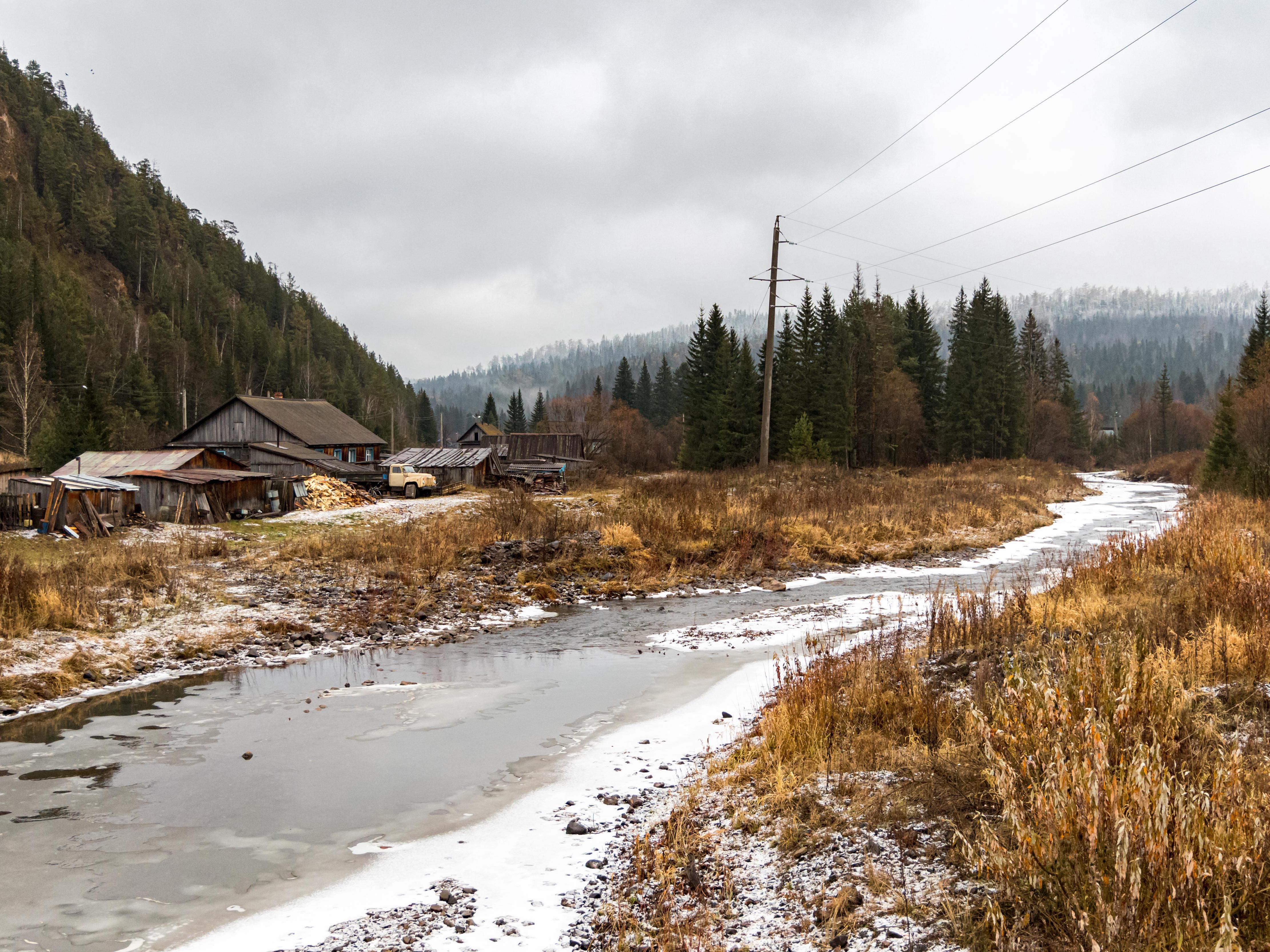
In moments of quiet, you can hear the small Birusa River flowing. It«s a winding boundary between the big road and the little huts. It seems to separate the village even more from the rest of the world. Although in Soviet times, it was the opposite—it connected. Back then, they prepared timber here and floated it downstream.
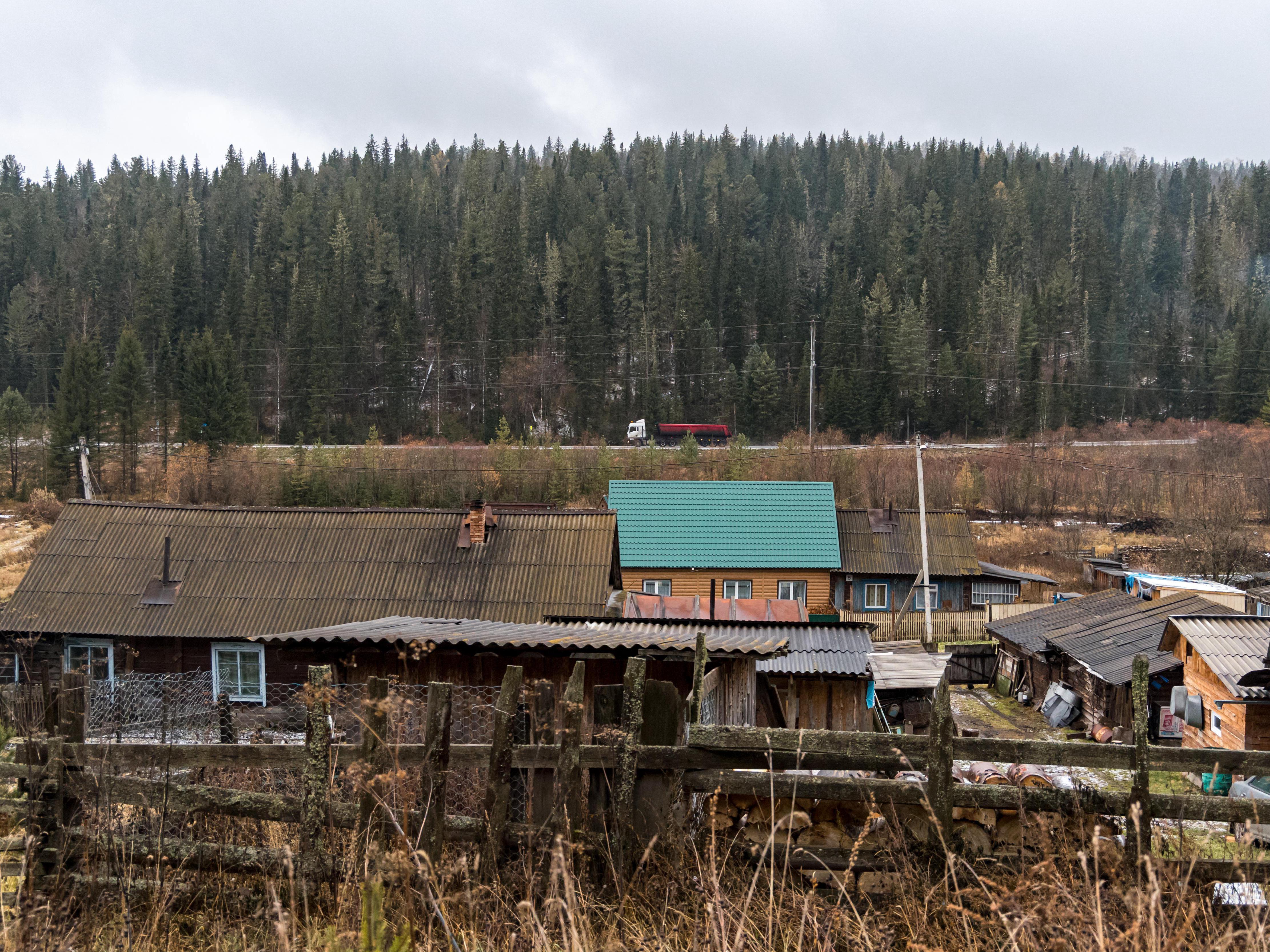
Turning off the federal highway, we enter the village via an old bridge.
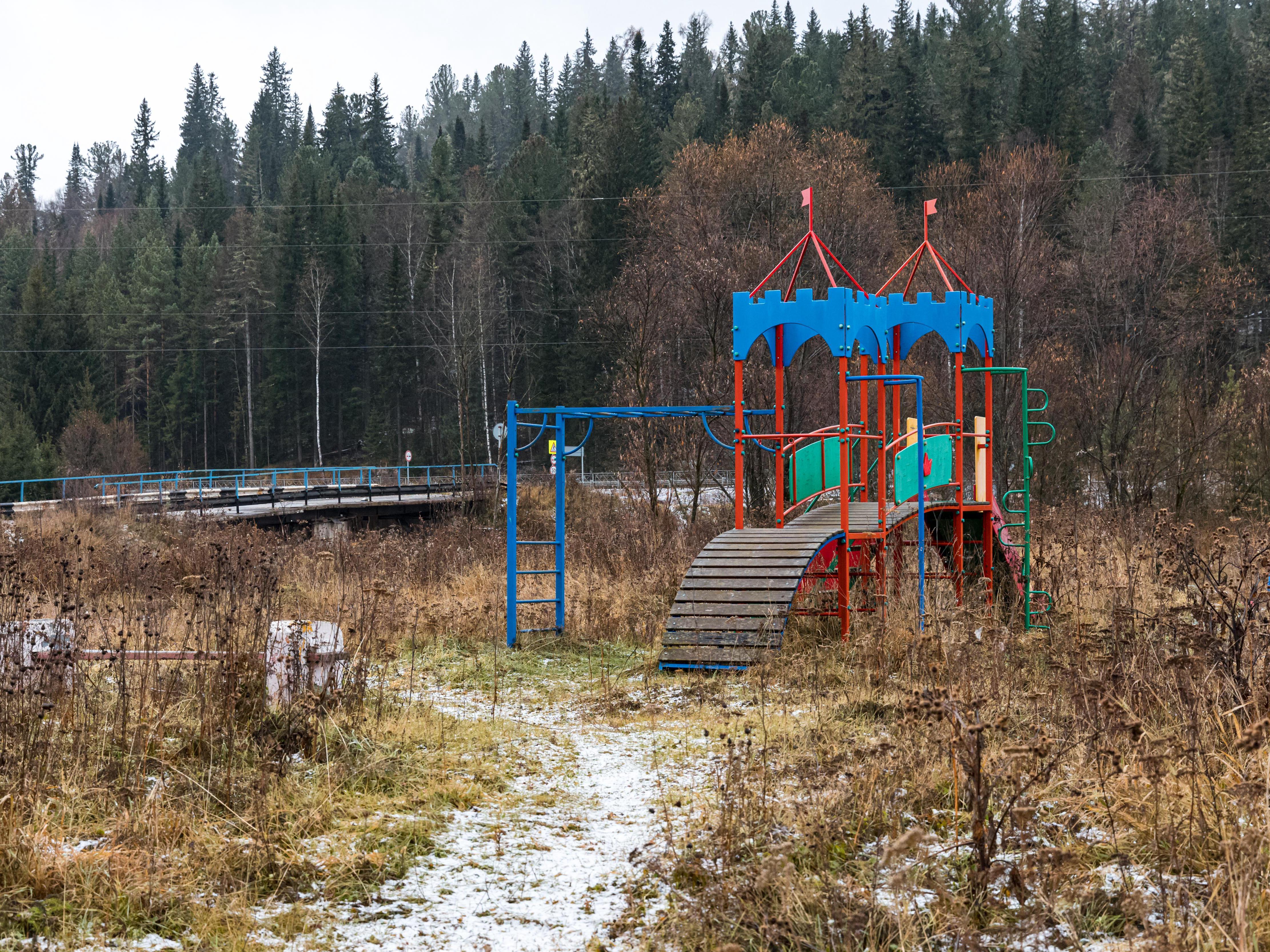
Immediately to the left, in mighty thickets of burdock, a simple children«s playground stands empty. With colorful slides and swings.
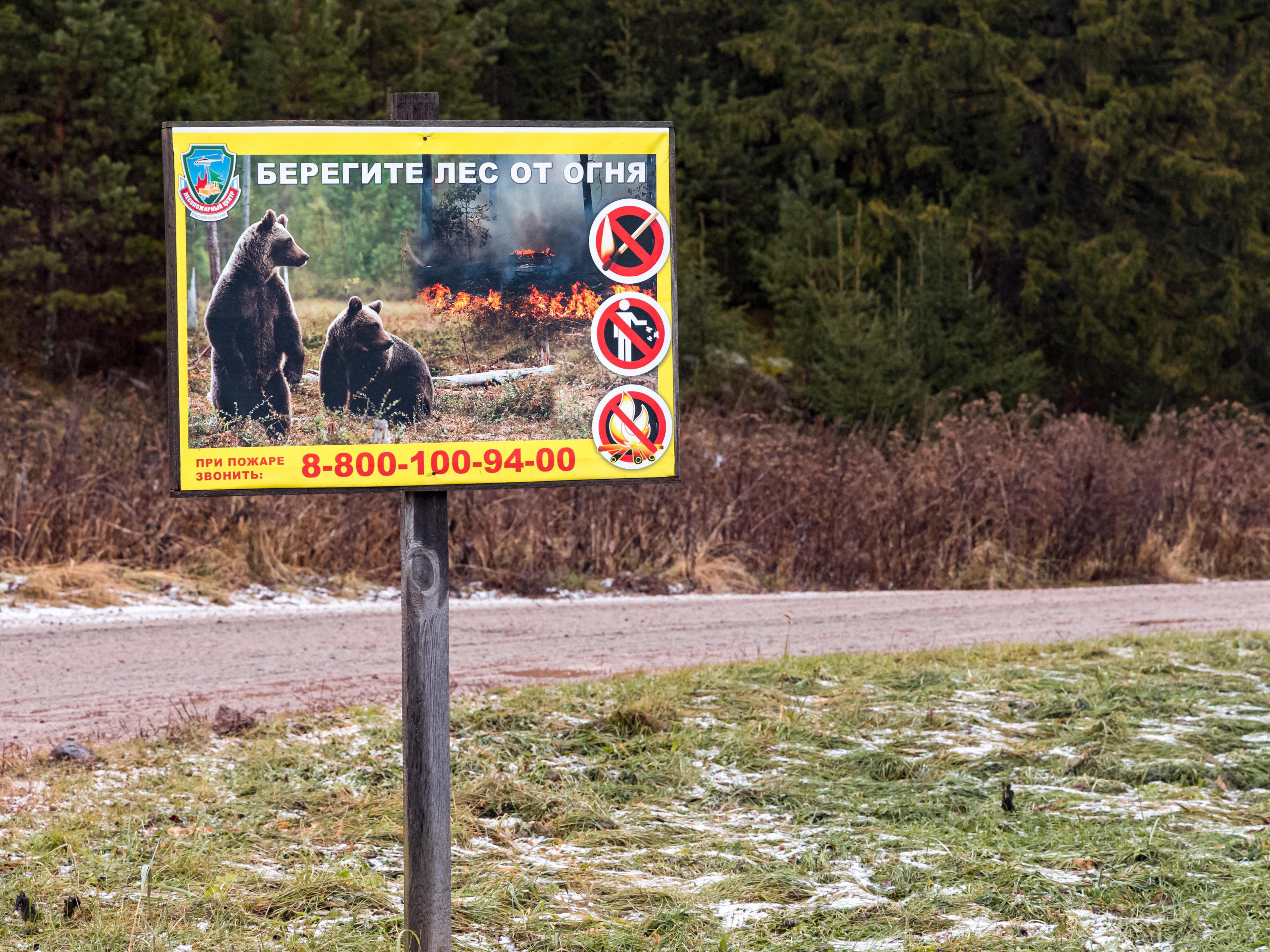
There«s no one on the street. And not even the barking of dogs is heard.
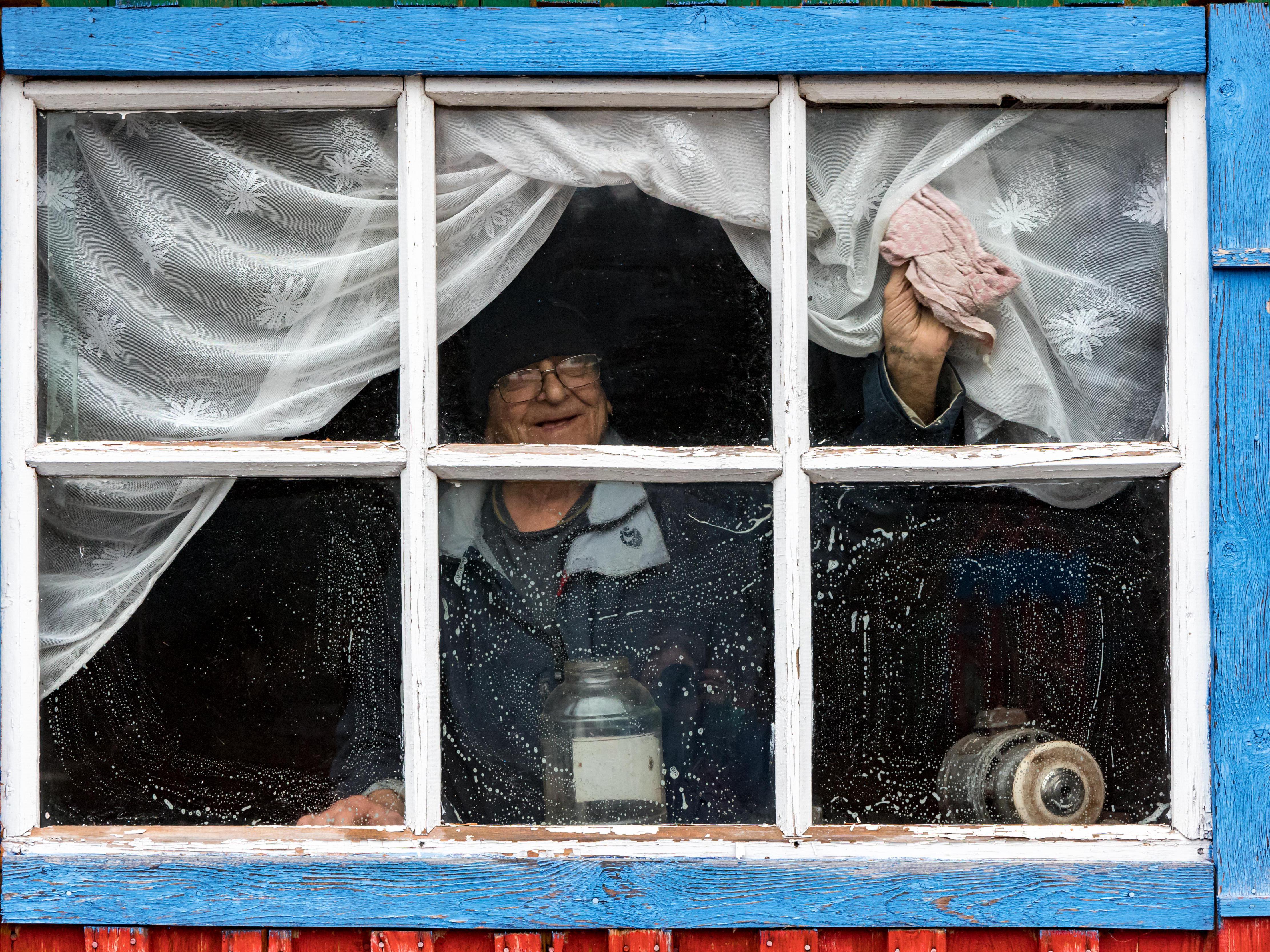
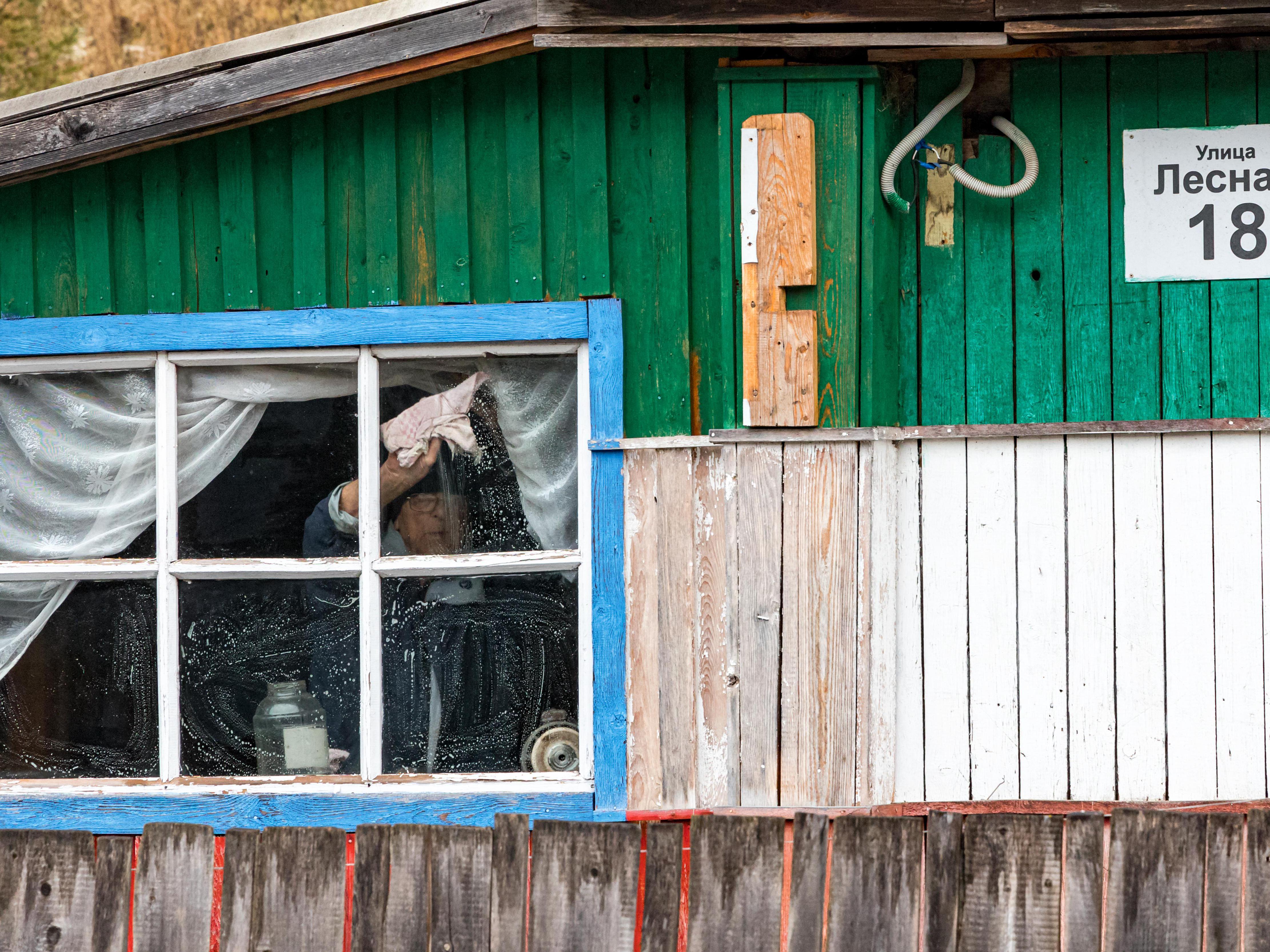
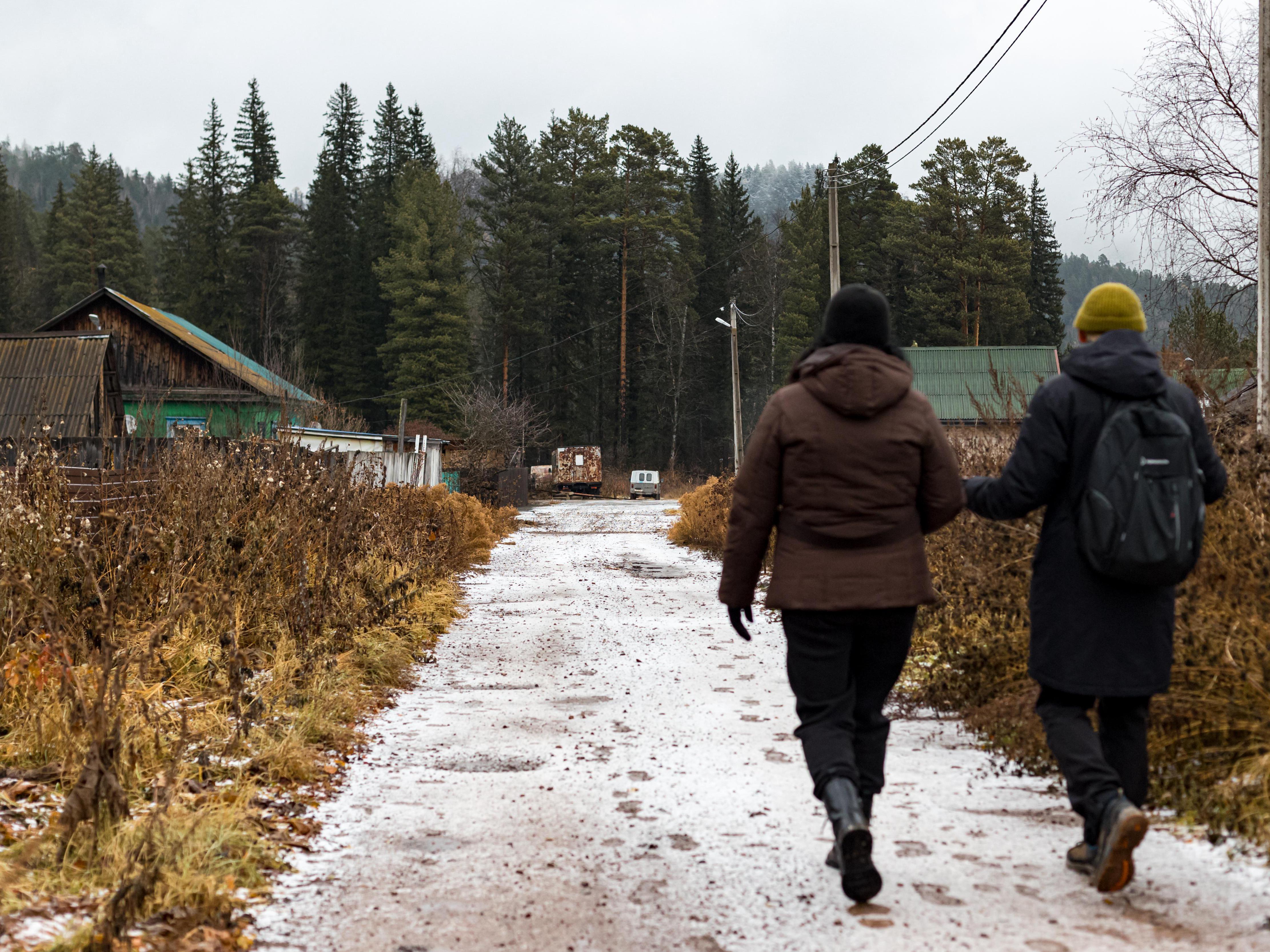
A person appears in the window of a house on the outskirts, rubbing the cloudy pane with a soapy rag, paying no attention to us. We walk along the central and only street here, Lesnaya.
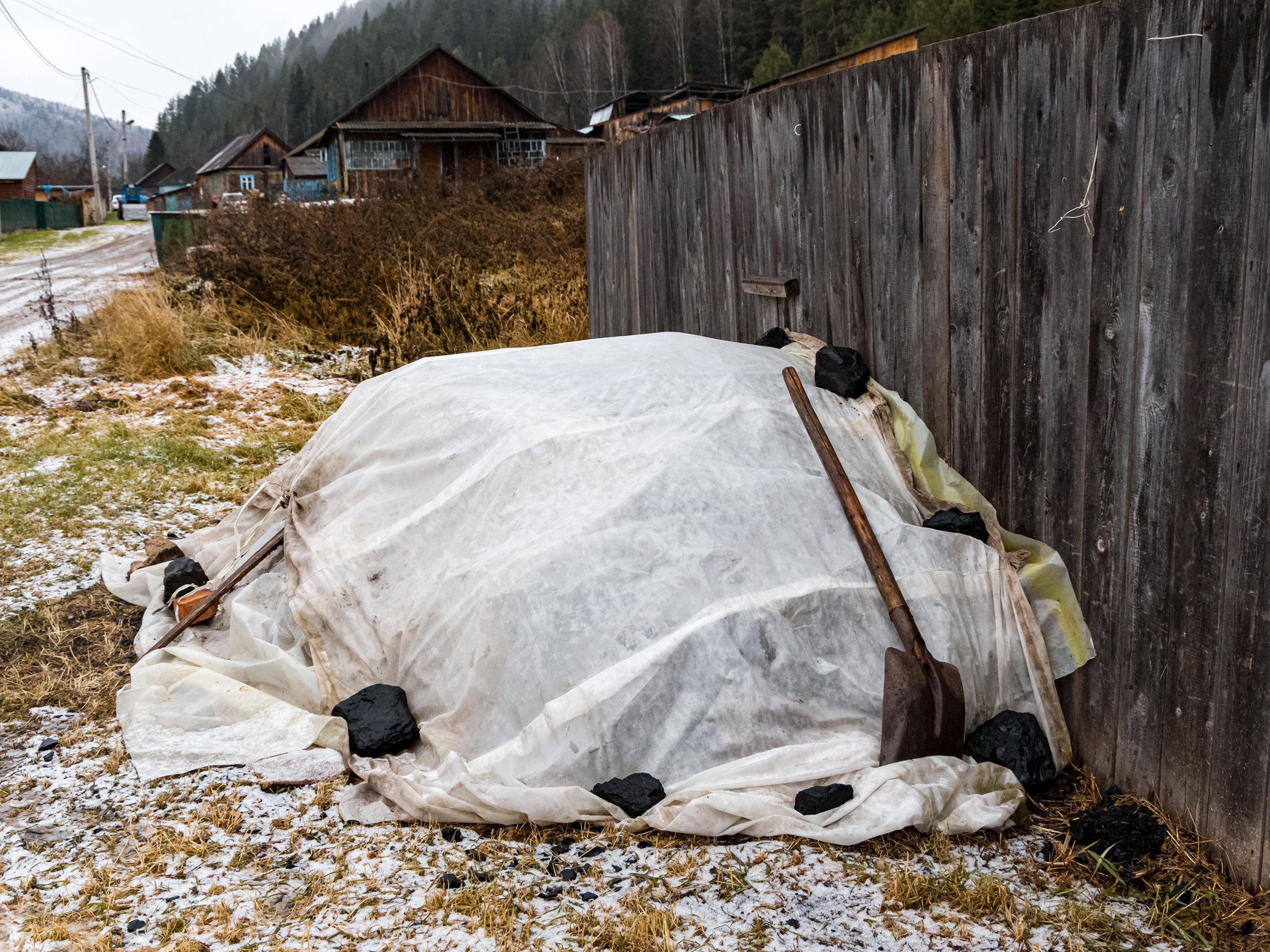
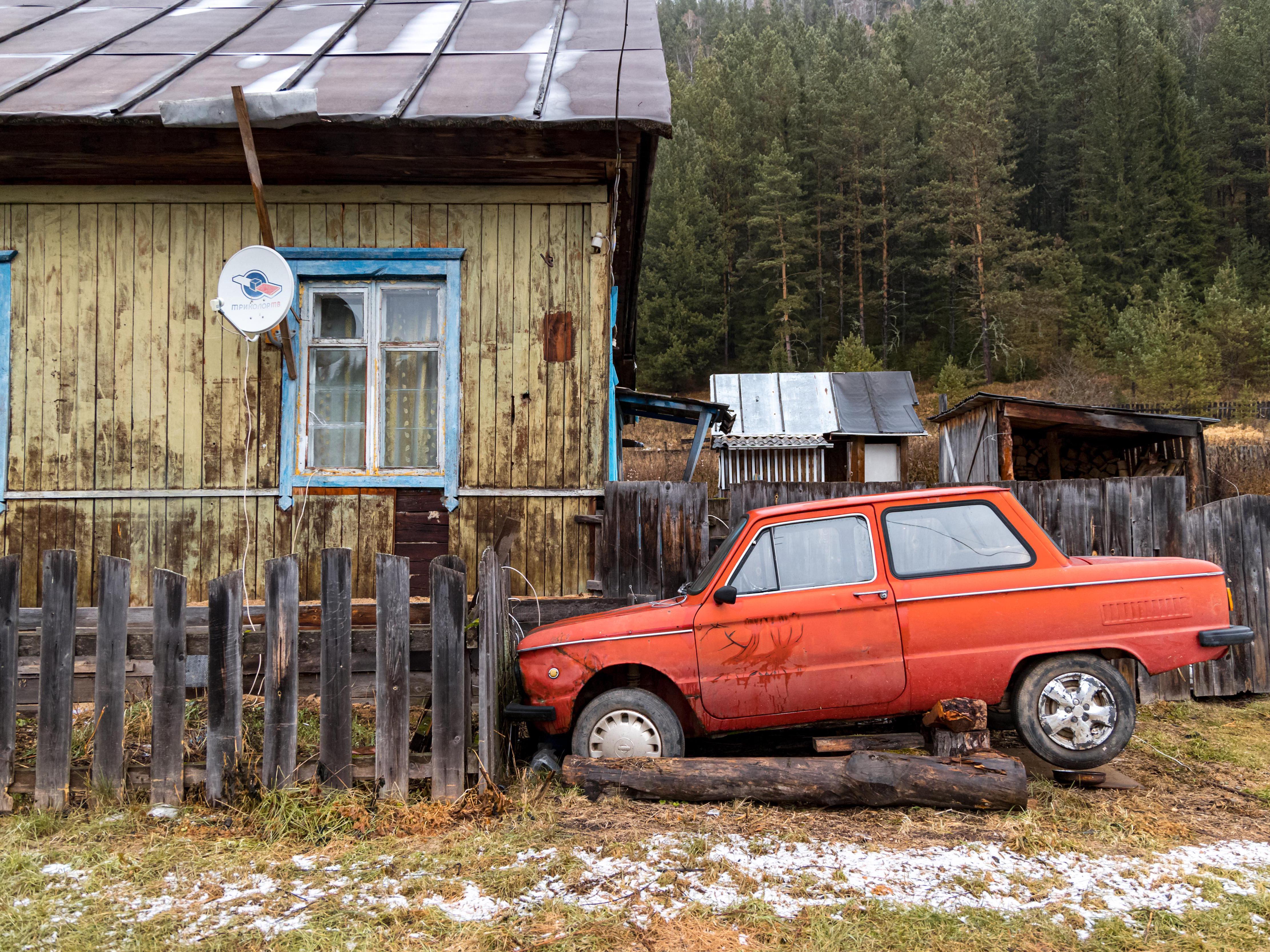
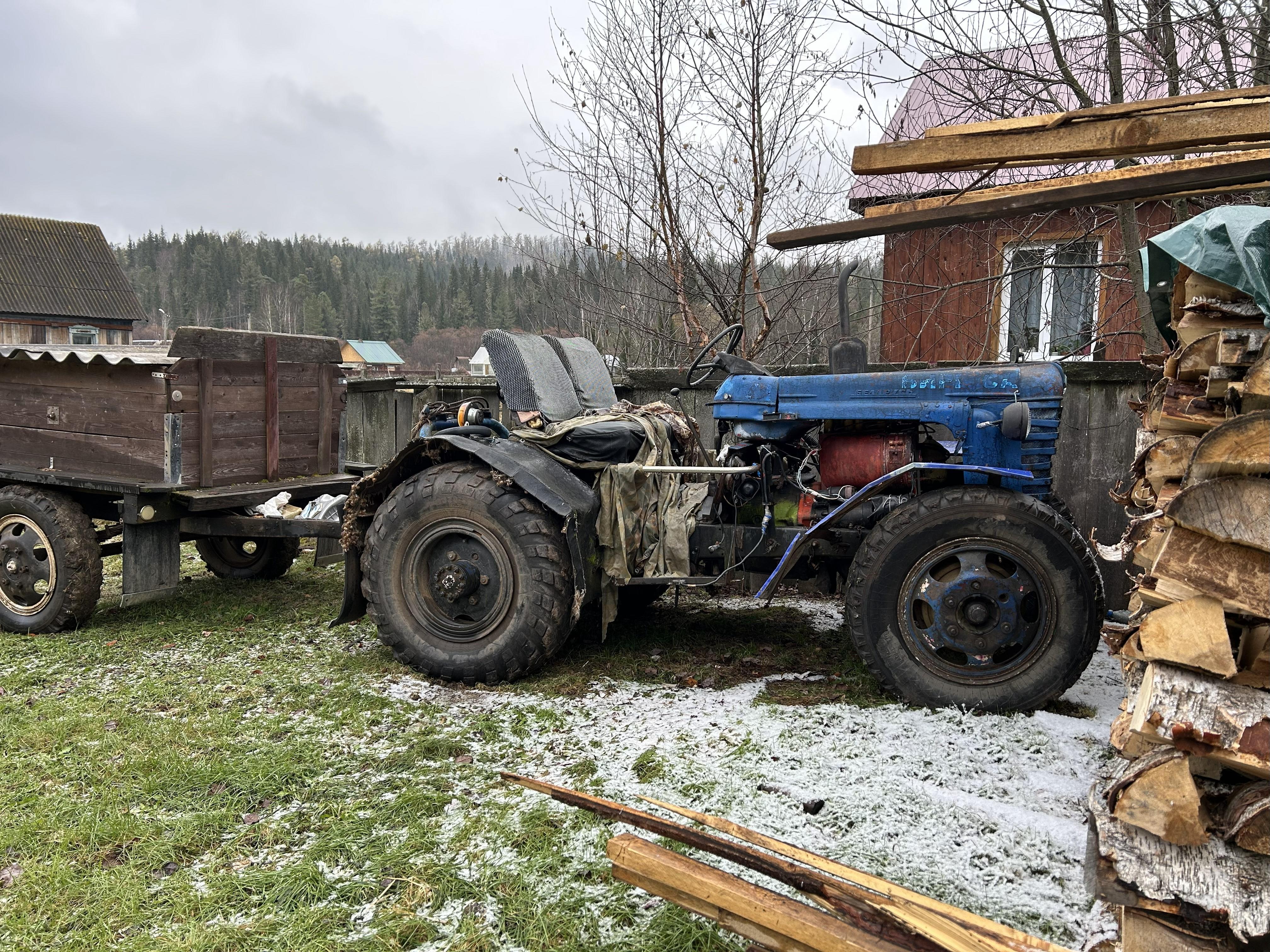
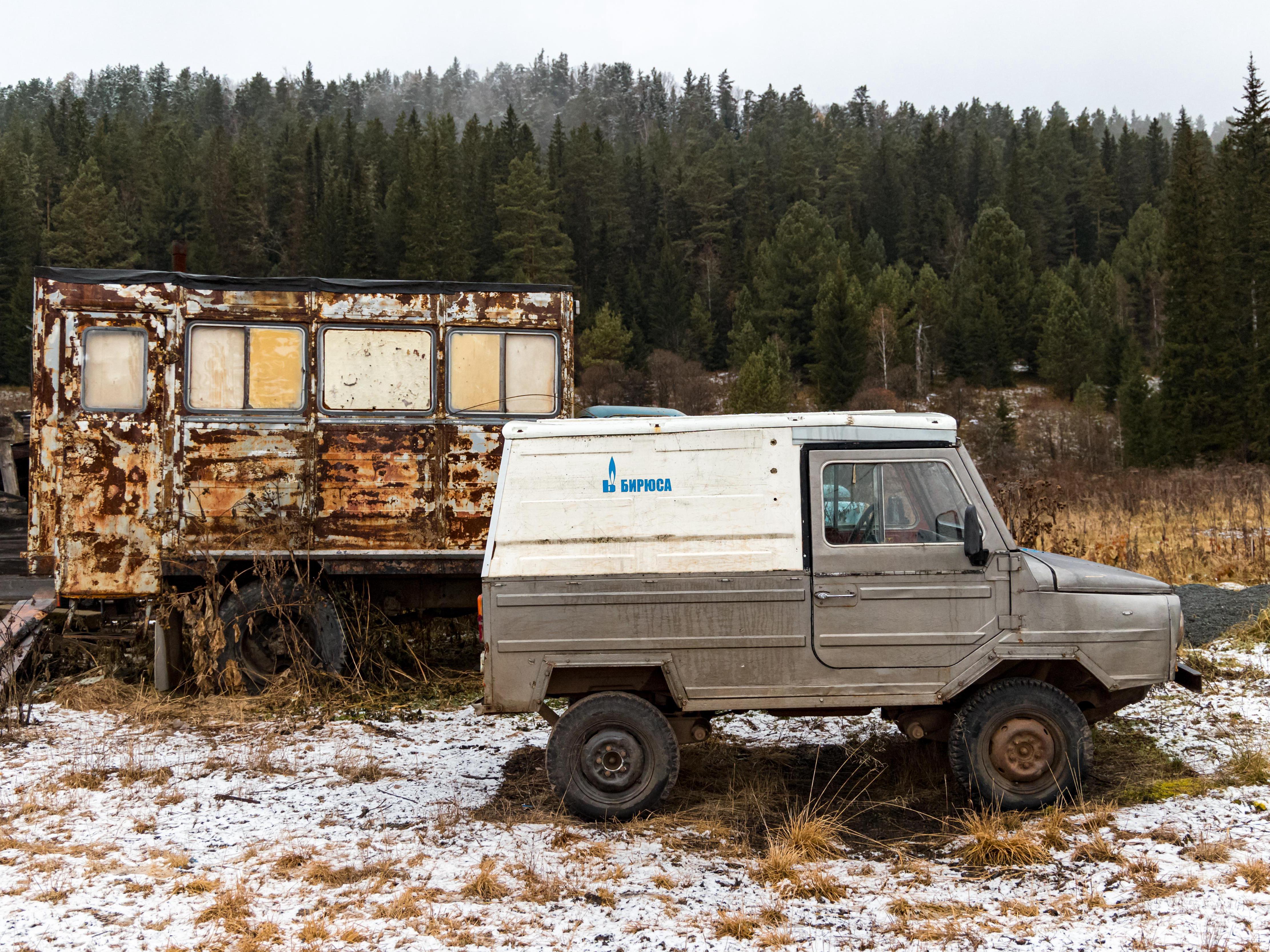
By the fences—a pile of coal covered with film against the rain, stacks of firewood; further on—a blue «Belarus» tractor, clearly operational; on wooden supports, a red Zaporozhets—once the cheapest product of the Soviet auto industry—stands frozen. Opposite, a mini-tractor, also from the USSR era.
— When people drive in from the highway—sometimes they«re looking for a shop—they say: »We thought there were some Baptists living here,« — Tatiana Demchenko greets us on the street. She is the village head on a voluntary basis. She adds, — Why Baptists is completely unclear, does a village look like that?
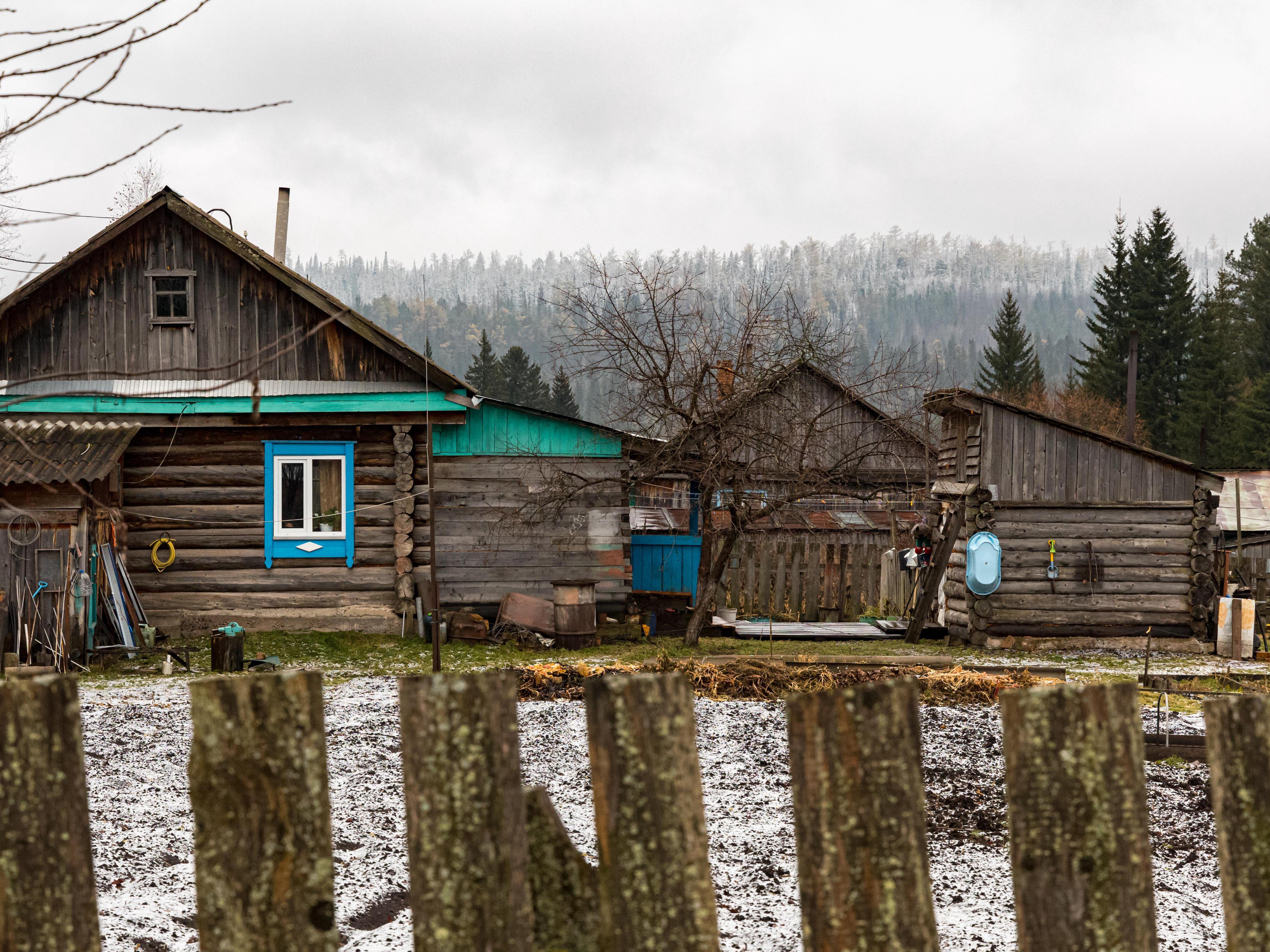
First, there was a timber enterprise here. Then—the Birusinskoye Forestry with the educational and experimental farm of SibGTU. And the absolute majority of locals were always connected to the forestry. They either worked there themselves or their relatives did.
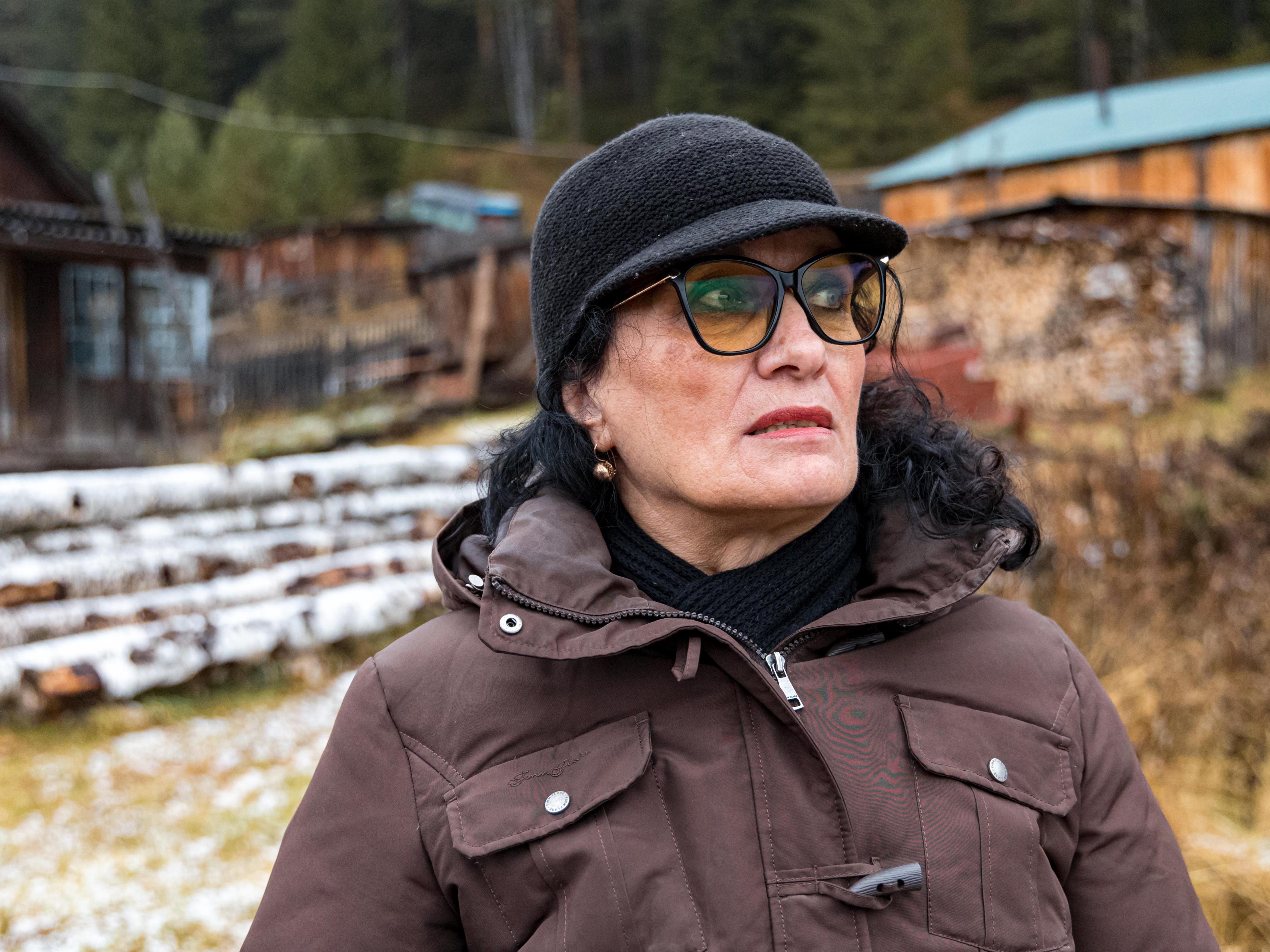
Tatiana Demchenko ended up in Verkhnyaya Birusa exactly that way. Her husband worked as a lumberjack at the time, suggested she «live here a little.» Then the «90s began, Tatiana says, there was nowhere to go, and that »a little« stretched to almost 40 years.

— No one lives here—they moved away long ago, that house over there is empty too, the owners died, in that one there seem to be owners, but they«re in the city, they rarely visit, — Tatiana leads us through the village, pointing to the gates of orphaned houses: they»re propped up with logs.
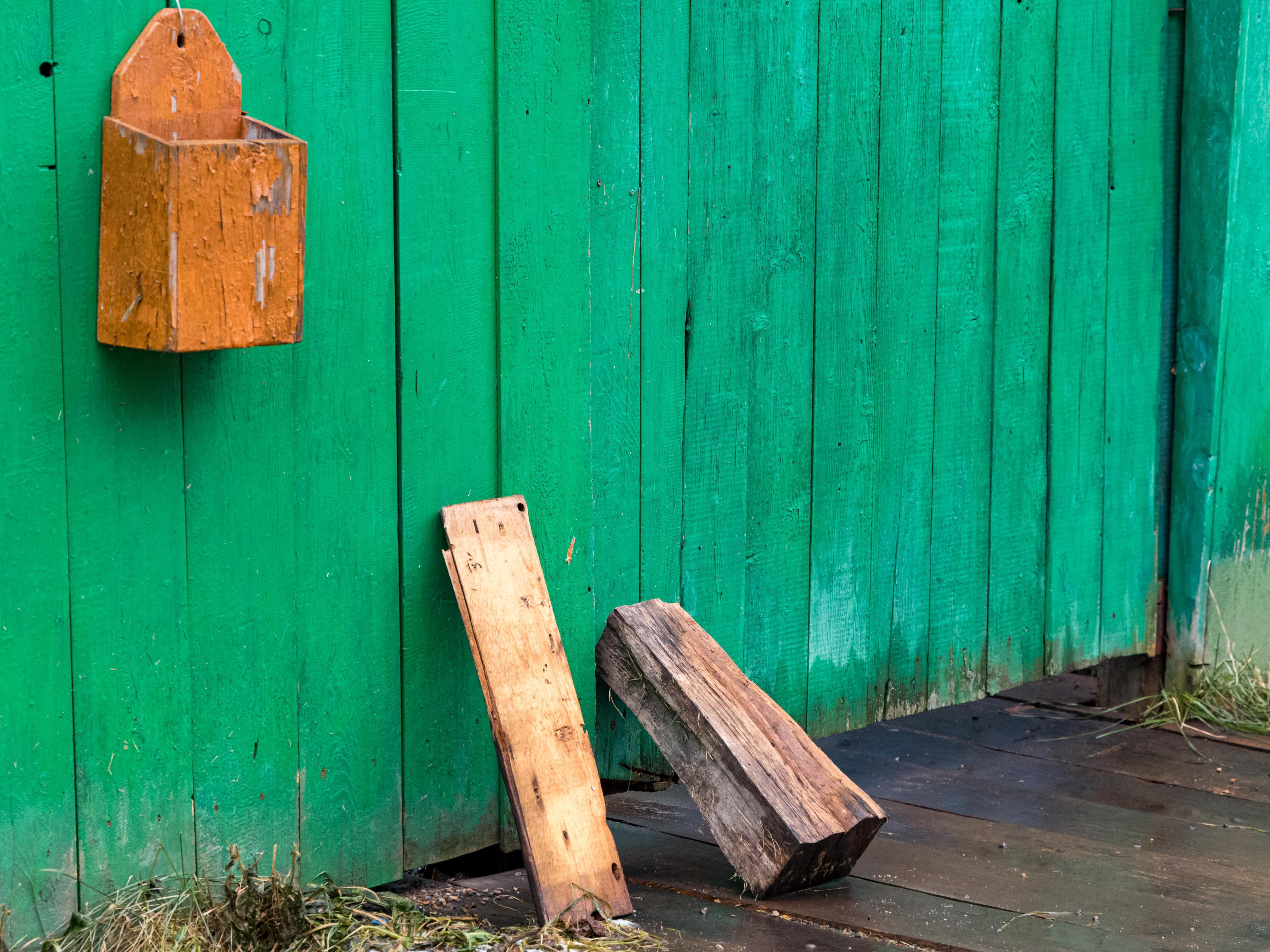
— From our end of the village, about twenty people live, in that one—another fifteen. Total about 60 houses, of which plus/minus 10 are inhabited. That«s all. Most here are pensioners, — says Tatiana Demchenko. — Once there was five times more population, even an elementary school worked. And after the third grade, children went to study in Divnogorsk.
We Lived with Candles Constantly
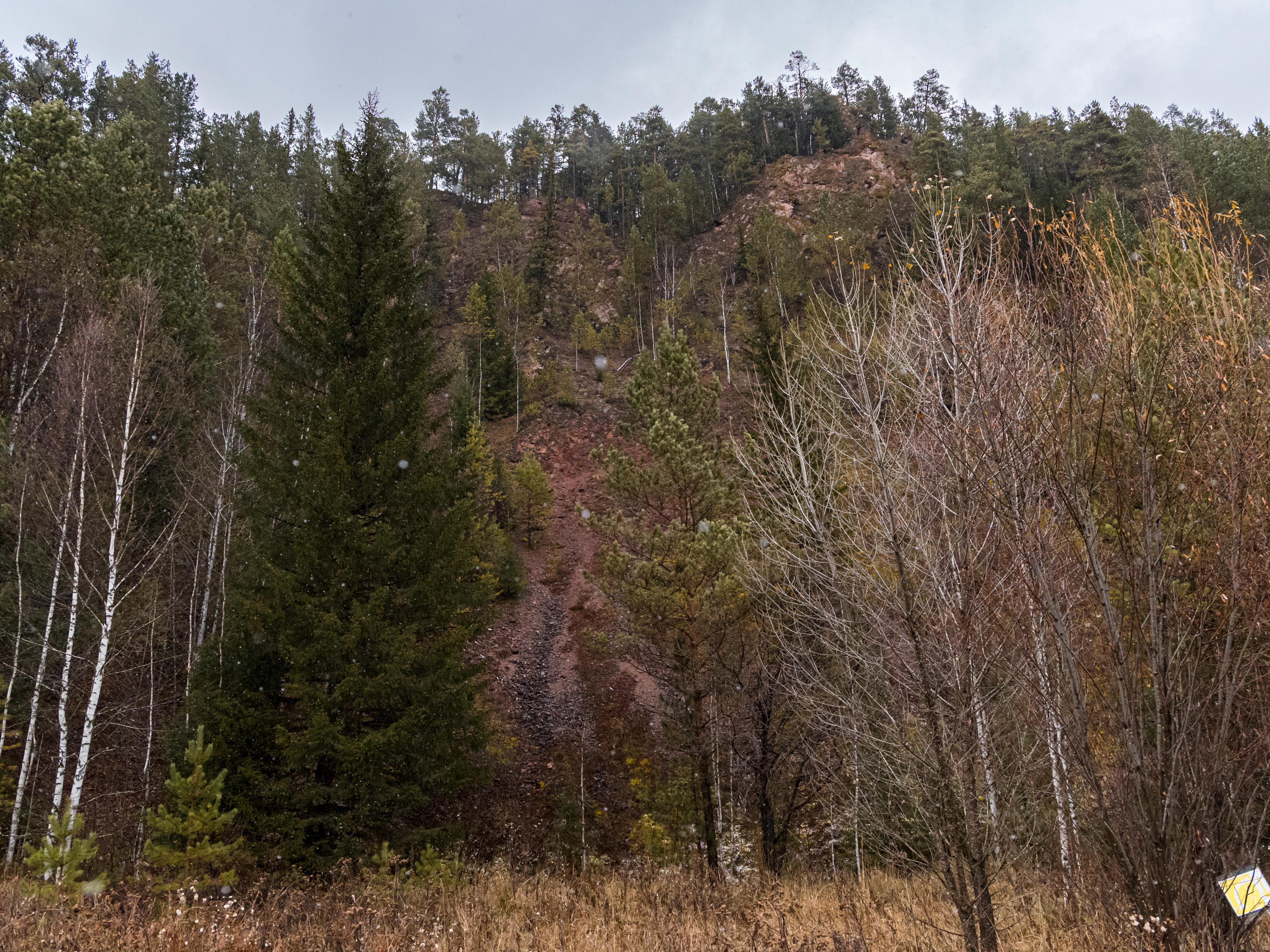
Behind the local vegetable gardens—taiga, in every direction you look. It«s all windfall, the locals say, because of this they don»t like going there much now.
— On September 1, a bear came down from the mountain to us. Broke an apple tree, ate it. The next day it returned, ate all that was left, now there«s no more apple tree, — Tatiana recounts matter-of-factly. — And another year, wolves came to the outskirts. A dog on a chain was sitting there, they ate it.
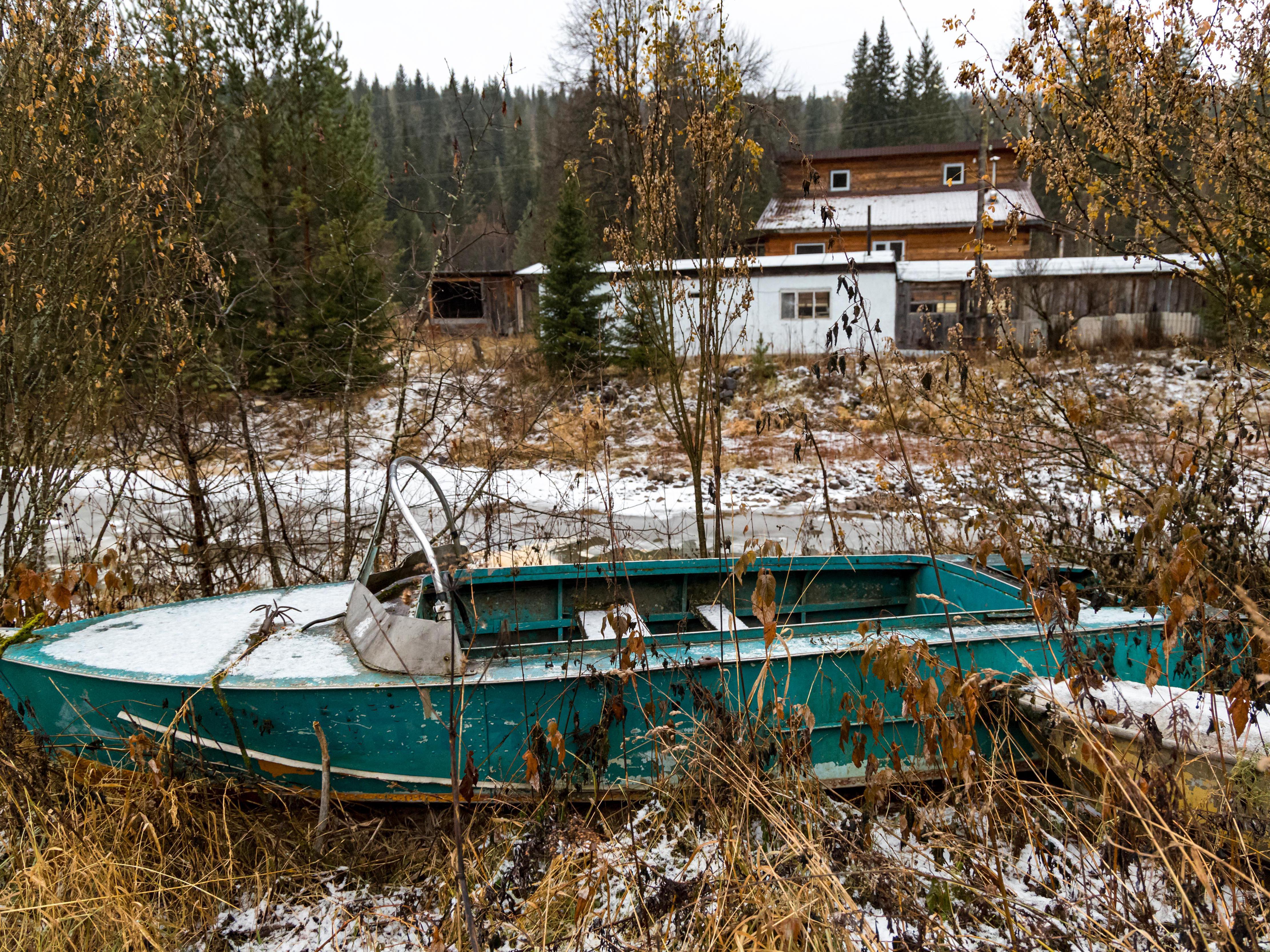
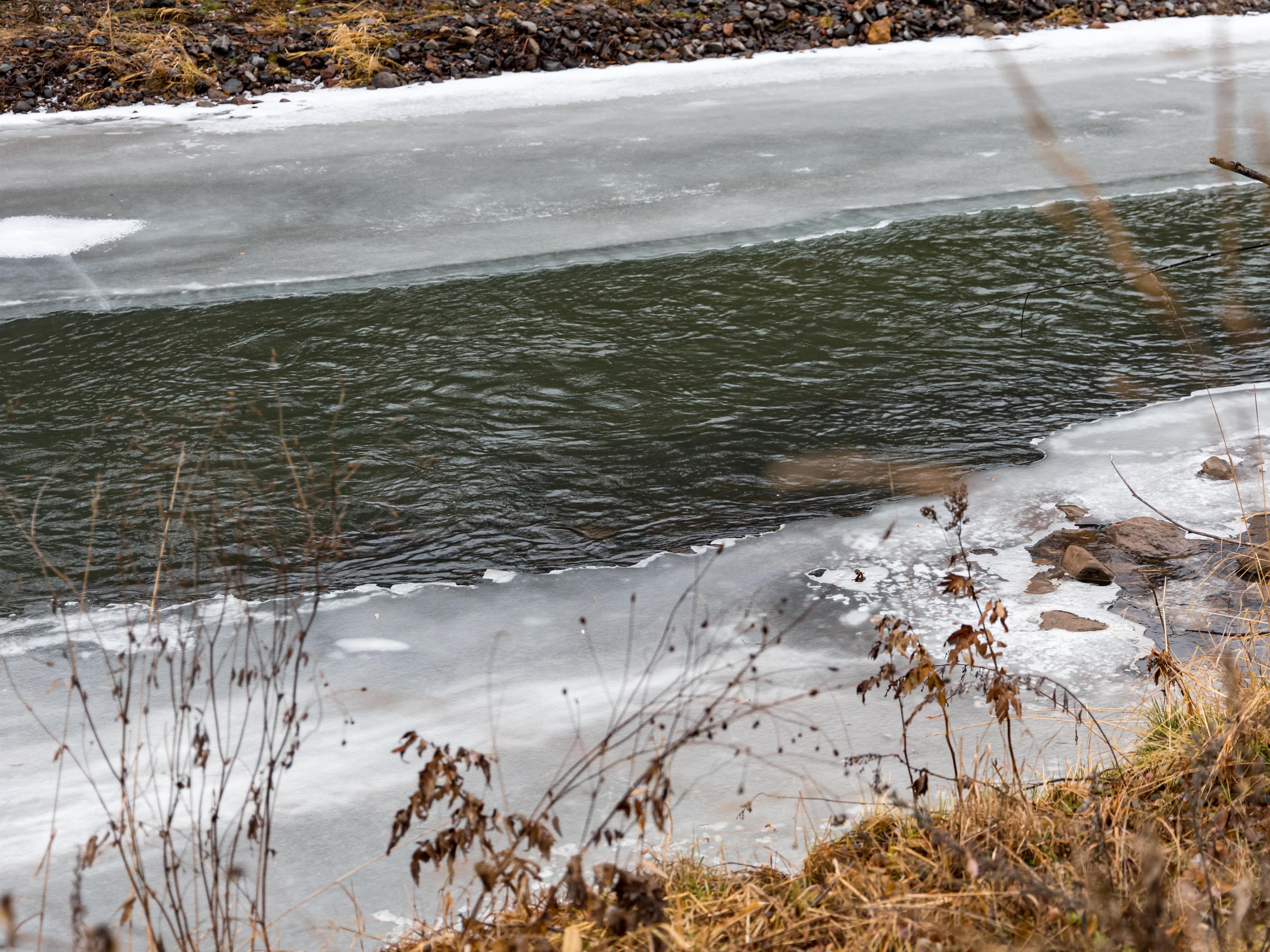
We walk along the Birusa. The river is peaceful now, freezing over, preparing for winter. But in spring, it will show its quiet feminine character—it will flood, wash away the banks, and inundate the plots. This has happened many times already.
In about 10 minutes, we reach the outskirts, where an abandoned house stands in yellowed thickets. With deliberately carelessly boarded-up windows.
— And this is where they filmed a series, they needed remote taiga places. According to the script, escaped convicts were hiding in this house. So they nailed boards for greater effect, — explains Tatiana Demchenko.

These shootings, and also the visit in the mid-«90s of General Alexander Lebed, who was then running for governor, are almost the main events in the village»s life over the past half-century.
After the filming, nothing changed, but Lebed is remembered fondly here. When he became governor, they finally brought electricity to the village.
— We lived with candles constantly, it turns out. There was a diesel generator, they turned it on for a bit when electricity was needed for the sawmill, — recounts Tatiana Demchenko. — And Lebed was driving by and dropped in on us, well, the residents complained that we live near the hydroelectric station, but still no electricity. He brought us diesel fuel then, and then we were connected to the power line.
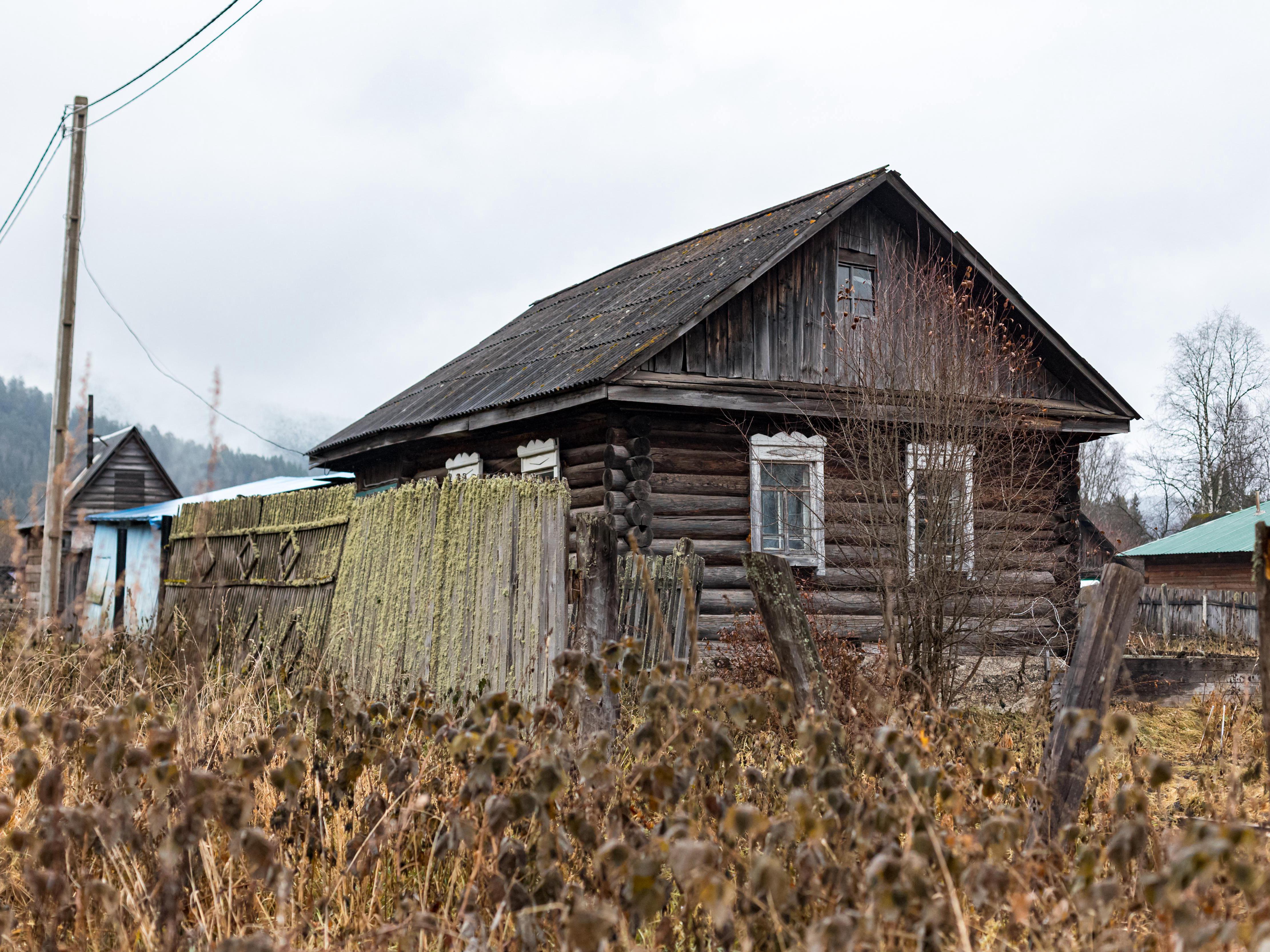
We turn back. On the way, we drop in to visit Tatiana. Her house has two apartments. One is hers, in the other there was previously a grocery store, where Tatiana worked as both salesclerk, manager, and storekeeper. A year ago, the only store in the entire village was closed.
— Why was it closed?
— Who knows? Everything here belongs to the forestry, a commission from the institute (the village was based on the Birusinskoye Forestry educational and experimental farm of SibGTU—Ed.) came last year, walked around, took down the sign, and closed it. I asked the manager: «How to live without bread?» It was brought once a week, also salt, cereals, all necessary things like that, and even then in small amounts. You know what he answered? «I don»t live here, I don«t need a store.»
Proximity to Divnogorsk saves them—it«s only 40 km from here. The remaining people in the village go there to stock up for a week ahead.

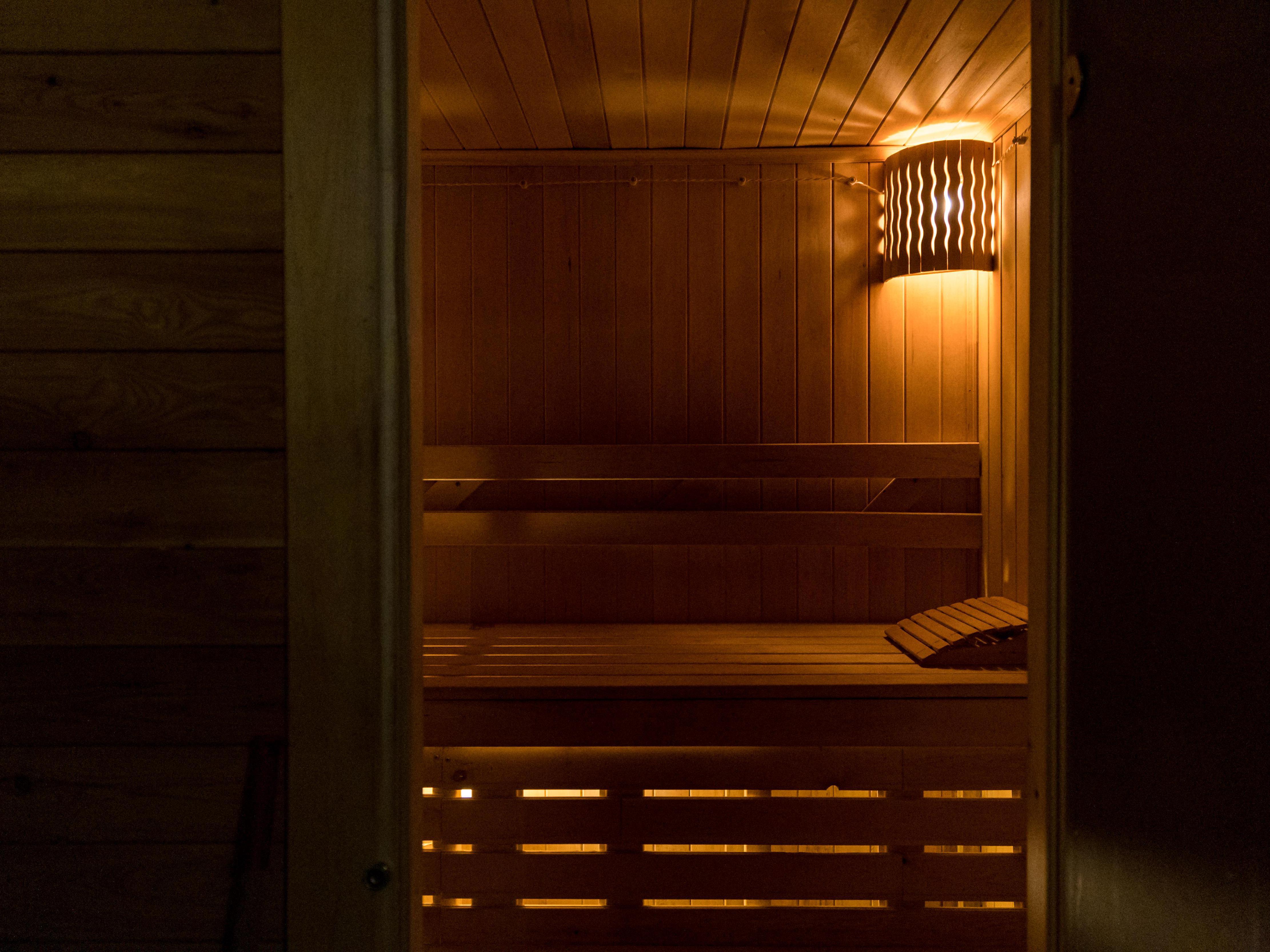
Tatiana proudly shows us her renovated bathhouse. In it, the smell of freshly planed boards still seems to linger. Cozy and as if not from this village—something new doesn«t fit with it.
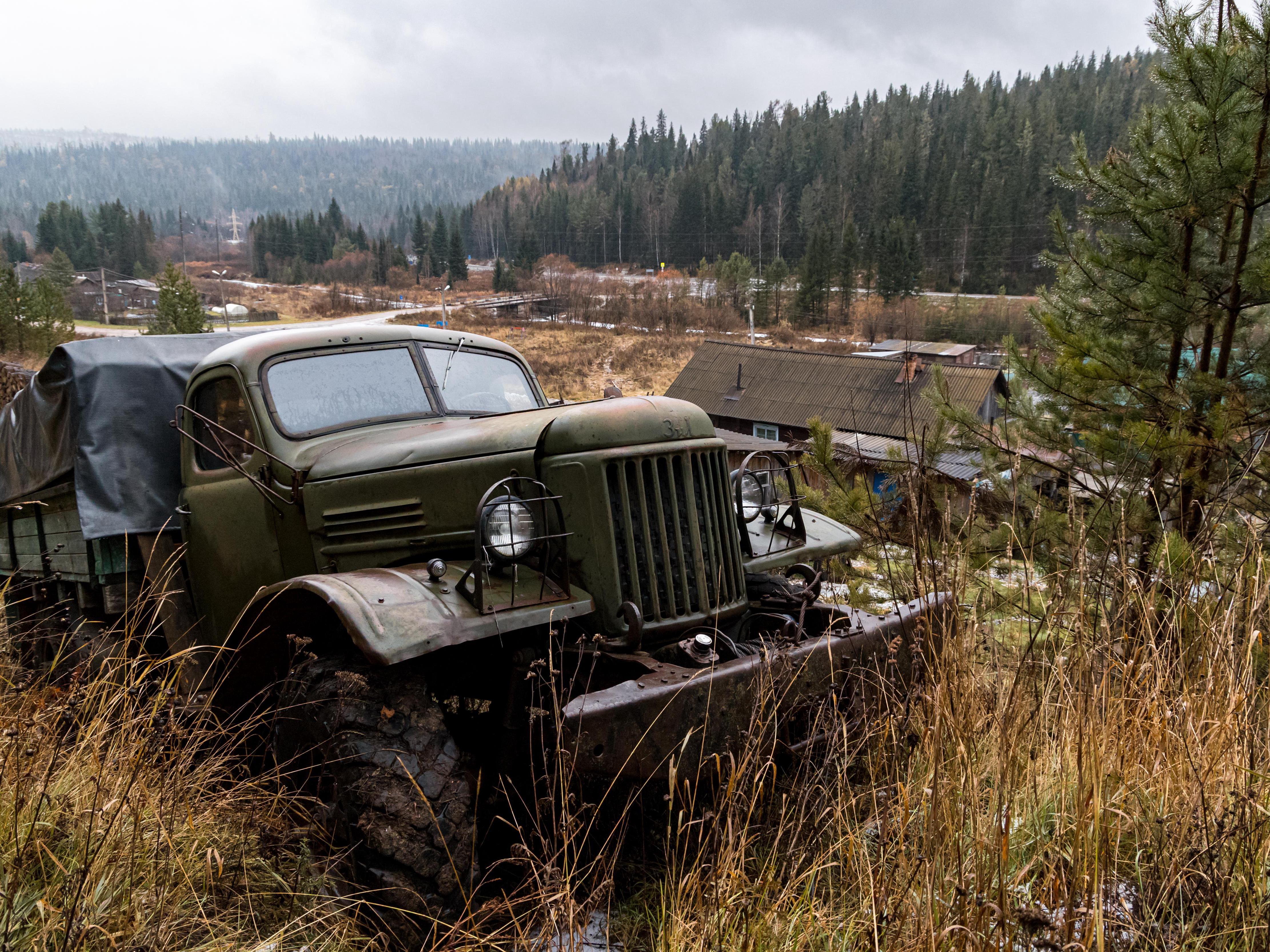
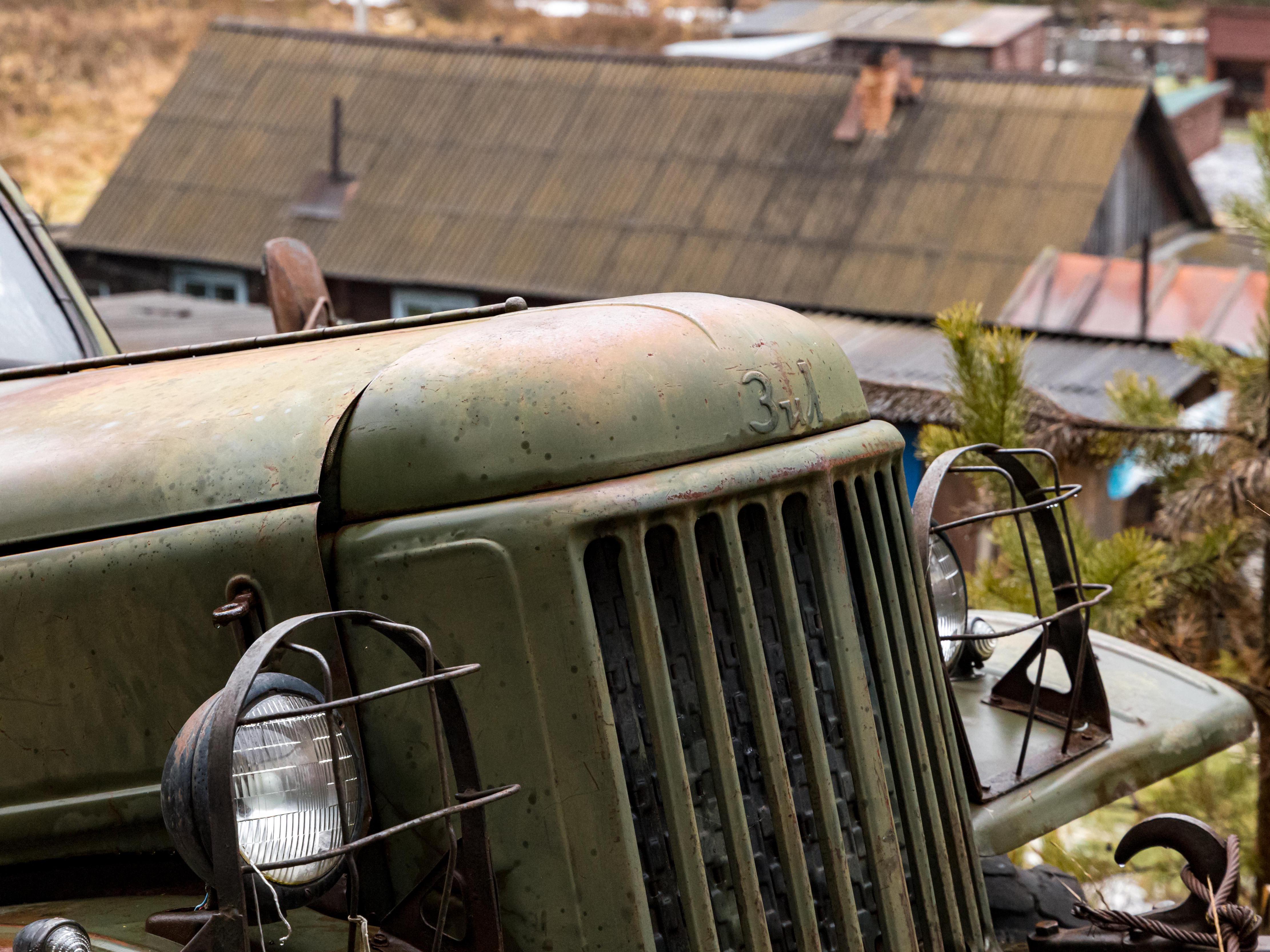
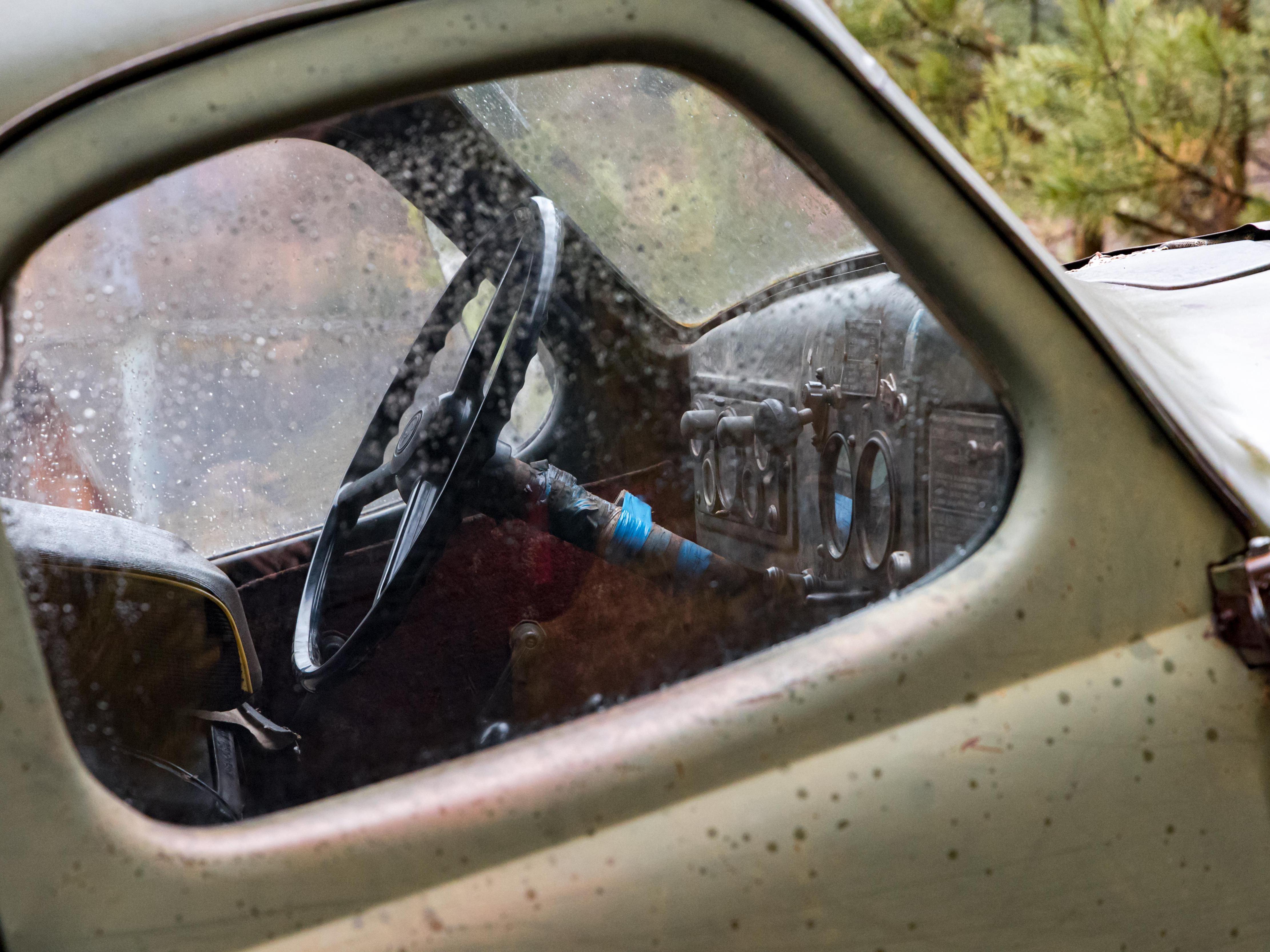
On the rise of her garden plot, we examine a Soviet relic—a four-wheel-drive ZIL-157, from the shaggy years of production. Here it is in place. Tatiana«s husband drives it into the taiga.
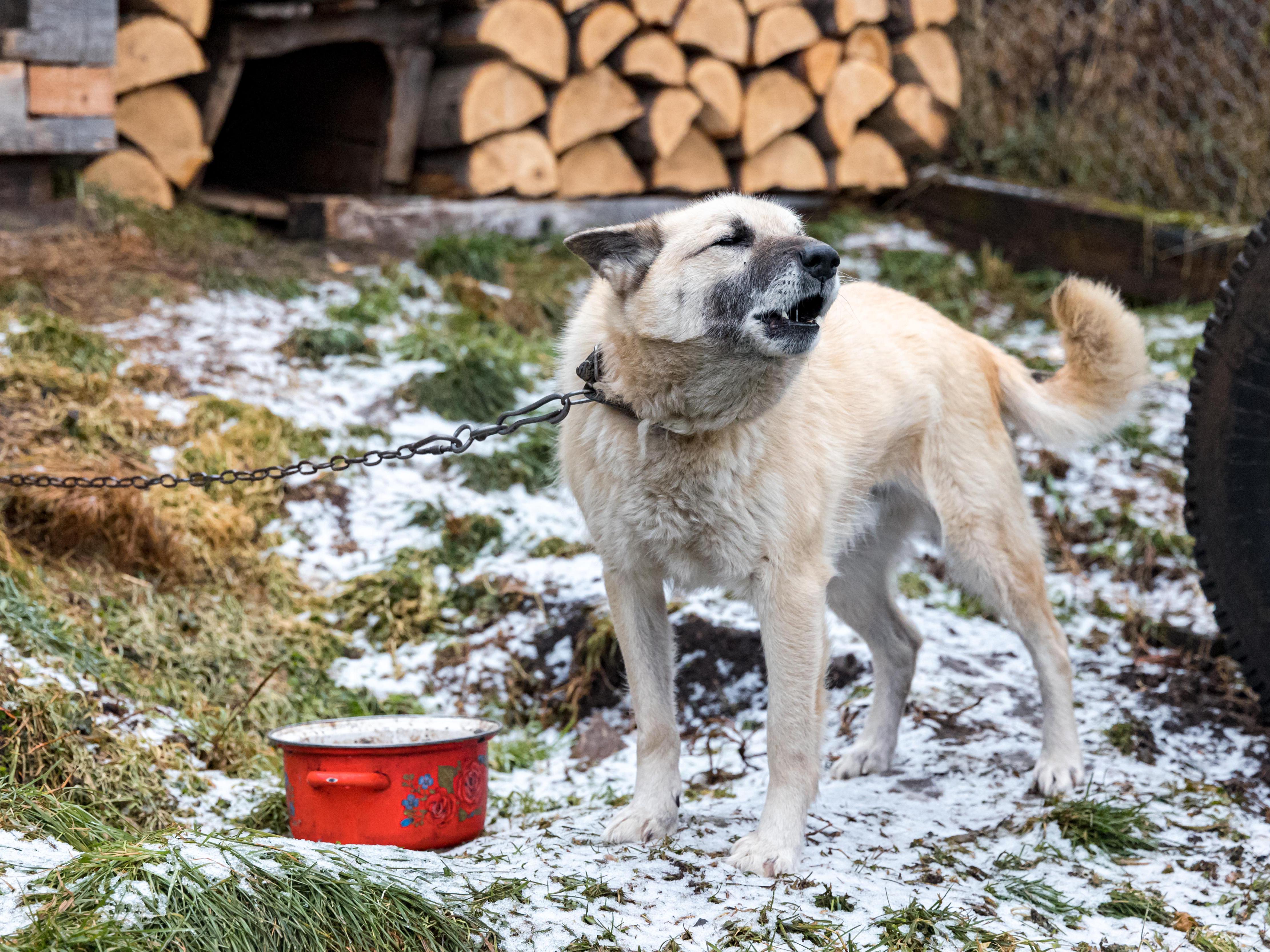
In the garden, a large dog on a chain barks lazily, just to show it«s here.
— Don«t be afraid, it doesn»t bite, it«s actually from the strays. Attached itself to us. You know, people drive along the highway, see: a village and abandon kittens and puppies by the road. Constantly like that. Especially in spring. Well, and what do we do: we shelter some, give others to a shelter, — explains Tatiana.
“We Don«t Need Anything”
By lunchtime, the village comes to life. A car drives down the road.
— I made cabbage soup today. Baked some cookies, come on, let«s have tea, — Lyubov Maltseva meets us by the fence of her house.
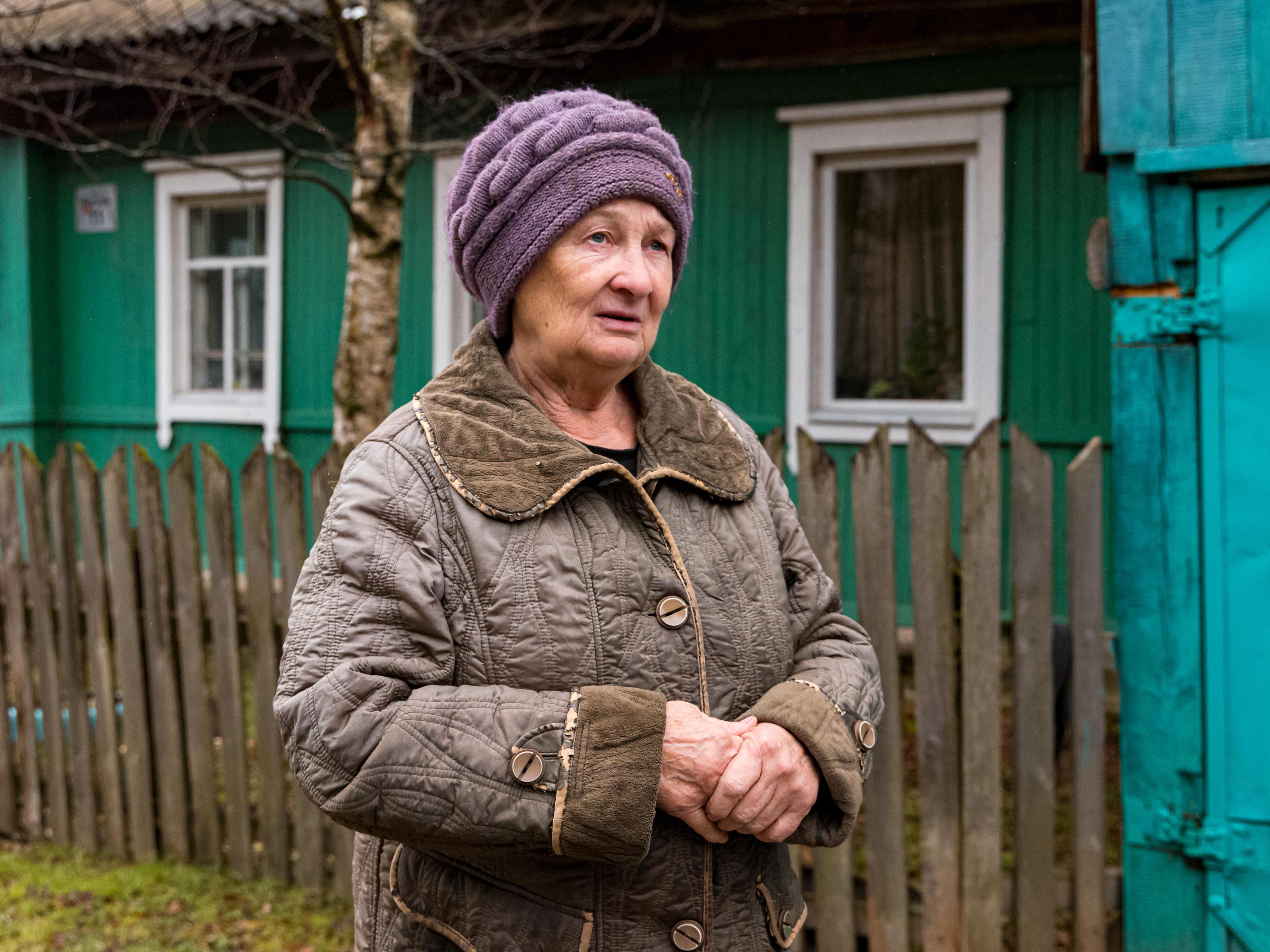
She worked here as a paramedic. Then her staff position was cut. With all their ailments, the locals now have to go to Divnogorsk. However, sometimes a therapist from there comes to hold consultations in the village. But this doesn«t happen often, the locals share; the last time a doctor came here was two months ago.

And Lyubov Maltseva works odd jobs where she can and tends to the household.
— We have nothing now, no bosses, no store, no medical post. Even to take this miserable headache medicine. And it«s not here. It»s such kilometers to drive, — says Lyubov Maltseva.
— But, on the other hand, you live here on your own.
— We«re not needed by anyone, everyone abandoned us, well, fine, for the most part. We don»t need anything, but the only thing: we have no internet. And now everything is through it. To pay, to make a doctor«s appointment, and so on. Everywhere requires internet.

However, the locals, though they grumble, are glad that at least this exists. They remember times when there was no connection at all: in case of emergency, they went out to the highway, passed a note with passing cars to the traffic police post in Divnogorsk, and the inspectors would relay it further.
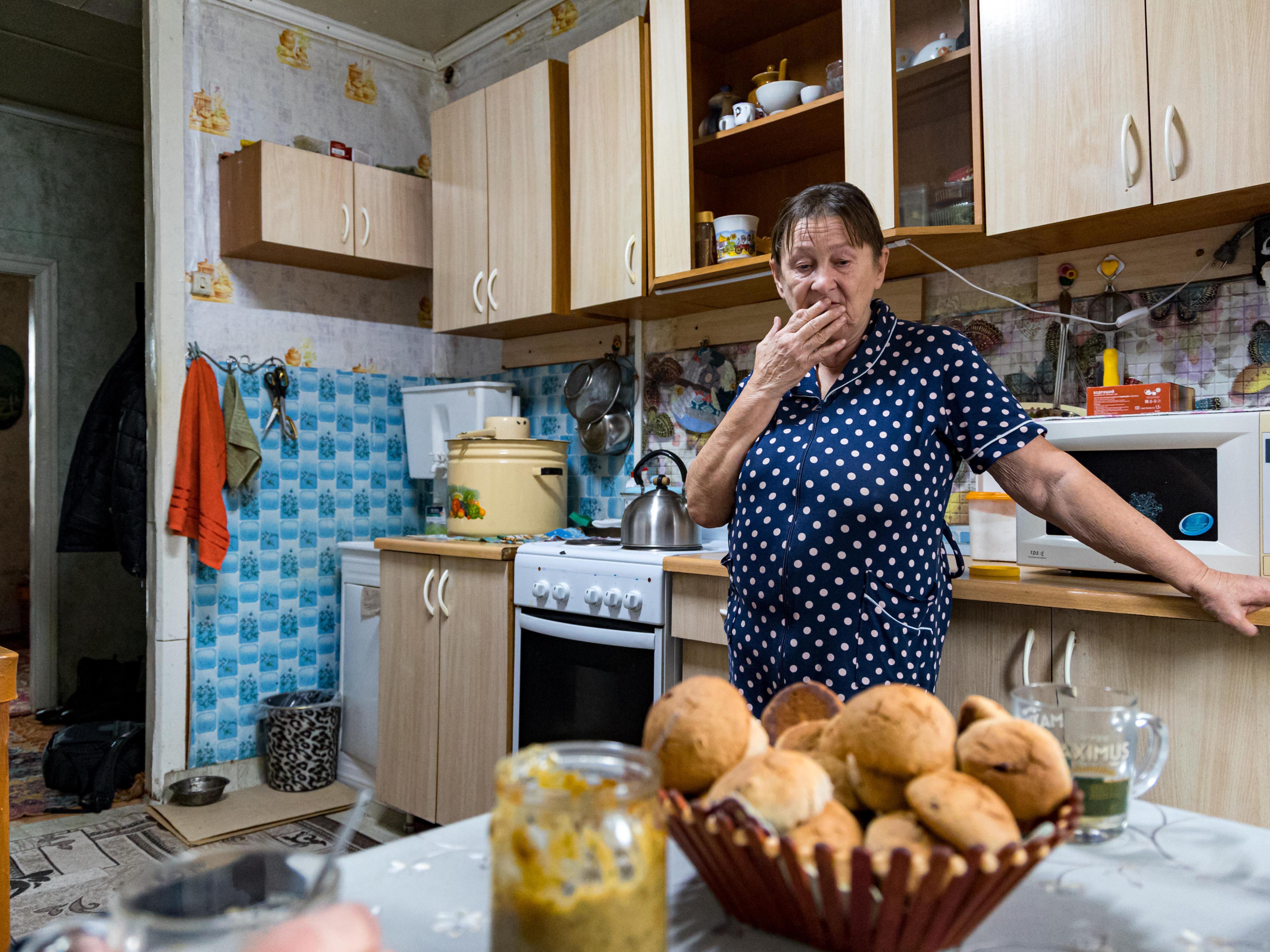
We go in for a visit. In the Maltsevs« house, warmth flows through the rooms from a well-heated stove. On the sofa, a pot-bellied kitten dozes from the heat, barely reacting to the appearance of rare guests here.

Lyubov pours self-made fireweed tea into mugs. Puts cookies and jam on the table.
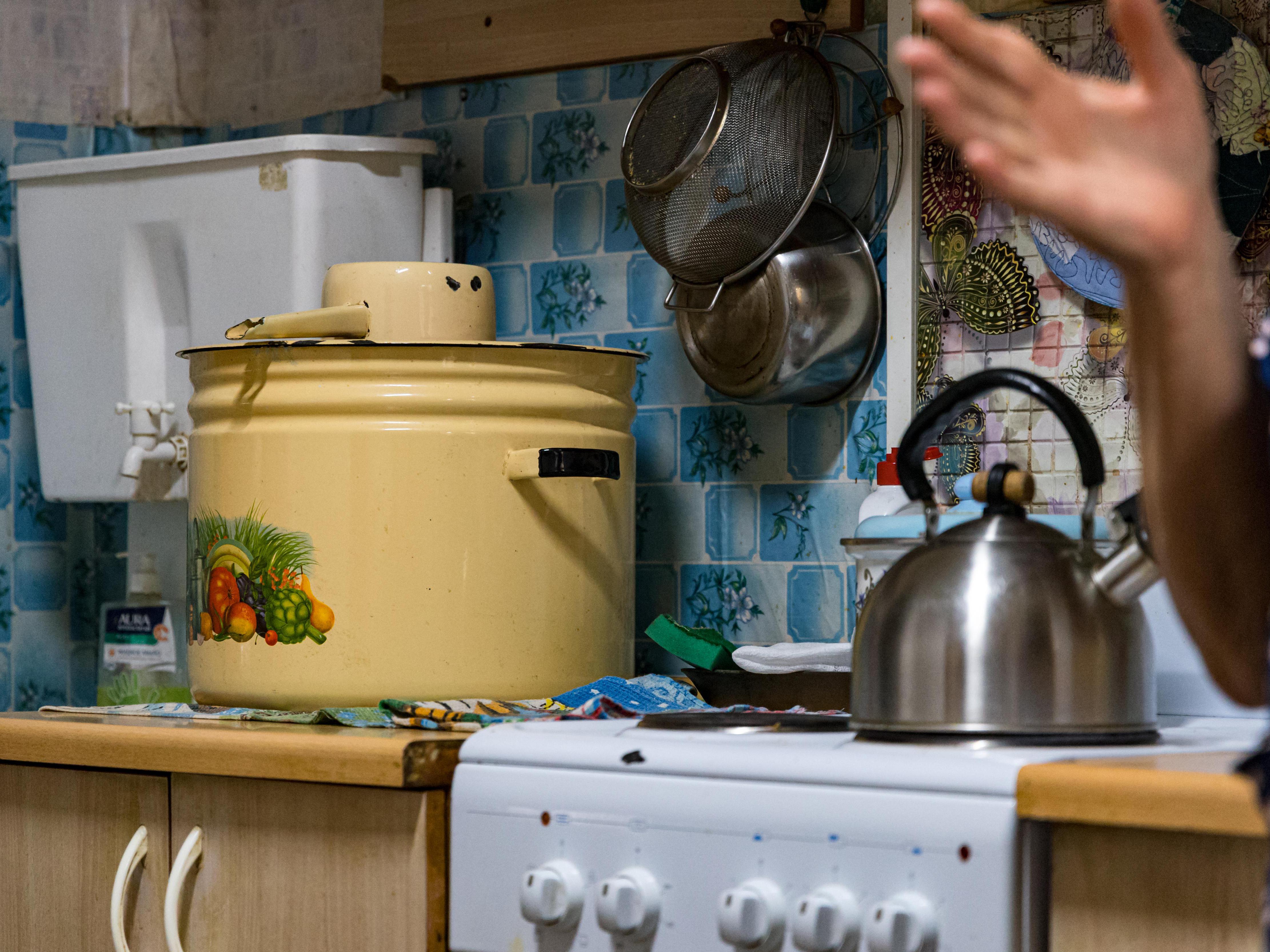
— This year, birds ate all the berries in the garden. I made jam from feijoa. It«s all simple: wash, trim the ends, cut into small pieces, then blend with the skin—because all the vitamins are in it. For a kilogram of feijoa, a kilogram of sugar. That»s it—ready. Eat it with pancakes or just like that, — treats former paramedic Lyubov Maltseva, and to keep the conversation going, continues, — here, need to deal with the stove, it started smoking. It«s already fifteen years old, cracking in places.
— What do you heat with?
— We heat with wood. It was easier before, because there was our own sawmill, preparation, people bought on site. And now they bring logs from the city, — village head Tatiana chimes in.
— Into the forest for your own wood?
— There«s no sawmill anymore, and you can»t take from the taiga, it«s forbidden. A year ago, people were gathering deadwood in the forest, and someone reported them. Those guys were arrested, a case was opened. And then some people in the village even accused me: supposedly, I told on them. I had to file a police report for slander—everyone knows I never did anything bad to people.
— You have complicated relationships in the village, I see.
— Well, such neighbors: either envy or something else. I don«t know, — says Tatiana. — We used to live very friendly, everyone helped each other. And a few years ago, outsiders came, as they say, not locals, and that»s when it all started. They«re connected with the former forestry management. They live separately, by their own rules, not as it was always accepted with us.
“I«ll Make a Shack in the Taiga and Live There”
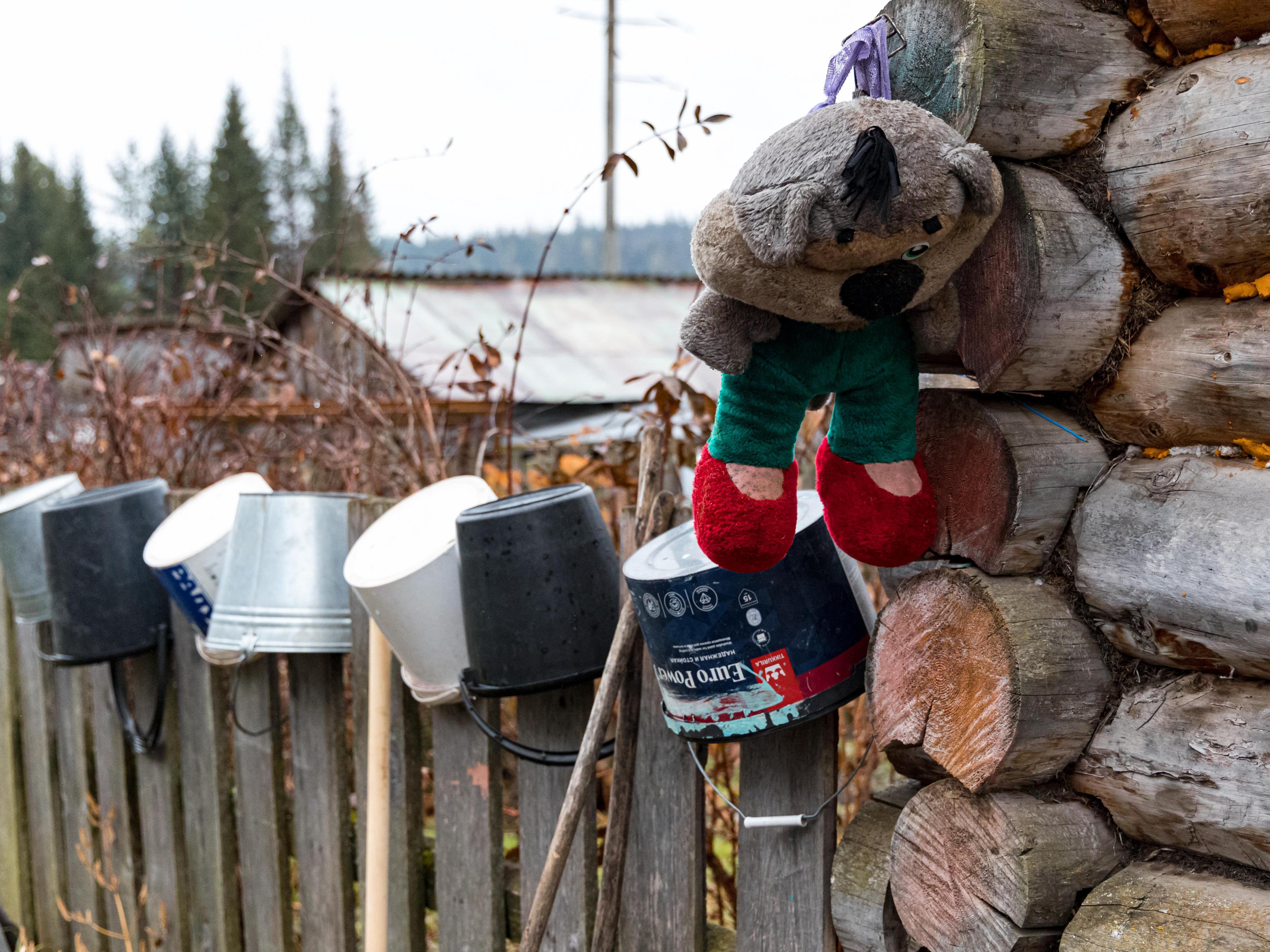
Together with village head Tatiana Demchenko, we walk to the other end of Verkhnyaya Birusa. Past weeds, mossy, falling fences.
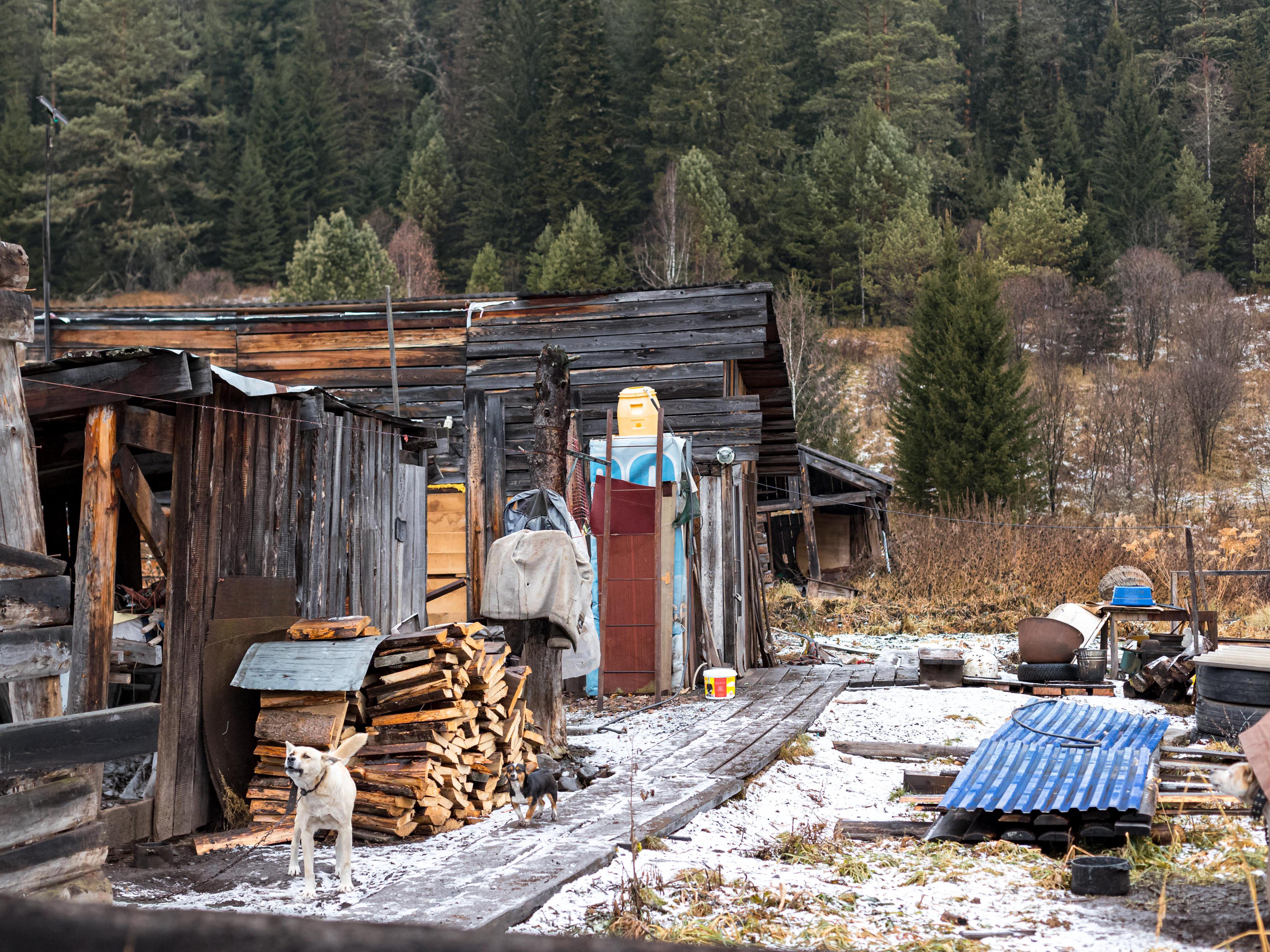
— At the end of the village, a couple has been living in a bathhouse for how long. Their house burned down, and the forestry won«t give a new one, although there»s so much housing here, — Tatiana matter-of-factly recounts episodes from the life of some other world on the go.
Meanwhile, another resident of Verkhnyaya Birusa meets us by his house. Alexander Vasilyev is over 70, he«s been in the village since 2003, worked as a mechanic, felled trees.
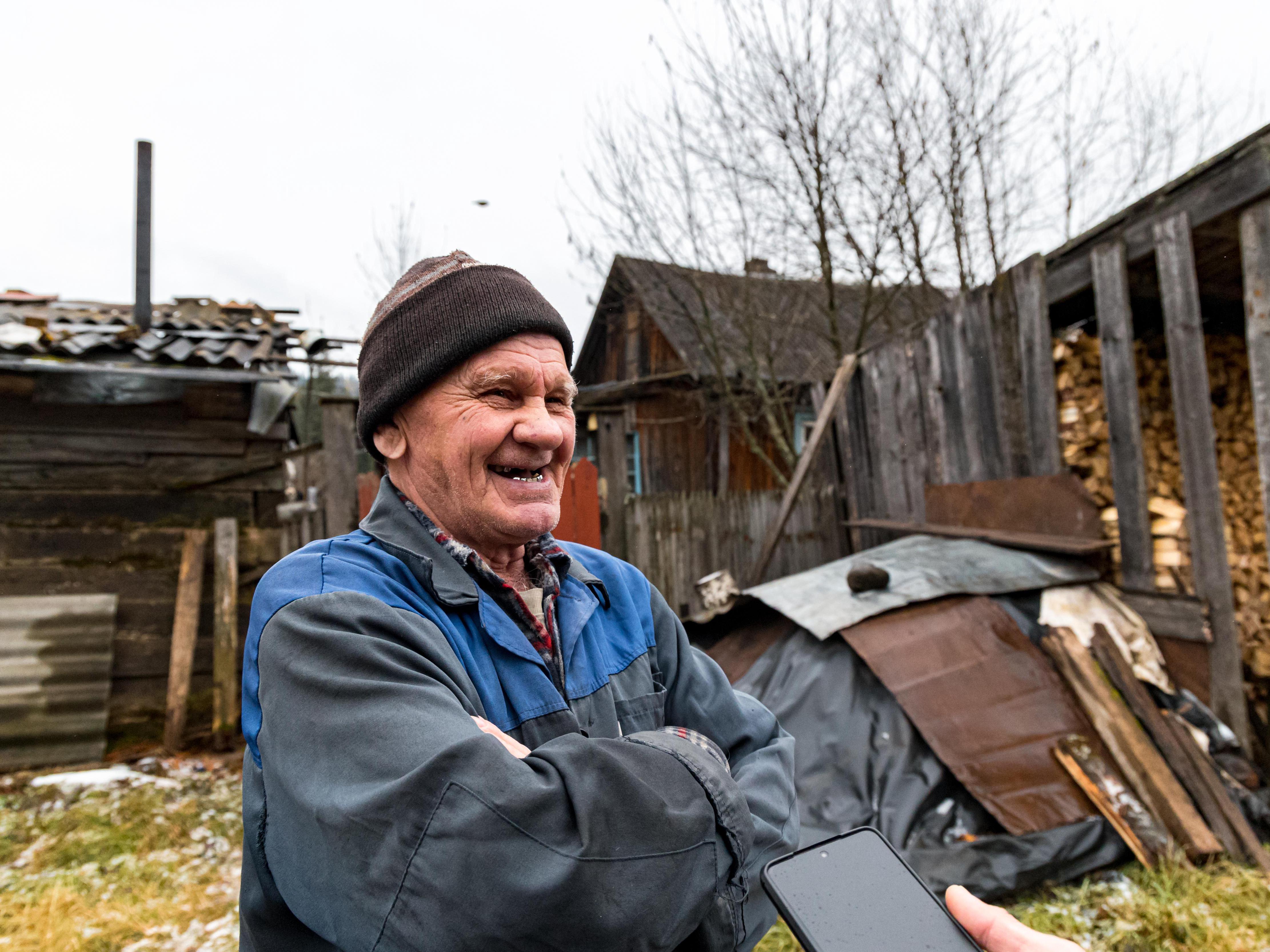
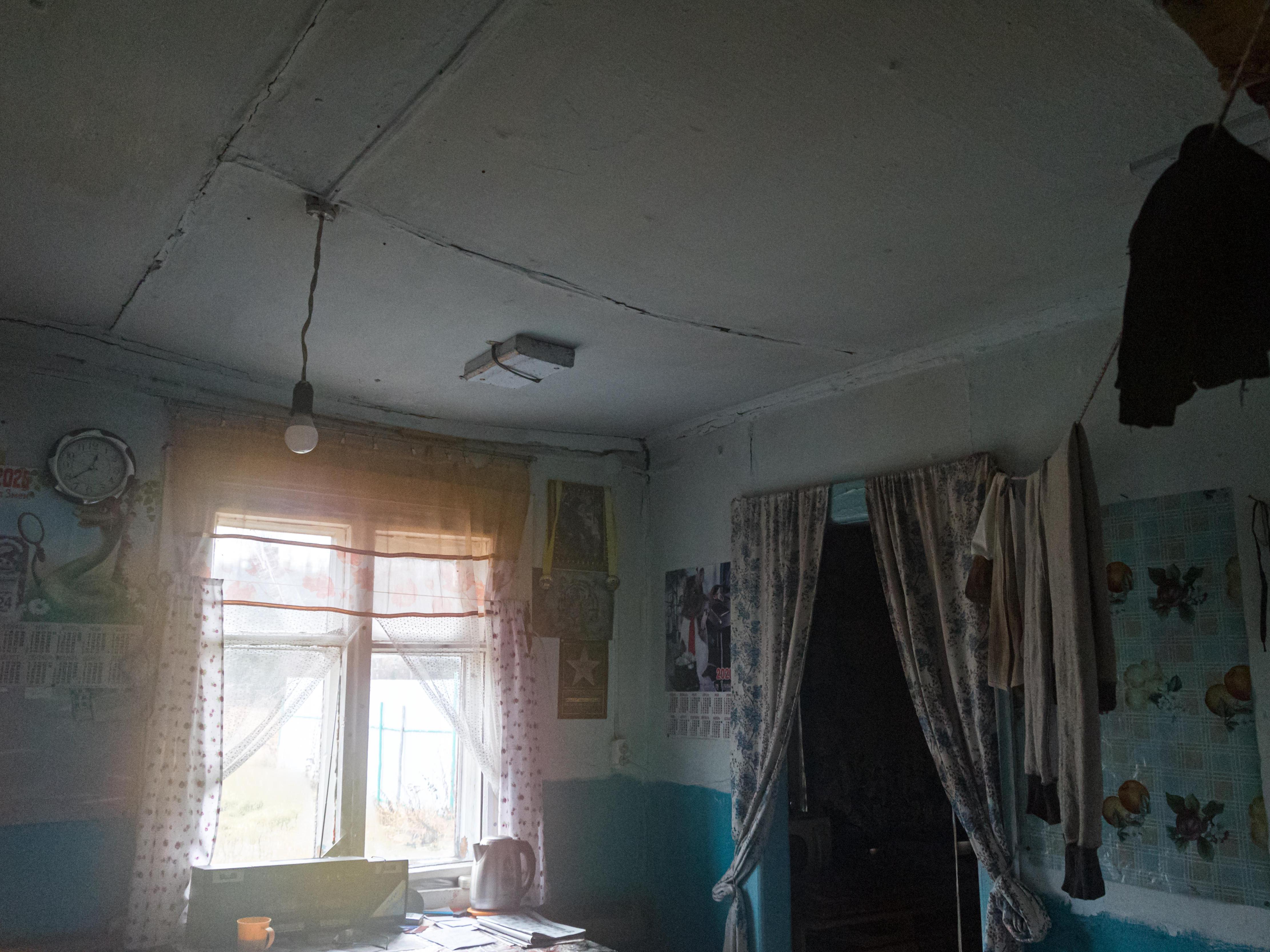
— In my apartment, the ceiling is about to fall. I tied it there to a beam with my own efforts, come on, I«ll show you, — Alexander leads us into the house. — The house is old, belongs to the forestry, and they still can»t do the repairs for me. I temporarily plugged the holes in the roof with plastic wrap. Everything is falling apart. I live until the last, as they say.
— What next?
— And who knows? I«ll go make a shack in the taiga, live there, — Alexander laughs. — No one tells us anything. There»s no information from the institute (SibGTU—Ed.). At least warn us that we«re closing, survive on your own, somehow try, stock up. Otherwise, they»ll come and say vacate the living space.
— Why didn«t you privatize the house?
— About 10 of our houses managed to formalize it in their time. And then it somehow became difficult with that. So the rest all belongs to the forestry, it turns out.
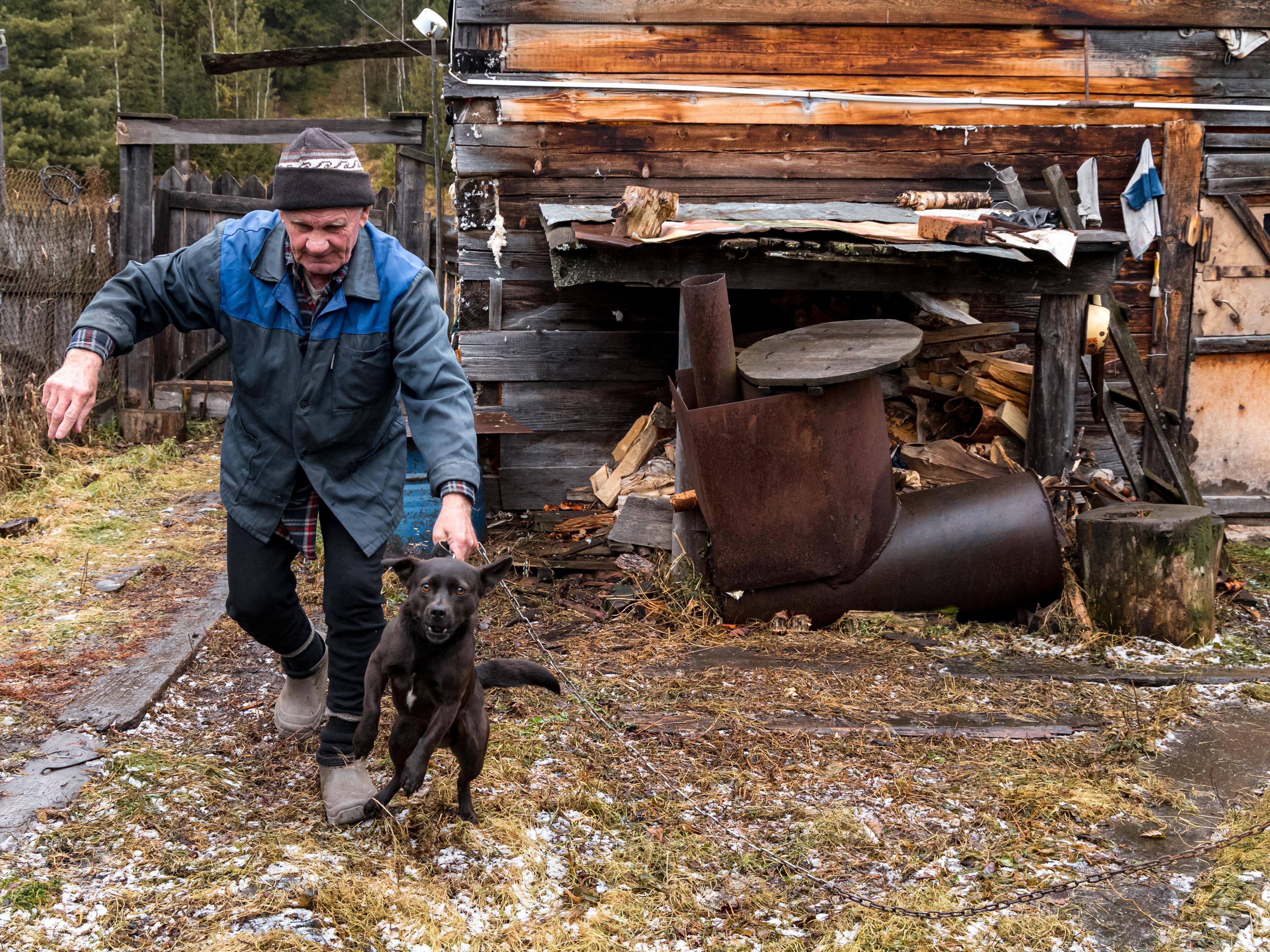
Meanwhile, Alexander Vasilyev packs food. Soon he will go to the outskirts of the village to feed an orphaned dog. He«s been doing this for a year, every day.
— Well, its owners died. Feel sorry for the dog. I«ll go there to the house to cook food for it, so as not to carry it.
— It would be simpler to take the dog to yourself
— Where would I put it, I have my own in the yard!
Over Time, Everything Was Stolen
We walk to the outskirts of the village. Here on the bank stands a water tower. «They built it, but never used it, so we always carried water from the river» — comments Tatiana Demchenko.
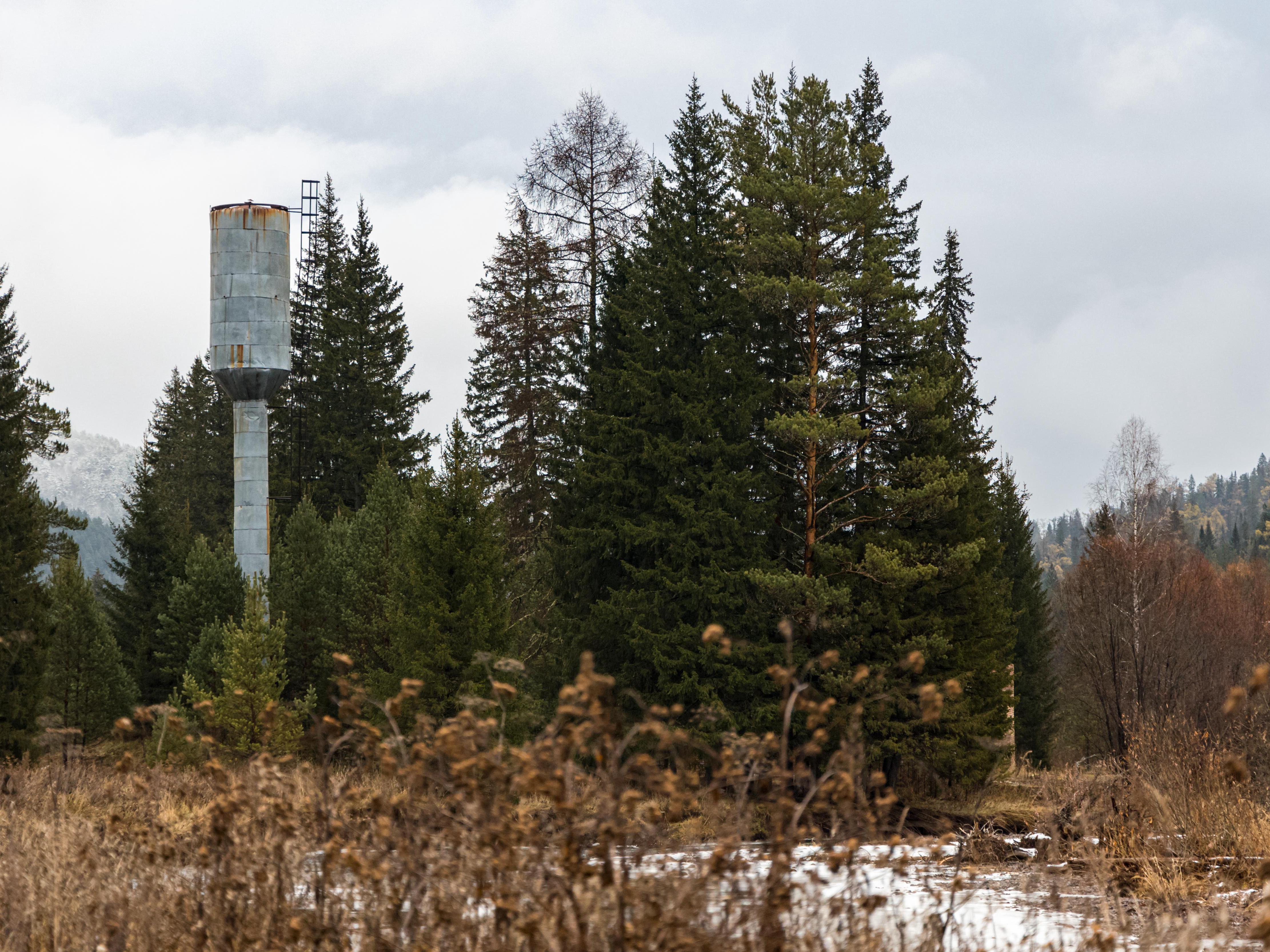
Nearby, a huge by local standards two-story reinforced concrete building. It seems all the village residents could fit in it and there would still be room.
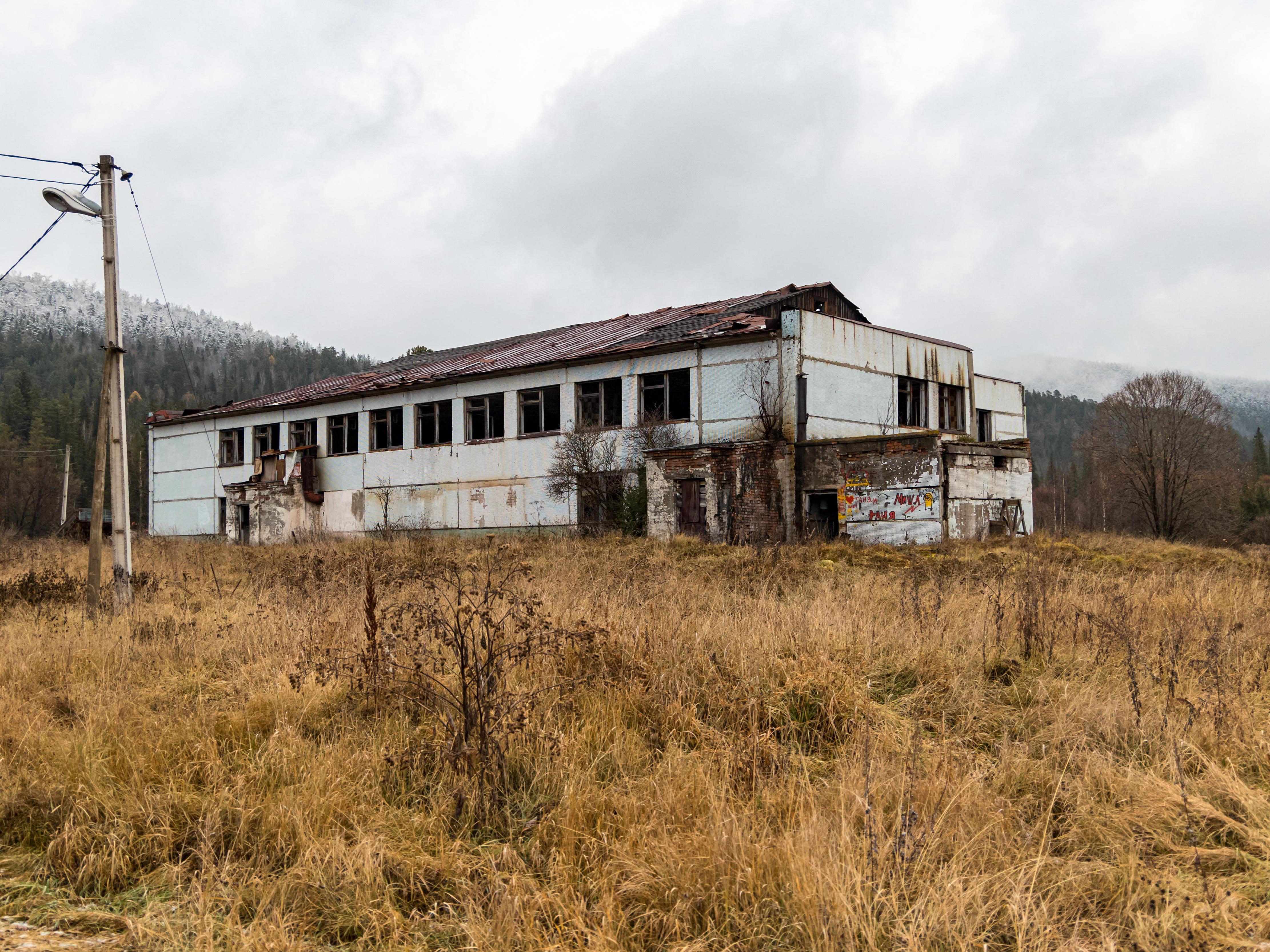
The building, like most here—abandoned. Broken frames, collapsed tiles, remains of a «Birusa» refrigerator and counters.
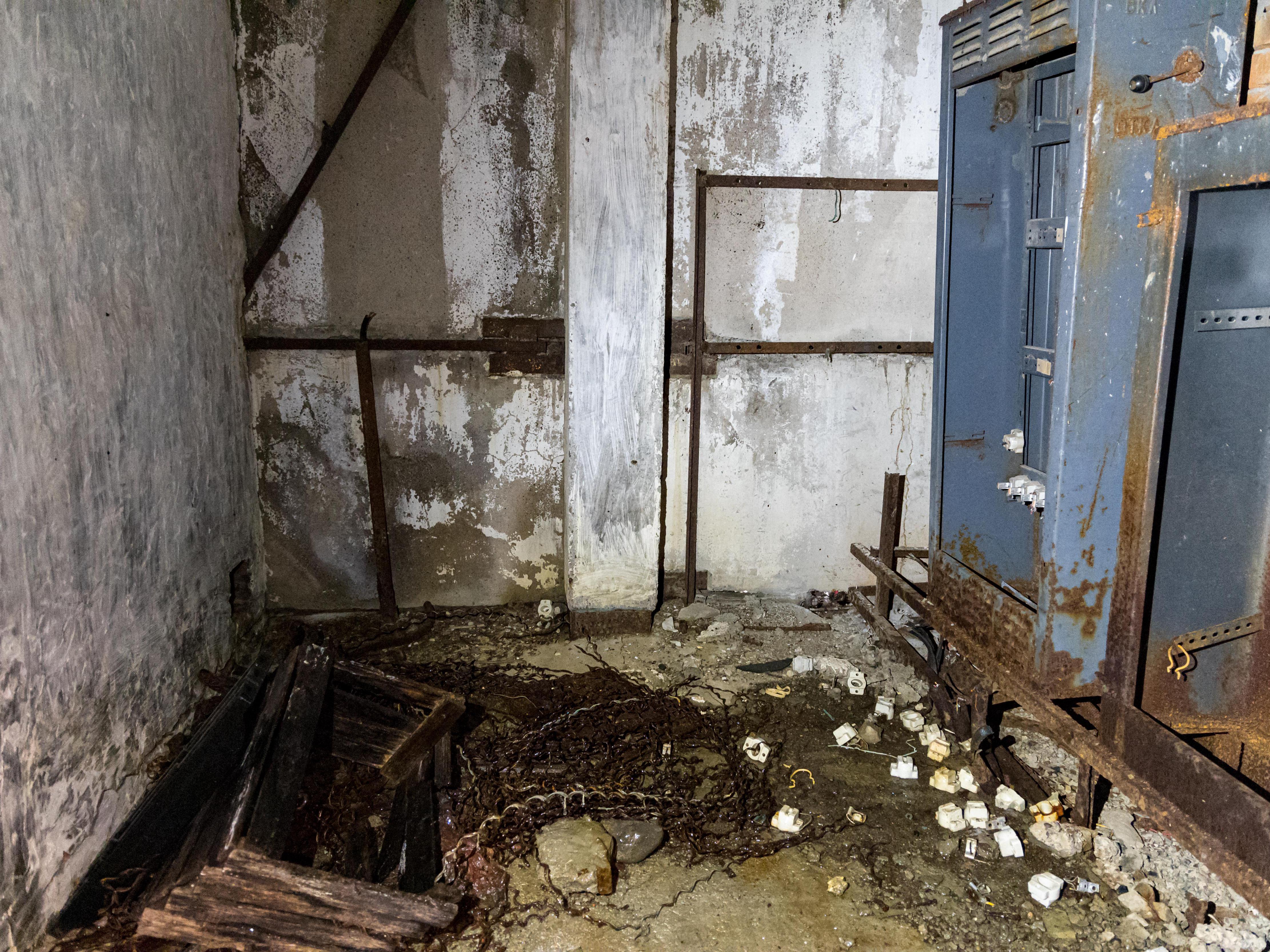
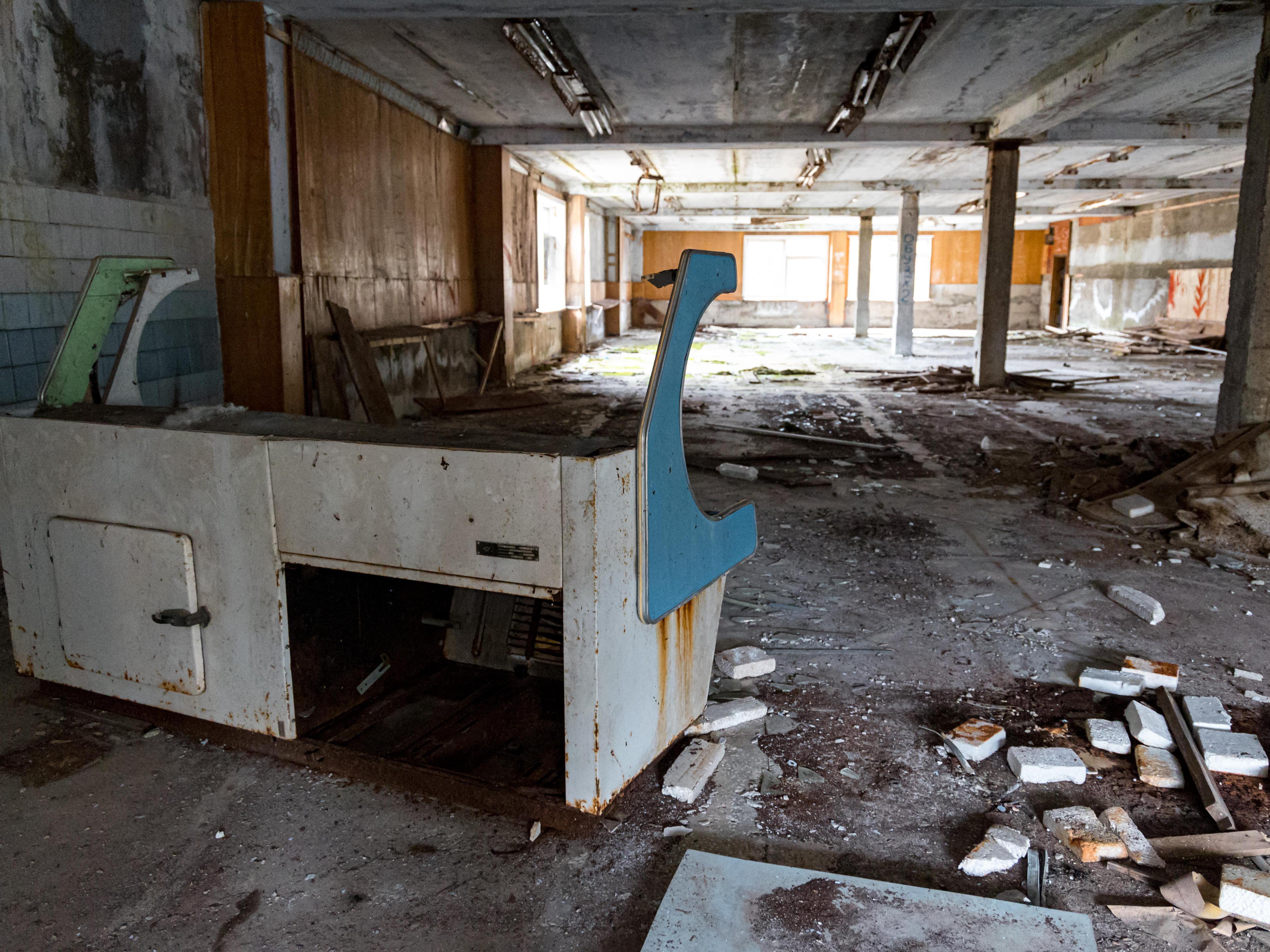
— And this is the former canteen. They built it for trainees, we had an educational farm. Upstairs, probably they could live, I don«t know for sure, — recounts Tatiana. — But as long as I»ve lived here, it never worked. And over time, everything was stolen. There was such good equipment here, stoves, and dishes, and everything. Now it«s a wasteland, no one needs anything.

As if refuting her words, we hear a light crunch in the corridor: from there, from a dark opening, a dog looks at us expectantly. And runs outside.
It turns out, that very one, who has been living alone for a year, without owners. Unneeded by anyone, except an elderly villager who still hopes for something and goes to feed it…
What awaits the village in the future, what plans there are for its development—these questions the NGS24.RU editorial board addressed to the administration of Divnogorsk, of which Verkhnyaya Birusa is a part. We await an answer.