How to Use Peat Pellets for Seedlings: Pros and Cons
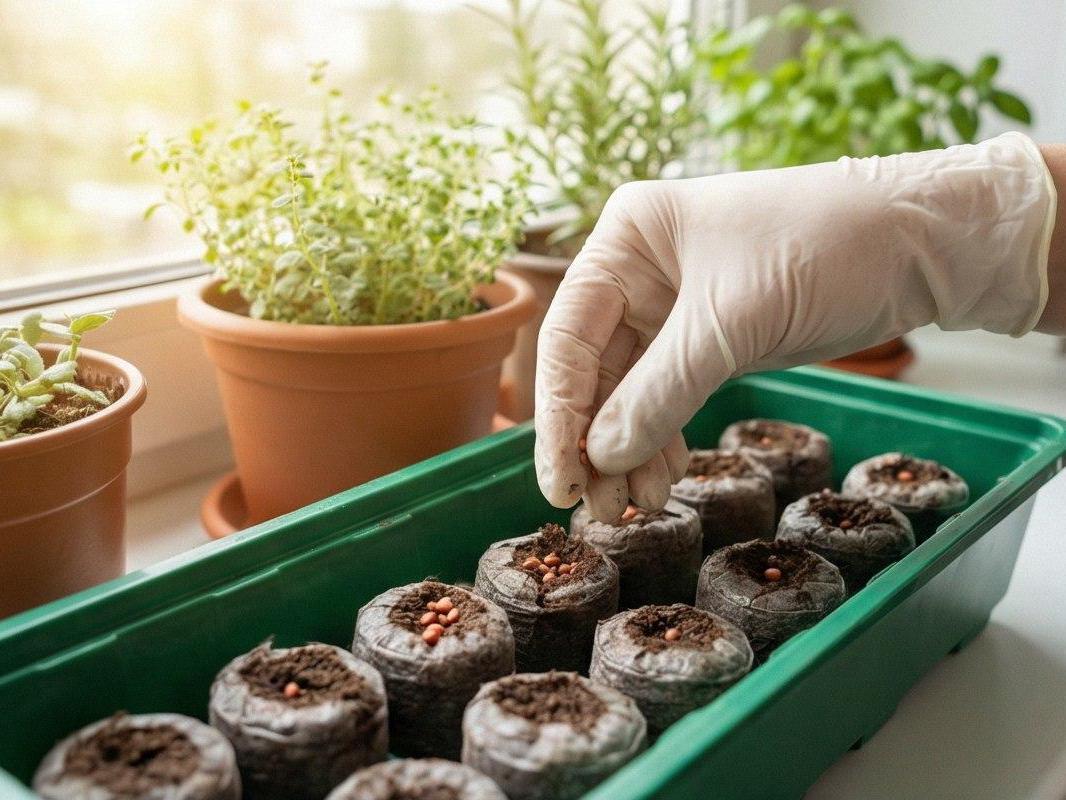

Using peat pellets for seedlings is not as difficult as it might seem at first glance.
Peat pellets for seedlings are a convenient alternative to traditional pots with soil. This method of growing plants for the garden has both advantages and disadvantages. We explain how to use peat pellets, why not every crop can be grown in them, and why you might lose plants in them.
How to use peat pellets for seedlings
If you are tired of messing with soil and seedling pots, peat pellets can help ease the start of the gardening season. This option is for those who don«t need to get 20-30 seedling bushes of each type.
“If you need to get a few plants, then this is a good option. They are well suited for flowers. They are easy to use. You need to soak them and plant the seed in the indentation,” explained Lyudmila Shubina, an agronomist and candidate of agricultural sciences. “But peat is acidic and not suitable for all crops. It may also be that the seedlings simply stop growing.”
In this case, you will need to deacidify the peat with calcium nitrate. The solution should be prepared according to the instructions on the package and sprayed on the pellets with seedlings.
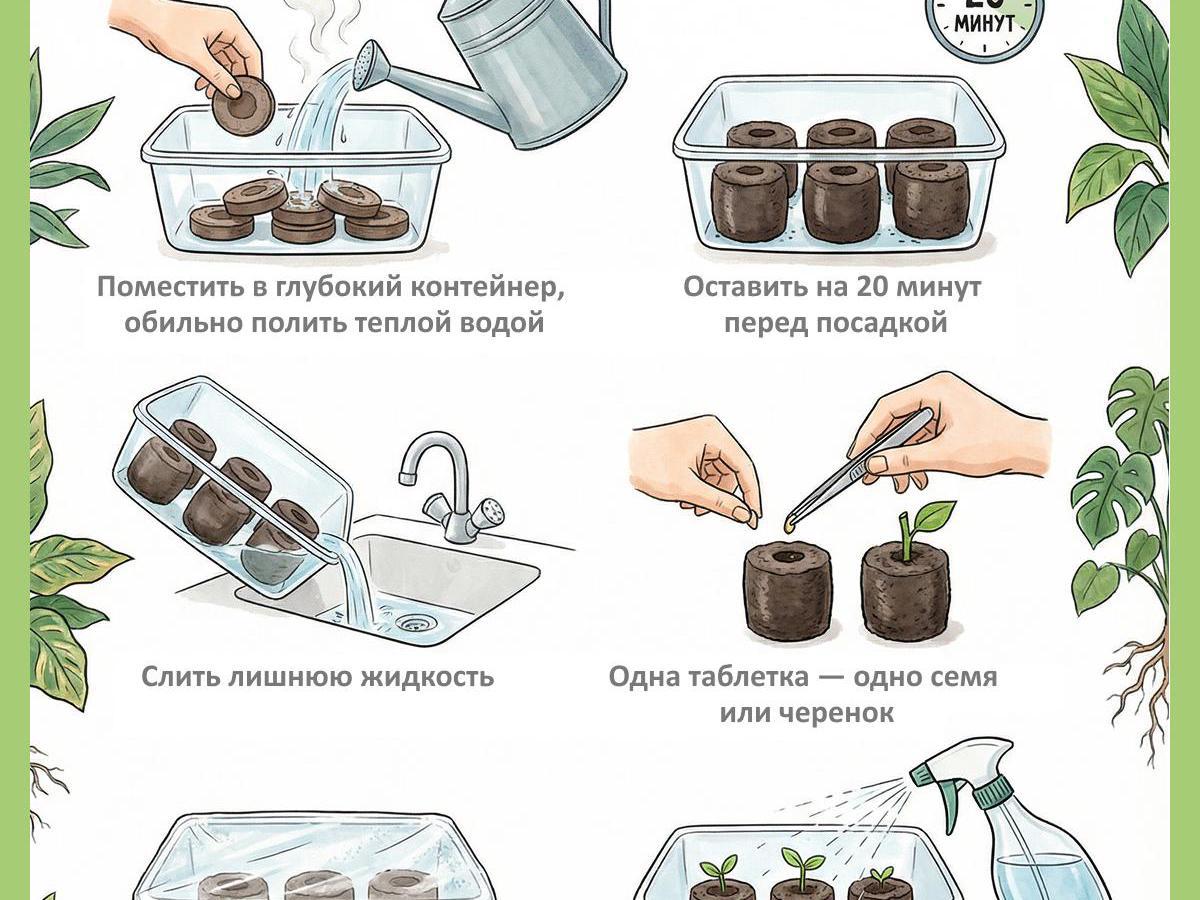
The algorithm for using peat pellets is quite simple — you will need a container for them and water. The packaging should indicate whether to remove the protective film or mesh. It is important to consider this before soaking them.
The water should be settled, at least room temperature, but warm is better. Boiling water is not the most suitable option. The optimal temperature is 30-35 degrees Celsius (86-95°F). It is best to lay the pellets close to each other so that they do not deform during swelling. Add a couple of drops of potassium permanganate to the water for additional disinfection. The volume of water should also be indicated on the package.
The pellets will swell within 20 minutes. It is better to drain excess liquid. You can sow one seed or cutting per pellet. There is a small indentation on top for this. The container should be covered with film on top. It is important to ensure that the pellets do not dry out. Ventilate the container briefly every day.
Advantages and disadvantages of peat pellets
Peat dries out quickly, which can harm the seedlings.
Peat pellets have many advantages. First of all, it is convenient. The sowing area remains quite clean, less time is needed for all the actions required for seed germination. You can sow seeds of small plants without pre-germinating them.
“The main thing is that it saves time on pricking out. Each seedling already has its own place, and you don’t need to transfer them from one pot to different ones. Peat is light and does not let the roots rot,” the specialist noted. “Cuttings also root well.”
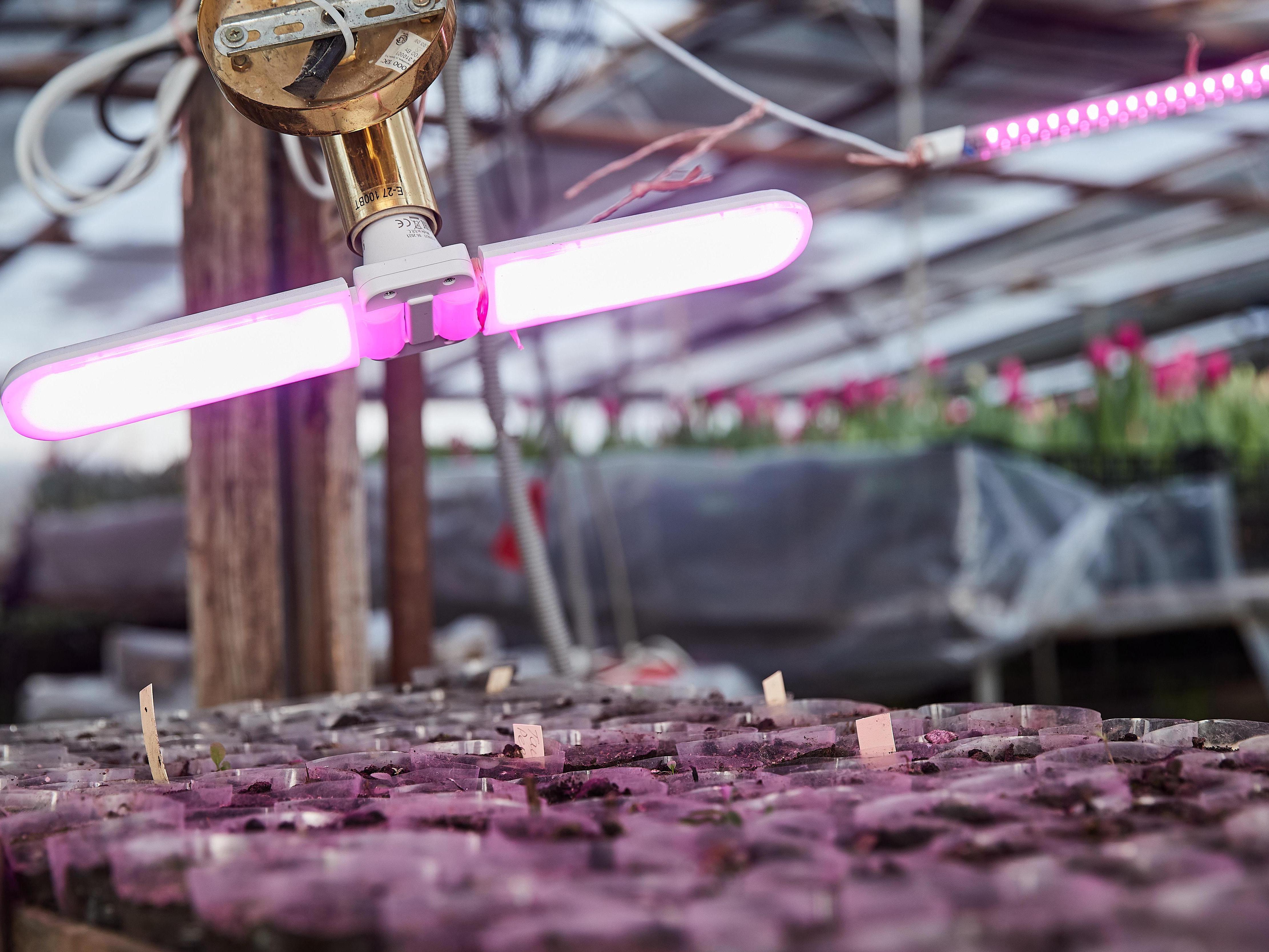
When sowing in peat pellets, it is easy to calculate how much space will be needed for seedlings and for additional lighting, because the volume of plants is immediately visible.
Among the main disadvantages of peat pellets is that they dry out quickly. You need to check the moisture every day and add water promptly. It is better to place the container with the pellets on a tray where you can add liquid. If the substrate dries out, you can lose all the seedlings, so this method of growing plants requires discipline.
Another disadvantage of peat pellets is their price. They are usually sold in packages and cost from 5 to 10-15 rubles per piece (about $0.08–$0.24 at current rates) depending on the manufacturer and filling. Also, peat pellets are packaged in non-woven material bags, which take a very long time to decompose. The bag helps the seedling hold its shape and not overgrow, but when planting in a permanent place, it is better to remove them completely, not just cut them.
Among the alternatives to peat pellets, you can consider coconut fiber wafers or mineral wool plugs for seedlings.
What not to sow in peat pellets
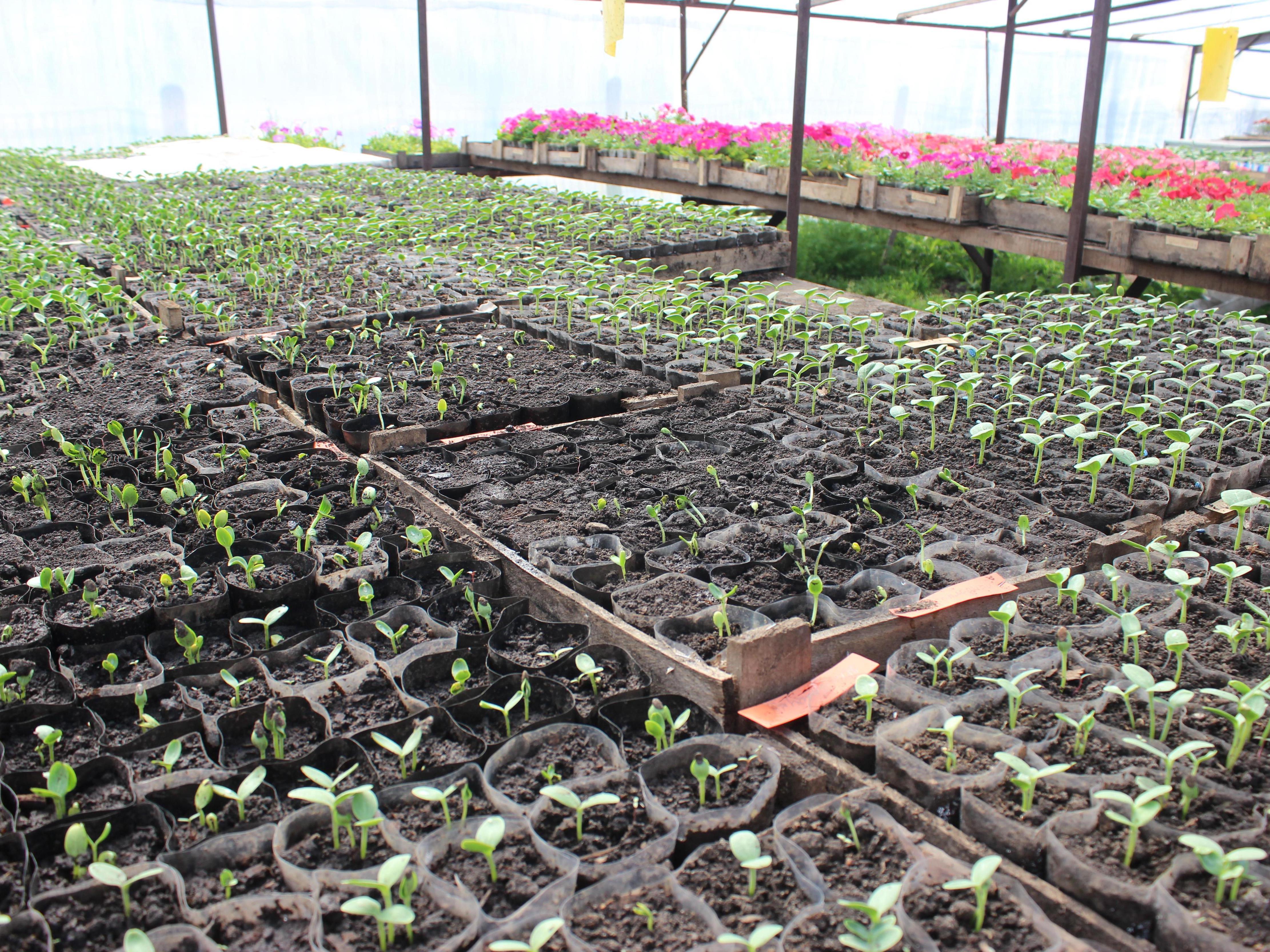
Crops with large seeds are better grown in regular soil.
There is no direct ban on sowing any crops in peat pellets, but there are physical limitations. Large-seeded crops will not be able to develop well in a small pellet.
“Pumpkins and zucchini are better sown in the usual way in seedling pots or directly in the ground,” advises the agronomist. “They germinate quickly and develop actively. There are no difficulties in ordinary cultivation.”
The same applies to watermelons and melons. It is worth sowing them one seed per individual pot in regular seedling soil. In thirty days, they will reach the size needed for planting in a permanent place.
What else to read about the garden and vegetable patch
When to plant lisianthus for seedlings — three ways to get strong seedlings.
What must be sown for seedlings in January — an important calendar for gardeners.
A Siberian agronomist grows blackberries weighing 30 grams (about 1 ounce) — how to plant the bushes and get such a harvest.