February in Chelyabinsk: Meteorologists' Forecast
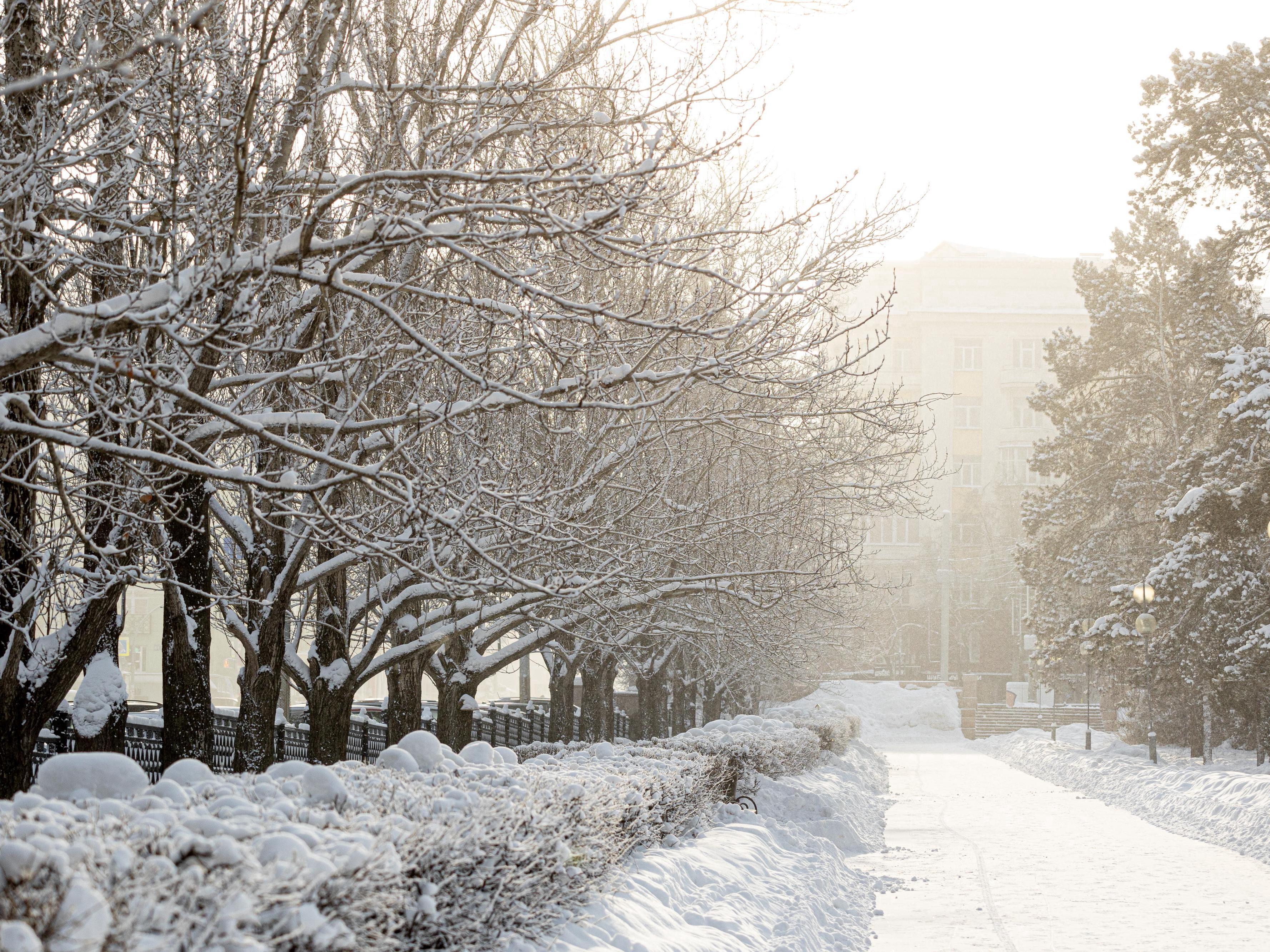

The Chelyabinsk Hydrometeorological Center reports that the average monthly air temperature in February in the Southern Urals is forecast to range from -11°C (12°F) to -15°C (5°F), which corresponds to long-term values.
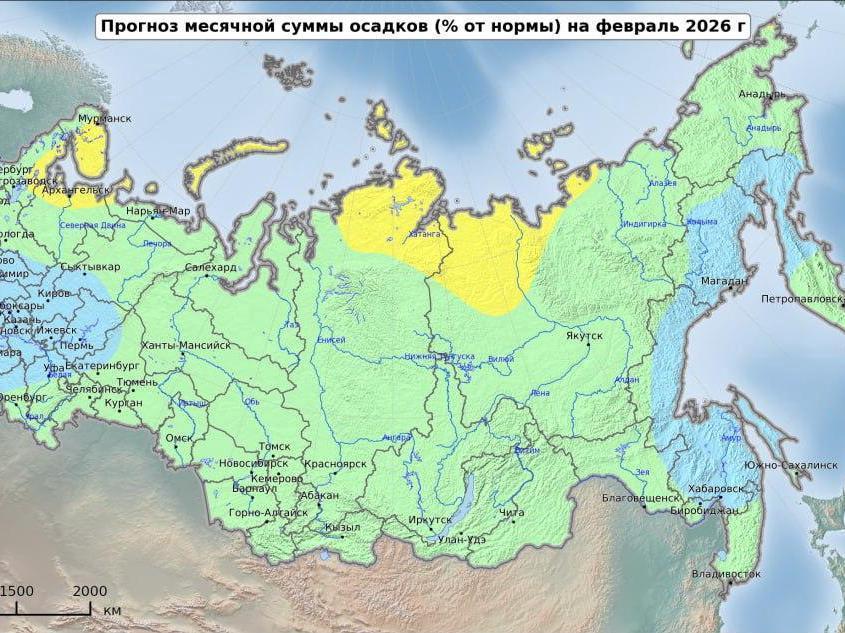
Precipitation is also expected to be near normal. For February, the norm is 13-23 millimeters, and in mountainous areas it reaches 27 millimeters.
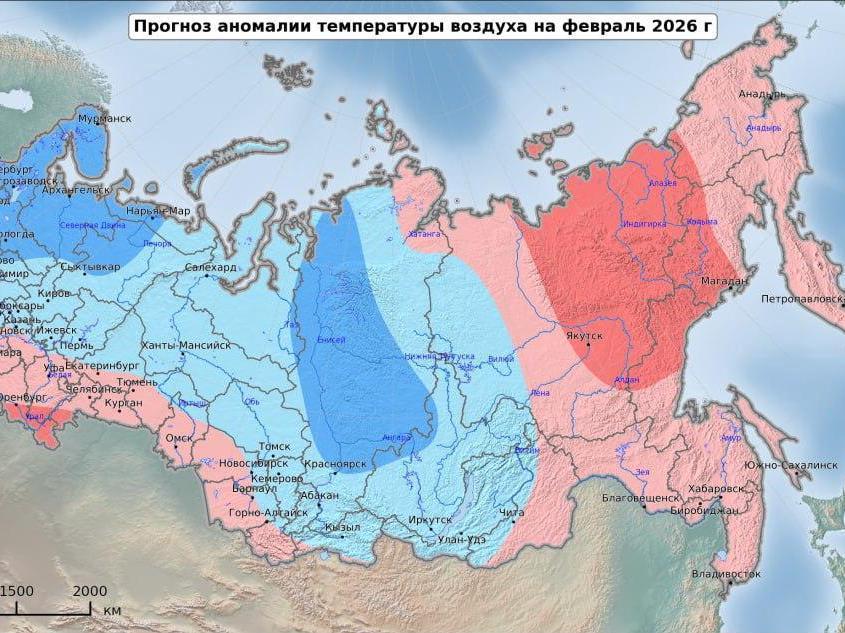
According to the climatic norm in Chelyabinsk, the average February temperature is -12.5°C (10°F), said Yekaterina Vykhodtseva, head of the weather forecast department at the hydrometeorological center. Based on long-term data, February in the Southern Urals is warmer than January, but in some years, the coldest days are observed precisely in February. The average air temperature in February across the region is -11 to -15°C (12 to 5°F). In warm years, it rises to -5 to -7°C (23 to 19°F), and in cold years, it drops to -22 to -25°C (-8 to -13°F).
Meteorologists cited historical extremes: the absolute minimum temperature in February was recorded in 1976 and was -45.1°C (-49°F), and the maximum of +8.7°C (48°F) was noted in 2004.
For the entire observation period, the coldest February with an average monthly temperature of -22.3°C (-8°F) was recorded in 1954, and the warmest at -5.8°C (22°F) was in 2002, added the forecaster. The total precipitation on average is 17 mm, but in February 1966, Chelyabinsk received 3.3 times more snow than the norm, and in February 1964 and 1967, only 6% of the monthly precipitation norm.
This week, the snow cyclone that hit Moscow continues to move eastward—towards the Urals. Its center will shift closer to Yekaterinburg, so in the Southern Urals, it will only affect the mining and northern districts.