Woman nearly loses face as eyebrows rot after BrowFlash
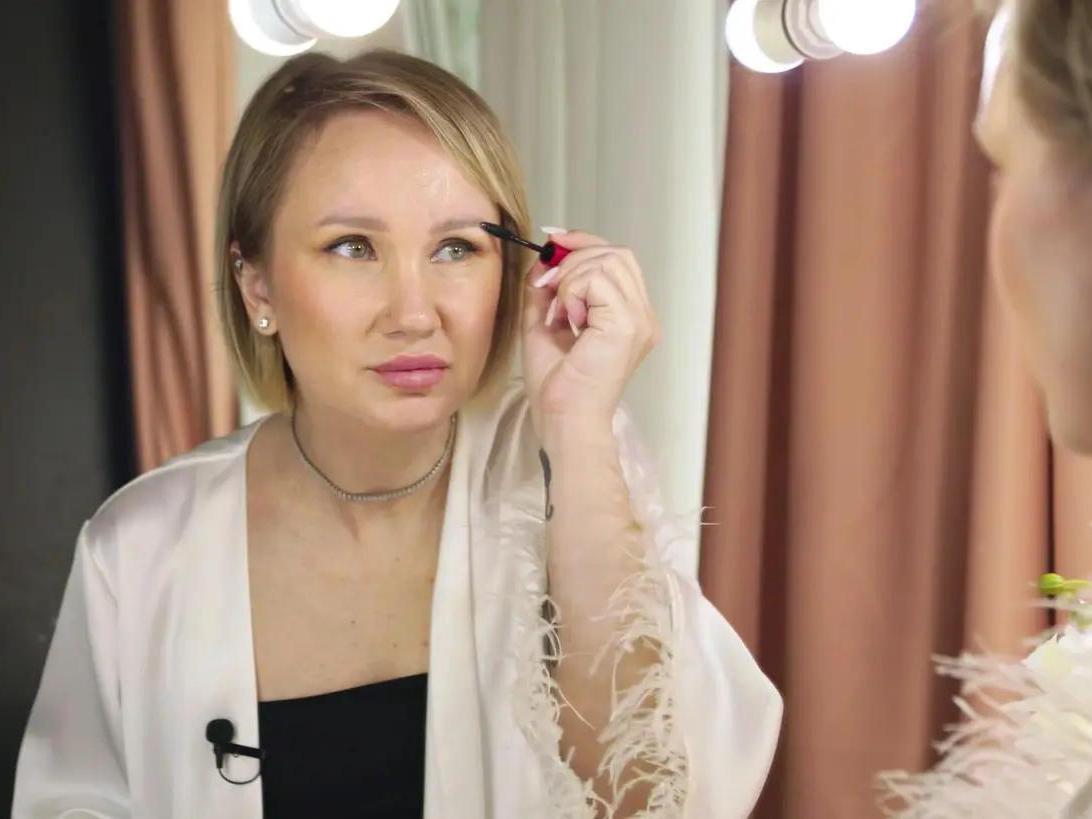

A dangerous beauty procedure called BrowFlash is gaining popularity in Russia. Masters promise women thick eyebrows, enhanced using a unique Chinese technique. But they remain silent about the fact that the procedure is not only quite painful but, as it turns out, very dangerous for health and even life. It has been nicknamed «corpse eyebrows» by the public, and one of its victims is a resident of Zheleznovodsk: after the beauty procedure, her eyebrows are literally rotting.

The miracle technology BrowFlash was first talked about a couple of years ago. Then, a wave of expensive master classes for masters rolled through various cities. Brow artists were promised they would be taught an innovative beauty method.
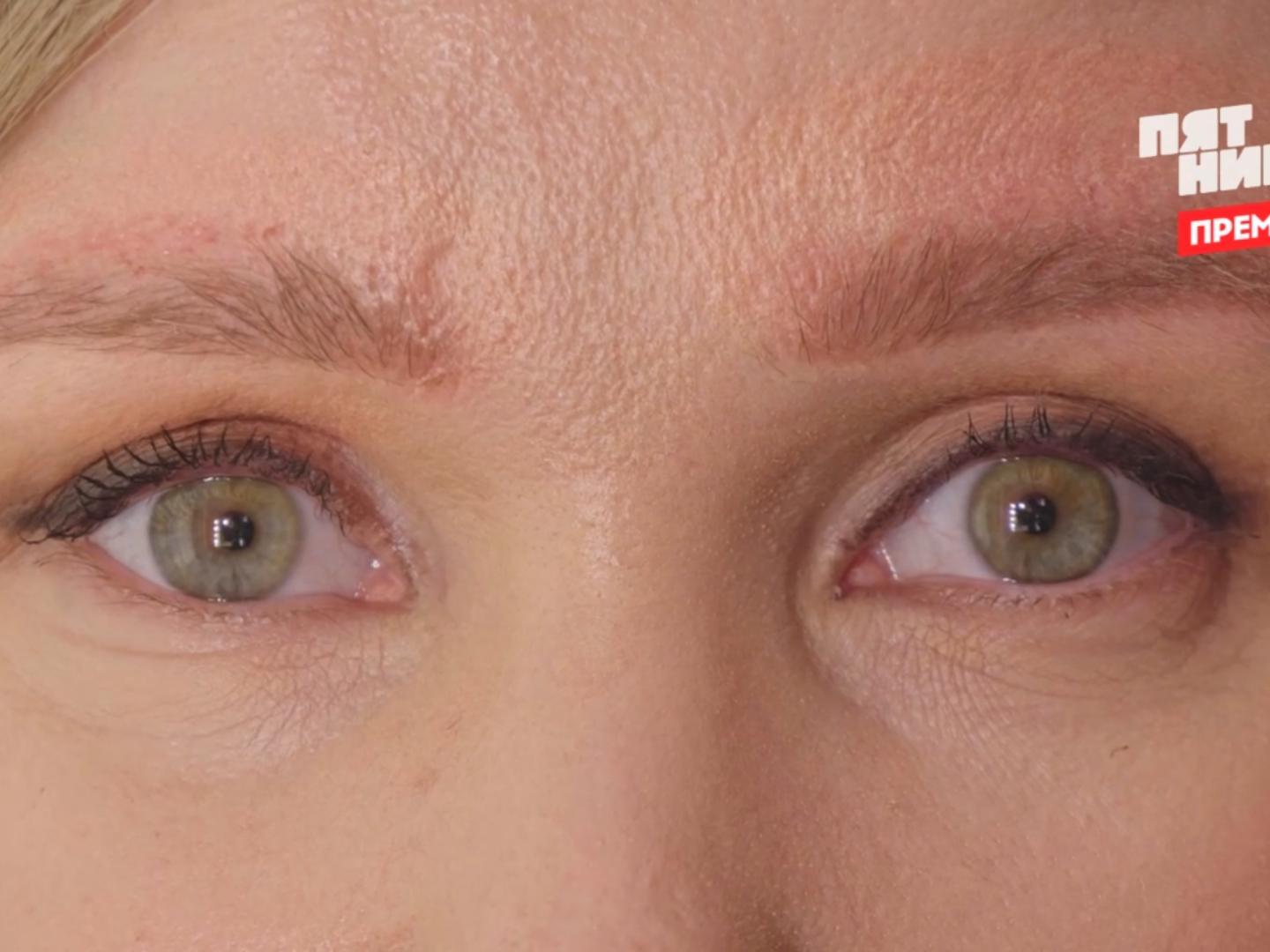
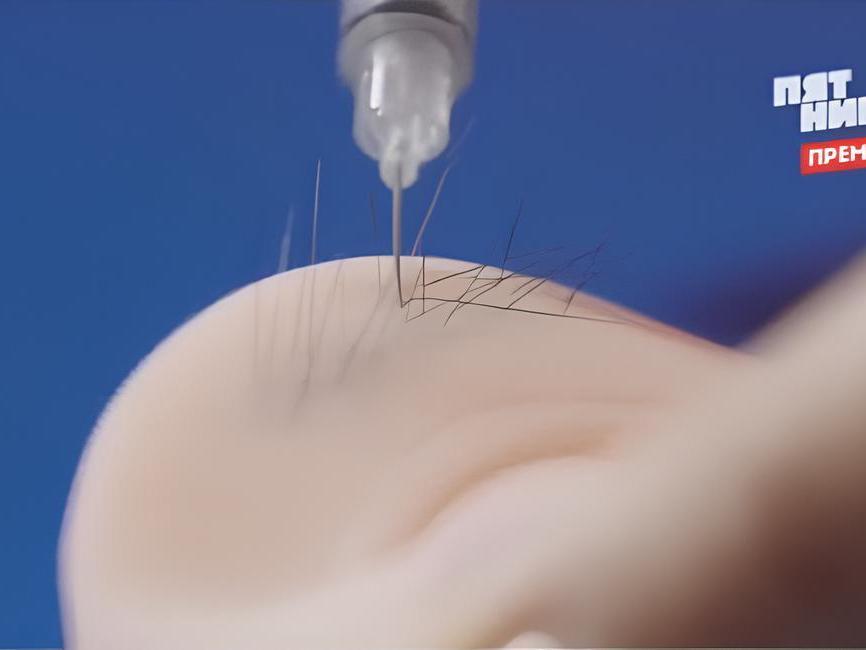
The technique involves implanting artificial hairs under the skin, and although it is a painful process, it produces a wow effect on clients: their eyebrows acquire such a natural look.
Only no one talks about the side effects that occur a little later in clients. But even doctors are shocked by the risk women take, unaware of it themselves.
The first victims of the trendy technique were shown on the show «What Have I Done.» Women candidly told how they fell for the advertised procedure and what a nightmare it turned into for them.
Lyubov from Zheleznovodsk is a beauty master herself. She heard about the novelty from a friend who was so inspired by the innovation that she persuaded her to take the courses. It seemed to them that BrowFlash needed to be urgently introduced in their city before other beauty salons caught on to the idea. Lyubov agreed, took her savings, a loan, and went to a master class. There she also tested the technique on herself.
— The procedure is performed with an assistant. His task is to insert the hairs into a needle, and the master inserts the needle into the skin. I endured this procedure for three hours. It was torture, — recalls Lyubov.
Clients are given anesthesia, but it«s not enough because the needle is inserted very deeply, causing women to still experience severe pain. Lyubov says that the master who performed the procedure on her only treated the needle with chlorhexidine, explaining that all hairs are manufactured at their factory in Korea and are sterile.
Specialists say the implantation of hairs occurs on the principle of fish hooks. That«s why the material doesn»t fall out immediately.
— The result after the procedure is stunning. It looked very beautiful, sable eyebrows. The artificial hair is indistinguishable from real, it«s a direct wow effect, — says the woman.
Lyubov returned to her city and started looking for clients for the new procedure. After all, at first her enhanced eyebrows didn«t cause any problems. The master managed to provide the service to three girls.
Complications began almost immediately for everyone: someone«s eyebrow area broke out in pimples, for others they didn»t take root. And she promptly removed the artificial hairs for everyone. Then problems began for Lyubov herself.
— Less than a month passed before my own eyebrows started to rot. The skin became inflamed. I had the feeling that cockroaches were running under my skin. It was impossible to endure, — shares the victim. — I returned to the training center, they told me how to treat things. And when I noticed that craters had already formed around the hairs, they began to accuse me of mutilating myself.
Doctors explain that everything happening to clients after the hair implantation procedure is the body«s expected reaction to a foreign body. Figuratively speaking, incompetent masters were driving hundreds of splinters into women»s faces. Synthetic hairs after some time provoke purulent inflammation. Then scars form on the skin, which are very difficult to get rid of. But that«s not the worst. Neglected inflammation can lead to more serious consequences, up to meningitis.
Now victims of the procedure are trying to unite to stop its spread. At least one lawyer is currently working on this. He also found out that the BrowFlash technique is called a technique for corpses because it is not applicable to a living organism.