How Kemerovo Residents Dressed from the 1950s to 1990s
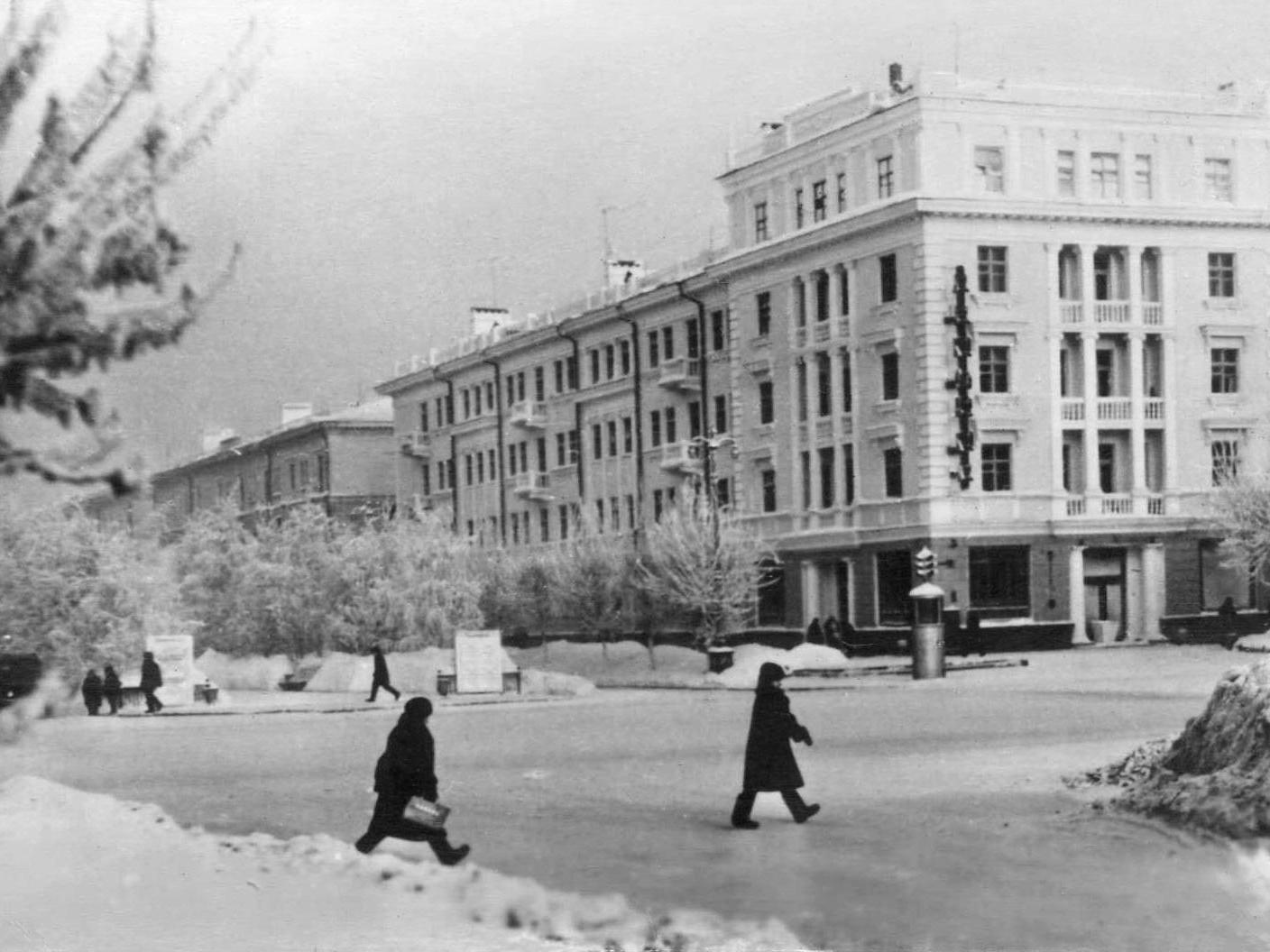

Old photographs show how cities and their residents change. Kemerovo is no exception. We examined the evolution of urban fashion from the 1950s to the mid-1990s and found much of interest. Ready to reminisce about the good old days? Then check out our photo selection.
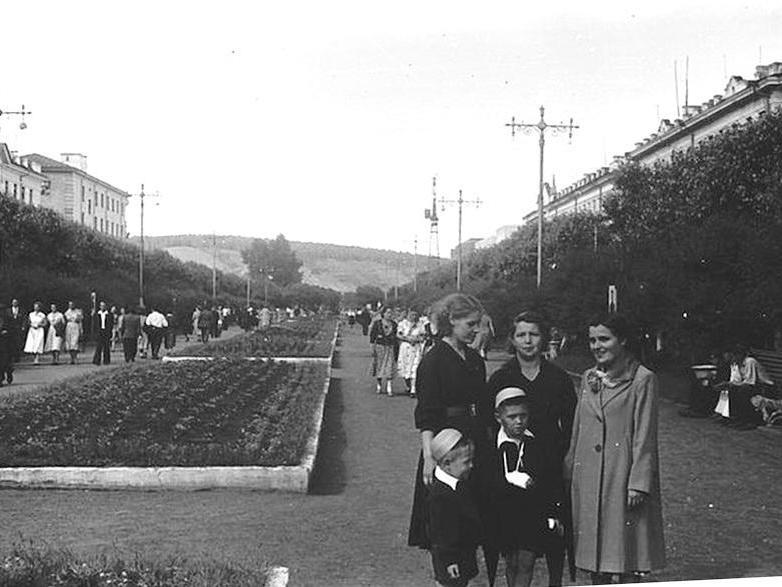
Women from Kemerovo with children are captured on Vesennaya Street; this is how they dressed in the post-war period—there was little variety in clothing.
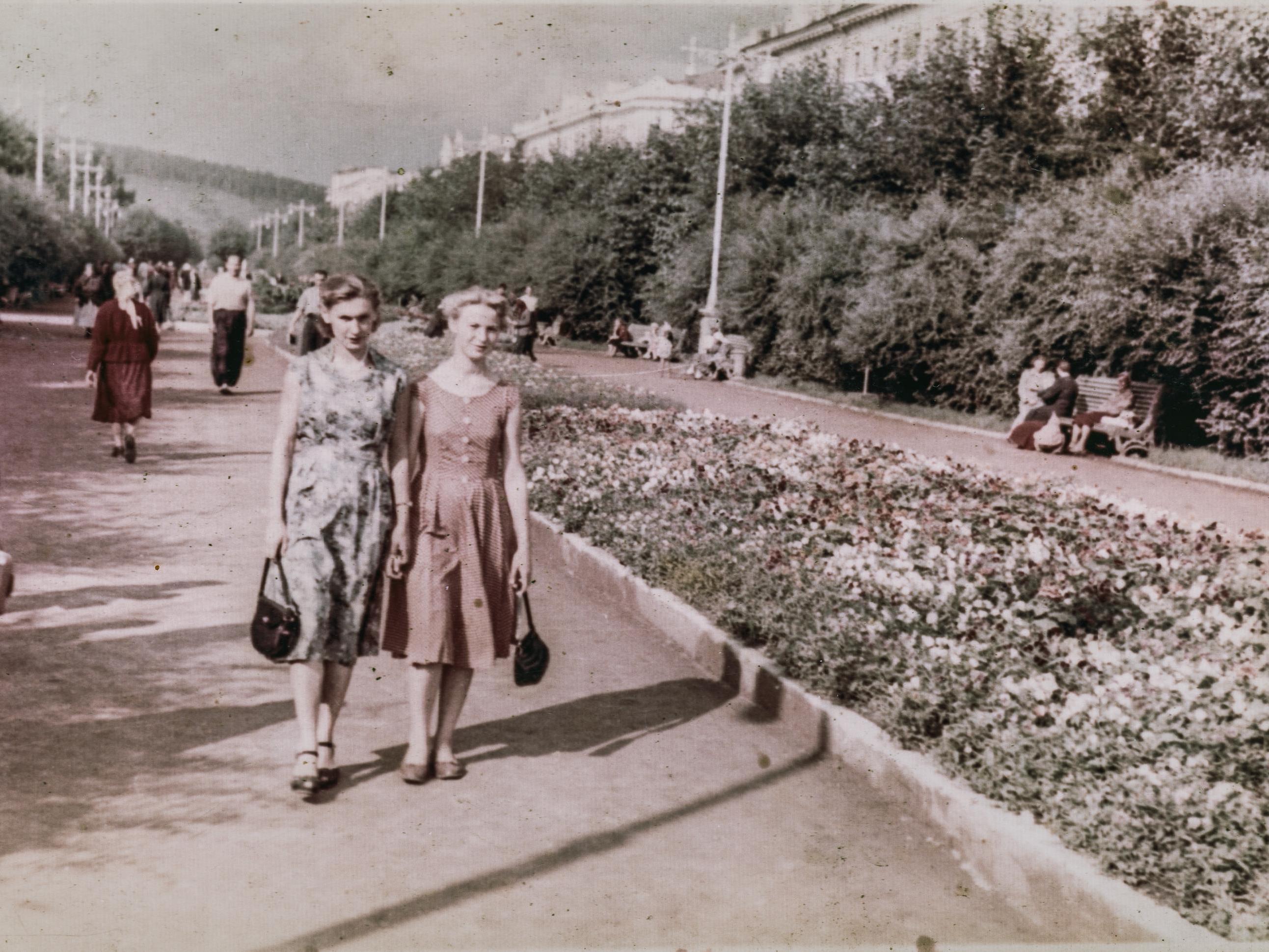
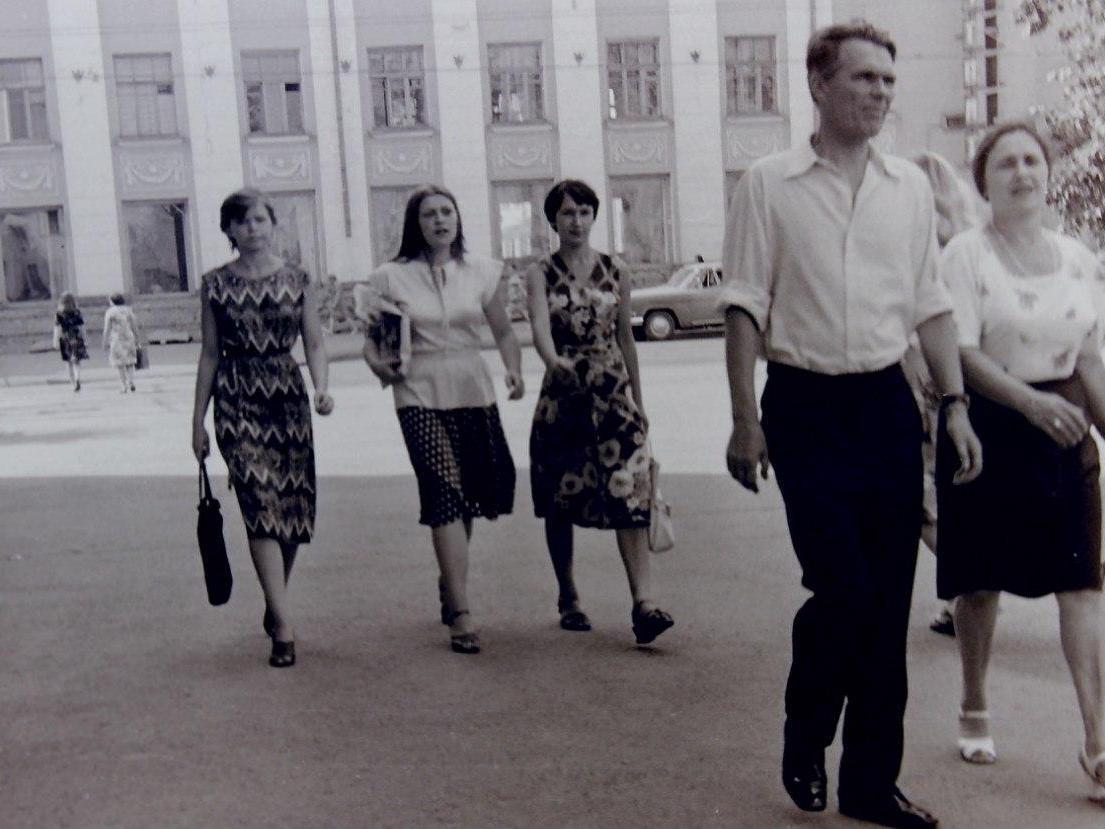
Here are fashionistas from the late 1950s. Women from Kemerovo on the same Vesennaya Street. Dress lengths are still below the knee; the mini-skirt trend would come to Kuzbass much later.
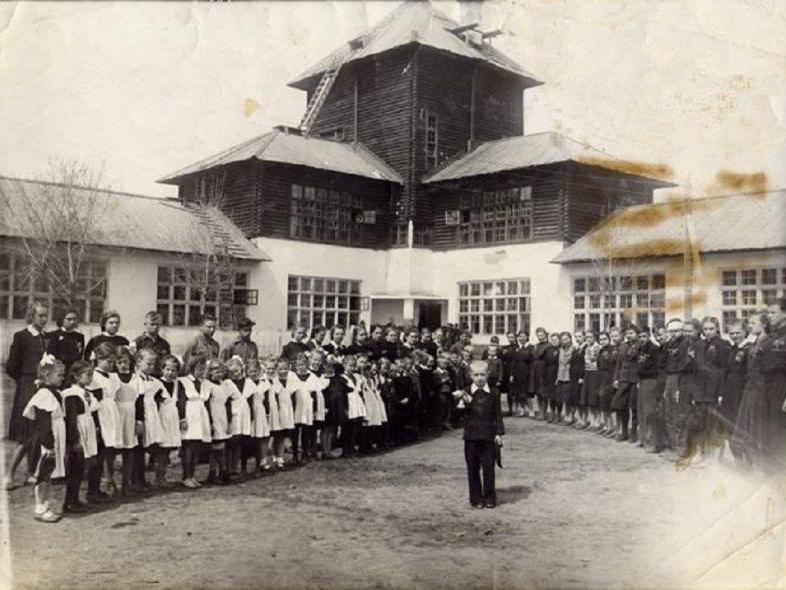
From the same decade, 1950–1960, is a photo where the photographer captured pupils of the Kemerovo Mine School. This building survives to this day—it was built according to a design by Dutch architect Johannes Bernardus van Loghem. All children are in identical school uniforms; judging by the attire, it«s a ceremonial lineup—girls in white aprons. For everyday wear, Soviet schoolgirls wore black aprons over dark brown uniforms.
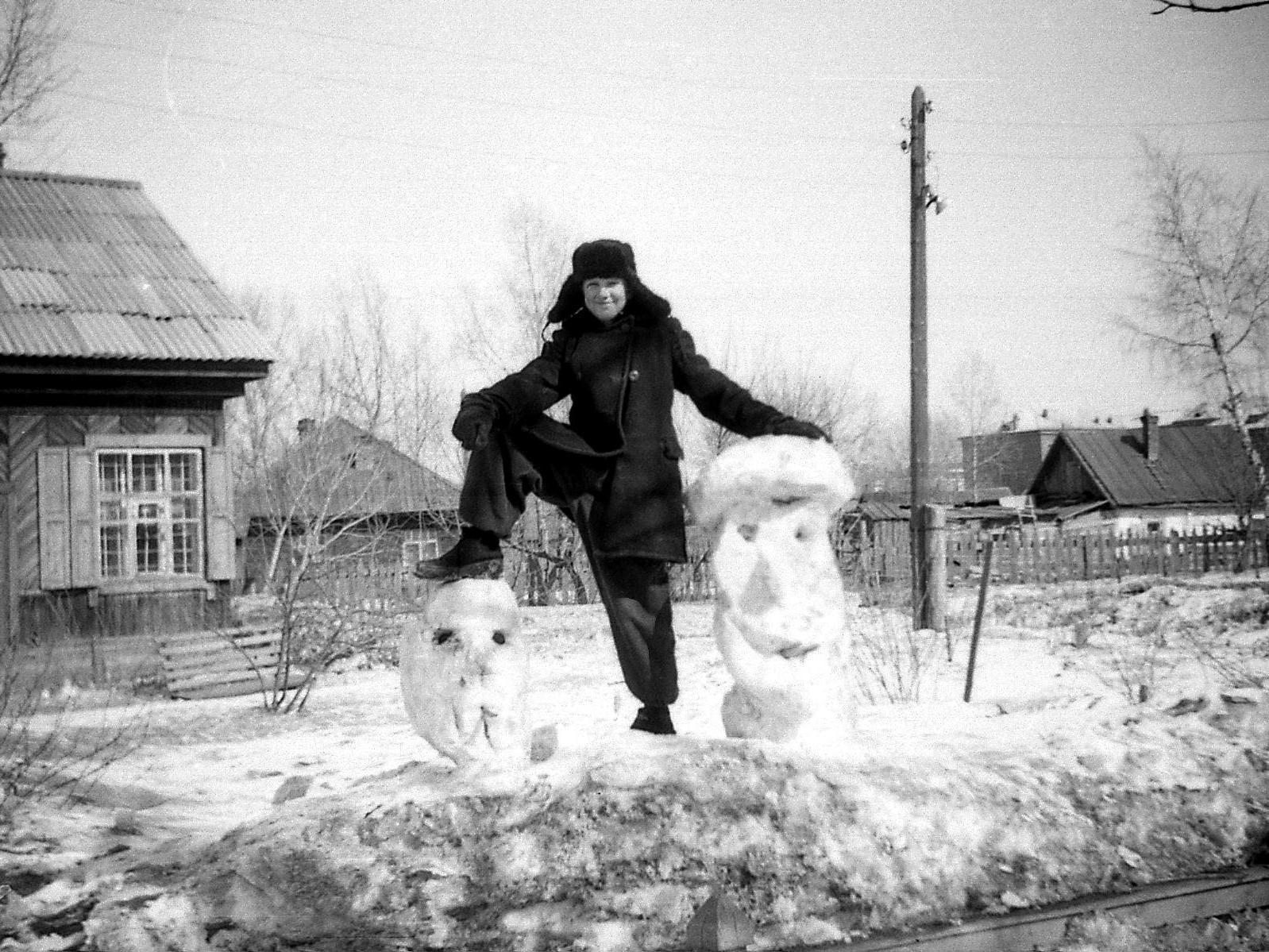
See how children dressed in winter in the distant year of 1955. Practical dark clothing, an ushanka hat like adults wore, protecting from Siberian frosts. The shooting location is noted as Darvina Street, 7. In the background is Krasnoarmeyskaya Street, which was barely developed at the time. The photo«s comment notes that such unusual snowmen appeared under the influence of news about Thor Heyerdahl»s voyage and the new film «The Secret of Two Oceans».
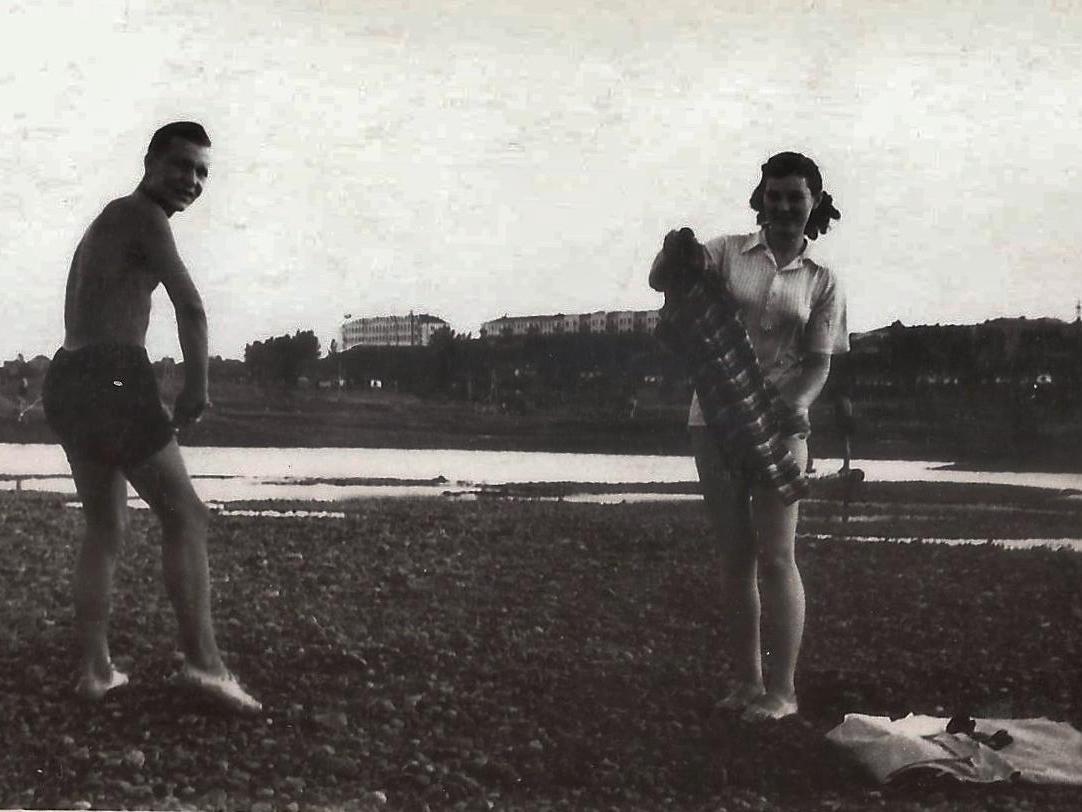
The Tom River bank often appeared in the lenses of Kemerovo residents. In the photo, a young man and woman are, apparently, sunbathing. Men«s swim trunks haven»t evolved much since those times to today. The photo was taken in 1955.
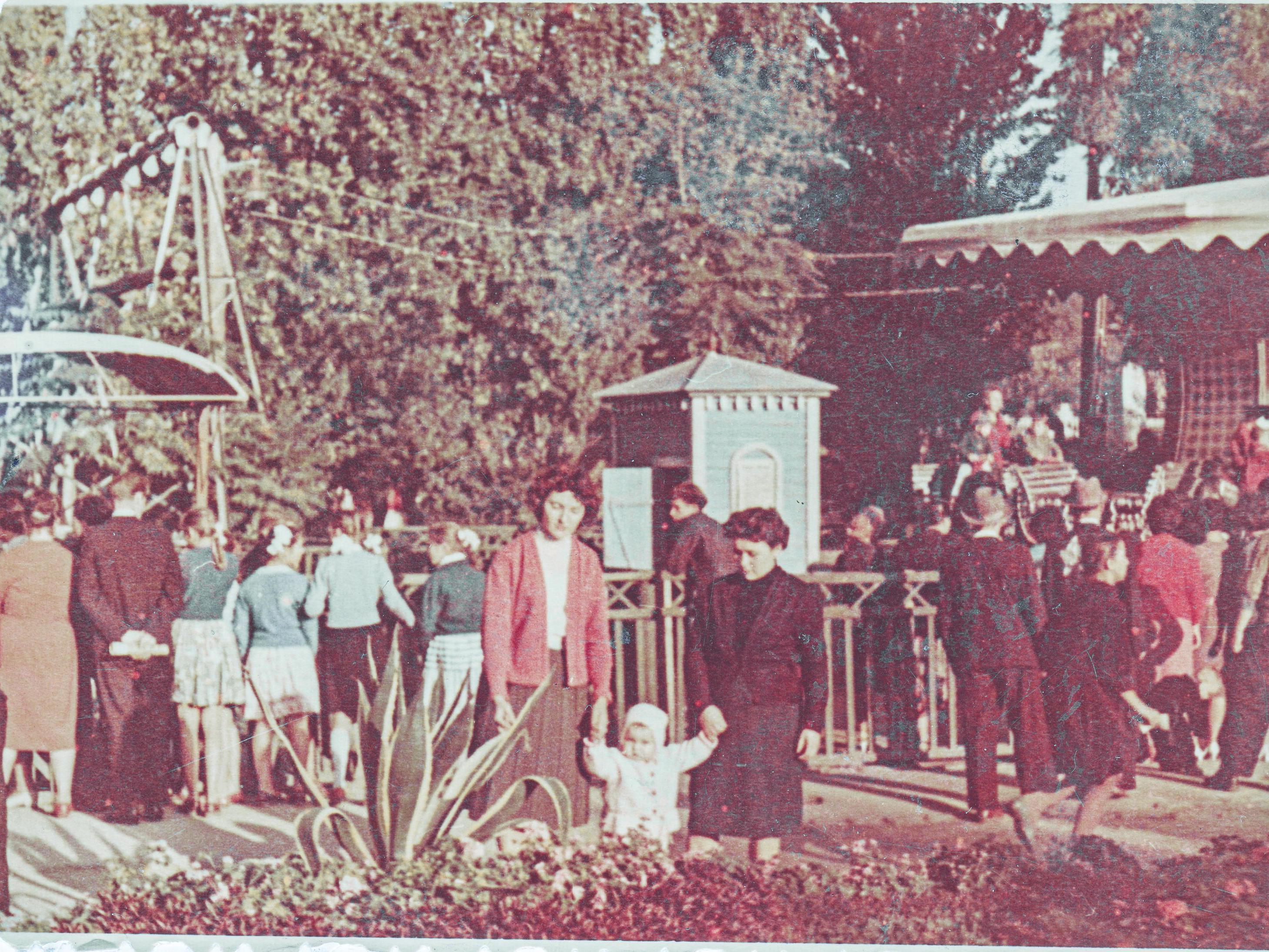
From the same period is a photo in the city garden. Look at the clothing—it seems our grandmothers dress similarly now. But babies were dressed differently back then—no bright or loud fabric colors.
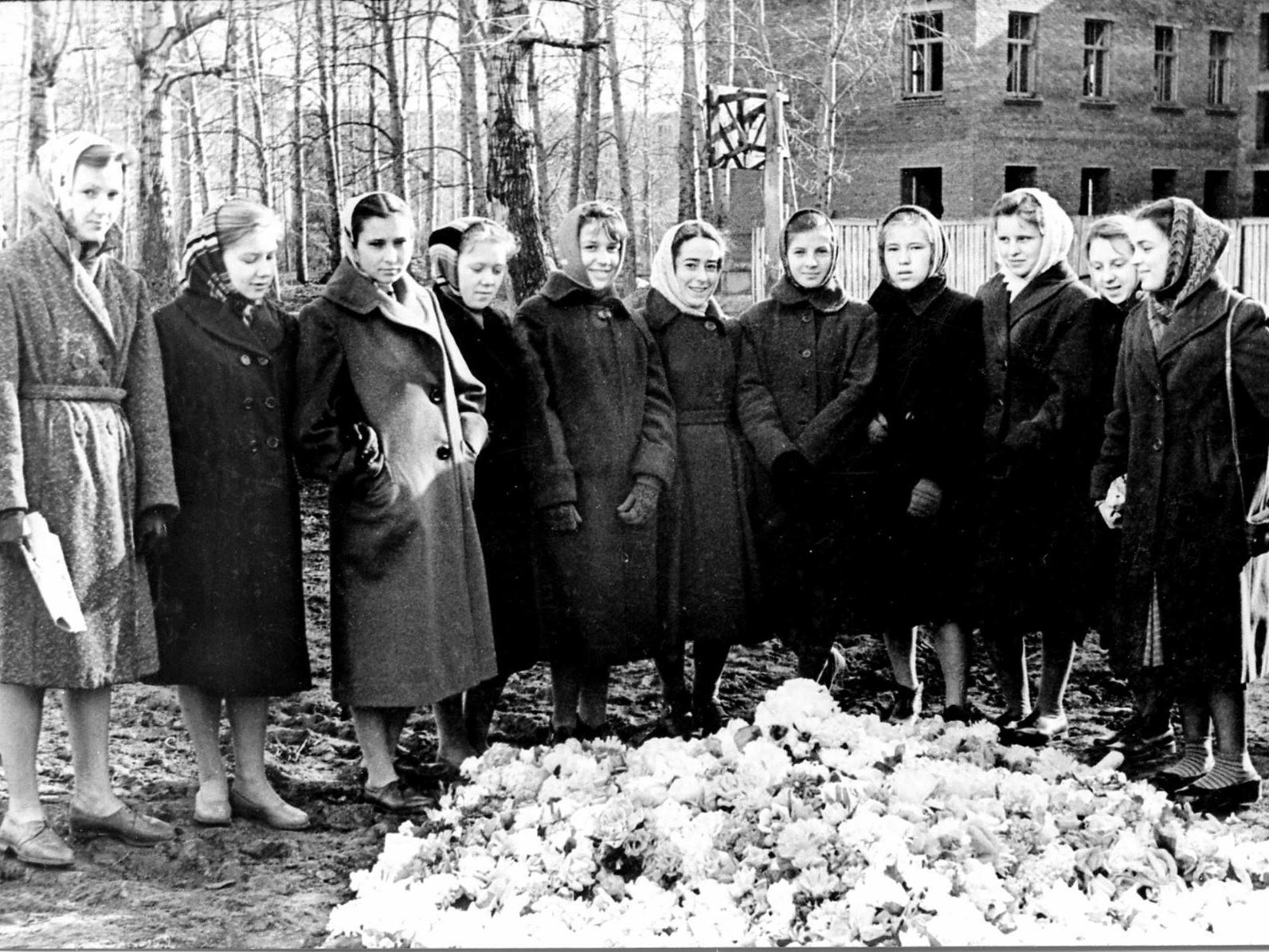
The next photo was taken in the yard of School No. 4 in the 1960s. Teachers or senior schoolgirls look identical: most in dark-toned coats, all without exception in headscarves.
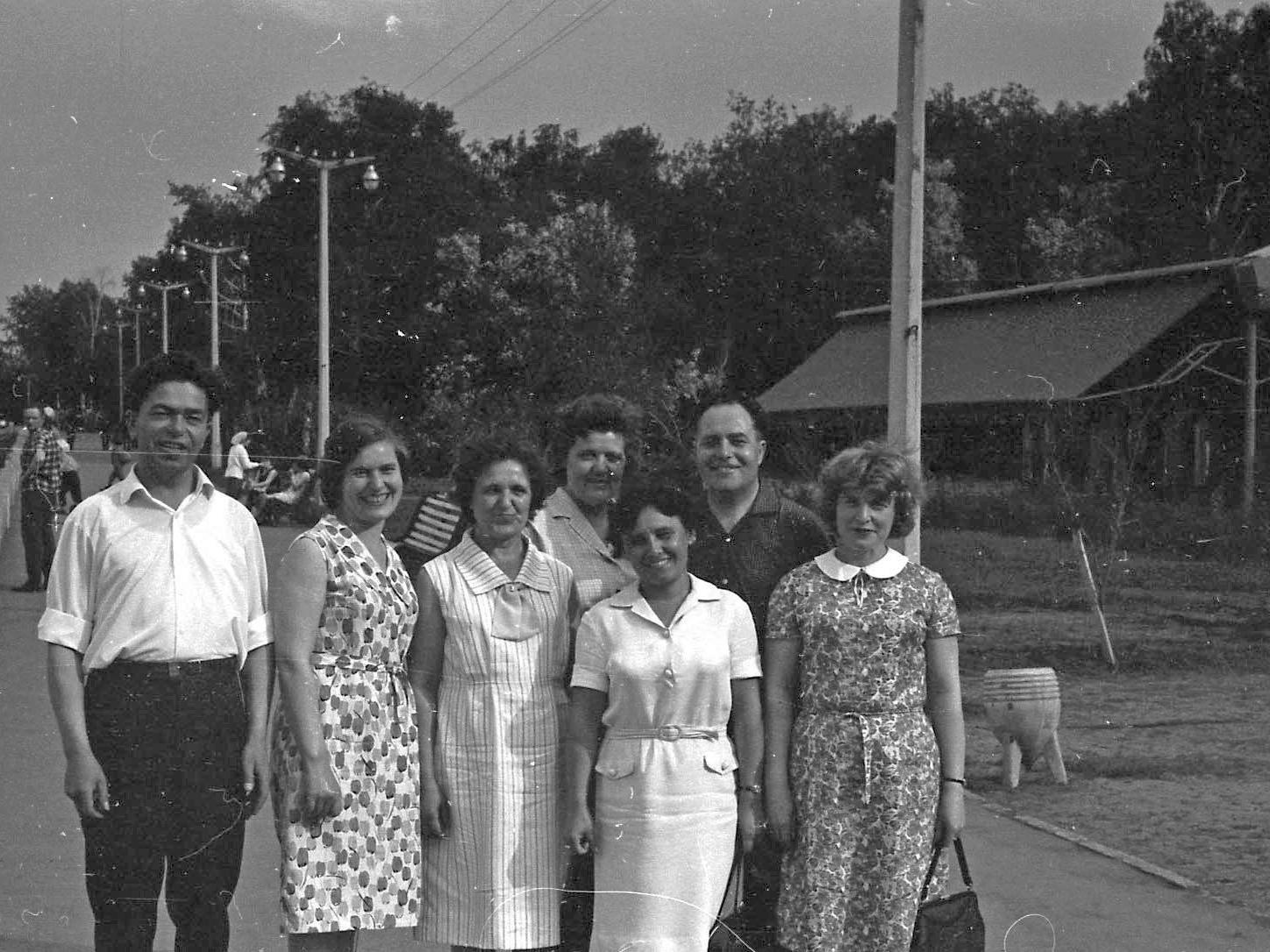
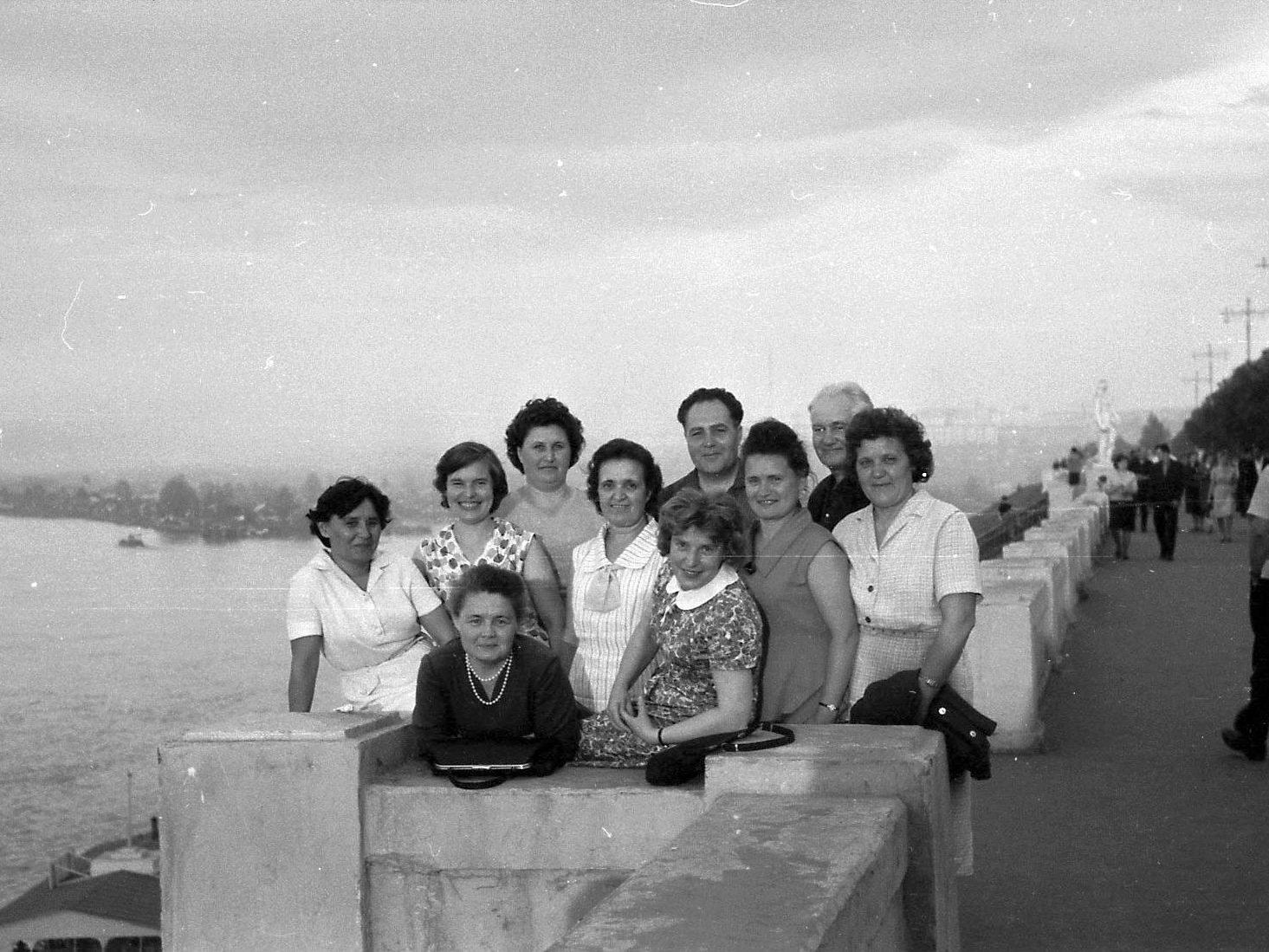
This is how Kemerovo residents dressed in 1966. Photos were taken on the Tom River embankment.
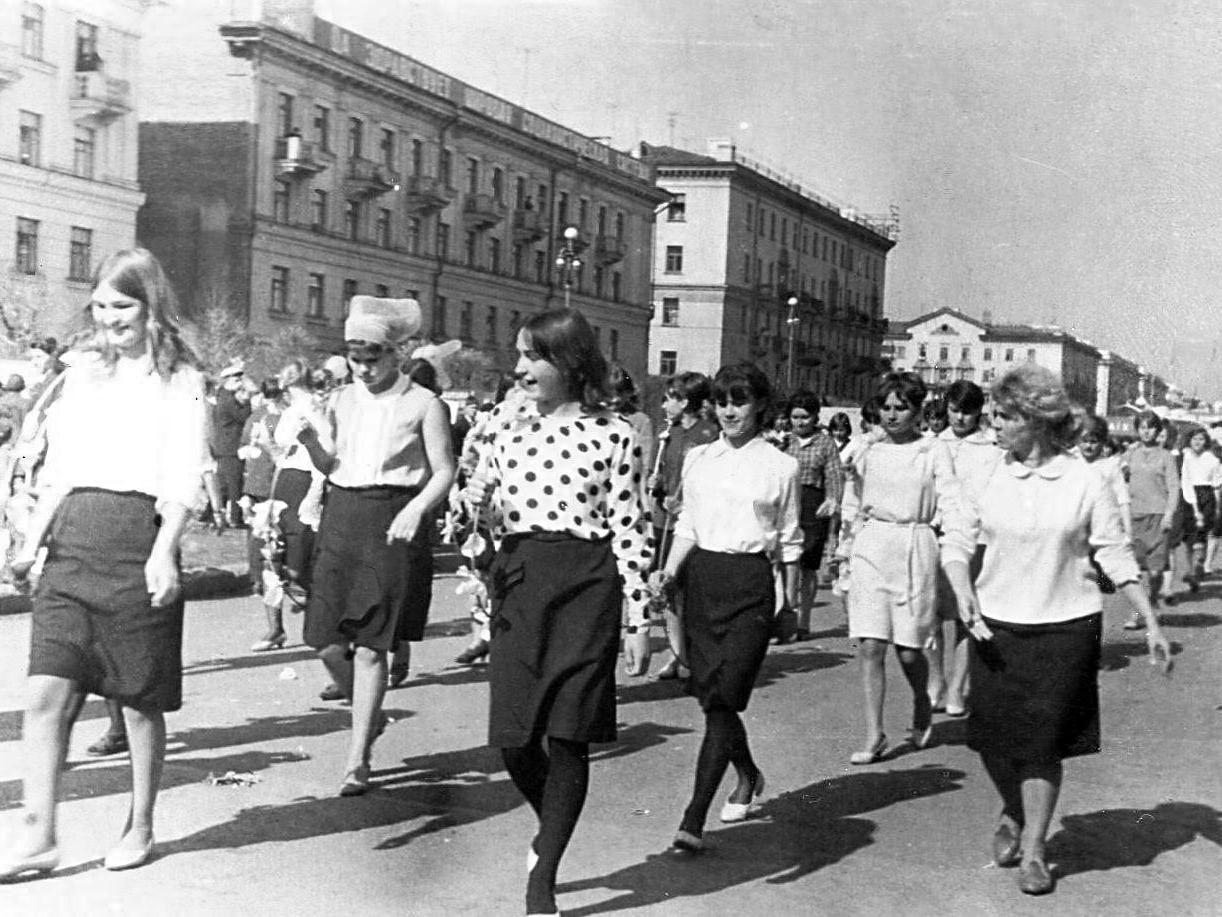
This photo was taken a year later, in 1967. Women from Kemerovo headed to the May Day demonstration. The column of School No. 8 marches along Sovetsky Prospekt. In those days, it was customary to wear the best, festive clothes to demonstrations. They were saved for special occasions—«for going out».
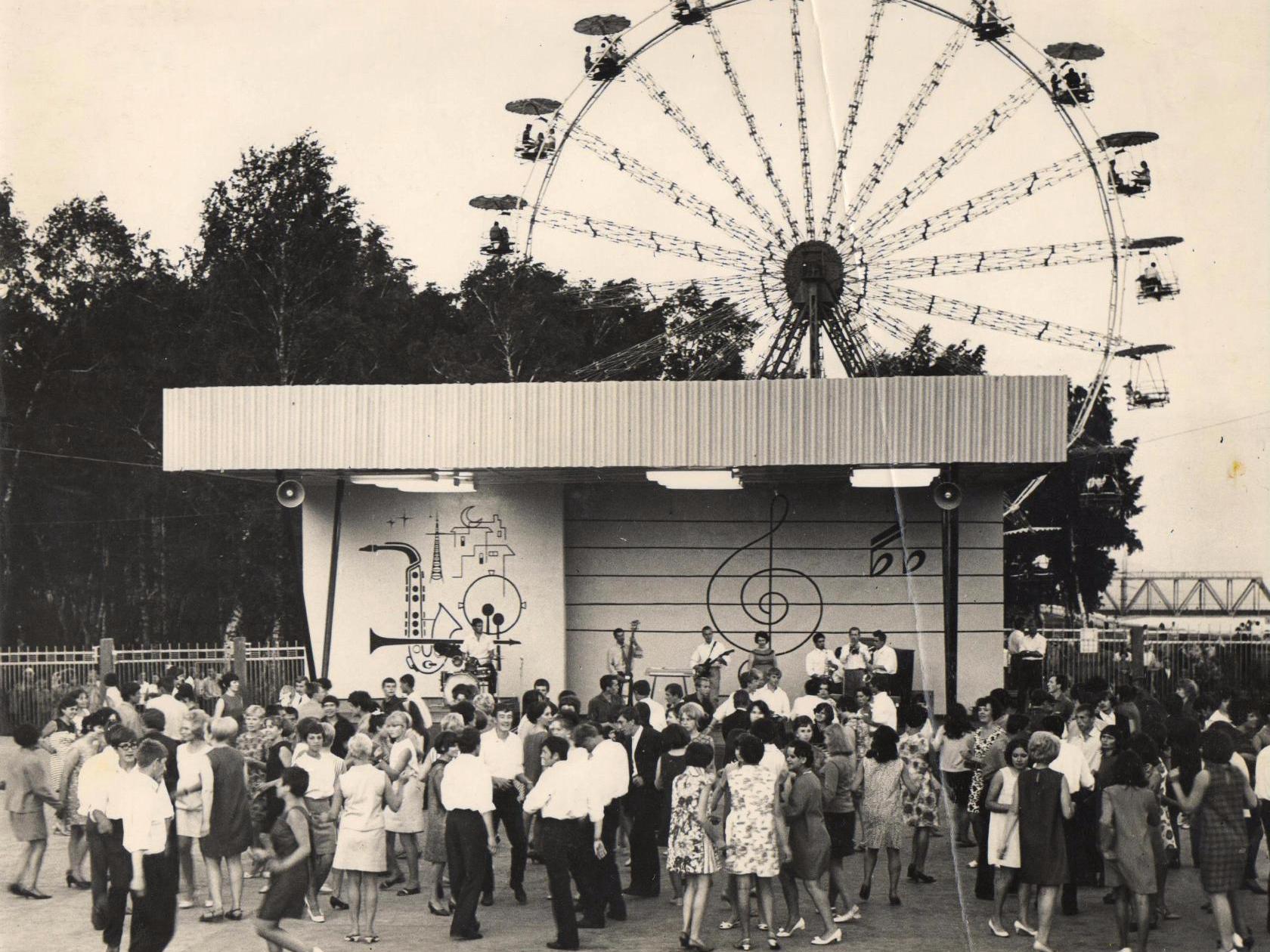
Here is a dance floor at the end of the Kirov Embankment, with musicians from the Kirov House of Culture playing on stage. In the background is a Ferris wheel, and on the right is a railway bridge leading to «KhimProm». A trend toward shorter skirts and dresses among Soviet women is already noticeable, as it«s the 1970s.
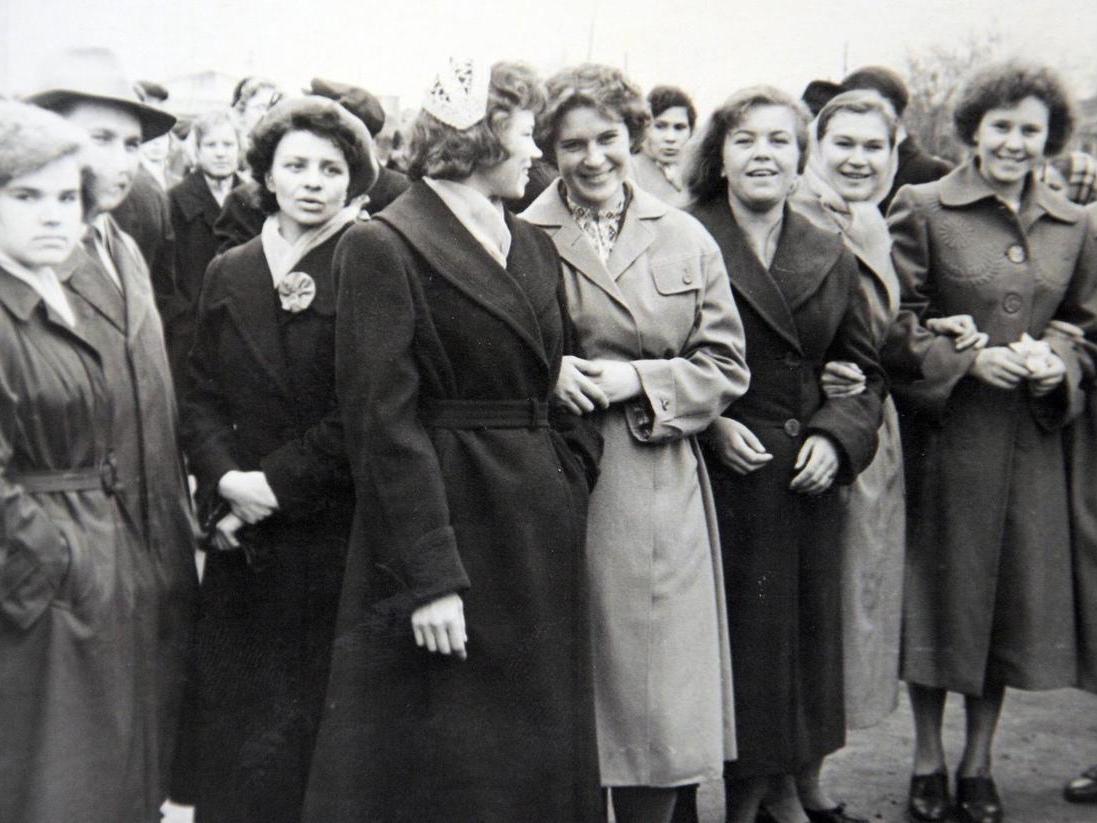
Again, almost uniform clothing. The photographer captured the staff of a production association at a demonstration on Smolenskaya Street. In the background, the administration building is visible.
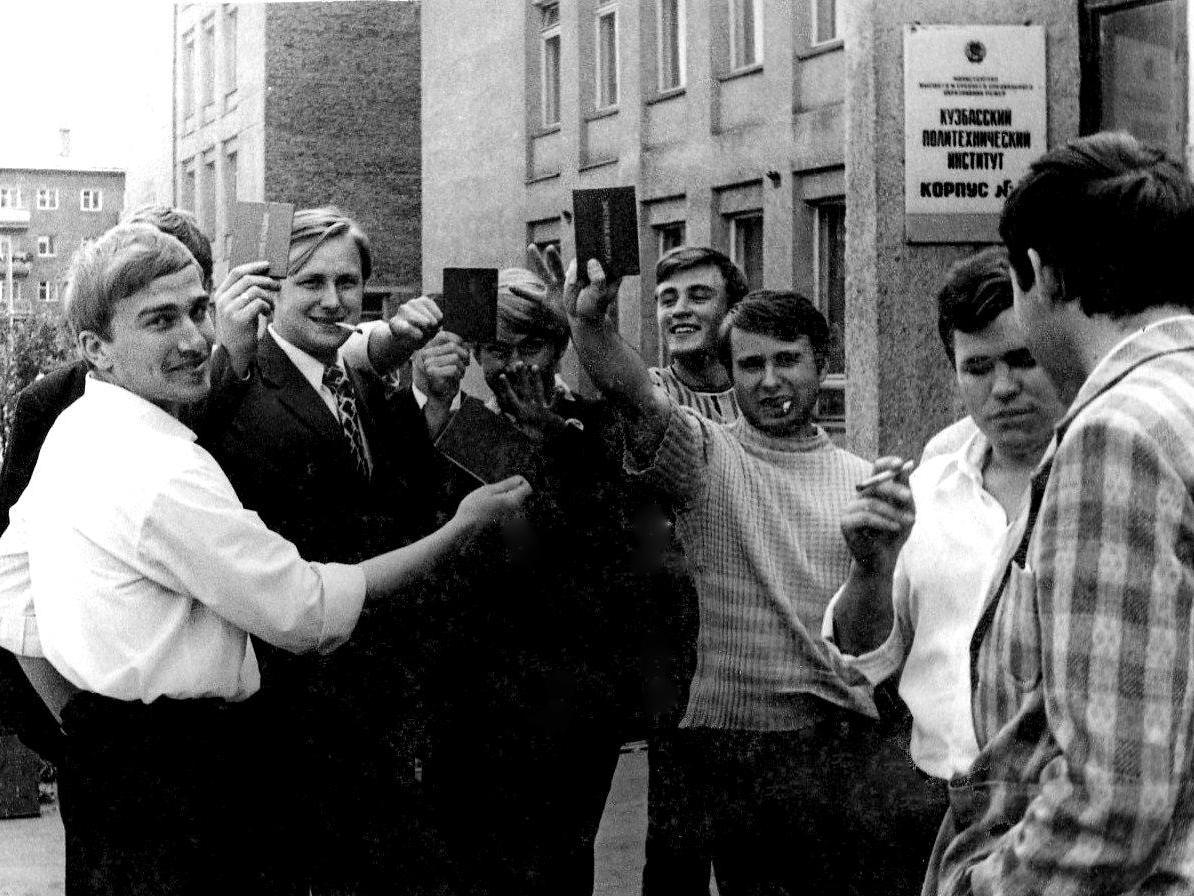
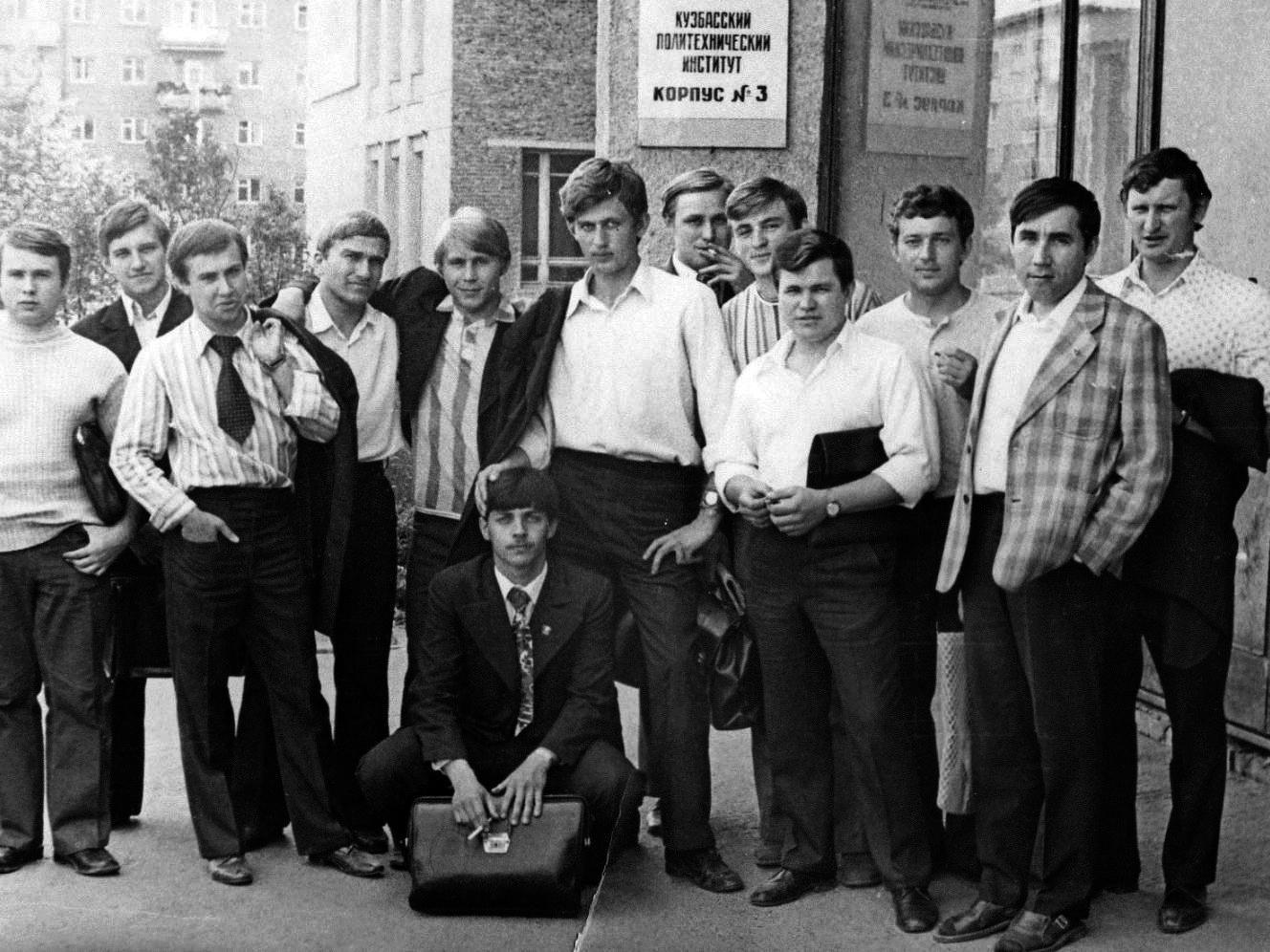
And here is men«s fashion. This is how students of the Kuzbass Polytechnic Institute dressed. The photo was taken near building No. 3 in 1975.
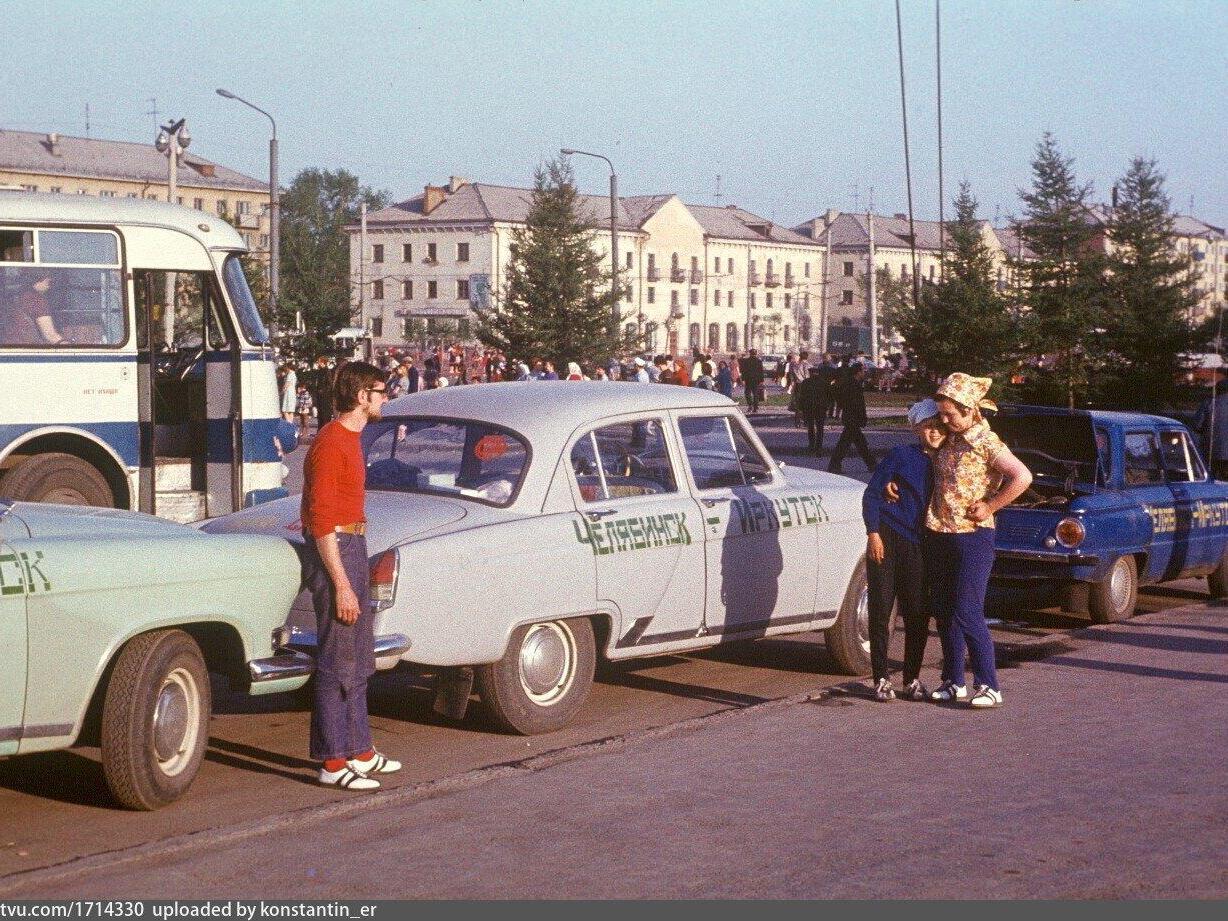
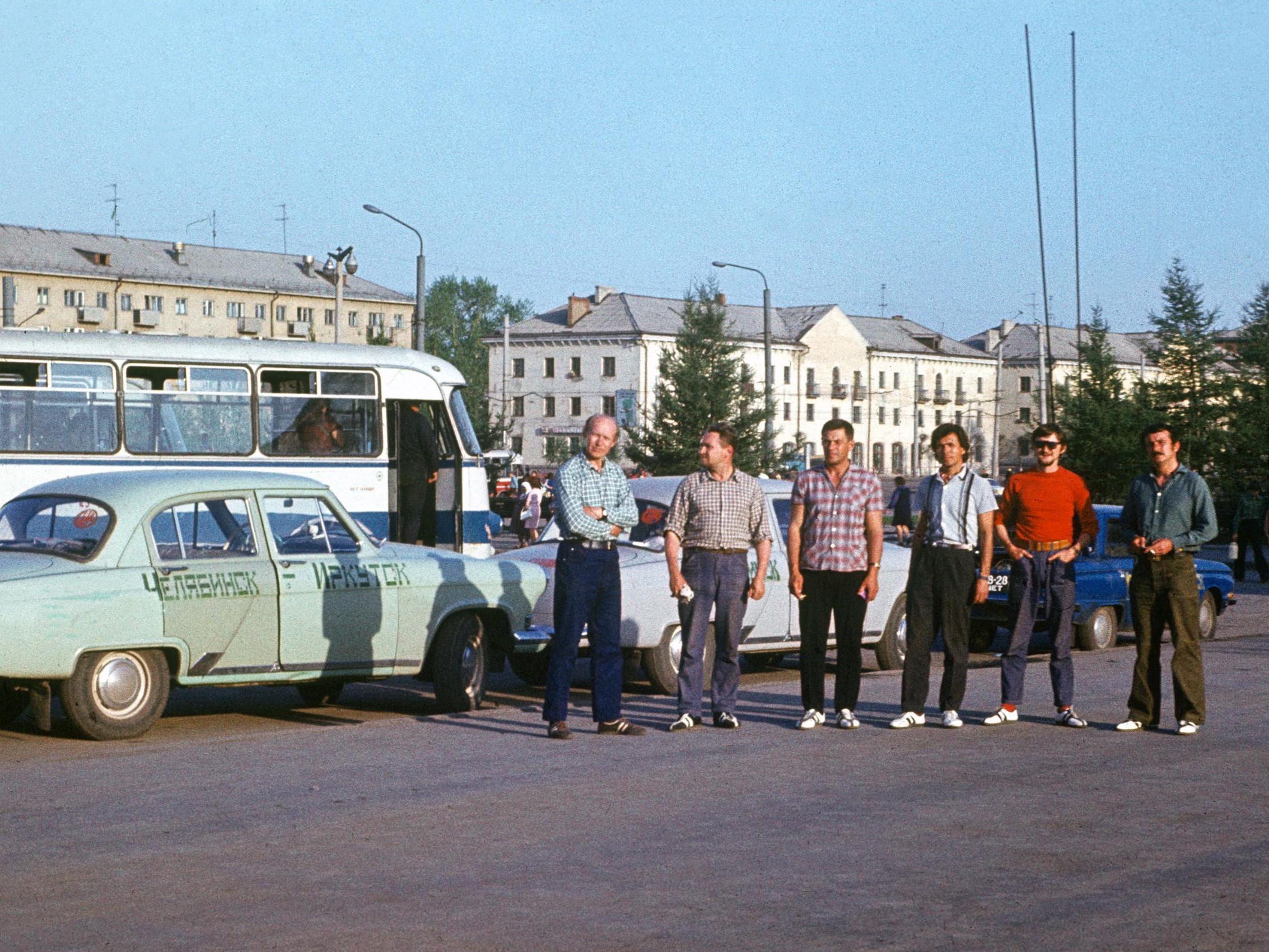
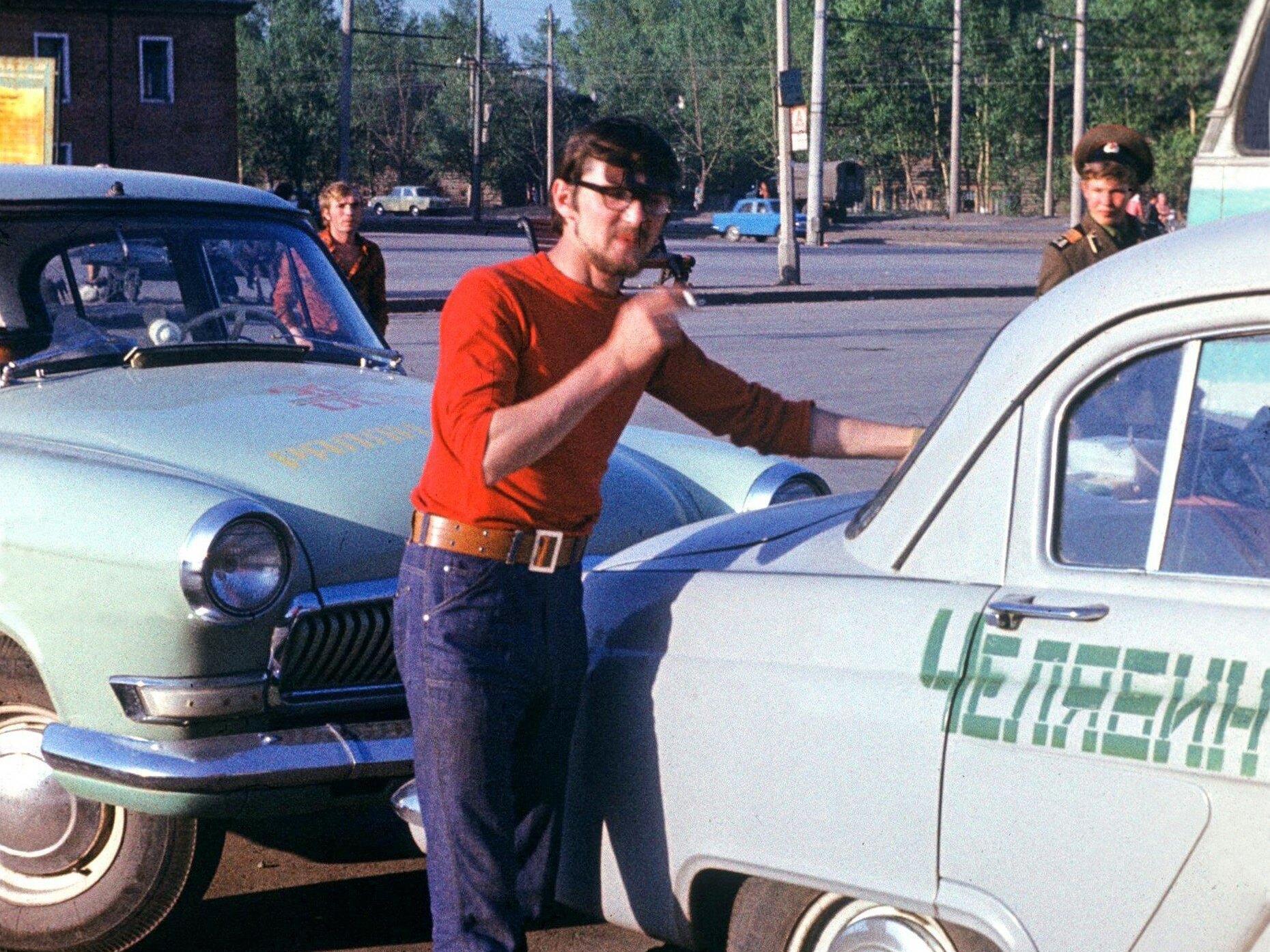
This is also 1975. For the first time in archival photos, women from Kemerovo appear in trousers. Participants of the «Chelyabinsk–Irkutsk» rally on the station square.
Skirts and dresses are still in trend among Kemerovo women. Photo from 1979.
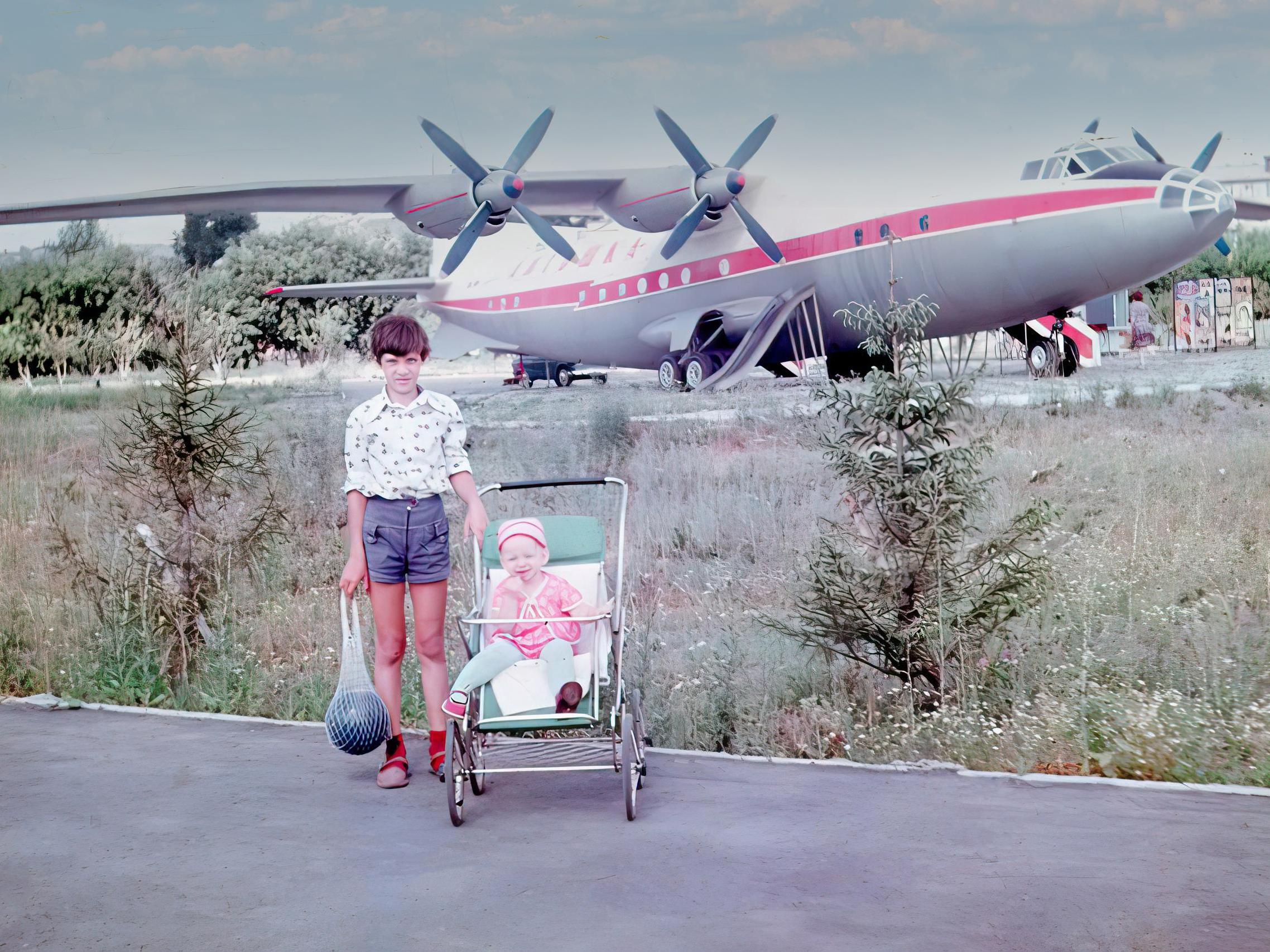
Soviet children at the «Antoshka» cinema, still in 1979. Babies began to be dressed in bright clothes.
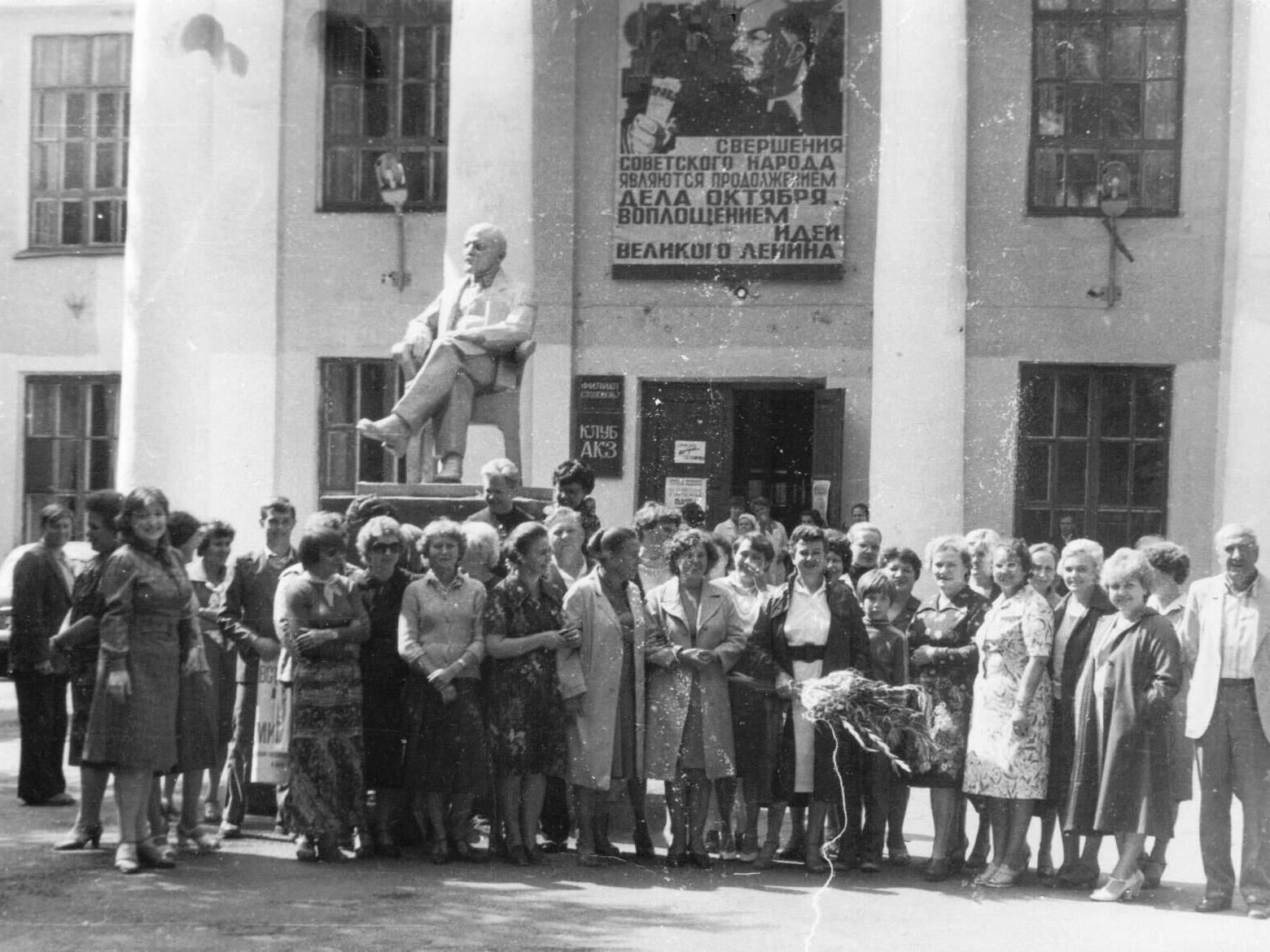
This is how the older generation dressed at the turn of the 1980s. In the photo—workers of the aniline dye plant, along with them a composer and a poet (the composer stands with a bouquet of flowers in the middle, and the poet is on the far right).
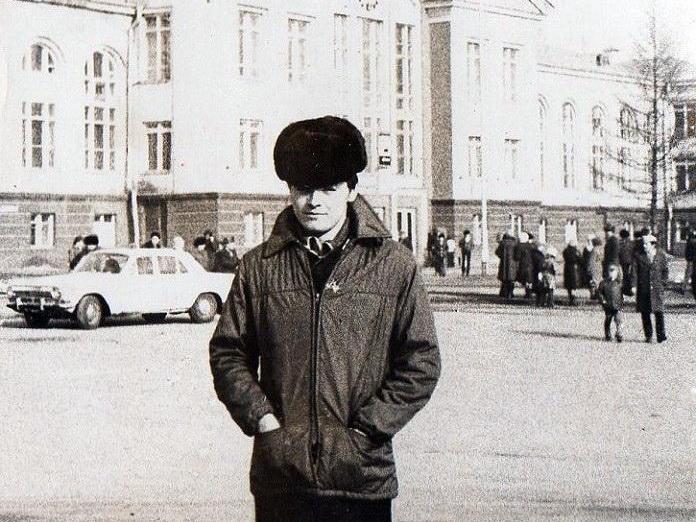
Typical male attire of that time. In the early 1980s, such a look (the word «look» in relation to fashion didn«t yet exist in Russian) was considered relevant and stylish.
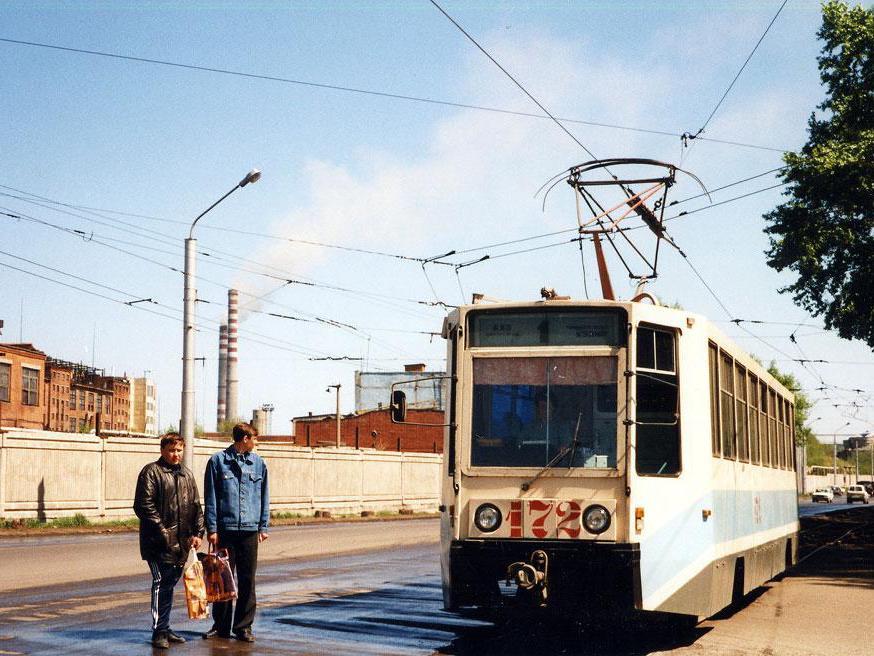
With the collapse of the USSR and new trends, clothing also changed. The country was flooded with foreign goods, mainly from China and Poland. A foreign photographer captured a man and woman dressed in typical items of the time: denim and leather jackets and sweatpants.
What was fashion like in the USSR?
It is commonly believed that there was no fashion in the USSR. However, our mothers and grandmothers still made clothes based on patterns from magazines «Krestyanka» (Peasant Woman), «Rabotnitsa» (Working Woman), «Volshebny Klubok» (Magic Ball). The three main Soviet fashion magazines were also published by the All-Union House of Models: «Fashion of Socialist Countries», «Season Models», «Fashion Magazine».
The evolution of clothing styles and trends in the USSR from the post-war period to the mid-1990s was explained by fashion historian Elena Melnik.
— The USSR was a territory of «identical» people moving together towards communism, so self-identification was not encouraged. One reason that hindered fashion development was bureaucracy. In the 1970s–1980s, it could take 2–5 years from a sketch to a product reaching stores. Sometimes there wasn«t enough fabric for a full collection, sometimes accessories, sometimes both.
Fashion in the capital differed from the regions. When Moscow hosted its first Christian Dior show in 1959, in towns and villages of the USSR, women mostly wore simple skirts, blouses, floral dresses, and constant headscarves. Only wives of diplomats, party representatives, or artists, athletes, and musicians occasionally sent on tours could obtain anything from abroad.
When the entire Western fashion world switched to midi and maxi lengths in the 1970s, the USSR experienced a boom in mini lengths. At this time, ethnic style, geometry, ribbed turtlenecks, layering including knitted vests, platform shoes and stocking boots, super-scarce jeans and leather jackets, and fur trims on outerwear came into fashion.
In the 1980s, fashion was primarily influenced by the Olympics held in Moscow. Clothing with Olympic symbols, dark blue sneakers with white stripes and the inscription «Moscow», shoulder pads (the bigger, the better), boiled jeans and banana pants, overalls, puffy boots—were among the most desired items for every Soviet person. An almost revolution in the fashion world was made in 1987 by Burda magazine, thanks to whose patterns most women in the USSR sat down at sewing machines.
1990s fashion is remembered first for colorful nylon tracksuits, bright leggings («dolchiki»), fringe, sweaters with patterns, the same jeans, Lambada skirts, nylon jackets, hoods, and, of course, raspberry-colored blazers.
What else is there about fashion?
Read about how a resident of Novokuznetsk entered the world of high fashion. She saw her future job in a dream, and now she photographs supermodels for world glossies.
And a plus-size model explained why China loves Russian beauties with curvy figures.
And about the history of Kemerovo?
An airplane in «Antoshka» and a private trader on Pritomsky: retro photos of Kemerovo with places that no longer exist;
«A classified feat»: the story of the death of 22 firefighters at a secret plant in Kemerovo;
Why Kemerovo actually became the capital of Kuzbass, not Novokuznetsk. We asked historians;
One letter, but hundreds of arguments: in KemerovO or in KemerovE?