5 Fashion Items That Switched From Men's to Women's Wardrobes
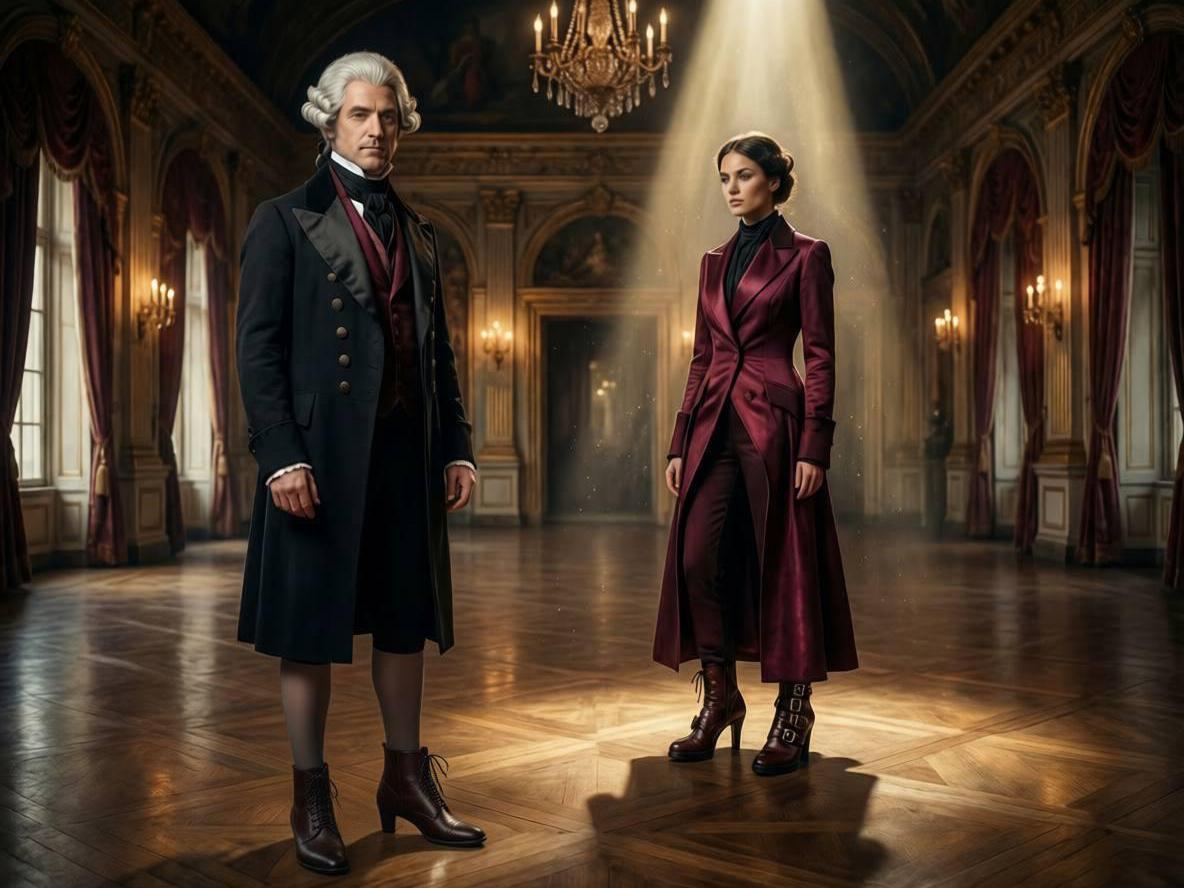

In stockings and high-heeled shoes at the ball—all the ladies gasp!
We often write about style, discussing where trends come from and how to apply them in daily life. But this time, we decided to delve into fashion history—for general knowledge.
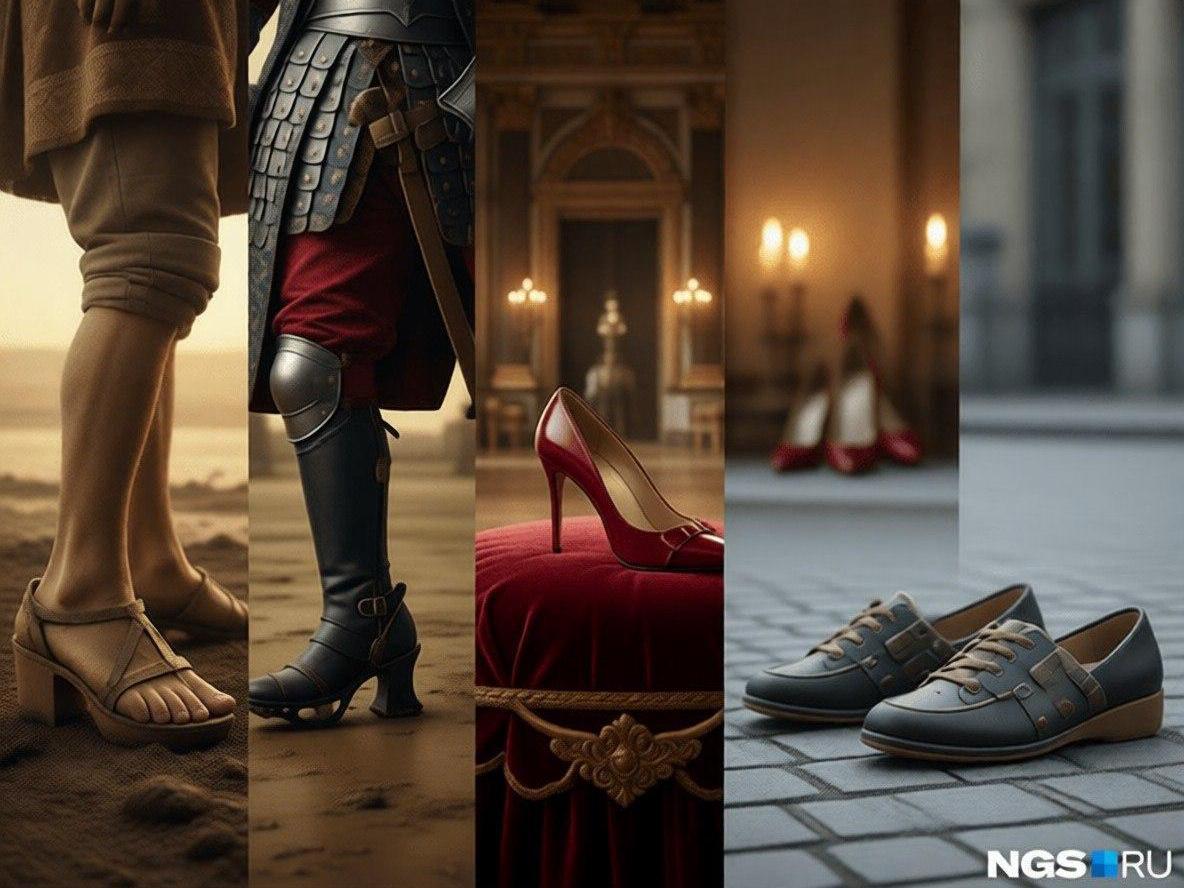
The evolution of the heel. A visual guide.
It«s no secret that some wardrobe items migrated from the men»s to the women«s domain. Today, men would actively protest if forced to wear stockings and high heels, yet once upon a time they wore such items with pleasure. Stylist Yulia Ushakova told NGS.RU exactly which clothing changed gender and became firmly entrenched exclusively in the women»s wardrobe.
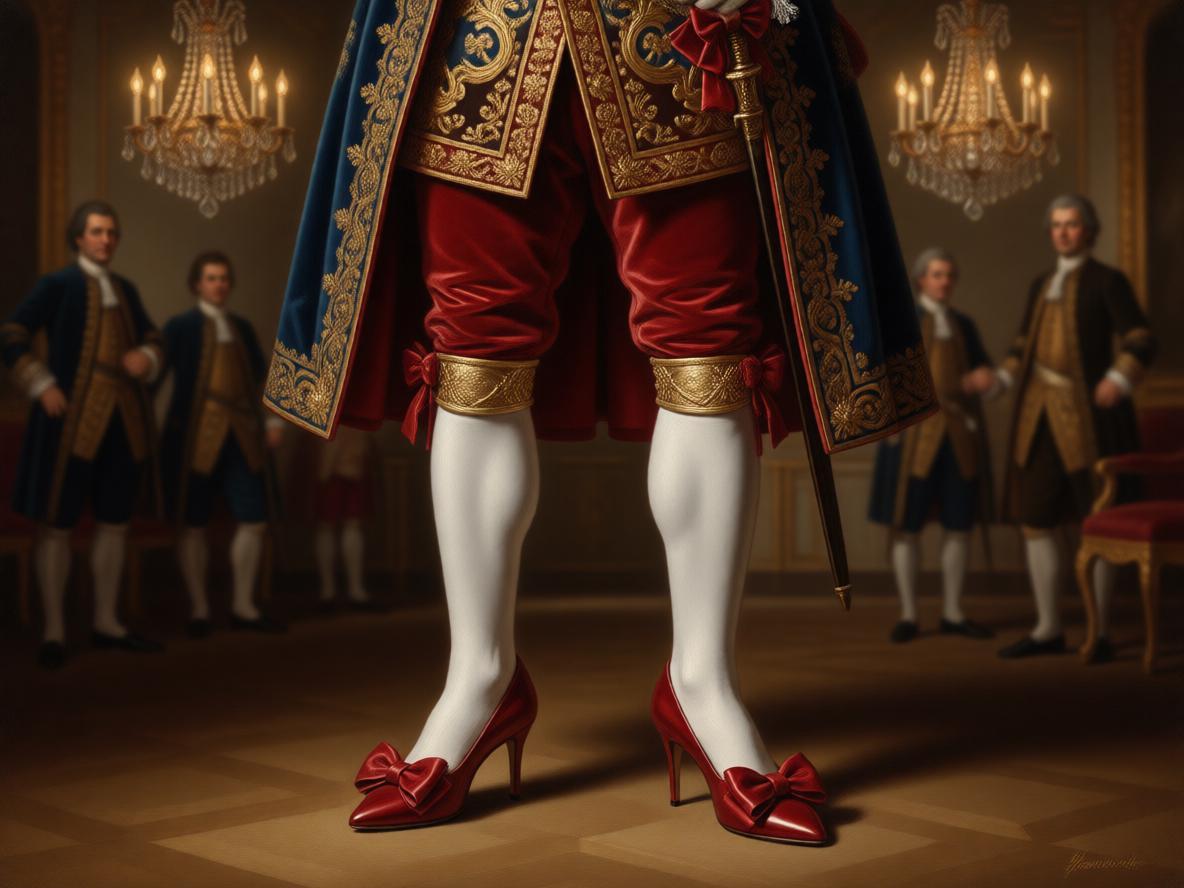
French King Louis XIV felt perfectly fine in shoes with heels.
High-Heeled Shoes
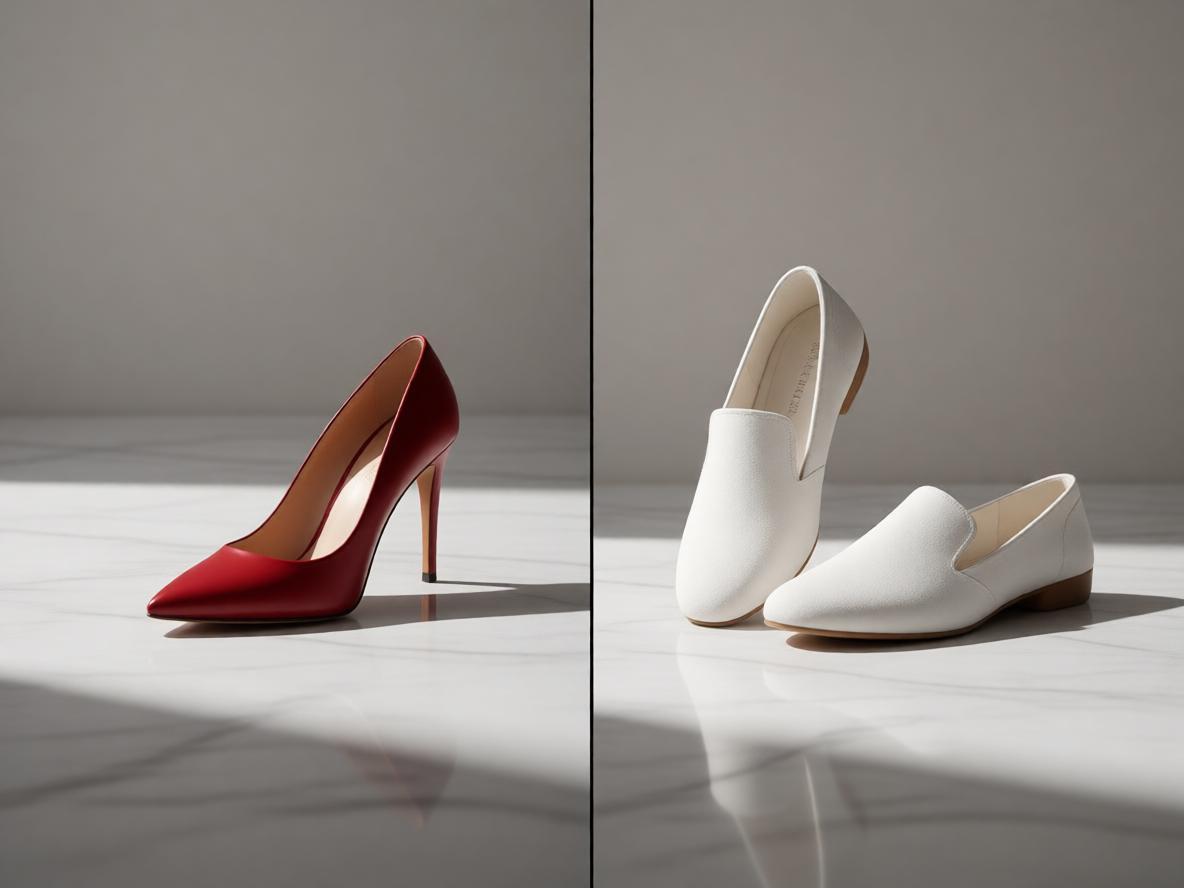
In the modern world, even women have fallen out of love with heels, preferring comfort.
In the modern world, the heel is considered a symbol of style, elegance, and even extravagance. But in the times when it first appeared, it was different: the heel was a necessity.
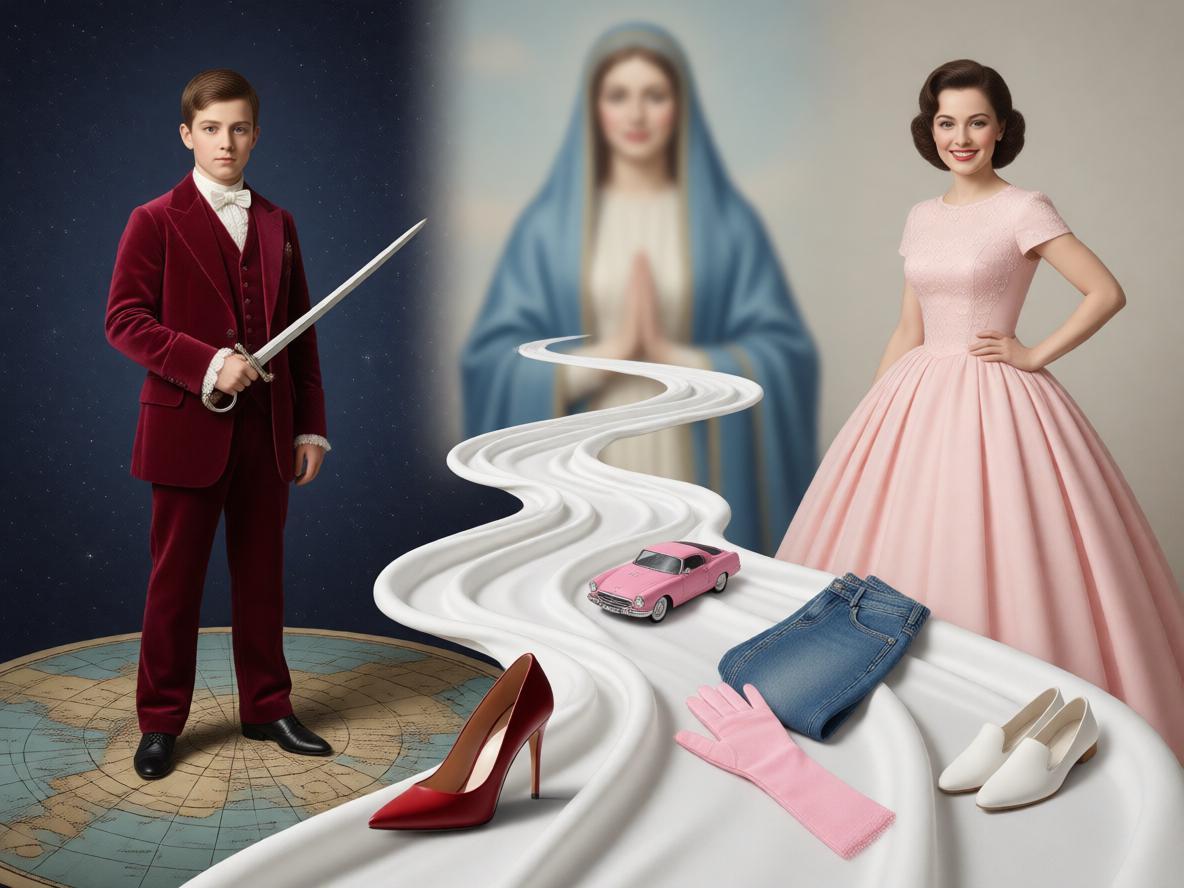
Pink or blue? An eternal question (and a silly stereotype).
«Scientists find signs of the first heels among ancient Egyptians in the area of fertile lands in the Nile River delta. During the river»s flood, the soil became very muddy and impossible to walk on. Heels were invented to grip the soil and move around. They were worn by farmers,« Yulia Ushakova delved into history. »The nobility, however, wore light sandals with flat soles, thereby showing their status. In those days, the absence of a heel indicated you were a wealthy person.«
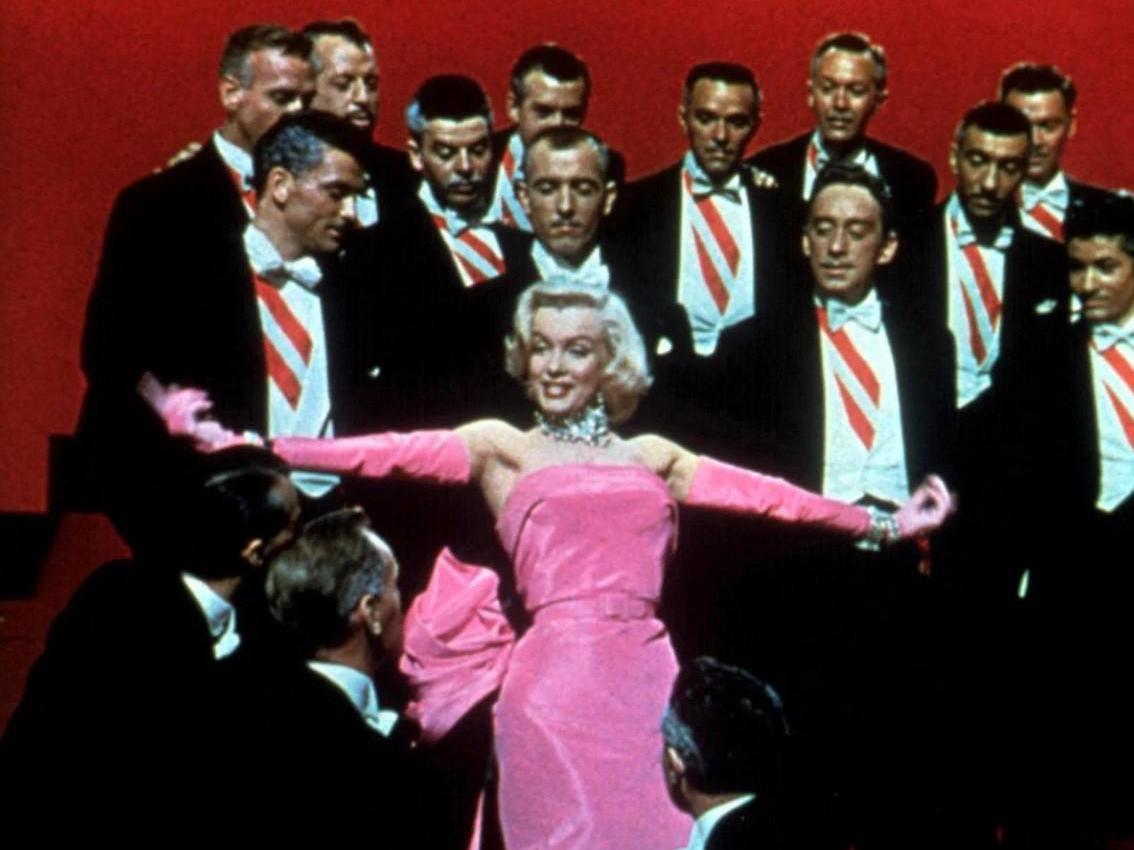
Marilyn is gorgeous, and the dress is truly a trigger.
Heels were generally viewed strictly from a practical standpoint. For example, in Ancient Persia, warriors wore them to make it easier to stay in the saddle while shooting. Thus, heels became an indispensable part of military uniform.
That«s where it all comes from, girls.
Later, in the Middle Ages, the fashion for high-heeled shoes migrated to Europe, and during the Baroque era, it reached its peak. Largely thanks to French King Louis XIV, who was short in stature. Shoes with heels up to 10 cm (approx. 4 in) were specially made for him.
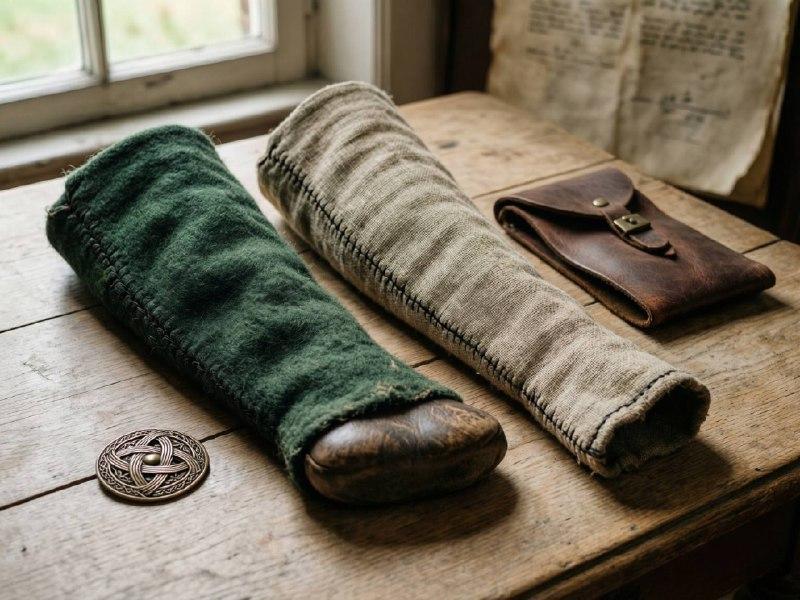
Hose were worn by both men and women.
«He issued a decree according to which all men close to his family and court could also wear shoes with heels. For the closest—red shoes; for the slightly more distant—green and blue. The common people did not have the right to wear heels; this was a privilege for the nobility,» explained Yulia Ushakova.
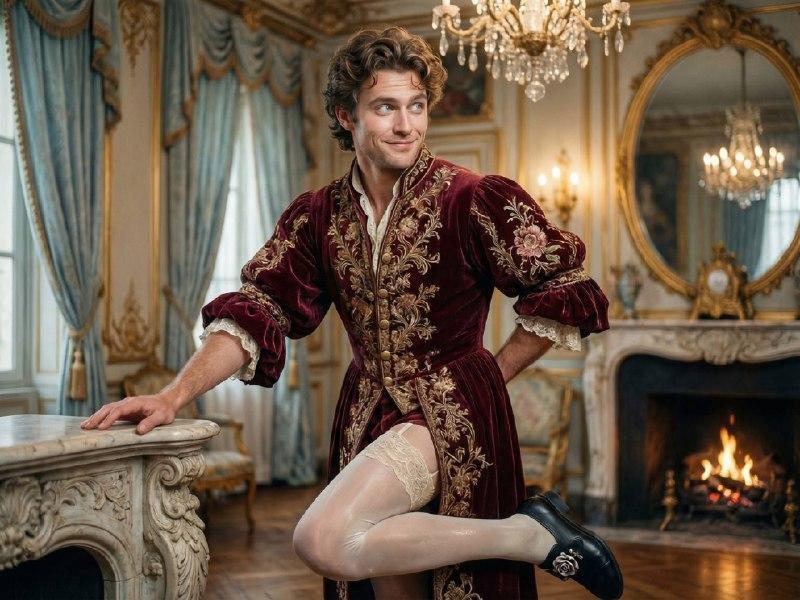
In the 16th century, stockings became a mandatory item in the men«s wardrobe. Yes, the men»s.
Following Louis XIV, high-born ladies also began to order shoes with high heels. Thus, the broad heel became male, and the thinner, more elegant one—female. The practical aspect of such shoes was that heels protected the hems of dresses, cloaks, and capes from road dust and dirt.
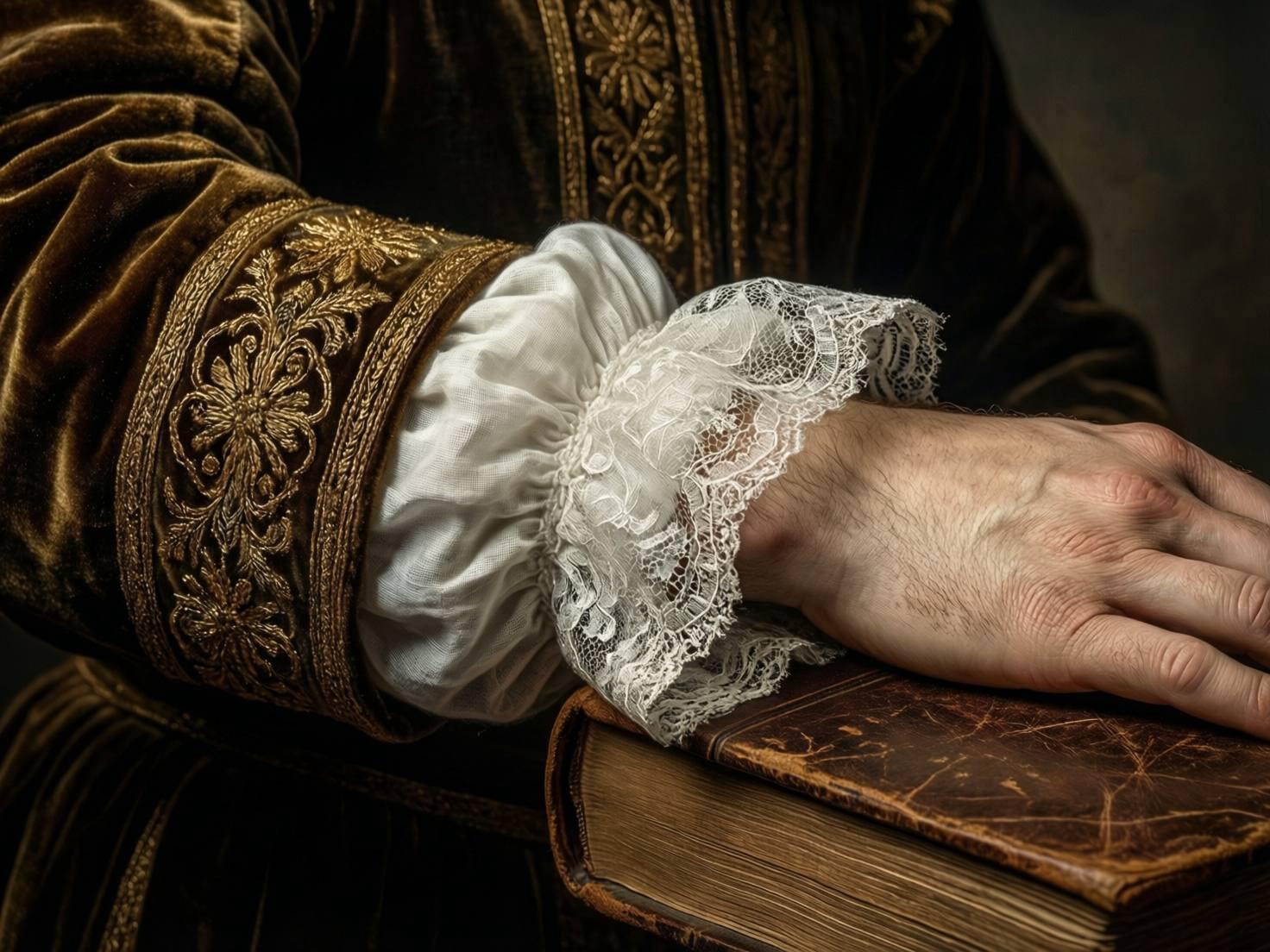
Men abandoned shirts because they became inconvenient.
This continued until the French Revolution, which changed attitudes towards fashion: men stopped wearing heels.
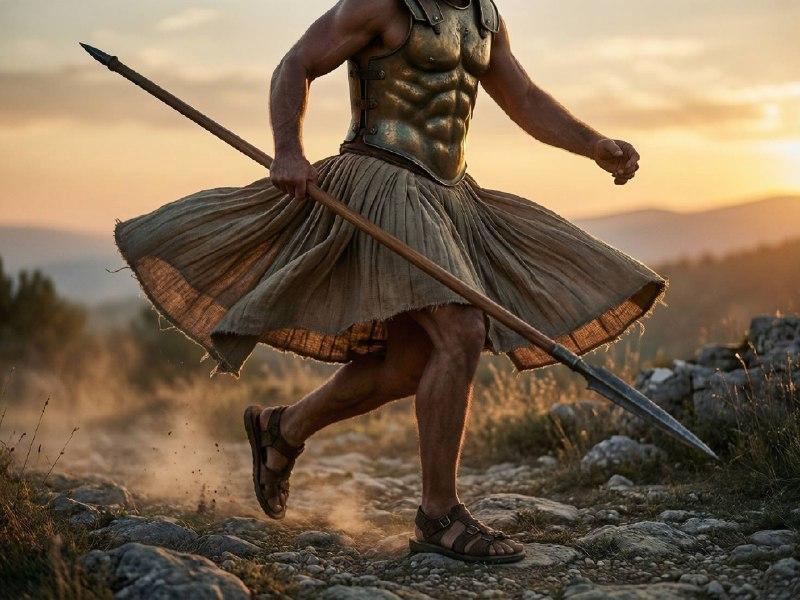
Men«s skirts still exist.
«Today, I observe a trend of abandoning heels in favor of flatter soles and more comfortable shoes. A reassessment of the attitude towards comfort is happening. People care not about appearance or impression, but about how they feel while wearing shoes,» noted the stylist.
Pink Items
The stable gender division into pink for girls and blue for boys only happened after World War II. Until the beginning of the 20th century, infants of all sexes were dressed in white because it was practical. At that time, there were no means for removing stains, and children, as is known, get dirty. From frequent boiling, colored fabrics quickly became unusable, so children were dressed in white dresses and shirts.
«One might admire the beautiful infants, the curly-haired girls in dresses in the arms of our Russian empresses, and then read that this is not a girl at all, but a boy dressed in a dress,» said Yulia Ushakova.
But originally, pink was intended for boys—all thanks to Mars. The planet, as is known, is red, symbolizing masculinity and the male principle, and therefore, boys should wear red or its lighter analog—pink.
«It was believed that if boys wore clothing of red or pink colors from an early age, they could acquire the qualities of this planet and become more manly. And girls, in turn, wore blue, like the Virgin Mary in the paintings of great masters,» adds the expert.
In some places, pink and blue switched much later. And here, according to Yulia Ushakova, several factors played a role at once.
«After the war, women yearned for something light, flowing, and Christian Dior gifted them the »New Look« style with a very narrow waist and a wide skirt. His outfits were in light tones, close to pink or peach,» explained the stylist.
The second moment—cinema. Remember Marilyn Monroe«s dress in the film »Gentlemen Prefer Blondes«? Such phenomena become triggers and shape collective worldview.
Another reason for the stereotype«s formation, as the expert believes, is the first ladies of America, who, of course, were a kind of trendsetters. On the inauguration day of the 34th US President Dwight David Eisenhower, his wife Mamie Geneva appeared in an elegant full-length pink ball gown with long gloves.
«Later, her admirers learned that Mamie also preferred to wear clothing in pink shades at home,» added the stylist.
The infamous pink suit of Jacqueline Kennedy, splattered with her husband«s blood, added popularity to the color; she did not take it off for two days.
The Barbie doll played a huge role in shaping the stereotype: her entire world was pink, from clothing to house, furniture, and car.
This was a kind of marketing move. Thanks in part to stereotypes, people developed a need to buy more—clothing could no longer pass from an older brother to a younger daughter and vice versa. Children of different sexes needed different strollers, furniture, and things.
«Gender division helped the industry sell. But, according to recent research by the Pantone Color Institute, it has become clear that color trends have become blurred. In particular, thanks to feminist movements: both men and women calmly wear pink and blue,» noted the expert.
Hose, Stockings for Men
Hose are the prototype of modern tights and simultaneously of men«s trousers. They consisted of two separate, tight-fitting legs.
«There were both men»s and women«s hose. They were attached either to a waist garment or to a shoulder garment, that is, to a doublet, vest, or jacket. Women»s hose were hidden from outsiders« eyes, while men»s, on the contrary, were displayed,« told Yulia Ushakova.
Hose for summer were sewn from linen, and for winter, cloth or leather was used. Sometimes a leather sole was sewn to them, and then they acquired the appearance of a finished product, like shoes.
«The toes of hose were stuffed with woolen threads, and an interesting curved toe was obtained. We can see them on engravings and paintings up to the 14th century,» noted the stylist. «Hose were the prototype of modern stockings, and then they began to be sewn together front and back, thus appearing present-day tights.»
Men wore stockings in the Rococo era, showing their legs to ladies and emphasizing the beauty of their calves—their size at that time was an important component of male attractiveness. That was an elegant, light style, as close as possible to femininity.
«Light, airy fabrics, lace cuffs, stockings, silk garters, and inlaid shoes. The Rococo style ended with the French Revolution, when liberty, equality, and fraternity prevailed over pomposity,» added the expert.
Shirts and Skirts
The shirt is the first garment that humans created and wore for warmth even before our era. For a very long time, shirts remained exclusively underwear and were not visible to outsiders.
«During the Renaissance, they began to be decorated with lace—cuffs or collar—and started to be shown from under the main garment. They even made special slits on the sleeves of doublets and caftans and demonstrated them in this way,» told Yulia Ushakova.
Men stopped wearing shirts when tailcoats and jackets appeared. The fact is that shirts had voluminous sleeves, and squeezing them into the sleeves of the newfangled outerwear was inconvenient or even impossible, so shirts were replaced by (modern) shirts.
The skirt, in general, originally had no gender affiliation; men wore it throughout history. Firstly, skirts are easy to sew. Secondly, they do not restrict movement, so warriors often wore them during long campaigns. For example, among Balkan peoples, such a skirt was called a fustanella (a pleated skirt).
«Changes occurred when people switched to riding horses, and skirts ceased to be a comfortable wardrobe item; they were replaced by trousers,» explained Yulia Ushakova.
Although among some peoples, the skirt is still considered an official element of men«s costume: in Scotland it»s the kilt, and in Myanmar—the paso (a traditional sarong-like garment). Some Hollywood stars appear in skirts on red carpets—for example, Brad Pitt or Penn Badgley. Musician Harry Styles also keeps up; the artist loves to shock and often demonstrates crazy outfits to the public.