Volgograd Opens Sumo: First Competition on Students' Day

The first sumo tournament took place in Volgograd on Students« Day. The regional federation of this sport was only established last summer, so athletes have been actively preparing for the competition since December, studying the rules of the previously unfamiliar discipline.
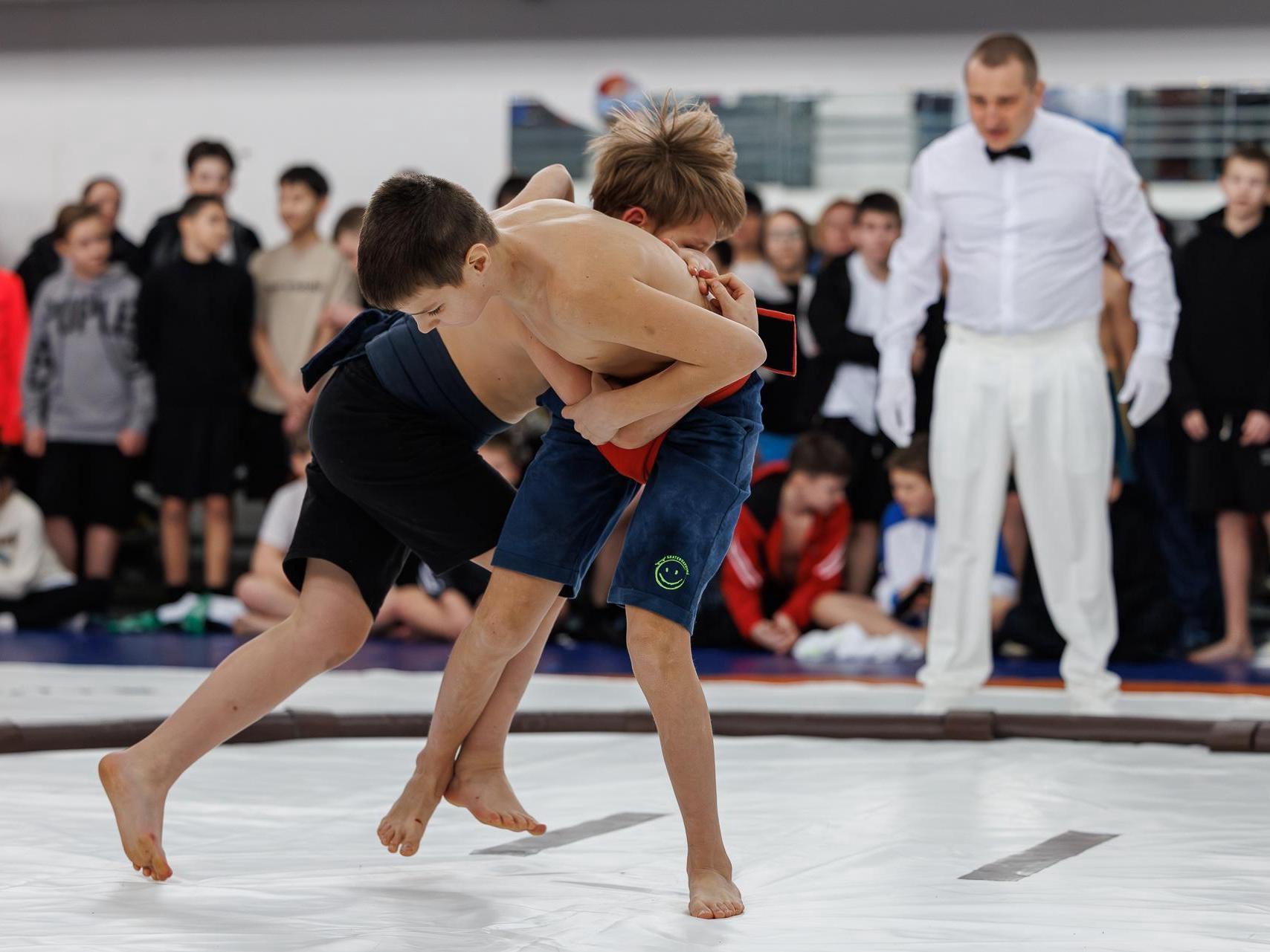
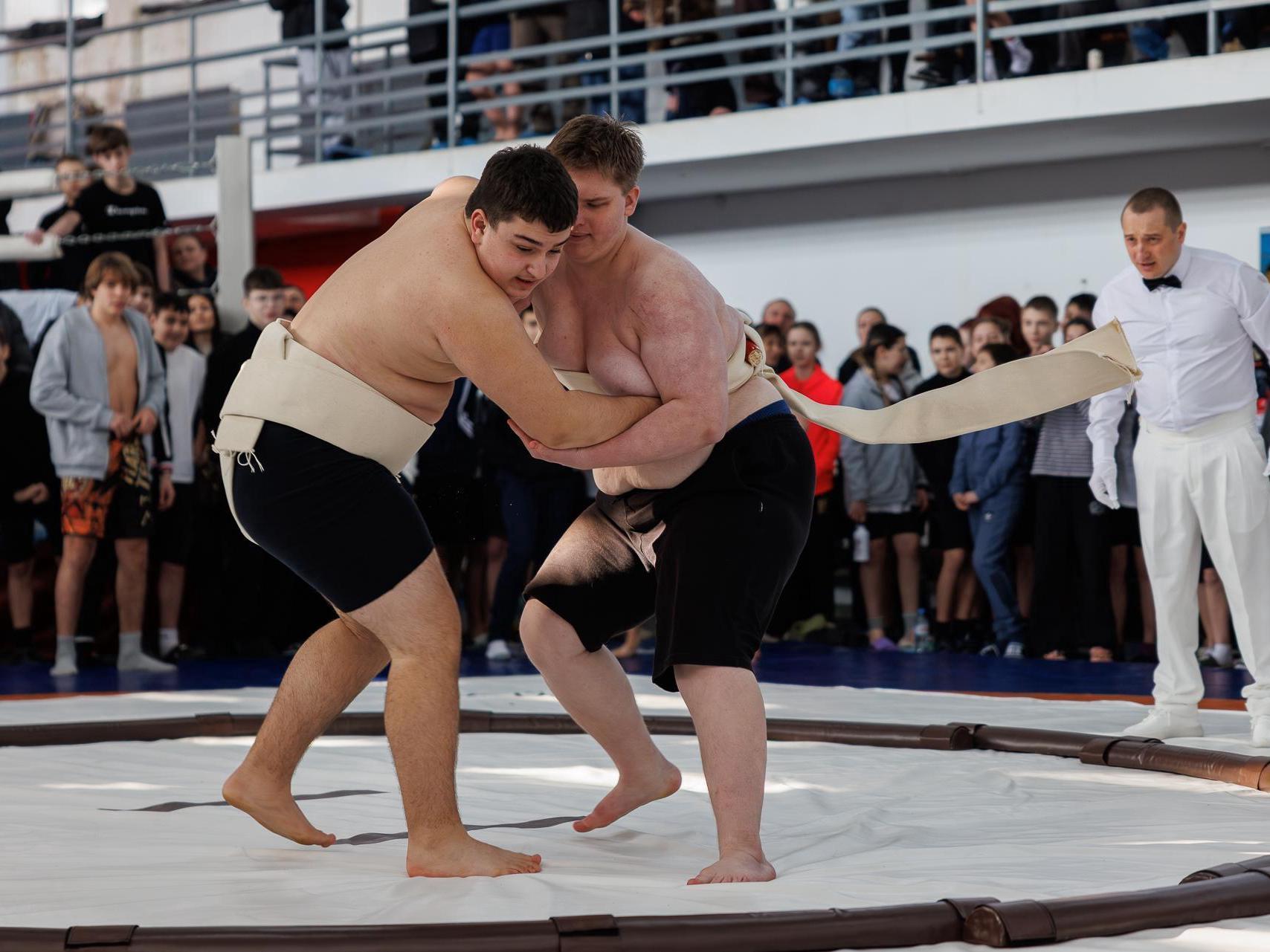
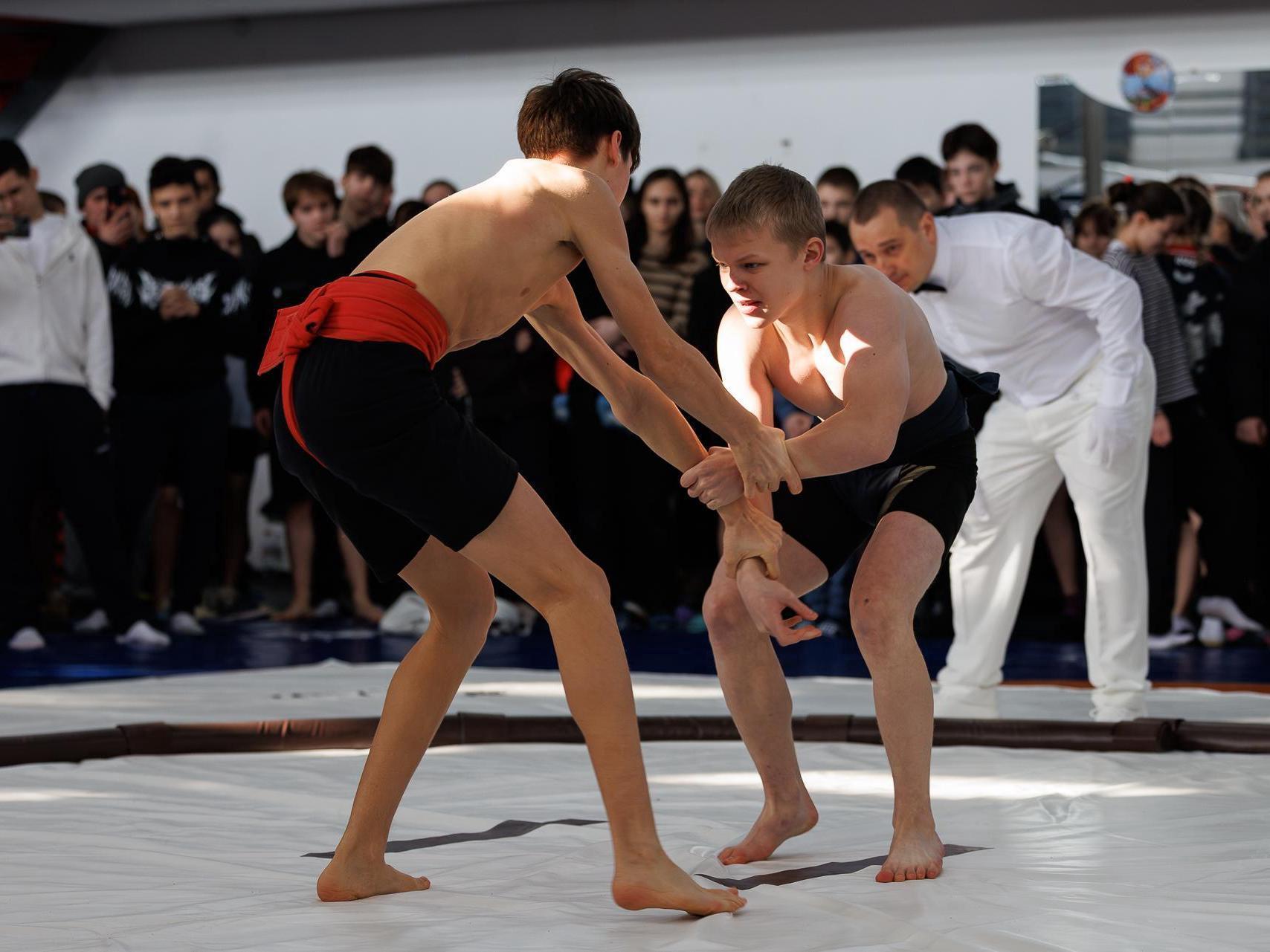
More than 150 boys and girls stepped onto the tatami. As the federation president Maxim Filippov explained, the first sumo wrestlers were trained in judo and sambo sections due to the similarity of these martial arts. There are no separate sumo schools in the region yet, as this sport is only gaining popularity. The participants were divided into two age categories: 12-15 years old and 16-19 years old.
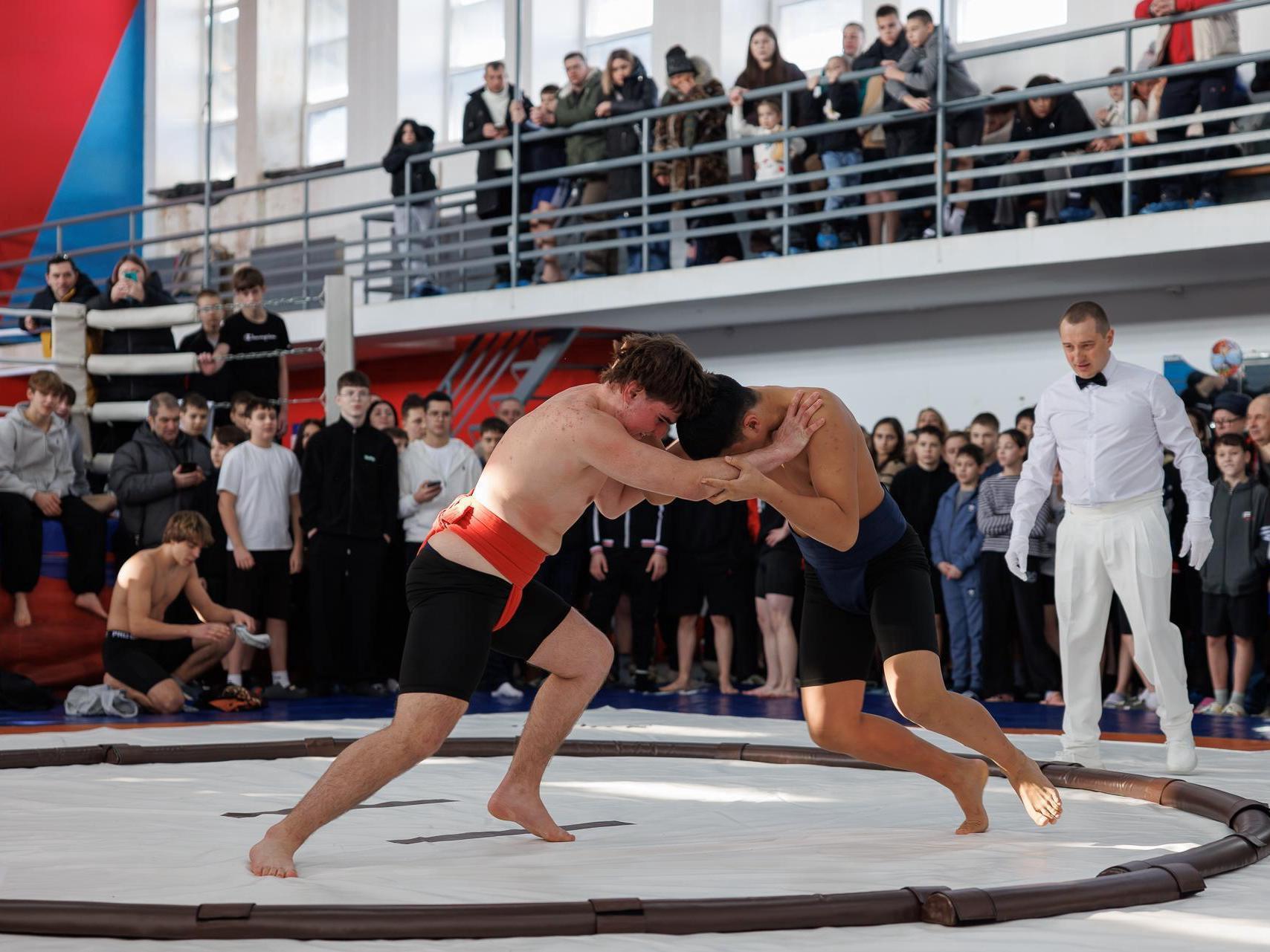
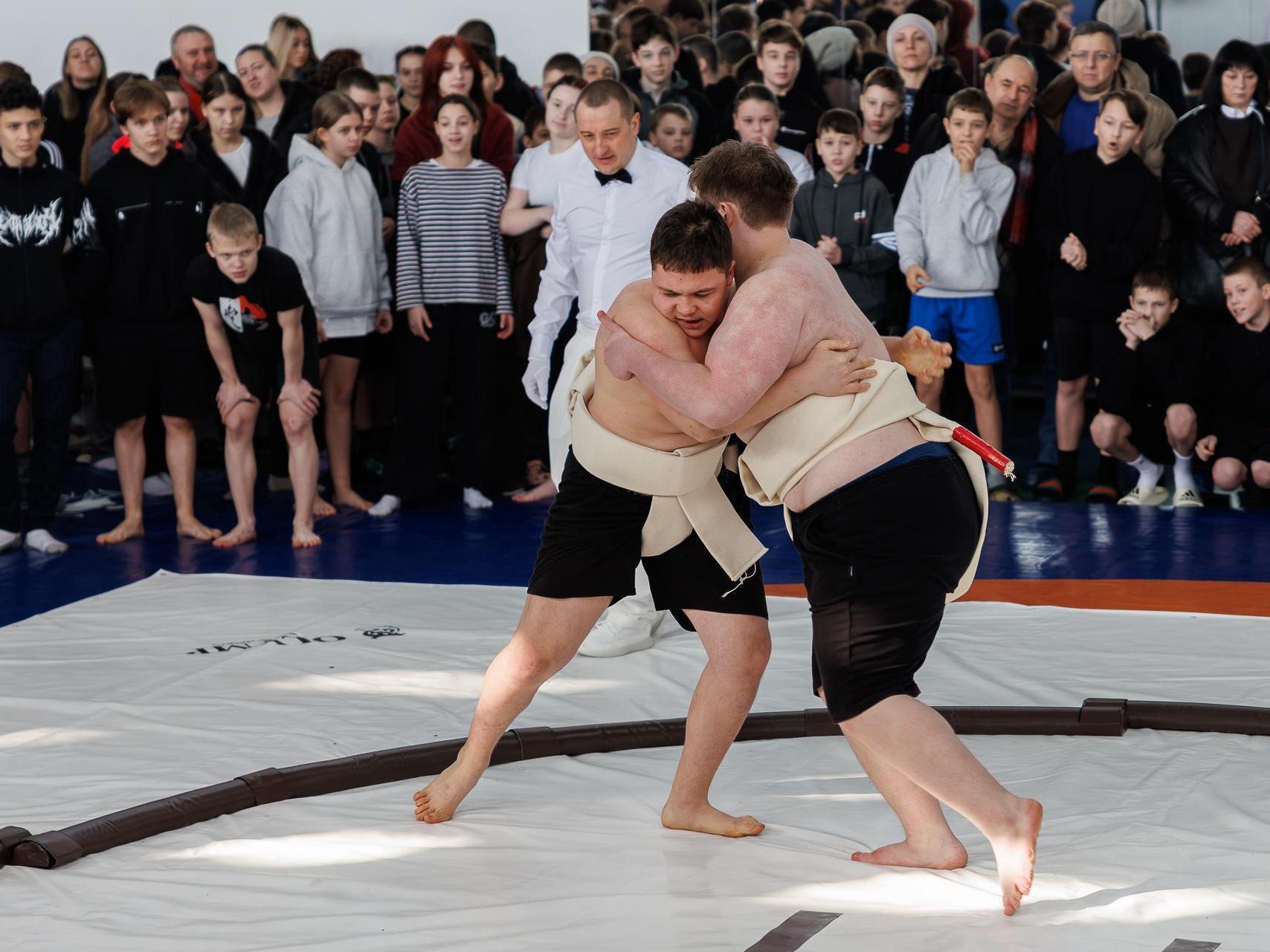
Maxim Filippov noted that sumo is an ancient Japanese art that gave rise to many modern martial arts. «Sumo is an ancient art of Japanese wrestling, and it is from sumo that other martial arts we know well came from — judo, karate, and sambo, which partially grew from Eastern martial arts,» he said. The athletes fight on a special platform called a dohyo, which in Japan is made of clay and straw, while in Volgograd they used modern materials. The goal is to push the opponent out of the dohyo or force him to touch the surface with a third point of support, for example, a hand.
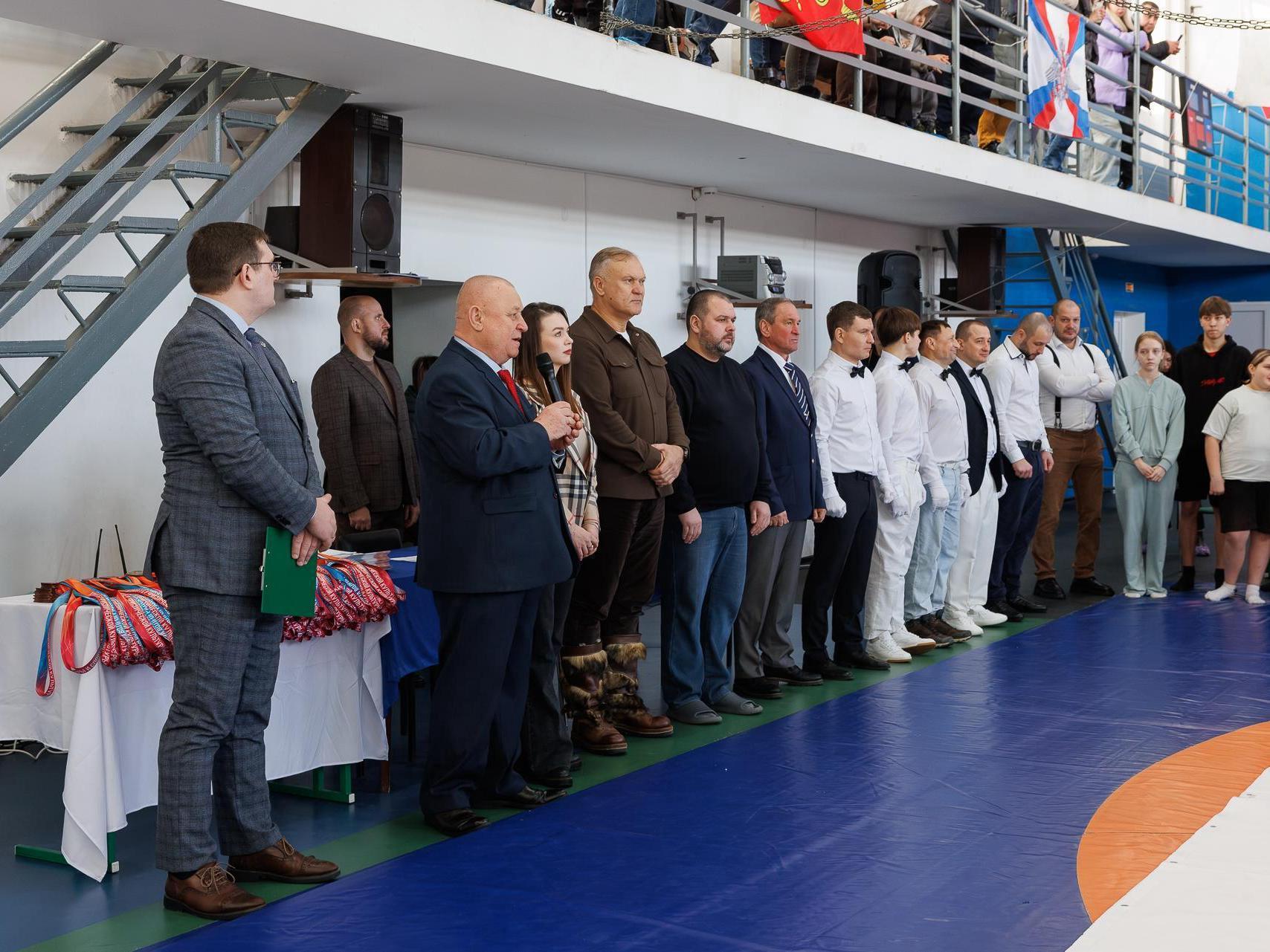
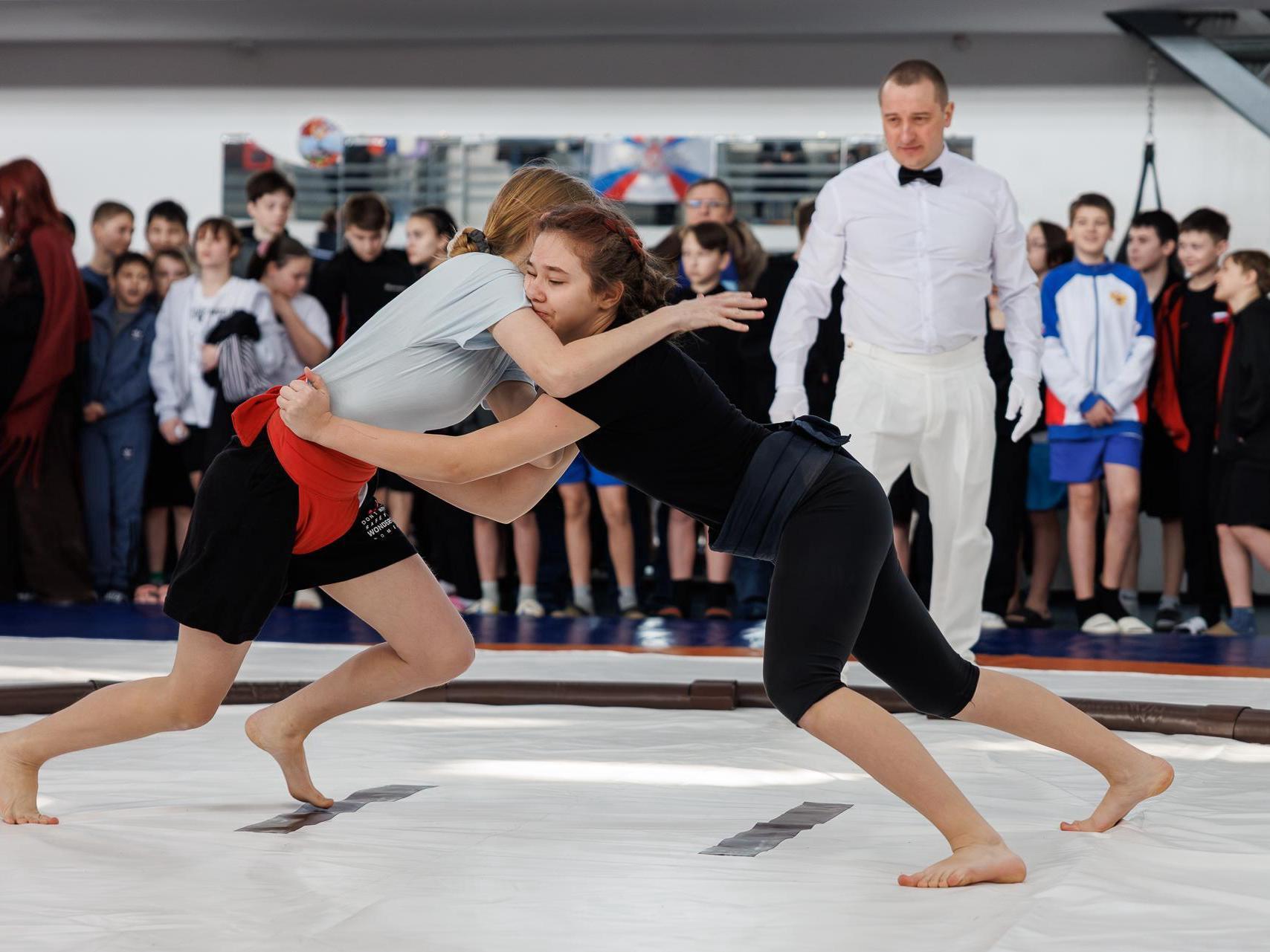
A sumo bout rarely lasts longer than 5-10 seconds. The opponents take positions behind special lines, touching them with their fists, and at the signal try to unbalance each other. A distinctive attribute is the cotton belts: one fighter wears red, the other — blue. In these competitions, the belts were provided by the organizers. Boys enter the dohyo bare-chested, girls — in sports underwear.
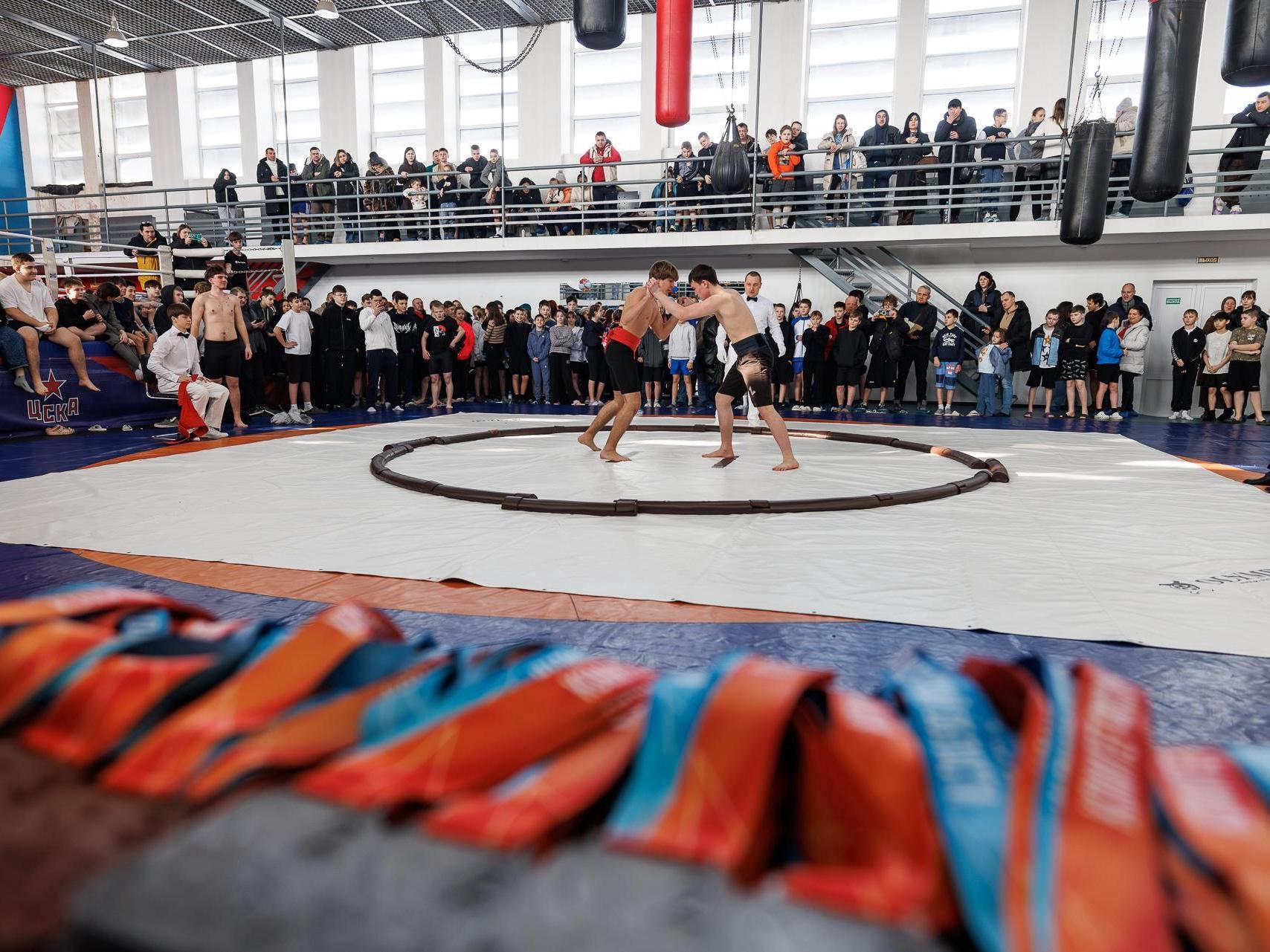
Filippov pointed out the similarity of sumo to judo, but emphasized key differences: in sumo, ground fighting, throws, strikes, and submission holds are prohibited. «Strikes with an open palm to the face are allowed, but without a swing — rather, a sliding of the palm on the cheek during the bout, but this is only for participants of the older group, we banned such a technique for children,» he clarified.
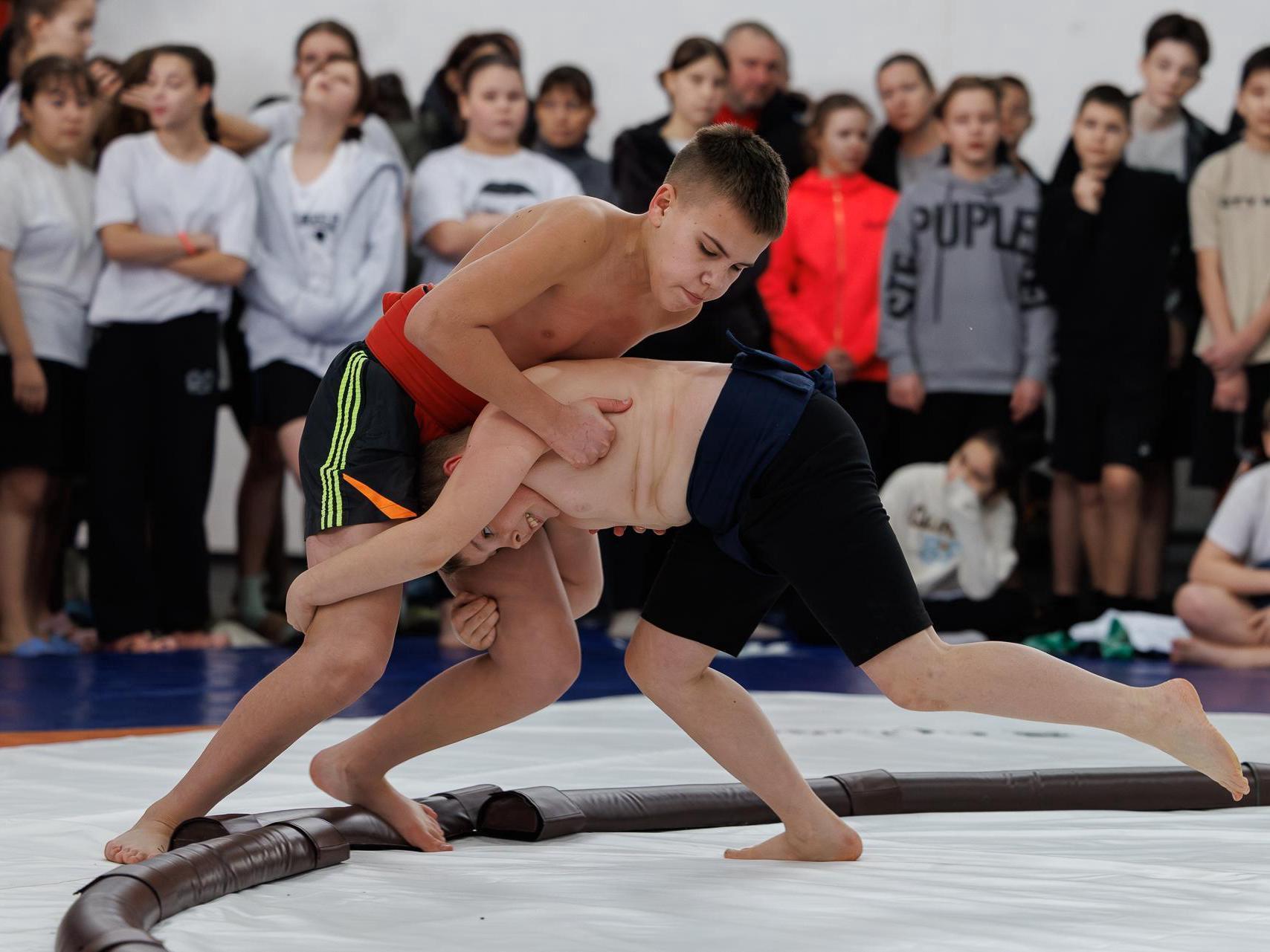
The image of huge sumo wrestlers familiar from television does not quite correspond to reality outside Japan. As Filippov explained, professional sumo with only male heavyweights exists only in the homeland of the sport. «Traditional sumo, which exists only in Japan, is considered professional; there the wrestlers are very large, and only men are allowed to participate in bouts. In the rest of the world, sumo is considered amateur. Here we have athletes competing in completely different weight categories, and girls are allowed to wrestle. Today we have weight categories from 40 to 115 kilograms, and among adults there is a participant weighing 180 kilograms,» he said.
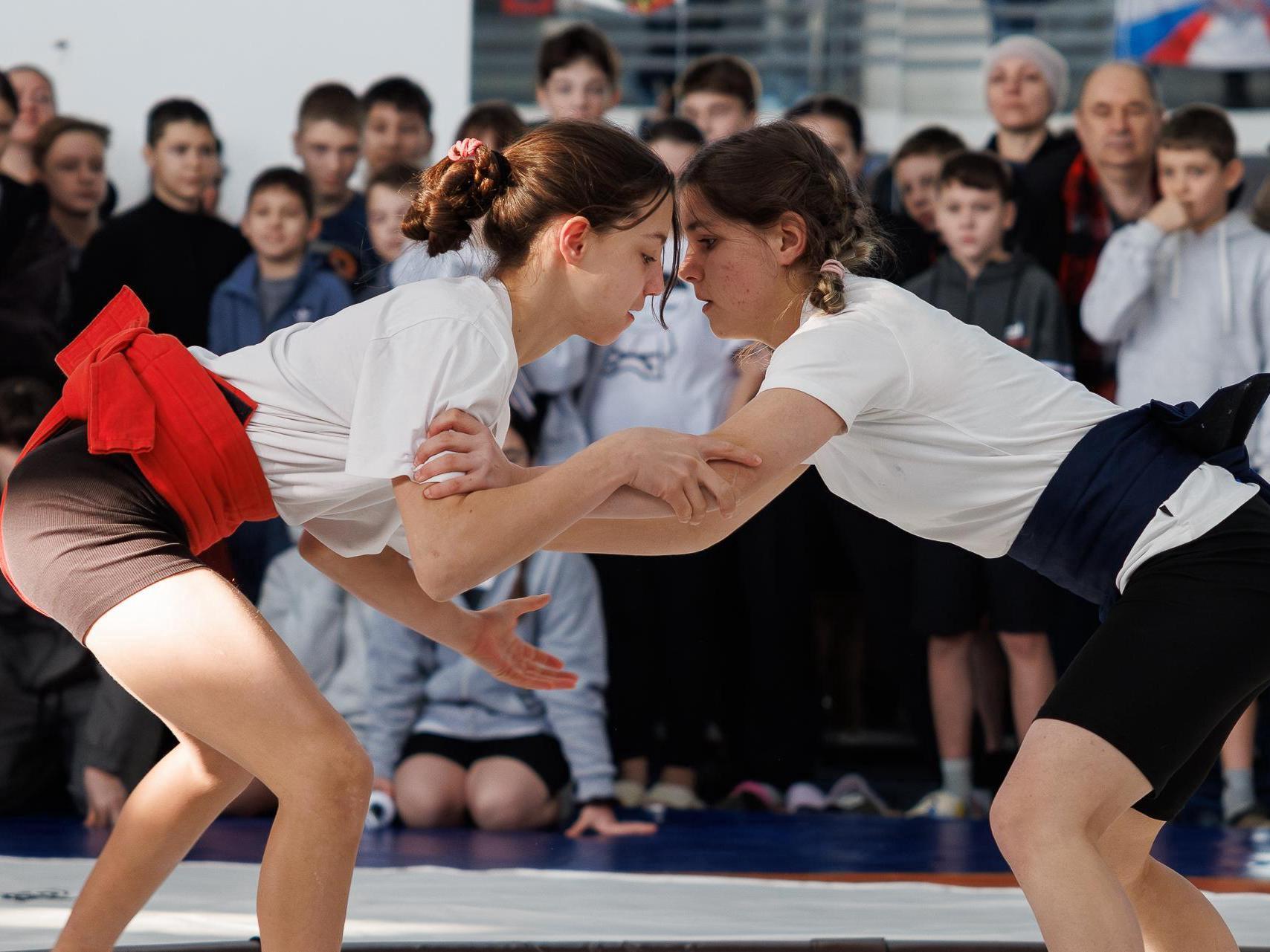
Although sumo is less common in Russia than judo or karate, Russian wrestlers have already scored victories over the Japanese, for example, at the 2019 competitions in Vladivostok.
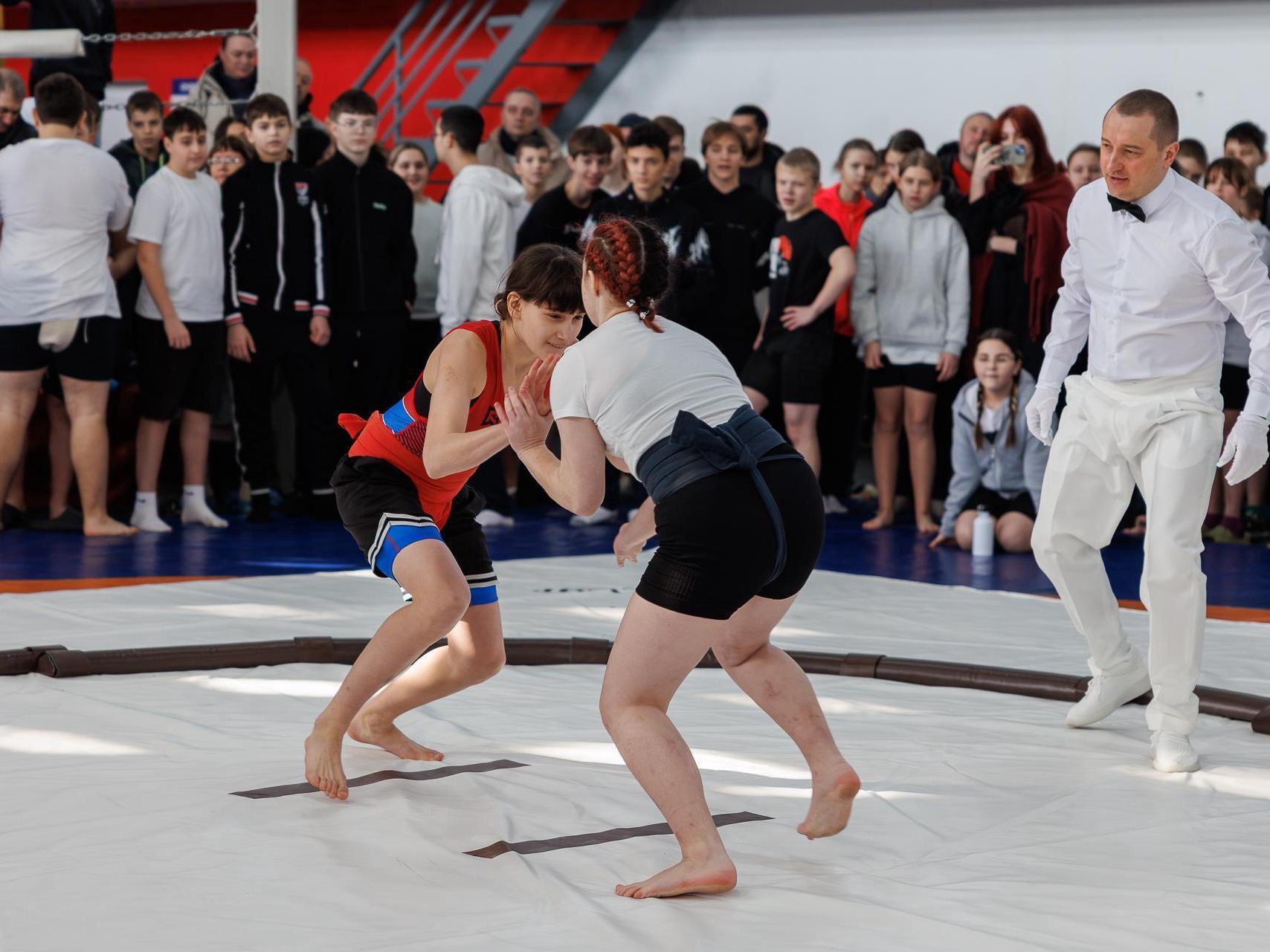
Filippov attributes these successes to national traditions. «It»s not for nothing, the love of wrestling is in our blood,« says Maxim Filippov, »you could say it«s written in our DNA. Martial arts have always been well developed in our country, almost every boy practiced wrestling, our people have well-developed strength, agility, endurance, we know how to calculate strategy — all this helps us win. We will also develop sumo, make it more accessible to everyone, the main thing is that young people engage in sports, not dubious walks somewhere »by the garages«.»
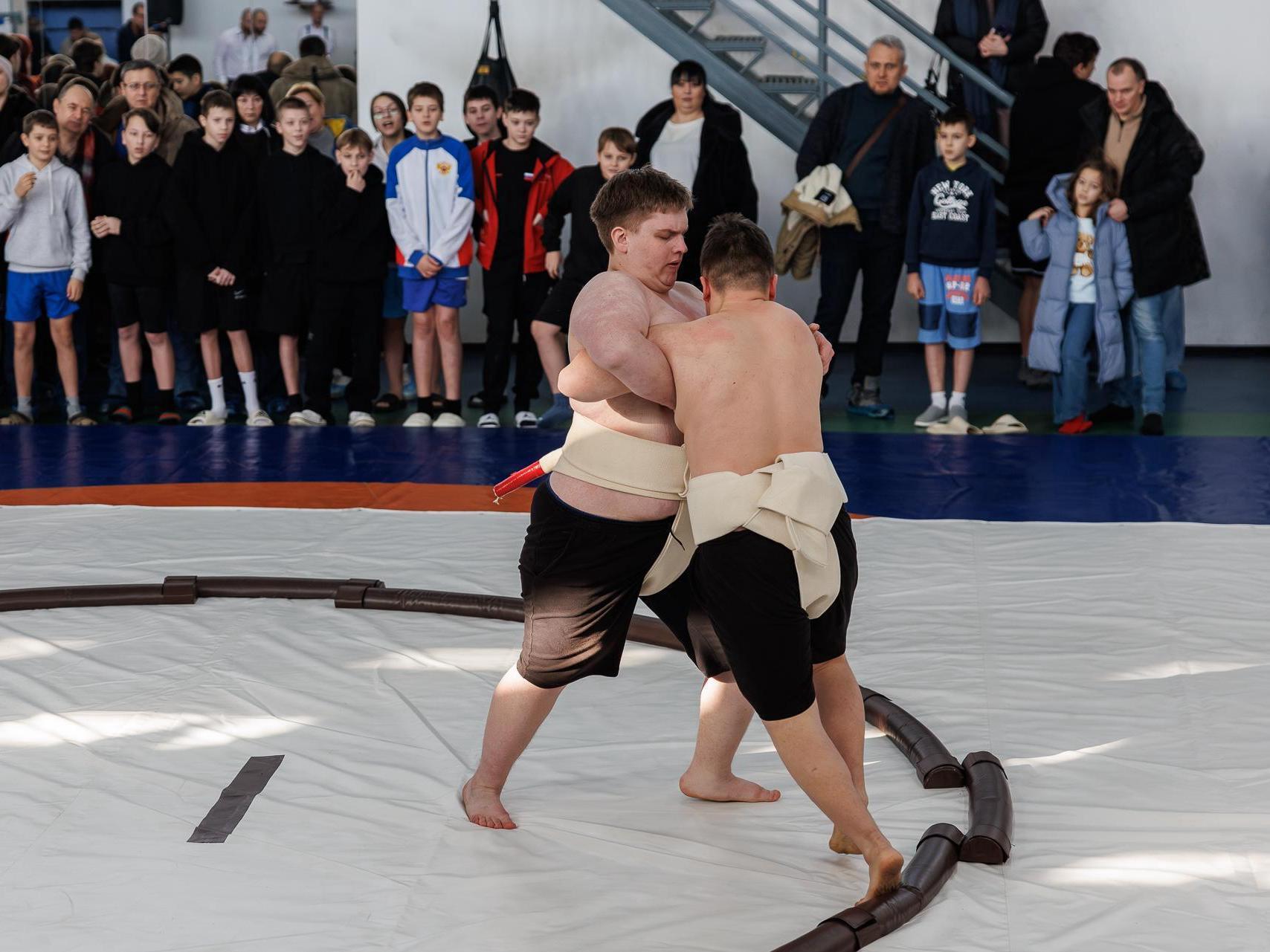
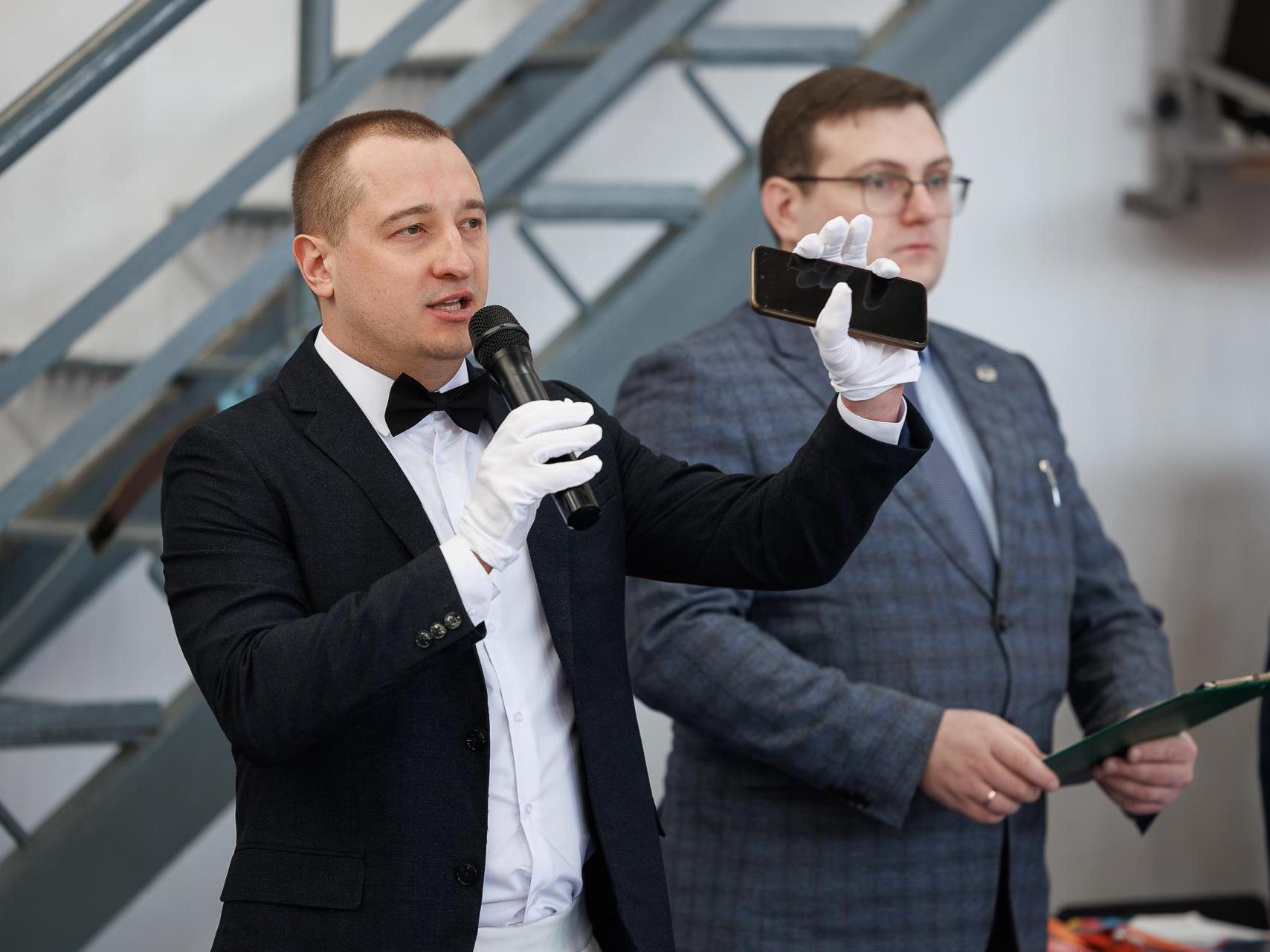
The chief referee of the competition (gyoji) Oleg Repin noted the strong sambo and judo school in Volgograd, which became the basis for sumo. «We have a very strong sambo and judo school in our city, which became the foundation for training our sumo wrestlers. Today the first official regional championship is taking place, which is a selection for the Russian championship, where our guys will defend the honor of our hero city among the best wrestlers of the country this spring. Then, we hope, the best will join the Russian national sumo team and represent our country at world competitions,» he stated.
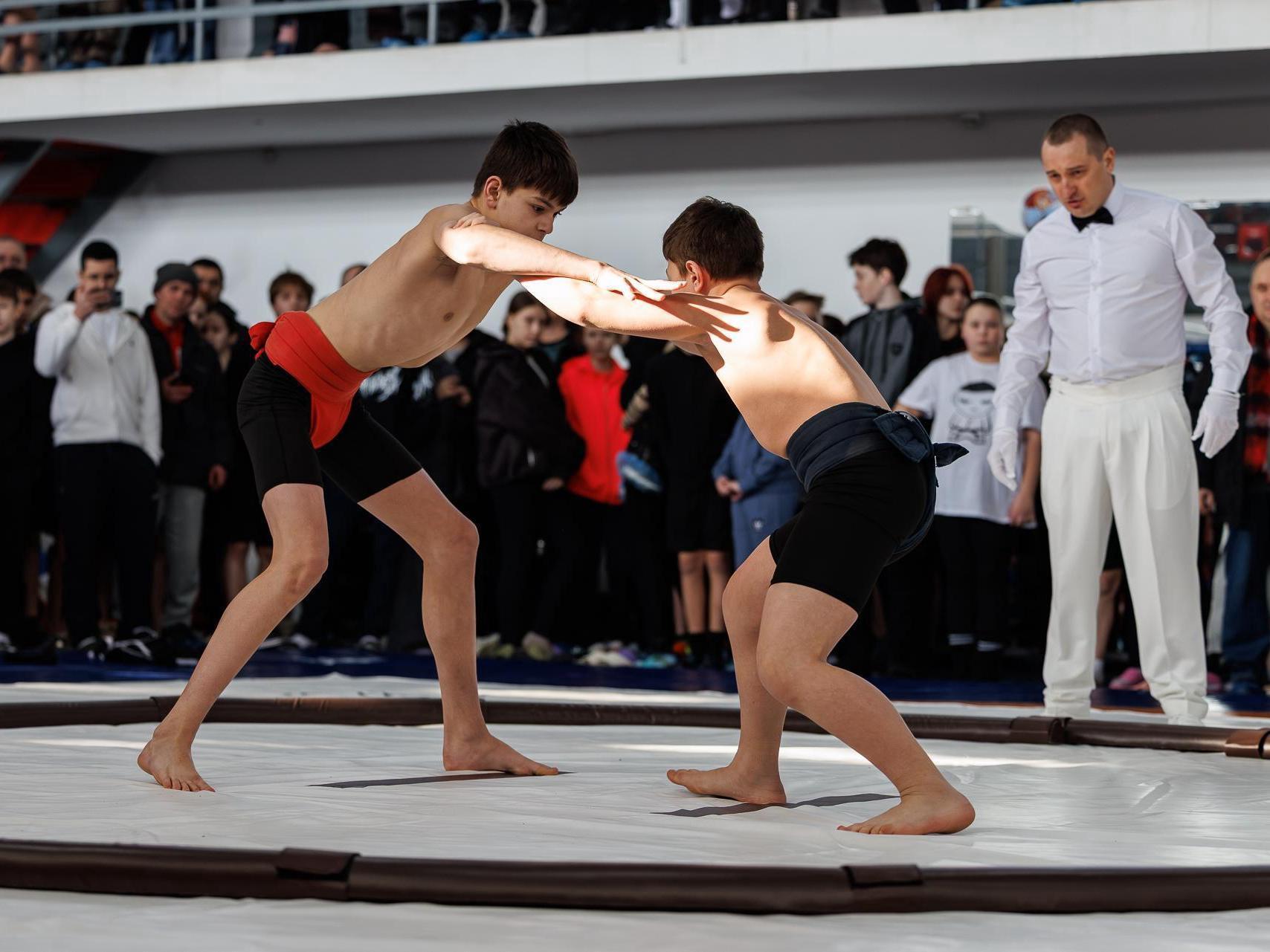
For many participants and their parents, sumo became an unusual experience. For example, 12-year-old Alina previously did dancing and modeling, but a year ago she became interested in sambo. Her mother Anna says: «We supported her, the main thing is that the child is interested. She has been doing it for a year now. When the sumo federation opened, the coach suggested we try this wrestling too. At first she was very surprised, because even in pictures sumo wrestlers are so big, and she is so small, slim — she was afraid that she would simply be crushed there. It turned out to be an interesting wrestling, although different from the sambo she was used to.»
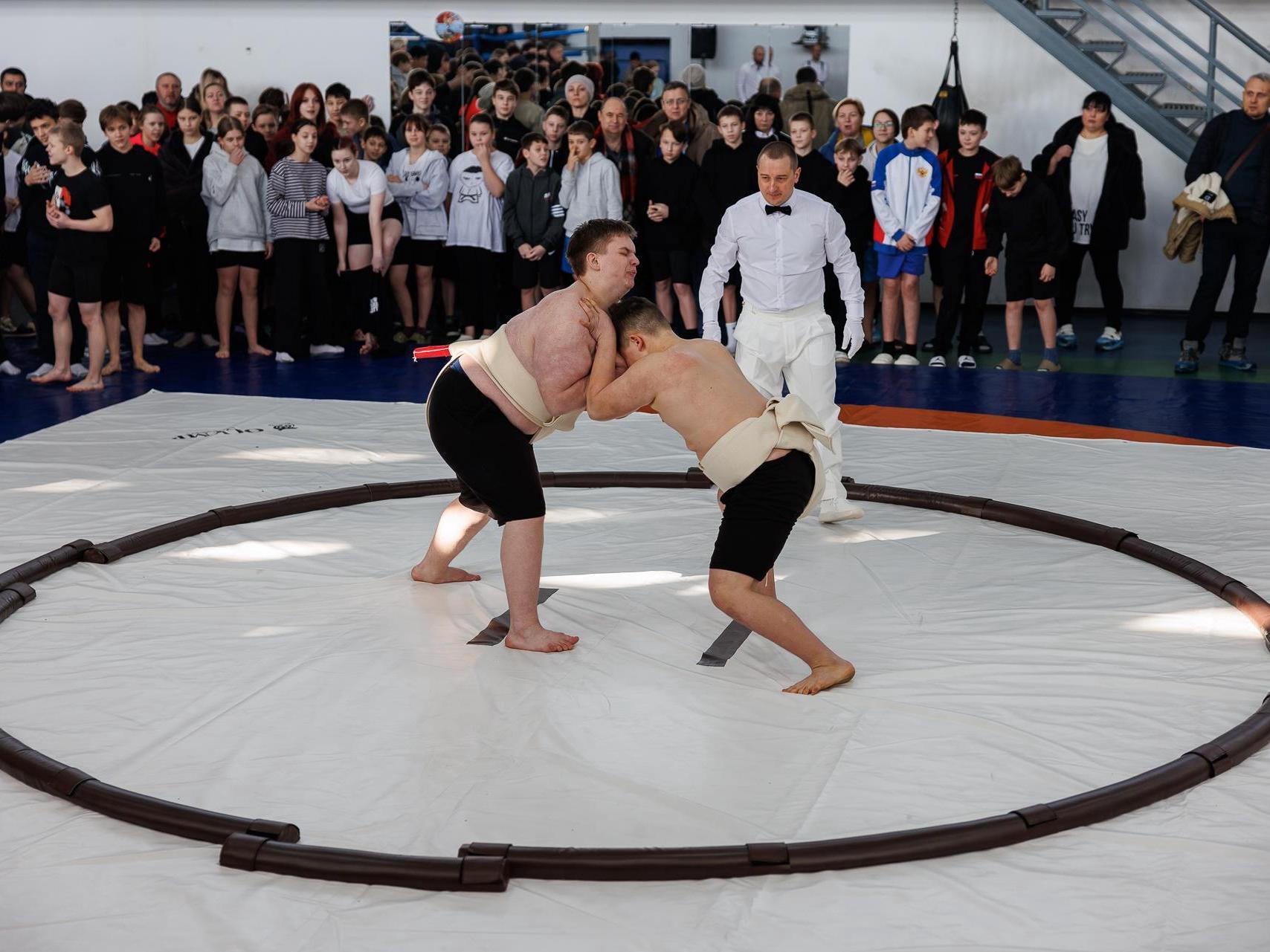
One of the winners was 15-year-old Vsevolod Kalmykov, a tenth-grade student. He has long been fond of wrestling, especially judo. «In sumo, it»s not so much speed as power, strength, and tactics that matter. I am quite big for some sports where you need to move very quickly and sharply, sumo interested me, I do quite well here, I took first place. I plan to continue wrestling, judo and sumo. Next year, of course, there will be less time for training due to preparing for the Unified State Exam, but I don«t intend to quit sports,» he shared.