Mammoths on Vaynera: The Ancient Fauna of the Urals
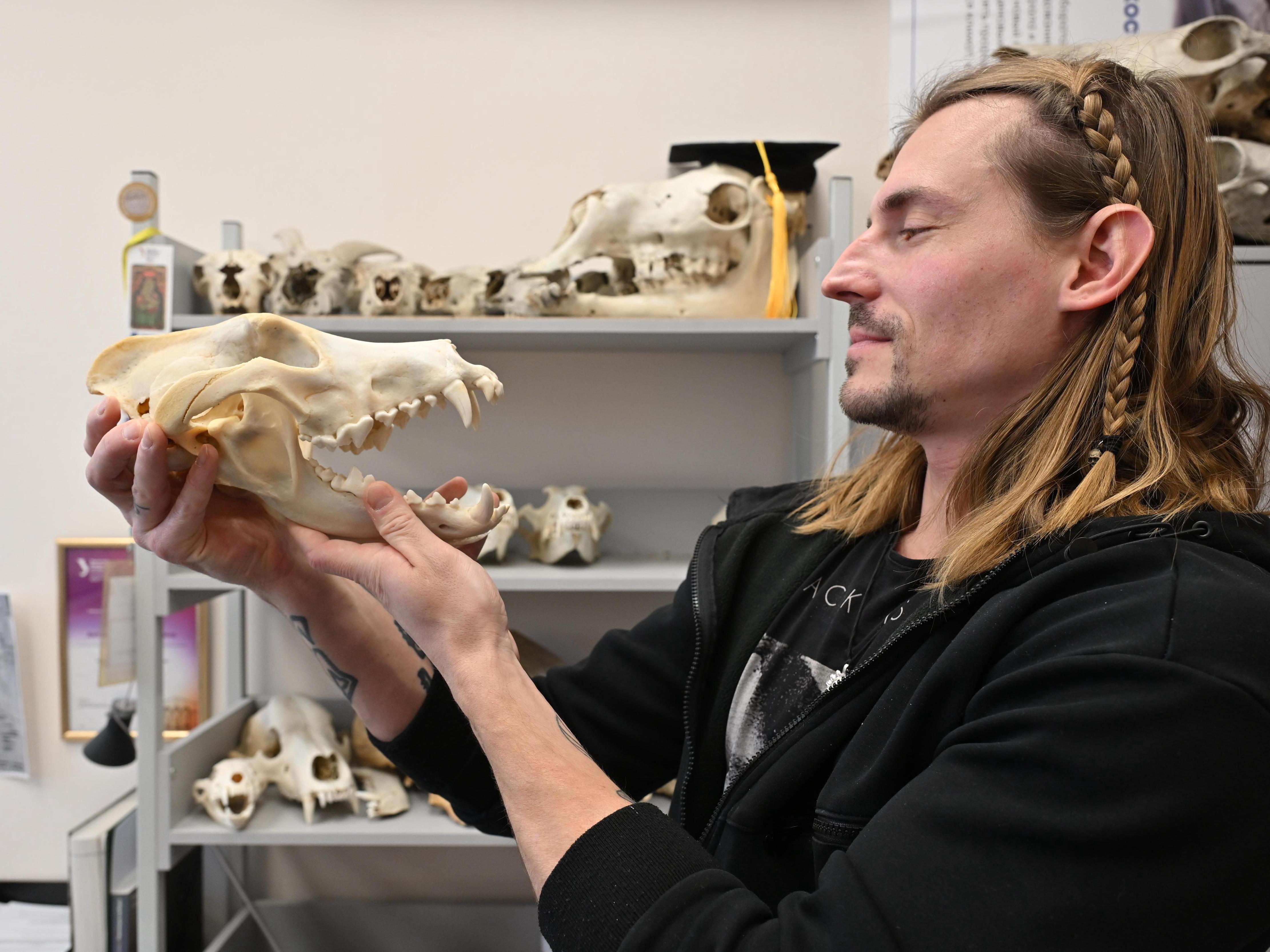

“Once a girl writes: ‘I was walking in the forest and stumbled upon a bone, what is it?’ I say: ‘That’s a human pelvis, call the police,’” jokes Anton Kochev, a bioarchaeologist from Ural Federal University (UrFU), author of the popular science blog “Telezhenka s kostyami” (The Bone Cart).

Anton needs just one glance to tell whether bones are human or from an ancient porcupine. He runs one of Russia’s largest blogs on bioarchaeology and paleozoology.
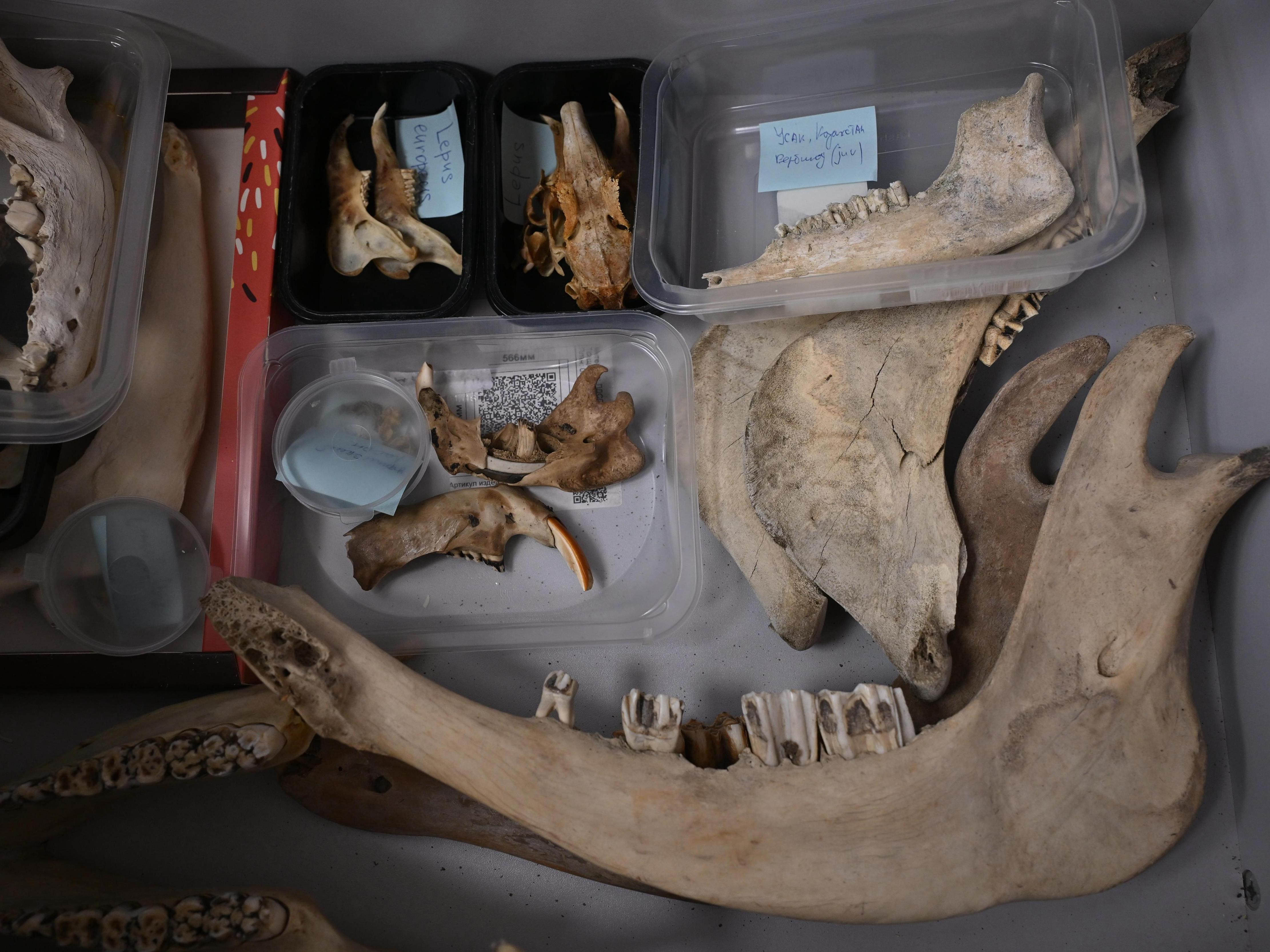
Who inhabited the Urals in the past, and what did the first Ural residents do? More on this in an interview with the scientist.
Anton Kochev is a bioarchaeologist and senior research fellow at the Laboratory of Natural Science Methods in Humanities Research at UrFU.
He has been running his blog “Telezhenka s kostyami” (The Bone Cart) for about four years. Besides this, Anton Kochev gives popular science lectures outside the university. Currently, he is working on his own book, “A Brief History of God,” dedicated to early forms of religion in the Paleolithic.
Mammoth Hunting—a Myth?

— What are the most unusual or amusing animals that lived on the planet? Do you have a personal ranking?

— We study the Pleistocene. Animals from this period are similar to modern ones. Of course, scientists don’t find them amusing, but overall, examples include giant short-faced kangaroos from Australia, or giant sloths and armadillos from North America.

The Pleistocene is a period of life development on Earth, beginning 2.5 million years ago and ending 11,700 years ago. It was at the end of this period that most megafauna representatives went extinct: mammoths, cave bears, saber-toothed cats.
Immediately after the Pleistocene, the Holocene period began—it continues to this day.
There are various curious stories related to Eurasian fauna. For example, elasmotherium animals, very common in the Pleistocene—relatives of modern rhinos. They were once reconstructed with a huge horn on their heads and called “Siberian unicorns.” Later, it turned out that the area on the skull interpreted as a place for attaching a large horn is anatomically unsuited for such a massive structure.
Most likely, it was not a giant horn but a dome-shaped growth. Science evolves, and new data allow for more accurate reconstructions of animals’ appearance.
— What is the most famous ancient animal of the Urals?
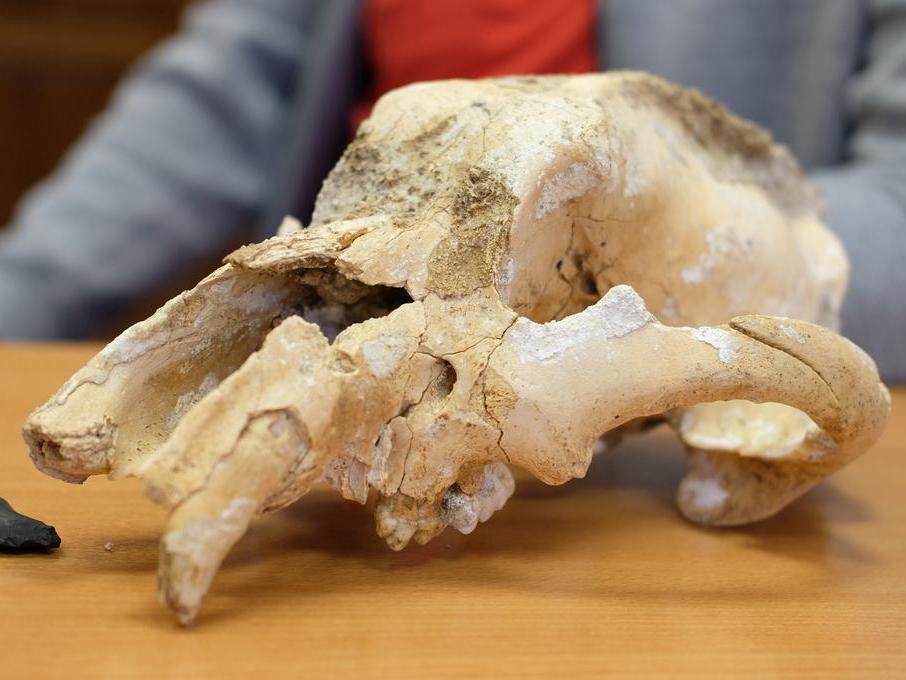
— Probably, for the general public, the most famous is the mammoth, but for researchers, the most popular Ural animal is still the large cave bear.
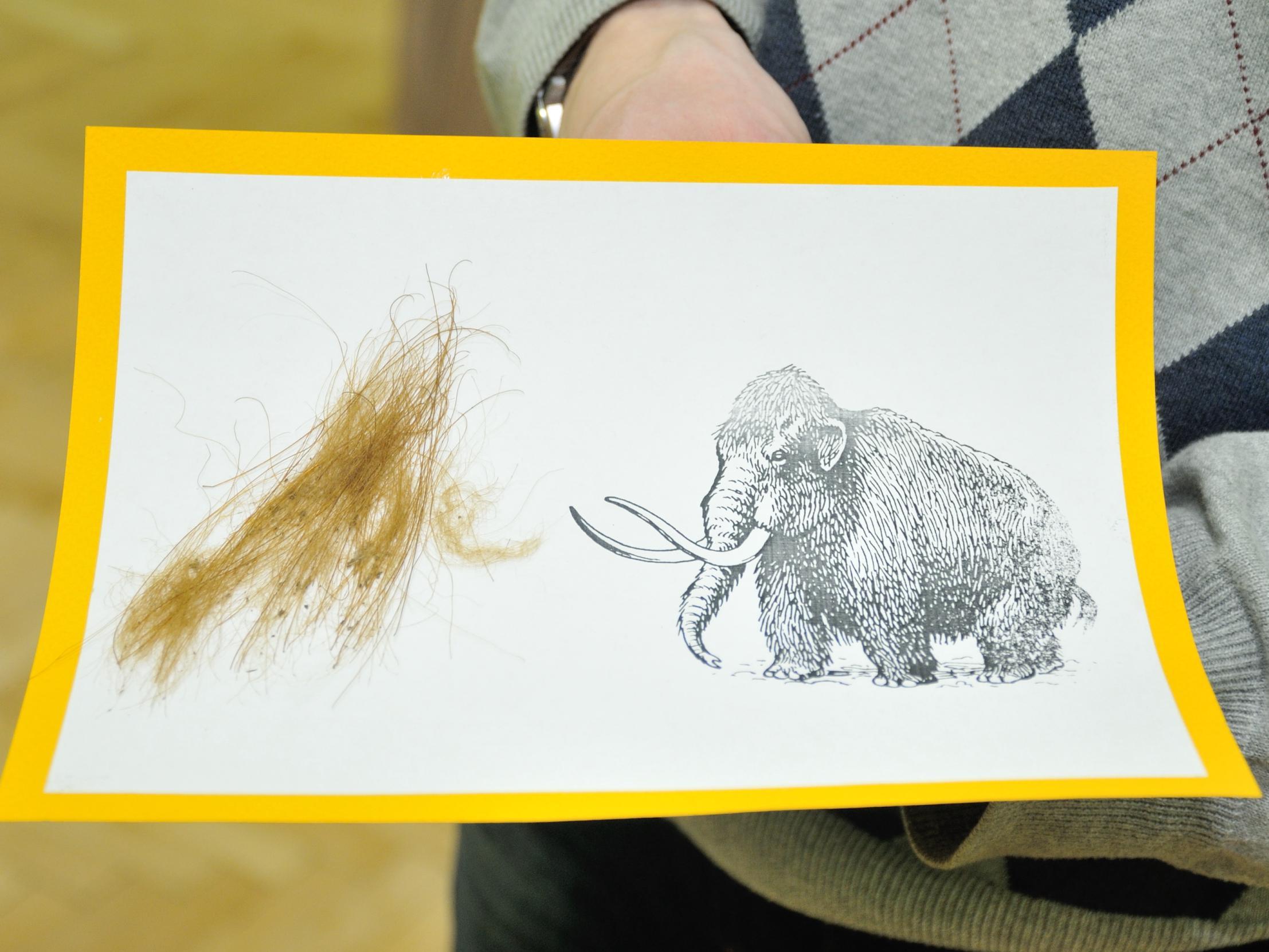
Regarding mammoths, there were many species in the Pleistocene, and they lived not only in the Urals. In the tundra-steppes of Eurasia, the most common was the woolly mammoth.
The most popular myth about mammoths is that they were exterminated. But their natural extinction is only minimally linked to human activity. Mammoth fauna died out even where there were no people. This is due to a whole complex of reasons, including climate change.
We don’t have many direct pieces of evidence of hunting, such as spear tips stuck in bones; most often, people brought found mammoth bones to their campsites.
Can you imagine the resources a tribe would need to kill a mammoth? Butcher it, carry the meat, and not eat it all, so it goes to waste. It was easier to hunt horses and bison than one huge mammoth.
In Voronezh Oblast, there is a group of sites called the Kostenki settlements, where a huge number of horse bones were found, which were the main hunting targets.
— Why did people need mammoth bones? Could weapons be made from them?
— The Pleistocene period in historical context is associated with the Stone Age (Paleolithic). One of the main materials, besides stone, was bone.
Mammoth bones were used in construction. For example, in Voronezh Oblast, so-called bone-earth structures are known. Their function is not precisely known, but these are huge circles made from many mammoth bones.
Obviously, they weren’t killed; most likely, people knew where there were “graveyards,” accumulations of bones. They went there, collected material, and built bone-earth dwellings, but probably not permanent ones. Maybe they were ritual complexes. It’s hard to say for sure.
— How did ancient Ural residents live? What did they eat, what did they do?
— The Paleolithic is the time of non-literate societies. No evidence beyond stone and bones has reached us. In the Urals, there are no such large-scale sites as, for example, Afontova Gora in Krasnoyarsk or Denisova Cave in Altai.
At the same time, there are many caves in the Southern Urals where a large number of bone remains are preserved. For instance, the Imanay archaeological site, where traces of human presence and hunting are found, dated to 30,000–40,000 years ago.
In 2025, an article was published describing the world’s only evidence of ancient humans hunting a small cave bear. Scientists found a skull pierced by a stone tip.
Despite the huge number of found artifacts made of bone and stone (take, for example, the famous Paleolithic Venus figurines), we cannot reliably speak about Paleolithic traditions and customs.
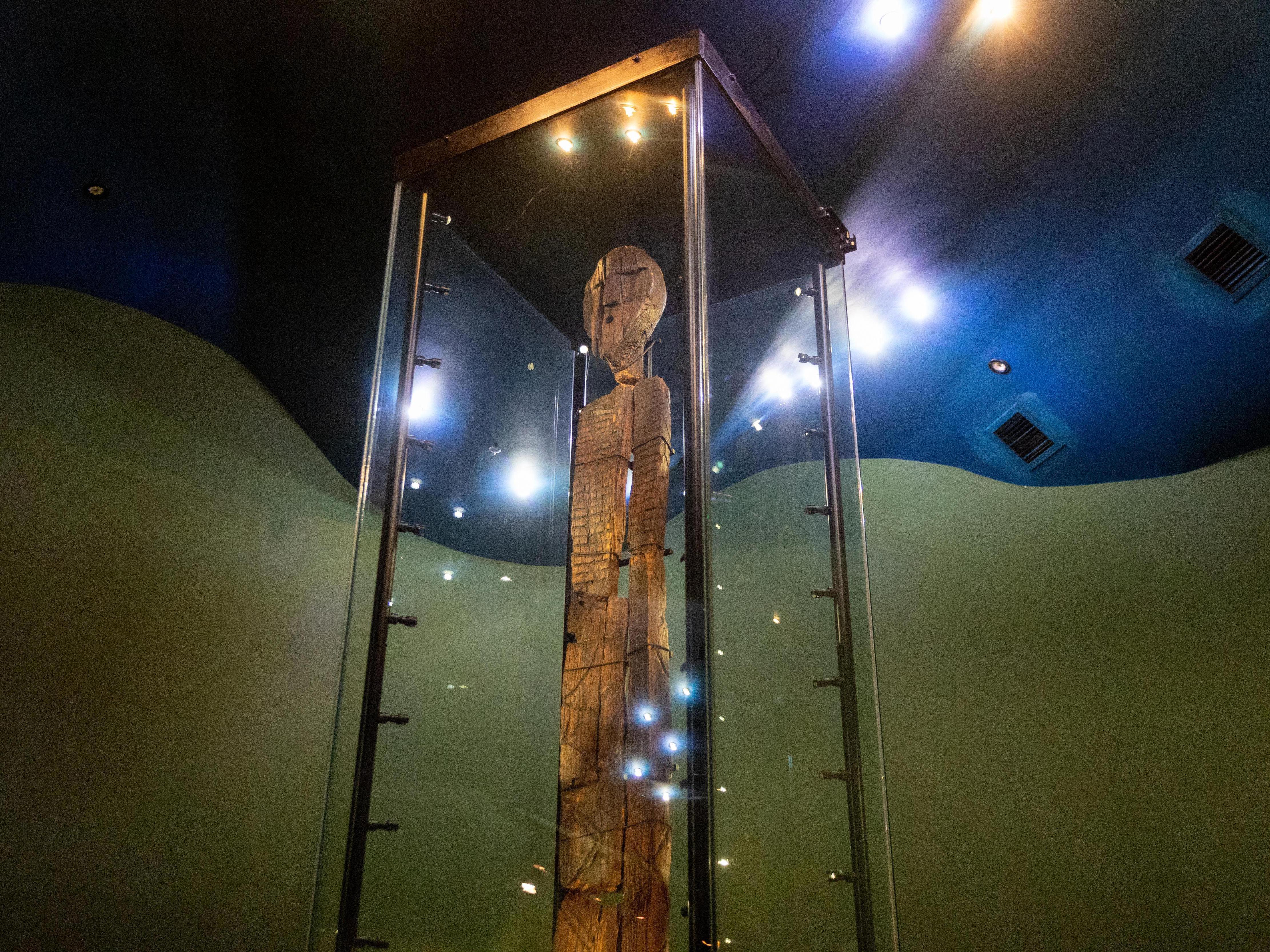
Perhaps one of the most curious cultural monuments in the Urals is the Shigir Idol—the world’s oldest wooden sculpture. It can be viewed at the Museum of History and Archaeology of the Urals.
There are also Paleolithic sites in the Urals, such as the famous Kapova Cave, where not only traces of humans are preserved but also rock art. This is one of the few open Paleolithic sites that tourists can visit to see manifestations of ancient human culture.
Kapova Cave is located in the Burzyansky District of Bashkortostan and is included in the UNESCO World Heritage list.
— So, hunting was apparently the main activity.
— I think the main hunting targets for ancient humans in the Urals could have been various members of the deer family, if we’re talking about forest areas. In steppe and forest-steppe regions, as in the European part of Russia where plains predominated, horses and bison were primarily hunted.
“Put Makeup on a Neanderthal—You Won’t Spot Him in a Crowd on the Street”
— In one of your blog videos, you compare the sizes of modern and large cave bear skulls. Why did animals become smaller?
— In the Pleistocene, most mammals were about the same size as modern ones, even slightly smaller. For example, today we encounter Pleistocene animals like foxes or wolves. Some ungulates could also be comparable in size, but there were also much larger animals. Their gigantism is linked to various factors.
If we talk about cave bears, they fully transitioned to a plant-based diet, like modern pandas. This we can tell from isotope analysis.
At the same time, brown bears lived parallel to cave bears; one species did not evolve from the other. Unfortunately, the huge cave bears, likely due to their narrow specialization, hit an evolutionary dead end and went extinct. And humans had nothing to do with it.
Brown bears showed a more flexible diet, outpaced their “cousins” in the evolutionary race, and live today in forests.
However, the largest mammal in Earth’s history lives among us today—the blue whale. We shouldn’t think that gigantism is a thing of the past.
There is a myth that humans were once giant, but this is anatomically impossible. Humans are primates that gradually increased in size. We are generally larger than our ancestors.
And the fact that we are primates—that’s not offensive at all, because primates are highly intelligent animals. I think it’s a point of pride, because our evolutionary path involved brain enlargement.
— If cave bears were vegetarians and that led to their extinction, can it be said that herbivorous animals are more prone to disappearing?
— No, of course not. Extinction often affects very narrow “specialists.” For example, pandas can’t eat anything but bamboo, and their path would have hit an evolutionary dead end if humans hadn’t taken care to preserve the species.
It’s not necessarily that vegetarianism leads to extinction, but narrow specialization, a narrow diet—yes. The broader your dietary options, the easier it is to survive during famines when the food base changes.
For example, massive australopithecines, our “distant relatives,” ate coarse plant food. They had almost no competition, but conditions changed, the food base changed, new competitors appeared in that niche, and australopithecines were not adapted to other food and went extinct.
Our ancestors initially ate fruits, but then, in the course of evolution, we gradually shifted to predation and hunting, and this gave us a boost. Dietary diversity is our evolutionary advantage; we could eat anything. So, those who go into narrow specialization most often go extinct.
— So, the main reason for the extinction of ancient animals is diet?
— It’s a whole complex of reasons, including climate change and changes in the food base. This doesn’t happen overnight; extinction can take millions of years.
Moreover, as we know, the last mammoths died out only about 4,000 years ago on Wrangel Island.
— What other discoveries have overturned ideas about the ancient history of the Urals? What interesting finds have been made in our region?
— There have been many finds. For example, cave lions (larger than European ones) lived in the Urals. Cave hyenas and porcupines inhabited the area. Recently, in the Tura River, our colleague found a tooth of an ancient whale from the Basilosauridae family.
— We’ve talked about animals—now let’s talk about people. What did they die from in ancient times?
— We cannot reliably name the cause of death unless we come across well-preserved remains with traces of unhealed injuries. Then we can assume that the injury was lethal.
More often, we see injuries with signs of healing.
The idea that people lived shorter lives in ancient times is linked to high child mortality. Our species suffered greatly from bipedalism: our children, from the perspective of other mammals, are born premature. Passing through the birth canal is associated with increased mortality for mother and child, and this was the case until the 20th century, when proper medicine emerged.
We shouldn’t think that people lived short and were underdeveloped. These were modern humans, Cro-Magnons, and even Neanderthals, as recent research shows, aren’t too different from us. Overall, put makeup on a Neanderthal—and you won’t spot him in a crowd on the street. Cro-Magnons are entirely modern-looking people.
— What was the average life expectancy?
— If we take the average, maybe 30–40 years, but some lived to older ages.
There is a whole category of signs that allow us to determine age from the skeleton: joint wear, tooth wear, bone changes, but in ancient times, things could be different. For example, there could be increased tooth wear due to dietary specifics. The average age might be underestimated due to such factors. I assume people could live to 50–60 years.
— Which bones are considered the most valuable, providing more information? Teeth?
— Every bone is valuable. I always say: “If you find some bone, don’t throw it away, bring it to scientists. They’ll figure out what to do with it.”
But yes, indeed, teeth. They are our “black box” that accumulates all data about a person or animal: how they lived, what they ate, what they did.
“Being at the Forefront of Science”
— Have you been on many expeditions? Tell us about interesting finds.
— We work not only in the Urals; sometimes we even dig up dinosaur bones. Recently, we brought many teeth from the Sahara to our laboratory.
The coolest find for researchers is always what they’re interested in. In the current field season, during our expedition, my colleagues and I found many lower jaws of ancient wolves. And all in good condition.
— There’s a certain romance in such a life.
— Certainly, but not everyone agrees to it. Some can’t live long in tents; for them, it’s torture.
The romance lies in being the first to find material that no one has ever held before. Being at the forefront of science.
— But is it profitable?
— We always travel for science and scientific interest. There is a commercial format where volunteers or tourists come, but most often, we go on academic expeditions through grants.
The question is about results, because sometimes you find nothing valuable. Sometimes researchers intentionally leave something untouched so that there will be something to study in the future when new methods appear. For example, we sometimes regret that people, not knowing certain methods, dug haphazardly in the early 20th century.
— Judging by your favorite find, are you fascinated by ancient wolves?
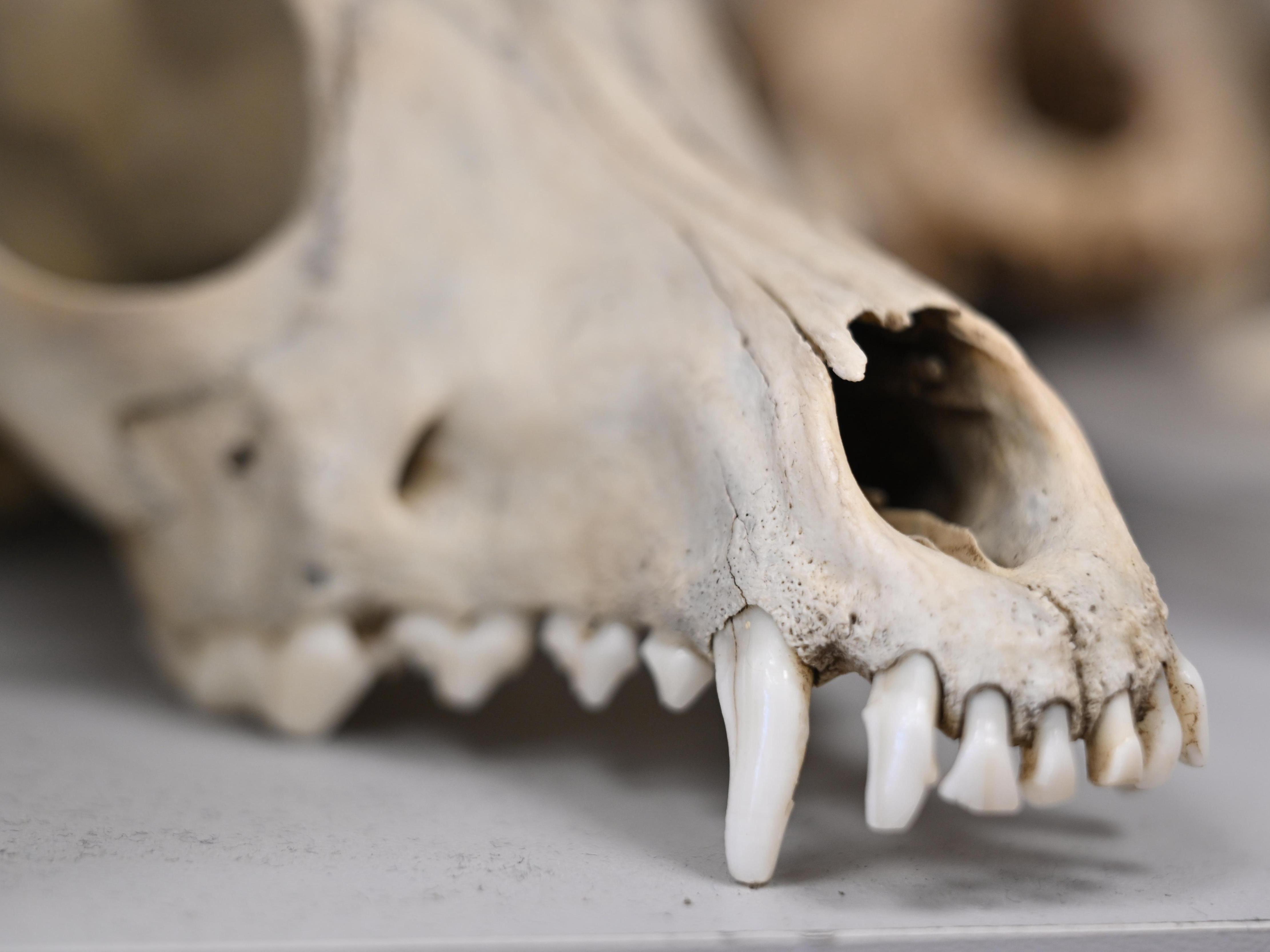
— Wolves interest me because they are the first domesticated animal that evolved alongside humans. The conventional date for wolf domestication is about 30,000 years ago, but morphologically and genetically, it starts to differ from the dog only 11,000 years ago.
So, we lived with wolves for 19,000 years. Fundamentally, my task is to understand how early wolves—wild and domesticated—differ at the initial stages.
We have a very good find—metacarpal bones of a wolf in anatomical connection and with pathology, meaning the animal had an injury. I’m waiting for a medical conclusion, and then we can write an article. This paw was found at an archaeological site and dates to about 40,000 years ago.
There are two assumptions. Either this lame wolf was killed and brought to the site (but there are no butchering marks on the bones), or the wolf lived and was cared for, fed.
Also read an interview with famous paleontologist and science popularizer Yaroslav Popov: we talked about whether there were dinosaurs in the Urals and if you can find their remains in your backyard.
Earlier, a scientist from the Ural Branch of the Russian Academy of Sciences told what the weather in the Urals will be like in a million years (and what plant pollen has to do with it).