Long-lost unique zoological collection discovered in Novosibirsk region
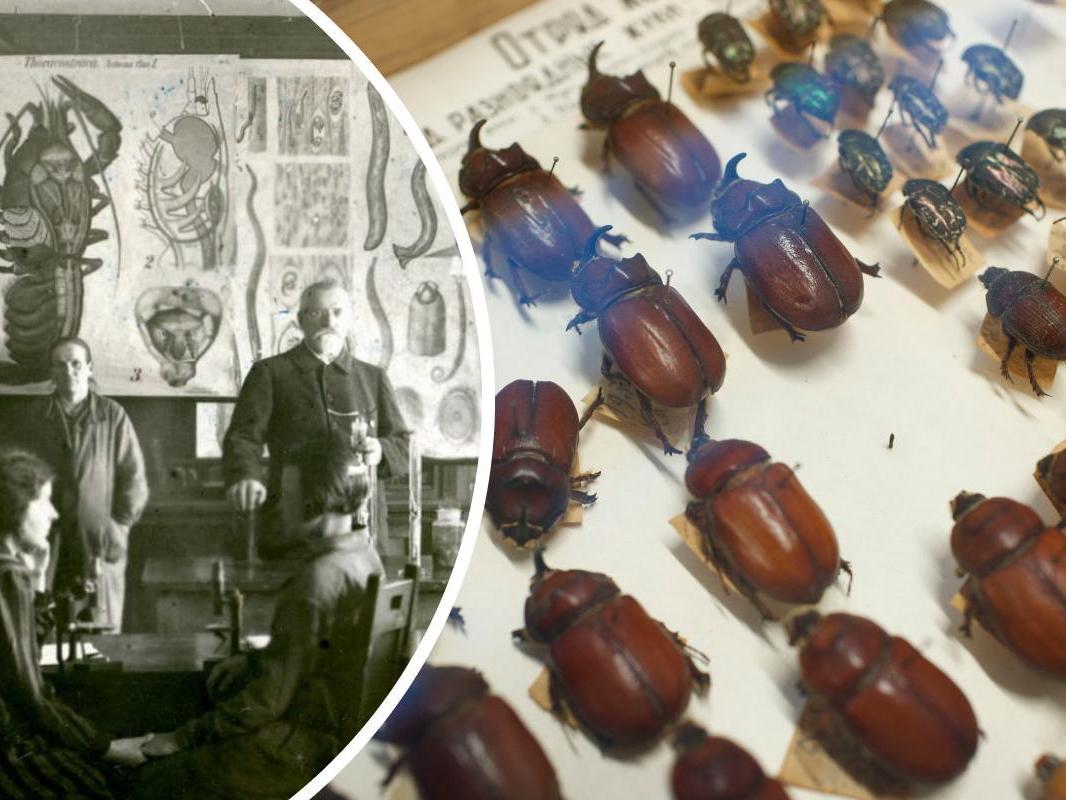

A unique zoological collection was accidentally discovered at the Karachi resort in Novosibirsk region, which was assembled in Siberia at the beginning of the last century by the renowned scientist Mikhail Ruzsky. The professor of Tomsk University vacationed in Karachi over 100 years ago and conducted scientific research on the local fauna there. His collection included almost all species of living creatures, from ants to ground squirrels — native representatives of the region«s wildlife. The exhibits were stored in a museum that fell into disrepair in the mid-20th century. By the 1980s, scientists from Tomsk considered the collection irretrievably lost. But in spring 2025, part of the collection was completely accidentally discovered in the Karachi sanatorium. Details are in the NGS material.
Siberian Titan of Zoology, Ahead of His Time
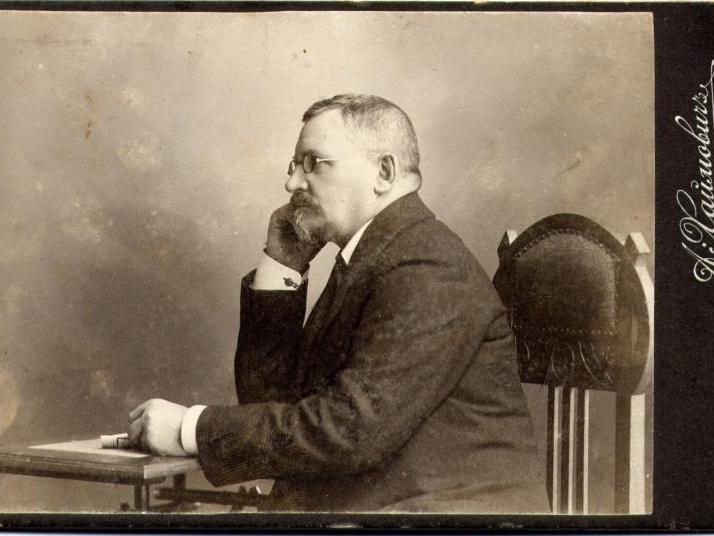
The name of Mikhail Dmitrievich Ruzsky (1864–1948) is one of the key ones in the history of Russian science. A professor at Tomsk University, he was a universal zoologist. His scientific interests covered a wide range of fields: hydrobiology, ichthyology, parasitology, ornithology, entomology — he was fascinated by many things.
It was he who laid the foundations for the systematic study of Siberia«s animal world, becoming the founder of the first scientific zoological school in the region. For his fundamental two-volume work titled »Ants of Russia,« Mikhail Ruzsky received a doctorate and a gold medal from the Academy of Sciences.
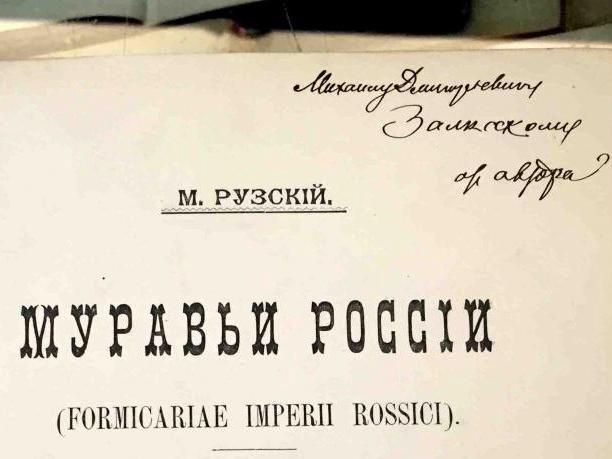
The scientist had a unique approach: he did not just describe species, but studied their ecology, geographical distribution, and complex social organization, which was revolutionary for his time.
In the 1920s, as a professor at Tomsk University, Mikhail Ruzsky was a frequent guest at the sanatorium in Karachi, where the elite of Russian science vacationed at the time. The scientist did not waste time: between health procedures, together with his wife and students, he conducted extensive research on the local flora and fauna. There, he assembled a colossal collection of insects, birds, mammals, reptiles, and fish, which was intended to become the benchmark for studying the region«s fauna.
«From 1926 to 1932, he studied the Baraba Steppe, and as a result of this study, he published the monograph »Zoodynamics of the Baraba Stepe«,» said Ruslan Bagirov, associate professor at the Department of Invertebrate Zoology at Tomsk State University and head of the Memorial Office of Professor Mikhail Ruzsky. «We still use this work because it is a comprehensive, multifaceted zoological work that covers all interrelationships of the animal world in one territory. It is still relevant today.»
Lost Irretrievably
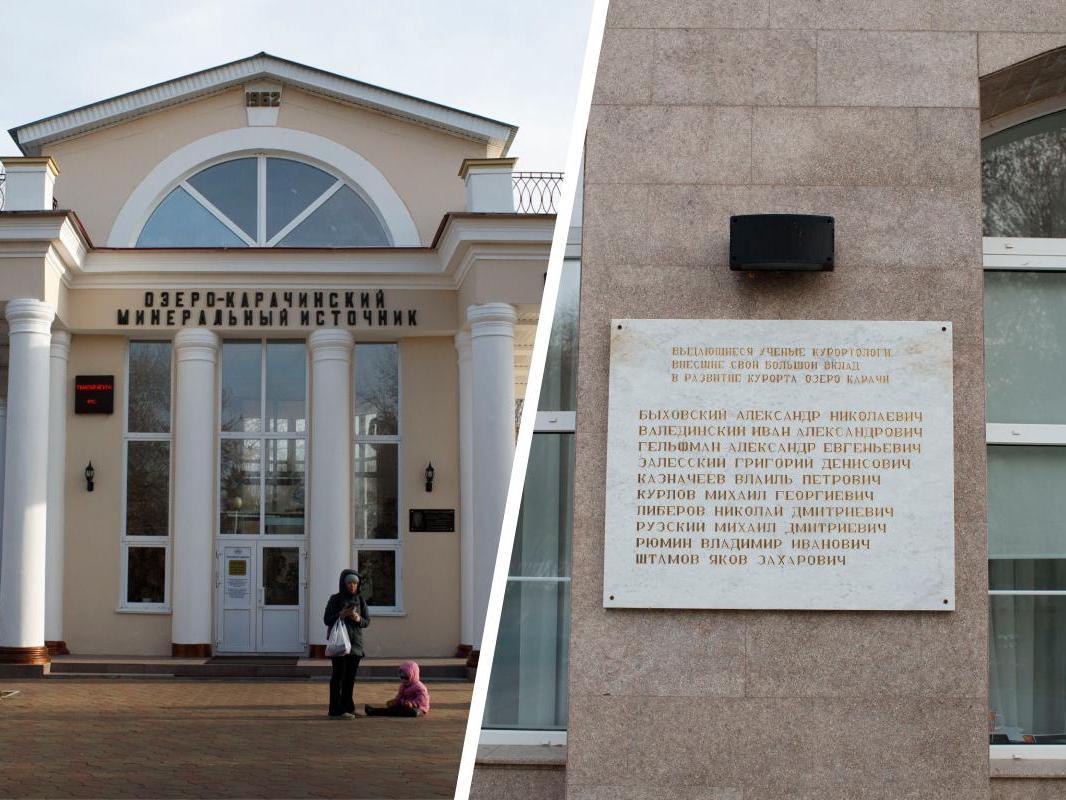
The collection was extensive. To house it and present it to the world, a museum was created right there in Karachi. In the 1930s, it was named after Mikhail Ruzsky.
«There was a separate building that was entirely dedicated to the museum. It had nothing about Ruzsky; it was all about the animal and plant world of the Baraba Steppe. Sometime from the 1960s to the end of the 1970s, the museum ceased to be maintained, and it gradually fell into disrepair. By the mid-1980s, a commission from our university determined that the collection was lost, and the museum officially no longer existed,» said Ruslan Bagirov.
A Real Miracle
Executive director of the Karachi Lake sanatorium, Vitaly Saits, said that the unique collection was discovered completely by chance. In 2014, when the resort got a new owner, boxes with entomological frames containing hundreds of insect specimens, and jars with preserved fish, reptiles, and animals were found in one of the basements.
«We decided to preserve this collection; the 1920s and 1930s are indicated there, all exhibits are signed. In the boxes, there are small bottles with frogs, fish, animals. Of course, we didn»t know what this collection means for the world of science. We know that Professor Ruzsky worked on the resort«s territory — well, many professors worked here who studied the flora, fauna, and secrets of Lake Karachi,» said Vitaly Saits.
In May 2025, for the 145th anniversary of the Karachi Lake resort, the management decided to make a film about the sanatorium«s history. The film crew working on the movie suggested emphasizing that »Karachi« is not only about rest and treatment but also about the unique animal world. Knowing that the famous entomologist vacationed here, the film»s director contacted Tomsk University to ask for props from the Memorial Office of Mikhail Ruzsky for the shooting. She also reported that insect frames dated to the 1920s–1930s and signed by Mikhail Ruzsky were found in the sanatorium.
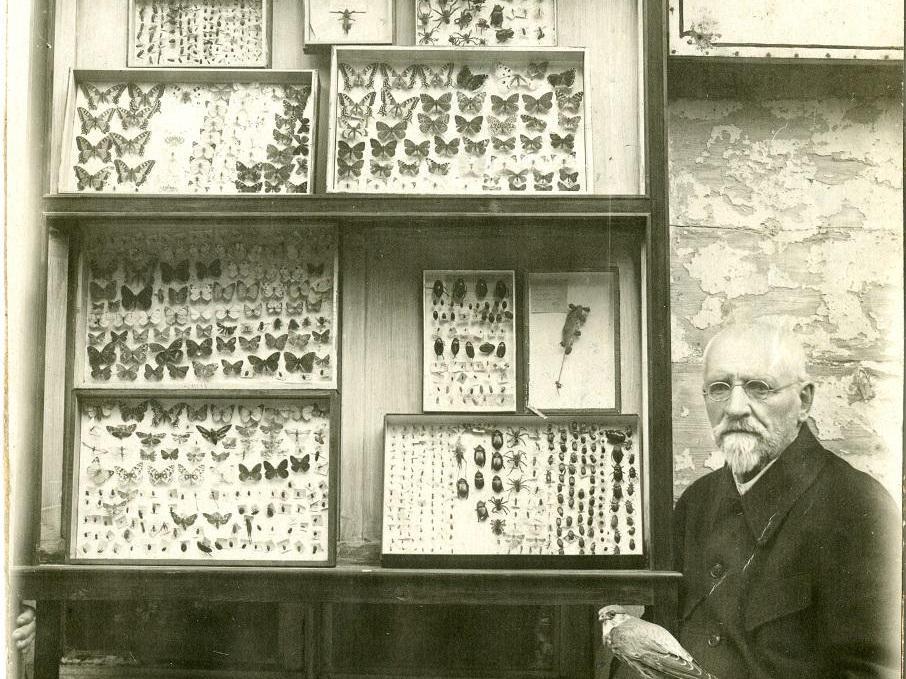
«For us, it was a real miracle. We have in the archives of Tomsk University a photograph with Mikhail Dmitrievich himself, where he is in front of a sign. We know nothing more about this museum; if a couple of exhibits remained, that was it. Thus, we found out that something from the collection actually survived,» recalls Ruslan Bagirov.
Subject to Eternal Preservation
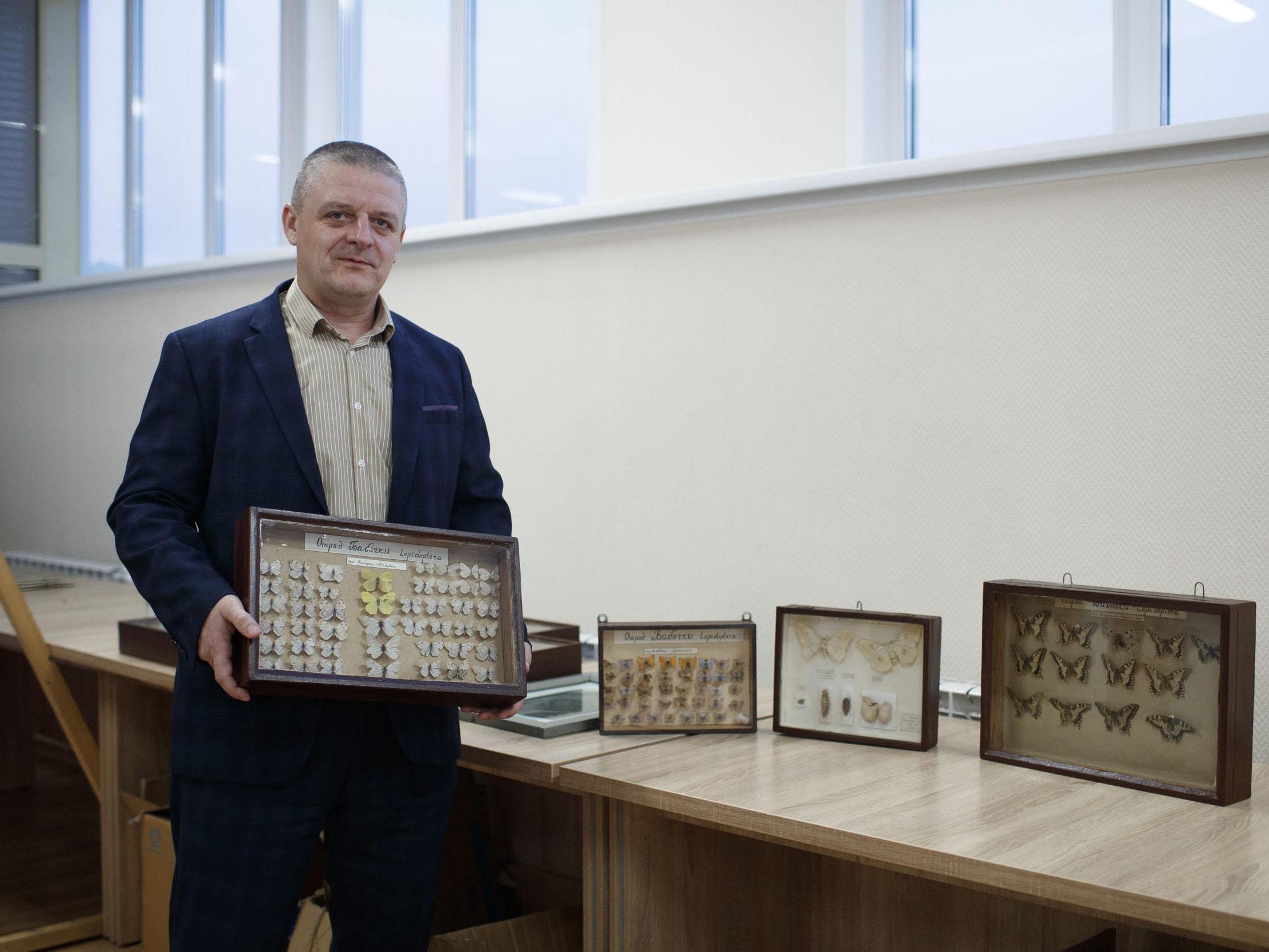
The insect frames were restored by specialists from the Institute of Systematics and Ecology of Animals in Novosibirsk, but some exhibits simply decayed due to time and not the most careful storage conditions.
Now, a zoological museum is being created at the sanatorium, which will feature the animal and plant world of the Baraba Steppe, and special shelves for exhibits are being made. Also, in the basements, cabinets from the last century were found, in which, apparently, these exhibits were previously stored. They were also restored and will take their place in the exhibition.
«We have one record-holder: he has visited our sanatorium 55 times. He remembers the sanatorium»s history from the 1960s, also covering the 1990s and 2000s, [when] there was complete devastation here. Since then, no one remembered the museum,« said Vitaly Saits. »Now we are working on making stands for the exhibits, we are acquiring stuffed birds and animals that roam in Novosibirsk region: bears, foxes, wolves — all this will be displayed for the guests of our sanatorium, and for all interested. By next spring, we will finish this project.«
For now, the collection of scientist Mikhail Ruzsky will be stored in Karachi. Ruslan Bagirov says that representatives of science have great interest in a detailed study of the collected specimens.
«This is very important material. There are not many scientific collections older than a hundred years, and they open up great opportunities for comparative analysis. Therefore, every specimen that has survived from that time is considered unique, valuable, and, in our deepest conviction, subject to eternal preservation, so that constant comparisons can be made with it,» explained Ruslan Bagirov, highlighting the significance of the find.
Unique, and sometimes shocking, finds in Novosibirsk region are not uncommon. But sometimes, the heritage of the past unexpectedly surfaces not due to the intervention of archaeologists, but under the influence of the elements. For example, in the region, there is a cemetery island where the river current erodes 200-year-old burials.