Irkutsk Scientist Predicts Decline in Solar Activity for 2026

Solar activity will decline in 2026. This was stated by the director of the Institute of Solar and Terrestrial Physics of the Siberian Branch of the Russian Academy of Sciences, Andrey Medvedev, at a press conference on January 22. According to him, no strong magnetic storms are expected this year, but isolated spikes are possible.
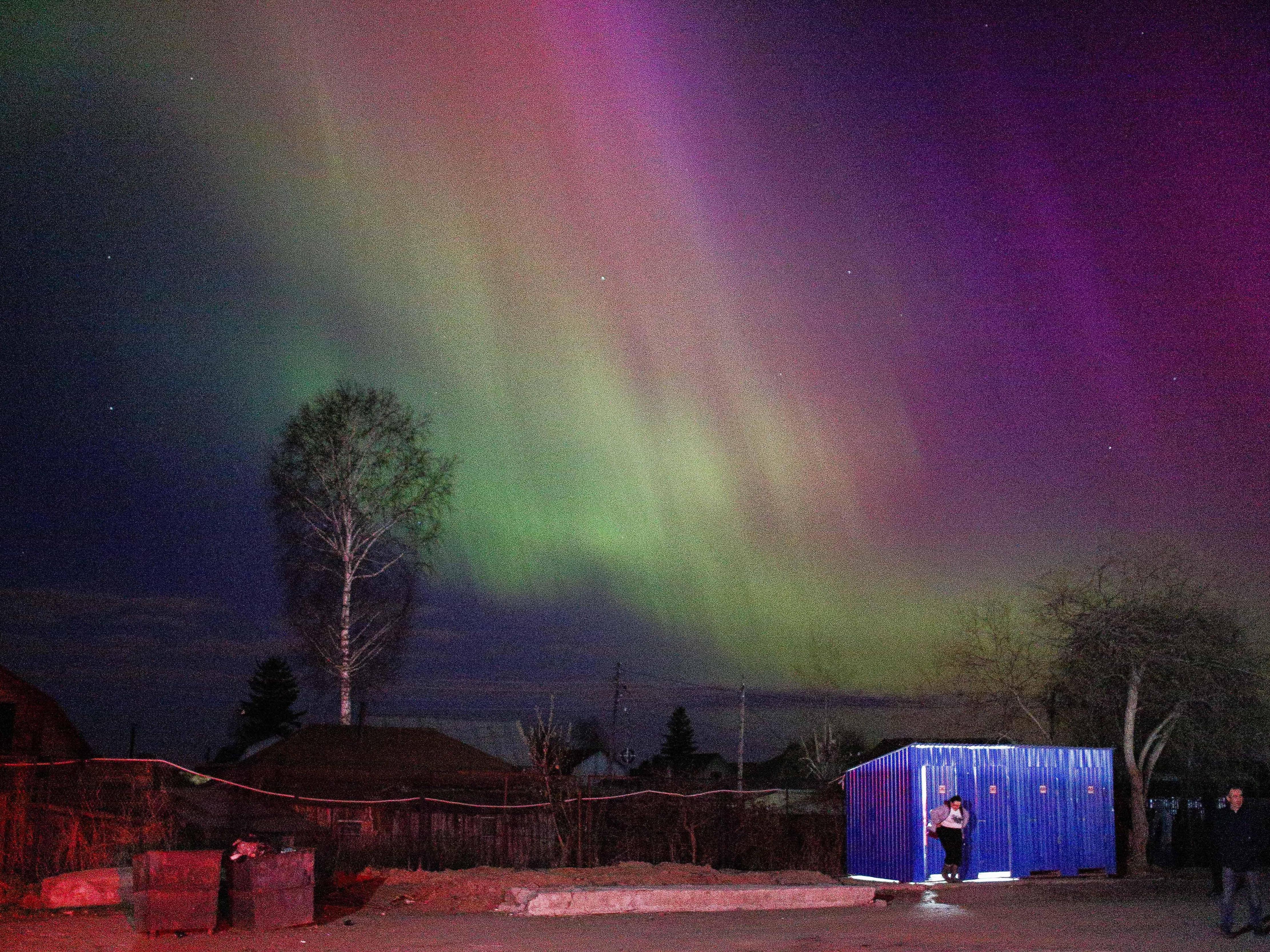
“The Sun is indeed calming down. We understand that activity is gradually fading away. Through comprehensive analysis of the May 2025 storm, we are discovering a qualitatively new state of the atmosphere. But there is nothing special in solar activity in this cycle, whereas the behavior scenarios of the near-space environment — they are largely unexpected. This is expressed, in particular, in the fact that auroras descend to low latitudes and become visible even in Irkutsk and further south,” said Andrey Medvedev.
He nevertheless noted that at the end of a solar activity cycle, there are always individual local very strong events, but overall it is declining.
“But, for example, in the cycle before last, there was nothing at all. Such silence, such gloominess. And in the next cycle or even in a year, we expect an extremely active event, which will also be interesting to observe. Similar to the one that ended yesterday,” added Andrey Medvedev.
Recall that on January 19, a flare occurred on the Sun, accompanied by a large plasma ejection directed towards Earth. The impact occurred in the early morning, and a magnetic storm of level G4.7 happened.
On the evening of January 20, many residents of the region could observe a bright aurora in the sky with the naked eye and shared stunning photos on social media.