Bone Patches, Fertility Mesh, and 'Cold' Electricity: Top Developments from Tomsk Scientists
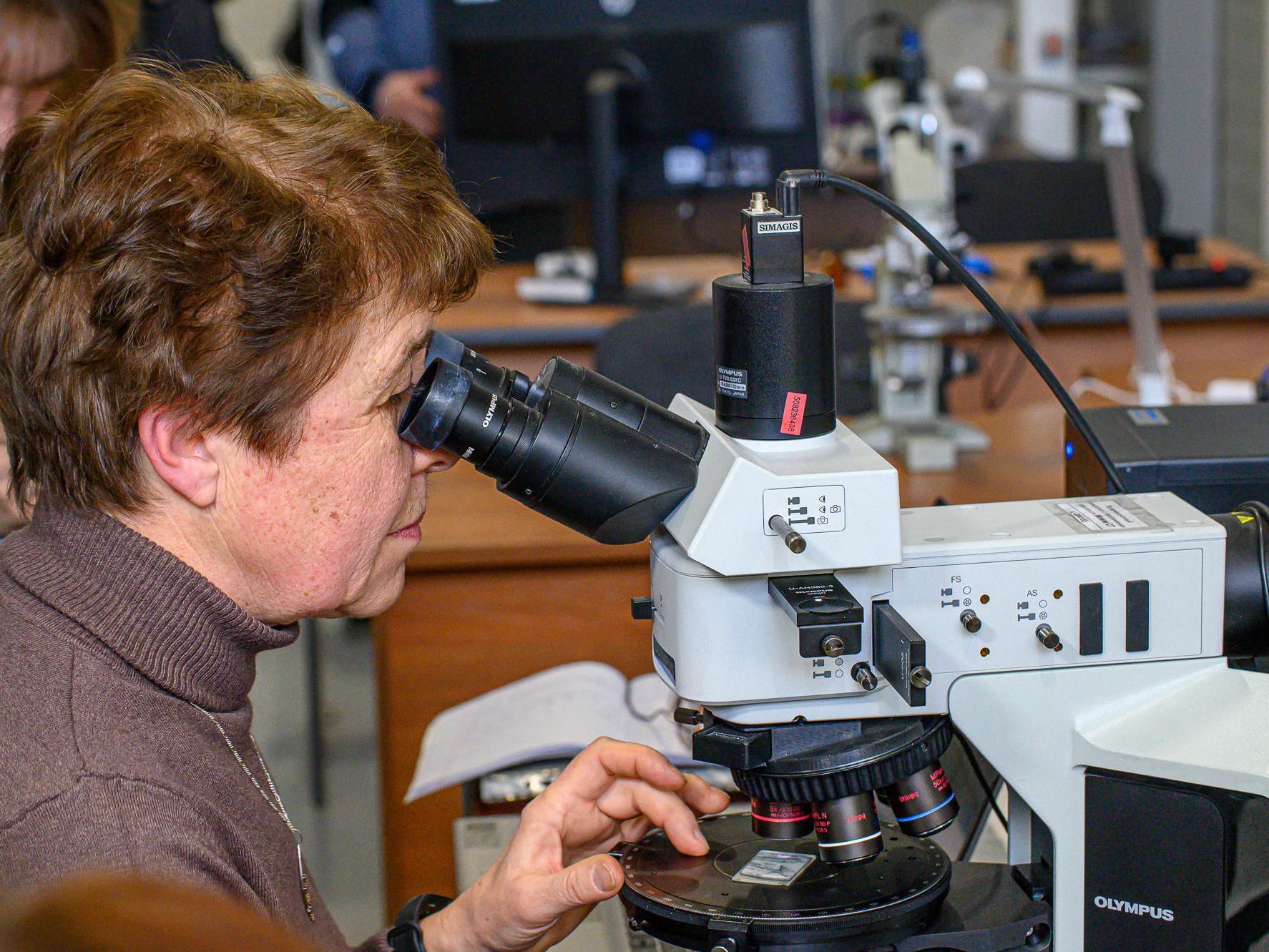

In 2025, Tomsk scientists worked hard and made important discoveries not only for domestic, but for global science. The most outstanding (in our editorial opinion) developments of the past year are detailed in this NGS70.RU article.
Cell Incubator
Scientists from the Siberian State Medical University (SibSMU) learned how to grow tissues directly inside the body. They achieved this success with their new development — a bioengineered macro-capsule.
Such a capsule is attached to a vascular-nerve bundle and protects the implanted cells from external influences, while also promoting the ingrowth of blood vessels.
The success of the technology, according to the scientists themselves, lies in mastering the process of vascularization. That is, blood vessels, which deliver nutrients and oxygen to the new cells, can form directly within their macro-capsule.
The scientists« development, which is already being successfully tested on laboratory animals, will help treat diabetes, injuries, and congenital defects in people.
Protection for the Visually Impaired from Scammers
Even people with 100% vision cannot tell a real link from one that will lead them to a phishing website run by scammers. It«s even harder for those with vision problems, who simply cannot see that something suspicious is in front of them.
For the latter, scientists at Tomsk University of Control Systems and Radioelectronics (TUSUR) developed a whole application. When scanning NFC tags and QR codes, it will inform a visually impaired user whether a site is safe or not.
The application is currently being tested, with its full launch planned for 2026.
Mesh for Carrying Children
Another medical breakthrough, with no analogues worldwide, was made by Tomsk scientists. Their development will allow women with cervical cancer to successfully carry and give birth to a child.
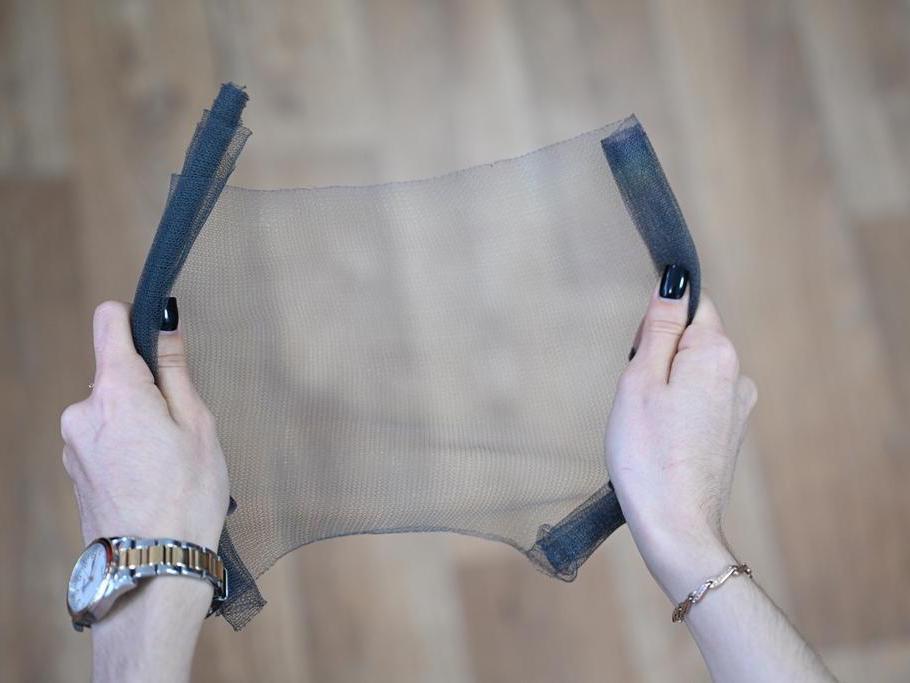
Scientists at Tomsk State University (TSU), together with oncologists, conceived a metal mesh. It is installed in women diagnosed with stage one or two cervical cancer. The implant takes the place of the removed cervix and adjacent organs, grows along with the uterus, and helps the patient carry the child.
Due to its elasticity, the mesh can stretch and adapt to changes in a woman«s body. It does not restrict the natural growth of the fetus, as it does not form a »rigid frame,« but gently replicates and supports the tissues.
As of September 2025, thanks to the mesh, 28 children have been born — 17 boys and 11 girls.
X-ray for Radiation
The peak of nuclear energy and defense industry development in our country occurred during the times of the USSR and Russia from the mid-20th century. Because of this, modern scientists continue to find large volumes of historically accumulated radioactive waste (RAW).
They find it in so-called packages. To find out what was inside, scientists had to open them. This not only increased the time for certification but also led to the generation of secondary waste.
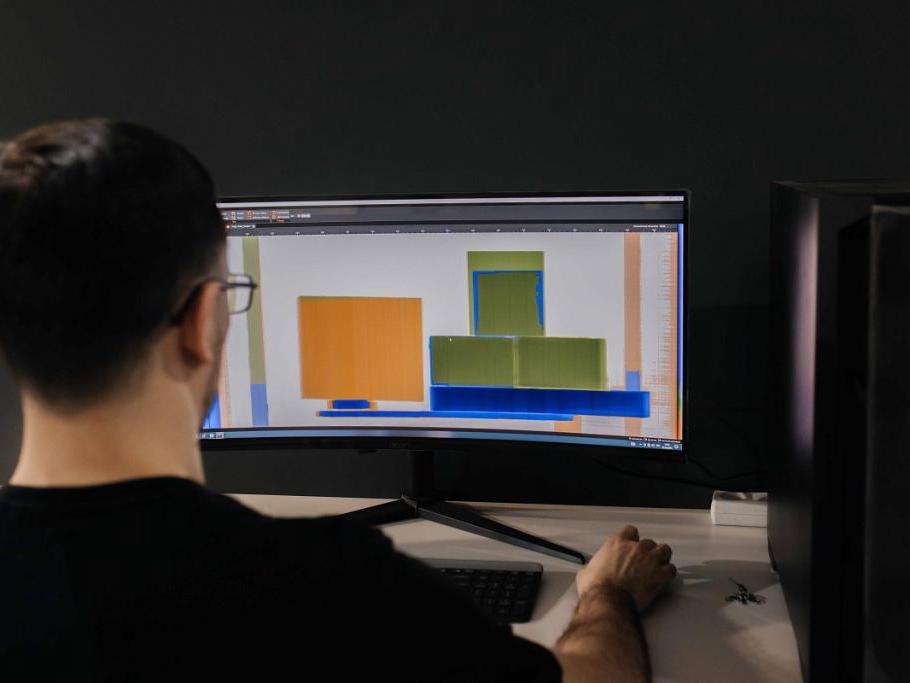
To save time and care for the environment, scientists at TPU created the world«s first »X-ray machine« for containers with radioactive waste. This machine allows seeing the contents of a RAW package without opening it.
The installation works on the principle of airport security screening systems. First, X-rays scan the waste container, then a tomograph determines the morphology of the contents (organic material, metal, plastic, liquid, etc.) and highlights it all in different colors on the final image.
Bone Patches
Chemists from TSU together with colleagues from Iran developed a new method for treating osteoporosis in 2025 — a disease where bones become brittle and fragile. For this, the scientists created a multilayer biomaterial that is implanted into the body, covers a defect on the bone, and slows the progression of the disease.
The active substance is zoledronic acid. In large quantities it is harmful, but with the correct dosage it slows bone destruction.
The acid is «packaged» in special molecules and attached to bioglass — a safe material compatible with the body. All this is applied to a polymer base printed on a 3D printer. Such a complex is safe for humans and helps bones regenerate.
Power Plant Creating Electricity from «Cold» Water
Usually, to get geothermal energy, water hotter than 150 degrees Celsius (302°F) is needed. The liquid turns into steam, which spins turbines and generates electricity. Scientists at TPU created and launched Russia«s first eco-friendly power plant that runs on »cold« water — not hotter than 60 degrees Celsius (140°F). Even former oil and gas stations are suitable for the plant»s operation.
At the end of 2025, the plant was launched in test mode in the settlement of Bely Yar. Over the next six months, scientists will test in practice that the device can work effectively and without failures in autonomous mode, provide stable and uninterrupted energy, and withstand abnormally frosty weather.
Scientists assure that in regular operation, the cost of a kilowatt of such «cold» electricity will be no more than five rubles (about $0.06 at current rates). At the same time, the actual cost of a kilowatt from standard sources in northern territories ranges from 40 to 1500 rubles (about $0.47 to $17.70).