Baikal's Ice Period Shortens, Freezing Later and Thawing Earlier
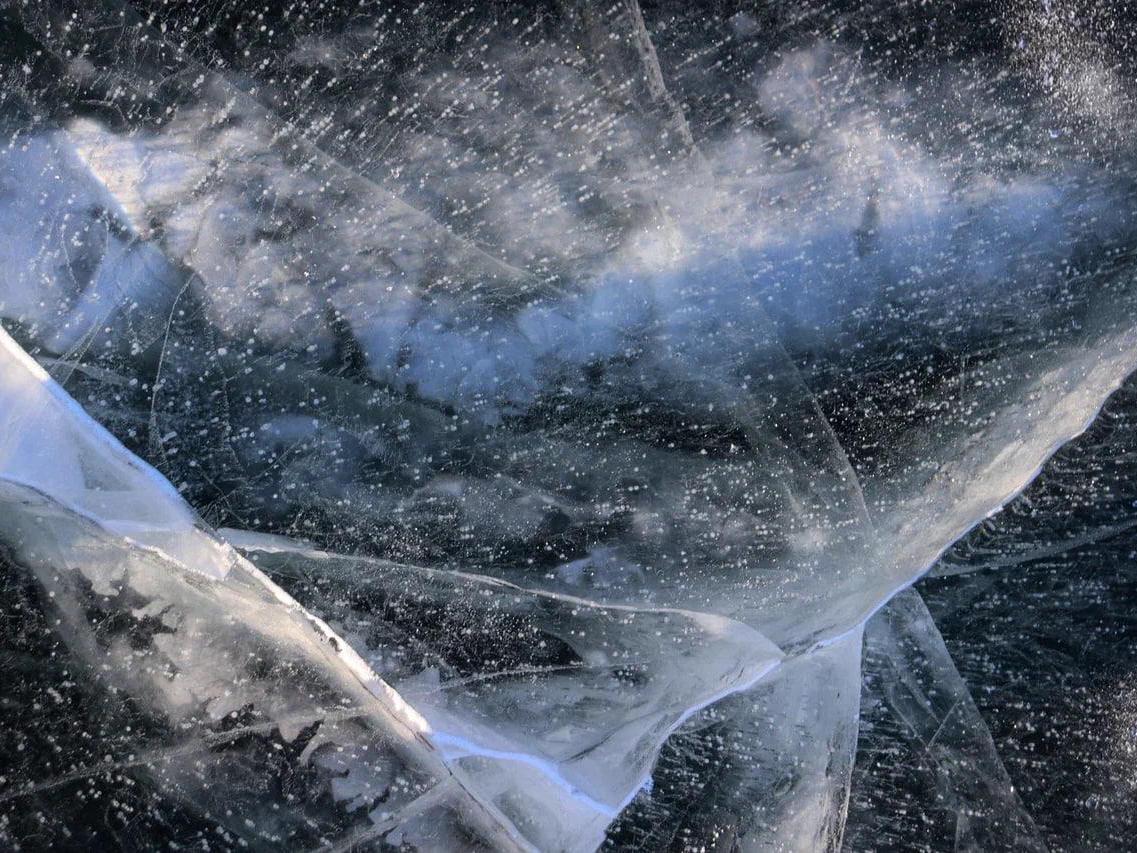

The ice period on Lake Baikal is becoming shorter—the lake freezes later and thaws earlier than it did several decades ago. These changes are now persistent and directly linked to global climate shifts. This was discussed by Maxim Timofeyev, Doctor of Biological Sciences and Director of the Institute of Biology of Lake Baikal at Irkutsk State University (IGU), in his social media posts.
According to him, over the past half-century, the total time Baikal spends under ice has decreased by an average of one to two weeks. These changes are scientifically recorded and are considered a direct manifestation of global climate change.
The shortening of the ice period affects key processes in the lake«s ecosystem. Ice is essential for the reproduction of the Baikal seal, as well as for the winter under-ice peak of phytoplankton blooms—microalgae that form the basis of the entire food chain. Reducing this period means a decrease in the volume of primary organic matter by millions of tons, which could lead to serious and as yet hard-to-predict ecological consequences.
Residents of lakeside villages are also feeling the changes. In settlements without road access, such as Bolshiye Koty, the ice crossing remains the only way to reach the «mainland» in winter. Until Baikal freezes over, the villages are effectively isolated: ships do not run, and winter ice roads are not yet open.
Note that Baikal is only just beginning to freeze over completely. The severe frosts that have set in the Irkutsk region in recent days led to the lake freezing over in the area of the village of Kultuk on the night of January 19. Meanwhile, in the area of the village of Bolshoye Goloustnoye, incomplete ice cover is observed, and in the Listvyanka area, a patch of open water remains, with ice forming along the shores in places.