Yekaterinburg Housing Transformation Over 10 Years
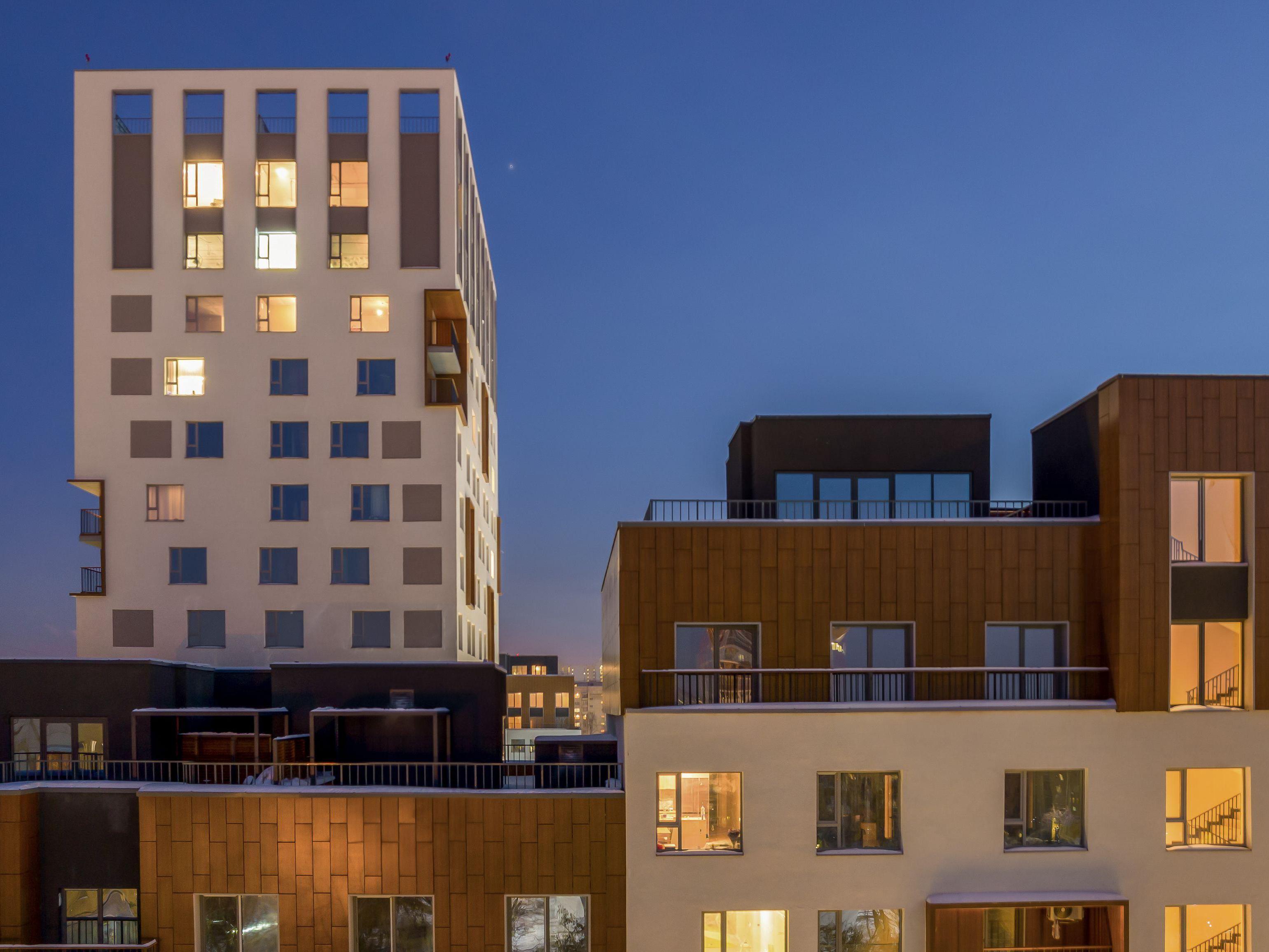

Brusnika«s signature architectural style is recognized not only in the Urals.
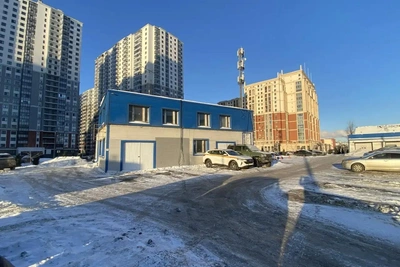
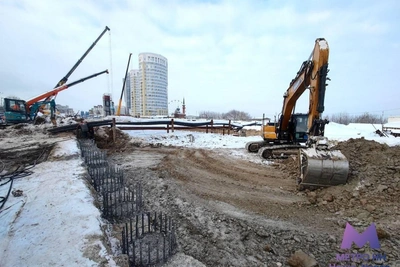
The «2016/2026» trend is booming on social media: everyone is remembering how they«ve changed over 10 years. Brusnika hasn»t stayed aside and has also looked into its photo archives. Yekaterinburg is a city with diverse architecture, a strong school, and thoughtful consumers. Here, the signature style was honed, by which Brusnika is recognized not only in the Urals. In 2016, homes were already completed in Sukhodolsky on Shirokaya Rechka and in Kamenny Ruchey on Ukus. What has changed since then? Brusnika has illustrated it clearly.
Architecture
In 2016, facades lacked the plasticity characteristic of them now. Since then, projects have included balconies, terraces on the first floors and roof. Moreover, the company developed a unified strategy for glazing summer spaces and began using architectural concrete.
Entrances
In 2016, the entrance was a transit zone, and the apartment threshold was a strict boundary separating this space from what residents called home. Now, when designing common areas, the company applies principles typical of residential interiors. Walls feature paintings and mirrors, floors have plants in pots and rugs. Plus textiles, decorative items, and soft furniture.
Over 10 years, technological changes have also occurred in entrances. For instance, some buildings now have smart handles installed. They allow entry into the apartment using a fingerprint, PIN code, or NFC tag in a phone or watch.
Parking
Concrete walls, cold white light — that«s what resident car owners saw 10 years ago. The entrance as a common area didn»t exist for them: from the parking, the elevator took them directly to their apartment. Realizing this, the company decided to rethink the approach to decorating the underground floor and turn it into a welcome zone similar to the lobby.
Utilities, which were previously just gathered under the ceiling, were painted black to make them less noticeable. Cold lighting was replaced with warm interior lighting. Phytoboxes with plants and decorative partitions were added, allowing the parking space to be zoned, making it human-scaled.
Courtyards
In 2016, Brusnika«s architects considered the area occupied by plants, but not their volume — greenery was present, of course, but it was insufficient. Over time, the landscape in projects became multi-level, with tall trees, shrubs, and grasses, and their selection began to account for the flowering calendar. Ordinary benches gave way to gazebos and soft furniture, and projects now include art objects, artificial streams, rain gardens, and insect hotels.
Over 10 years, the approach to equipping children«s playgrounds has also changed.
The company moved away from artificial surfaces in favor of natural ones, said «no» to colorful houses and «yes» to abstract wooden elements. They made the landscape part of the play scenario and started installing columns near sandboxes so children can experiment with water.
Layouts
If in 2016 all layouts were identical, now there«s a more complex strategy regarding them. First and last floors are allocated for unusual lots: two- and three-level options, with separate entrances, double-height spaces, and terraces. Starting from the third floor — conditionally standard apartments. Conditionally, because they are different.
To see the product evolution clearly, visit the public company photo archive. And to choose an apartment — on the website.
Developer: Brusnika LLC. Southern Quarters, project declaration on the website nash.dom.rf. Shishimskaya Gorka, project declaration on the website nash.dom.rf. Depot Quarter, project declaration on the website nash.dom.rf. Northern Quarter, project declaration on the website nash.dom.rf.