Not for Peeping: Why Old Apartments Had a Bathroom-Kitchen Window
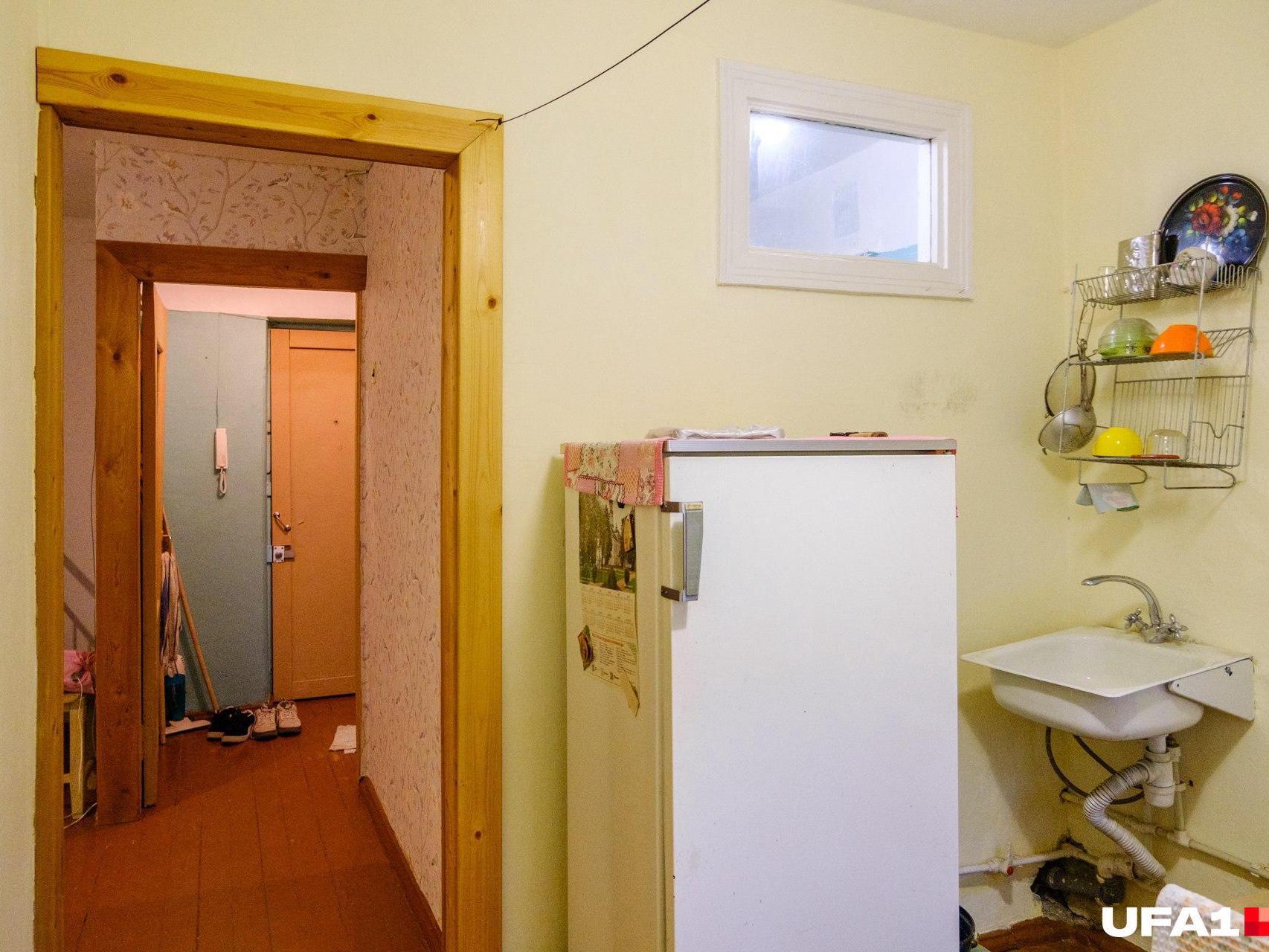

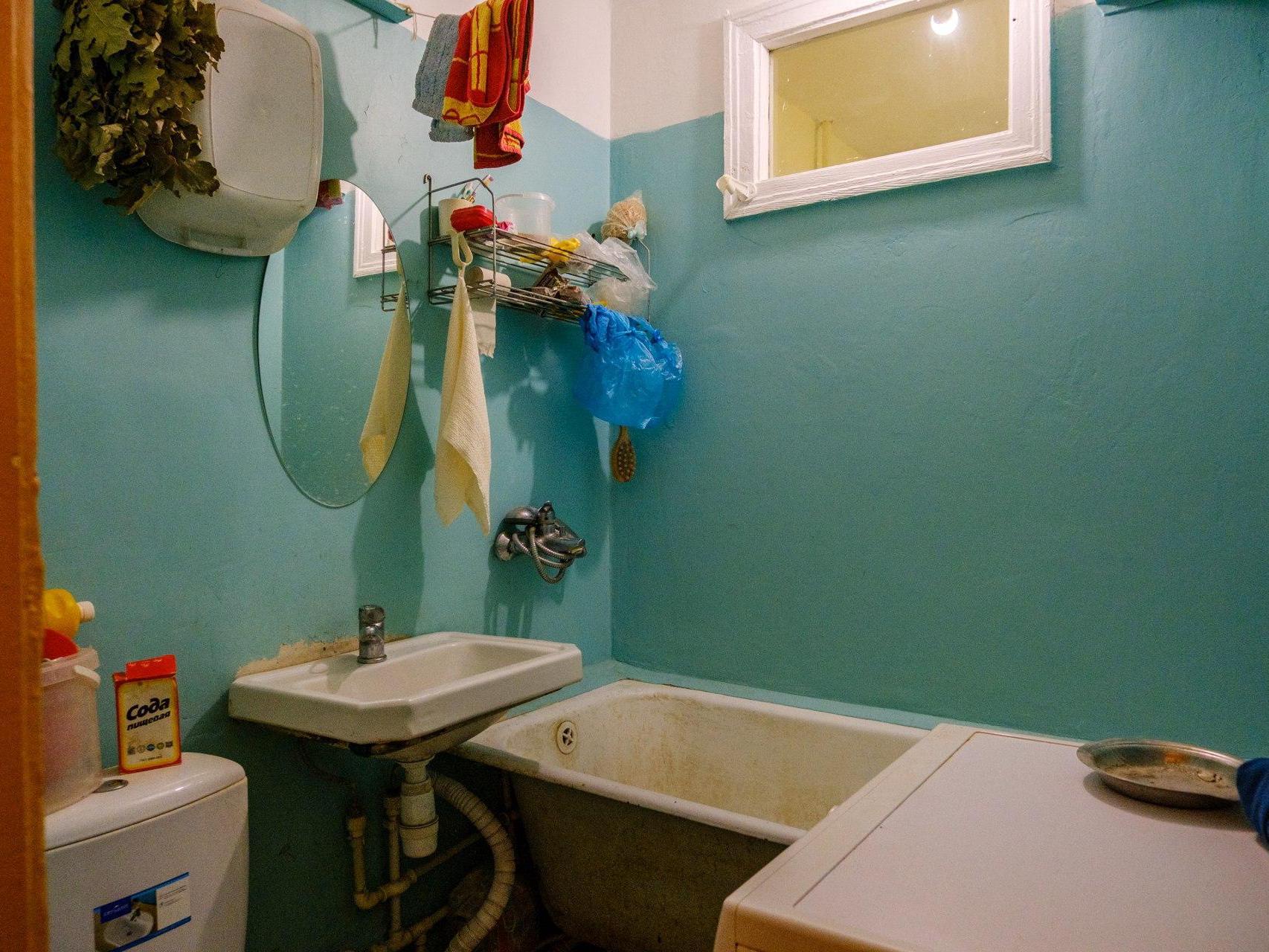
Anyone who has ever been inside a Khrushchev-era apartment block, a Stalinist building, or a pre-revolutionary house has likely noticed a small window in the wall between the bathroom and the kitchen. Its presence automatically raises the question: why is it even there? We tried to find the answer with the help of architects from Yaroslavl.
«Back then, different things happened»
The first chief architect of Yaroslavl, Arkady Bobovich, suggested that this architectural feature might have been implemented for safety reasons.
«In case the electricity suddenly went out. After all, back then, different things happened. Thanks to the light from the kitchen window, the bathroom wouldn»t be plunged into total darkness. Possibly because of that,« said Arkady Bobovich.
Architect Ilya Klyagin from Yaroslavl also assumed that the primary reason for these windows between the bathroom and kitchen was lighting.
«Insolation, obviously, has nothing to do with it because direct sunlight couldn»t reach there. But illumination was required,« said Ilya Klyagin.
That is, light could enter the bathroom from the kitchen. This included electric light. With a lamp switched on in the kitchen, the bathroom became even brighter. The same principle worked with natural daylight in the apartment.
«Ventilation doesn»t make sense«
Online theories also suggest the window could have served an additional ventilation function. The idea is that after bathing, one could air out the room, and excess moisture would evaporate into the kitchen. However, Ilya Klyagin expressed doubts about this theory.
«I»ve never once seen an opening little window. They were all fixed. So ventilation doesn«t make sense. Moreover, there»s always a ventilation duct in the bathroom. So there«s simply no point here. On the contrary, drafts carrying unpleasant odors from the bathroom or toilet into the kitchen were, in theory, blocked by this fixed window. And ventilation with natural draft was quite good in Soviet houses,» the architect said.
According to him, wooden-framed windows in apartments were not airtight. Due to gaps in the sashes, outside air would enter the apartment as an additional supply.
«So it wasn»t even a planned air intake like that. And each room—the bathroom, the kitchen—had its own ventilation duct. Of course, theoretically, this little window could have been made to open, but it was always made fixed. Especially if the bathroom was combined. Even according to the norms, this window couldn«t be made opening,» said Ilya Klyagin.
Another suggestion from the architect relates to safety. Theoretically, if someone got locked inside the bathroom, the window could have been an escape route. However, this version is also questionable.
«Since the windows there are rather narrow. In my opinion, it»s easier to break down the door than to escape through this window,« said Ilya Klyagin.
What about the wall refrigerator
Another peculiar feature of Soviet-era houses is the wall refrigerator. These are openings beneath kitchen windows, covered with wooden doors.
Arkady Bobovich suggested that such refrigerators appeared in apartments due to a shortage of household appliances.
«Probably, it was out of poverty. In Khrushchev»s time, refrigerators were sold very rarely. People stood in line for years to buy one. This was like a temporary phenomenon, a niche [for food] like that,« said Arkady Bobovich.