New Construction Market in 2026: Expectations and Trends
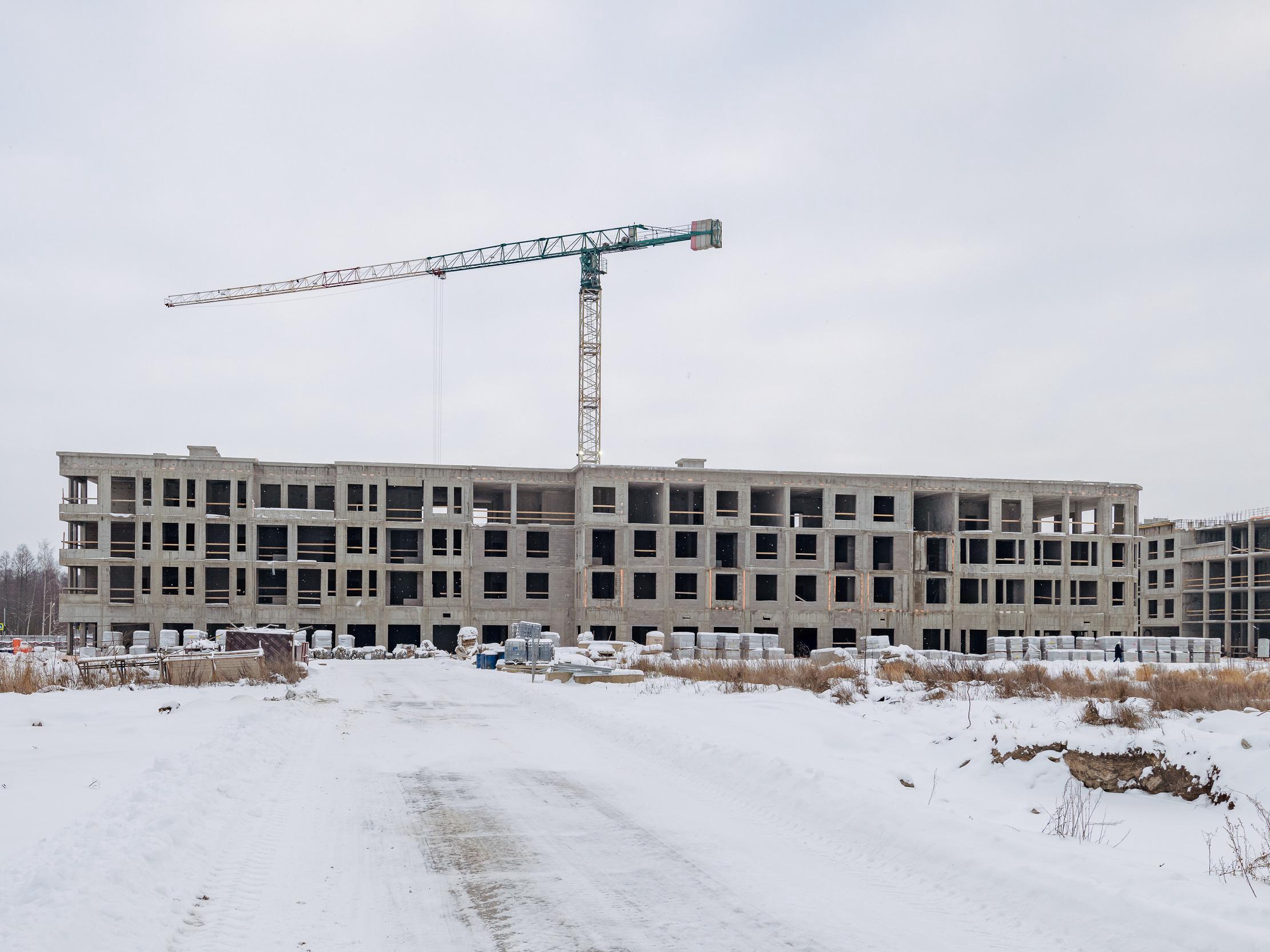

According to ERZ.RF, in 2025, developers in Russia reduced the launch of new multi-apartment housing projects by 17% compared to the previous year. Such caution is linked to the desire to balance supply and demand in the market.
Commercial Director of Alkor Group (GK Alkor) Alexei Bushuev notes that the market has begun to gradually stabilize thanks to a more balanced approach by developers to launching new phases.
St. Petersburg became an exception to the nationwide trend. Here, the volume of new project launches over the year increased by 7%. From January to December 2025, 105 new projects started in the city, equivalent to 42.7 thousand apartments with a total area of 1.75 million square meters.
«Developers acted cautiously: the pace of launching new projects slowed down, which helped balance supply and demand,» says Alexei Bushuev. «At the same time, it is important for developers to maintain a stable volume of construction — this allows them to keep teams busy and plan further development.»
In 2025–2026, the market will primarily see projects whose preparation began several years ago — with already obtained construction permits and calculated economics. For example, Alkor Group plans this year to begin construction and open sales of a new building in the low-rise quarter «Kronfort. Central» in Kronstadt. «The format is suitable both for permanent residence and for vacation or investment,» notes Alexei Bushuev.
Experts believe that in 2026, the most stable will remain the segment of mass housing in sought-after locations. Comfort-class projects with a well-thought-out environment and infrastructure will maintain demand even with cautious buyer behavior, while conceptually weak projects will lose attractiveness.
An additional stimulus for the market could be a possible reduction in the key rate in the medium term. Developers hope that the easing of monetary policy will activate deferred demand for housing.
«Projects that enter the market in 2026 could become the first wave to meet this demand. With a reduction in the key rate to around 12%, when market mortgages become more accessible, developers will be able to flexibly adjust sales and pricing policies, restart installment plans, trade-ins, and subsidized rates,» believes Alexei Bushuev.
According to him, the readiness to quickly respond to changes in demand will become one of the key competitive advantages of developers in the coming years.