How to Choose a Land Plot to Prevent Building Problems
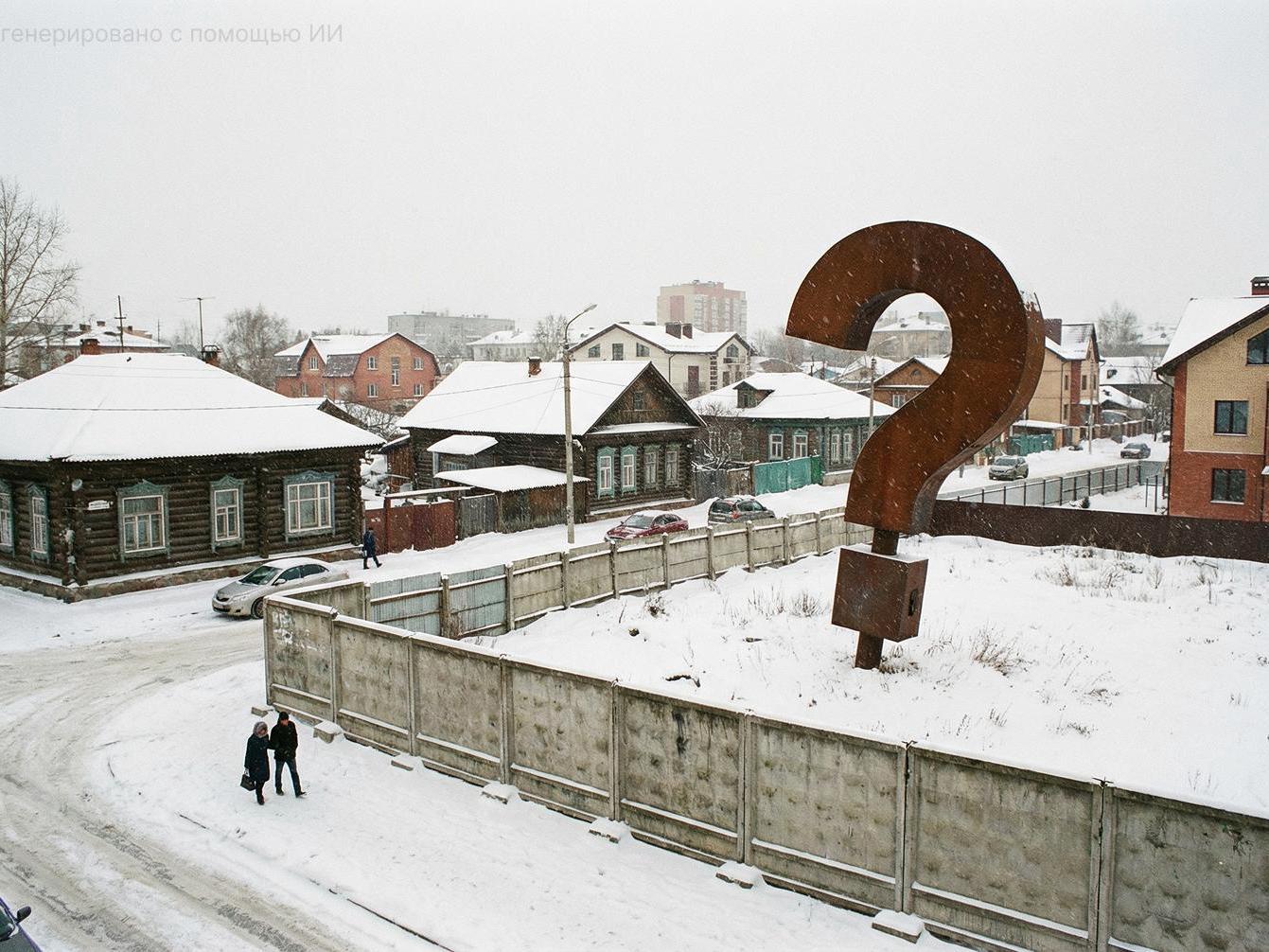

Building your own house is a responsible and costly undertaking. Mistakes here can lead not only to financial losses but also to legal problems if, for example, it turns out that you had no right to build anything on your own plot.
Pavel Chernov, director of the company Kadastr-Pro, helped our colleagues from E1.RU compile instructions for those scouting land: which documents to check and what to pay attention to when buying to avoid unpleasant surprises.
«You need to check everything. Broadly speaking, this applies not only to land. It doesn«t matter what you»re buying—especially if it«s some expensive purchase, you need to understand that there are risks everywhere. When people buy a car, most do a check: take it to a service center, call their own specialist. But land plots, for some reason, few people check so carefully,» the expert notes.
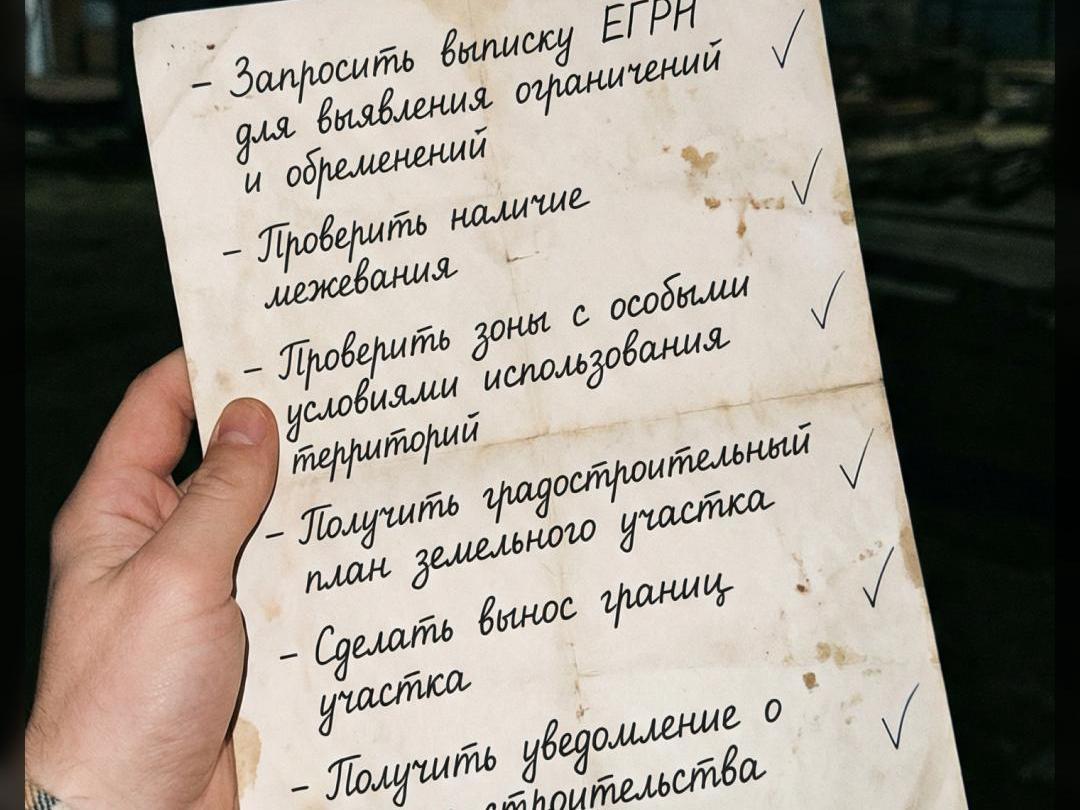
According to him, the first warning sign can be an excessively low land price. In current realities, a price tag below 100,000 rubles (approximately $1,100 at current rates) per hundred square meters is a reason to think twice and check all documents even more carefully. In the infographic below, we list the main points of the land checklist.
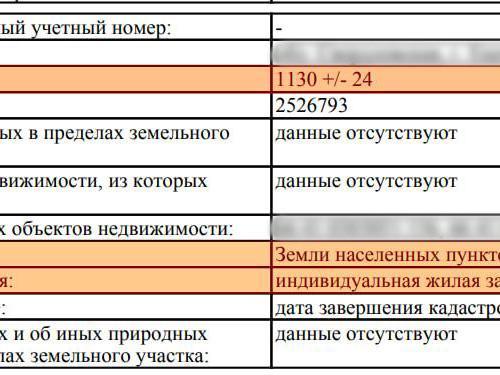
As with buying an apartment on the secondary market, you can start by studying an extract from the Unified State Register of Real Estate (EGRN). This document can show the presence of restrictions and encumbrances on the plot, provide information on the land category and permitted use type, as well as whether land surveying has been conducted.
Land surveying is a complex of cadastral works to establish, restore, and secure the boundaries of a plot. From 1 March 2025, in Russia, you cannot register ownership of a plot and capital construction objects if land surveying has not been conducted on the land.
But the main document, when it comes to land and plans for its development, is the urban development plan of the land plot (UDP). You can request it through Gosuslugi, the local administration, or a multifunctional center. If the seller refuses to order the document—that«s also a reason for concern.
Only from this document can you find out which territorial zone the plot belongs to (only two are suitable for building a residential house: the gardening zone and the individual housing construction zone), as well as check for the presence of zones with special conditions for the use of territories (SCUT).
«The UDP will show whether the plot can be used in accordance with the person«s goal: to build, for example, a house, a store, or a car service center. In the UDP, all this will be written out, and the scheme will show places where construction can be carried out,» the expert explains.
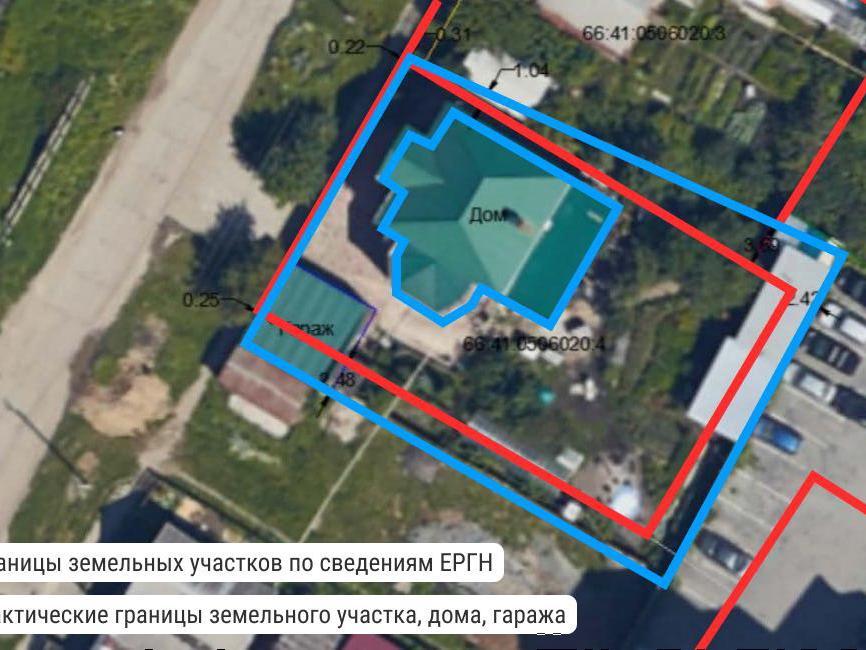
Boundary marking is also an important stage. A cadastral engineer conducts on-site measurements to check if the plot«s boundaries, recorded in the documents, match the actual ones, for example, with the fence. If there are discrepancies, land surveying will need to be corrected. But problems may also arise that will have to be resolved in court, and it»s not a fact that the issue can be settled. Therefore, this point should be checked especially carefully before purchase.
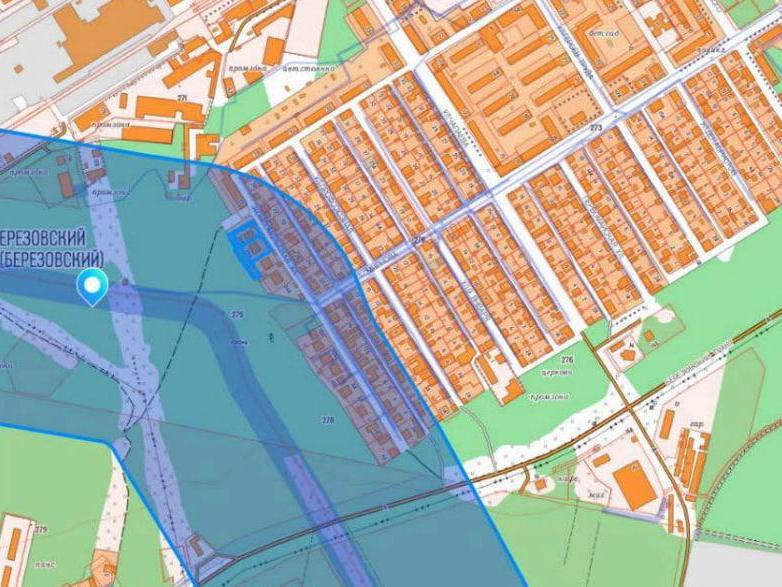
As for SCUT, this point can become the most critical. Even if your plot is in the individual housing construction zone and all its boundaries are in order, building a house will be impossible if it entirely or partially ends up in a protection zone.
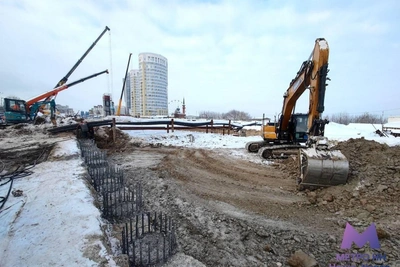
We told the story of a mother of many children who received land from the state and found an ownerless gas pipeline there. Due to its protection zones, the construction process came to a long halt.
This could be a sanitary protection zone of industrial enterprises, a zone of railway tracks, water bodies, gas pipelines, power lines, and more. And these zones are becoming increasingly numerous.
«Currently, only a part of the protection zones of various networks is registered. Until 2030, under a presidential decree, a program is underway to bring the entire register into compliance, meaning many zones are only just being registered,» warns Pavel Chernov.
The expert also explained what to do if your house has been standing on a plot for decades, and a sanitary protection zone has later been imposed on it.
«For already existing buildings, this changes nothing. The introduction of a protection zone does not mean that someone must move or demolish the house; everything remains as it was. But new construction and reconstruction of existing buildings will already be prohibited. Relatively recently, a law was introduced under which owners will be notified about the registration of new protection zones through notifications on Gosuslugi. And that«s good, because before everyone was in the dark: how to view them, where, whether the entire plot is suitable for development or only a part,» says Pavel Chernov.
When you have checked all documents, made sure that the plot suits you, and bought it, you must notify the local administration of your further plans by sending a notification of the start of construction and obtaining approval.
«I would advise obtaining a notification of the start of construction even before buying the plot, by asking the previous owner to do so, and then re-registering the document in your name. An already obtained notification minimizes risks as much as possible and has legal force for ten years. Even if some protection zones appear during the processing of the land purchase transaction, it will still be possible to build,» advises Pavel Chernov.