How Elite Housing Changed in Barnaul from the 1990s to 2020s
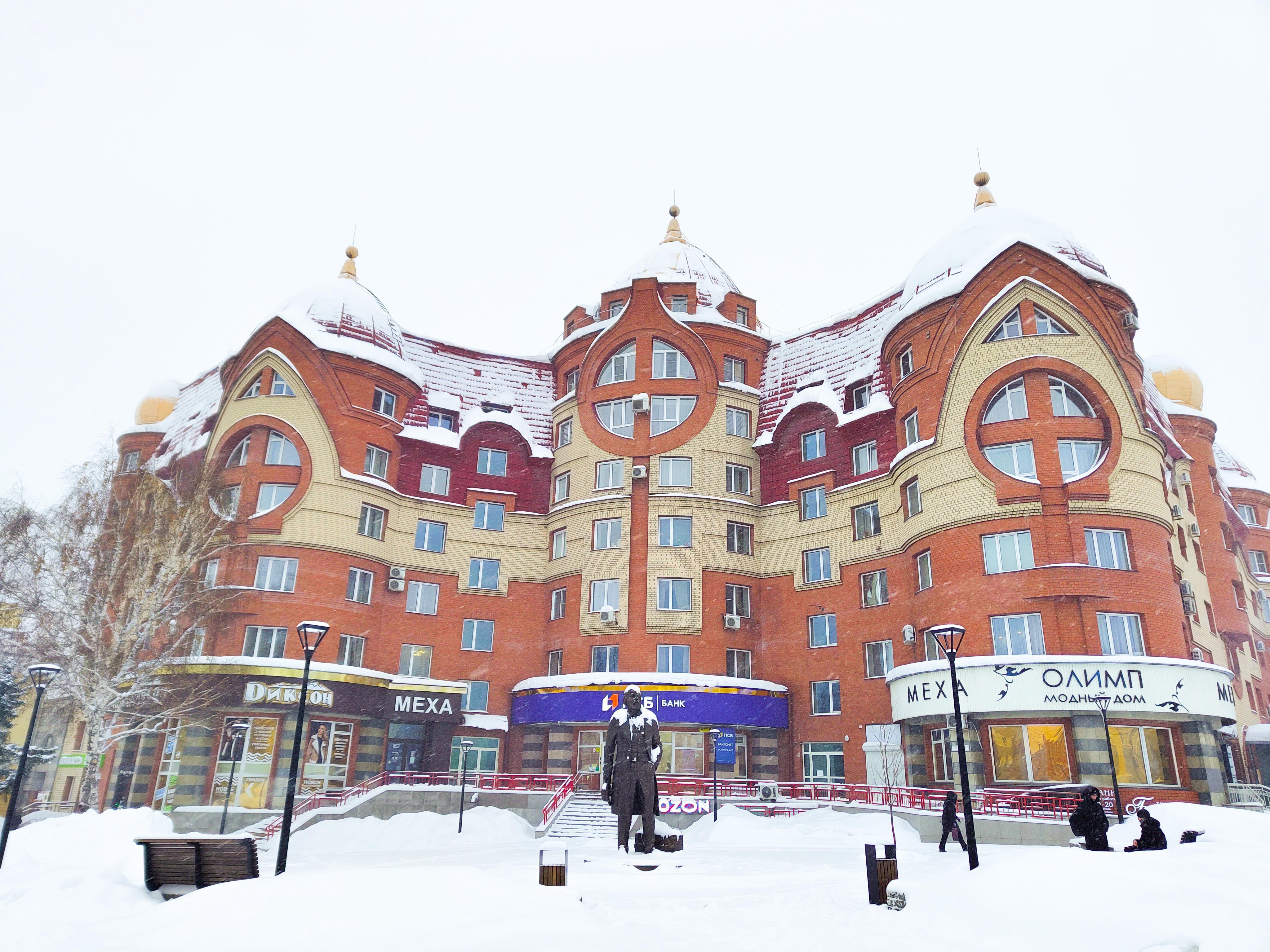

The emergence of the elite housing market in Barnaul became a new milestone in the city«s development. In the 1990s, apartment buildings with higher ceilings, enclosed courtyards, and underground parking began to appear here, standing out from the ubiquitous five-story blocks.
Since then, the approach to construction has changed, new materials have appeared, and affluent buyers have become even more demanding about comfort. Who lived in Barnaul«s first elite homes and how the real estate market for wealthy segments has evolved over time — read in the extensive analysis by NGS22.RU.
All apartment buildings and residential complexes mentioned in this publication are located in the quiet center of Barnaul.
The 1990s: How It All Began?
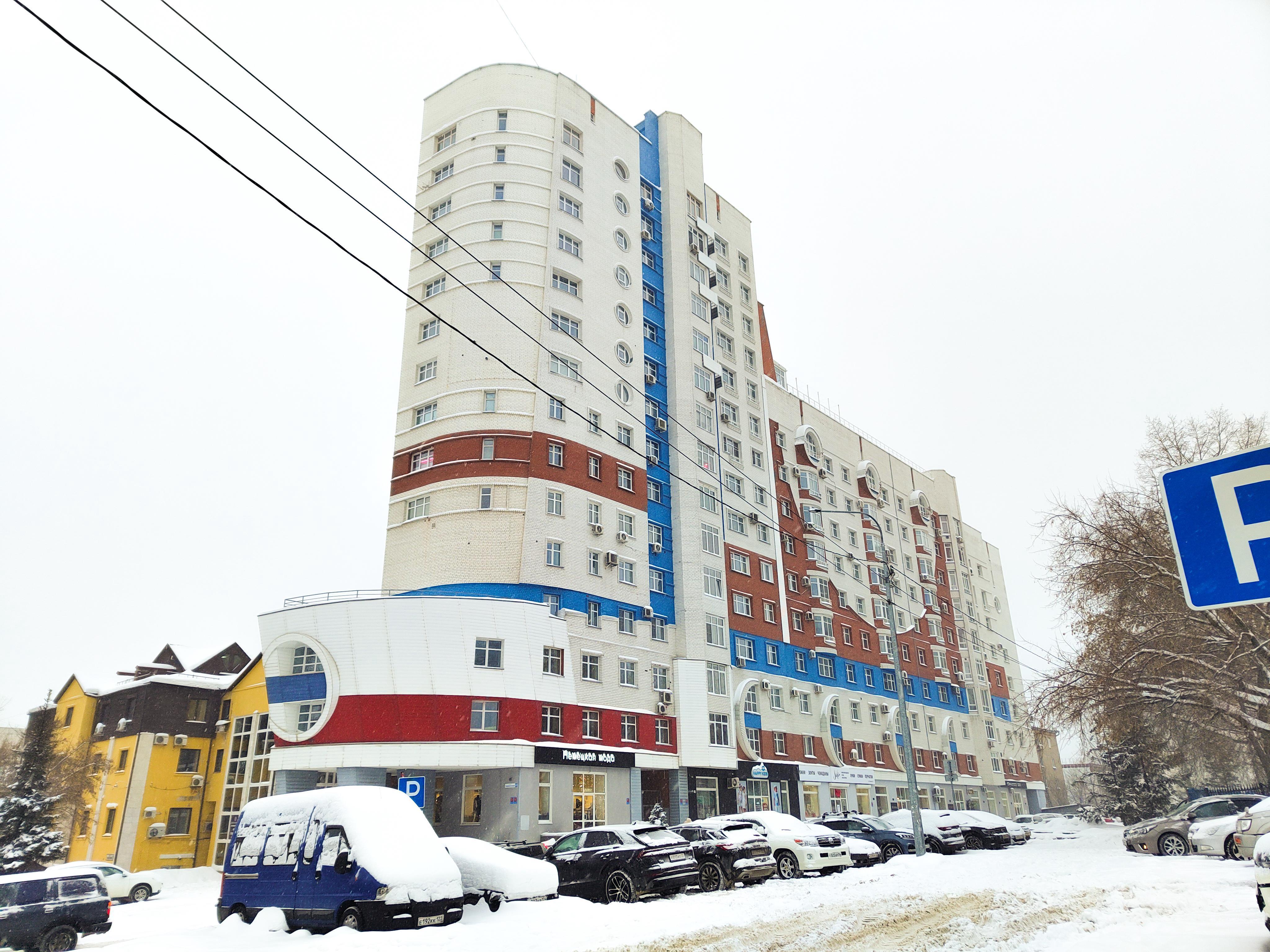
It was in the nineties, according to Barnaul realtor Nonna Karpova, that buildings began to be constructed in Barnaul which started to be called elite. The first such brick house, with more comfortable, wide entrance areas and relatively large layouts, appeared at Molodezhnaya Street, 41. Elite housing was considered to be in the old stock, since there was practically no alternative — at that time, few apartments of the corresponding level were built, and there simply weren«t enough for all the »elitarians.«
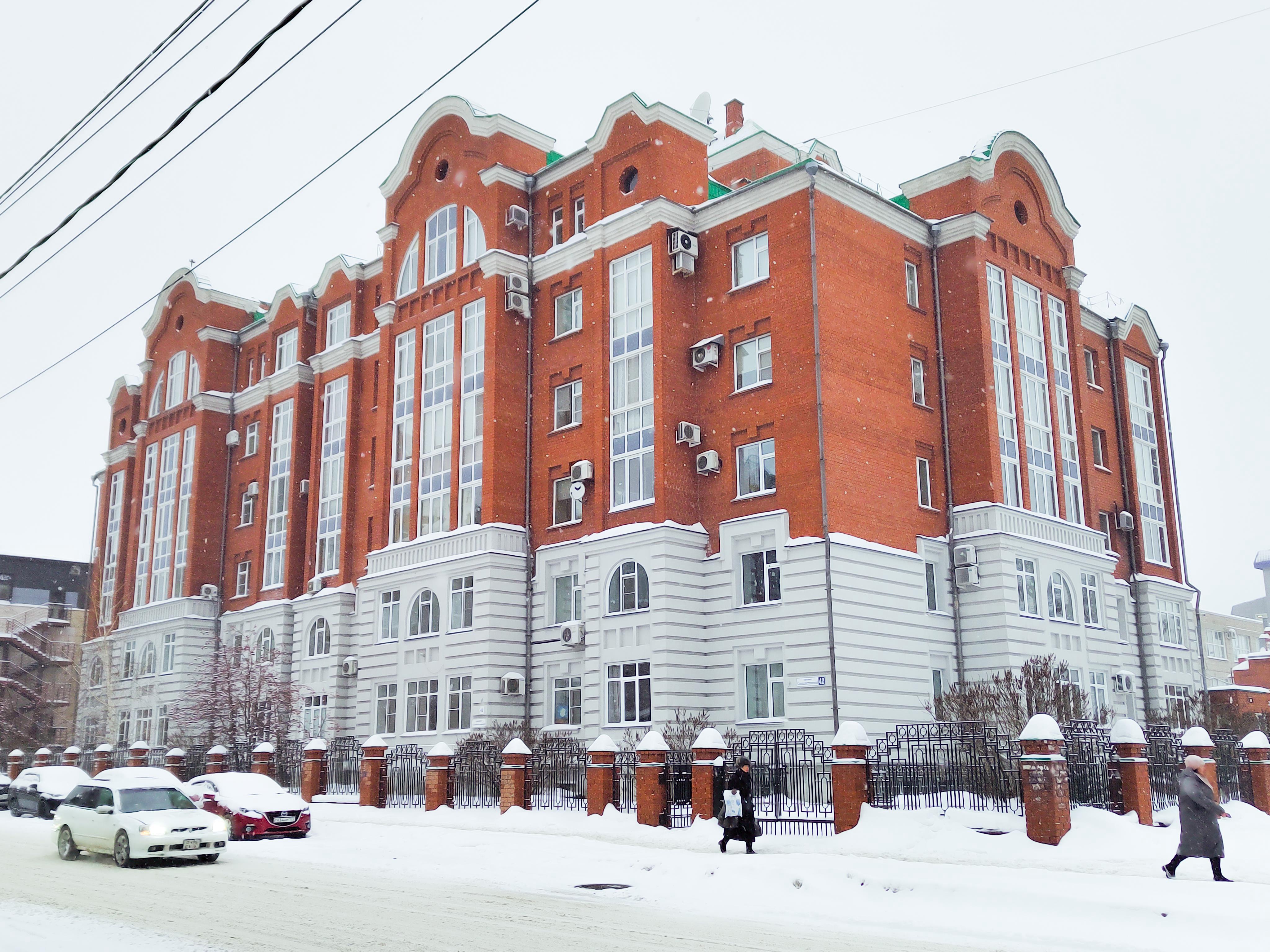
— Apartments in the building that now houses the Main Post Office, at Lenin Street, 54, and the neighboring building — house No. 56, were also traditionally classified as premium-class housing in the city. However, truly elite development began to form only in the late 1990s — early 2000s. One of the first such houses was located at Profinterna Street, 40A, within walking distance of Oktyabrya Square.
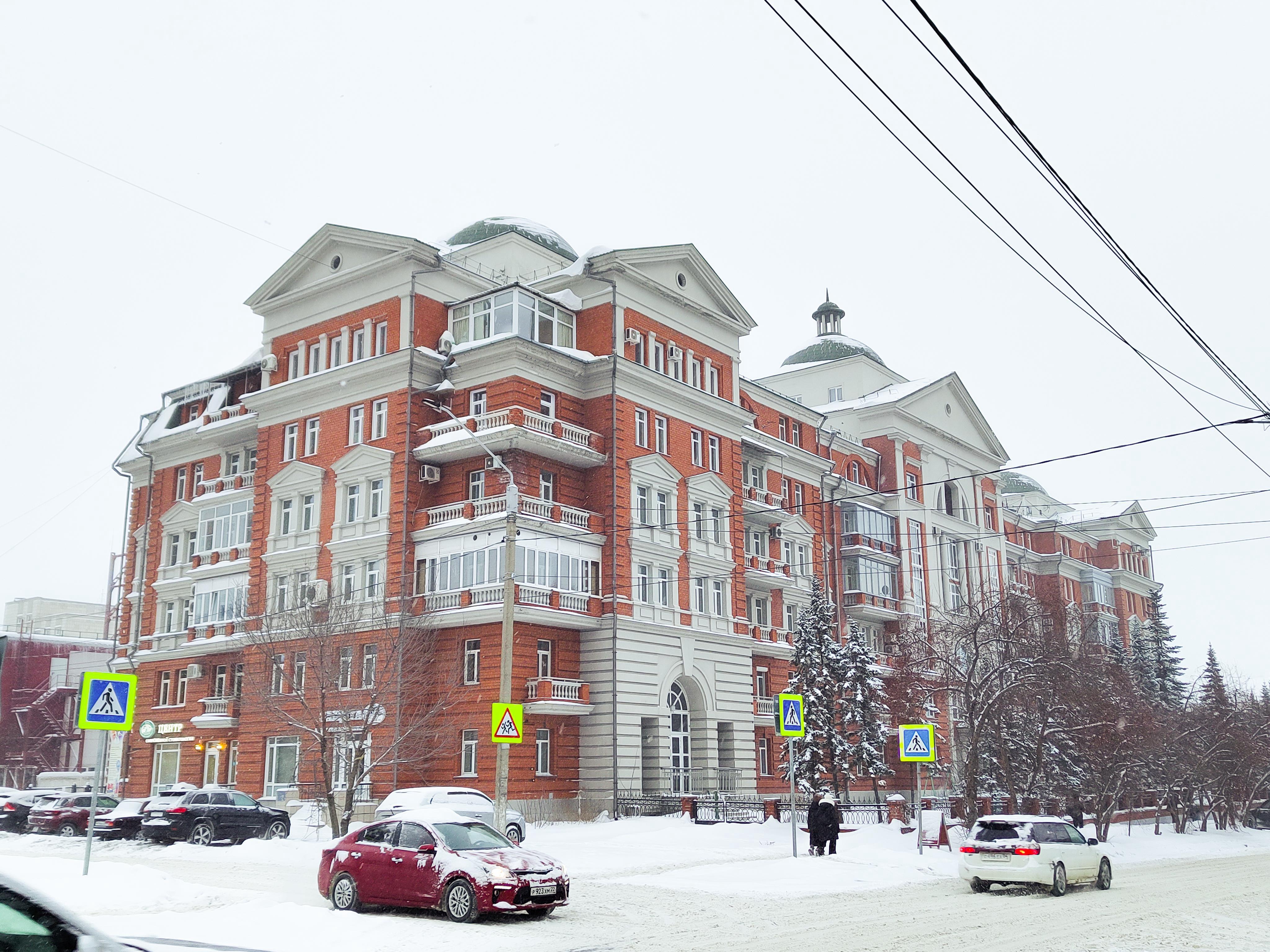
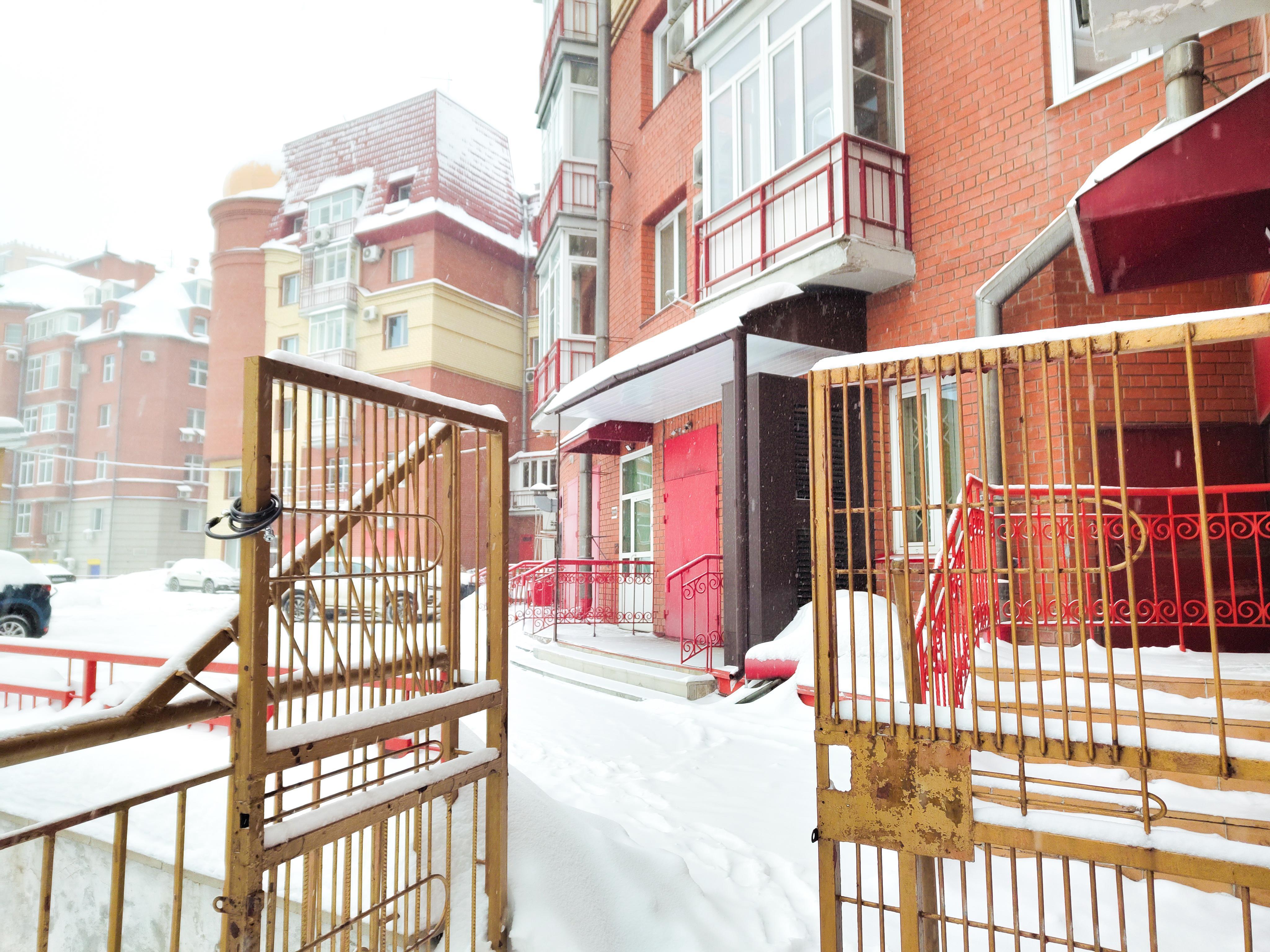
It fully corresponded to the then notions of elite real estate: the building was no higher than six floors, with an elevator and underground parking, its own enclosed territory, spacious marble lobbies, and a concierge. At the same time, increased demands for comfort existed even earlier. In the 1980s, apartments in the center were often allocated to representatives of intellectual professions — doctors, scientists, teachers.
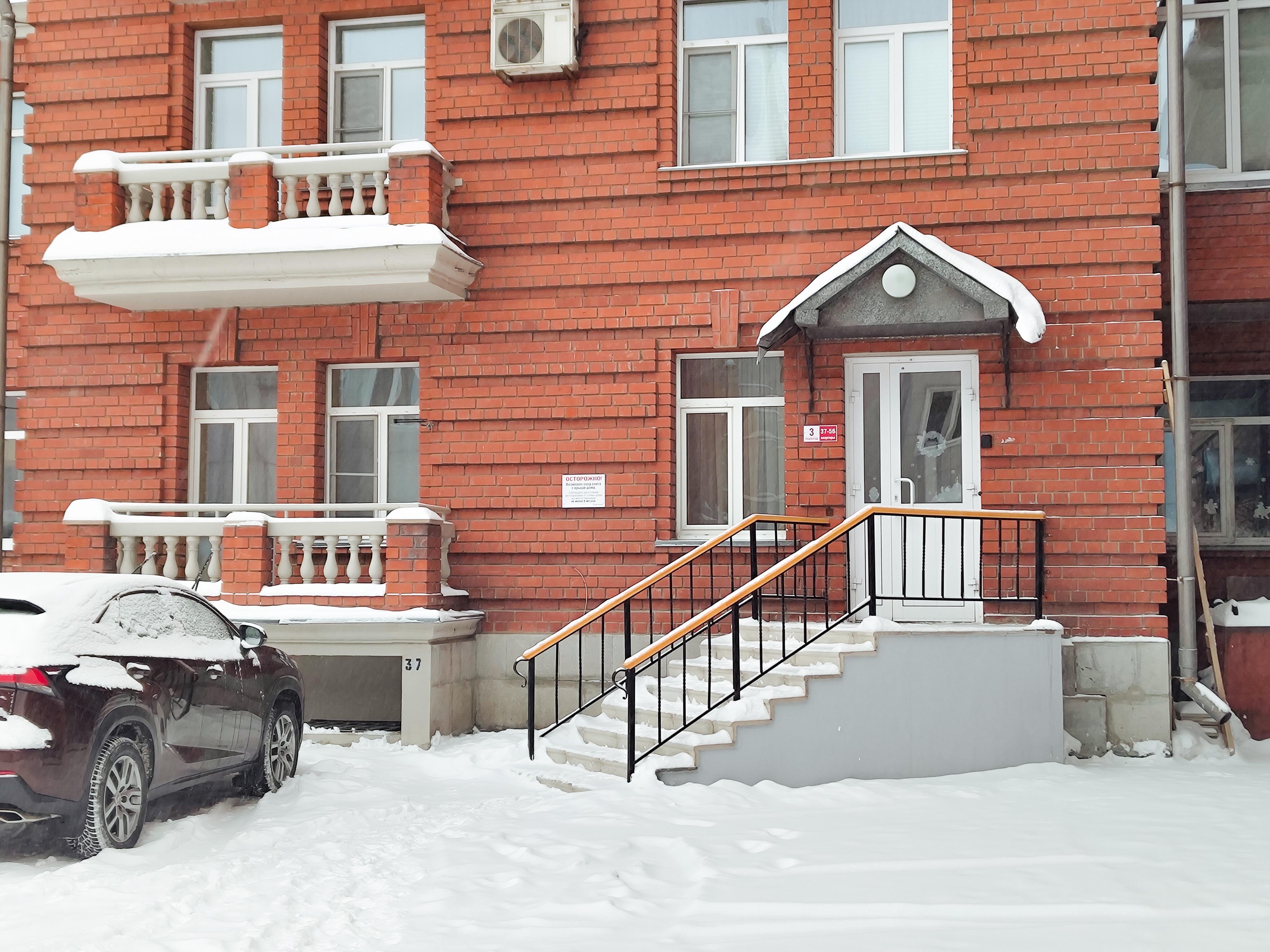
At that time, even in ordinary brick houses of new series, large entrance groups, stained glass windows at ground level, stroller rooms, and lobbies with several elevators were provided. However, the general devastation of the 90s made its adjustments, and maintaining the general well-being of buildings ceased. Ground floor premises began to be rented out, and residents started installing partitions without coordination, blocking access to several apartments at once, and sometimes even arbitrarily occupying attics. As a result, in just 10–15 years, the city lost many comfort elements that had been incorporated in Soviet housing construction. Therefore, in the mid-90s, it was necessary to remember how things were lived earlier.
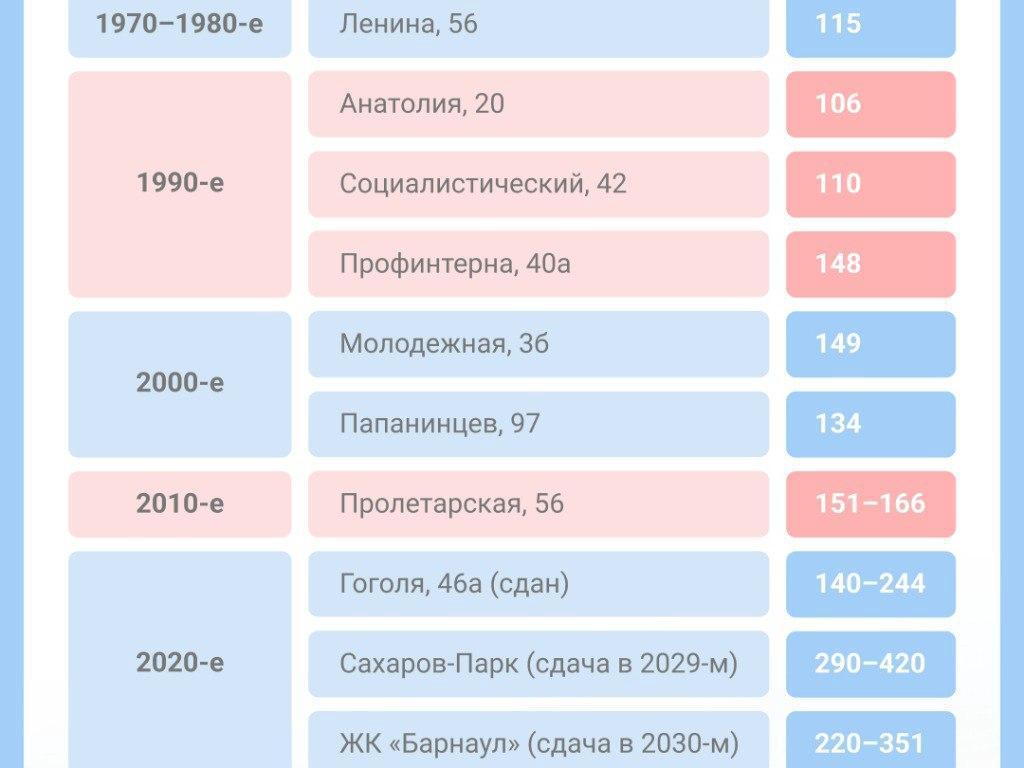
Then, in 1999, a ten-story premium-class building grew in the regional capital at Anatoliya Street, 20 — living there was prestigious due to its proximity to Komsomolsky Prospekt. The house featured spacious entrance groups and loggias. A one-room apartment in it already occupied about forty square meters. The cost of housing was high, and far from everyone could afford it. In the house, according to Nonna Karpova, at that time lived representatives of the administration and managers of large enterprises. By the way, now a square meter in this house costs 106,383 rubles (approximately $1,100 at current rates). For this price, buyers are offered high ceilings up to three meters, an enclosed territory with a barrier, and the presence of a loggia.
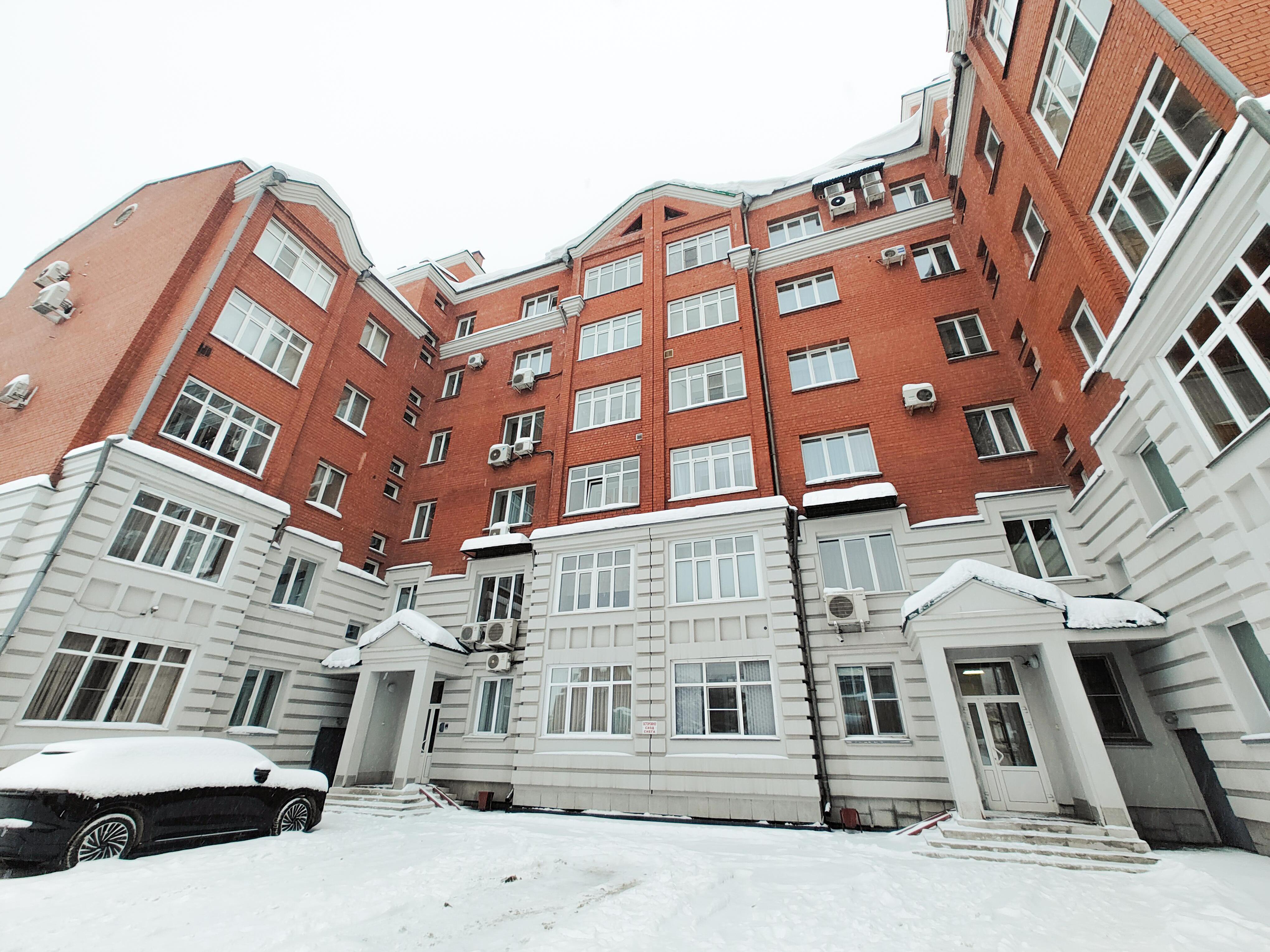
The 2000s and 2010s: Construction of Prestigious Housing Gains Momentum
Realtors and market experts classify several addresses in Barnaul of the early 2000s as the «old elite.» Among them, one can highlight houses at Sotsialistichesky Prospekt, 42 and 38, executed in the neoclassical style of that time, the residential complex «Tri Bogatyrya» (Three Bogatyrs) at Lenin Prospekt, 31, a house at Molodezhnaya Street, 3b, as well as development in the area of Zmeinogorsky Tract, which is unofficially called «Barnaul»s Rublyovka.«
— According to generally accepted classifications, the city practically lacks apartment buildings that could be unequivocally classified as elite housing or housing of the premium segment. Most objects, including those previously considered premium, today belong to the «comfort» segment. And even that with a stretch. The same «Tri Bogatyrya,» for example, is simply a good house of those times, but without landscaped territory nearby, which is highly valued by buyers now, — architect Alexey Kvasov told NGS22.RU.
Nevertheless, in the early 2000s, buildings with spacious marble lobbies, concierges, large-area apartments — including two-level ones, up to 200 square meters — were considered elite. An important sign of a building«s status was the presence of underground parking, although in a number of objects it was replaced by individual garages at that time. In those same years, creating winter gardens on loggias or insulating them became popular.
Over time, some of these houses lost their former appeal for buyers — the same «Tri Bogatyrya» ended up in an area of active freight traffic, which affected the overall noise level, comfort of residents, and ecology. Now one square meter in this house costs 199,000 rubles (about $2,000 at current rates), and a three-room apartment with an area of 90.4 square meters can cost almost 18 million rubles (around $180,000 at current rates).
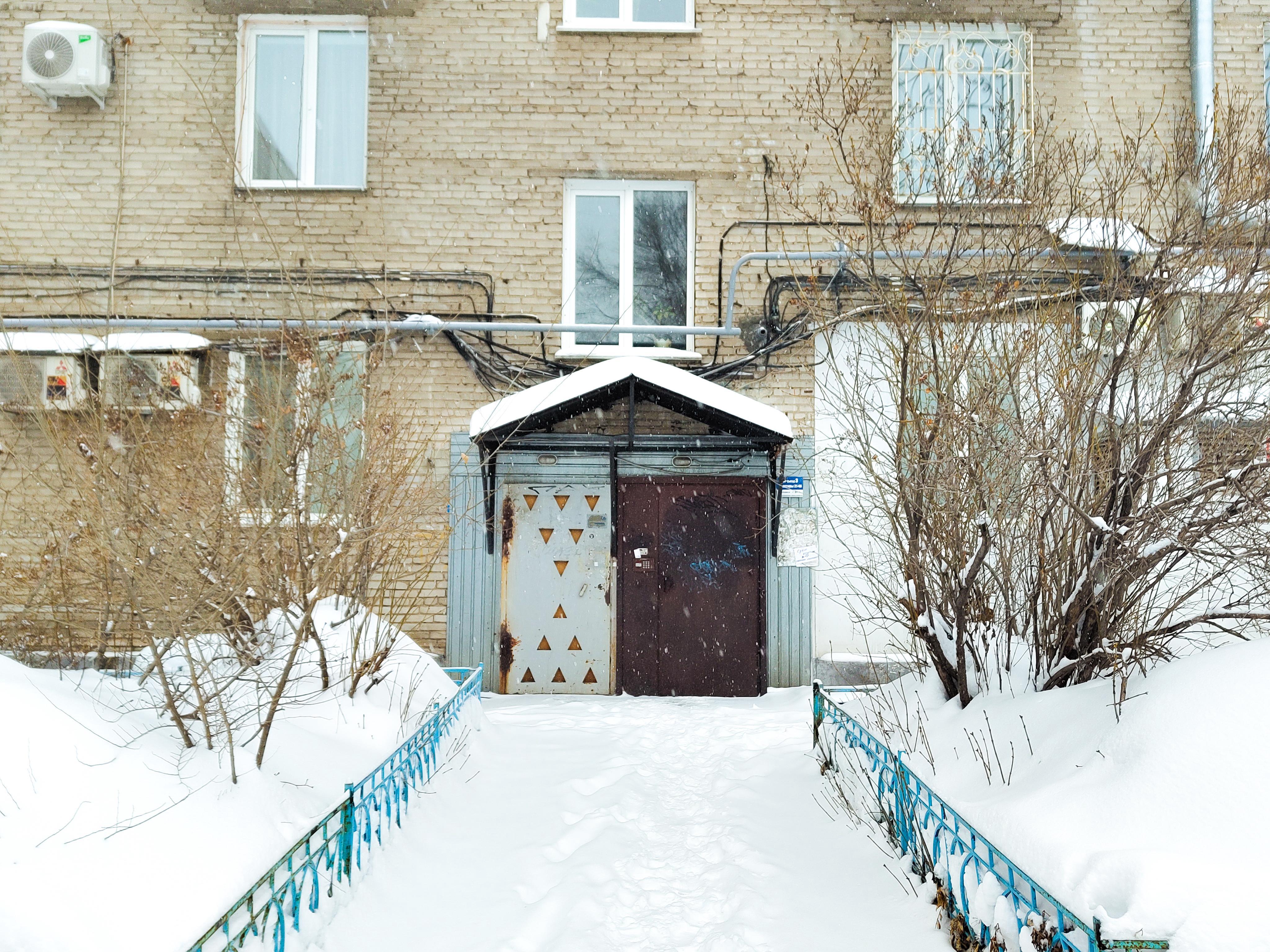
— About 20 years ago, this house was considered almost a symbol of the city. Now it does not at all meet the parameters of a house in the premium segment: to enter the entrance — you have to go up stairs, there are iron doors everywhere, like in a bunker, and cars are parked all over the courtyard. Moreover, there is no place for walking with children — a small playground is fenced off and pushed into a corner. Today, such nuances are worked out even when building housing of increased comfort, but in fact — the new economy segment, — recalls his impressions of the building architect Alexey Kvasov.
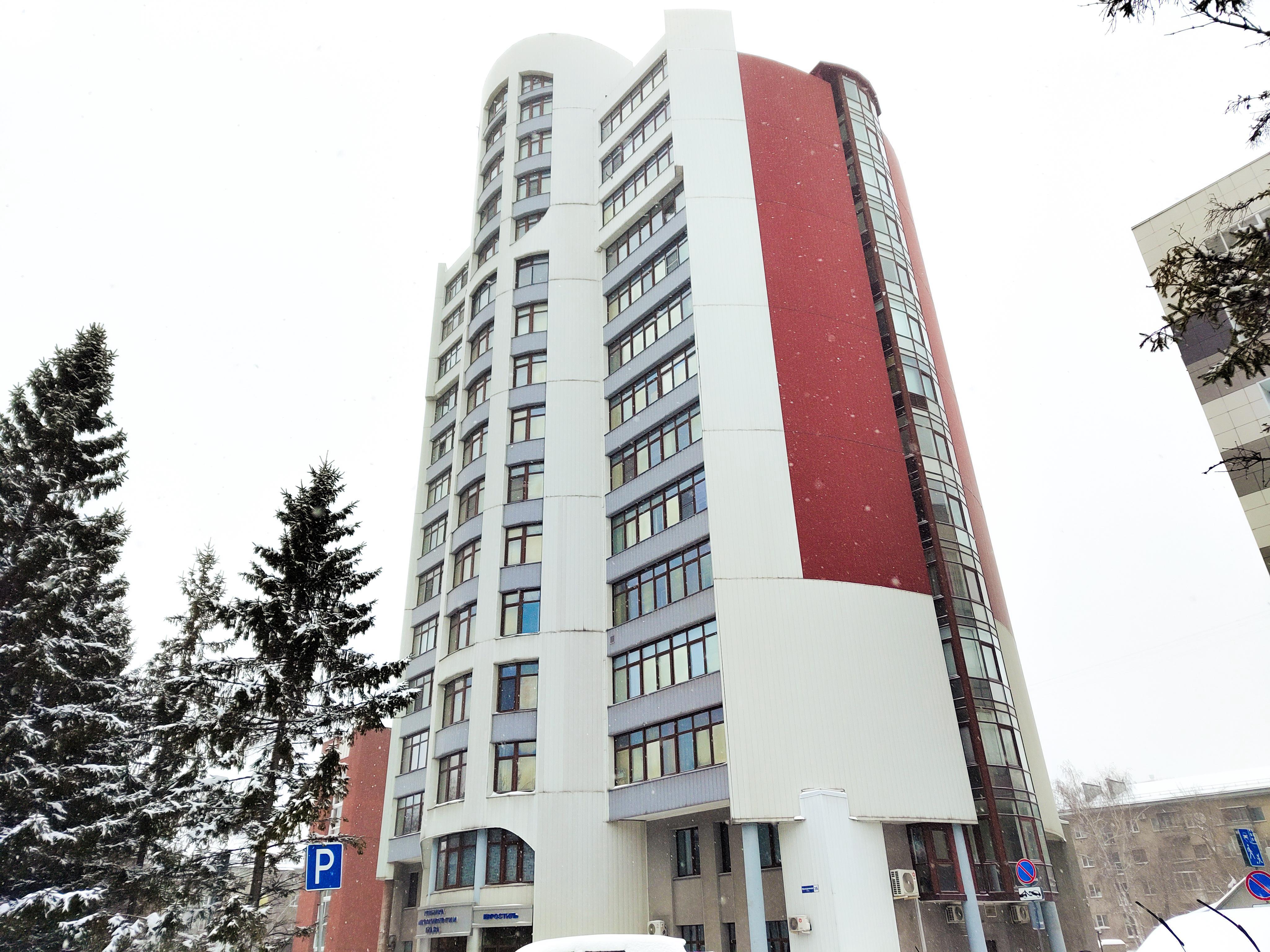
Later, already in the mid-2000s, other houses appeared in the city that could also be classified as the premium segment. One of the first high-rise buildings of this type was «Titanic» at Papantsev Street, 97. Its construction coincided with the active development of the mountain area and Zmeinogorsky Tract in general. At the same time, low-rise development with enclosed territory, concierges, and housing that was valued precisely for being in an area surrounded by forest was formed there.
Houses of that period were designed, as Nonna Karpova clarifies, taking into account the urban environment: facades were worked out, courtyard landscaping, and the external appearance of buildings was combined with the urban planning situation.
— At that time, when designing, architects thought about how buildings would fit into the urban environment and whether they would stand out from the already established urban development, which was very valuable, since Barnaul looked quite harmonious. Then comfort-class houses appeared at Profinterna, 40A, Sotsialistichesky, 38 and 42. The approach to layouts also began to change. Everyone had very small kitchens, so architects raised the question that the kitchen should be connected to the living room so that the family had a spacious place to spend time. In simple apartments of that time, a kitchen with an area of 12 square meters was the dream limit. Gradually, a dining area also appeared, which became relevant only for more affluent people.
For elite houses of that time, there were several criteria: necessarily the city center, but quiet — streets located near the main ones, material — brick, and also square footage — the more, the better. Apartments could occupy from 70 to a substantial 320 square meters, and be located on three floors at once. One such example recently appeared on one of the advertisement sites for a record 73 million rubles (approximately $730,000 at current rates).
— In apartments, one large bathroom with an area of 4–6 square meters was planned — comparable in size to a kitchen in a Khrushchevka (a type of Soviet apartment). A separate room for laundry was also provided, as well as a guest bathroom. It was then that the trend for separate and guest bathrooms began to form in the city, — recalls the realtor.
Another indicative example of those times was the kraikom (regional committee) house at Anatoliya Street, 91 — elite development where representatives of the regional and city administration lived. This building was distinguished by the fact that it had one apartment per landing, and in the layouts, for the first time in Barnaul, master bedrooms with their own bathrooms and dressing rooms appeared. Such apartments cost significantly more than the market. Against the backdrop of one-room apartments for 300–700 thousand rubles, housing in this house, which cost several million at that time, was considered inaccessible for purchase and emphasized its status.
The 2020s: What Is Happening in the Elite Real Estate Market Now
Gradually, the construction of premium housing in Barnaul gained the momentum it had been striving for since the 90s. Elite-level houses are still being created, but they stand out radically from the rest. Their exteriors, interior lobbies, layouts, and improvement of the adjacent territory are created by architectural bureaus of the capital level, smiling concierges greet at the entrance, and inside the houses themselves, there is their own ecosystem with premium spas, recreation areas, swimming pools, and even boutiques.
In recent years, houses of a new, more modern format have begun to appear in Barnaul — with stained-glass glazing and a focus on buying apartments on the upper floors.
Requirements for the number of apartments per landing have also changed. If previously no more than four apartments was considered the norm, now up to eight can be placed on a floor. Nevertheless, single-entrance houses have also begun to appear, where the minimum number of apartments per landing continues to preserve the feeling of privacy.
Standards of modern elite housing, as architect Alexey Kvasov clarifies, are formed in large Russian cities and only then come to the regions. This mechanism directly influences how the notion of comfort and premium changes each year. According to him, regardless of the class of the house, similar signs begin to appear in projects. And if previously increased ceiling height and quality elevators were a sign of the elite segment, now in economy-segment houses this is all also present.
— The issue is no longer about the class of housing, but about the set of characteristics and the environment that the developer offers for life. Now it is not necessary for the location to be in the city center; even a remote area can be perceived as premium if there is a expressive element nearby, for example, a park, forest, river, or transport interchange. In such cases, developers compensate for the remoteness with their own infrastructure, forming an autonomous residential complex or club house, where there is all the necessary minimum for a comfortable life. Now the work of architects has become especially important for people. If a house is made well — with night lighting, original facades, a convenient entrance group — it begins to be perceived as a work of art: it is important where it is located, how it fits into the surroundings, how the space is organized, — emphasized Kvasov in a conversation with NGS22.RU.
According to him, in recent years, a demand has formed among buyers for housing with a service component close to the hotel model.
— Underground parking is a mandatory minimum. Buyers highly value the ability to drive in and get out of the car in warmth, a concierge, additional services like fitness, a swimming pool, and public spaces inside the house. For example, now in one of the houses we are implementing, there are not only stroller rooms but also a so-called «neighbor center,» where you can meet neighbors, work as in a coworking space, or conduct master classes for children.
At the same time, houses that fully meet all the criteria of a premium product are excessively few in Barnaul, so many of them lose their status over time.
Another fundamentally new trend in the context of elite real estate has become club-type houses, for example, the residential complex «Eden» on the bank of the Barnaulka River, near the Roerich Park. The house is designed for 28 apartments, the cost of which starts from 8.5 million rubles (approximately $85,000 at current rates). It is planned to be completed in 2027.