End of Economy Housing in Novosibirsk: Transformation and Buyer Dilemmas
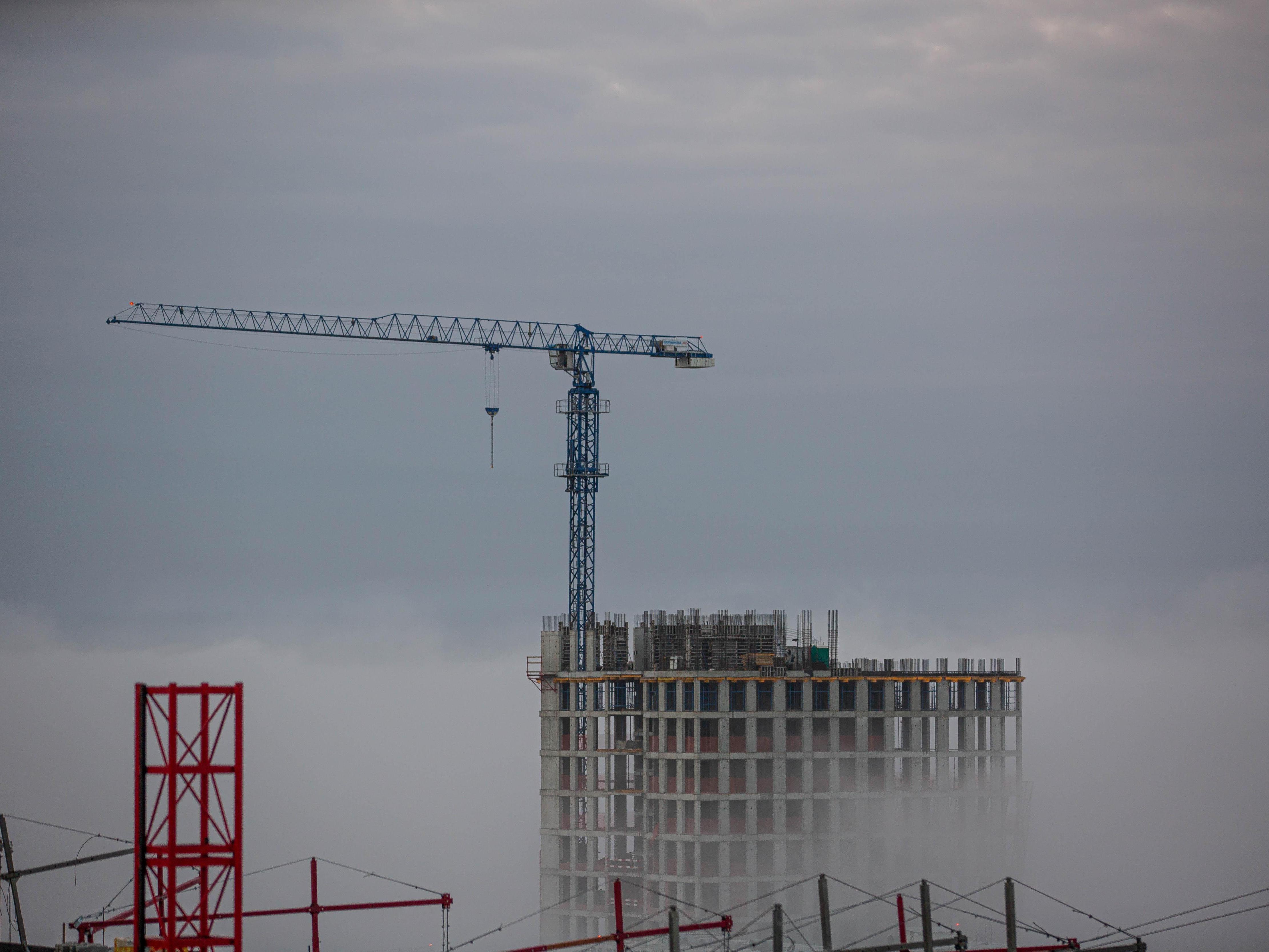

Developers are increasingly launching fewer new projects, and thousands of apartments remain unsold in completed buildings. At the same time, developers cannot afford to build cheap housing: the share of new economy-class complexes is decreasing, while comfort-class is growing. The situation has been influenced by both mortgage rates and the comprehensive territory development program, through which authorities are trying to combat spot development, often shifting part of social obligations onto developers. What is happening to an entire class of real estate that was once accessible to people with average incomes is covered in this NGS material.
The Un-economical «Econom» Class
The share of new economy-class projects on the Russian real estate market in 2025 decreased to 22% — this is the minimum level in the structure, according to a Central Bank report. At the same time, the share of properties in more expensive segments (business class and comfort) increased by 17%.
The Central Bank links this to the cancellation of mass preferential mortgages, which in recent years supported demand for affordable housing. Loan conditions have tightened, solvent demand in the economy segment has declined, and developers have responded by reducing the launch of new projects of this class. Supply on the market is gradually shifting towards more expensive formats, and affordable housing is becoming scarcer.
The trend is confirmed by real estate experts. Analysts, in addition to rates for buyers, associate the decrease in the number of affordable apartments with the rising cost of project financing. Building affordable housing is risky for developers due to lower profitability. In such conditions, developers more often choose projects in more expensive price segments, where margins are higher and it is easier to compensate for cost increases. It is unprofitable for developers to build economy housing today.
«A year ago, the Ministry of Construction reported that if the profitability of a developer»s financial model is less than 30%, it«s better not to start the project. To justify the financial model to the bank for land purchase and obtaining project financing, developers have to raise the classification of housing,» explained Grigory Jacobson, managing partner of the B2B direction at the developer company Busi.
Another reason is the increase in construction costs, continued Alexander Chernokulsky, managing director of the real estate agency Zhilfond in Novosibirsk. He characterizes the current market state as complex but stable: the number of new projects, regardless of segment, is decreasing.
«This is related to several factors: rising prices for construction materials, increased labor costs, general economic uncertainty, and most importantly — the lack of prospects in the real estate sector for the coming years,» believes Alexander Chernokulsky. «Developers are looking for opportunities to optimize business models, which leads to a focus on more profitable market segments.»
At the same time, a developer often cannot significantly reduce the cost of construction. Even if the company acquired land cheaply and has its own panel plant, there must also be favorable conditions for technical connections.
A developer can lower project costs by attracting low-paid labor, using cheap building materials, and minimizing landscaping of the surrounding area. But not all companies make such compromises: large developers rarely reduce construction quality because they value their reputation.
Moreover, construction today is only possible under the comprehensive territory development program (CTD), which imposes additional obligations on the developer.
«It is very difficult for the economy class to develop sites due to the high burden related to social infrastructure, which places a heavy load on the financial model. With the marginality of an economy project, it»s hard to recoup costs, so economy-segment developers prefer to complete projects for which permits were obtained earlier and are not rushing to start new ones,« noted expert Elena Astakhova, founder of the company A-Development.
Step into «Comfort»
The gradation of residential complexes from economy class to business class in Russia is practically not fixed: often a developer, building economy housing, remains silent about it, calling the project comfort-class, noted Grigory Jacobson. Elena Astakhova also added that comfort-class, for example, has grown with projects like «comfort-minus» and «comfort with double plus». Economy housing has precisely rushed into the lower niche of comfort.
«The trend of moving away from the economy segment was evident three–four years ago, because comfort-class has the highest profitability. Because of this, the economy segment stepped into comfort, adding to the price per square meter and increasing the project»s profitability,« explained Elena Astakhova.
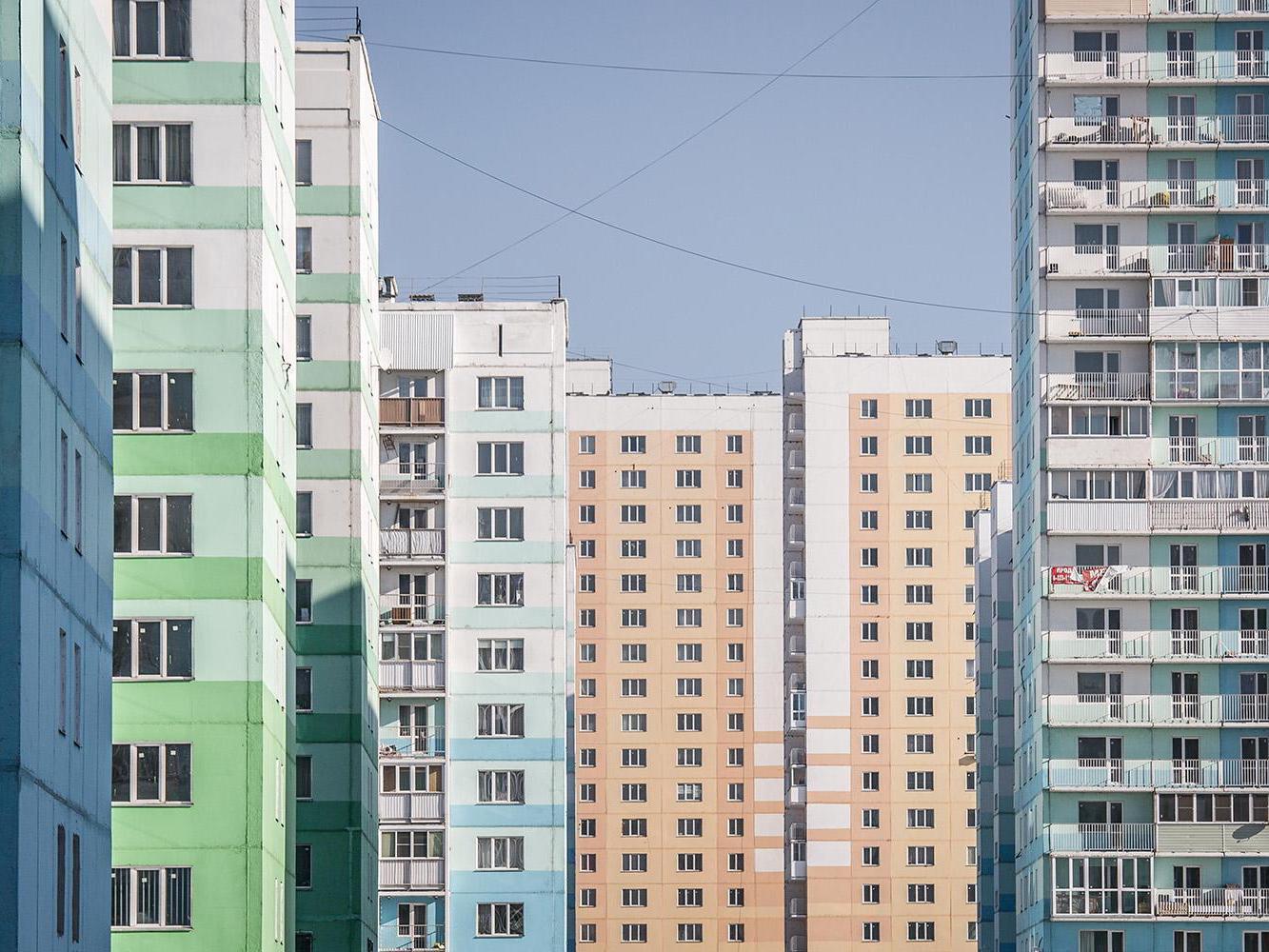
In Novosibirsk, economy housing can include projects where the price per square meter is below 100,000 rubles (approximately $1,000 at current rates) — these are often houses by the company Diskus or options on the secondary market built before 2010–2015, which lack features inherent in modern housing: lobbies, quality elevators, or new playgrounds.
Partially, according to Grigory Jacobson, economy housing in the new-build market has been displaced by apartments. Now such options are expensive, but previously apartments in the city center were much cheaper than apartments in the same location. Another replacement for «econom» is the reconstruction of old objects: for example, dormitories.
At the same time, the expert noted that he understands the term «economy housing» differently: as an apartment that is affordable not by price, but by maintenance — both in terms of mortgage cost and utility payments.
«»Econom« is when you don»t buy cheap housing, but when you pay little for it. I would call affordable housing that for which the monthly utility payments in Novosibirsk amount to 5–6 thousand rubles (approximately $50–60 at current rates). In business class, maintenance can cost from 15 thousand rubles (approximately $150 at current rates),« explained Grigory Jacobson.
Development of Outskirts
Alexander Chernokulsky believes that the future of affordable housing, and indeed the entire real estate market, depends on the economic situation and state policy. Despite the decrease in the number of economy-class construction projects, the need for such apartments remains. Moreover, such a segment is suitable for construction on new territories. Elena Astakhova suggested that economy class may «move» to residential complexes or mini-villages around large cities.
«Economy class may shift closer to the city outskirts: land is cheaper there, and authorities support programs for resettling residents from central areas to new districts or regions,» agreed Alexander Chernokulsky.
At the same time, such a trend could lead to increased transport load, and then authorities will have to deal with a new problem.
Moreover, the expert noted the strengthening of stratification in the product line: comfort-class is transforming, pressing against «econom», while the premium segment is becoming more expensive. At the same time, developers are expanding their project lines: for example, Novosibirsk developers who have never worked in the economy segment are considering options for launching such projects.
«The economy segment cannot offer discounts of up to 10–15%, like federal comfort-class developers, due to low profitability. Sales in such complexes will be more stretched out over time,» added Elena Astakhova.
Moreover, experts expect increased competition between the secondary and primary markets after loan rate reductions. About how secondary apartments in new houses could well become competitors to new builds, NGS has already written, and in some projects prices may drop sharply.