Court in Yekaterinburg hears case of apartment sold via 'Dolina scheme'


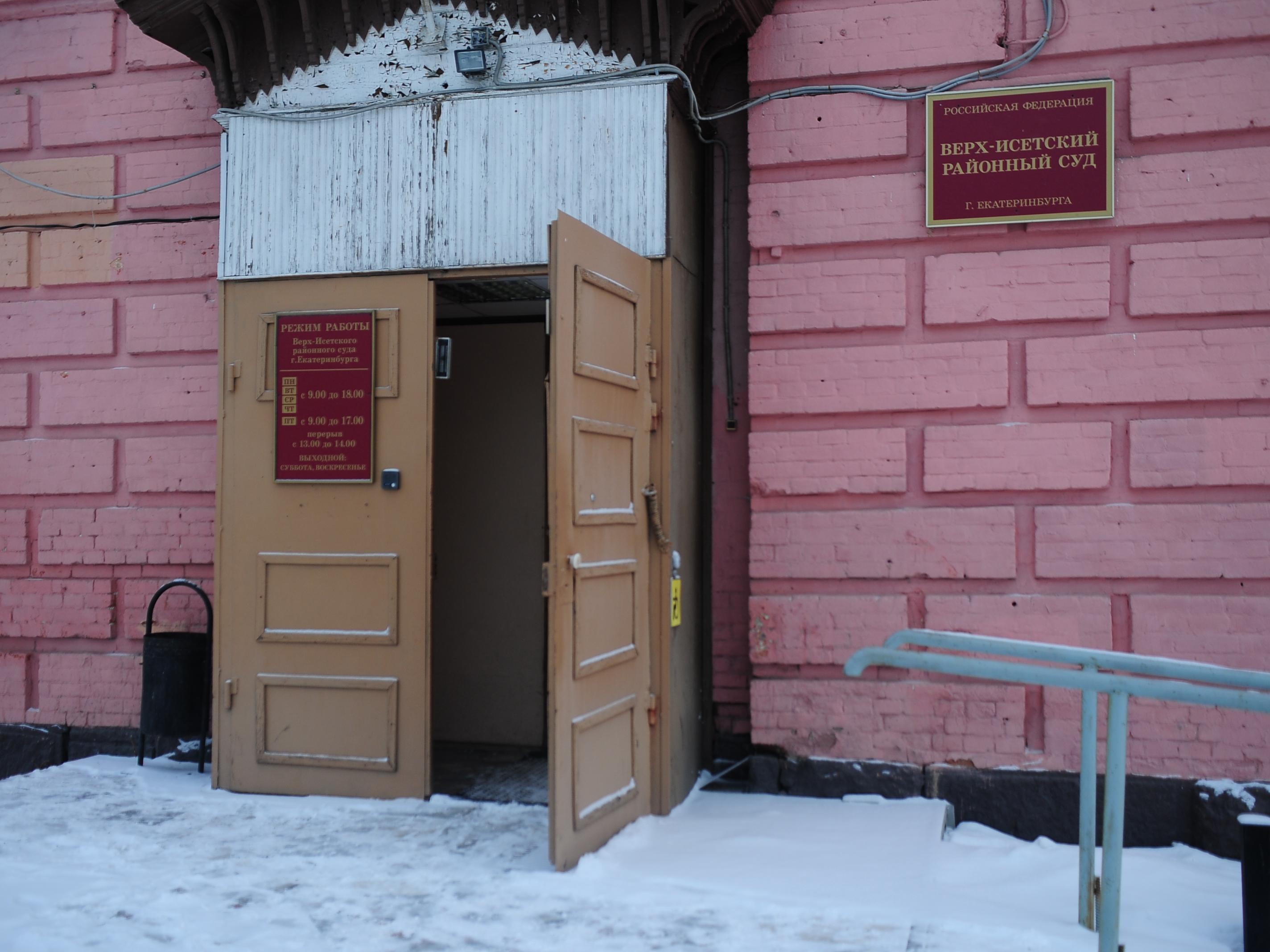
In Yekaterinburg, the court sided with the buyers in a case concerning the sale of an apartment via the «Dolina scheme». Previously, we described the situation in detail: a family from Chelyabinsk Oblast — Nina and Yevgeny — bought an apartment in the Ural capital, and then the seller sued them, claiming that she had been deceived by fraudsters.
Margarita (the seller) also made claims against the banks, from whose accounts she transferred more than 500,000 rubles (about $5,600 at current rates) in savings and 4.35 million rubles (about $48,300 at current rates) received from the sale of her one-room apartment.
In her lawsuit, Margarita described how the fraudsters initially contacted her under the pretext of needing to replace meters, and then fake FSB (Federal Security Service) and Rosfinmonitoring (Russia«s financial monitoring service) employees got involved, forcing her to hand over all her savings and sell the apartment in order to liquidate her old single personal account and then return all the funds to a new one. In the lawsuit, the seller accused the banks and the apartment buyers of failing to understand that she had become a victim of fraudsters.
The buyers« representative, Aleksey Digas, told E1.RU about the five-hour court hearing.
«The court was in full session, the plaintiff was also present. The hearing was long — five hours. In my practice, this rarely happens. For about 40 minutes we just listened to the motions of the plaintiff and her representative. First an additional expert examination, then calling some experts. They wanted to show that there was psychological pressure,» Aleksey Digas said.
In the end, the court dismissed all the motions. According to the buyers« representative, the seller was simply trying to drag out the process, which raised many questions.
«It happens that defendants drag out a process when it benefits them. But that is also very rare, and here, for the plaintiff to drag out the case, why? Logically, why go to court if you start delaying?» the lawyer noted.
Due to public resonance, the court also involved a prosecutor in the case, who unequivocally spoke against granting the claim. Margarita and her representative took this negatively.
«In such cases, the prosecutor»s conclusion is not mandatory, but due to the case«s high profile, the court involved the prosecutor»s office. And so the prosecutor gave a conclusion that the claim should not be granted. The other side took this very painfully. The lawyer even stated that he was recusing the prosecutor, although this can only be done at the beginning of the process. The behavior was on the edge, everyone was surprised,« the buyers» representative added.
Nina and Yevgeny breathed a sigh of relief after the court«s decision. As their lawyer notes, the denial of the claim was expected, since the examination unequivocally showed that Margarita was fully aware of her actions during the money transfers and the apartment sale transactions.
During the hearing, Margarita limited herself to short phrases, and her representative did most of the talking. Nevertheless, it came out in court that the Yekaterinburg woman was asked at least twice if she was acting under the influence of fraudsters. Moreover, Margarita«s mother was the first to suspect something was wrong when her daughter called to tell her about the need to replace the meter.
«Her mother is about 80 years old. As it turned out in court, when the fraudsters first contacted the seller and she called her mother, her mother called back and said: »What are you doing? These are fraudsters!« Her mother is 80 and immediately realized they were fraudsters, but she, with a higher education and at 59, did not,» the lawyer said.
In her lawsuit, Margarita also made claims against the banks that did not stop her from transferring large sums and did not realize that the woman had become a victim of swindlers. In court, a representative of the bank through whose ATM she handed over the money from the apartment sale explained that it was impossible to recognize that something was wrong.
«The bank representative said that the plaintiff did not transfer the money. Through the ATM, she immediately sent it to the specified account. In fact, she doesn»t even have proof of the transfer, because it wasn«t a transfer but a deposit, and depositing money is not prohibited. The law limits spending, not deposits. The ATM could not identify who she was,» Aleksey Digas detailed.
An interesting detail was voiced by a representative of another bank — the one through whose secure payment system Margarita received 3.35 million rubles (about $37,200 at current rates) in cash from the buyers. It turned out that after the seller was given the money, an employee approached her and asked point-blank if she was acting under the influence of fraudsters.
«The bank had all the documents confirming the legality of receiving the money. From the standpoint of the anti-money laundering law, they were not under suspicion, but still, an employee at the bank approached her and, in the presence of the realtor, asked: »Aren«t fraudsters deceiving you?» She looked neat, not lost, not frightened, and clearly answered: «No, I need the money.» At the last moment, she could have stopped,« the lawyer added.
The decision on the claim was made on January 21. Now the court has 10 days to prepare a reasoned decision, after which the seller will have a month to appeal it.
«We will finally breathe a sigh of relief when the appeal passes, if they decide to appeal. I don»t think there will be a different decision there. The examination is unequivocal,« Aleksey Digas added.
Note that it is most often pensioners who sell apartments at the behest of fraudsters and then demand the transaction be canceled. Read expert advice on how to tell if a seller is behaving suspiciously.
Read about the schemes used to scam Ural residents in a special section. If you know how swindlers operate, your chances of avoiding their trap are much higher!