Architect Sues Buyers After Apartment Sale in Fraud Scheme


A couple from Snezhinsk (a closed city in Chelyabinsk Oblast), Nina and Yevgeny, decided to move to Yekaterinburg and even bought an apartment, but ended up in the so-called «Dolina scheme.»

The purchase took place on 15 February 2025. For a one-room apartment with an area of 29.8 square meters, the couple paid 4.4 million rubles (approximately $44,000 at current rates) and registered the ownership, but now they are proving in court that the deal was honest.
The seller, who after the sale asked to rent the apartment from her, herself filed a lawsuit against the buyers. In it, Margarita stated that all her actions, including the sale of the apartment, were due to «negative psychological pressure from unknown criminals.» Details are in the material from E1.RU.
How the Scheme Was Organized
In her statement, Margarita wrote that the fraudulent scheme began on 9 January. On WhatsApp* (owned by Meta — an extremist organization, banned in Russia) she received a call from someone claiming to be an employee of an energy supply company, stating that a meter needed to be replaced in the apartment. At that time, the woman owned a one-room apartment in Yekaterinburg and a 1/2 share in an apartment in Pervouralsk, where her mother lives.
Since a working meter was installed in the Yekaterinburg apartment, Margarita thought it was about the one in Pervouralsk and told the caller that she first needed to talk to her mom.
Margarita only managed to discuss with her mother that she would give the utility workers her number so they could directly arrange a time for the employee«s visit, when she was called again immediately and asked to dictate her SNILS number — allegedly needed to formalize the meter installation.
The Yekaterinburg woman suspected nothing and gave the eleven digits. She was told that the data was recorded, the meter was issued, and her mother«s number was passed to the electrician. Two hours later, a message came in the same messenger that an employee of Rosfinmonitoring (Russia»s Federal Financial Monitoring Service), Kapkov S.P., had been assigned to communicate with her.
Literally two minutes later, a new call came on WhatsApp*. Kapkov informed her that her account on the «Gosuslugi» portal had been hacked and a power of attorney for a certain Roman Ternovsky had appeared in it, to whom she had allegedly entrusted representing her interests in all instances, managing property, and controlling bank accounts.
Moreover, according to «Kapkov,» Ternovsky was wanted, a criminal case had been opened against him, and Margarita was listed as a victim. Another hour and a half later, a certain Fedulov contacted her via video call, introducing himself as an FSB (Russia«s Federal Security Service) employee. He stated that the Yekaterinburg woman must act according to the regulations provided by the Rosfinmonitoring employee — »Kapkov.«
The employee«s advice was banal: he sent an application through which Margarita was to transfer all her money to a safe deposit box, where it would be kept safe until the »regulatory actions« were completed. She was convinced that her current single personal account would be removed from the system and a new one created, to which all funds would later be returned. Margarita was forbidden to tell anyone about what was happening, also citing regulations.
On the same day, she transferred 339,000 rubles (about $3,390) from her cards in four banks to the safe deposit box account, and the next day — another 199,000 rubles (about $1,990).
On 10 January, as Margarita writes in the lawsuit, «Kapkov» called her again and stated that from that day on, the apartment on Shaumyana Street no longer belonged to her. To confirm his words, he sent a fake extract from the Unified State Register of Real Estate (EGRN), where Ternovsky was listed as the owner.
The issue was proposed to be resolved as follows: conduct a fictitious transaction with subsequent repurchase of the property through the Rosfinmonitoring structure. The Yekaterinburg woman turned to a realtor she already knew to handle the sale.
On 19 February at 18:30, at a bank branch, the woman received the entire amount for the apartment in cash, and at 20:37, «Kapkov» sent details to which she soon transferred 4.35 million rubles (about $43,500) via an ATM in nine tranches. Two days later, the interlocutor contacted Margarita again and said that to complete the process, she must close all banking applications, and then he stopped communicating.
Apartment Sale and Unexpected Lawsuit
According to Nina, the current owner of the one-room apartment, the seller behaved maximally adequately during the deal. They found her apartment among many on a classifieds portal, also in early January. On the first viewing, the property was shown by the realtor and Margarita herself, and all further negotiations went through the seller«s realtor.
«We immediately asked about plans: whether she would have a counter purchase, what next. She told us she was selling due to moving to another city. Later she clarified that her mother was ill, and she decided to move to her in Pervouralsk,» Nina recounts.
Another point that did not raise suspicion — the apartment«s price and the pace of the deal. Fraudsters usually rush their victims, and they end up selling property at reduced prices. In this situation, the price was slightly above market, and Margarita was willing to wait for her buyers and even chose from among applicants.
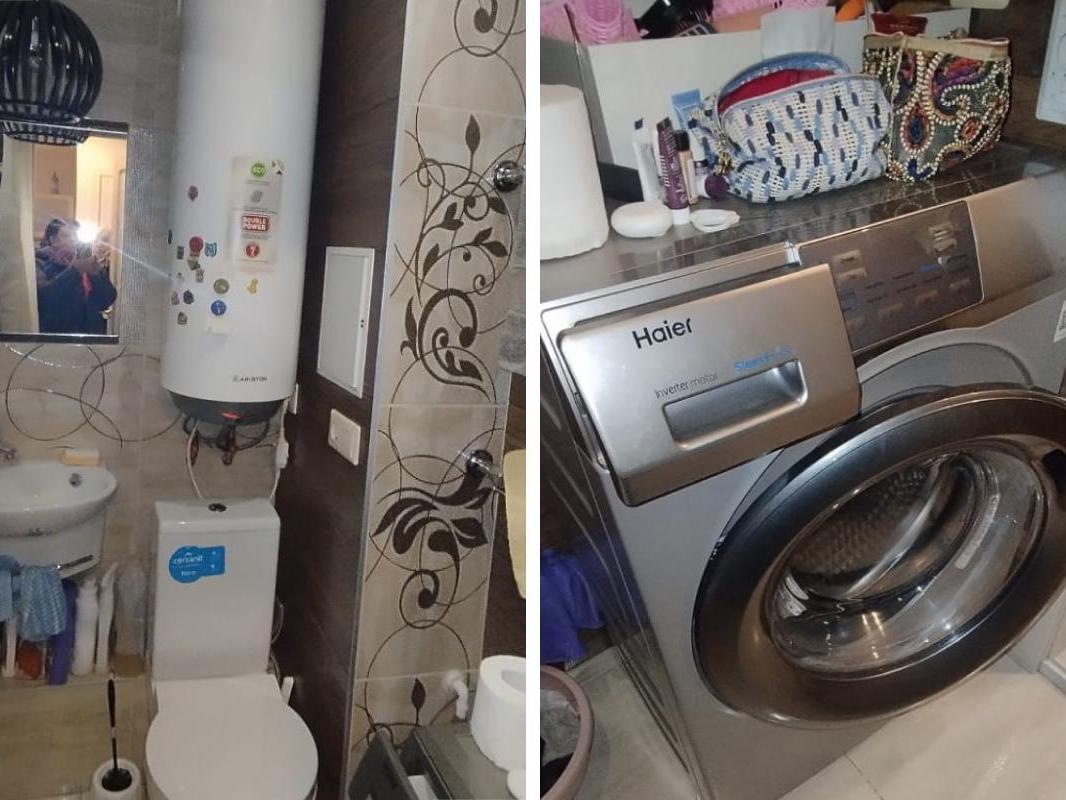
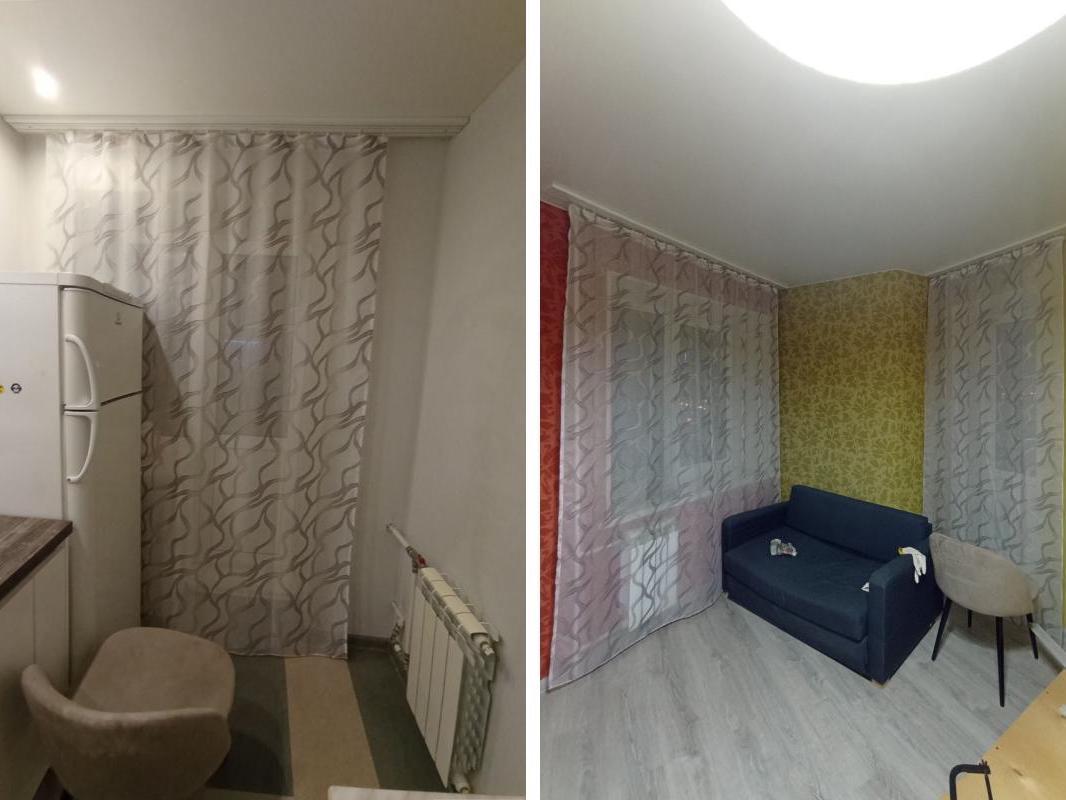
«They showed this apartment six times, we weren»t the first. She had absolutely no urgency. When my husband and I suggested haggling, Margarita nodded towards the realtor, and she replied that they wouldn«t bargain — the apartment is in good condition, fresh renovation, furniture. That»s how they justified the price being slightly above market. We looked at an apartment in the same building for 4.1 million, and it was indeed in worse condition,« the buyer recalls.
In the end, Nina and her husband decided it would be more profitable to buy a more expensive apartment but in good condition. They still planned to fix some things, but it would require less expense.
Margarita chose these buyers from all applicants because they intended to pay in cash, Nina believes. Her husband is a military serviceman, a participant in the special military operation. He received a housing certificate for 3.2 million rubles (about $32,000), and the family saved up the rest.
«My husband is a participant in the special military operation, he has been on business trips there several times. Now he can»t go there because of this court situation. He was involved as a co-defendant, although I was the buyer — we purposely arranged it that way because he could be called to the special operation zone at any moment. We immediately said that our money was on deposit, and we wouldn«t withdraw it before the term ended, we would proceed with the deal after 12 February. They replied that everything was fine, they would wait for us,» Nina adds.
On 28 January, the family gave Margarita an advance of 50,000 rubles (about $500), and the sale listing was removed. The remaining amount — 4.35 million rubles (about $43,500) — was transferred to the seller through a secure transaction service. She received the money in cash and immediately sent it to the fraudsters.
On the buyers« side, there was also a real estate specialist. She checked the documents, the apartment, and engineering systems, accompanied the deal, and was in touch with the seller»s realtor. When the deal was done, Margarita asked for three weeks to move out, and then decided to contact the buyers.
«Until then, we only communicated through her realtor, who later wrote that Margarita wanted to talk to us. She contacted us and asked to rent the apartment to her. She said she had gotten a job in Yekaterinburg and couldn»t leave yet. We signed a six-month lease agreement with her. When we came to sign it, on the same day we signed the acceptance-transfer act. It was 2 March, and on 3 March she already went to a notary and certified all her statements for the court,« Nina recounts.
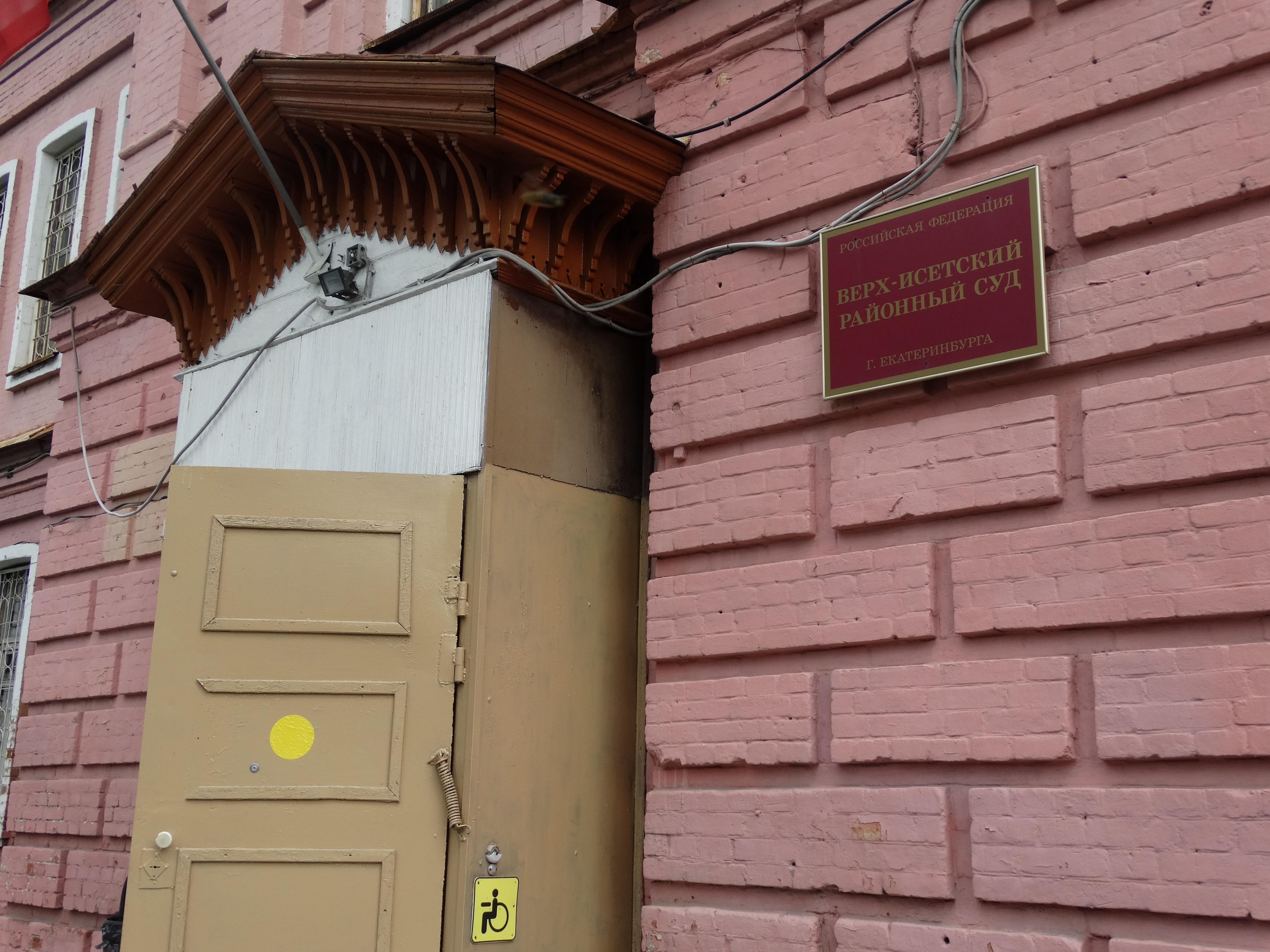
In April, the family learned that they had been sued. According to the file of the Verkh-Isetsky District Court, the lawsuit was registered on 31 March. The new apartment owners sent Margarita a document terminating the lease agreement; she did not dispute it.
«She said: »I understand your intention, you have nothing to do with it.« For some reason, she said that. If I remember correctly, on 13 April she vacated the apartment. We came, all her belongings were removed, we recorded the meter data, she handed over the keys and left. Now the apartment stands empty. We wanted to install an interior door, but while the proceedings are ongoing, we»re not doing anything,« the buyer adds.
She Accused Everyone Around
First, Margarita filed separate lawsuits against the banks and the apartment buyers, but later they were combined into one case, and the plaintiff supplemented her demands. In them, she blames both the banks and the buyers for everything, believing that everyone should have understood that she was being deceived by fraudsters.
Besides declaring all transactions invalid, she also demands that the defendants reimburse all court costs, including 18,000 rubles (about $180) in state duty.
«Since the defendants are commercial banks, [they] should have known about the deception, since similar fraudulent actions have, unfortunately, become widespread. Therefore, they could not have been unaware of possible fraud against me, yet they took no measures to stop the deceptive fraudulent actions of the criminals,» the lawsuit states.
In the document, Margarita emphasizes: «There was no voluntariness in my actions,» and also notes that she was forced to sell the apartment, and this was caused by «exerted mental and psychological violence and threat.» She explains the threats of property loss by that very fake EGRN extract, emphasizing in her statement that the buyers and their realtor could not have been unaware of this, and Nina«s husband should have immediately recognized the fraud.
«The defendants themselves should have known about the deception, since Yevgeny was at the time of the transaction an active employee of internal affairs bodies. Therefore, they could not have been unaware of possible fraud against me (take, for example, the civil case of Dolina and Lurie as a well-known fact). And their representative — the realtor — assisted them in completing this transaction. As a professional realtor with extensive experience, she could not have been unaware that in Russia, criminals» actions to criminally seize apartments and people«s funds have become widespread,» Margarita«s lawsuit writes.
She claims that at the time of the transaction, she was incapable of understanding the significance of her actions or controlling them, citing an illness due to which in stressful situations she inadequately perceives reality. We will not name it to preserve medical confidentiality.
Expertise
Also in the lawsuit, Margarita notes: besides her health, the influence of the fraudsters affected the situation, as well as the fact that her mother was in the hospital in serious condition, so she was worried about her and under stress.
To assess the plaintiff«s condition at the time of the transaction, the court appointed an expertise. Its results are to be announced at the upcoming hearing, but the defendants have already familiarized themselves with it.
«The expertise has already taken place, which showed that she understood the significance of her actions and could control them. Moreover, it wasn»t just an expertise, but a comprehensive one. There were several experts, and each asked her a question,« says Alexei Digas, the buyers» representative.
When signing the deal, Margarita was 58 years old. She said she worked as an architect, behaved maximally adequately, looked well. Before the purchase, Nina and her husband even searched for information about her online and found her resume with lines stating that she worked in large companies and was a lead project architect.
As the buyers« representative notes, given her profession and character, Margarita did not give the impression of a follower. She is described as strong-willed, with a strong character, loving control.
«Everyone who participated in the deal — two realtors, the buyer, her husband — said unanimously that she behaved like a normal person: participated in the conversation, showed emotions. It was clear that she was ready for contact, perceived everything happening as necessary for her. Moreover, the realtor who handled the deal on her side said that this wasn»t the first deal, and there were no changes compared to how she behaved on the previous one — the same adequate woman, pleasant to talk to,« Alexei emphasizes.
The court will put an end to this story, although at this stage there are many questions. The main one — how the fraudsters held Margarita«s attention for a month and a half, continuing to convince her of the reality of the fake EGRN extract while not rushing the purchase.
The prospects regarding the demands against the banks are also vague, according to Alexei Digas.
«As a bank employee said, if she had made the transfers not through an ATM but through a bank employee, they might have been alerted,» adds the representative of Nina and Yevgeny.
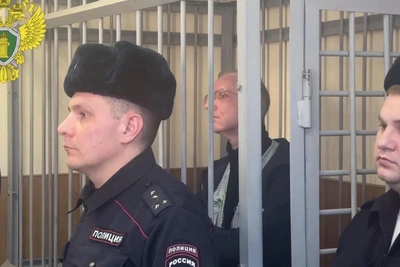
Margarita herself appeared in court only once (at the very first hearing) and did not talk to anyone then. She also refused to talk to the E1.RU journalist.
Most often, under the direction of fraudsters, apartments are sold and then the deals are demanded to be canceled by pensioners. Read expert advice on how to understand if a seller is behaving suspiciously.
We also reported how in Nizhny Tagil a pensioner sold two apartments, believing fraudsters, and now demands them back.