Official Loses Court Case Over Signature on Order
The Russian Constitutional Court has affirmed that officials are personally liable for decisions they sign, even without participation in the decision-making process, following a five-year legal dispute over a 50,000 ruble fine (approximately $500 at current rates).
Mar 3, 2026 0
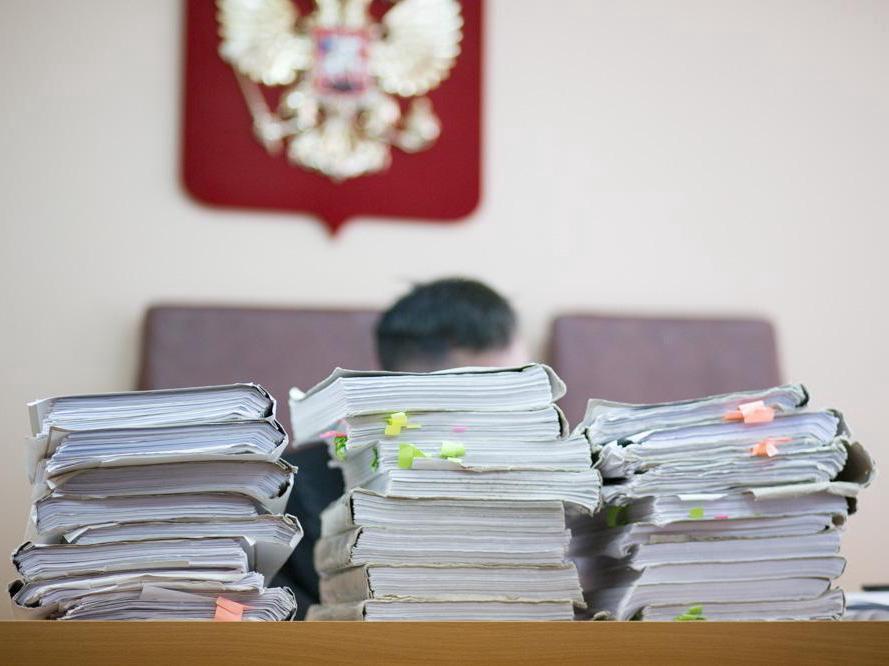

The Constitutional Court«s ruling emphasizes personal accountability for officials signing collegial decisions.
Source:
The Constitutional Court of the Russian Federation has issued a precedent-setting decision confirming the personal responsibility of officials for decisions made by collegial bodies. Even if an official did not participate in the meeting but signed the final document, they can be held administratively liable.
This decision finally put an end to the five-year legal battle of Yevgeny Andreyev, chairman of the tariff and pricing policy committee of Leningrad Region. In 2020, the committee he headed set tariffs for LLC «Thermal Company Severnaya» (Thermal Company Northern), which serves boiler houses in the Vsevolozhsky, Lomonosovsky, and Luzhsky districts. The company appealed the decision to the FAS (Federal Antimonopoly Service), and the antimonopoly service not only canceled the tariffs but also fined Andreyev 50,000 rubles (approximately $500 at current rates) for violating pricing procedures.
The official attempted to challenge the fine, claiming that on the day of the vote he was on a business trip and did not participate in the board meeting. However, the courts did not accept this argument. The Supreme Court of Russia stated: «Andreyev E.L., by signing the order that was adopted in violation, is the proper subject of an administrative offense.»
The Constitutional Court also refused to satisfy Andreyev«s complaint. The judges noted that officials are obliged to bear responsibility for improper performance of official duties. In the court»s ruling, it is stated that Andreyev, as a manager, improperly performed his duties, «which indicates the presence in his actions of signs of a special subject of an administrative offense.»
Moreover, the Constitutional Court«s ruling emphasizes: »By effectively abstaining from ensuring the legality of the decision made at the board meeting, the chairman foresaw possible harmful consequences, desired their occurrence, consciously allowed or was indifferent to them. Consequently, the justification of the official«s guilt was due to his subjective (mental) attitude towards the administratively unlawful act. The contested norm does not prevent holding an official administratively liable in the case of signing an order adopted by a collegial body. Including when this official was absent during the meeting.»
The decision on Andreyev«s case was published against the backdrop of general statistics on administrative cases. In the first six months of 2025, courts of general jurisdiction considered cases against 459,000 officials. Of these, 399,000 people (87%) were found guilty. Punishments were distributed as follows:
- almost 252,000 people received fines;
- 4,900 were disqualified;
- 142,400 officials were given warnings.
Read more