Why Omsk Utility Costs Rise Fast but Service Lags: Experts Explain

In Omsk, utility tariffs were indexed by 1.7% from January 1 — this is due to the increase in VAT. However, the main rise in bill amounts will occur from October 1 — on average, they will increase by 13%. For individual housing services, some companies« rates may rise by 25.9%.
Utility tariffs in Omsk are rising annually, and by quite substantial amounts. We calculated how much rates for various housing services have changed since 2020 and how their increase correlates with official inflation. We also asked experts whether it is good or bad that utilities are becoming more expensive at such a pace. More details are in the report by NGS55.RU correspondent Sergey Enkvist.
The Most Increased Service — Waste Removal
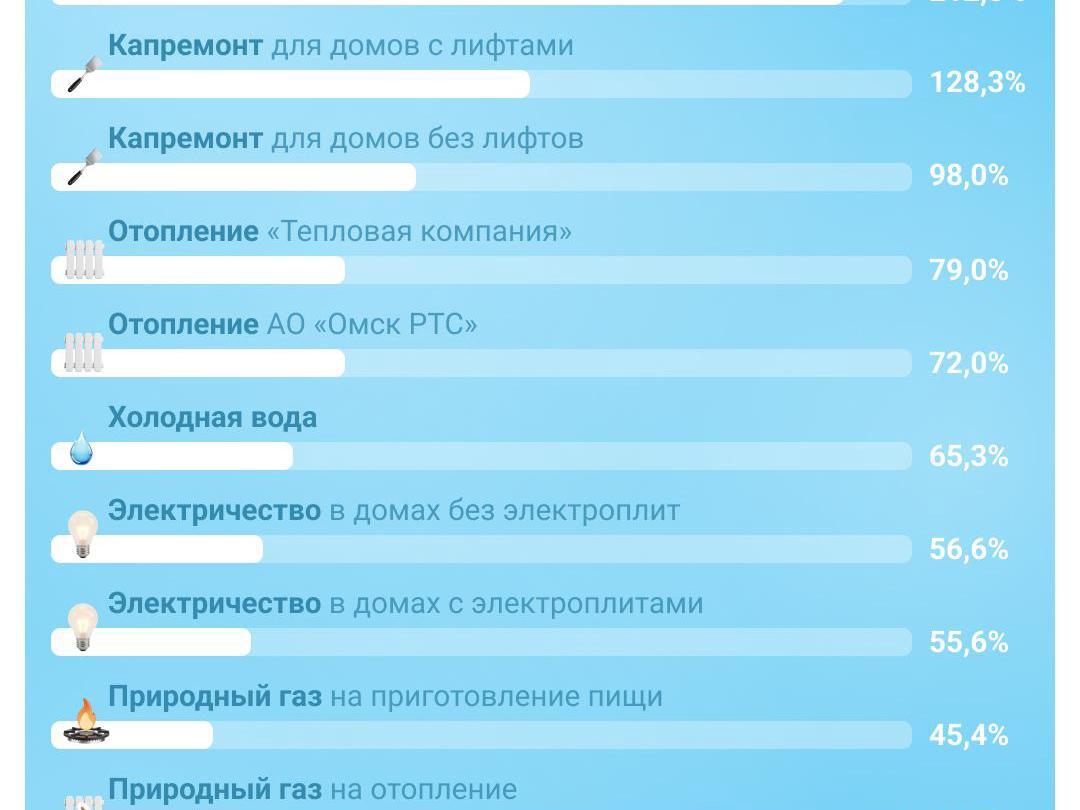
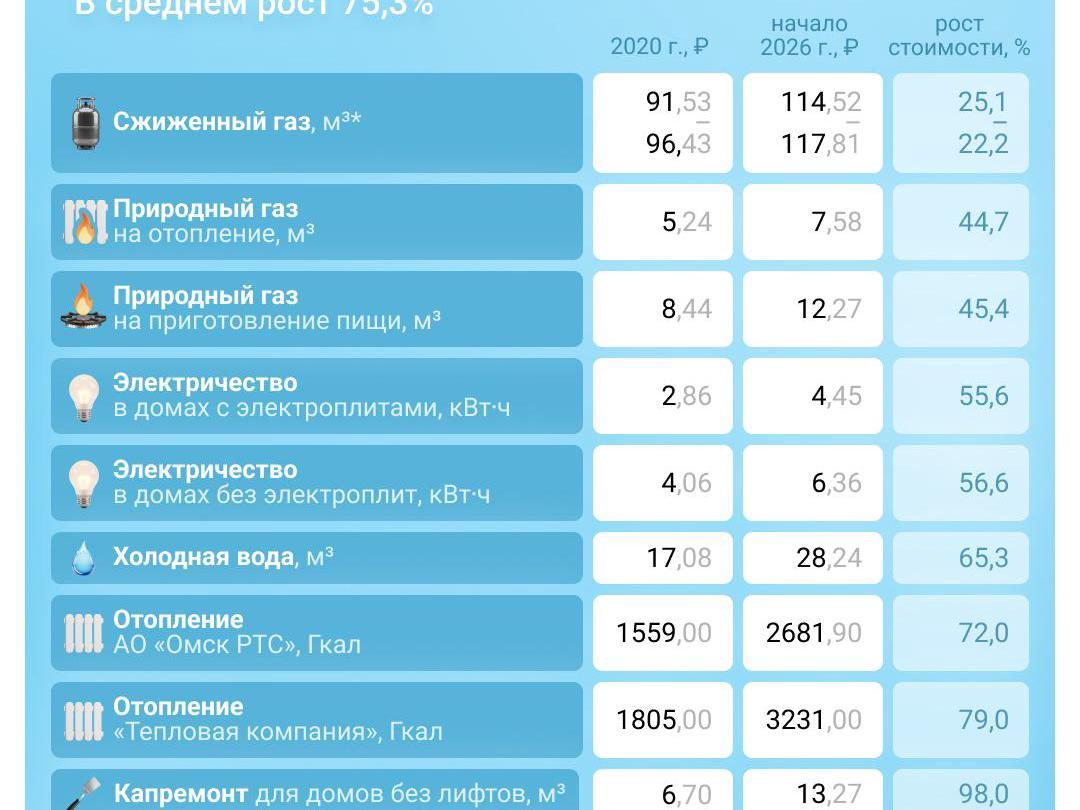
For comparison, we took the cost of housing and utility services in 2020 and at the beginning of 2026, as well as data from Rosstat (Federal State Statistics Service) on the official inflation level. As it turned out, during this time, prices for goods and services in Omsk Oblast increased by 49.2% on average — this is the size of so-called «accumulated inflation».
Utility tariffs during this time also increased by tens of percent. And (surprisingly) the service that increased the most during this period was not heating or electricity, but waste removal. The tariff for handling solid municipal waste over the last five and a bit years rose by 212% — that is, more than doubled (from 74 to 157 rubles, about $1 to $2 at current rates).
Interestingly, back in 2019, its size was higher, but then the waste fee for Omsk residents was reduced by 30% after an appeal on «Direct Line with Vladimir Putin».
Significantly since 2020, the contribution for capital repairs has also increased — by 98%. And for residents of buildings with elevators, it increased by as much as 128%. But here a caveat is needed — from 2013 to 2023, contributions in Omsk Oblast were not indexed. From 2023, their accelerated growth began, and from 2026, differentiation was introduced for buildings without elevators and with elevators — apartment owners in the latter now pay more.
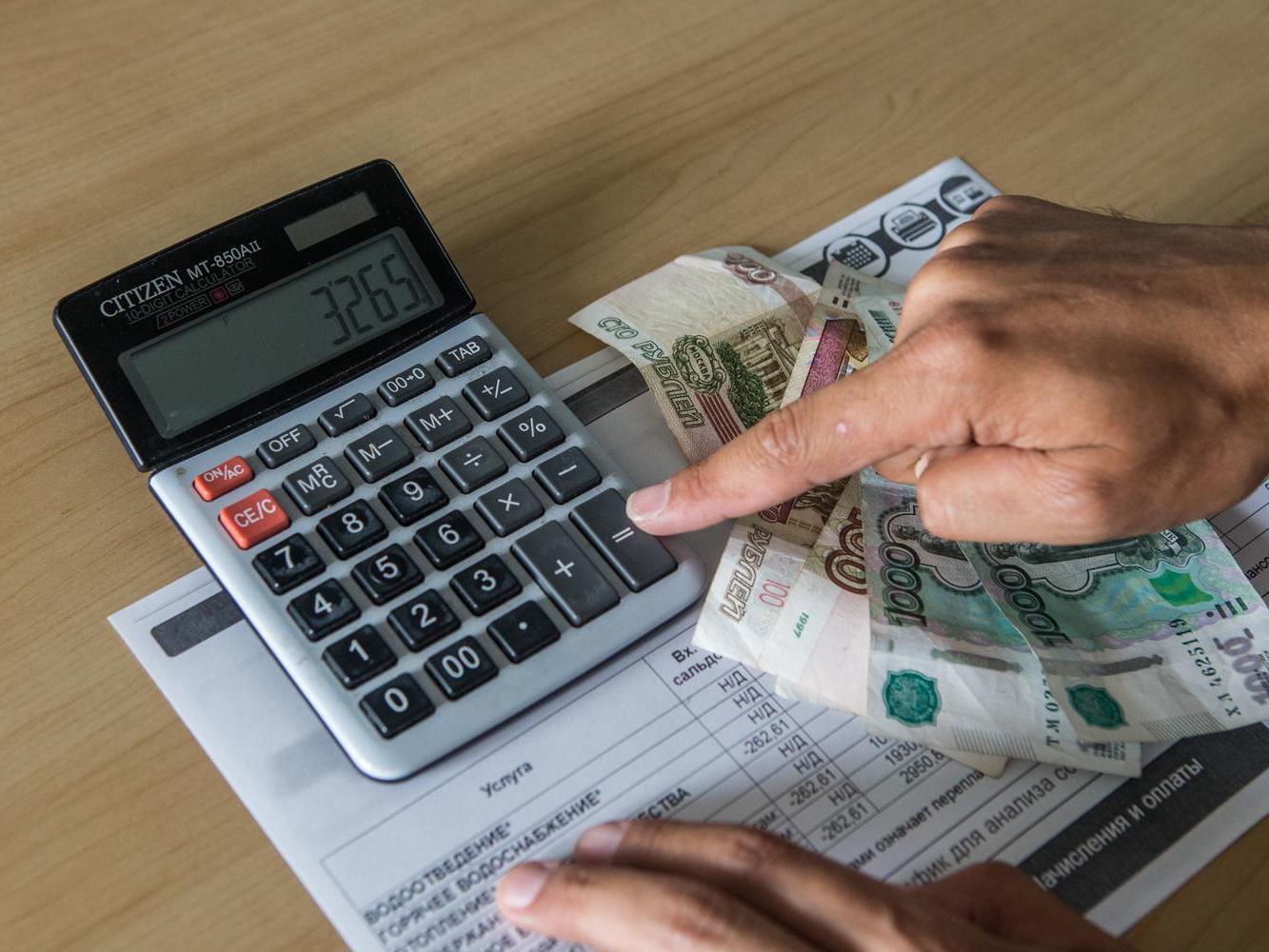
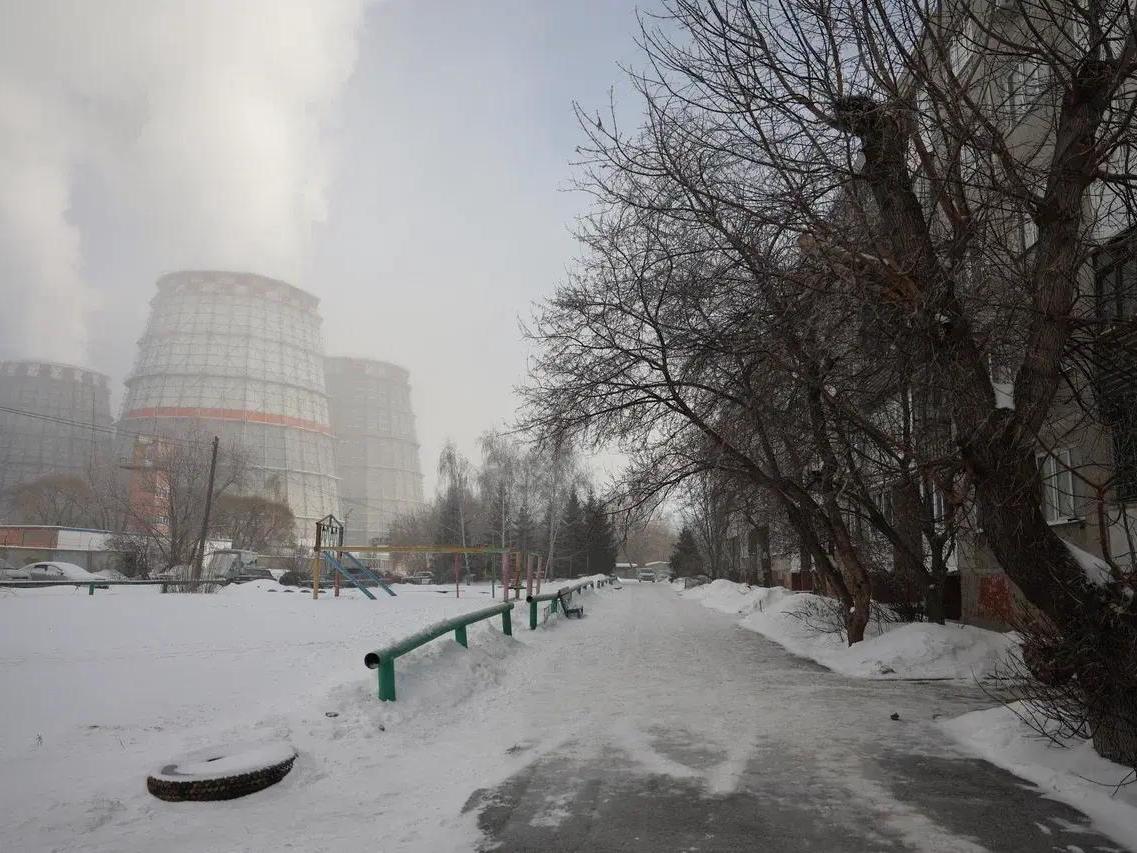
Also significantly over the last 5.5 years in Omsk, warm batteries have become more expensive — heating increased in cost by 72–79% (depending on the supplier). Cold water rose in price by more than 65%. All these types of housing and utility services have been growing in recent years, significantly outpacing inflation.
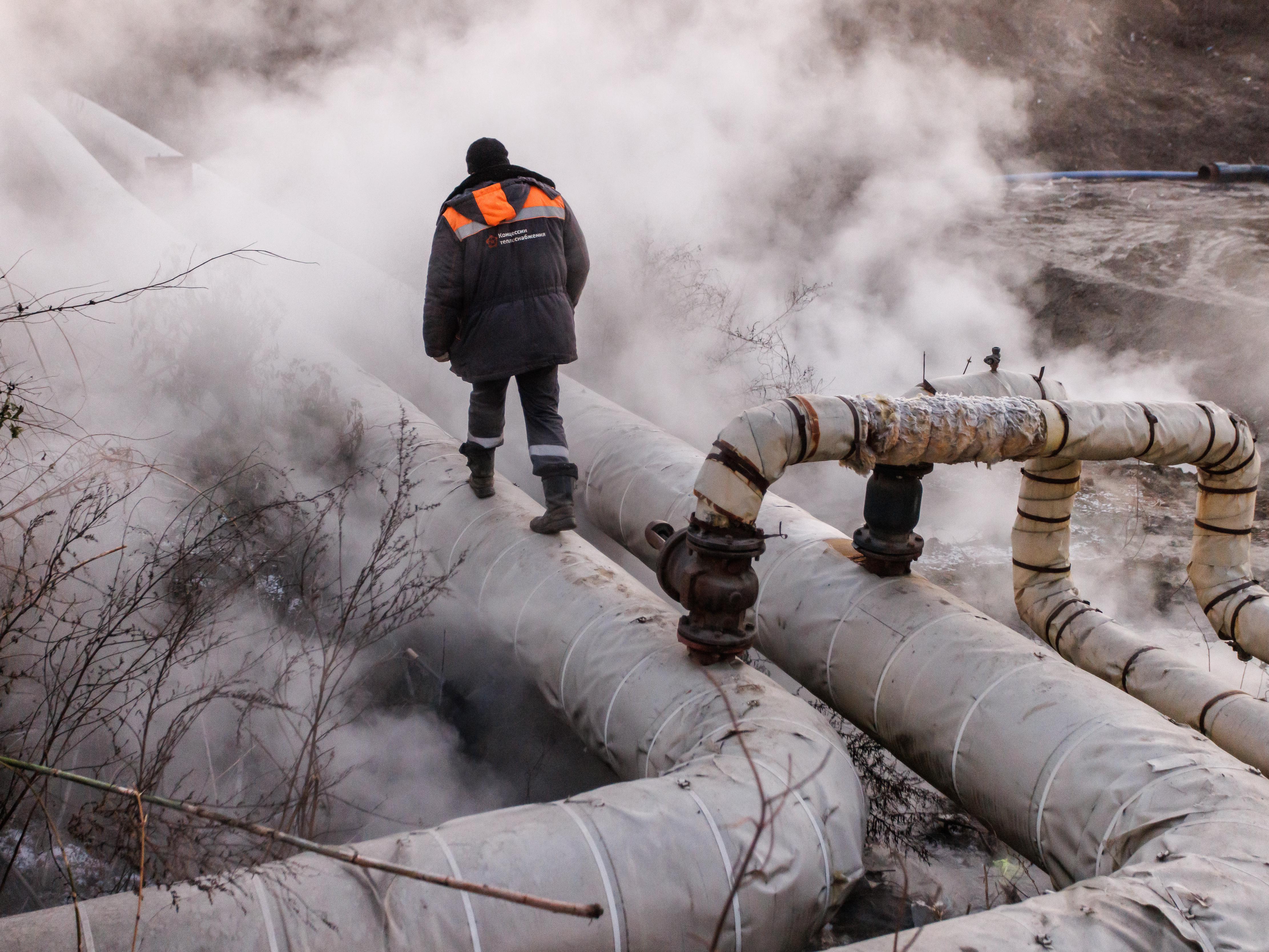
And despite this, the most complaints from Omsk residents every winter are precisely about heating. Network bursts occur in different districts of the city, and residents are forced to sit in the cold. Apparently, even such a tariff increase, outpacing inflation, does not allow the networks to be put in order.
Based on data on price increases, it can be said that over the last 5.5 years, only gas has become more accessible to Omsk residents — both natural and liquefied. The cost of this fuel increased less than the official accumulated inflation level of 49.2%.
In particular, natural gas used for heating has become almost 45% more expensive since 2020, and for cooking — by 45.37%. Liquefied gas has increased in cost by about a quarter. With the supply of the latter type of fuel in Omsk in 2025, problems arose — residents of many multi-story buildings were left without gas.
Why Are Utilities Rising in Price So Quickly?
The Regional Energy Commission (REC) explained why utilities in Omsk and the oblast are constantly becoming more expensive, and at an accelerated pace.
«In order not to reduce the pace of modernization and not to worsen the quality of provided utility services, a mechanism for indexing utility tariffs once a year is provided. The cost of fuel and lubricants, construction materials used for repairing utility infrastructure is rising. The increase in the minimum wage has an impact. Proportionally, the expenses of resource-supplying enterprises increase,» clarified the REC of Omsk Oblast.
The commission added that rates are increasing also to prevent the quality of housing services from falling.
However, the chairman of the Public Council under the Ministry of Energy, Alexander Burуkh, says that it is incorrect to link the quality of utility services to the increase in their tariffs. Sometimes cheap services can also be of high quality.
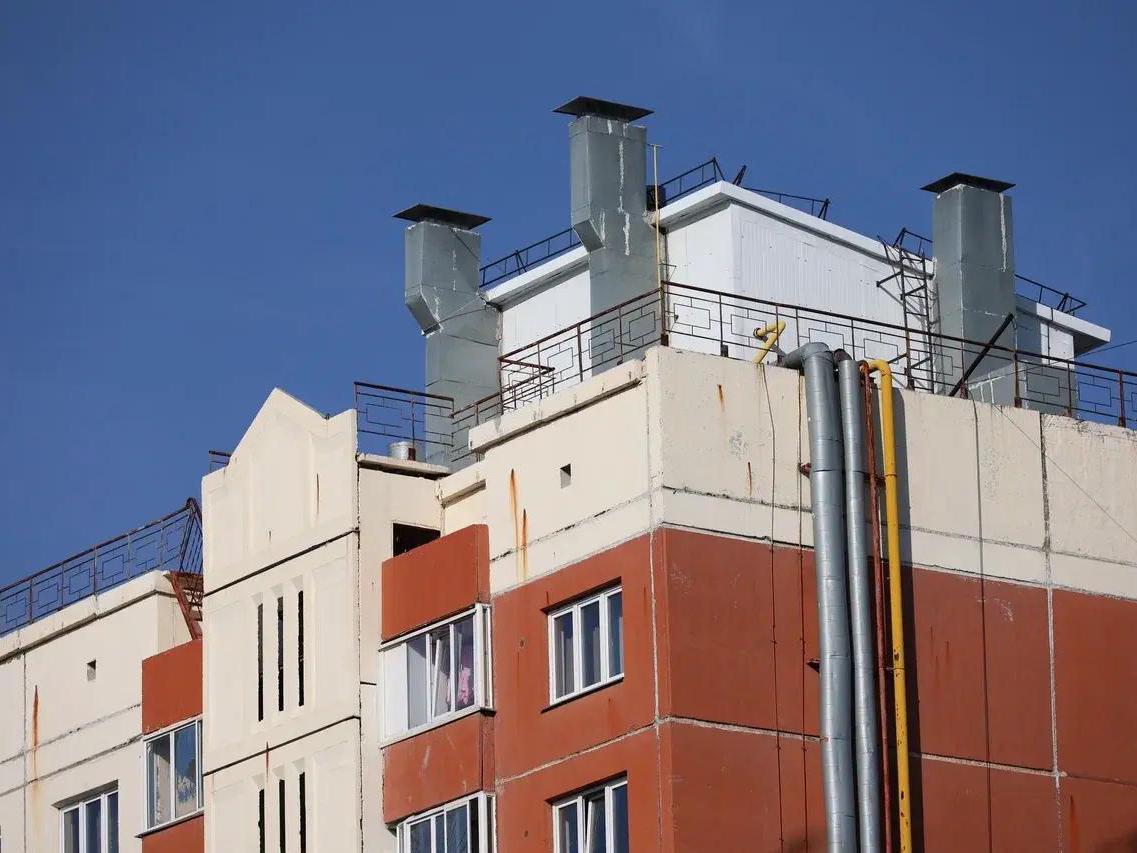
«In our Amur-2, many buildings have rooftop gas boiler houses. They are new, the length of networks is minimal, and there is almost no staff. For three years, there has been almost no increase in heating costs — tariffs were adjusted mainly due to a small rise in gas prices.»
In the expert«s opinion, it is also incorrect to compare the average inflation level with the increase in the cost of utility services.
«The situation is individual for each enterprise. Some have many debtors, somewhere there are many losses on networks, for example, at the regional water pipeline, and its tariffs are several times higher than those of the water utility. There are also ownerless networks. This is a multidimensional problem. The same gas workers do not produce liquefied gas but buy it from an oil refinery. And, for example, capital repairs did not become more expensive for many years, and now the contribution size is, as it were, »catching up«,» reflects Burуkh.
The chairman of the Public Council under the REC reminded that tariffs are influenced not only by enterprise expenses but even weather conditions.
«The current winter is colder, meaning companies» costs will increase. And then they are included in the production map and presented when calculating the tariff in the REC. The length of the heating season also affects expenses. How can one link this to the inflation level?«
The Justification of Some Tariffs Raises Questions — Economist
Associate Professor at Omsk State Technical University (OmSTU), teacher at the department of «economics and labor organization,» Maxim Mizia, sees nothing unusual in the fact that utilities are becoming more expensive differently from other types of goods and services.
«The inflation level is an average value from more than 600 items of goods and services, so expecting that utilities will exactly match the Rosstat value is not warranted. Deviations are expected; the question is in the economic justification of prices for utility services. There are chronically unprofitable services, and that is normal.»
Worldwide, such socially significant services as utility tariffs are subsidized by the state within the framework of social function. And heating and electricity are profitable. For other directions, the justification of the tariff is often unclear.
«For them, the issue of actual and planned profit is relevant, as well as optimization of taxation and distribution of expenses between local production sites and the corporate center in the capital. Some companies, for example, the solid municipal waste operator, do not disclose financial reporting at all, and we do not know how justified these tariffs are and what the investments actually are,» assured Maxim Mizia.
The economist is surprised that the utility sector wants to develop directly at the expense of the consumer, and not through profit, loans, and bond borrowings.
«This creates risks of overestimating tariffs for the population and unjustified investments. For example, the construction of large generation that has no consumers. Such cases are not isolated,» concluded the expert.
Earlier we told about who earns billions on utilities in Omsk.