X-ray Goes Digital: Diagnostic Service Modernized in Southern Urals
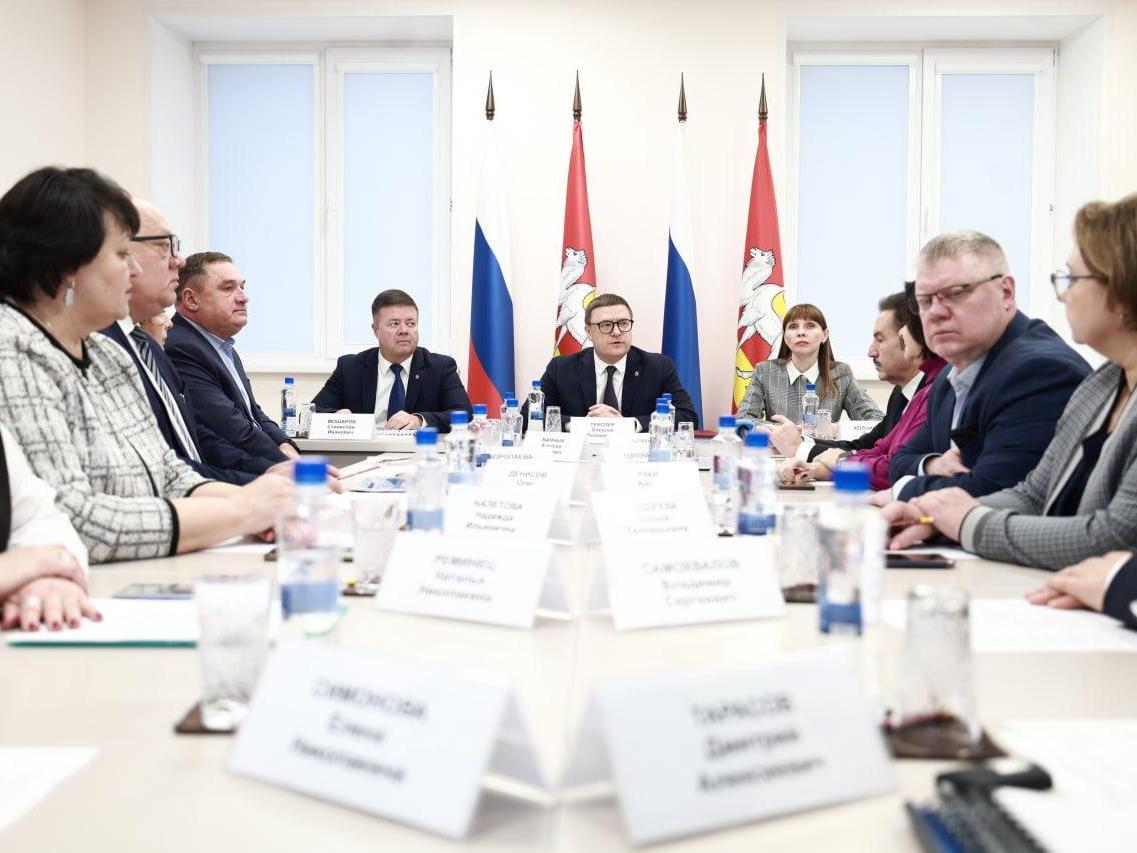

Analog X-ray machines will be taught to work with neural networks. The Chelyabinsk Region is transitioning to digital standards in radiation diagnostics. Artificial intelligence will allow doctors to make diagnoses faster and more accurately, and will spare patients from long waits for results. The issue of moving to a new technological level in healthcare was discussed by heads of leading medical institutions in the region at an on-site meeting with Governor Alexey Texler. What other topics were key at the grand consultation — details in the material.
Digital Intelligence in Health Service
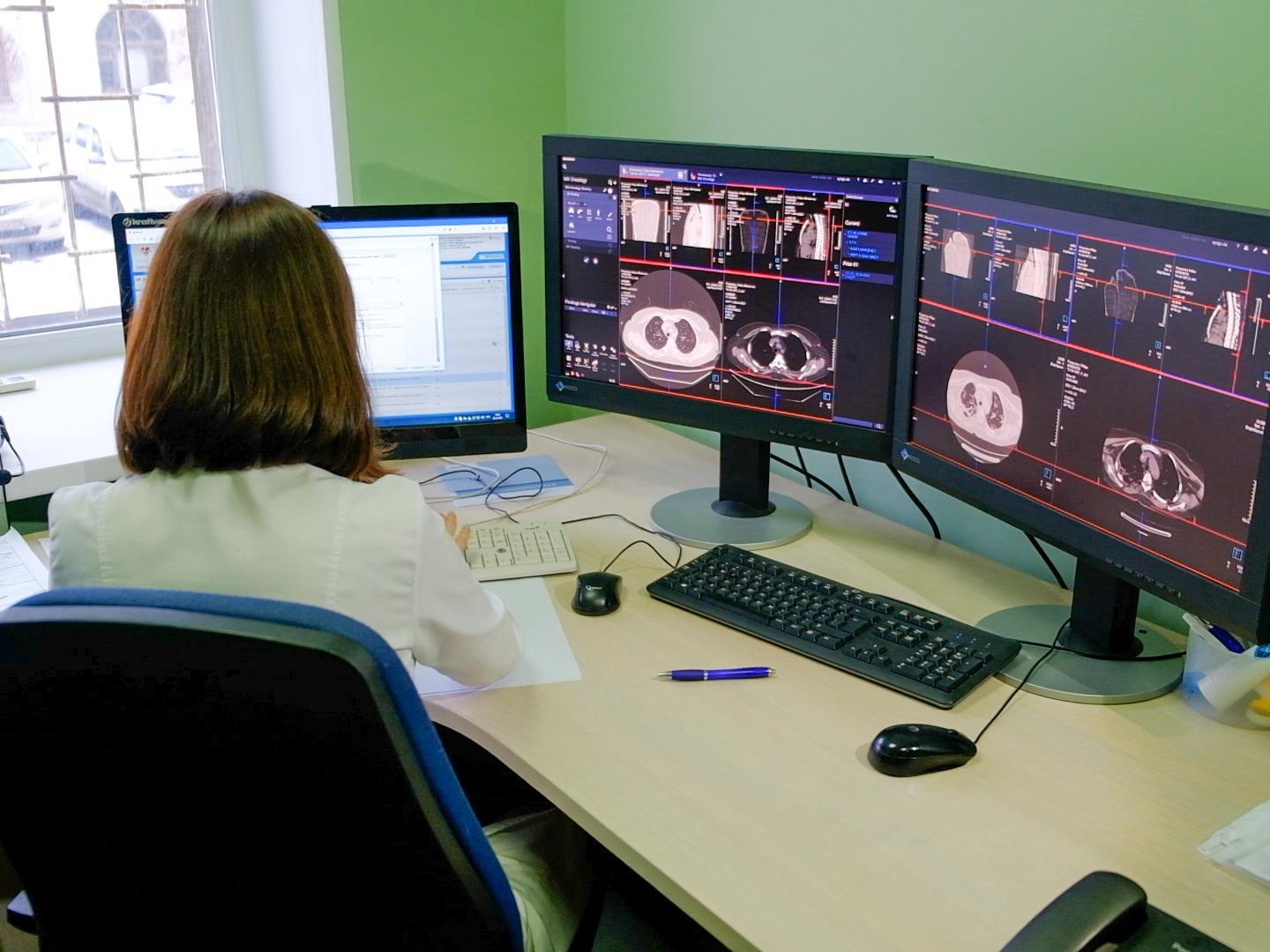
The Chelyabinsk Region has launched a large-scale modernization in the field of radiation diagnostics. The goal is to abandon outdated film technologies in favor of digital format. New X-ray units and modern mammographs have already been purchased. Moreover, existing analog X-ray machines will gain a second life and «become smarter.» They will be equipped with artificial intelligence — so-called digitizers will turn a regular film image into a digital file in a matter of seconds.
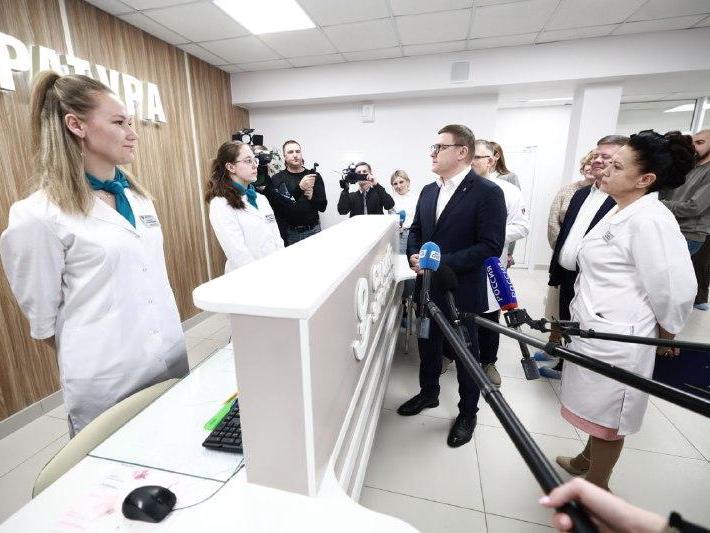
— We have for the first time implemented a large project to digitize X-ray equipment in the region: we purchased both new equipment, including a mammograph, X-ray units, and devices for digitizing existing equipment. The work is large-scale, important. Everyone understands how much modern digital technologies improve the quality and speed of diagnosis, — emphasized Alexey Texler.
The main technological advantage of the reform is effective detailing. Thanks to «digital,» image quality improves, meaning a doctor can see the smallest pathologies. Patients will no longer have to wait for film to be developed — a digital frame instantly flies to the doctor«s monitor and into the patient»s electronic record.
Moreover, abandoning expensive film, chemicals, and developing machine maintenance helps reduce medical institution costs.
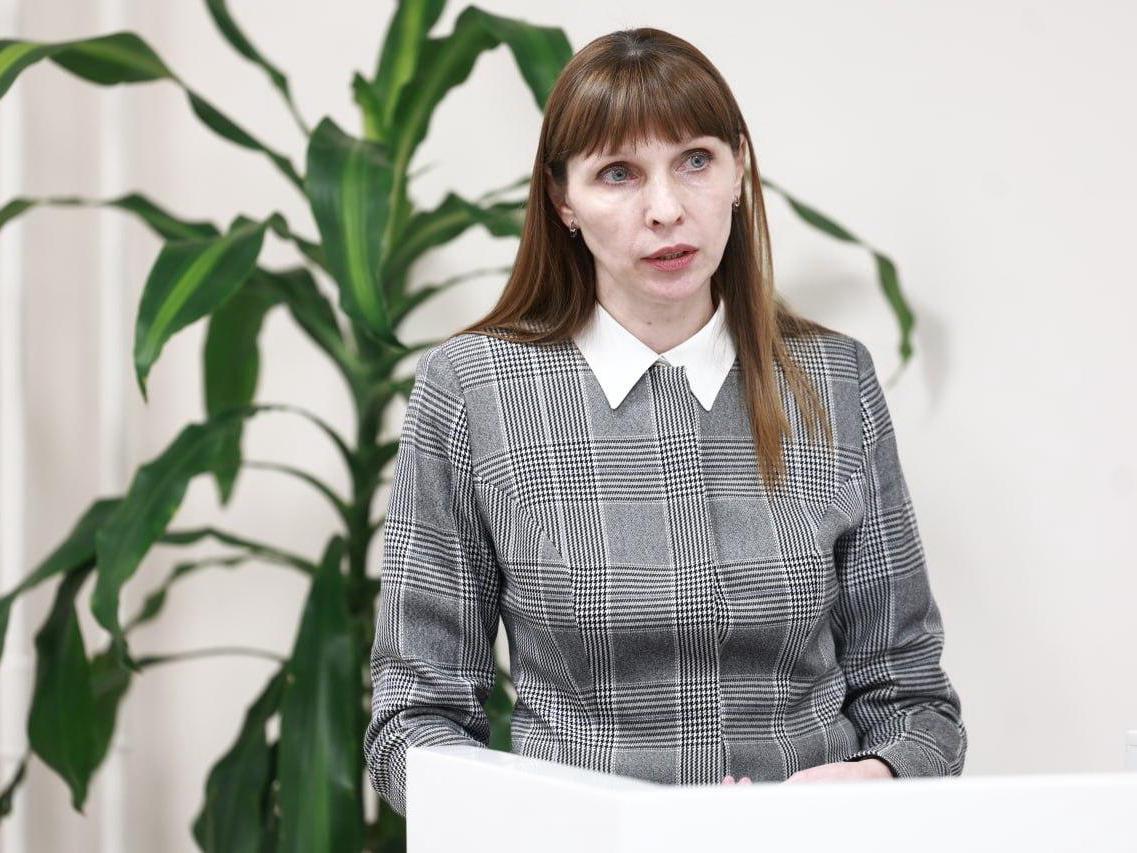
— We calculated that if X-ray is used in a large treatment facility 365 days a year, 50 examinations per day on one machine, then in a large institution, on just one machine, we can save 3,150,000 rubles (about $34,700 at current rates) per year, — clarified Tatiana Kolchinskaya, Minister of Health of the Chelyabinsk Region.
The transition to digital intelligence will help create a unified digital diagnostic network in the region to make medical care faster, more accurate, and more accessible for every resident. It is planned that by the end of the year, the share of digital X-ray machines in the Chelyabinsk Region will increase to 56% — meaning almost every second device will become «smart.»
Turns to Sand
Another important topic of the meeting was pediatric urology. Now, young patients with urolithiasis will not have to travel to neighboring regions for medical help. This year, City Clinical Hospital No. 1 received a license in the specialty «pediatric urology-andrology.» Previously, this was only possible at the Chelyabinsk Regional Children«s Clinical Hospital, but the capacity of one institution was insufficient.
The key tool in doctors« hands became a thulium laser — this is modern equipment for crushing stones. The technology allows for minimally traumatic and maximally effective interventions.
— Unlike other methods, the thulium laser does not fragment the stone into pieces, but literally turns it into sand. Moreover, it «works» only with the specific stone (concretion) and does not affect surrounding tissues. Thanks to this, the child recovers much faster, — said Dmitry Tarasov, chief physician of City Clinical Hospital No. 1.
Since February, thanks to the new equipment, about 30 children have already received quality care.
Diabetes Under Control
The meeting of chief physicians also worked out the issue of combating the incidence of diabetes.
The Chelyabinsk Region has taken the path of creating a powerful multi-level system — instead of the one or two centers common in many regions, four are planned immediately. Three of them are already operating on the bases of the Chelyabinsk Regional Clinical Hospital (CHOKB), City Clinical Hospital No. 1, and City Clinical Hospital No. 11. The fourth will open in Magnitogorsk, so that residents of the southern part of the region can receive high-tech help without traveling to the Southern Urals capital.
244 million rubles from the federal budget have been allocated to equip these medical institutions with modern technology.
The region is betting on a comprehensive approach, starting with the youngest patients. In the Chelyabinsk Region, 1,400 children with type 1 diabetes already receive modern continuous glucose monitoring systems free of charge from the age of two. This allows parents and doctors to monitor sugar levels around the clock without painful finger pricks.
National Projects — in the Spotlight
Special attention at the meeting was paid to the implementation of national projects. Thus, under the national project «Long and Active Life,» the region continues to update clinics and hospitals. In 2025, work was carried out at 98 facilities in 23 districts of the region. The results are impressive: 76 buildings underwent major repairs, 22 constructions were launched.
In the Southern Urals, active work is underway to make things more comfortable for expectant mothers. Under the national project «Family,» a record number of new women«s consultations and offices — 11 facilities — were opened in 2025. In one of them, the governor visited recently.
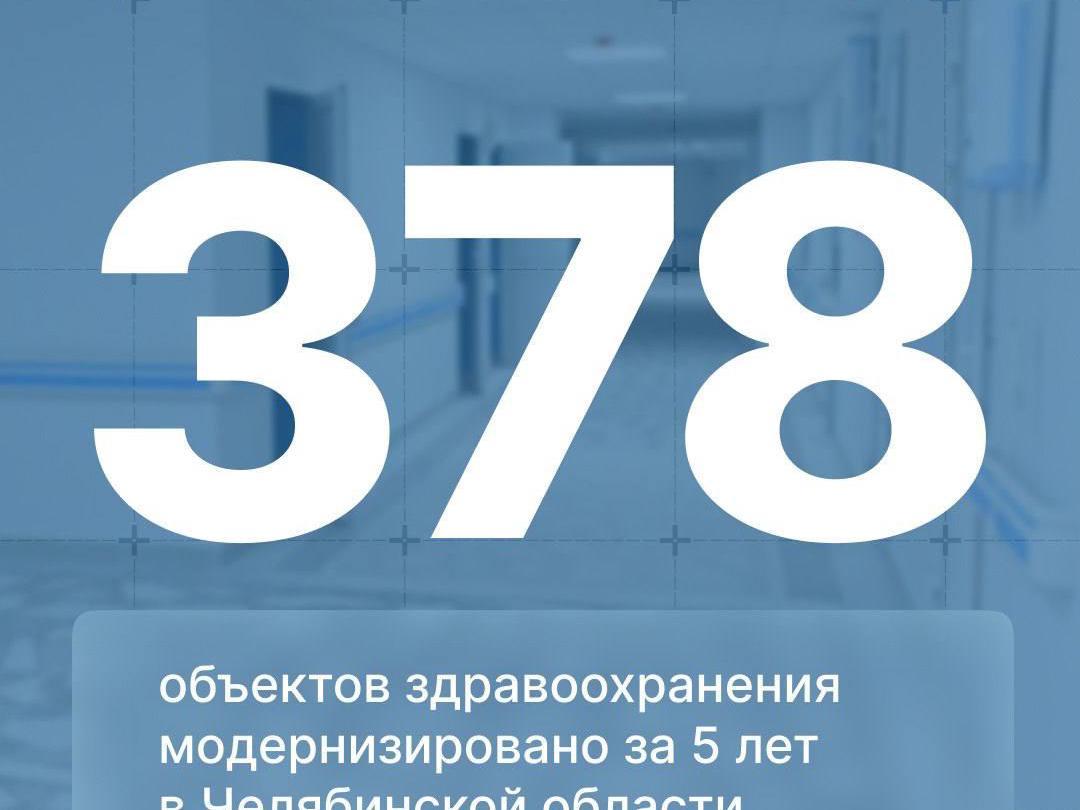
— Once, we set ourselves a big goal — to fundamentally modernize healthcare in the Chelyabinsk Region. To make it so that medical institutions are convenient and comfortable for both patients and medics, to have modern equipment. The national project «Long and Active Life» and our own regional program help us achieve this goal. In five years, we have achieved a lot. To date, 378 healthcare facilities have been built and fully modernized. This is a significant stage, but not the finish line. Work continues, its results are awaited by residents, — emphasized Alexey Texler.
The head of the region reminded that the planning horizons for the development of the healthcare system in the Chelyabinsk Region are defined until 2030.
The first meeting this year of the governor with heads of Southern Urals medical institutions was held in an updated — on-site — format. The practice of holding such meetings has already become a tradition for the regional government. This approach allows not only discussing current issues but also provides an opportunity to learn from colleagues« experience and see best practices in action.