Why Don't Ophthalmologists Get Laser Eye Surgery?
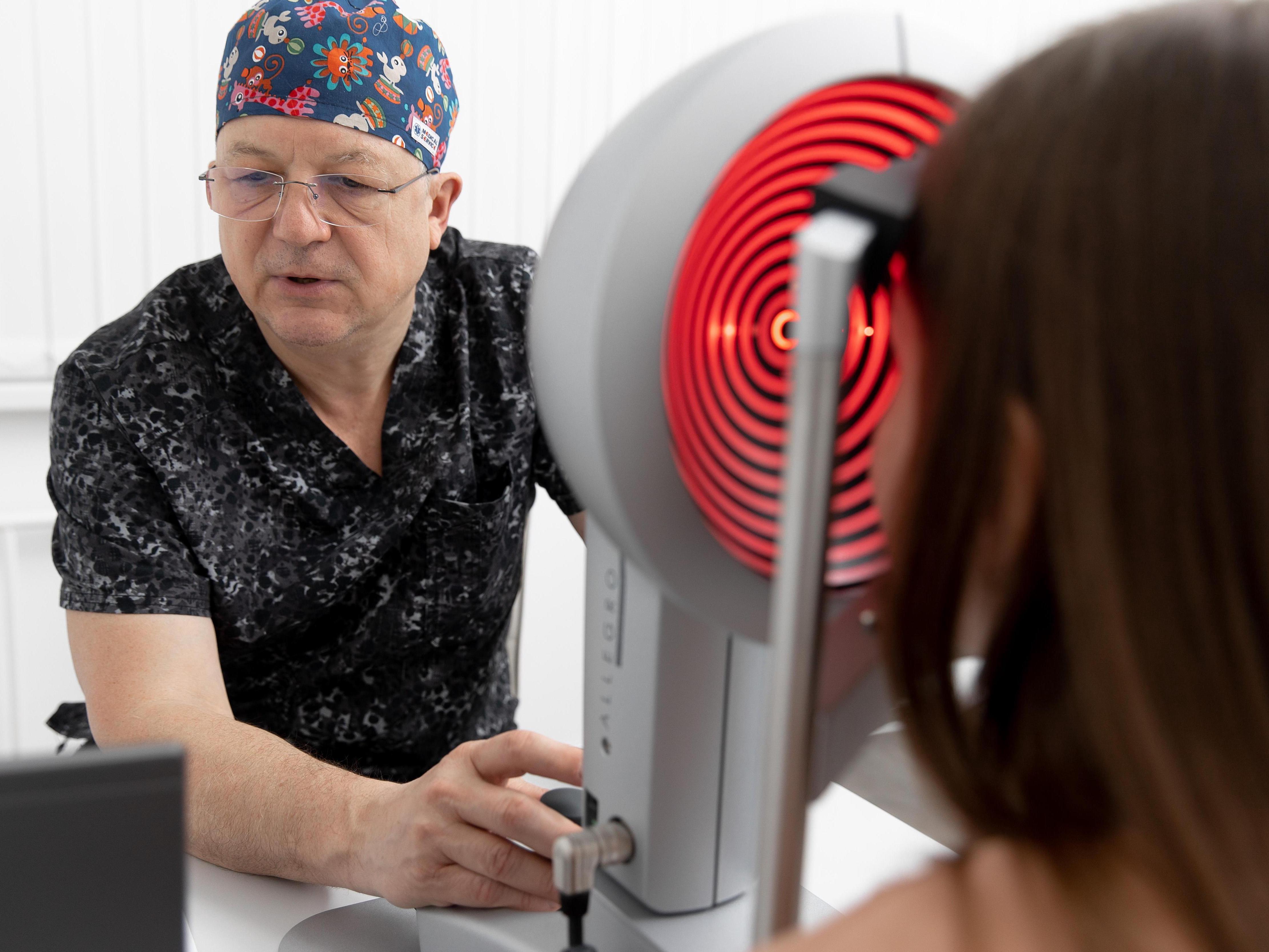

An ophthalmologist wearing glasses is a common sight that can puzzle potential surgery patients.
Those dreaming of laser vision correction have a thousand and one questions. But some of them are so unusual that only the boldest dare to ask. Together with ophthalmologist Ilya Vasilyevich Bogush, Candidate of Medical Sciences at the Santal Clinic, we compiled and discussed the top three tricky questions patients want to ask before surgery.
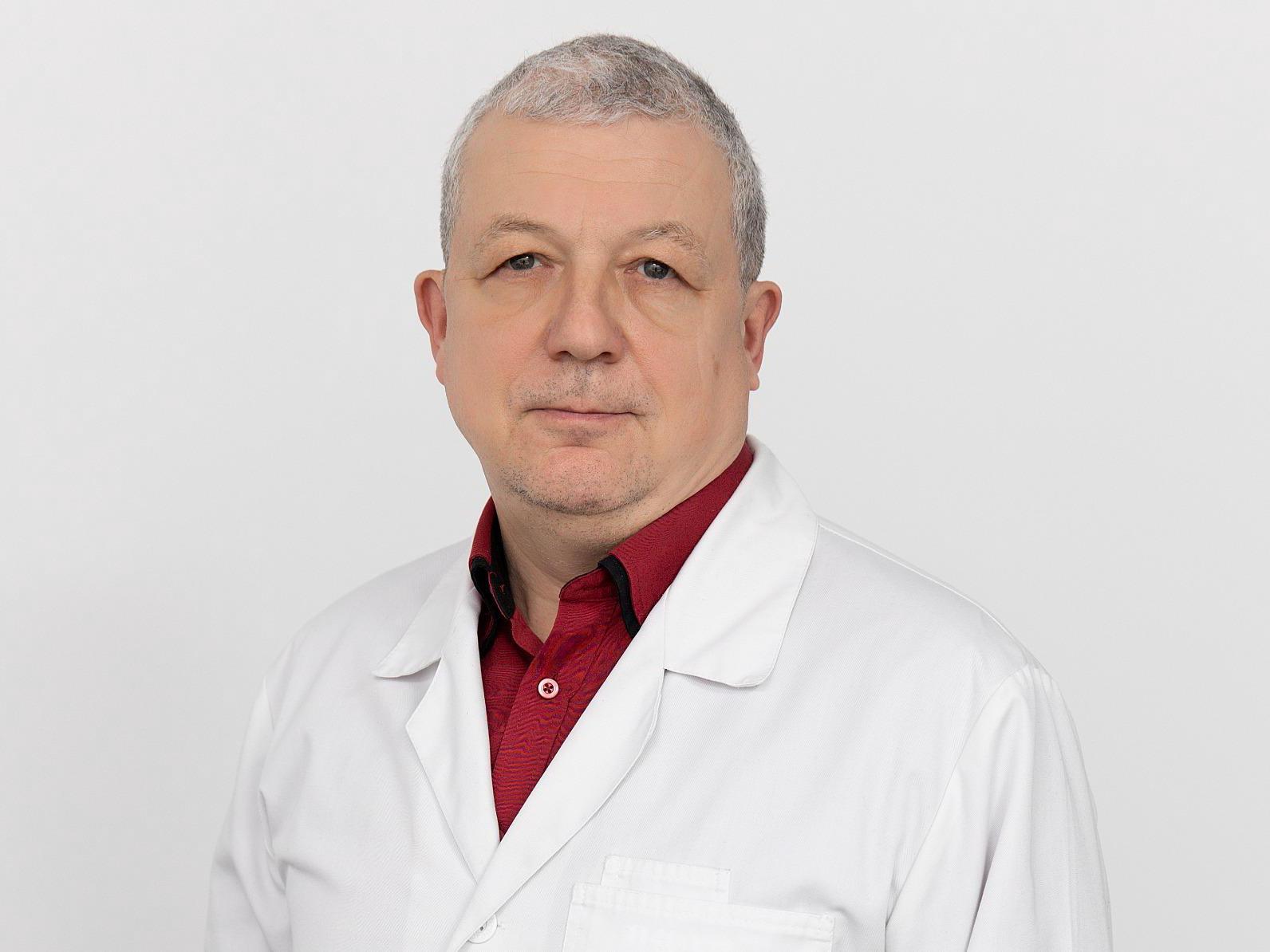
Directly asking a surgeon questions before an operation is important for patient peace of mind.
— The doctor recommends vision correction but wears glasses themselves. Why?
— Laser vision correction is essentially an aesthetic procedure performed exclusively at the patient«s request and in the absence of contraindications. Ophthalmologists may not undergo it for various reasons. If the doctor is young, they might have a complex vision situation: a combination of diagnoses that contraindicate the procedure, for example, a thin cornea or retinal problems. With age, everyone develops presbyopia (age-related farsightedness), which requires glasses for near vision. Furthermore, some doctors consciously choose glasses as part of their professional image. A doctor»s glasses are not an argument against correction, but merely evidence of an individual choice or their specific health characteristics.
— Does the laser burn the eyes during the operation?
— This stereotype arose due to a specific smell that patients often notice during the procedure. In reality, the laser only manages to raise the cornea«s temperature by 4 degrees Celsius (39.2°F), so there simply cannot be any burning or scorching. That characteristic smell comes from hydrogen molecules released when micron-thin layers of corneal tissue evaporate.
— Is it true that vision will become one hundred percent?
— Yes, it is possible. We observe such a result in the majority. But in some cases, one hundred percent may not be achieved. Factors that reduce the prognosis for 100% include, for example, the condition of the retina and amblyopia («lazy eye»). Therefore, only a doctor can predict the percentage of recovery in each specific case.
Eye treatment is not an area where one should rely on the experience of friends, relatives, or internet rumors. Even with identical diagnoses, patients« lifestyles and medical histories are individual. What helped one person may not suit another or could even be harmful.
To dispel doubts and make the right choice, consult the ophthalmologists at the Santal Eye Microsurgery Center. To make an appointment, simply fill out the form on the website or call +7 (383) 304-70-47.
Santal Eye Microsurgery Center:
16/1 Petukhova Street;
Tel. +7 (383) 304-70-47;
VKontakte;
Santal-nsk.com.