Russia updates health insurance with new free tests and screenings
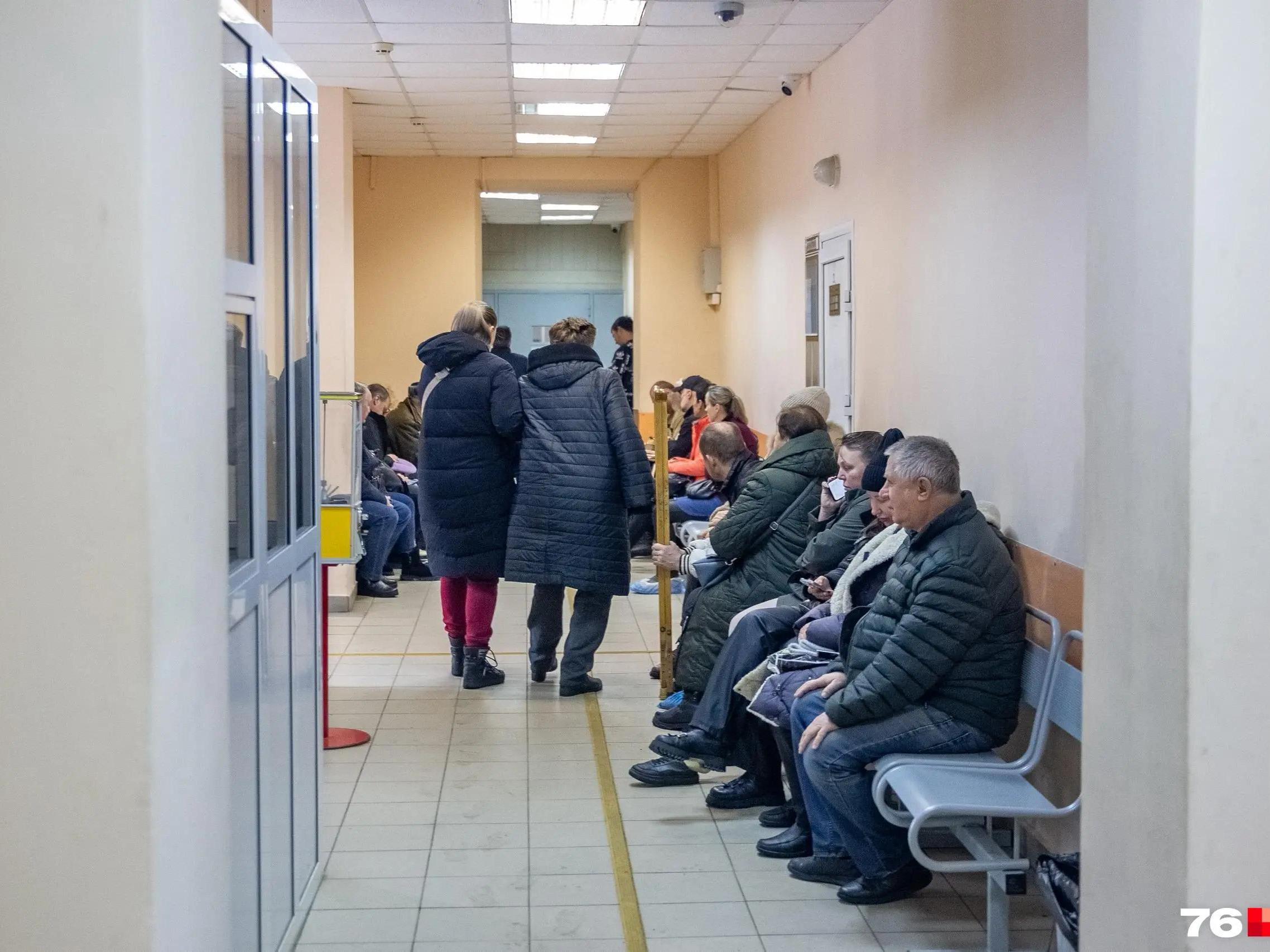

As of January 1, changes to the list of medical services covered by compulsory health insurance (CHI) have taken effect in Yaroslavl and across Russia. They concern prenatal diagnostics, monitoring of patients with chronic diseases, timelines for medical care, and more. We explain what innovations have been introduced in patient care.
Prenatal Diagnostics and Newborn Screening
Screening that assesses the risk of chromosomal abnormalities in the unborn child, including Down syndrome, has been included in the free diagnostic program for pregnant women, according to experts from the insurance medical organization «Kapital Medical Insurance» reported by 76.RU.
«Kapital MS» is a Russian insurance medical organization (SMO) that operates within the compulsory health insurance (CHI) system and ensures the rights of insured citizens to receive free medical care under the state program.
New Examinations
Now, during preventive check-ups and medical examinations, patients aged 18 to 40 will have their blood lipoprotein levels determined for early detection of lipid metabolism disorders. However, this examination can be done free of charge a limited number of times.
Lipid metabolism is a complex process in the body responsible for the intake, processing, transport, utilization, and excretion of fats (lipids).
Lipid profile is provided:
for patients aged 18–39 — once every six years,
for patients aged 40 and older — once every three years.
If no diseases or risk factors are identified based on the examinations, the results will be sent to the personal account on the «Gosuslugi» portal — without the need for a repeat visit to the clinic.
Checking for Premature Aging
In centers for healthy longevity medicine, examinations will be conducted to assess the functional and adaptive reserves of the body and identify risk factors for premature aging.
«At the first stage, citizens undergo questionnaires via the »Gosuslugi« portal and studies aimed at determining biological age, after which a decision is made on conducting additional research. Subsequently, the doctor consults the citizen and gives recommendations. Based on the research and consultation, a health passport is issued to the patient (including in electronic form),» clarified the medical organization «Kapital MS».
Medications for Hepatitis C
For the first time, the CHI program provides for the provision of medications for the treatment of hepatitis C at home. Doctor appointments can be conducted remotely, and treatment effectiveness will be confirmed by laboratory tests.
Hepatitis C — is a viral liver disease. It is transmitted through blood and often progresses for a long time without symptoms, but over time can lead to cirrhosis or liver cancer.
Also, PCR diagnostics and laboratory tests for patients with chronic viral hepatitis C will be paid for from CHI funds.
Reduced Timelines for Cardiovascular Disease Care
Changes have also affected the timelines for providing medical care to patients with suspected cardiovascular diseases. According to new rules, a cardiologist consultation must be conducted within three working days, and necessary instrumental and laboratory studies — within seven working days. Previously, up to 14 working days were allocated for this.
Additionally, the timelines for planned hospitalization have been reduced — from 14 to seven working days. However, the timelines for providing high-tech medical care still depend on the region, diagnosis, treatment method used, and the workload of medical organizations.
Online Consultations
For the first time, a separate section dedicated to providing medical care remotely has appeared in the CHI program.
«Don»t be afraid that you will only see the doctor on screen. Telemedicine technologies are applied according to the same clinical recommendations as in-person medical care. If the remote format is not suitable, you can always use in-person consultation,« noted Anton Ustyugov, deputy general director of »Kapital MS«.
Specialists note that patients retain the right to choose a medical organization and consulting doctor.
Moreover, for disabled and low-mobility citizens who require outside care and assistance, medical care at home will be provided. And participants in the special military operation will be given priority right to placement in single or double rooms (if available) in hospitals.