Laser Vision Correction in Yaroslavl: A Technology Guide
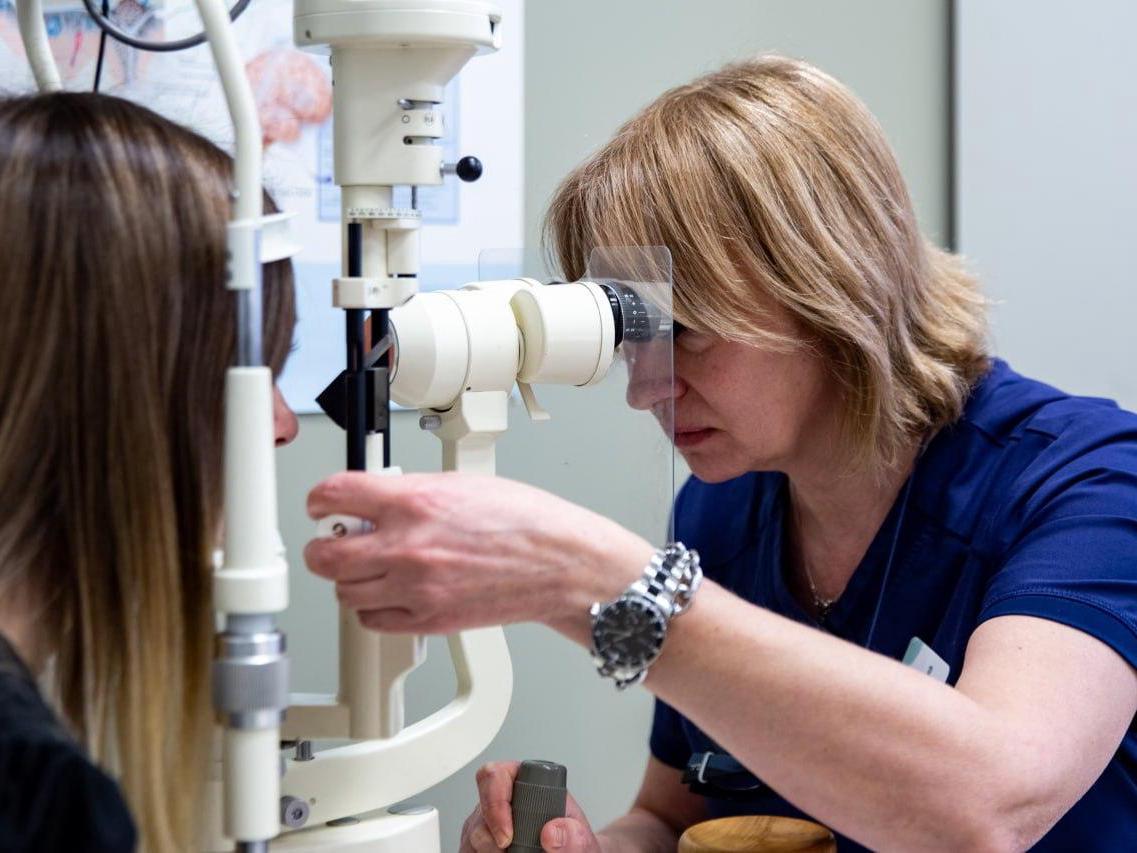

Glasses and contact lenses have long ceased to be the only solution for vision problems. Modern ophthalmology offers several high-precision laser correction methods that can restore clear vision in just one day. Ophthalmosurgeons from the VISTA clinic explain the differences between key technologies and who they are suitable for.
Freedom from Glasses and Lenses — a Reality of Modern Medicine

Laser vision correction is a high-tech and clinically proven approach for correcting myopia, hyperopia, and astigmatism. The essence of the procedure lies in the pinpoint change of the cornea«s shape: the laser corrects its optical profile in a matter of seconds, allowing light to focus correctly on the retina.
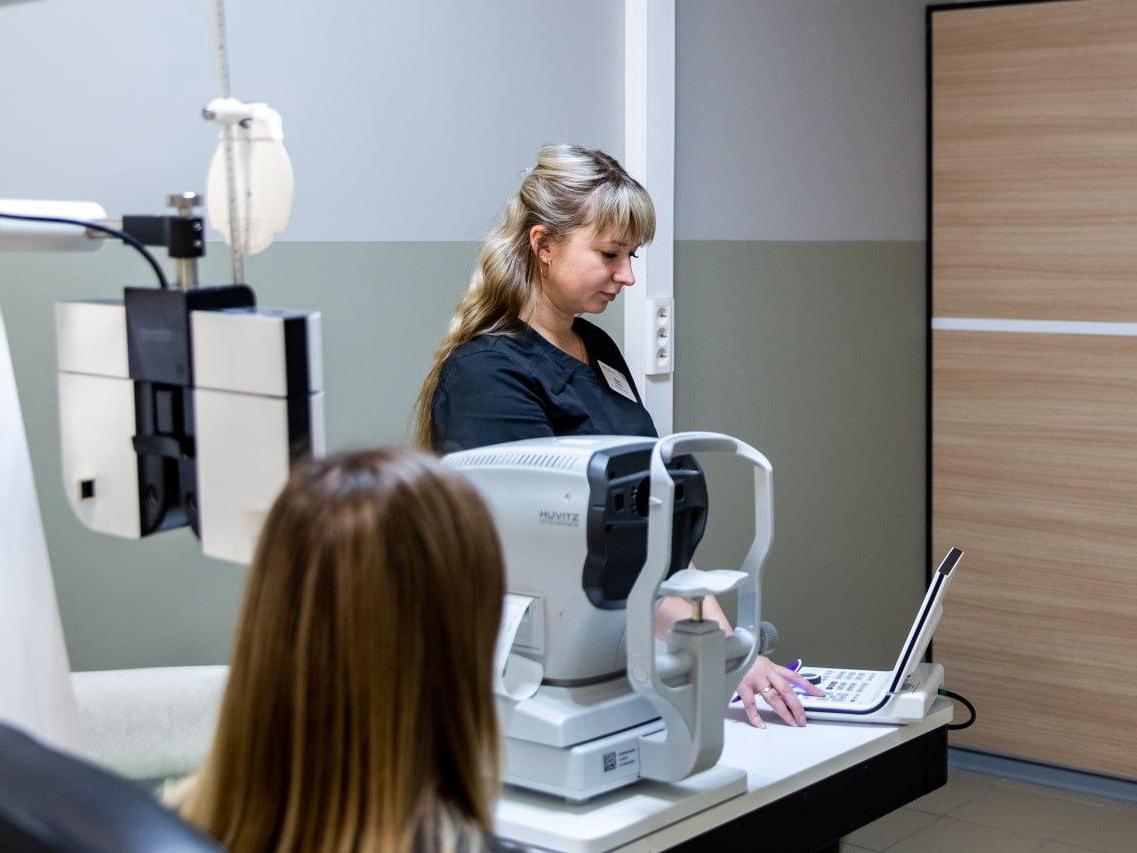
— Today we can not only restore the patient«s vision but in some cases achieve acuity above 100%. Moreover, the first results are felt within 2–3 hours after the procedure, — notes Sergei Mikhailovich Kosenko, ophthalmologist, ophthalmosurgeon, Candidate of Medical Sciences, associate professor of the Ophthalmology Department at Yaroslavl State Medical University.
Methods of Laser Correction: Which One is Right for You?
There is no universal solution, and the choice of technology depends on the thickness of the cornea, the eye«s anatomical features, lifestyle, and professional demands of the patient. Modern ophthalmosurgery employs several proven and safe corrections.
Femto LASIK
Femto LASIK — one of the most common and universal laser correction technologies. It is used to correct myopia, hyperopia, and astigmatism and is performed entirely with lasers.
In the first stage, a femtosecond laser forms the thinnest corneal flap with micron precision. Then, an excimer laser, working according to an individual program, changes the shape of the cornea for ideal light focusing. After that, the flap is returned to place without sutures.
Advantages:
completely contactless and bladeless flap formation;
high precision and predictable results;
rapid vision recovery — within several hours;
minimal restrictions in the postoperative period.
CLEAR — Next-Generation Technology
CLEAR — a modern femtosecond correction for myopia and astigmatism, which fundamentally differs from classical technologies by the absence of a corneal flap. The procedure is performed on a latest-generation femtosecond laser.
How CLEAR correction proceeds:
Inside the cornea, a microscopic lens — a lenticule — is formed using a laser.
Through a minimal incision of 2–3 mm, the lenticule is carefully extracted.
The shape of the cornea changes, ensuring vision correction.
Advantages:
absence of a corneal flap;
minimal surgical intervention;
the micro-incision self-seals during the procedure;
rapid recovery and comfortable postoperative period.
— CLEAR is especially suitable for active patients and those involved in sports. Minimal impact on the cornea reduces the risk of complications and makes rehabilitation as fast as possible, — explains Victoria Alexandrovna Sokolova, ophthalmologist, ophthalmosurgeon, refractive surgeon.
PRK / trans-PRK
Photorefractive keratectomy (PRK) and its modern version — trans-PRK — are used in cases where other methods are impossible, for example with thin corneas or complex anatomical features of the eye.
Correction proceeds in two stages. First, the laser gently removes the surface layer of the cornea — the epithelium. Then, an excimer laser forms a new optical profile. Finally, a protective contact lens is placed on the eye for comfortable healing.
Advantages:
maximum preservation of corneal strength;
procedure duration — no more than 5 minutes;
completely contactless procedure (with trans-PRK).
Classic LASIK
LASIK — a time-tested laser vision correction technology that appeared significantly earlier than many modern operations, but is imperfect due to trauma. During the procedure, a thin mechanical blade gently acts on the cornea, forming a protective valve, after which an excimer laser with high precision evaporates a micro-layer of corneal tissue. Then, the corneal valve is returned to place, ensuring quick and comfortable recovery.
Rehabilitation after LASIK lasts longer than after more modern technologies. However, in a number of clinical cases related to individual eye structure features, the operation becomes the only possible one for correcting myopia, hyperopia, and astigmatism.
Preparation and Stages of the Operation
To prepare for laser correction, it is necessary to stop using soft contact lenses two weeks prior and exclude alcohol. On the day of surgery, do not use cosmetics and perfume, and inform the doctor about all medications being taken.
The procedure itself proceeds in several stages. The first — anesthesia with anesthetic drops. Next is valve formation with a microkeratome, then forming a new corneal profile with an excimer laser, and rest under doctor observation for an hour. The next day, the patient comes for a follow-up examination with an ophthalmologist.
Expert Approach and World-Class Technologies
Laser vision correction — it«s not only about technologies, but also the doctor»s experience. At the VISTA clinic operations are performed by specialists with years of practice:
Sergei Mikhailovich Kosenko — ophthalmologist, ophthalmosurgeon, Candidate of Medical Sciences, associate professor of the Ophthalmology Department at Yaroslavl State Medical University;
Victoria Alexandrovna Sokolova — ophthalmologist, ophthalmosurgeon, refractive surgeon.
Individual selection of the correction method, expert-class equipment, and full patient support — from diagnosis to postoperative observation — allow for achieving stable and predictable results.
Ophthalmology Clinic Vista,
address: Ulitsa Uglichskaya, 48;
phone: +7(4852) 60-80-79;
website.
License No. L041-01132-76/00356007 dated 31 August 2020