How Omsk reformed its healthcare system in 2025

The past year was a period of large-scale transformations for the healthcare system of the Omsk Region. While the Ministry conducted a reorganization of institutions, aiming to optimize expenditures, questions about the availability of medications and the conditions for providing medical care took center stage.
In this NGS55.RU article, Anastasia Vlasova details and recalls what made 2025 memorable for the Omsk Ministry of Health.

Course towards consolidation
From February, with plans to merge clinics, to December, with the announcement of a single emergency number, 2025 passed in a mode of continuous reorganization for the regional Ministry of Health.
Last year, the department began a mass merger of medical institutions. The goal was to reduce the number of managers and accounting departments, so that the money saved could be directed towards doctors« salaries.
Clinics: The process of attaching Clinic No. 1 to Clinic No. 13 began. Authorities assured that nothing would change for patients: appointments would continue at the old addresses, and specialized doctors would visit on a schedule.
Maternity hospitals: Maternity hospitals No. 2 and No. 4 were planned to be attached to larger multidisciplinary hospitals (City Clinical Hospital No. 3 and Emergency Care Hospital No. 2, respectively). The Ministry of Health explained this as a desire to create powerful perinatal centers, although residents complained about overcrowding in the remaining maternity hospitals.
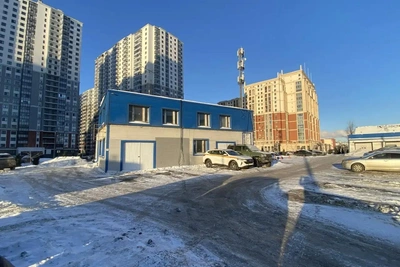
Tuberculosis service: The most painful story was that of Tuberculosis Dispensary No. 4. Its building was declared unsafe, and the institution was effectively merged into the regional dispensary. However, the process was difficult: employees complained that they were pressured to resign, and conditions at the new workplace were poor.
Medication crisis
The most acute and socially significant problem of the year was the provision of subsidized and vital medications. The shortage drew the attention of federal oversight agencies.
Patients faced the absence in pharmacies of drugs for treating kidney diseases («Parsabiv», «Eralfon»), inflammatory bowel diseases («Mesalazine»), and arrhythmia («Cordarone»). In October–November, a crisis erupted with medications for dialysis patients. The Ministry of Health acknowledged problems, citing difficulties with procurement and supplies, and offered patients alternatives, which did not always satisfy doctors and patients.
Desperate complaints from relatives of cancer patients, forced to buy painkillers for tens of thousands of rubles, were heard on social media. Long lines at «Gosapteki» (state pharmacies) due to lengthy electronic prescription checks became common.
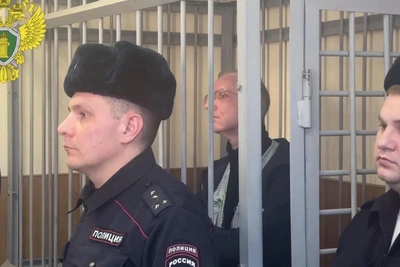
The situation forced the Prosecutor General«s Office of the Russian Federation to include the Omsk Region on the list of regions for a large-scale inspection. In September, the prosecutor»s office secured administrative punishment and a fine for an official of the Omsk Ministry of Health, through whose fault thousands of prescriptions had not been filled at the end of 2024 – beginning of 2025.
At the same time, a significant price increase was recorded for some over-the-counter medicines (Corvalol, activated charcoal, bandages).
Staff, finances, and working conditions
In addition to merging hospitals and medication scandals, the healthcare system suffered from a shortage of doctors, low salaries, and poor conditions in the medical facilities themselves.
Doctor shortage: At the beginning of 2025, out of 9,574 doctors in the region, only 1,285 worked in the districts, where 704,000 people lived. Urban clinics also acutely lacked general practitioners, ophthalmologists, and traumatologists. As of September 30, there were 613 doctor vacancies in the region.
Low incomes for medical workers: In November, new «recommended» salaries were approved: 15,100 rubles ($151 at current rates) for a junior nurse, 31,000 rubles ($310) for a doctor in an ambulance crew. Such amounts did not attract new workers.
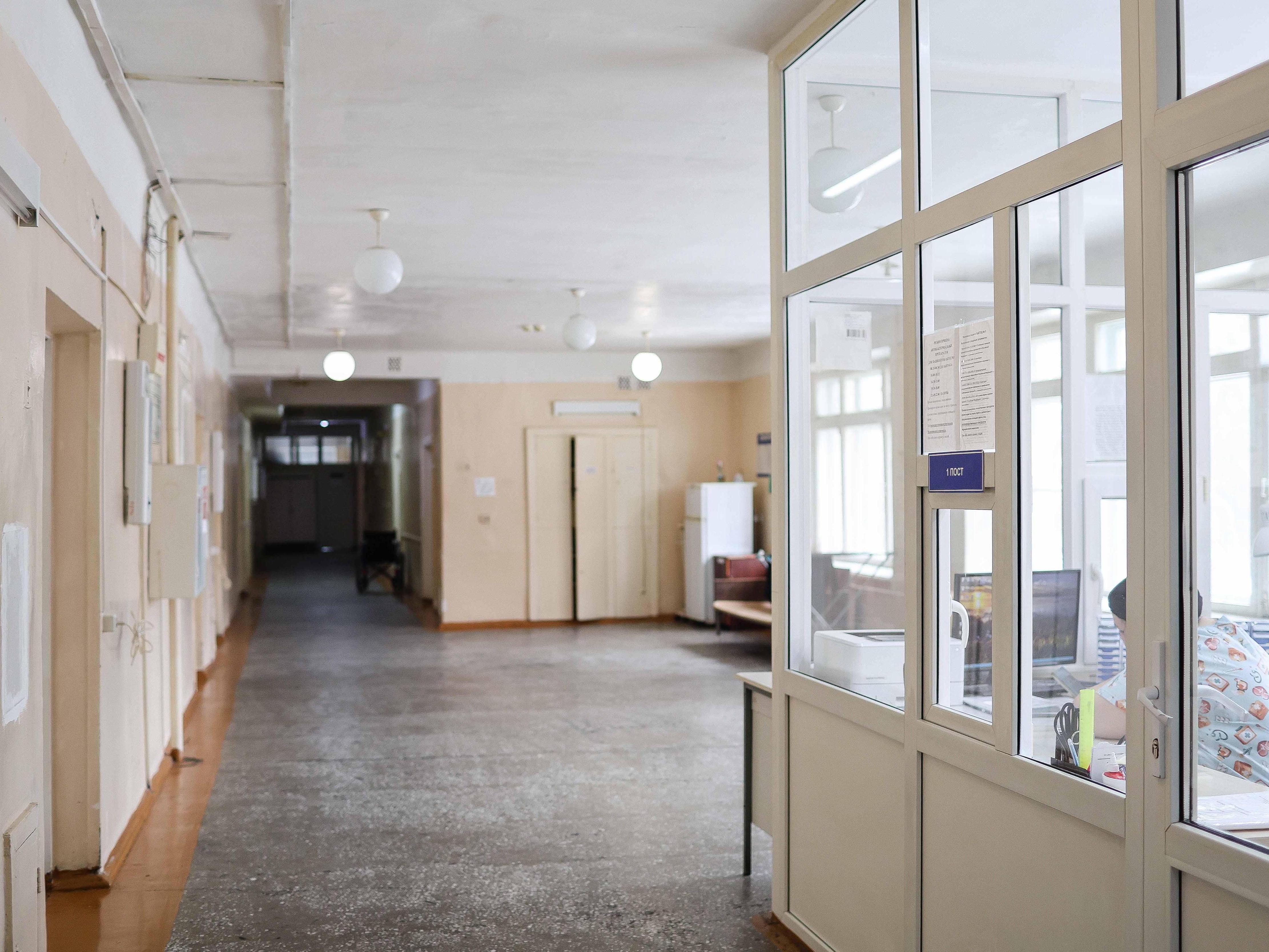
Problematic conditions: Patients complained about unsanitary conditions, bedbugs, and cockroaches in hospitals (Emergency Care Hospital No. 1, Emergency Care Hospital No. 2). Also, that chemotherapy for cancer patients is administered in hallways due to a lack of space. Power outages in trauma centers and the storage of medical records in toilets completed the picture of systemic underfunding.
Positive results of 2025
Despite a difficult year, there were also positive outcomes in the work of the region«s healthcare system. For example, an improvement in the epidemiological situation.
Significant reduction in HIV incidence: In the first 10 months of 2025, the incidence of HIV infection decreased by 18.1% compared to the same period last year.
Measles control: Over four years, the region recorded only 41 cases of measles, and in the first 10 months of 2025 – only one. There were no fatal cases.
Stable epidemiological situation: No cases of particularly dangerous infections (cholera, plague, anthrax) were registered in the region, and the incidence of scabies and viral meningitis was below long-term average indicators.
In addition, the number of alcohol and drug poisonings decreased. In the first 10 months of 2025, the figures fell by approximately 30% compared to the same period in 2024.
The Ministry of Health also stated there were no interruptions in providing patients with diabetes with continuous glucose monitoring systems, which are issued free to children and pregnant women.
By the end of 2025, clinics in City Hospital No. 3, No. 9, City Clinical Hospital No. 11, Clinical Medical Sanitary Unit No. 9, and the Moskalenki and Odessa Central District Hospitals, as well as children«s clinics, opened after repairs. In the Ust-Ishim District, three new feldsher-midwife stations were built to replace those destroyed by flooding. After repairs and the installation of new equipment, medical rehabilitation departments opened in Emergency Care Hospital No. 1 and No. 2. About 60 million rubles ($600,000) were allocated for the purchase of equipment.
A federal prosthetics center appeared in the region. In 2025, a branch of the Central Institute of Traumatology and Orthopedics (CITO) opened. The center will produce up to 700 modern prostheses per year for patients from across Siberia and the Urals. Investments amounted to over 400 million rubles ($4 million).
Thus, in 2025, the Omsk Ministry of Health tried to simultaneously reform the structure and solve current operational tasks. The department demonstrated certain successes in the field of epidemiology and organizing emergency care. However, the transformation process revealed serious structural weaknesses, primarily an acute shortage of personnel and resources.
Earlier, the Omsk Minister of Health, Dmitry Markelov, talked to an NGS55.RU correspondent about the results and plans.