Fatal risk: which Murmansk Region residents must avoid MRI
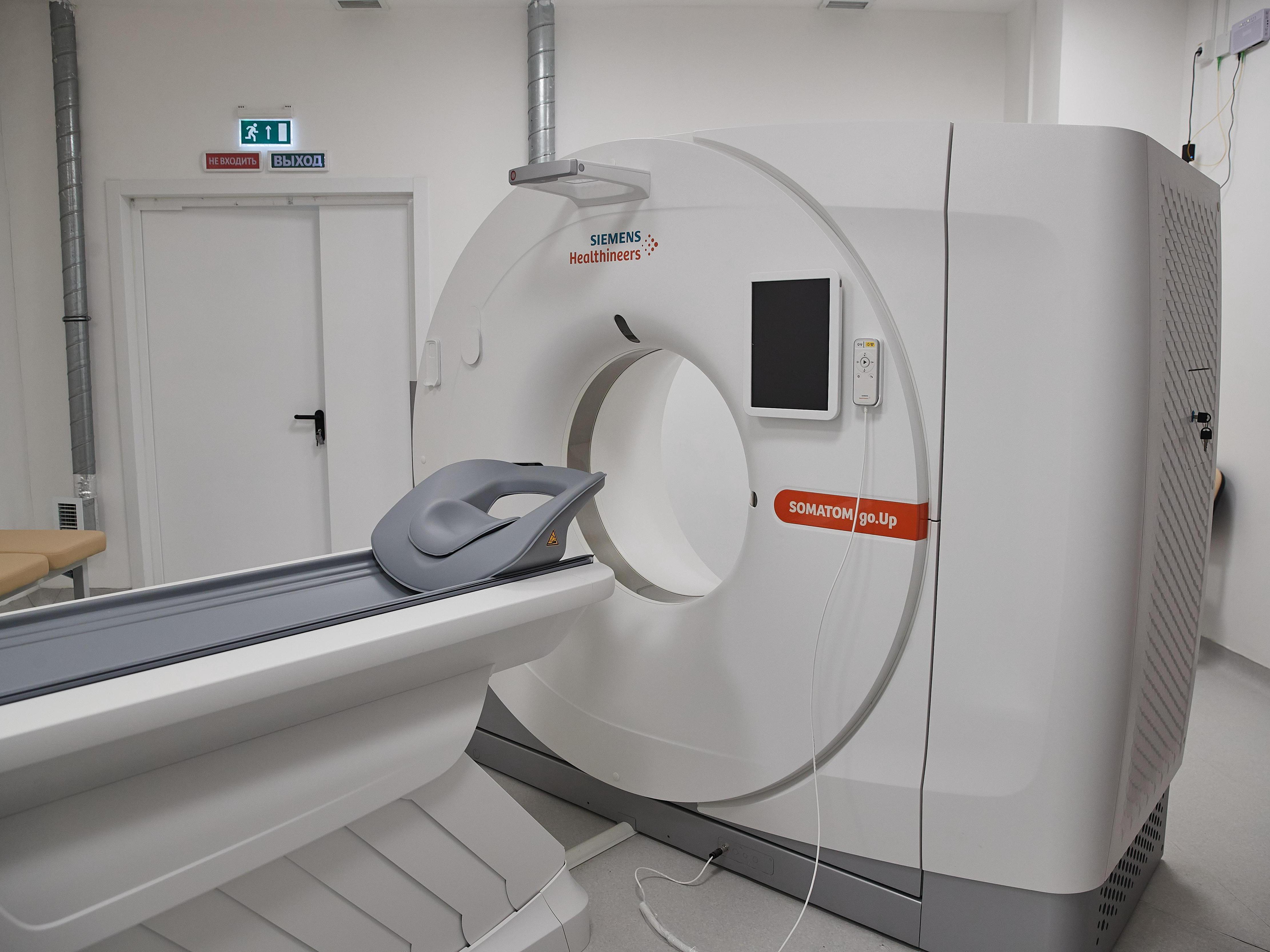

In the neighboring region of Arkhangelsk, an elderly patient died after a doctor sent her for an MRI, knowing she had a pacemaker and contraindications. The medic was convicted. We found out who should not undergo an MRI and why.
What are the contraindications
As explained by Elena Levina, head of the medical activity organization department of the Ministry of Health of Arkhangelsk Region, there are absolute and relative contraindications for the procedure. Pacemakers are considered absolute, but there are exceptions.
«Now there are new-generation pacemakers that can be loaded into an MRI machine, but this information must be checked by the laboratory technician conducting the study. They must ask for the pacemaker»s documents, knowing about its presence,« Levina comments.
Absolute contraindications:
the presence of any electronic items on or inside the body;
any metal items and structures on or inside the body;
hearing aids.
Devices worn on or inside the body can themselves malfunction, heat up, and cause burns:
«A patient who has any wearable devices must know about it and tell the doctor again before the procedure. The exchange of information between doctor and patient provides support and safety.»
Relative contraindications — the decision is made individually in each case:
claustrophobia;
pregnancy — it is unknown how the study may affect the child in the long term;
unstable and inadequate condition of the patient;
allergy to contrast agents;
high body weight — some machines may not support a weight over 120 kilograms (approximately 265 lbs).
Who exactly needs an MRI and who should choose other methods
As Elena Levina explained, MRIs are now prescribed to a large number of people, and not always out of necessity:
«Doctors» attention gets scattered in this flow, situations are possible where the human factor comes into play.«
According to Levina, an MRI is mandatory only for the diagnosis of oncological diseases.
«Everything else — cardiac diseases, joint problems — can be solved by more gentle and faster methods than MRI,» comments Elena.
The procedure lasts an hour on average, including preparation, which is quite long. Those who undergo an MRI unnecessarily burden the system, and therefore patients in need have to wait in line much longer.
«We need to be more thorough in prescribing this type of study. And prioritize those patients who need the procedure,» Elena emphasizes again.
Earlier we reported on why there is a shortage of doctors in the Murmansk Region and how the authorities plan to solve this problem.