Cardiac surgeon who performed 7,000 operations explains alcohol's effect on heart
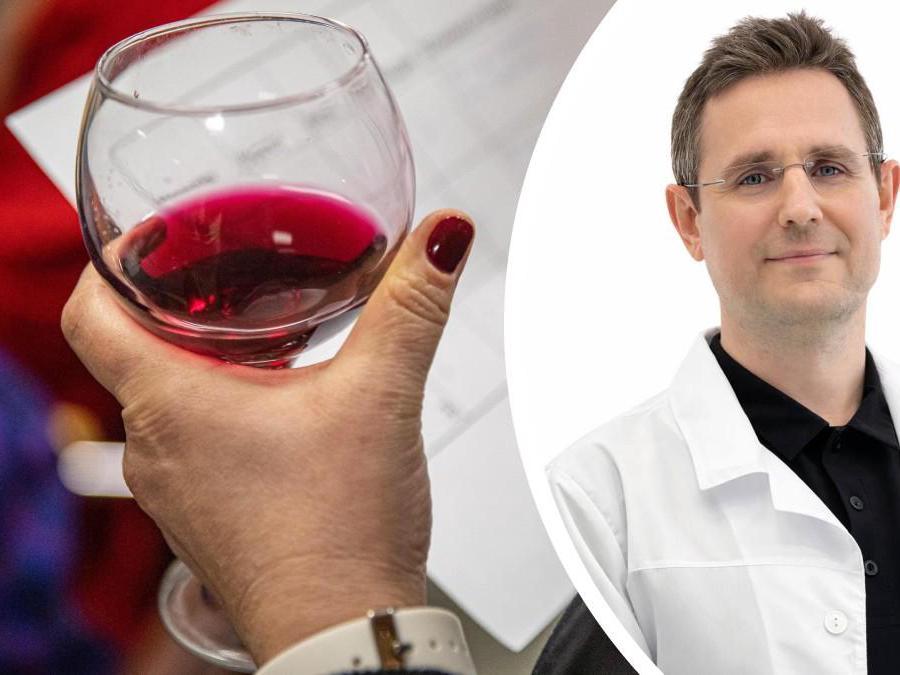

A cardiac surgeon debunks the notion that a glass of wine is healthy and details its harmful effects.
Practicing cardiac surgeon Roman Risberg criticized the opinion about the benefits of a glass of wine. According to him, it is a widely circulated myth that is refuted by scientific research. UFA1.RU talked to the doctor about the effects of alcohol and other bad habits on the heart.

Risberg states that drinking alcohol is a sure way to speed up the journey to the hospital.
Roman Risberg is a practicing cardiovascular surgeon and interventional cardiologist (a physician in X-ray endovascular diagnostics and treatment) of the highest qualification category at the Republican Cardiology Center in Ufa. Since 2009, he has performed about 7,000 therapeutic and diagnostic endovascular interventions on the heart and blood vessels.
He holds a Doctor of Medical Sciences degree and is also a professor at the Department of Hospital and Cardiovascular Surgery of Bashkir State Medical University (BashGMU). He is the author of 65 scientific papers, 24 Russian invention patents, and a co-author of 8 monographs. He was recognized as one of the three best cardiac surgeons in Russia according to patient reviews in 2025.
“There is no safe dose. The World Health Organization (WHO) clearly states: risk begins with the first drop. Any talk about the ‘benefits’ of a glass of wine is untenable against the backdrop of overall harm,” said Roman Risberg in a conversation with UFA1.RU.
Moreover, he categorically refuses to call alcohol a food product. The doctor emphasizes that it is a toxic, psychoactive, and addictive substance.
“When entering the bloodstream, ethanol and its main metabolite acetaldehyde have a direct damaging effect on heart muscle cells (cardiomyocytes). Protein synthesis is disrupted, fat accumulates, and the myocardium becomes flabby and weak. This is a direct path to heart failure,” the doctor explained to UFA1.RU.
To support his opinion on the harm of alcohol, he listed the diseases that its consumption leads to. One of them is alcoholic cardiomyopathy, which is also called “bull’s heart.”
“This diagnosis is not a figure of speech. The heart increases in size, its walls thin, and it loses the strength to pump blood. Mortality in this condition is catastrophically high. It develops not only in binge drinkers but also with ‘moderate’ but regular consumption,” the doctor said.
The heart can also be “holiday.” This is what the doctor calls sudden arrhythmias after drinking bouts.
“Alcohol is one of the most powerful provokers of rhythm disturbances. The risk of developing atrial fibrillation in those who drink alcohol is twice as high. The condition of ‘holiday heart’ is a direct indication of this danger. It is arrhythmias that often become the cause of sudden cardiac death in young people,” Risberg noted.
Moreover, alcohol, as the specialist warns, disrupts the regulation of vascular tone and increases pressure. Systematic use leads to persistent hypertension. At the same time, Roman Risberg explains, alcohol damages the inner lining of blood vessels, increases blood clotting and triglyceride levels, accelerating the formation of atherosclerotic plaques.
According to him, this creates a vicious circle leading to heart attacks and strokes. Treating an alcohol-affected heart is an extremely difficult task, and often palliative. The only effective way to minimize risks is complete abstinence from alcohol.
“This is not a sermon, but a statement of scientific and clinical fact. Every day in the operating room I see the consequences of rash decisions,” lamented Risberg. “One of the most destructive is the regular consumption of alcohol for the cardiovascular system. Science leaves no room for illusions here.”
We also asked the professor how another bad habit — smoking — affects the heart. According to Roman Risberg, it literally kills health.
“Smoking not only increases the risk of lung cancer, but also directly damages the heart and blood vessels. Nicotine and combustion products enhance sympathetic activity, increasing heart rate and blood pressure, and this is an additional load on the heart. Carbon monoxide displaces oxygen from hemoglobin: tissues, including the myocardium, receive less oxygen — hello, ischemia,” the cardiac surgeon said.
Smoking enhances inflammation and thrombus formation, which increases the risk of heart attack and stroke. According to Risberg, it causes about one third of all deaths from cardiovascular diseases in people under 65, smokers have approximately a 2–4 times higher risk of coronary heart disease compared to non-smokers. Even secondhand smoke increases the risk of heart disease by about 25–30%.
Earlier, Roman Risberg told how he operated on a patient only 23 years old who both drank and smoked. According to the cardiac surgeon, this was the youngest patient to end up on his table. To learn how to take care of your heart, read Risberg«s detailed guide on UFA1.RU.