Burned-out Kuzbass oncologist: Management doesn't care about work hours
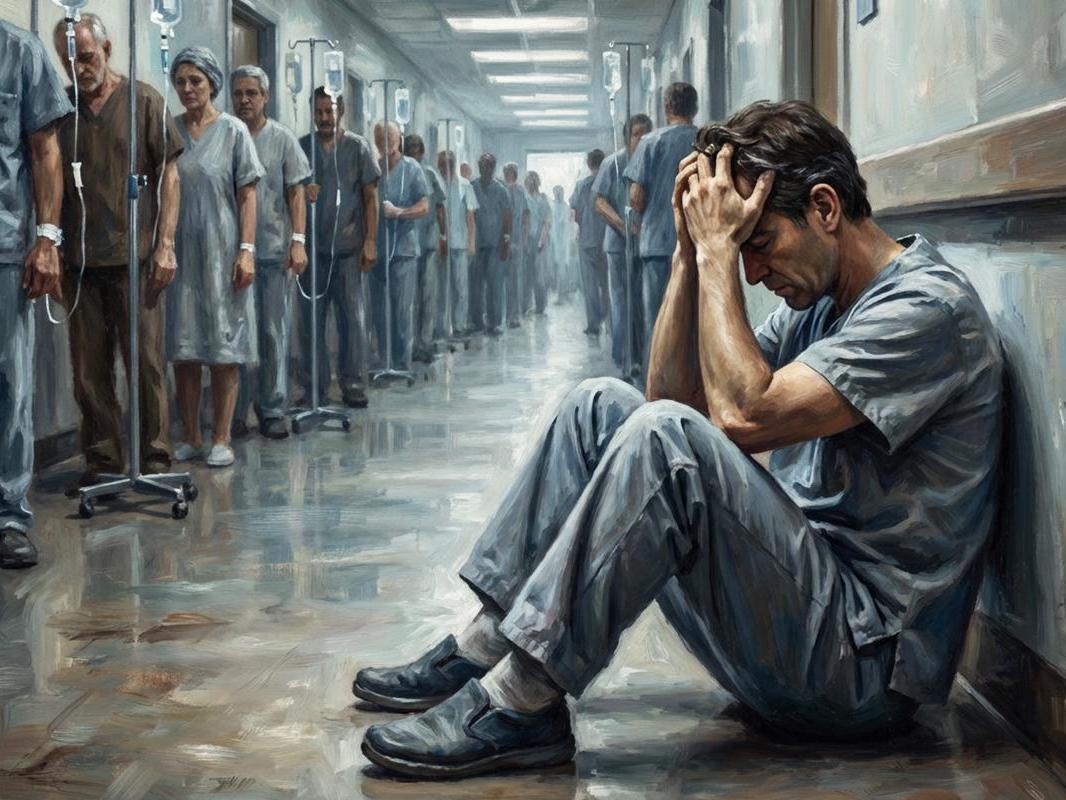

Boris, a young doctor from Kemerovo, dreamed of saving people and chose oncology as his specialty. A few years later, he literally fled headlong from the dispensary and still wakes up in a cold sweat from the memories. He openly told NGS42.RU correspondent Elena Denisova about what he had to face, why Kuzbass medicine is losing personnel, and what seriously ill people can hope for.
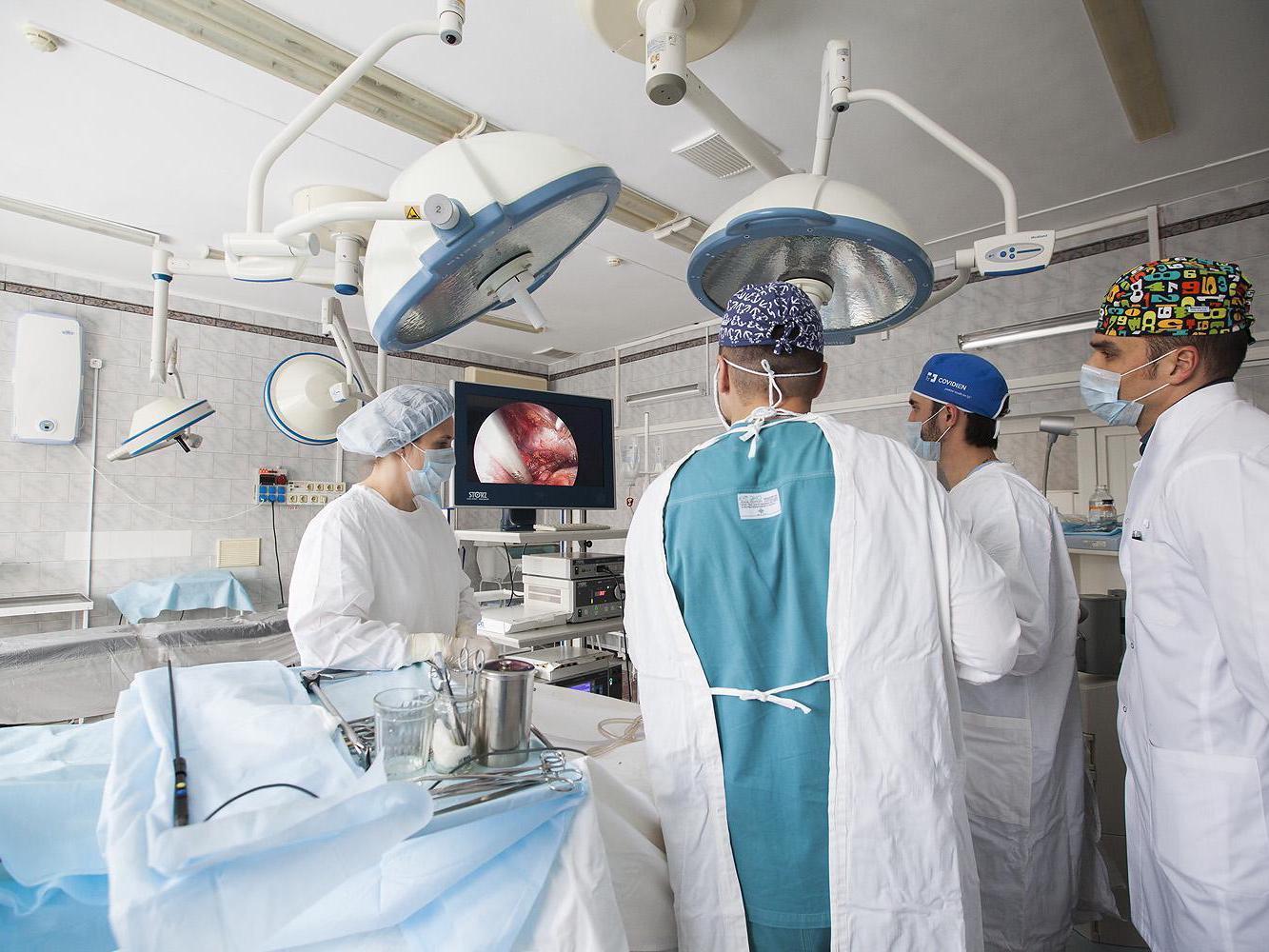
Boris had planned to become a doctor since school; career guidance tests showed that a «person-to-person» job would suit him. And he really wanted to help, to make life easier, to make someone happier. He entered university without difficulty, and five years later he again found himself at a crossroads: until the last moment, he couldn«t choose which residency to enter.
«After graduating from Kemerovo State Medical University (KemSMU), I managed to work as a local therapist. At that time, I was more inclined towards some surgical specialties: otolaryngology or general surgery or oncology. With the last option, on one hand, I felt a certain air of mystery, and on the other — an animal fear, since the field is not fully studied,» explains Boris about his choice.
Fate decided that he would become an oncologist, but not a surgeon.

«There was a great need for chemotherapy specialists, and in residency, they immediately took me under their wing and gently steered me into this field. Until that moment, I had a vague idea about chemotherapy; at university, they only gave theory, and I had no idea what happens in the departments,» the doctor recounts.
The patients made a great impression on the young doctor — they are extremely grateful to their doctors. At the same time, the beginning specialist was weighed down by the oppressive feeling of how difficult the treatment was for his charges and what complications chemotherapy brings.
As a rule, a chemotherapist does not have to tell people about their diagnosis — that blow is taken by the polyclinic doctors. However, there were several cases when a patient came to the department with a referral and didn«t quite understand what they were doing there. At that moment, an awkward pause arose, and Boris had to clarify.
«For us, as specialists, it is important to be restrained in emotions. That is, to present the fact, to announce the diagnosis — I think that is very important. A person must know what is happening to them and what to expect in the future: the stages of treatment, the probable complications they will have to go through. You cannot keep a person in the dark — they will worry even more. Besides, it takes time to come to terms with the diagnosis, to accept it,» the oncologist reasons.
Also, a doctor must be prepared that a patient, no matter how much effort and care you give them, may still pass away. People whose cancer is detected at the first or second stage are rarely in the chemotherapy department; more often, surgical treatment is indicated, and there is no need for systemic impact on the body. Most patients of a chemotherapist are already at the third and fourth stages, when the disease has spread throughout the body.
«Crudely, but according to official documents, we have projected lifespans for patients. And we are very happy when they go beyond these norms, or even go into deep remission. But that doesn»t always happen; you begin to accept it quite quickly and relate to it calmly,« the doctor says.
Boris finds it difficult to say how often a relapse of the disease occurs after chemotherapy, as he only observed those who, unfortunately, returned.
«Happy people are monitored at the polyclinic, they go about their lives calmly for years, their records grow, and the tumor is gone. But we don»t see them. Our records also swell, but for other reasons. The most common interval between courses is 21 days, so the documentation increases very quickly,« the oncologist says.
The «System» is Worse than Cancer
The life of an oncologist, already difficult, is darkened by insurance companies. As monstrous as it sounds, insurers use any slightest pretext not to pay the medical institution for the treatment provided. Companies are pedantic, ready to nitpick every comma to save money. According to Boris, the situation in the Kemerovo region is worse than in other regions.
«Some drugs that should have been paid for are not being paid for. We also have immunotherapy and targeted therapy — these are huge sums per course. One injection costs from 200,000 rubles (about $2,100 at current rates) and up. Sometimes an injection costs 700,000 rubles (about $7,400 at current rates). And many are needed per course,» the oncologist laments.
Due to the strict policy of insurance companies, Kuzbass oncologists cannot deviate from the protocol one iota. Meanwhile, the disease progresses differently and requires an individual approach, adjustments to the treatment regimen.
Moreover, the doctor is forced to focus not so much on his patients as on poring over papers, double-checking every letter in endless reports, charts, and protocols. After appointments, the oncologist stays in the office until late at night and takes work home on weekends.
As a result, it is the patients who suffer, getting a burned-out and tired doctor who never has time. Young specialists are often held by targeted training agreements (obligatory work assignments after state-funded education); it is on these onerous contracts that the system rests. After working the required time, many, like Boris, leave the region.
«I had to work one and a half positions. No one cares that you work from dawn till dusk. At the same time, the number of patients does not decrease. Constant pressure: we work insufficiently, our indicators are not good enough. Do more, do better quality! But by doing more, you don»t get quality. From fatigue, you make mistakes — not with patients, of course, but in the paperwork. Very little time remains for real work — talking to a patient, calming them. I really burned out,« the interviewee explains.
The region also has a problem with the drugs themselves. Many medications were foreign. Now import substitution is developing, but the quality leaves much to be desired.
«Unfortunately, what we have to work with — they have more side effects, are harder to tolerate, and are not as effective. At the same time, what is considered an absolute horror in Moscow is quite common here. There are many generics of varying quality, Russian, Kazakh. Colleagues from Moscow are shocked: »Why is your person progressing on treatment? That«s impossible!» But for us, roughly speaking, it«s every third case,» Boris says with regret.
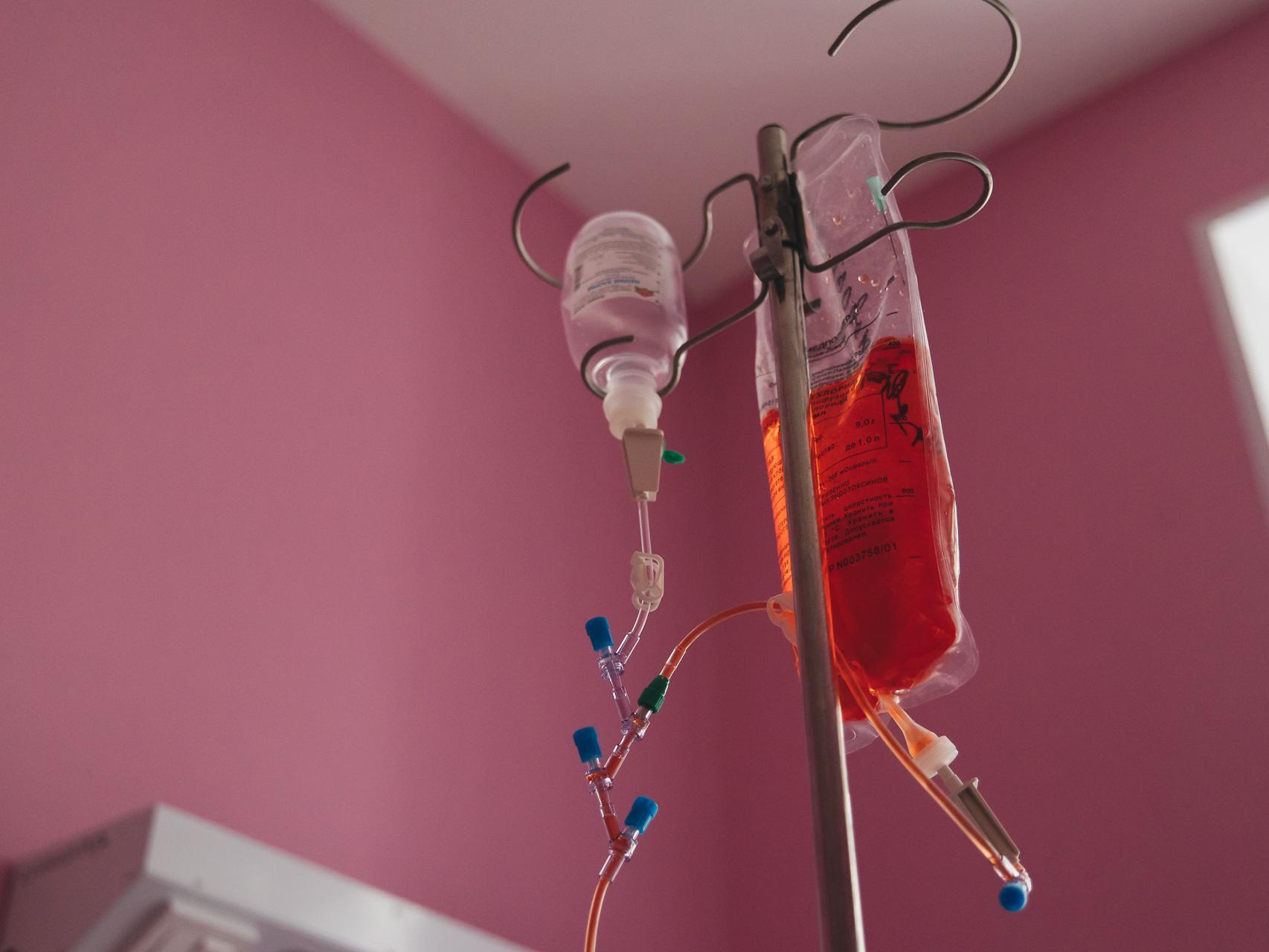
Over the years of work, a chemotherapy specialist receives a considerable load on their own health. Chemotherapy is a poison, but a necessary one to fight a more terrible monster. The doctor prepares the drugs, patients exhalу vapors — all this accumulates. For this, oncologists are entitled to a longer vacation — 49 days. But — according to an unwritten rule in the institution — a specialist cannot take more than two weeks at a time: there is no one to work. Therefore, it«s impossible to fully reboot and rest.
Boris notes that the hospital management encourages consumer terrorism. When a patient makes a scandal from the threshold, in order to avoid unjustified complaints, the administration provides them with better conditions.
«They get used to the idea that if they make a fuss, then immediately an appointment for an examination will be found earlier, and they will be offered to come the next day to a doctor whose schedule is already fully booked, but they don»t mind taking just one extra... No one, however, counts how many people without appointments actually come to them per day and which of them really needs an urgent consultation. And that«s no more than 20%,» the doctor explains.
The doctor concludes that the system is devouring itself from within, creating queues and making it difficult for those who really need it to get help.
The last straw for Boris was a patient to whom he prescribed a new course of treatment, fully compliant with the protocol and consultation with the federal center. The chemotherapy was heavy, the patient felt terribly ill. The man came to the doctor«s office and for about an hour just screamed, after which he continued the scandal with the head of the department. Through joint efforts, they managed to convince the cancer patient of the necessity of exactly such a heavy regimen for his case.
But at that, Boris gave up. At the end of the working day, he remained in the silence of an empty office, and tears flowed. «I can»t do this anymore,« the man realized. The next day, he wrote a resignation letter.
«We Help, But the Main Work Must Be Done by the Patient»
Boris says that often patients do not understand what they want. They demand treatment here, now, quickly, without pain, and that it helps. But oncology is one of the most unpredictable areas of medicine. One can promise treatment, but whether the person recovers or not — remains on the patient, their struggle, efforts.
«We have such a term in medicine — compliant, meaning collaborative work. In the fight against cancer, you must be a team,» the doctor adds.
According to the medic«s observations, only 10% of people, even when facing death, are ready to give up bad habits and follow all recommendations.
«It happened that a person comes already for a drip, and they reek of alcohol. We have to refuse treatment because it»s a direct contraindication. No one knows how the drug will work in combination with alcohol; the treatment is already difficult. And this is an additional load on the liver; it might not withstand it. And they smoke until the last moment, too,« the interviewee marvels.
«Hospices Are Not About Death»
If Boris had the chance to change one thing in the system for Kuzbass residents, he would choose the accessibility of supportive care.
«It»s hard to even assess how grateful we are to hospices. It«s an indispensable thing, and the people who work there are very much needed. Hospices are not places where people die; they are places where they are helped,» Boris says.
It is the hospice staff who take on the consequences of treatment at the dispensary: weakness, nausea, pain, and other concomitant diseases, while oncologists focus their efforts solely on the tumor.
«We give people a poison that poisons the whole body. The fact that it works more strongly on the tumor is due to it being more »hungry« compared to other tissues. It wants more, and it needs more. It tries to take over all the vessels, create new ones, and suck everything possible out of the person. And when cancer is destroyed by the poison, we need hospices to remove this poison,» the doctor explains.
At the same time, in Kemerovo — the largest city in Kuzbass — there are only two hospices, and they are overcrowded. For residents of small towns, such help is completely inaccessible; people are forced to deal with the consequences of the disease themselves.
«She Is Already Gone, But the Whole Department Remembers»
Over the years of work, an endless number of scandalous stories, dramas, tragic fates, and happy recoveries passed by Boris, but there is one case that neither he nor his colleagues will ever forget.
A woman in the terminal stage was admitted to the department, undergoing very heavy chemotherapy without hope for a full recovery. Metastases throughout the body, constant pain, weakness, nausea.
«And in the midst of treatment, she gets married. It was real love: a person is ready to accept her in any form, with a severely altered body. He took responsibility, accepted her pain, and cared for her until her death,» the man describes with emotion.
The huge, bright feeling did not save the patient from suffering and death, but, according to Boris«s recollections, when she once came for an appointment with her new surname, her eyes shone very brightly. Despite everything, she was fortunate to leave life happy.
After resigning, Boris decided to try himself in the pharmaceutical field. Now he works in a pharmacy, and his main goal now is to rest and recover, as he is not looking far into the future.
«I want to restore my nerves, sleep schedule, health in general. Because I gave everything to the patients. Before a morning shift, it happens that I sleep for two hours: anxiety does not recede. I keep waiting for the chaos to start again, the confusion, someone will scream, stomp, tear your soul or pressure you to keep in shape in attempts to squeeze more percent of efficiency out of yourself,» Boris shared.
The most random people come to the pharmacy: someone doesn«t remember the name of the medication and tries to explain with gestures, someone is outraged that the usual medicine is not on sale. But no matter what, Boris assures that this is not even a tenth as close to the level of stress that was in his previous job.