Arctic doctor shortage: causes and government response

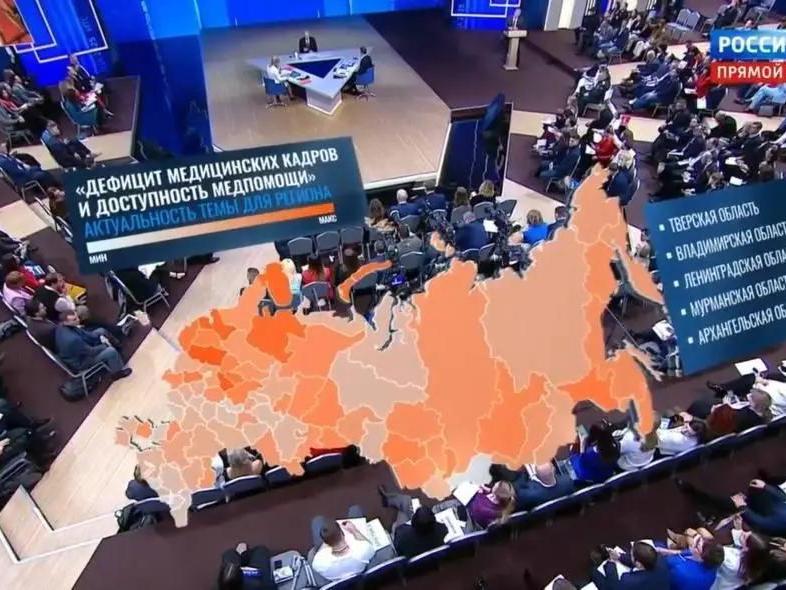
The issue of medical staff shortages and difficulties in obtaining medical care was raised at Vladimir Putin«s press conference on the results of 2025. A map of Russia was shown on screen highlighting regions from where the president most frequently received questions about doctor deficits and medical accessibility. The Arctic region was also included in this list. We contacted the Ministry of Health of Murmansk Oblast to understand how authorities assess the situation in the region, where exactly specialists are lacking, and why, despite measures taken, residents continue to complain about the healthcare system»s work.
Murmansk Oblast Among Problematic Regions
On the map presented during the press conference, regions were marked where questions about medical staff and accessibility of care were raised particularly often. These included Tver, Vladimir, Leningrad, Arkhangelsk, and Murmansk oblasts. These are territories where residents most often face the impossibility of seeing a doctor or receiving medical care in a timely manner.
What the Numbers Say About Doctor Staffing Levels
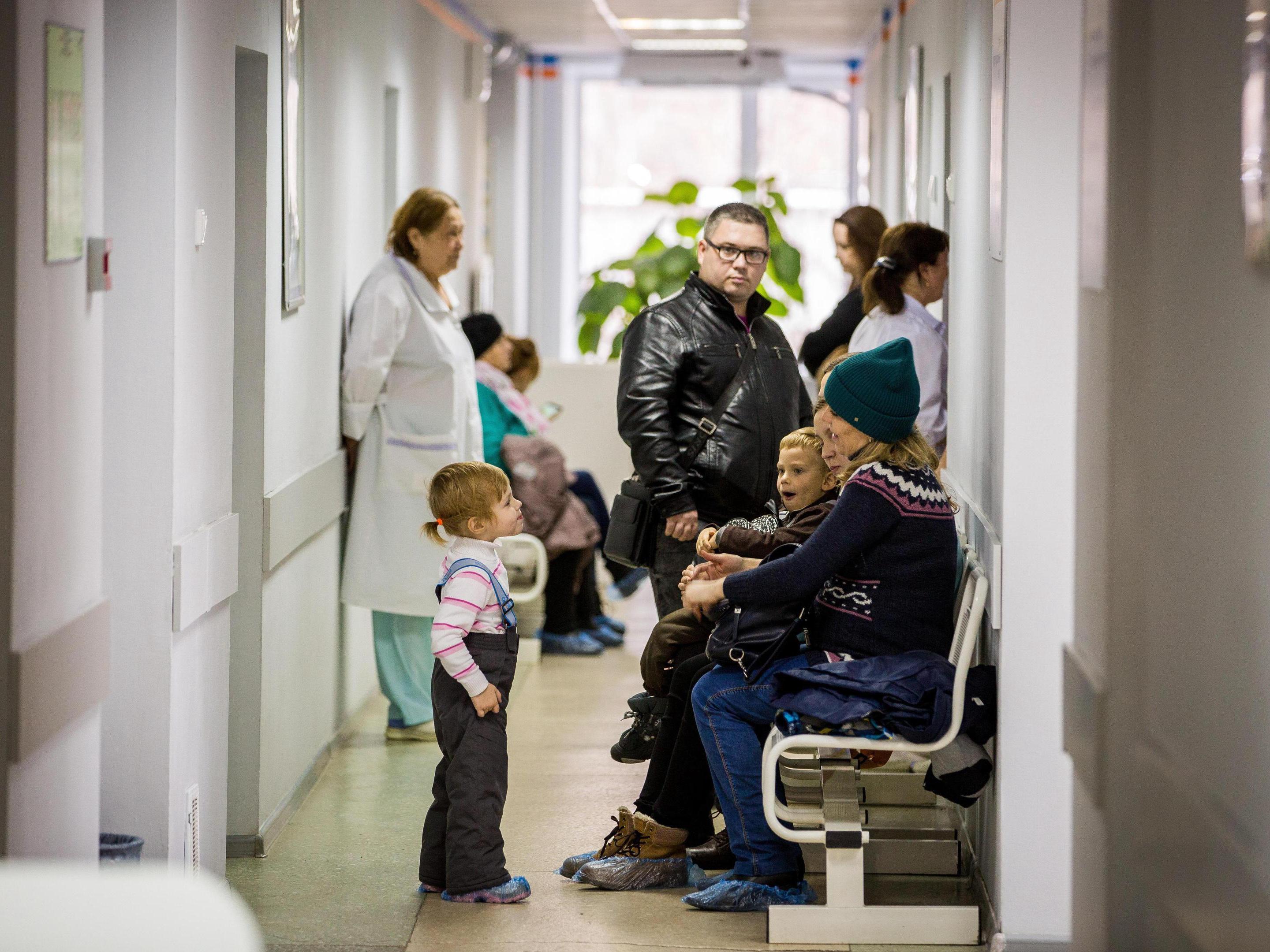
According to the Ministry of Health of Murmansk Oblast, as of the end of 2025, the staffing of medical organizations in the region with doctors stands at 84 percent. At the same time, the coefficient of part-time employment is 1.2—this means that a significant portion of specialists work multiple positions simultaneously. Staffing with mid-level medical personnel is higher—91 percent—but the same part-time mechanism is used here as well.
The lowest indicators were recorded in the Kandalaksha, Lovozero, and Central District Hospital of the closed administrative-territorial formation (ZATO) Severomorsk, which are branches of the regional clinical hospital named after P. A. Bayandin.
Which Specialists Are Most Lacking
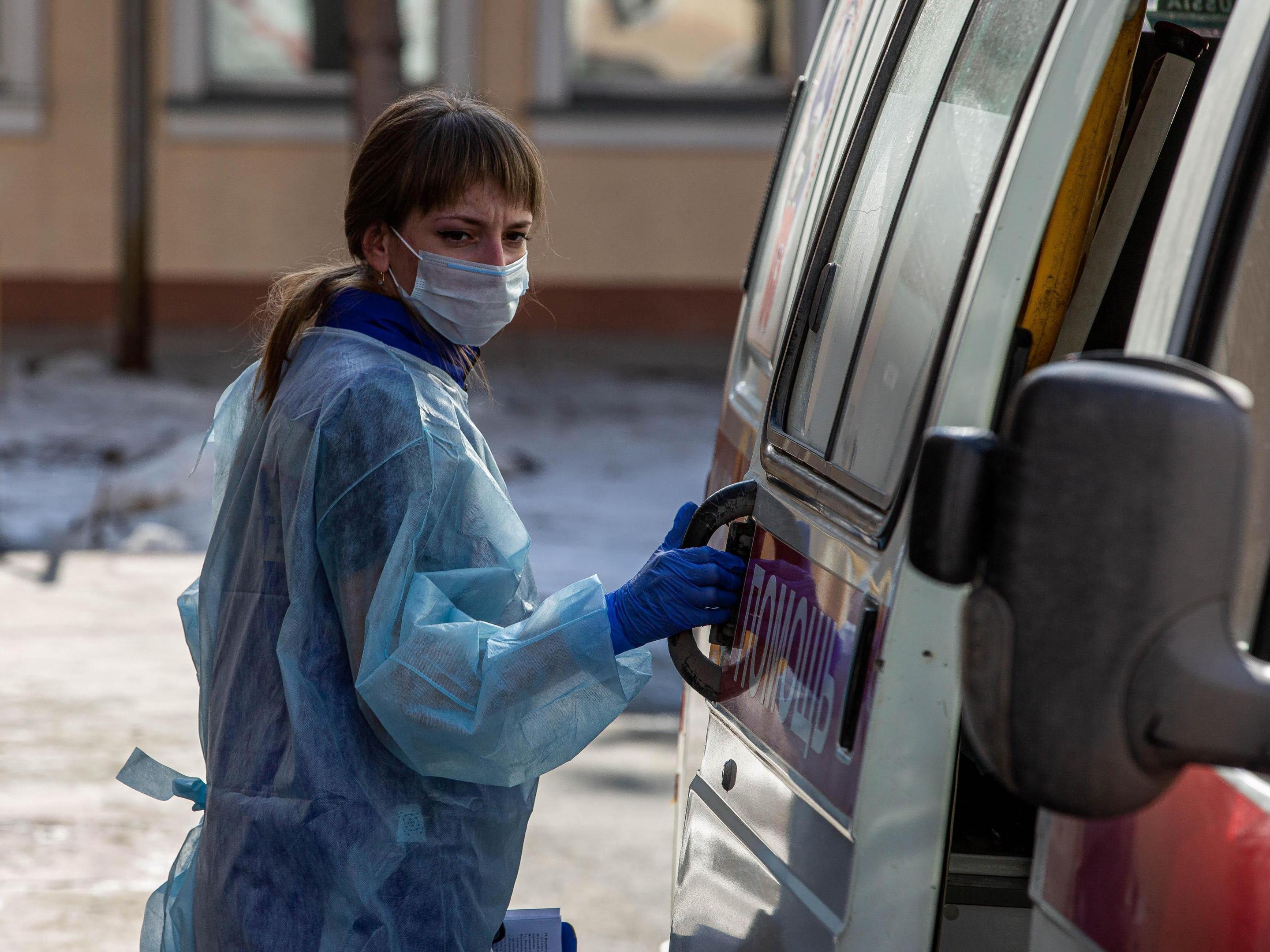
The regional Ministry of Health notes that the deficit is most acutely felt among district therapists and pediatricians. There is also a shortage of ophthalmologists, neurologists, trauma-orthopedists, and otorhinolaryngologists (ENT doctors). A separate problem remains staffing for emergency medical services: the region needs both doctors and paramedics.
When asked about the reasons for staff outflow, the Ministry of Health of Murmansk Oblast indicates that the main reason remains relocation. Other possible factors—climatic conditions, workload, or working conditions—are not separately highlighted in official responses.
What Support Measures Are in Place Today
The region has a wide range of financial and social support measures for medical workers. These include polar allowances, one-time and annual payments for young specialists, additional bonuses for certain categories of doctors and mid-level personnel, as well as salary increases for those working in rural areas.
In addition, medical workers receive special federal and regional social payments, which in some cases reach 50,000 rubles (about $500 at current rates) per month. Payments are also provided upon retirement after long-term work in the region.
One of the key areas of support remains housing. Medical workers are provided with service housing with the possibility of further privatization. Those who rent housing are compensated for part of the expenses—up to 25,000 rubles (about $250 at current rates) per month.
Certain categories of medics can count on one-time social payments for the purchase or construction of housing from the regional budget, provided that the specialist commits to working in Murmansk Oblast for at least ten years. Medical workers also participate in the «My Home in the Arctic» program, which allows them to receive up to one million rubles (about $10,000 at current rates) for construction or acquisition of housing.
How Medical Workers« Salaries Have Changed
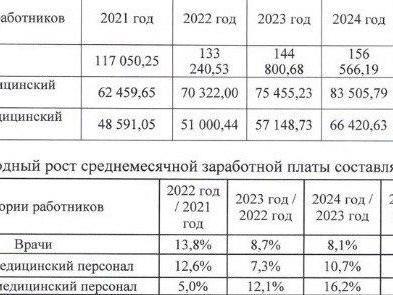
According to official data, the average monthly salary of medical workers in Murmansk Oblast has increased over the past five years.
According to Rosstat, in terms of doctor salary levels, Murmansk Oblast ranks tenth in the country and second—in the Northwestern Federal District.
Why Patients Continue to Complain
Despite official indicators, residents of the region regularly complain about the absence of needed specialists, difficulties with appointments, and the inability to see a doctor at a convenient time. Here are some comments from northerners.
«My son needed to see a pediatric orthodontist; at the district clinic they told us: »Get on the waiting list.« We waited almost a month for a call, then only got the first consultation scheduled. And to get a primary examination at the regional pediatric dentistry, we were told to wait up to four months. Can you imagine, treating a child»s teeth after four months?«
«For an ultrasound at the district clinic, I could only book an appointment after two to three weeks. And that»s despite calling every day and monitoring the website. In the end, I had to go to another district to get in faster. But there was also a queue, and I had to waste the whole day on travel and waiting.«
«Recently, I tried to book my mother an appointment with a therapist. The website showed available slots, you call—they say: »No spots available.« We went to the clinic in person—it turned out that everything was booked until the end of the month. In the end, we had to stand in a live queue from early morning to get a ticket.»
«I was booking my child an appointment with an endocrinologist. On the website, everything seemed available, but when the clinic called back, it turned out that a new blood test was needed, and there were no tickets left. I had to go twice, then wait for a call from the registry. In the end, the consultation only happened after three weeks.»
«My child needed to see a dentist for a scheduled check-up, but appointments through the insurance policy—were booked 3 months ahead. At a private clinic, we managed to get in after a week, but it was expensive. It feels like normal free medicine here is only available for therapists or general practice, while specialists—are almost a lottery.»
«We tried to call a therapist home for my grandmother. At the clinic, they said all teams were busy and a visit was only possible after two days. After three days, a paramedic came, and we had to wait another week for a doctor. It»s really hard for the elderly in such conditions.«
The Ministry of Health explains that the main difficulties are related to the deficit of narrow-profile specialists in polyclinics. Due to the lack of permanent staff employees, part of the medical care is provided by part-time workers, which limits the number of consultation hours and available tickets.
What«s Happening in Murmansk and Regional Polyclinics
According to the Ministry of Health, there are no problems with booking appointments with therapists in polyclinics. Difficulties arise when trying to see specialists. At the Murmansk Regional Medical Center, there are daily free slots for scheduled appointments in certain departments. If unavailable, patients are offered to book at the nearest other department.
Also, polyclinics have emergency care rooms and a home doctor call service. Appointments or call requests can be made through «Gosuslugi» (State Services portal), a unified call center, or special chat-bots.
What Changes Are Planned
As part of the program to modernize primary healthcare from 2021 to 2025, 14 modular medical facilities were created in the region. From 2026 to 2030, the installation of four more is planned. Simultaneously, work continues to attract medical specialists from other regions of the country.
Official data shows salary growth and a large number of support measures. However, Murmansk Oblast remains among the regions where the issue of medical care accessibility is particularly acute.