Gukovo Residents Endure Years Without Water in Mining City

If you want to take a bath in the morning or wash dishes — collect water at night, when it trickles thinly from the tap. In such a reality, residents of Gukovo and other mining towns in Rostov Oblast have been living for years. This winter, the problem became even more acute. Due to a water main break, thousands of people were left without water for several days during the January frosts. Correspondent Alina Zayarnaya from 161.RU went to Gukovo to find out how a mining city survives without water supply and why the residents themselves believe they have no future.
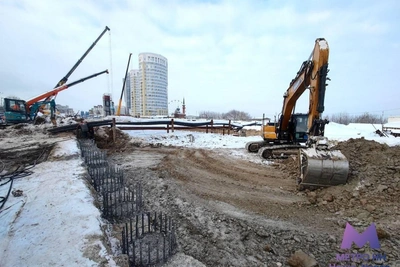
Water in Gukovo, Zverevo, and settlements in Krasnosulinsky and Kamensky districts disappeared on 16 January. The emergency was caused by a burst pipe belonging to the Gukovo-Gundorovsky water main. Water supply gradually began to be restored from 27 January. The Investigative Committee opened criminal cases due to the water situation in the mining cities. President Vladimir Putin learned about the problem in Gukovo. He instructed the Minister of Construction and Housing and Communal Services of the Russian Federation, Irek Fayzullin, to report on the situation.
“In Gukovo, Snow is Running Out. People Scooped It with Buckets”
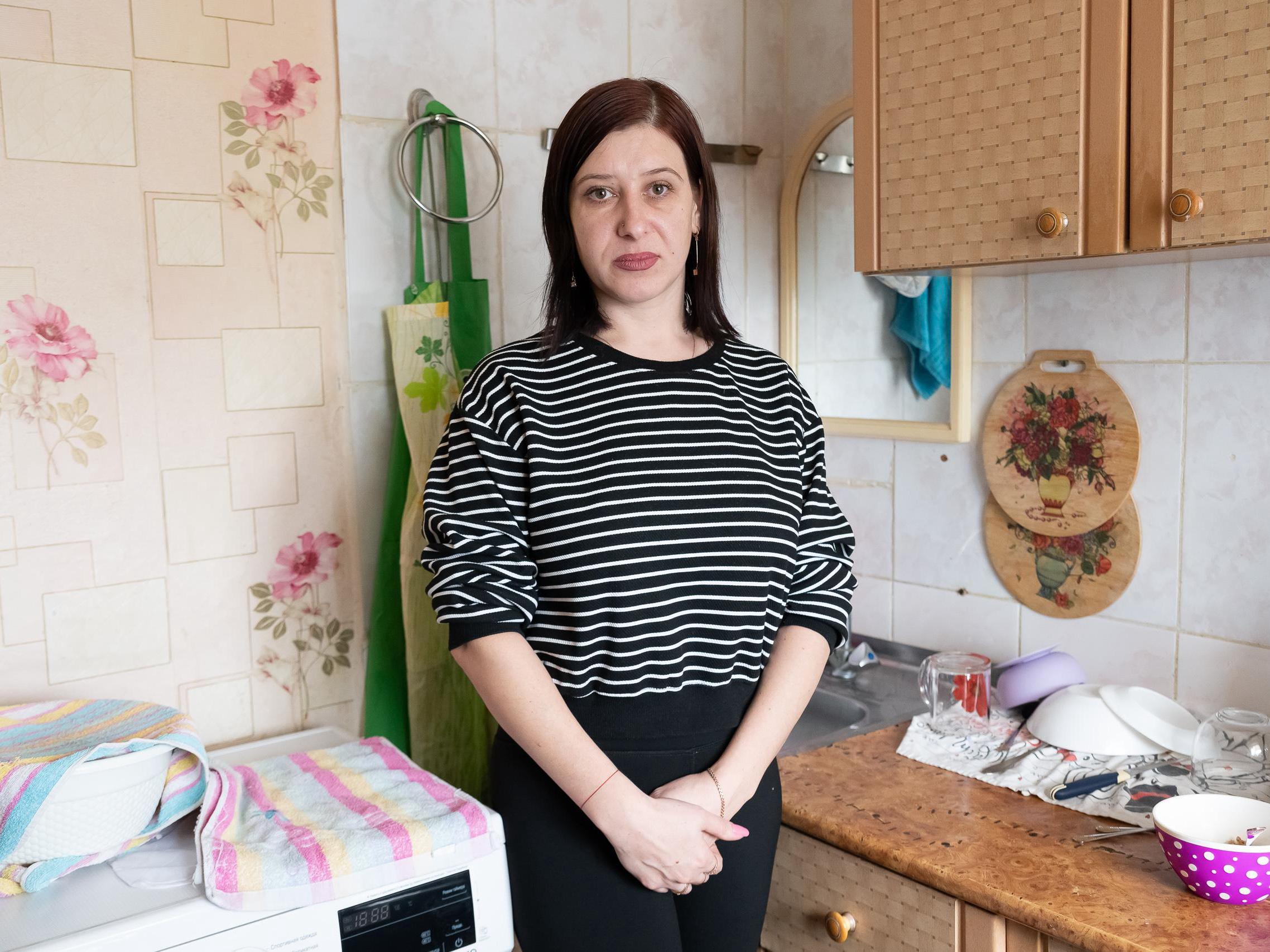
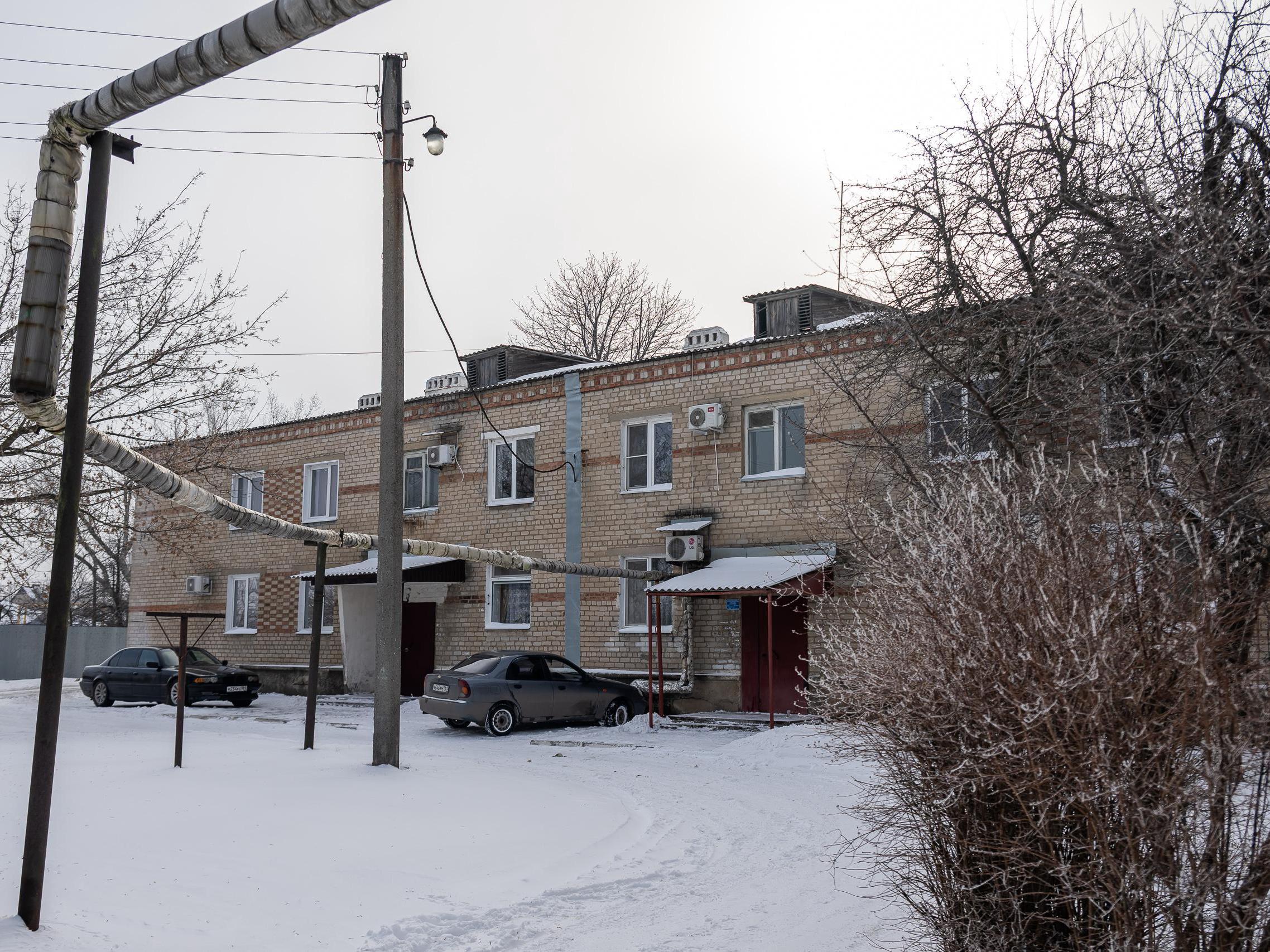
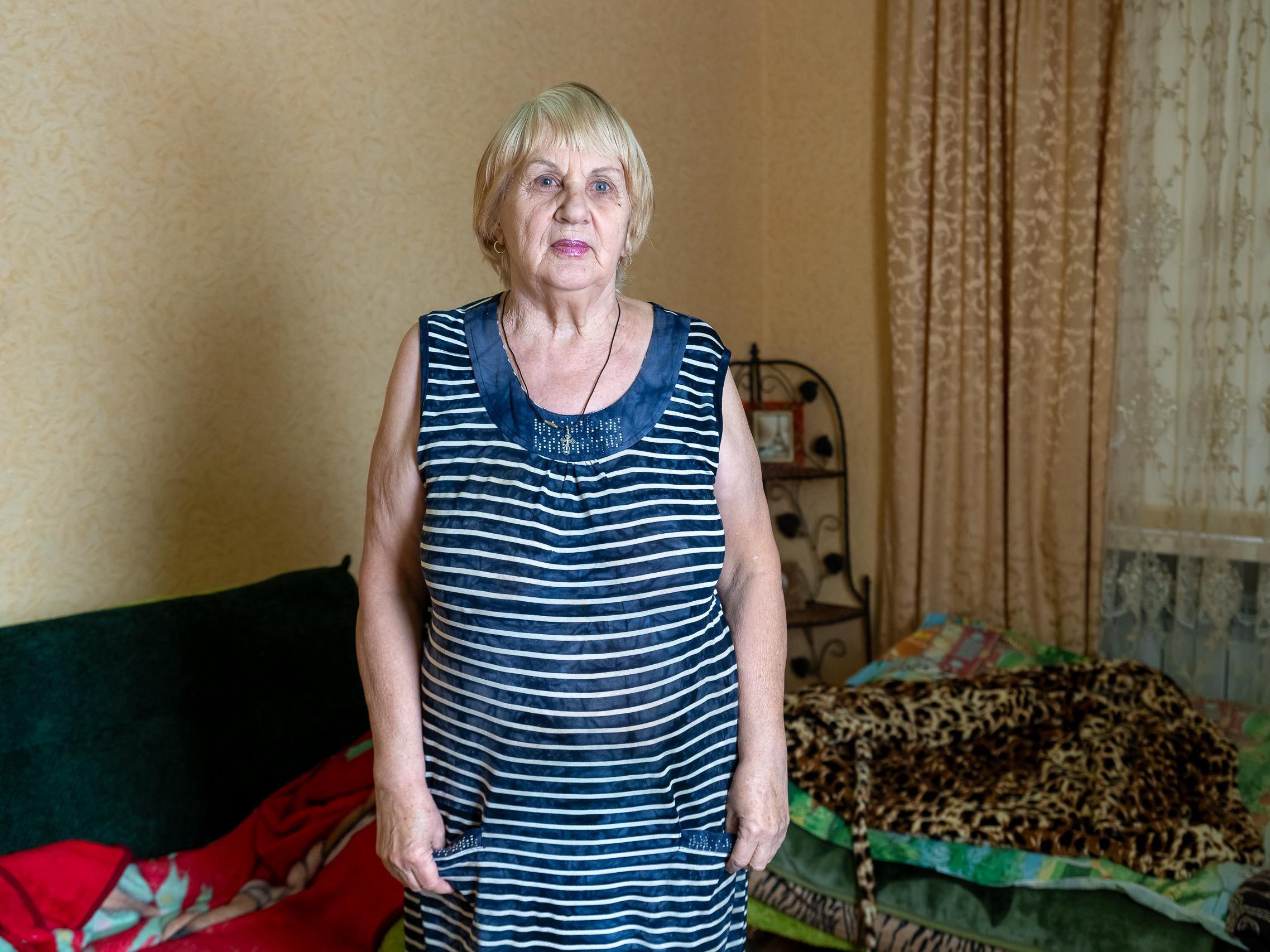
The life of single mother Yulia has not been easy. She — a refugee from the city of Popasna — survived combat, loss of home and loved ones, and divorce from her husband. In Rostov Oblast, she lived in Shakhty for some time, and a couple of years ago moved to Gukovo, where she rents a small two-room apartment in a five-story building.
— In Shakhty it was better. There’s no such nightmare with water, — says Yulia, inviting us into the apartment. She asks us to speak softly, as a small child is sleeping in the room.
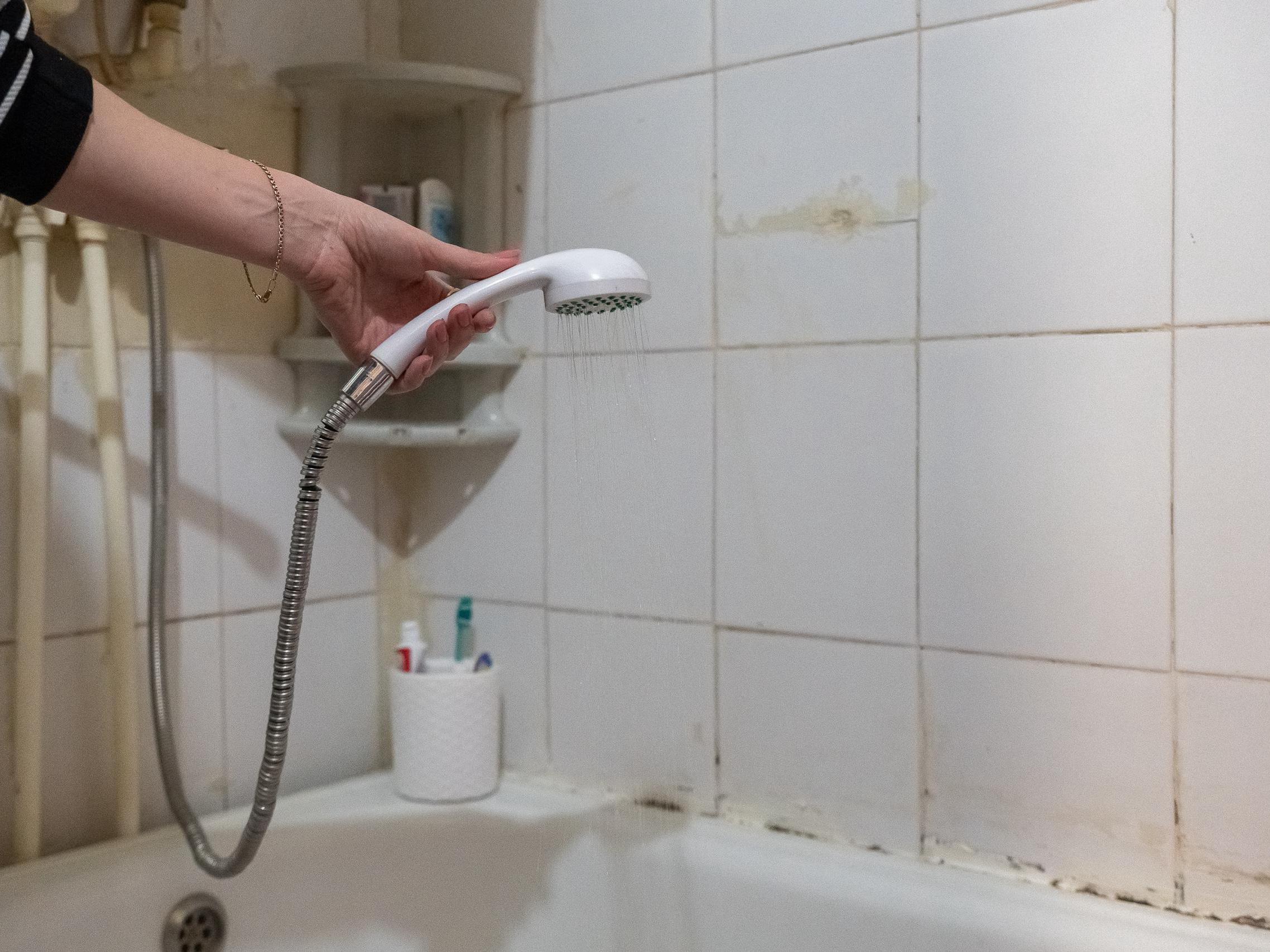
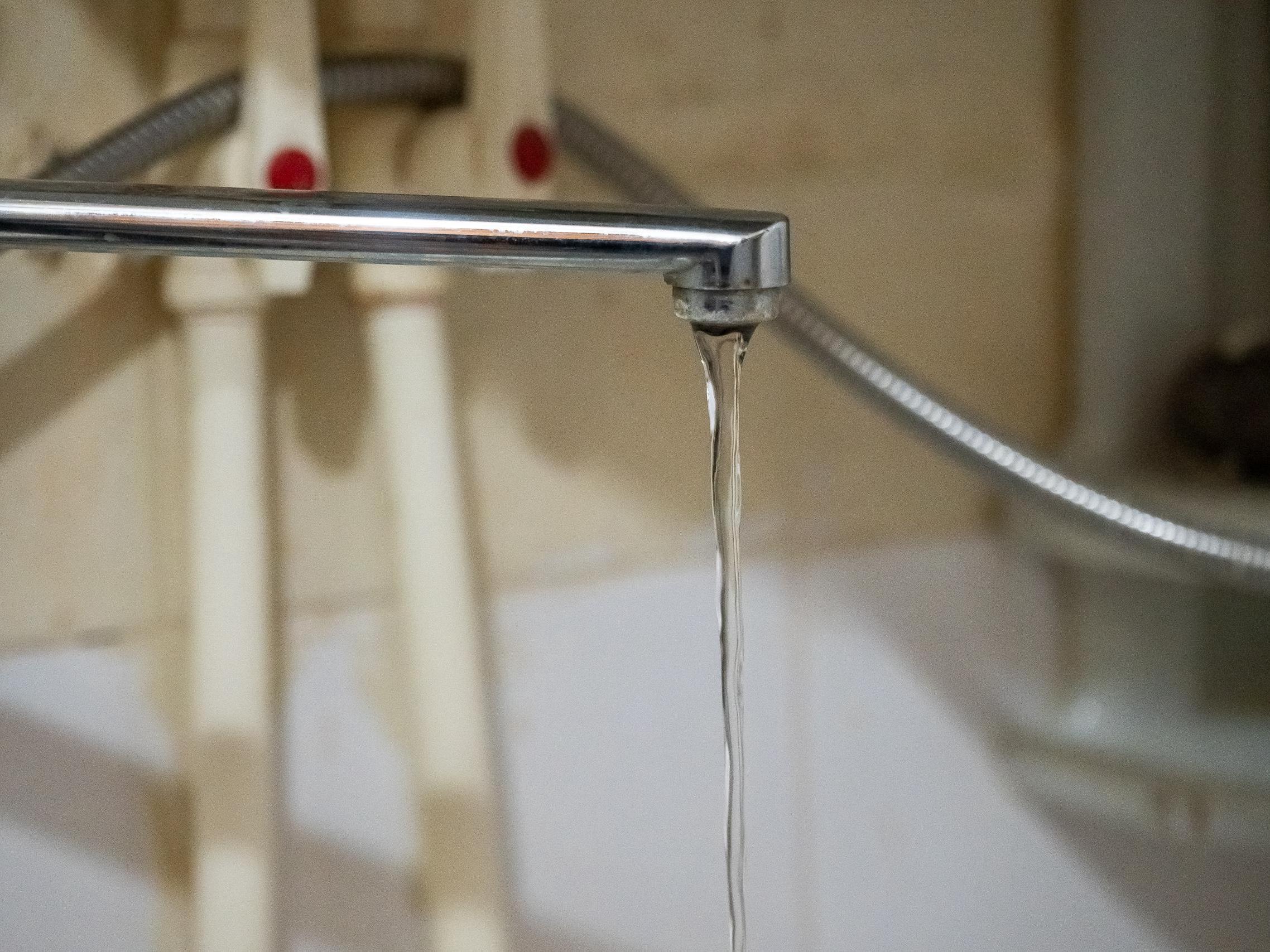
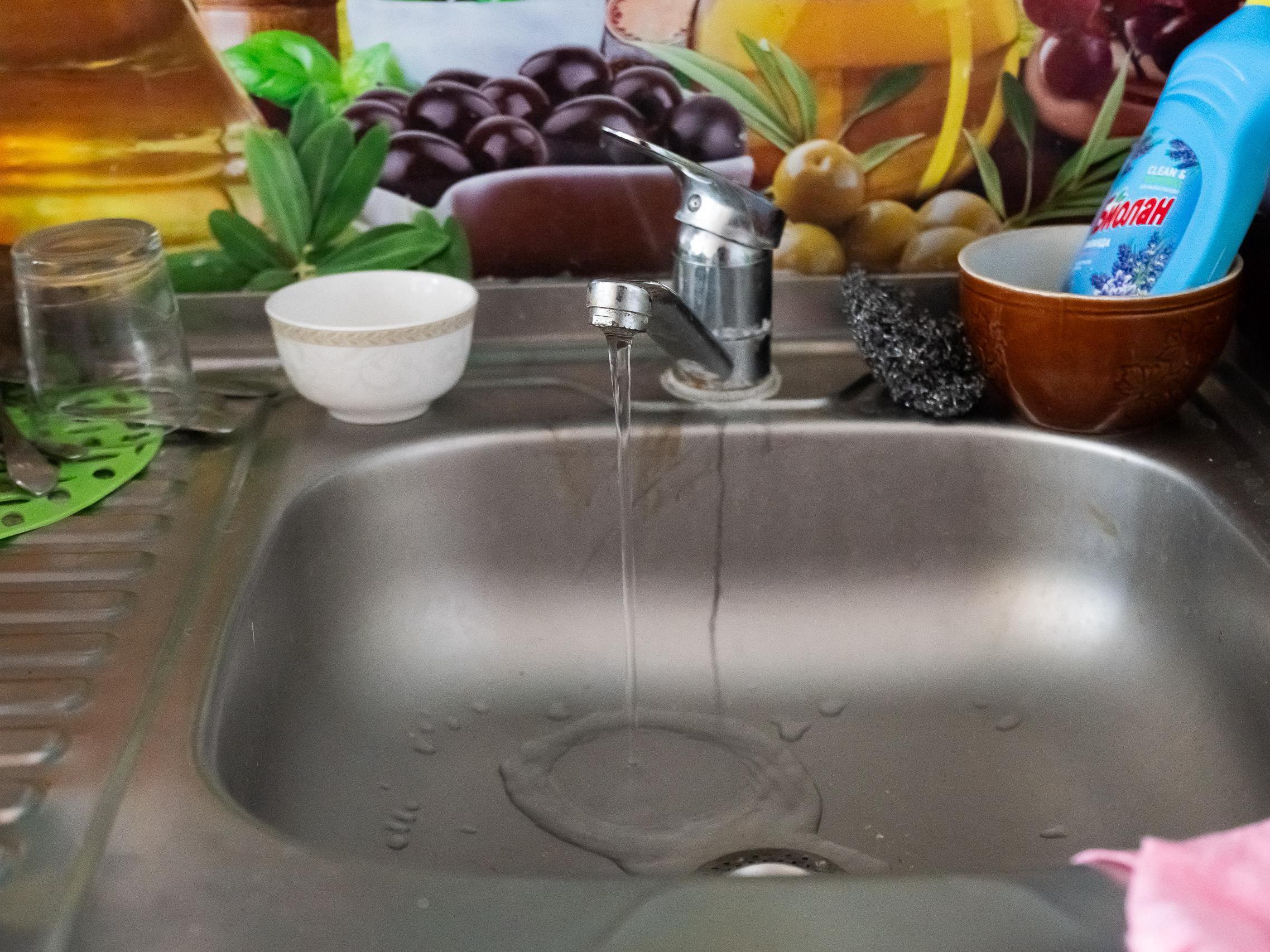
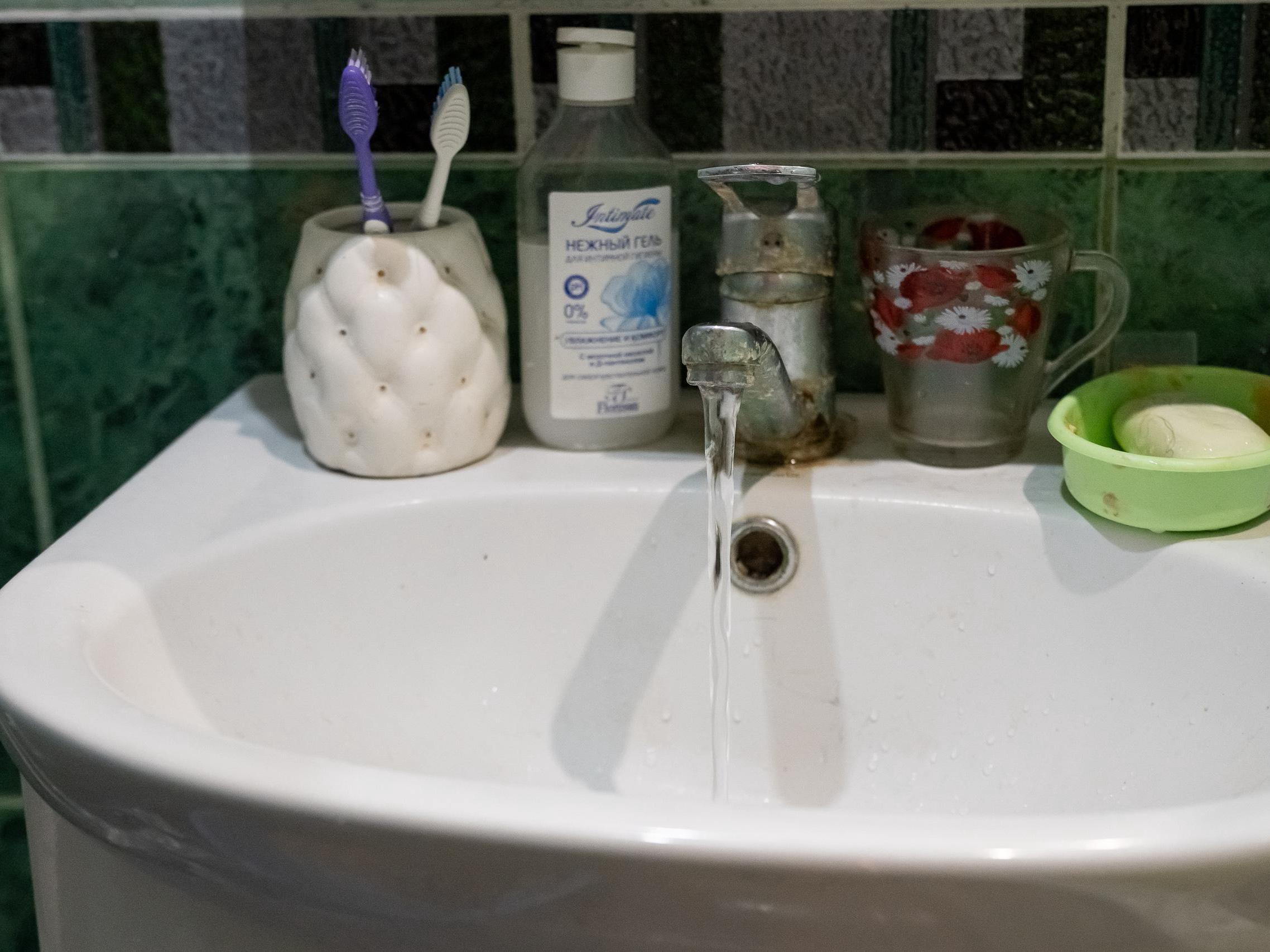
For almost a week, the young mother lived without water. It disappeared from the taps soon after the New Year holidays. On 26 January, the water supply was restored. Restored — by the modest standards of Gukovo residents. Water trickles thinly from the tap. It’s not enough for washing in a machine or taking a proper shower.
— If we don’t bathe by four in the evening — that’s our problem. If I turn on the washing machine, it doesn’t draw enough water. So I wash by hand. That’s all our water, — Yulia recounts.
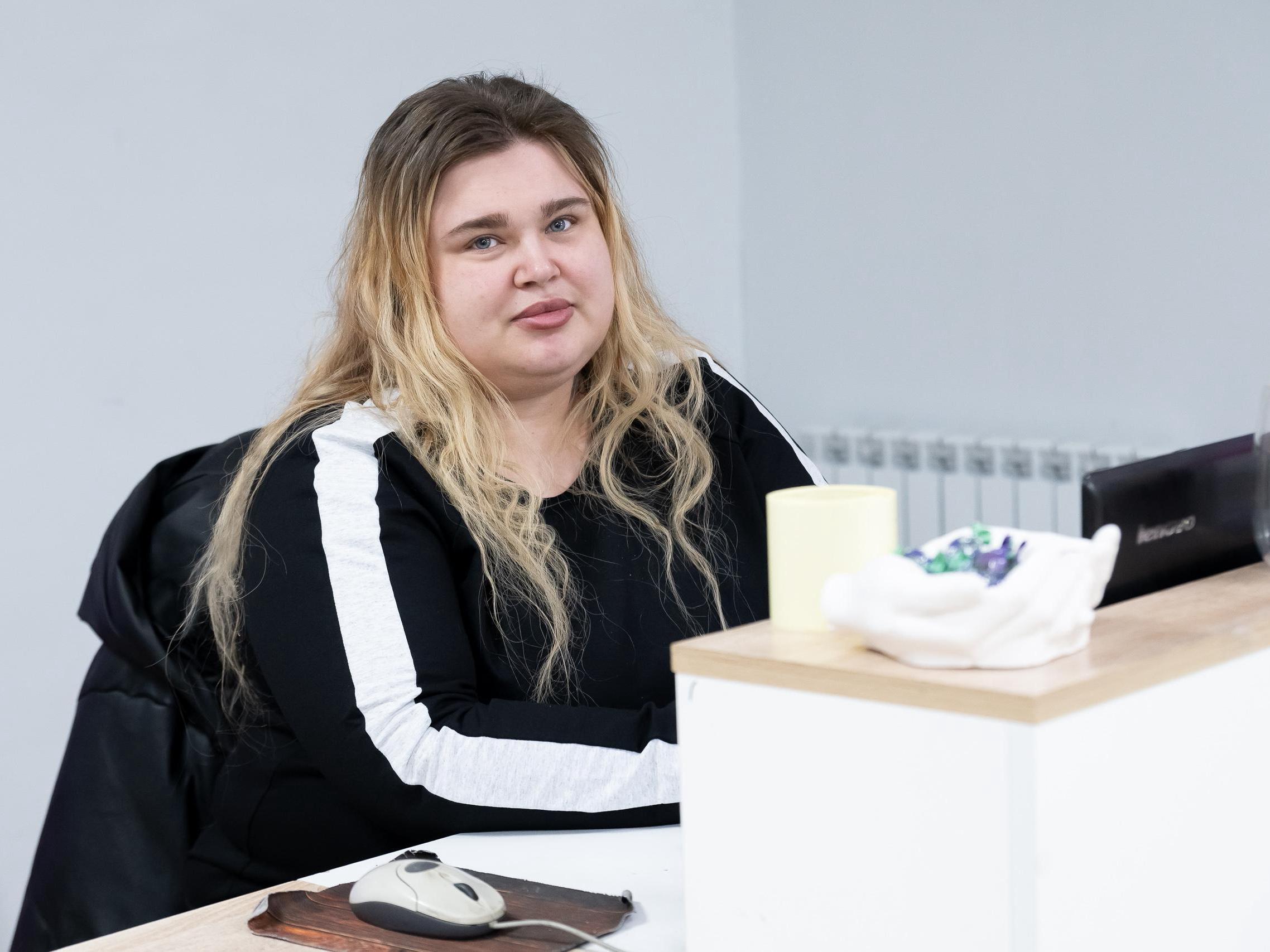
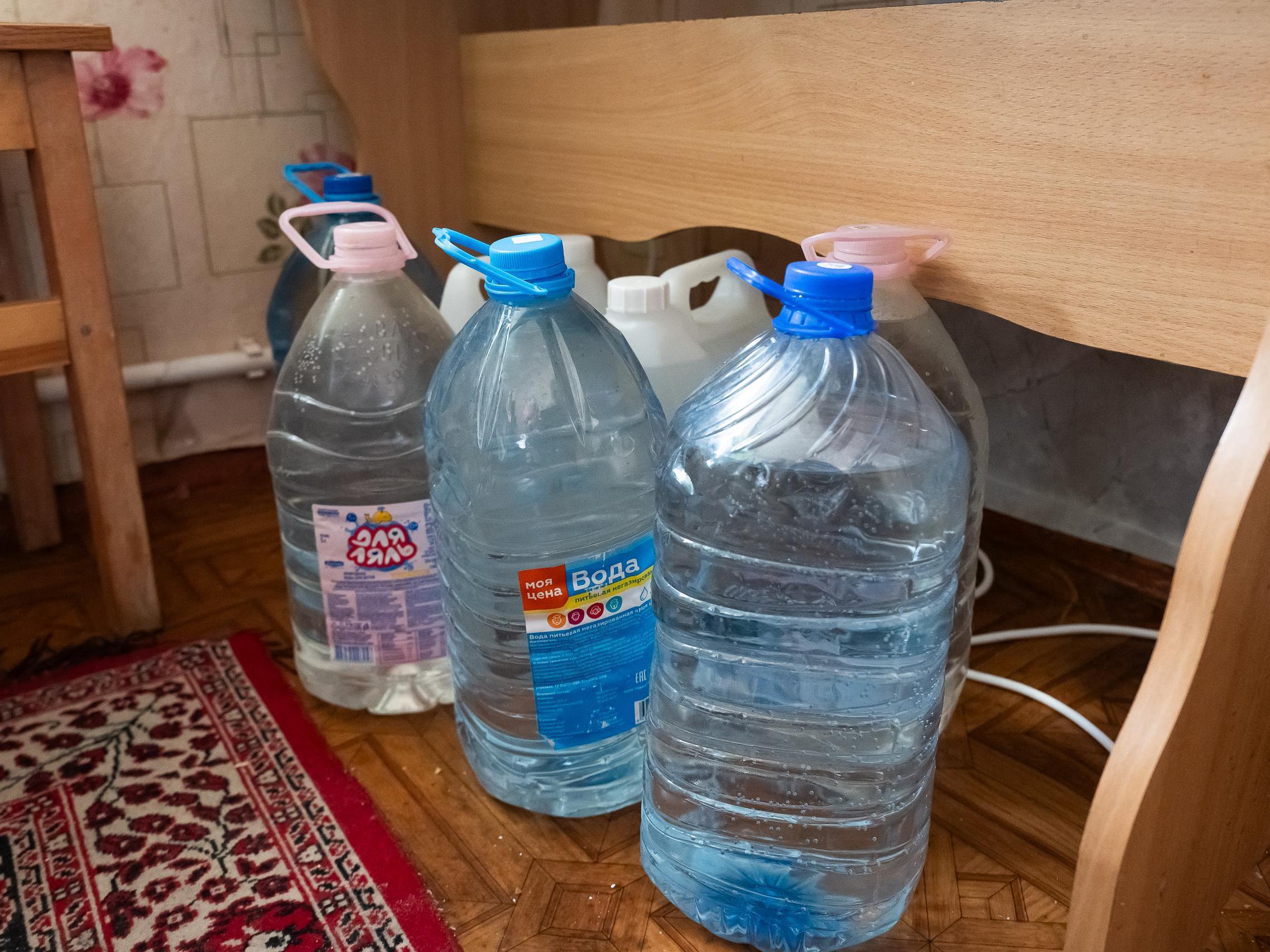
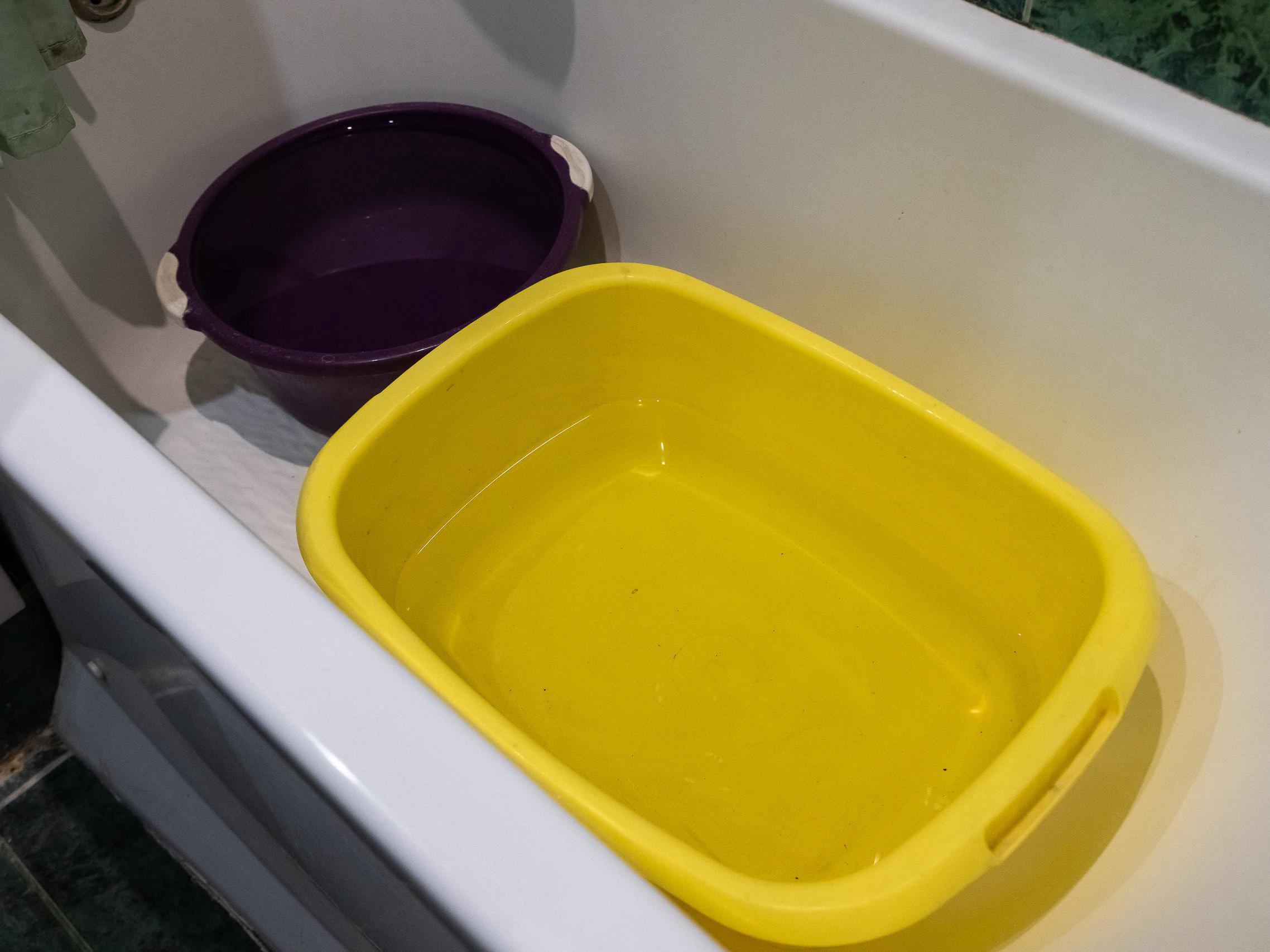
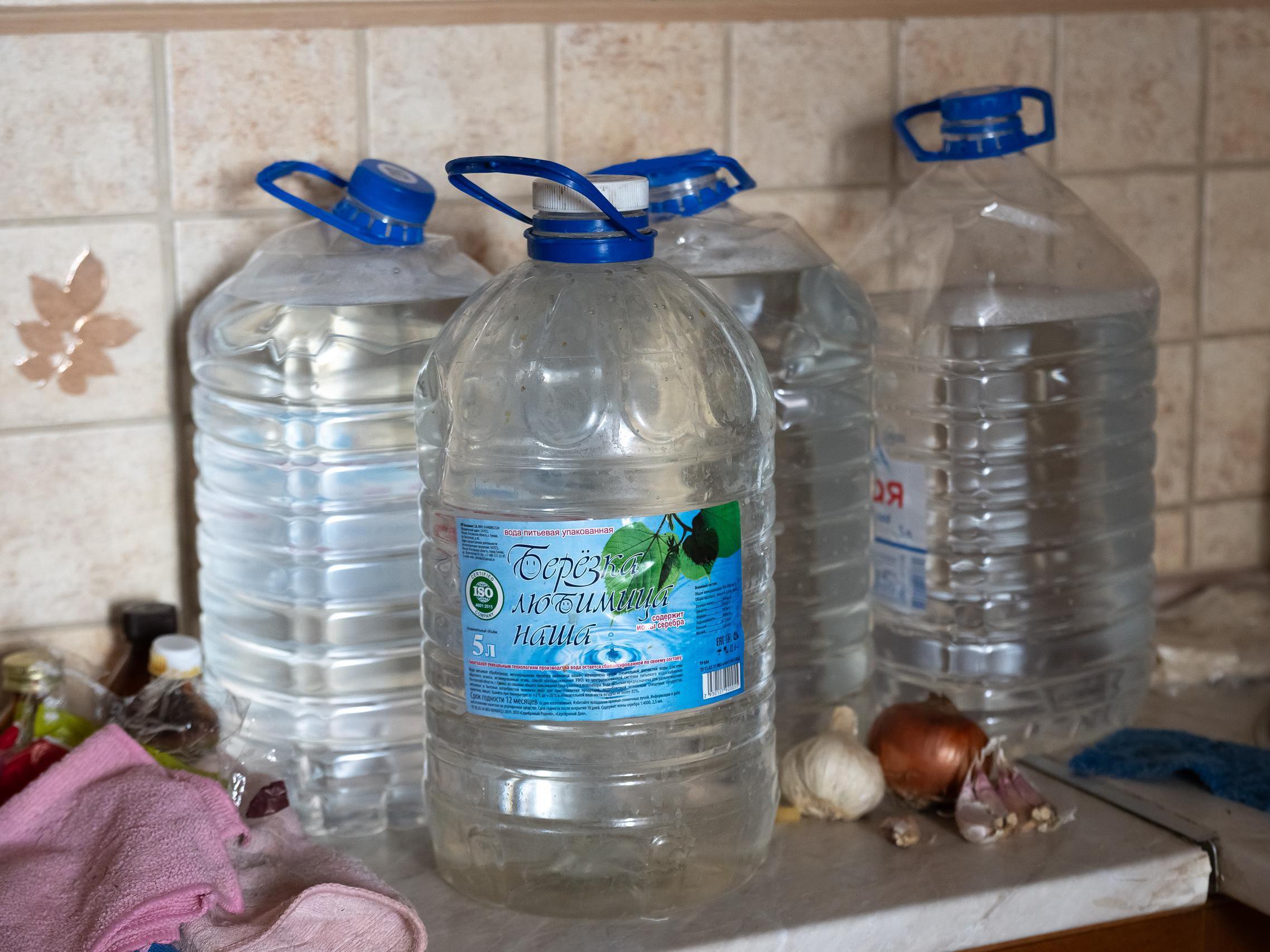
She shows the water supplies in the apartment — several filled five-liter bottles.
— In the evening, I need to bathe the child. I myself go to my mom’s to wash. My mom has a better water situation, — Yulia shares.
She was lucky twice to catch water trucks in the city. She had to run with bottles to a house located several blocks away.
— I’ve been living in Gukovo for two years, unfortunately or fortunately. Last year there were also water disruptions. But not once did they bring water upon request. Usually, I accidentally saw a water truck. But even that was scary. You stand with a bottle, filling water, people push you from behind. You think: ‘Hurry up and fill it and run away from here.’ Everyone is ready to trample you to get water faster. People are cruel, I’m in shock, — Yulia recounts.
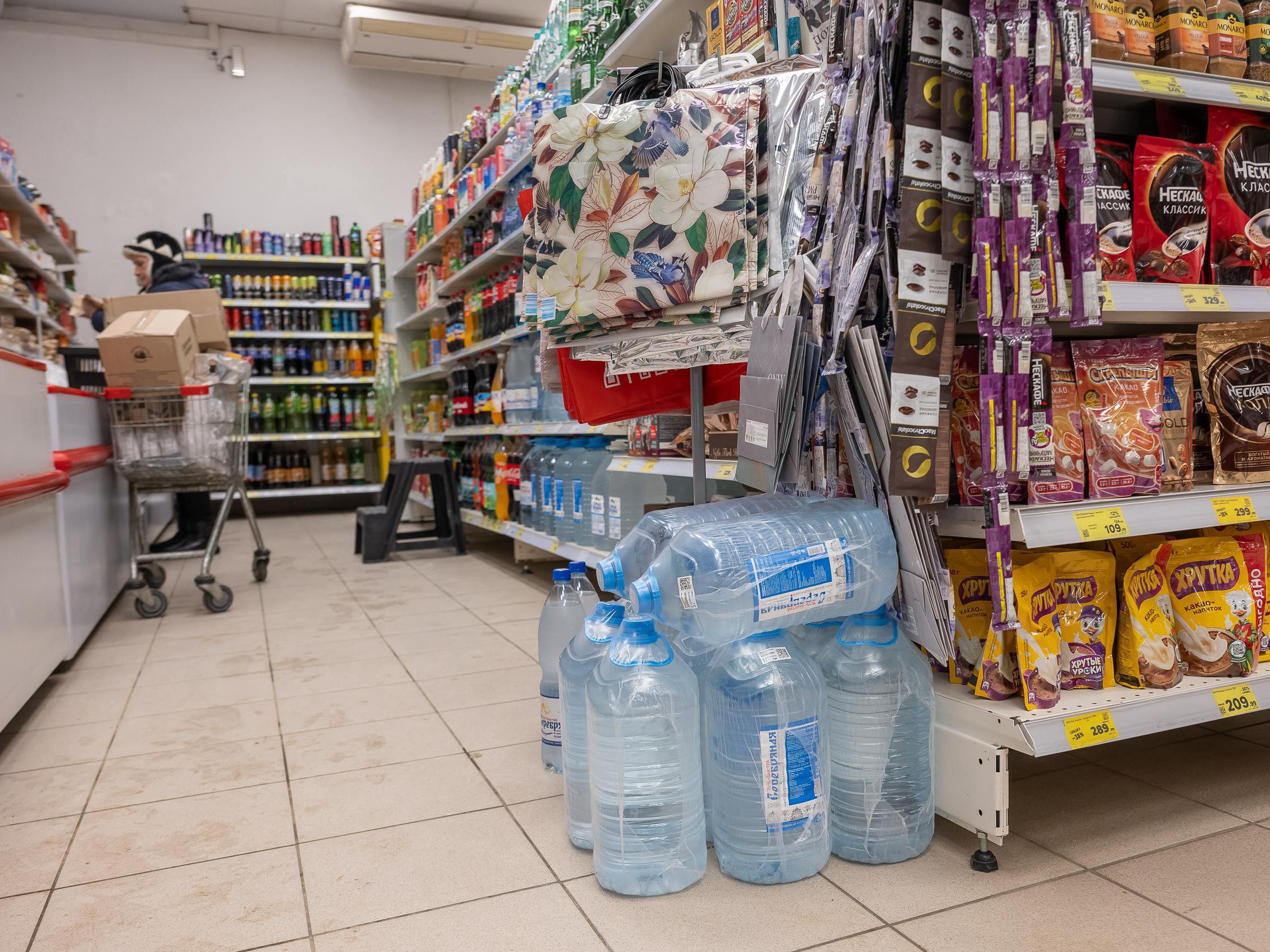
According to her recollections, it was hard with drinking water supplies: it was quickly bought out in stores, and some decided to order it on marketplaces. Yulia doesn’t understand this approach — too expensive. Moreover, she says, not everyone in the city can afford to spend so much on water.
— To say there is work in Gukovo is impossible. My utilities come to seven thousand rubles (approximately $80 at current rates). That’s very expensive. Prices are crazy. Even in Rostov, life is cheaper. With medicine, everything is bad too. There are no doctors here. God forbid you end up in the hospital. So we try not to get sick. What keeps me here is housing and the fact that the child is enrolled in kindergarten, — Yulia reasons.
She assumes that the city faces new water main accidents and water cutoffs.
— It’s good that there’s still snow on the streets. I sometimes joke that in Gukovo, snow is running out. People scooped it with buckets, — Yulia says.
She adds that there are things in life worse than the absence of water.
— Maybe I should be glad that there is at least cold water. There are things more frightening than this. Many people don’t know what war is. That is very scary, — Yulia concludes.
“The Only Good Thing We Have”
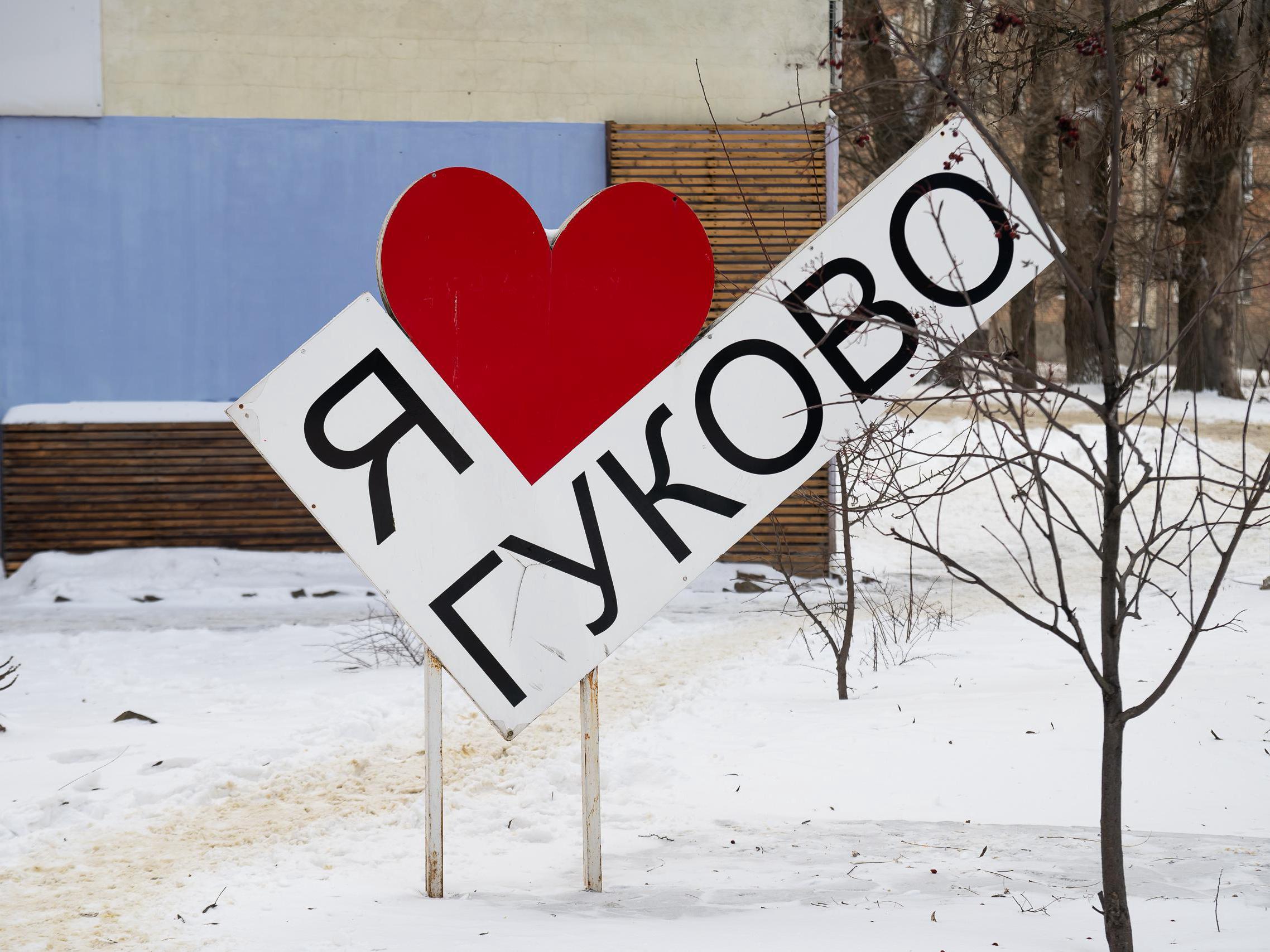
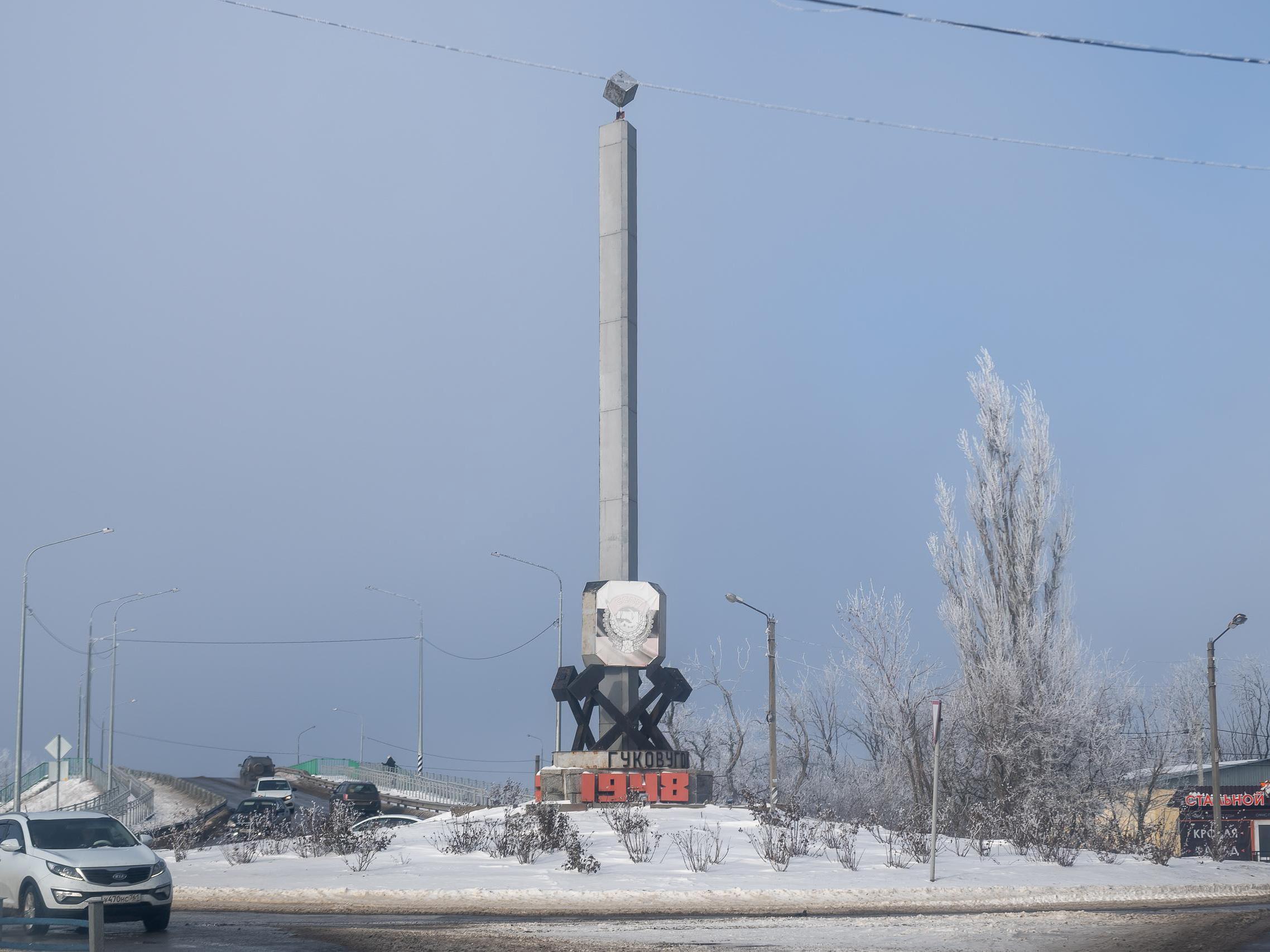
Not far from the five-story building where Yulia lives, a pedestal “I Love Gukovo” stands proudly. A few years ago, such steles were installed in almost every settlement. However, as residents of the mining city admit, it doesn’t add any love for it.
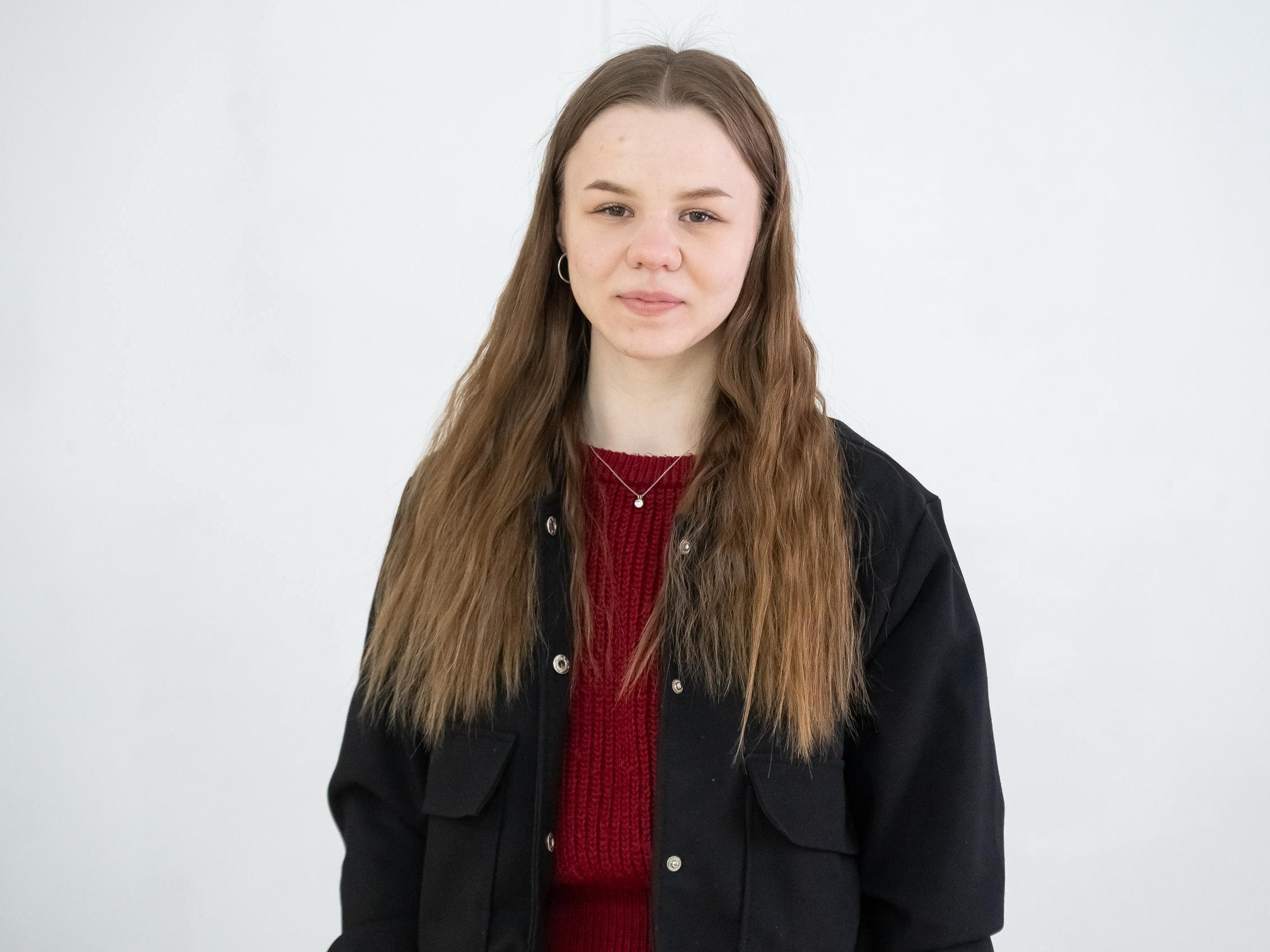
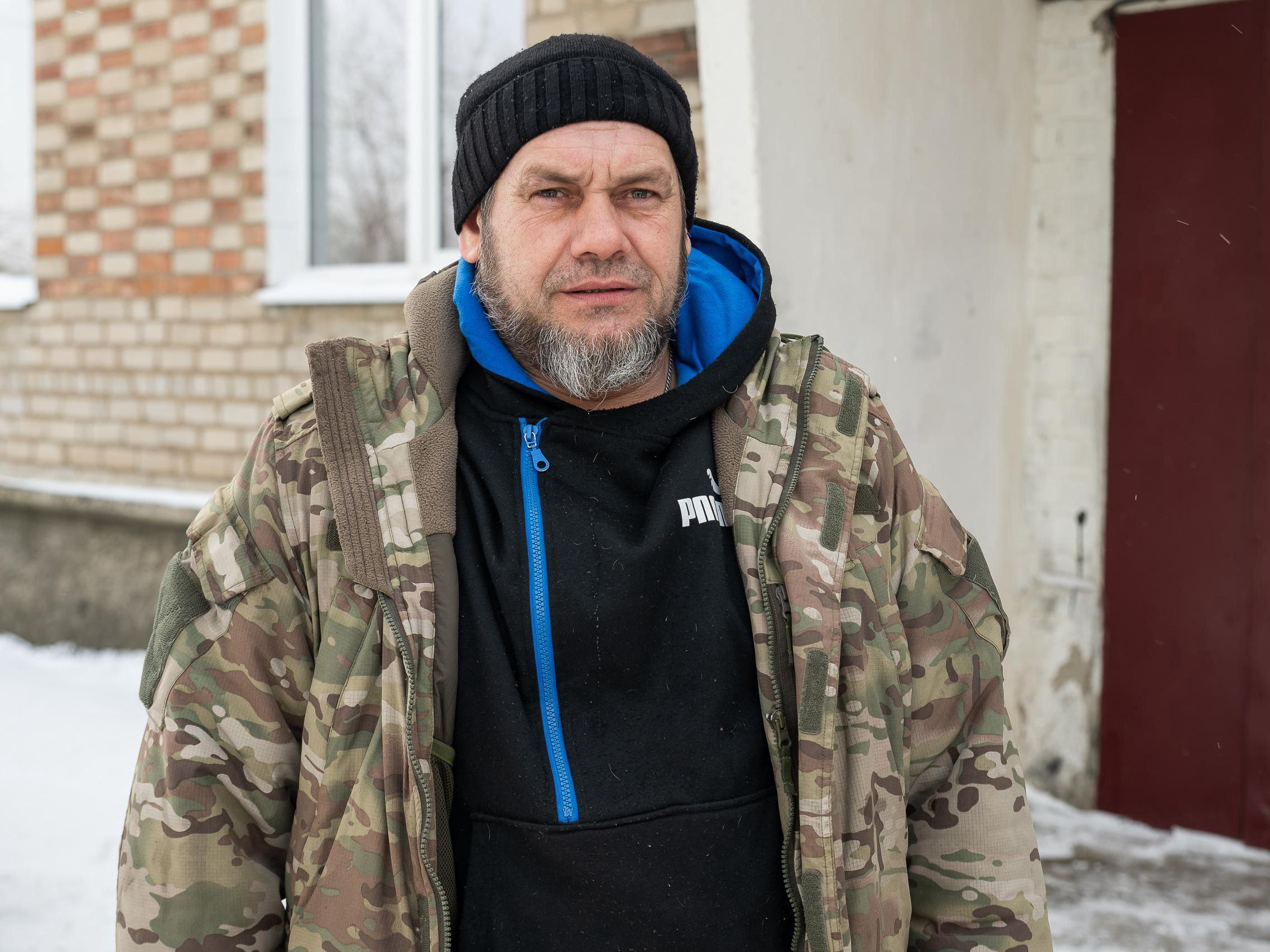
Natalya lives in an apartment building next to the stele and works at a parcel pickup point. She had no water for exactly a week.
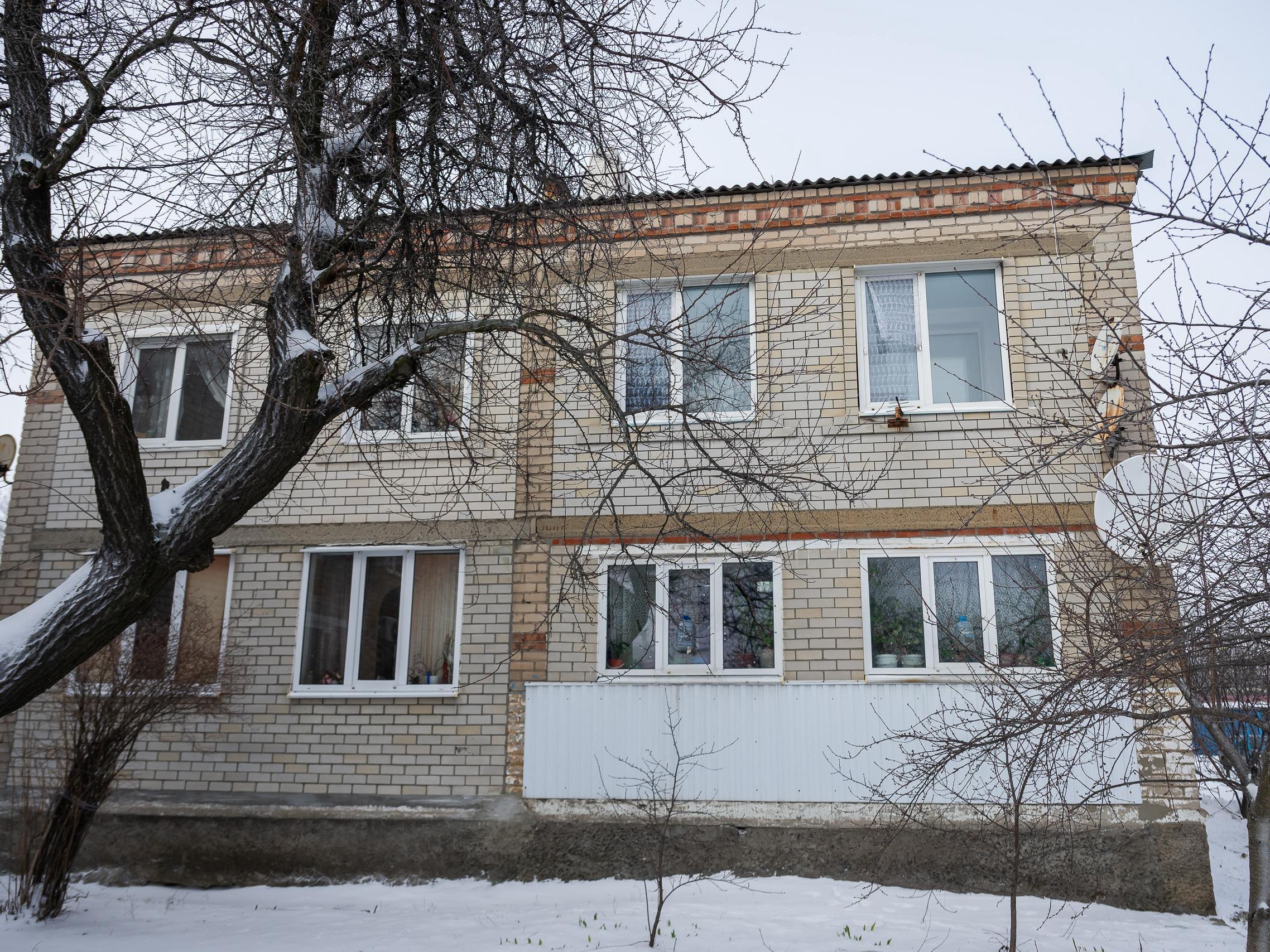
— In Gukovo, it’s generally hard to survive. This [stele about love for the city] — is the only good thing we have, — says Natalya, laughing.
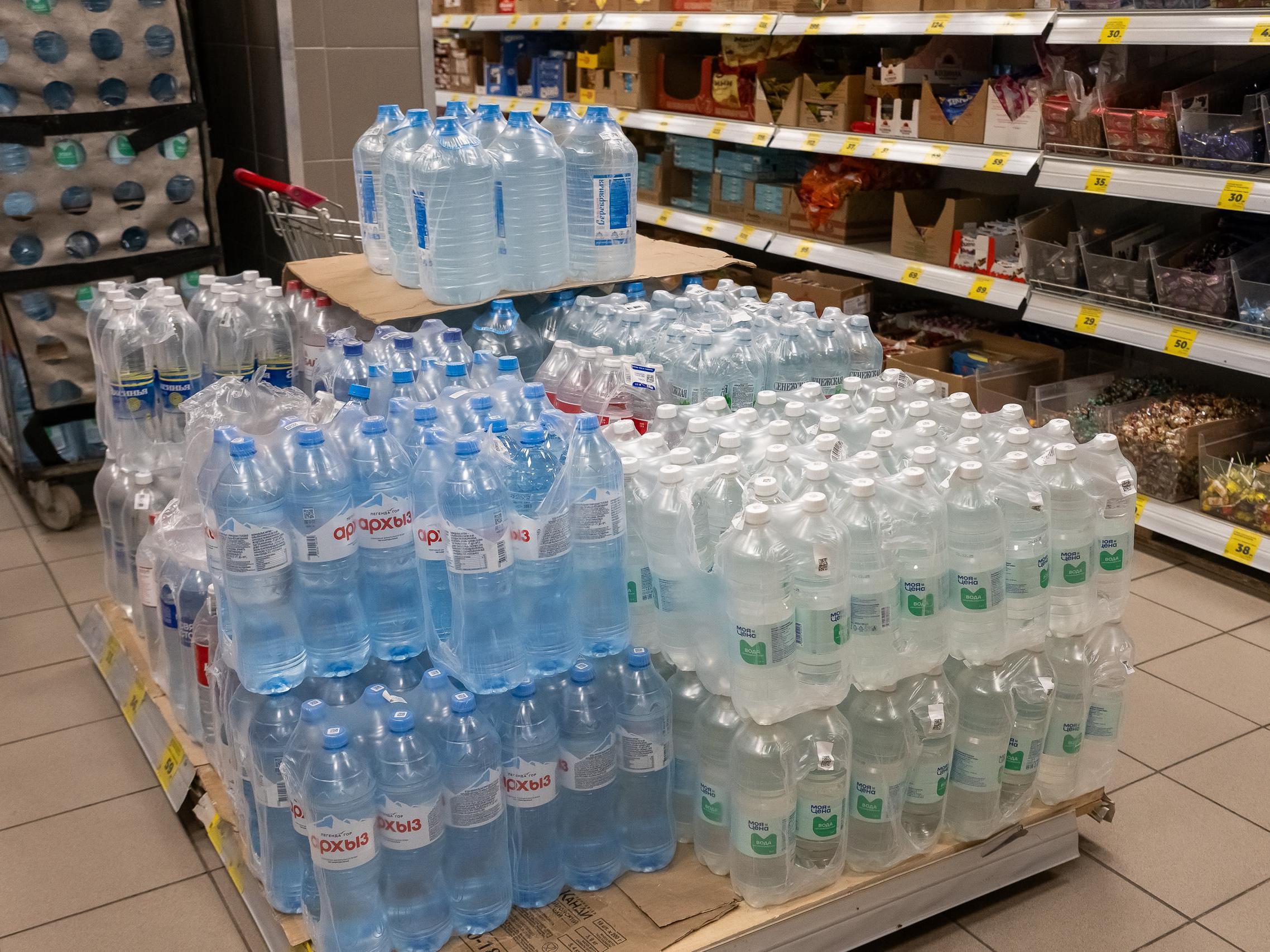
She tells that during the days of total water absence, residents ordered bottles of water through her pickup point.
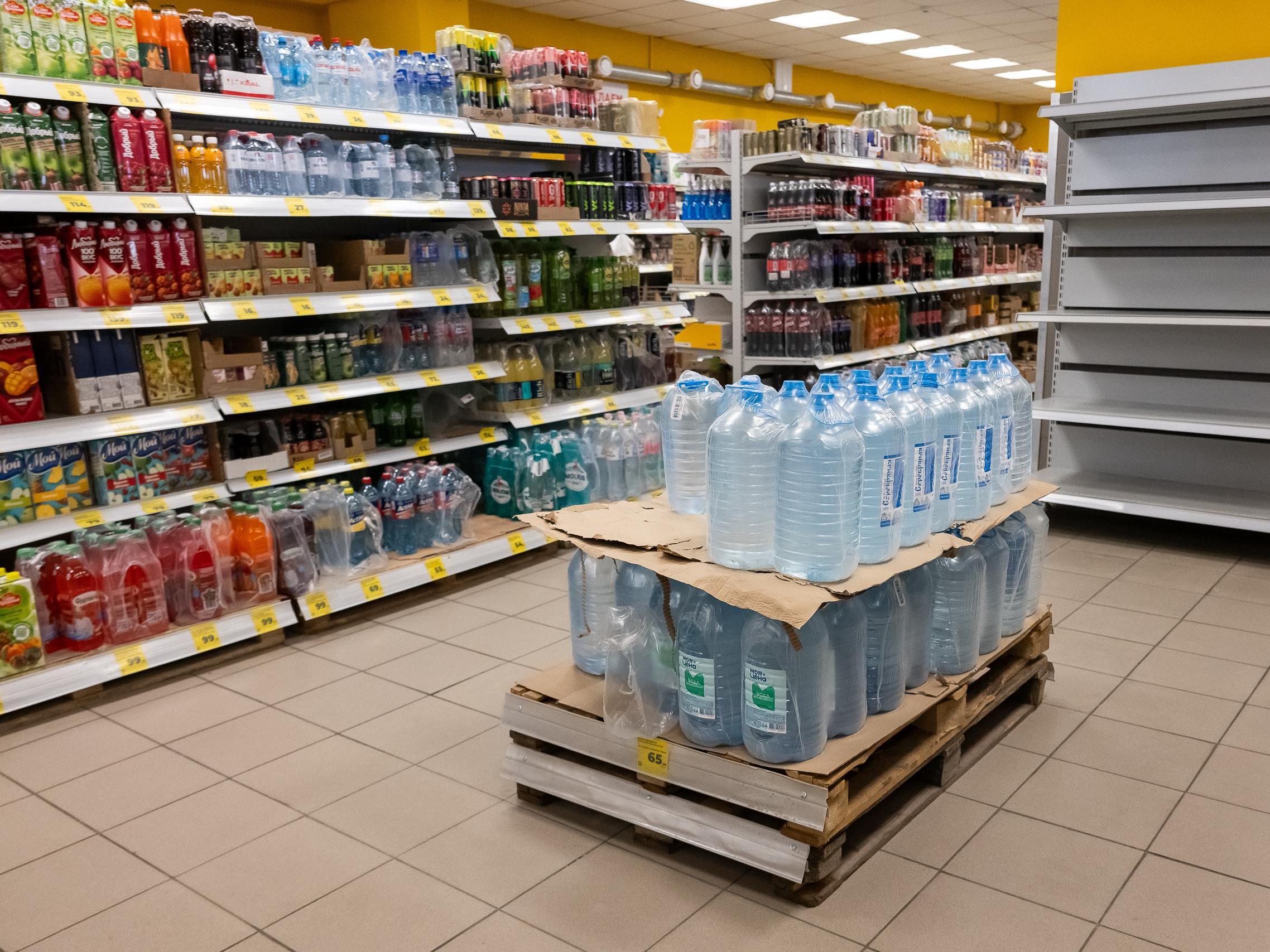
— There was no water in stores, and if there was, it cost over a hundred rubles. We constantly have no water. Often it’s cut off for three or four days. In summer, it’s gone every week, — Natalya shares.
The resident complains about poor water delivery. According to her, they “caught the water truck by chance, if it got the address wrong.” Natalya’s friend Yevgenia confirms this.

— We called both the water utility and 112. They say: ‘There are no requests for your address. No water,’ — Yevgenia recounts.

Near Natalya’s pickup point is a point of another popular marketplace. Nicole works there.
— Last week during my shift, eight five-liter bottles were ordered, — says Nicole.

The girl lives with her family. They had no water at home for a week. Moreover, they had to thaw the pipes to later start the water supply. On difficult days, they had to melt snow several times a day. Such water was used to flush the toilet. There was no water supply at Nicole’s workplace either. She tells how her colleague had to wash the floors.
— She took a rag, went outside, and tried to soak the rag in the snow. That’s how she washed, can you imagine? — says Nicole.
The girl didn’t manage to “catch” a water truck. She says that authorities announced where water trucks would arrive and at what time. However, it was impossible to find them at those addresses and hours.
20 Years Without Water
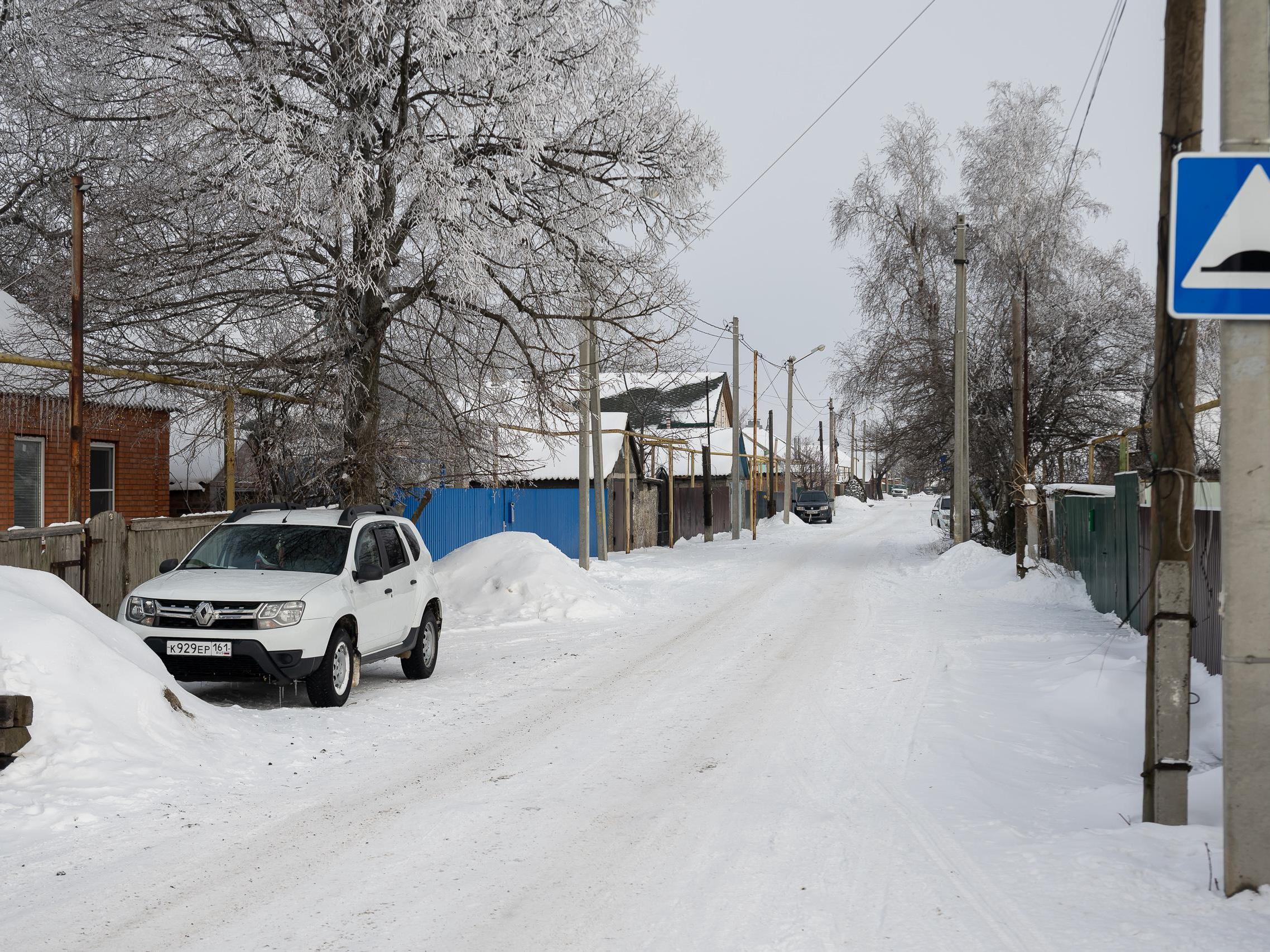
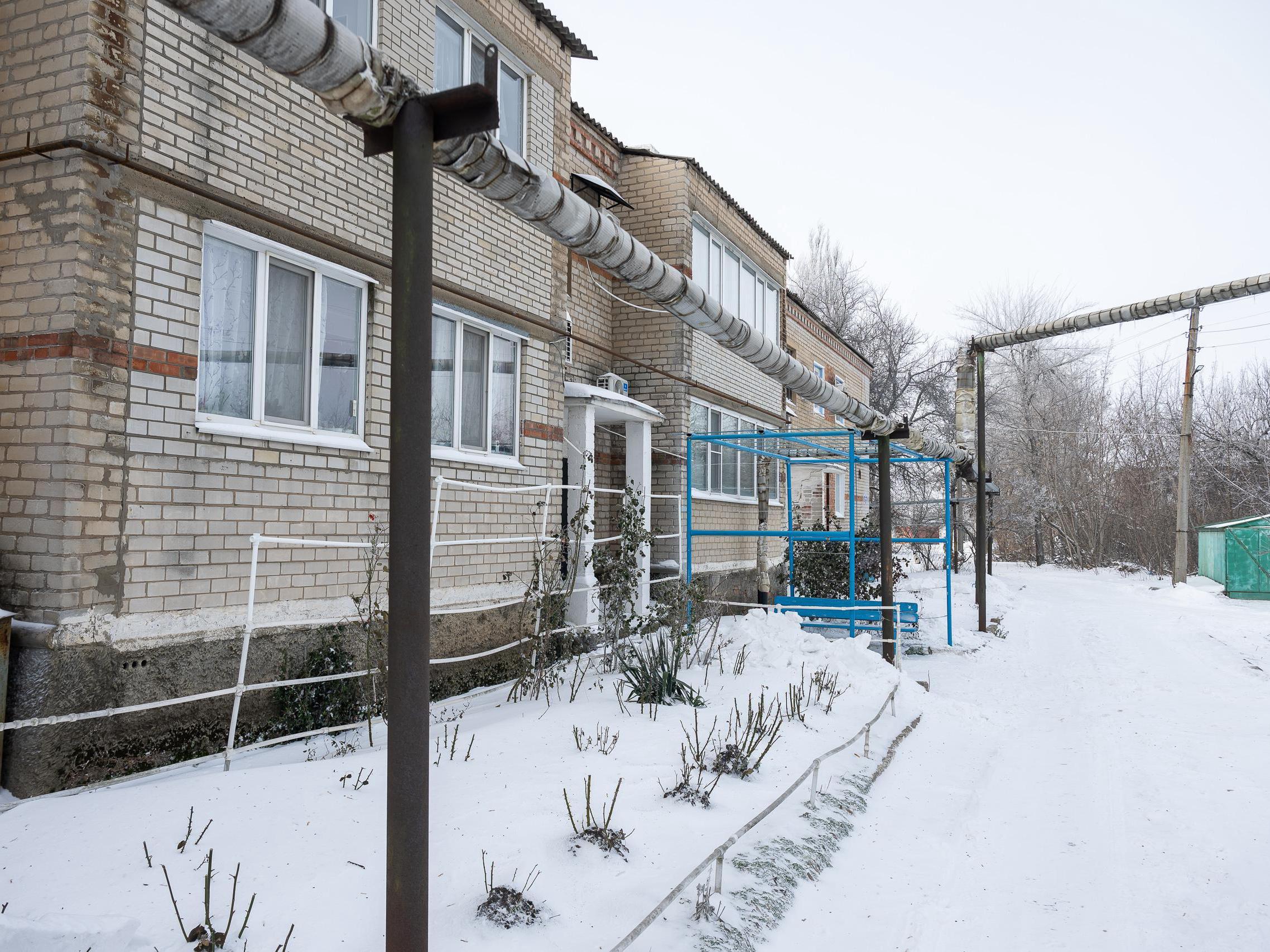
Three similar houses on Bazarnaya Street in Gukovo have equally suffered from water absence for 20 years. Outwardly, it’s hard to guess their hardship. The houses are well-kept, paths cleared of snow, neat flowerbeds planted, entrances with fresh paint and no trash.
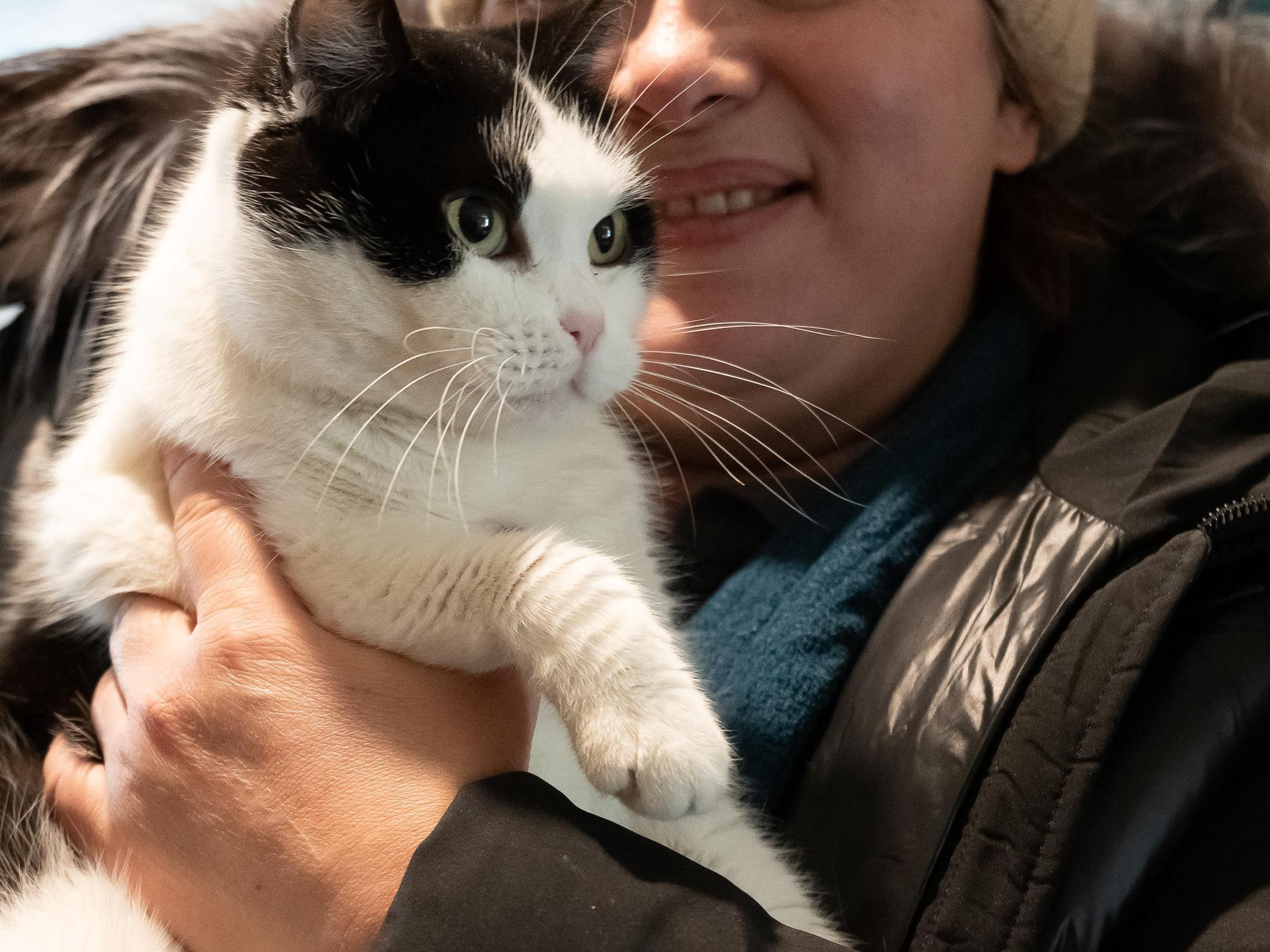
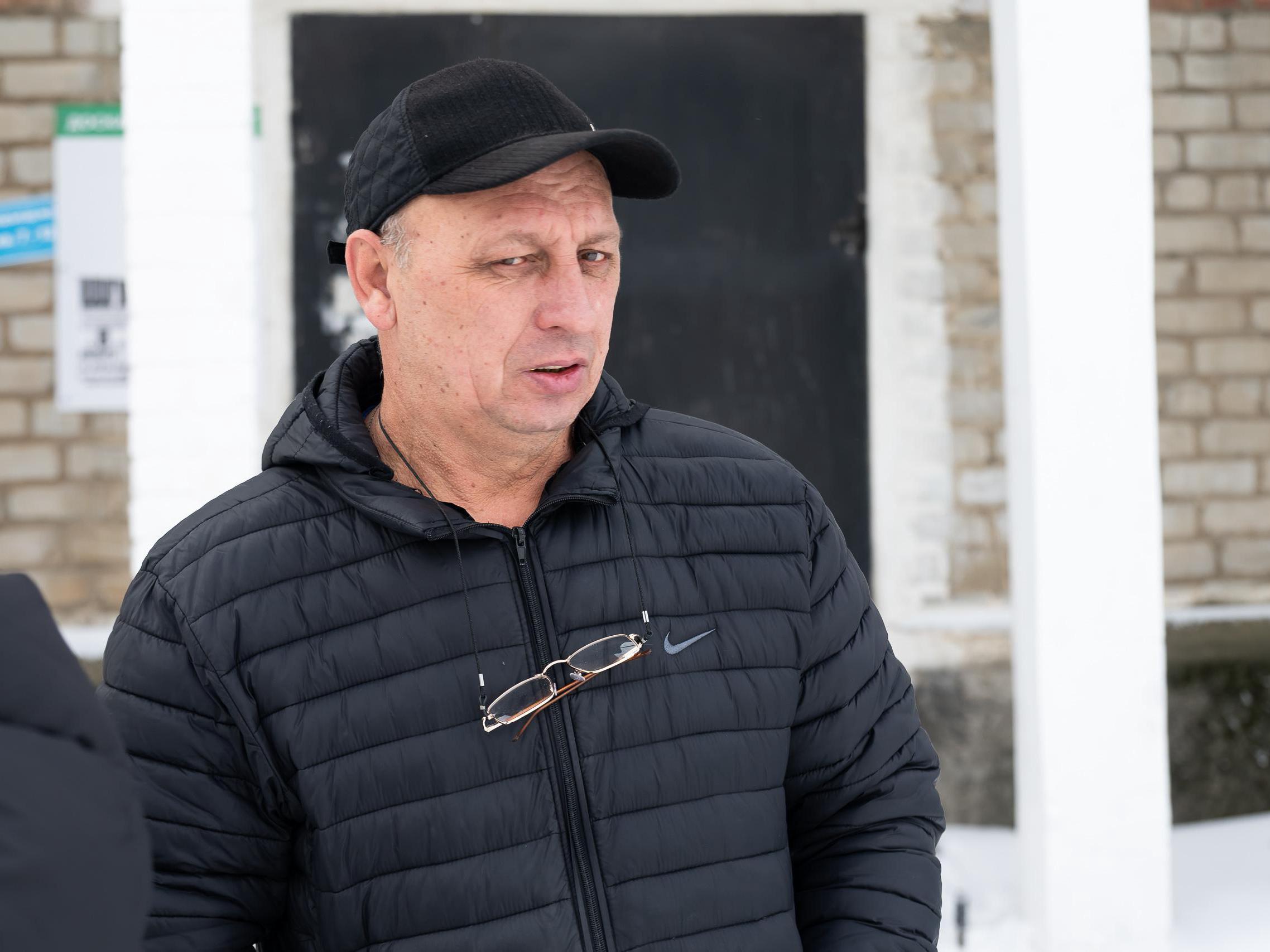
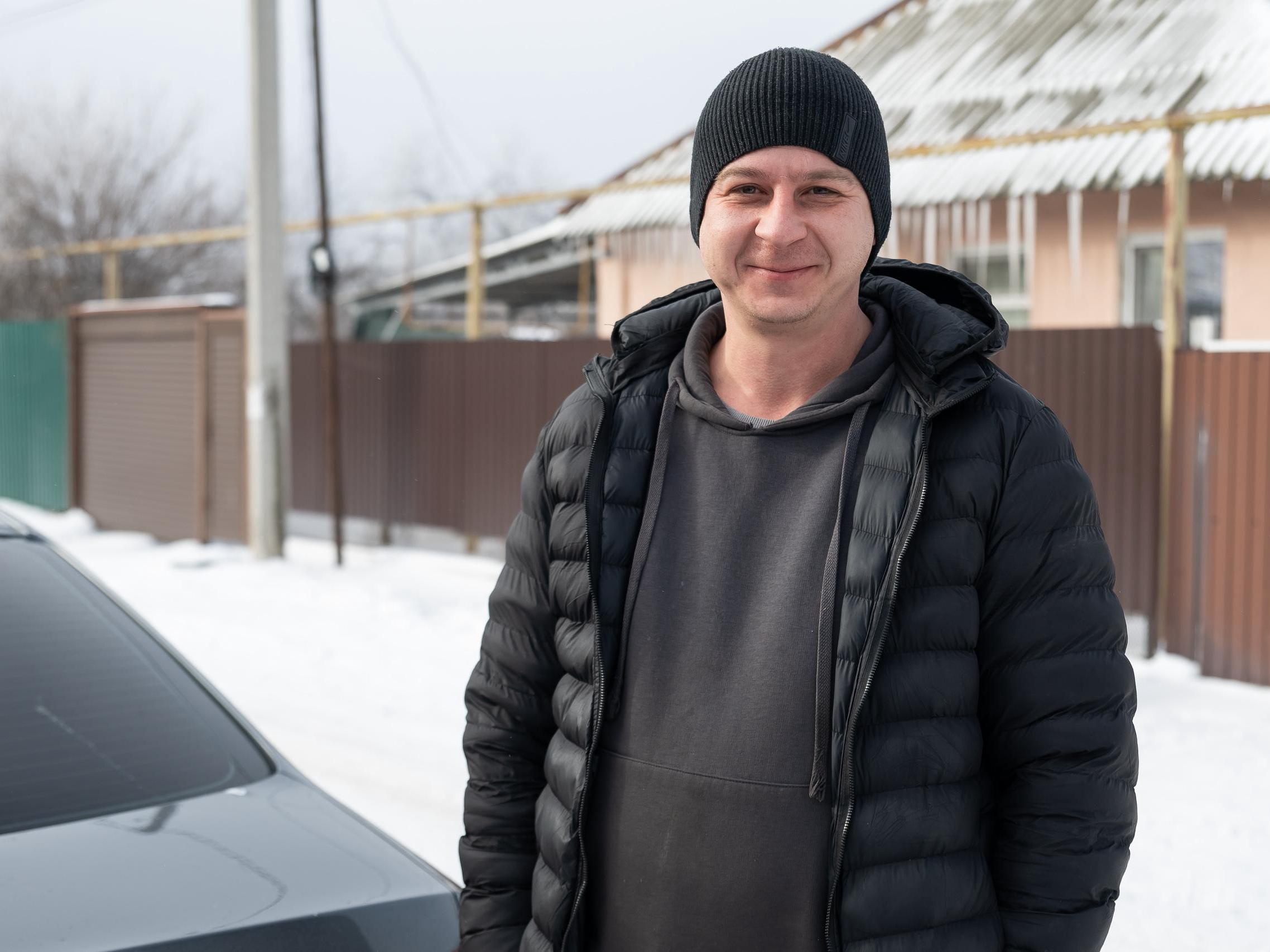
The houses are looked after by local resident Mikhail — a man in his sixties. He recalls that apartments here were given out decades ago to miners and vocational school workers. This housing was considered elite. Now you can’t say that.
— For 20 years, there’s been no water here, even though it’s connected. It’s useless to appeal anywhere, — says Mikhail.
He could afford a pump and a heater. But most of his neighbors — pensioners and people with disabilities. They can’t save several thousand rubles for such purchases.
Mikhail introduces us to his neighbors in the three houses on Bazarnaya Street. Residents let us into apartments and show the taps. Water comes out in a thin trickle. Those living on the second floor are especially unlucky. Water barely reaches there. With such pressure, one can’t dream of hot water, even with a boiler.
— We go to the bathhouse for 500 rubles (about $6 at current rates) to bathe. At home is not an option, — complains one of the pensioners living in the house.
Residents say they wrote appeals to the water utility and Gukovo administration, but it didn’t help. Yet, owners regularly receive water bills. They pay, they say, 120 rubles per cubic meter of water (approximately $1.40 at current rates).
— Water is usually given at night. You just soap up, get in the water, and it runs out. What hot water there. Just let cold water be given normally. We’ve lived here for 20 years — 20 years of such problems, — says pensioner Nikolai. Breathing heavily, he struggles to open the door for us, holding onto a walker for the elderly.
Water problems become more acute in summer. Due to garden watering, the resource doesn’t reach the houses on Bazarnaya at all.
Nikolai, as a long-time resident, recalls that pipes to the building were initially laid “sloppily.” Residents assume the water supply system should have been replaced long ago.
Families with children don’t settle in these houses. It’s also hard for the elderly to sell apartments here — everyone has heard about the water problems.
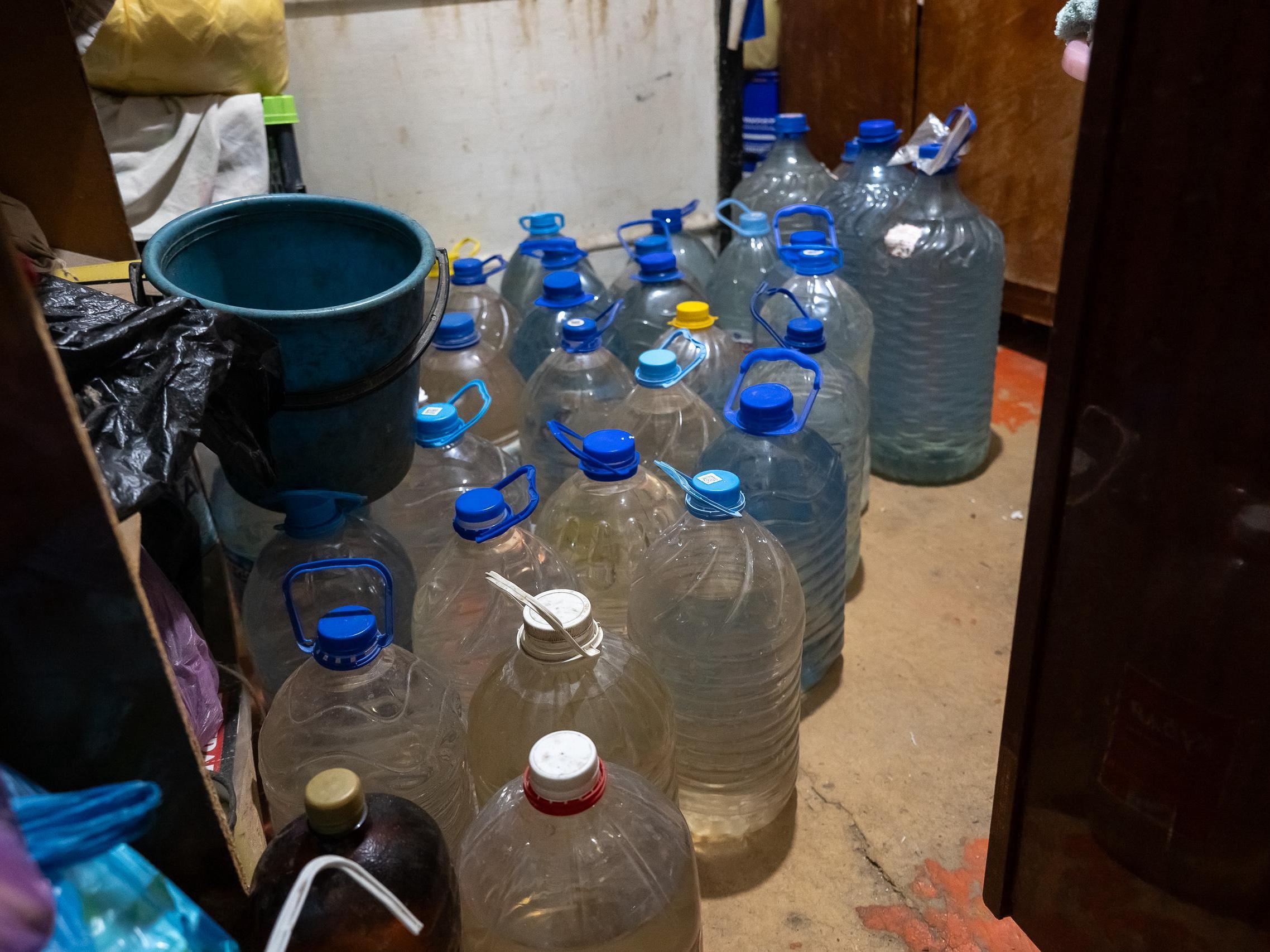
Like other townspeople, residents of houses on Bazarnaya fill bottles and basins with water in advance. Often, supplies have to be made at night, when water pressure is stronger.
— Once we didn’t make supplies, and then just five days there was no water at all. There are always such problems here. In our youth, we went to the water column for water. But then it was removed. Pipes need to be changed. We called Rostov to the Ministry of Housing and Communal Services. You call — water starts. And then it’s gone again, — says another pensioner living in the house.
According to residents of all three houses, water trucks never came to them in January. Although residents called the water utility and asked to bring at least technical water.
— We called and called, but no one came. Had to melt snow. Also called my son, he brought water. Regularly no water. And in summer — it’s a grave. At night we “catch” water. If we “caught” it, then we bathe, — complains another pensioner.
In one of the houses on Bazarnaya, serviceman Alexander lives with his family. He returned from the front due to health problems. In conversation with us, he admits he wants to leave the city because he sees no future in it.
— There is no work here. Even the mines have collapsed. Youth leaves if they can buy apartments in Rostov, — Alexander says with annoyance.
Residents admit they don’t count on help from local or even federal authorities.
— You can only rely on yourself. Only do something yourself, — Mikhail concludes.
“Felt Like Crying”
In Gukovo, there are several hypermarkets. In four of them, employees confirmed to us that during the communal catastrophe, bottles of water were bought up en masse. Disposable tableware also became more popular since regular dishes are hard to wash.
— In the evening, water was cut off, and that same evening, it was all taken from us. In the morning, there was no water left. Then they even took sparkling water. They even stood in lines, waiting for a chance to buy. We asked not to take more than two five-liter bottles. It was scary to look at people. Felt like crying. People drove around the entire city, but there was no water in stores, — recounts Irina, a merchandiser at one of the supermarkets.
According to her, water began to be supplied in larger volumes. There is no shortage a week after the water main accident.
Earlier, Irina herself was left at home without water for a week. When water supply was restored, she still couldn’t use the resource. The first day, the water was dirty, with traces of rust. But she doesn’t complain about its pressure. She recalls that together with neighbors, she called a water truck home, but never waited for the vehicle.
— I went out, my neighbors, grandmothers and grandfathers, with bottles and buckets. We stood for almost two hours in the frost of 18 degrees below zero Celsius (0°F). The vehicle never arrived, — Irina recounts.
She complains that water is often cut off. And sometimes, the made supplies aren’t enough for all the cutoffs.
— The main problem in the city — is water, especially in summer and winter. This has been going on for about ten years. Almost every month it’s cut off. But like this winter, it never happened before. They need to deal with the water main long ago, find funds. Not leave the city without water at all? — says Irina.
In the store, we meet pensioner Lyudmila. Without water supply and water delivery, she lived for five days.
— I called both the water utility and 112. They said: ‘What can we do?’ I answer: ‘Well, and there’s no water in stores.’ They reply: ‘What, should we haul it from Rostov for you?’ Well, generally, I’d like that, — Lyudmila says with a laugh. — To use the toilet, I had to melt snow. Drinking water I could only find at the pharmacy. Didn’t even think I’d have to go there for it.
According to the pensioner, in Soviet times, at her work, money was collected from employees for the water pipeline.
— Back then, they collected 150 rubles per person, and my salary was 300 rubles. And where did that money go? — Lyudmila wonders.
“You Came for a Sensation”
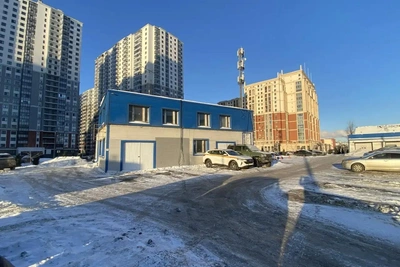
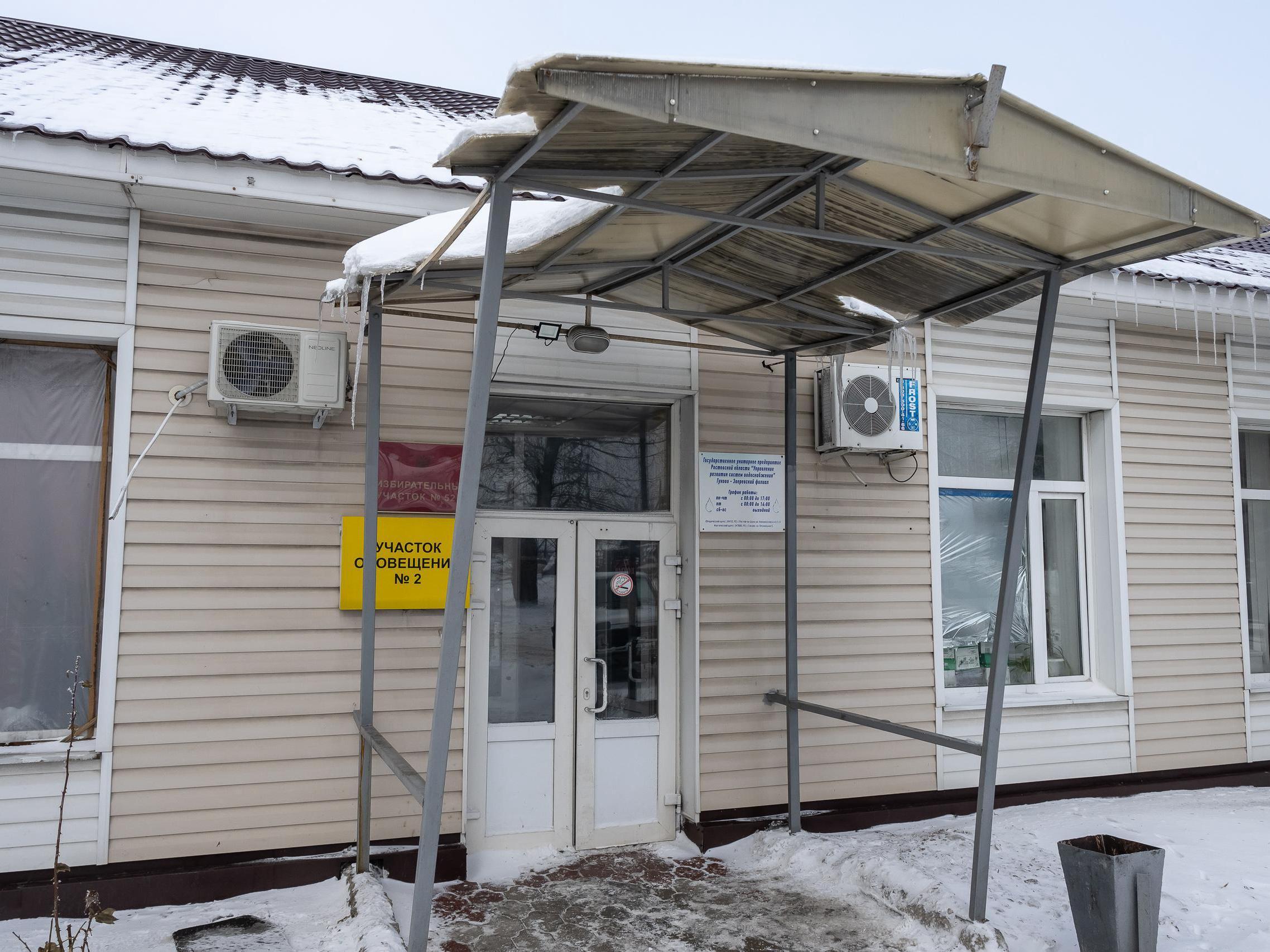
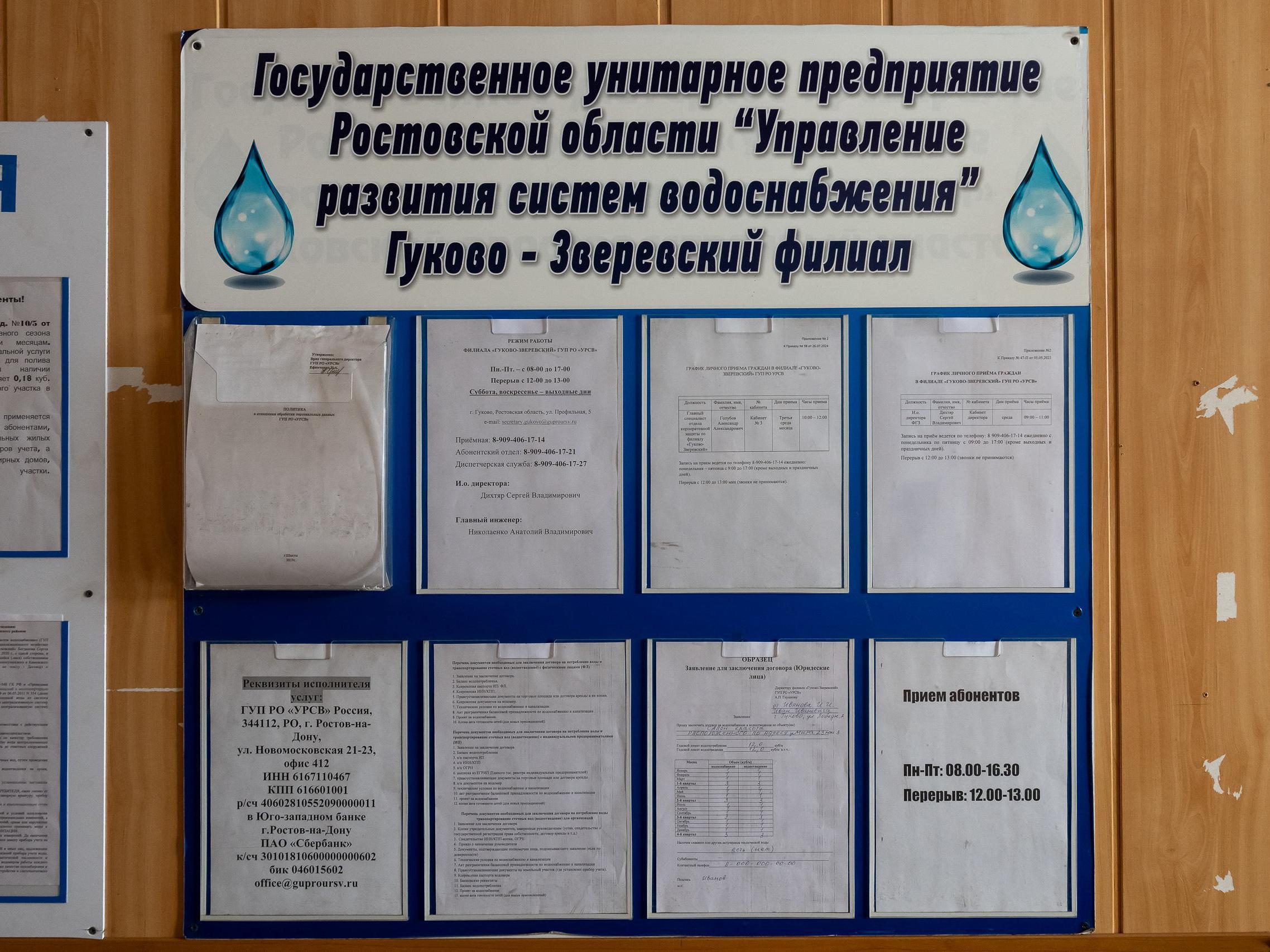
The small water utility building in Gukovo looks like a set for a movie about the ’90s. Old chairs, shabby walls, empty plaques where offices used to be indicated.
One of the employees of the “Management of Water Supply Systems Development” agreed to talk with us “privately.” He asked not to mention his name and not to record the conversation. So we will retell it.
According to the interlocutor, the water main accident was being eliminated around the clock. Some water utility employees “didn’t sleep for three days” and worked in harsh weather conditions. He says that the water utility and residents for some reason “ended up on opposite sides of the barricades,” even though the water problem affected everyone.
At the same time, the water utility employee doubted that residents still have water at low pressure. He assumed that work is still ongoing on their section. He did not confirm the shortage of water trucks. According to him, a total of 15 tankers distributed water, “not a single address by request was missed.” The specialist says that tap water in Gukovo is not divided into technical and drinking, as it is safe for all purposes.
We told the interlocutor about the houses on Bazarnaya where water was not delivered. The water utility employee promised to help. Later, residents confirmed to us that a water tanker finally came to them.
At the end, the URSV employee tried to reproach the journalists: “You came for a sensation, although there is no sensation.” To our argument that there is indeed a sensation — a city of thousands survived a week without water on melting snow — the water utility employee did not respond.
“For Putin to Come and Say: ‘Now, Make Everything Normal!’”
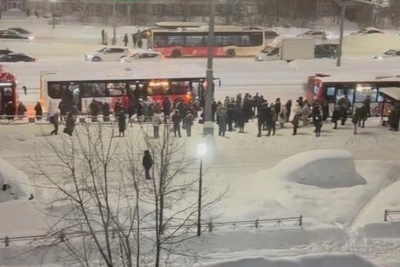
Gukovo’s private sector. The houses look abandoned, the silence of the streets broken by rare dog barks and the crunch of snow underfoot. Closer to evening, only schoolchildren and pensioners are active. The former go sledding and walking. The latter clear snow from the yard and discuss recent water problems.
We are met by local residents — Yelena and her mother Margarita (name changed. — Ed.). Yelena is about 40 years old, she works in a local social institution. Margarita — 65 years old, lives on a small pension.
— When we moved here with my parents, I was two years old. Back then, these pipes were just being laid. And since then, no one has changed them. So they constantly burst, — Margarita fumes.
Yelena is sure that local authorities cannot solve the water problem. She only hopes for the president.
— Call Putin, or what? For him to come and say: ‘Now, make everything normal!’ Well, how else? — Yelena reasons.
She takes us into the house and shows impressive water supplies. Yelena describes a state similar to severe anxiety. Every day when she returns from work, she is seized by panic: “Will there be water at home? Will I be able to bathe?” When the women ran out of stored water bottles, they went to wells, melted snow. They complain: snow lies as a dazzling white sheet, and when melted, turns into dirty slush.
Both Yelena and her mother ask to conceal their personal data. Afraid that they will be “bumped off” due to complaints, and water will only get worse. To our question, if it can get worse, they answer confidently.
— It will only get worse, not better. And they won’t help us. If all our neighbors came out, then they would help us. But then they’ll start digging. Kill and that’s it, — say the mother and daughter.
Neighbor Ivan comes to visit Yelena and Margarita. The middle-aged man is doing repairs in a private house where he wants to move his family. He complains that he chased a water truck in his car and asked friends in the store to set aside bottles of drinking water for him.
— This is the first time that water was absent for so long in winter. Usually, it’s cut off for several days in summer. But everyone is already used to it. They install pumps, heaters, — says Ivan.
Simultaneously, he complains about roads, ecology, and dirt. Ivan recalls that Gukovo has the status of a monotown, where a territory of advanced development was created.
— There is no development at all, let alone advanced. At least go back ten years in “development,” — Ivan laughs.
In Rostov Oblast, the status of monotowns is assigned to Gukovo, Donetsk, and Zverevo. Territories of advanced development have been created in them. This is part of the city with a special legal regime for business and investments.
His neighbors agree with him. They are worried about unemployment in the city. Yelena has a 20-year-old son, and whether he has a future in Gukovo is unknown.
— Our Gukovo is not even considered part of the city. We have nothing. We have no work, we have poverty. Old people die, youth leave for shift work. The mines have collapsed. This is an abandoned city. Just a black canvas, — Margarita says with annoyance and goes into the house to heat water for dinner.