From Siberia with love: How a Tyumen design family turns plastic into collectible sables
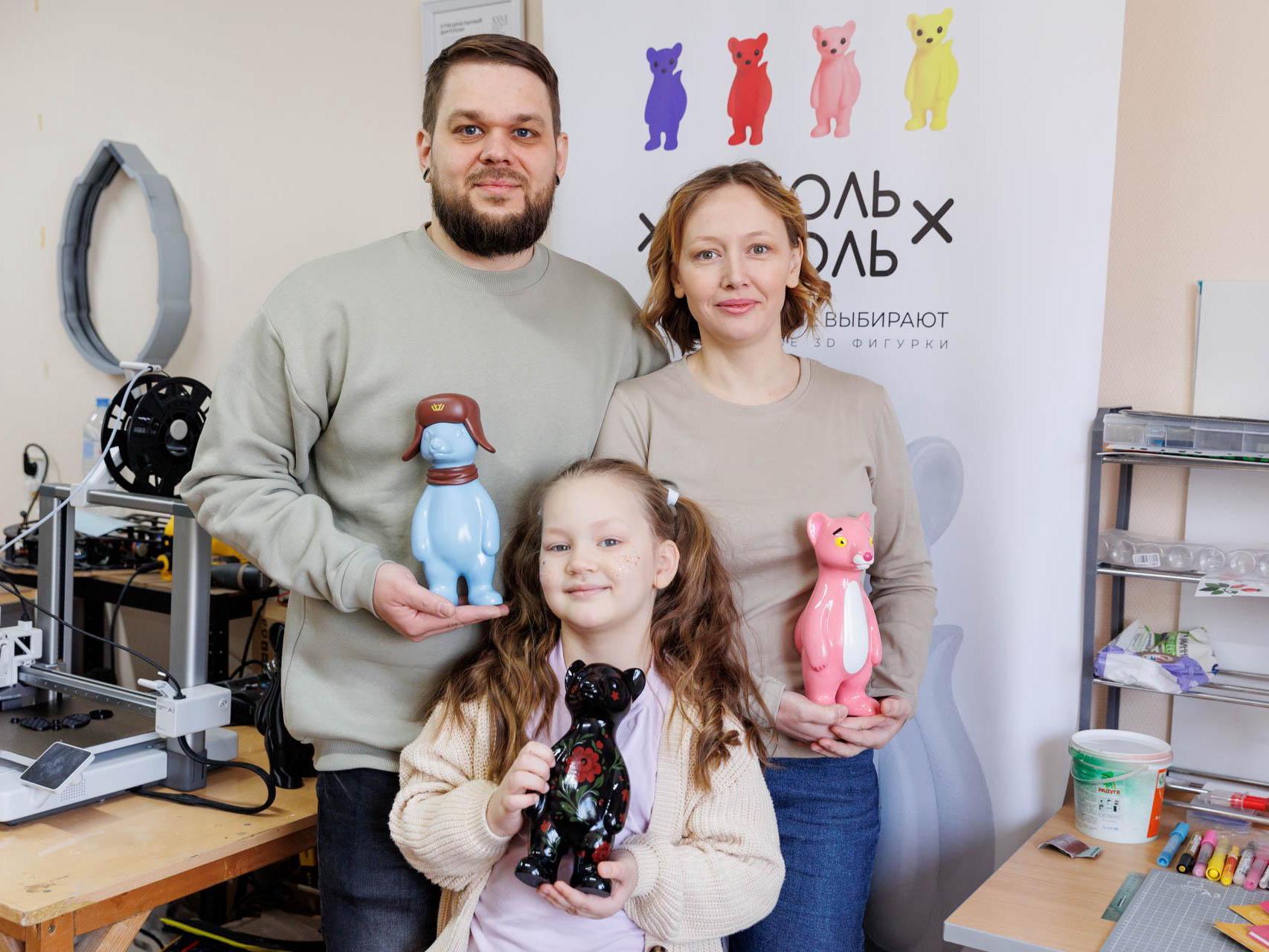

Designer Alexander Orlov has long dreamed of creating an original Tyumen souvenir. He considered a fox and a beaver — from the coat of arms of the best city on Earth, but thought these animals were already too common in cartoons and books. A sable — that«s a different matter. With the support of his wife Anna and daughter Sophia, last summer Alexander tried to make the first collectible figures from polyurethane plastic. This story is about his unusual author project »×Sable Sable׫.
Beauty in 3D: How It All Began
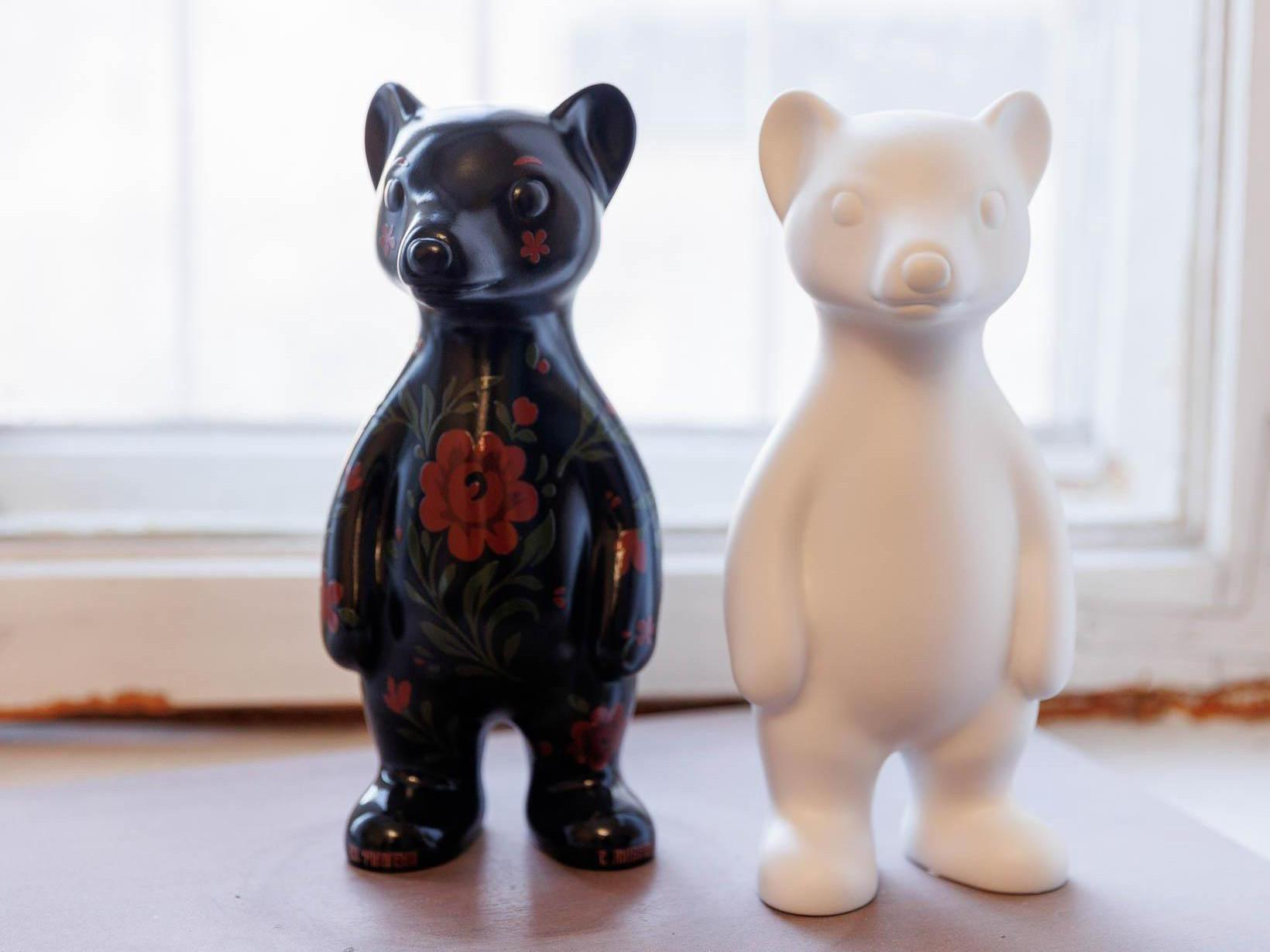
The Orlovs are a creative family. Alexander graduated from art school, studied at an architectural training center, and later in the design department. He is a certified environmental designer. His wife Anna is a landscape designer. She is constantly drawing, sculpting, crafting. Six-year-old Sophia keeps up with her parents: she already knows the basics of color theory better than some adults.
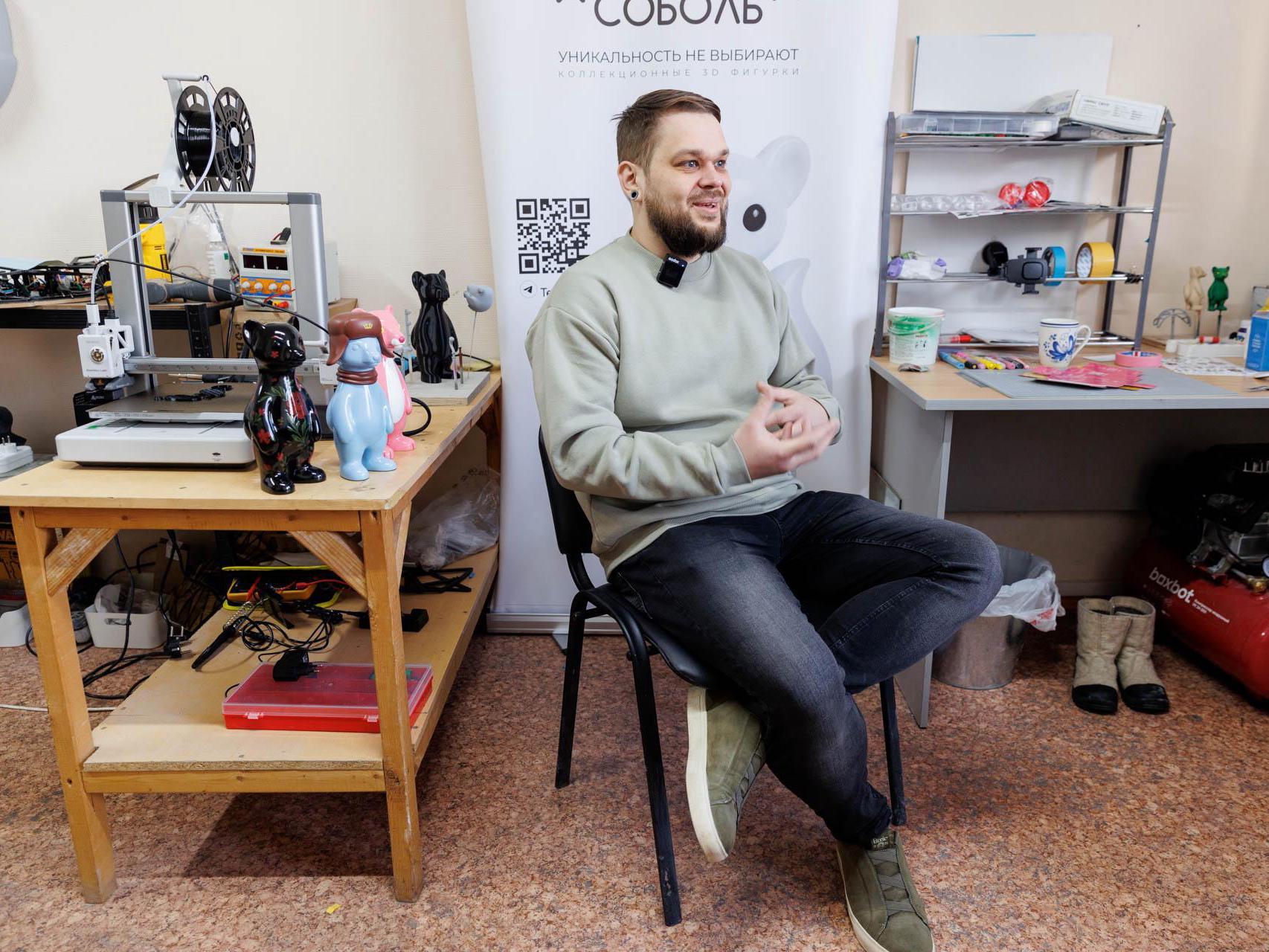
— This project, the sables, we started creating last summer, in July. We wanted to make a good, quality Tyumen souvenir. We came up with the image, modeled it, printed [on a 3D printer] the first prototype. We started showing it to friends, acquaintances. And everyone fell in love with this sable. They said: «We»ve fallen in love! He«s so cute, so pretty!» And now, half a year later, quite a few people already know about us, — began Alexander Orlov.
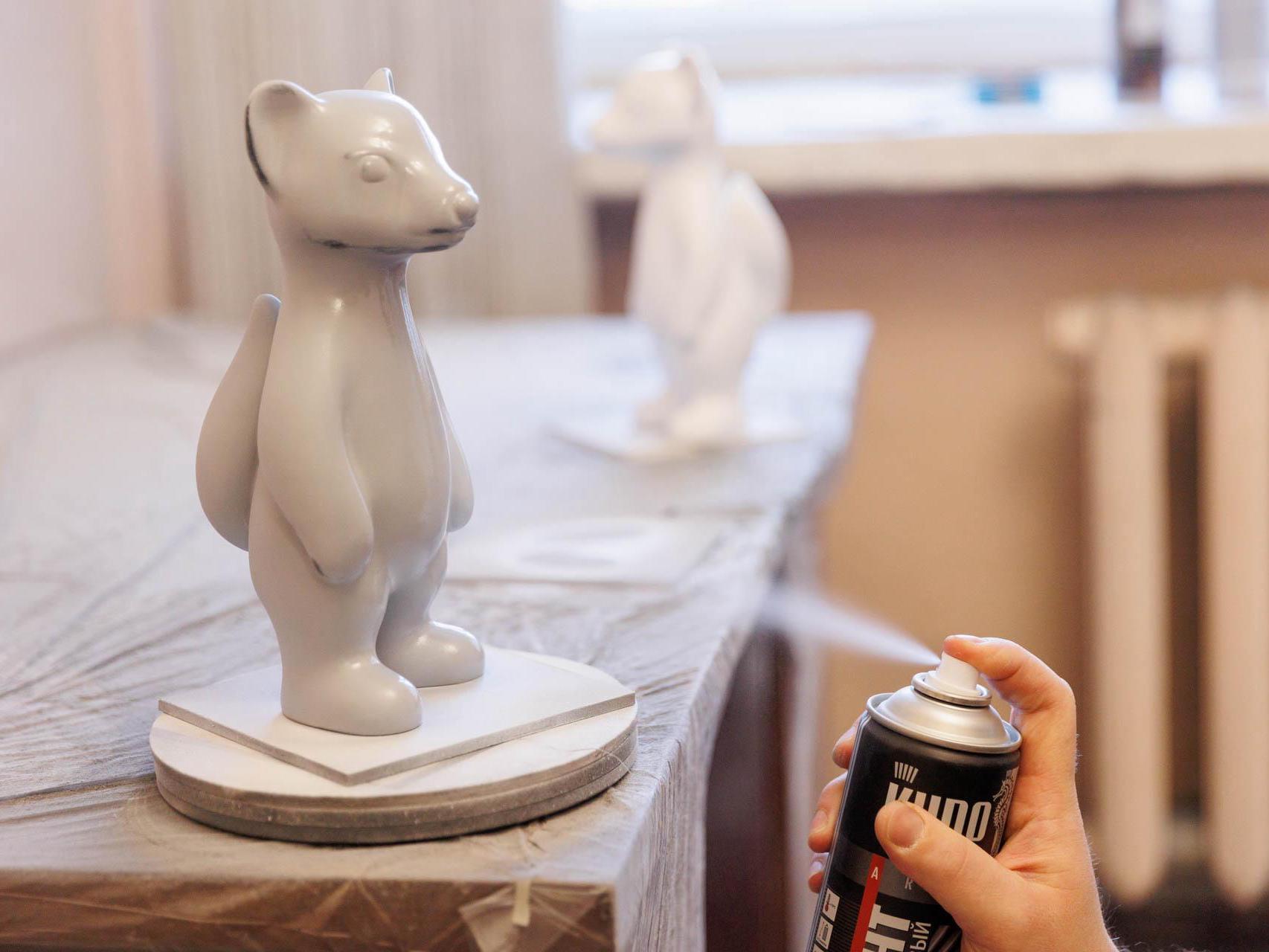
The first figures from cast polyurethane plastic were created at home: a separate workshop appeared literally a couple of months ago.
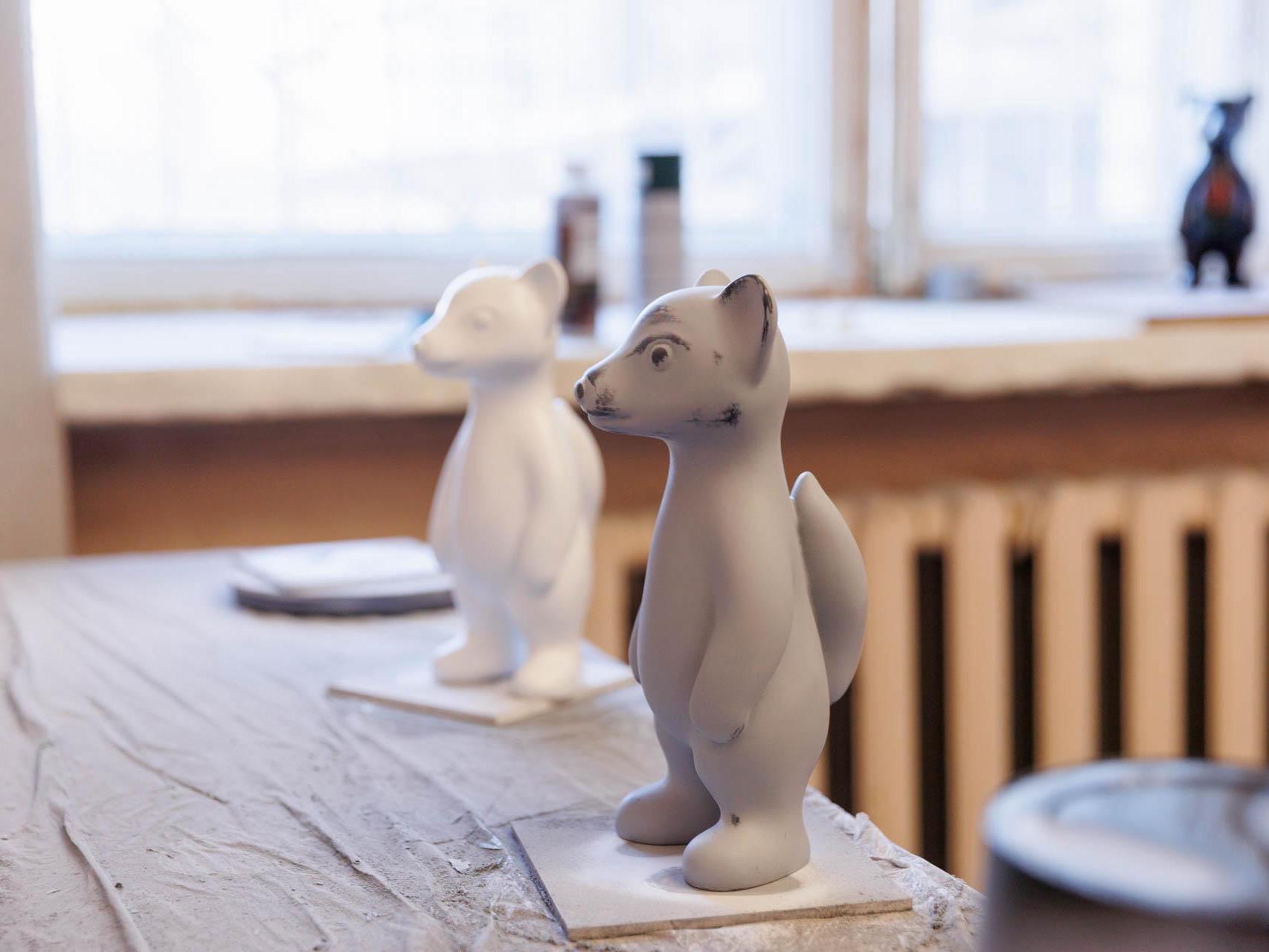
— At home, we tried making molds, pouring, then I took them to my production — a workshop of 180 square meters for creating small architectural forms. There we painted the figures so that the house wouldn«t smell of paint, and we ran back and forth like that. When we realized we no longer fit at home, literally within a week we found an office, bought more furniture, and moved in. Now we have two offices of 18 square meters each. In the future, of course, we»ll move to a larger space, — says our interviewee.
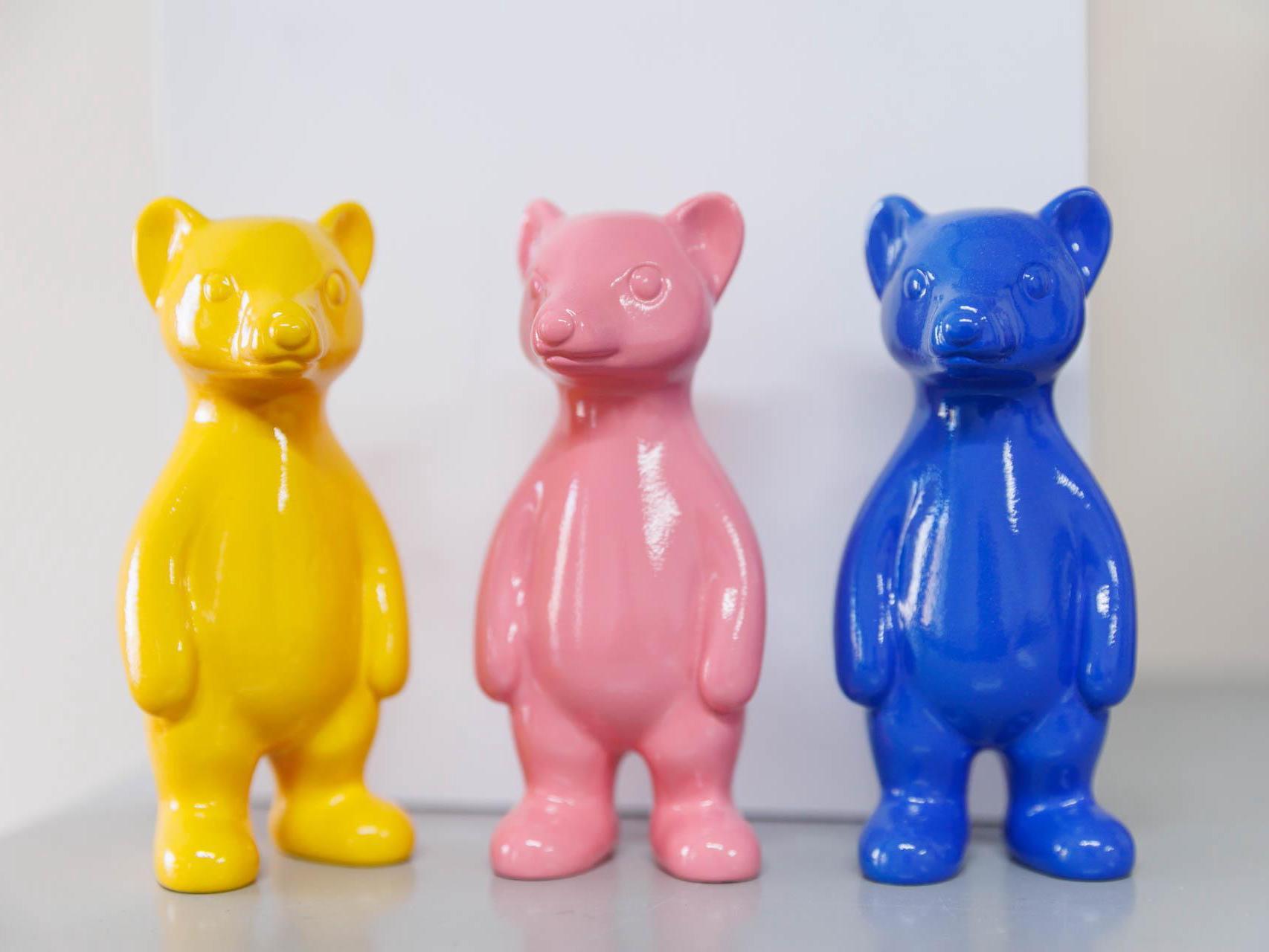
And he adds: the very first, 11-centimeter (4.3-inch) sables didn«t turn out beautiful and neat right away. Everything — by trial and error.
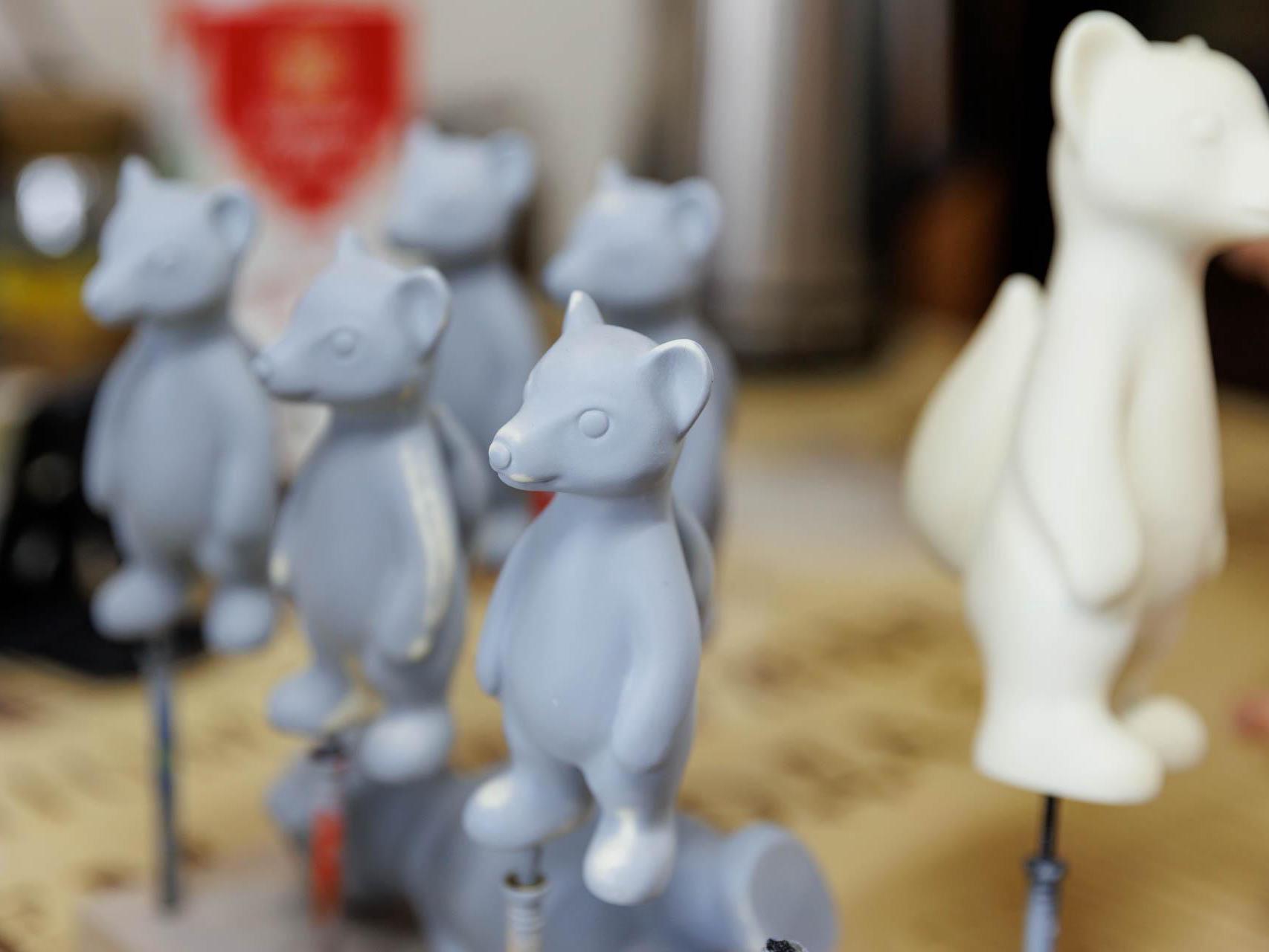
— We experimented with painting for about 1.5 months: either the primer didn«t work, or the paint didn»t get along with the varnish. We spent a lot of money and time on this. It was difficult to process the figures to make them smooth. We started studying technologies on how to make [the sables] faster and better. That«s how we came to cast molds from polyurethane plastic, — continues the project founder.
Participation in the forum of creative entrepreneurs «KPD» helped the Orlovs promote their project, where they not only made useful contacts but also gained their first fans. A bit later, a Telegram community appeared, and very recently — a one-page site. But the most powerful driving force is still good old word of mouth.
Workday Routine: Division of Duties and Invaluable Supplies
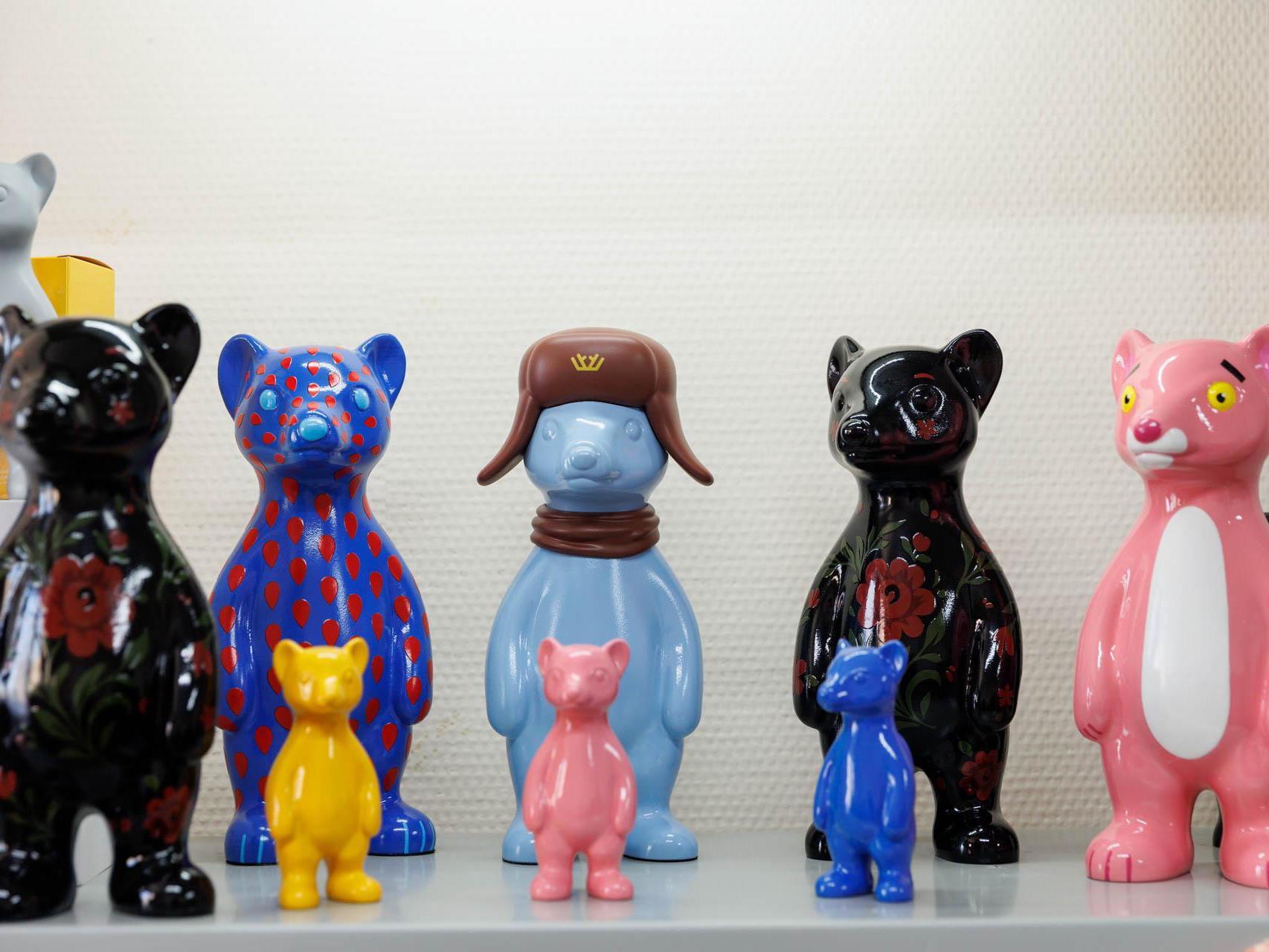
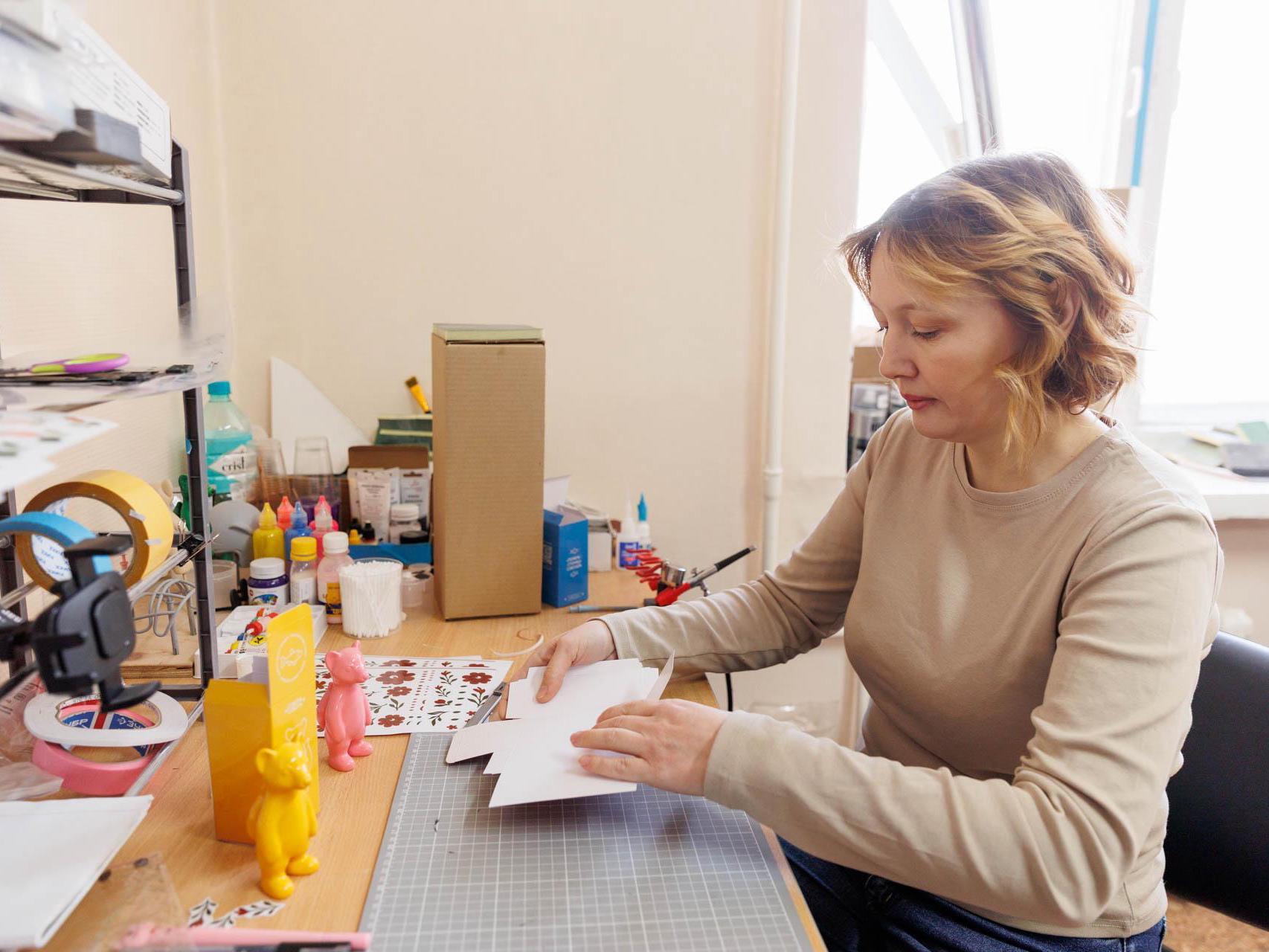
As you already know, «×Sable Sable×» is a family story, and everyone has their tasks in the workshop. So, Alexander is responsible for design development, painting the figures, marketing, and sales. Anna launches and controls printing the figures on the 3D printer, processes the figures, and packs the finished ones.
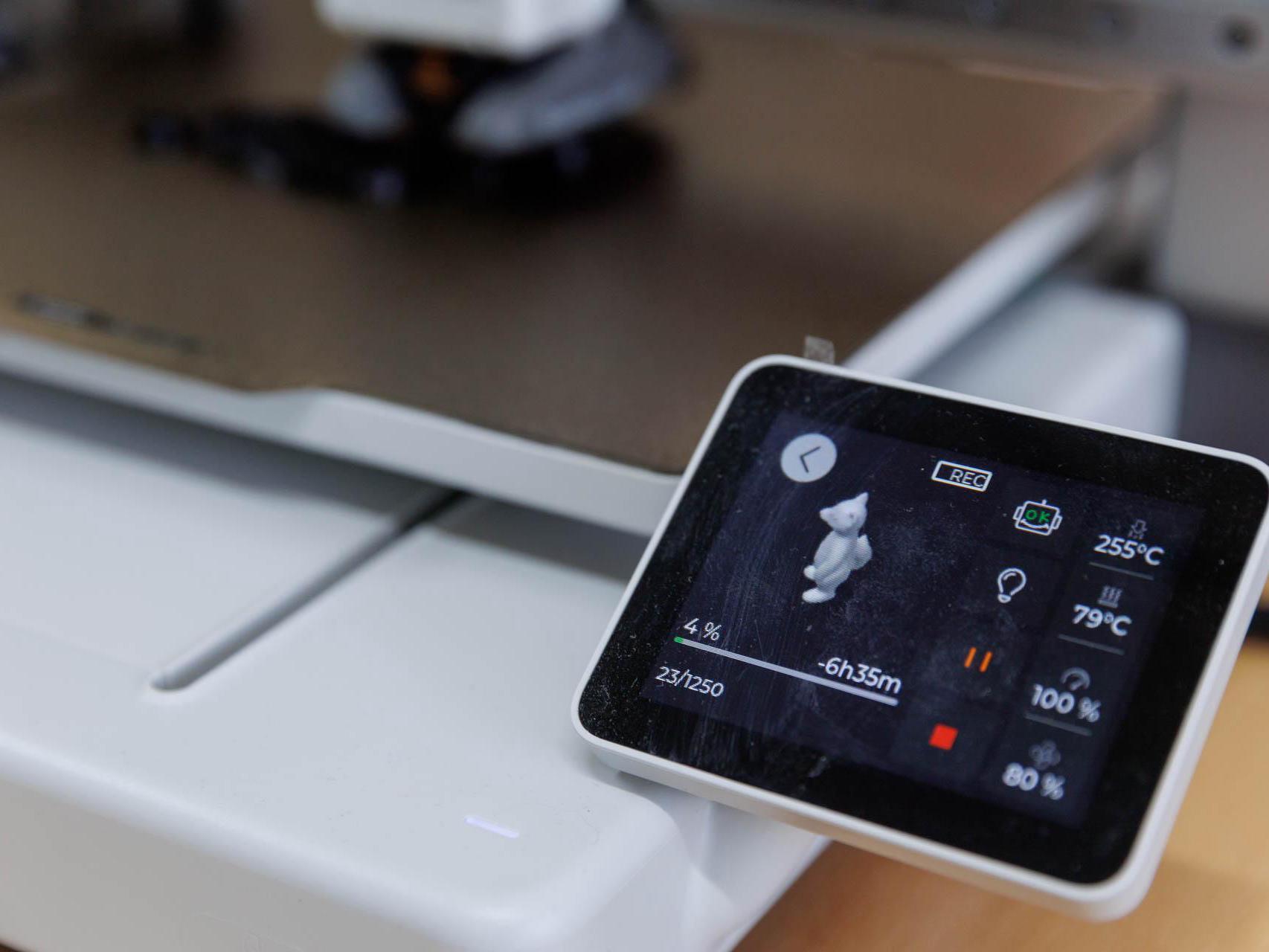
— Our daughter is more like a consultant; she has a very good sense of color. I always call her for advice when I«m making some color scheme selections, renders of new models. Sophia comes and says: »This is good, and this is good,« and our opinions almost always coincide. Sometimes she suggests that a color needs to be darker or brighter somewhere, and that helps a lot, — admits Alexander.
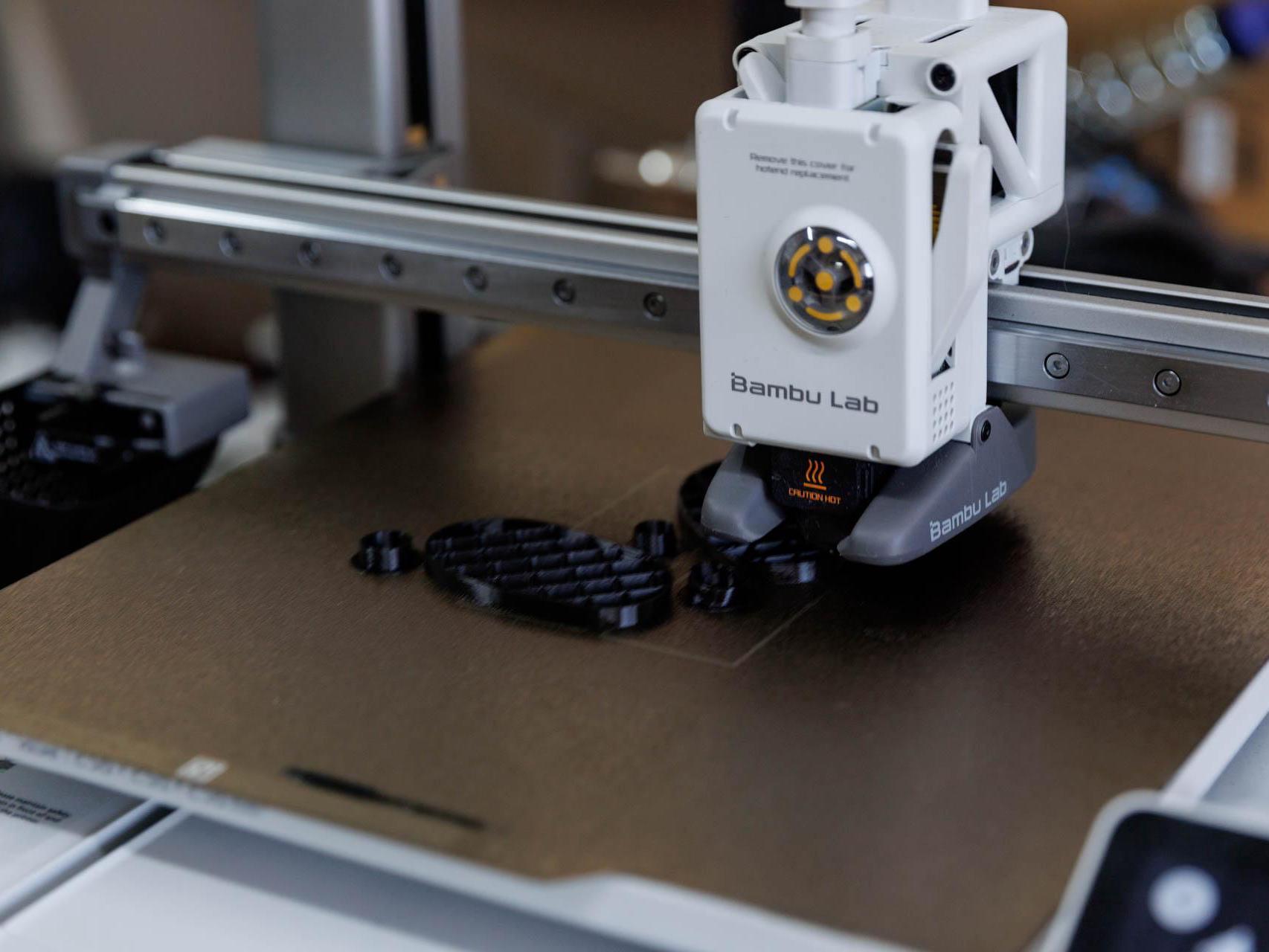
Despite the fact that creating sables is not yet the main activity, the family duo works in the workshop daily, sometimes — without days off. During the January holidays, for example, Anna and Alexander started working from the 2nd: they needed to finish a sable that was taken to Moscow as a gift.
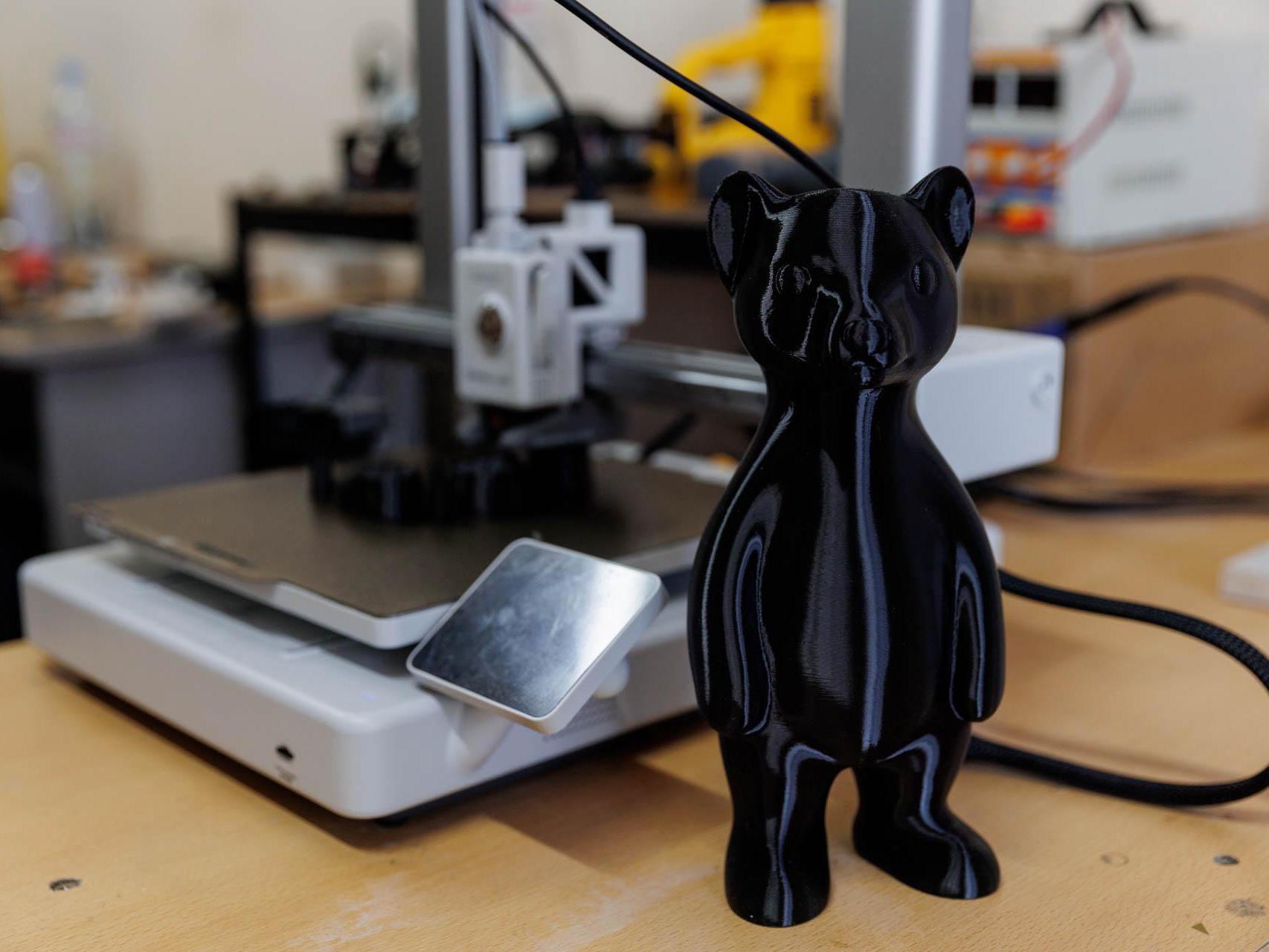
The process of creating figures might seem simple at first glance, but it«s not. It»s multi-stage work that requires perseverance and attention. For example, if you leave a 3D printer unattended, it can accidentally turn plastic into a tangled ball of thin «threads» — that happened once.
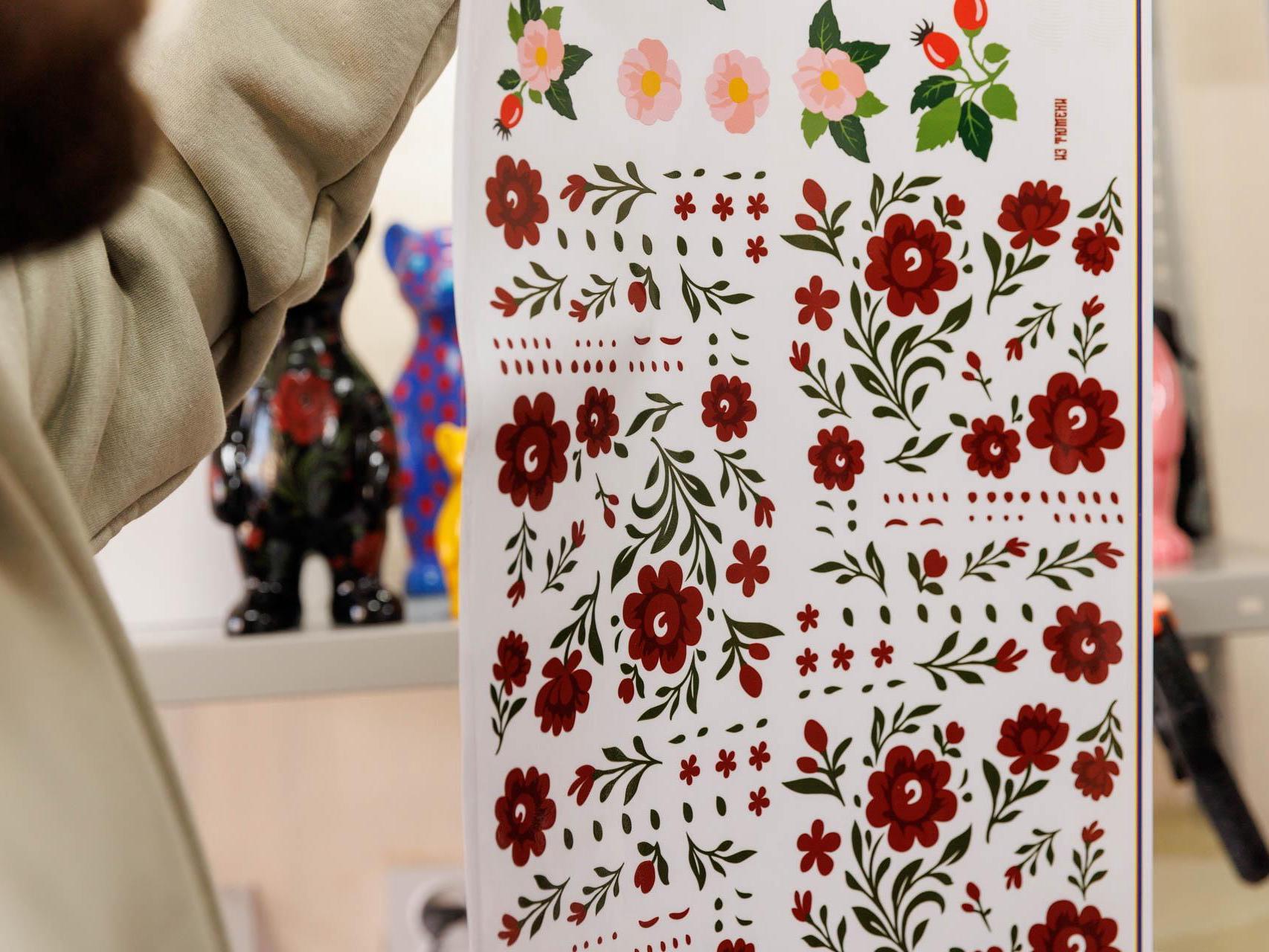
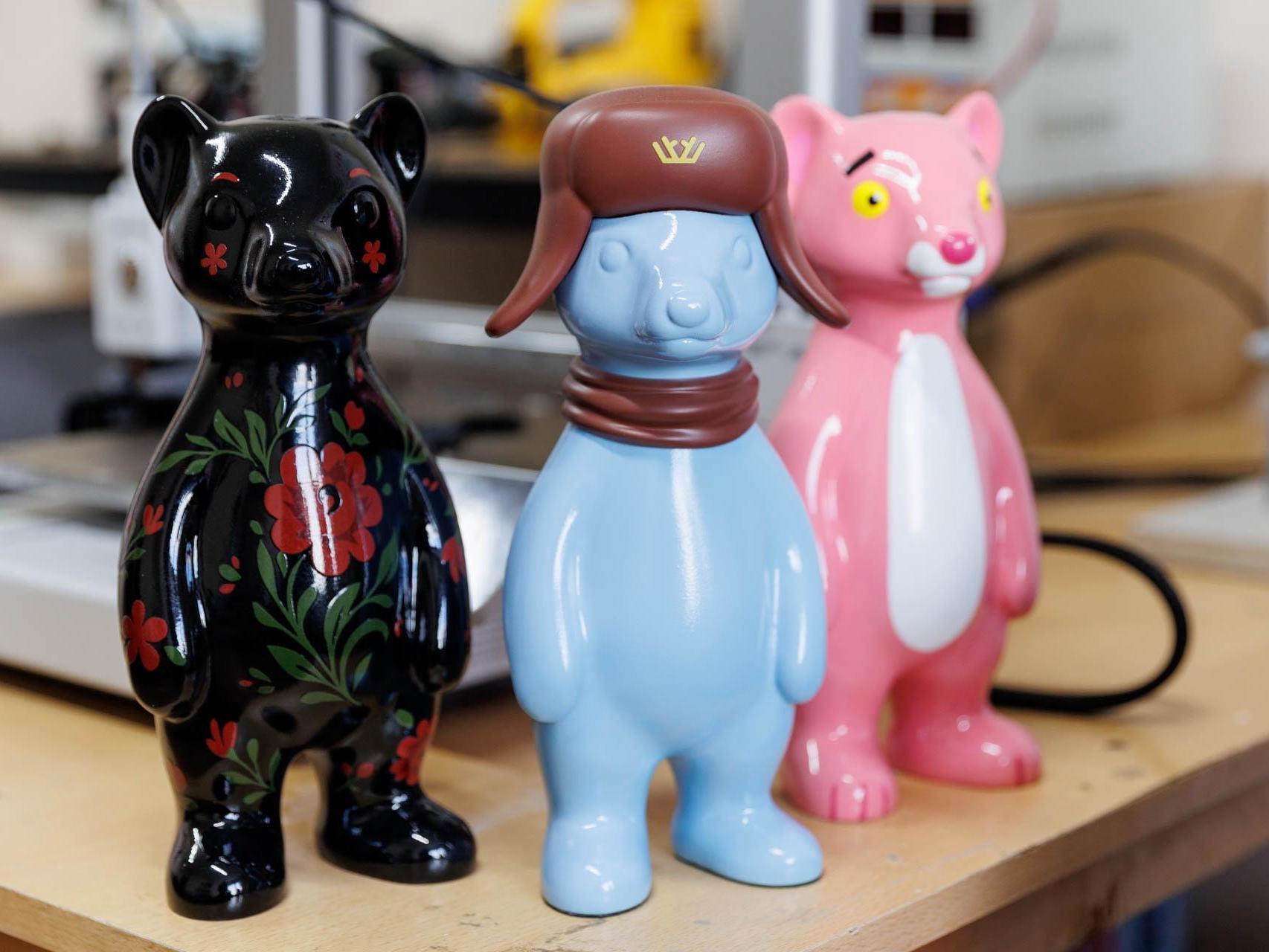
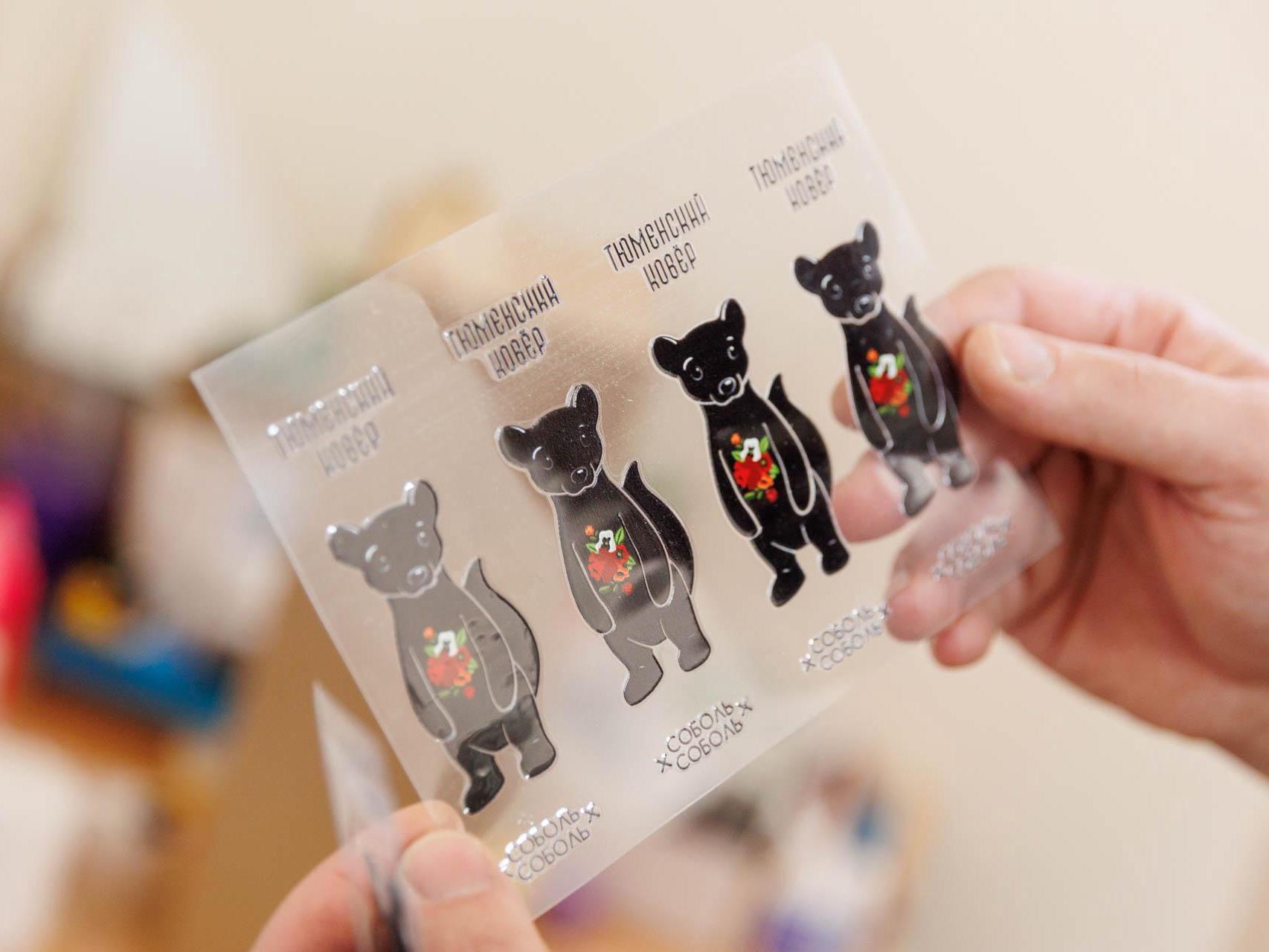
— We have a basic model, which we came up with and it hasn«t changed. Then we come up with the design. If it»s authorial, I develop a sketch on the computer, draw templates, graphics, patterns. Most of our figures have stickers that don«t erase or fade. But there are also single-color sables [without decor], — continues Alexander Orlov.
In some cases, sable figures are painted by hand: for this, local talented artists are involved. This increases the time and cost of working on the figure, but in the end, you get a unique little animal that no one else has.
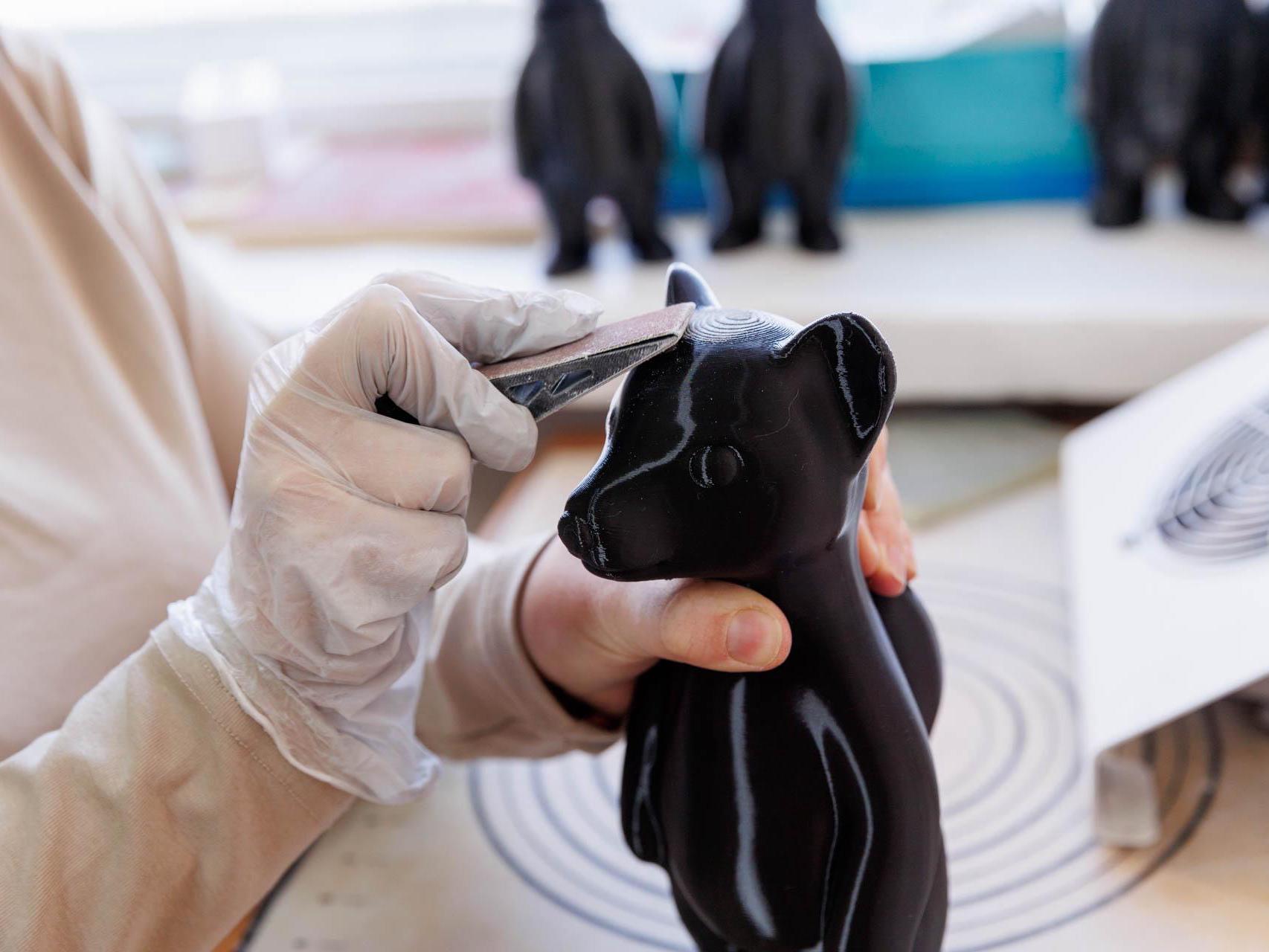
— The printed figure is processed by my wife: she sands all the unevenness, applies putty — if there are printing flaws. After that, we prime in three or four layers, each of which dries for a day before applying the next. Then comes painting in the base color, applying graphics, and varnishing. Another day of drying — and the sable is ready, — says our interviewee.
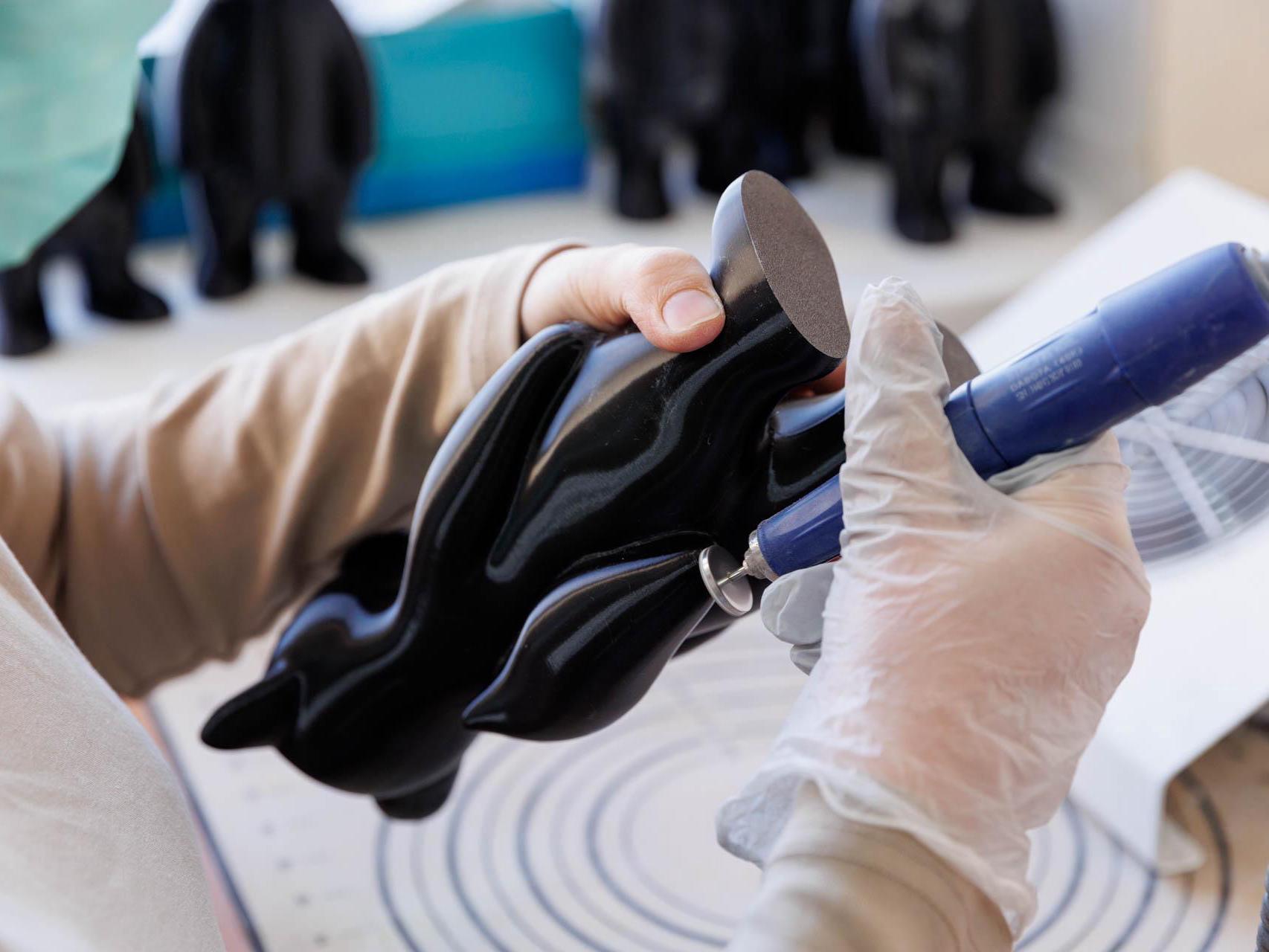
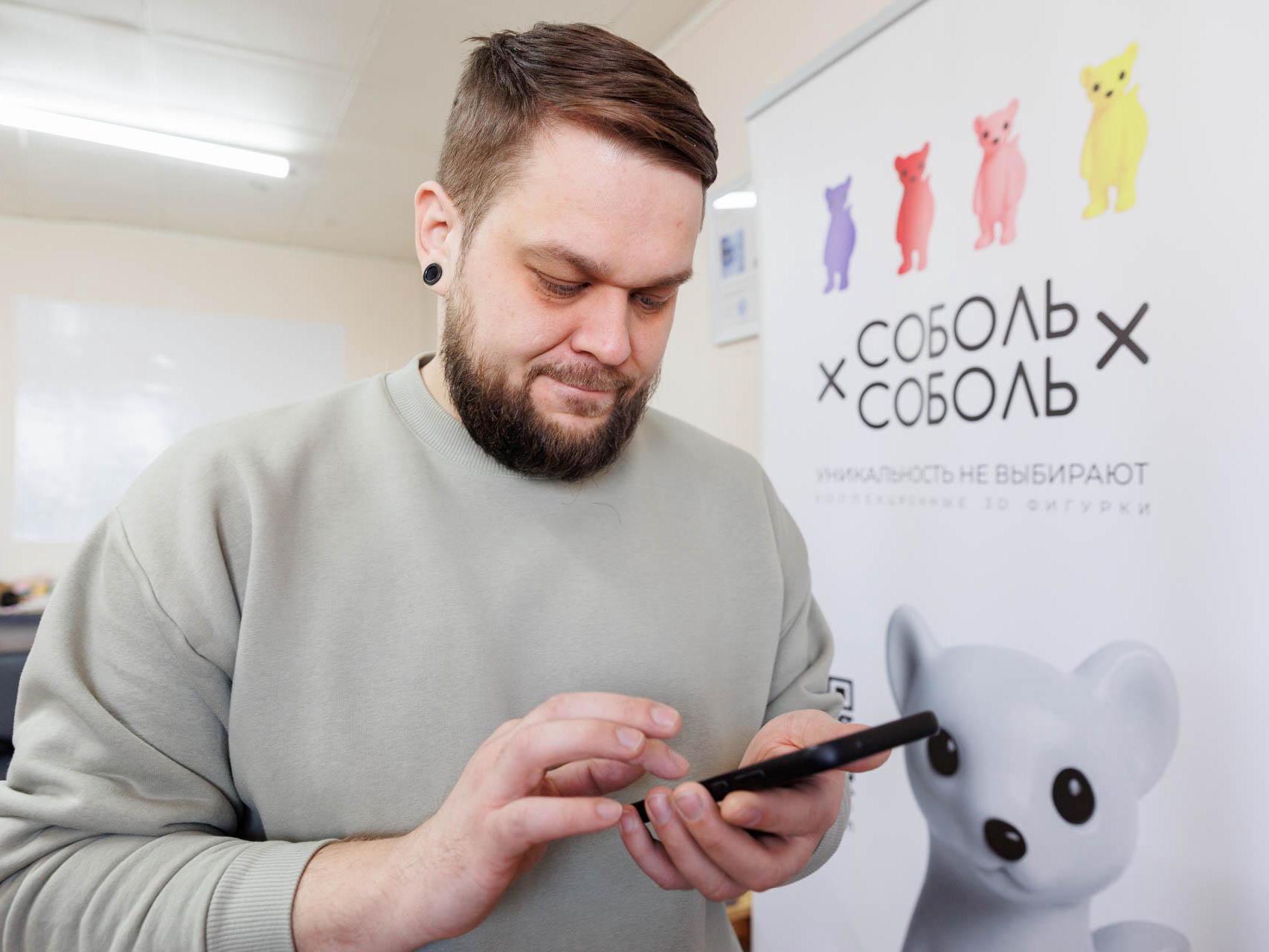
The Orlovs replenish supplies as needed. The most important — filament, special plastic for 3D printing. They usually even buy it in reserve. The personal warehouse in the workshop also stores napkins, sponges, brushes, and paints. They use rather unexpected items in their work.
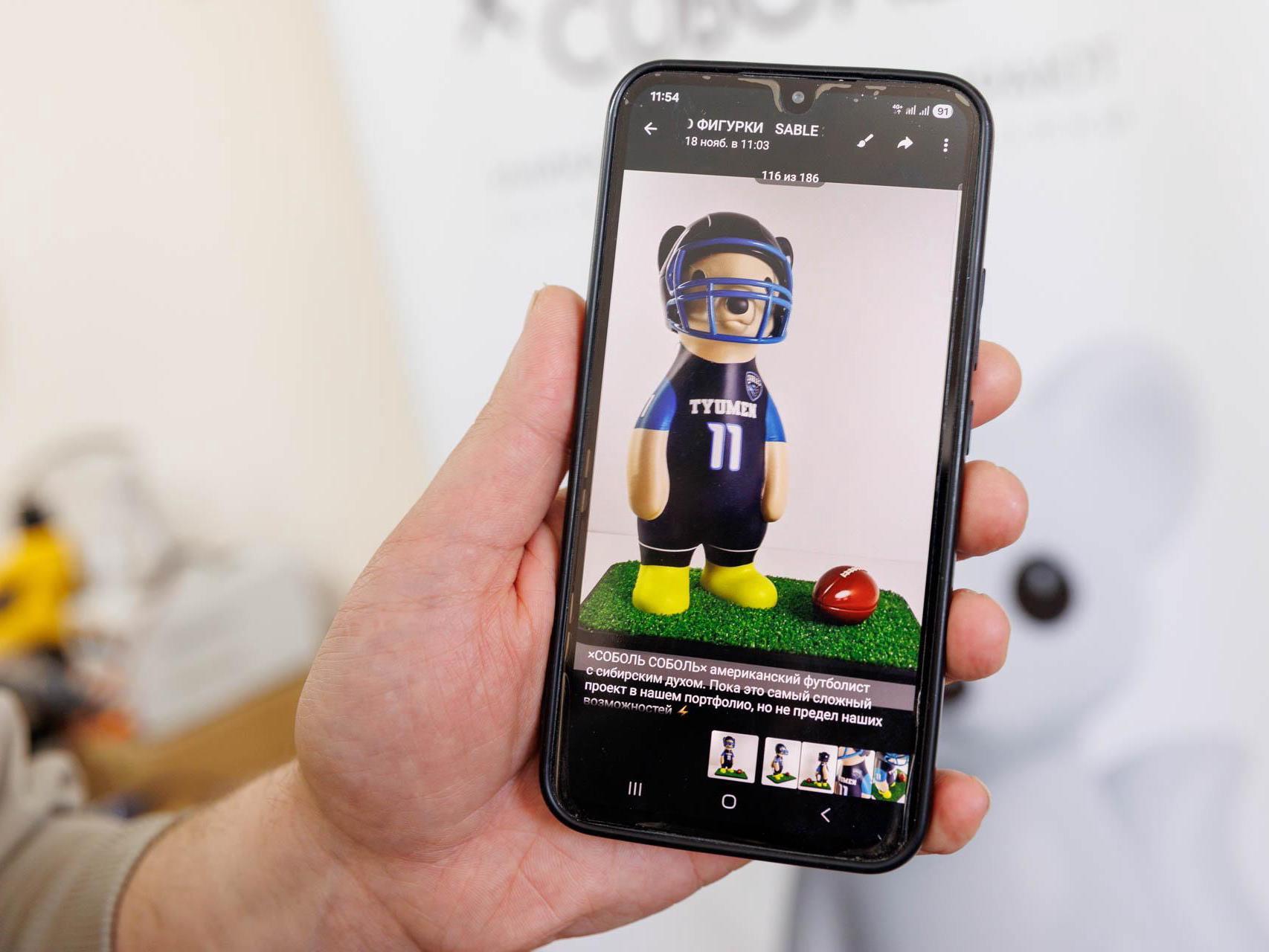
— We have a manicure machine. It«s good that it has speed adjustment because at high speeds the plastic starts to melt. It»s convenient for processing figures. We usually buy files in auto body shops, also — abrasive sponges to knock down printing flaws, — specified Alexander.
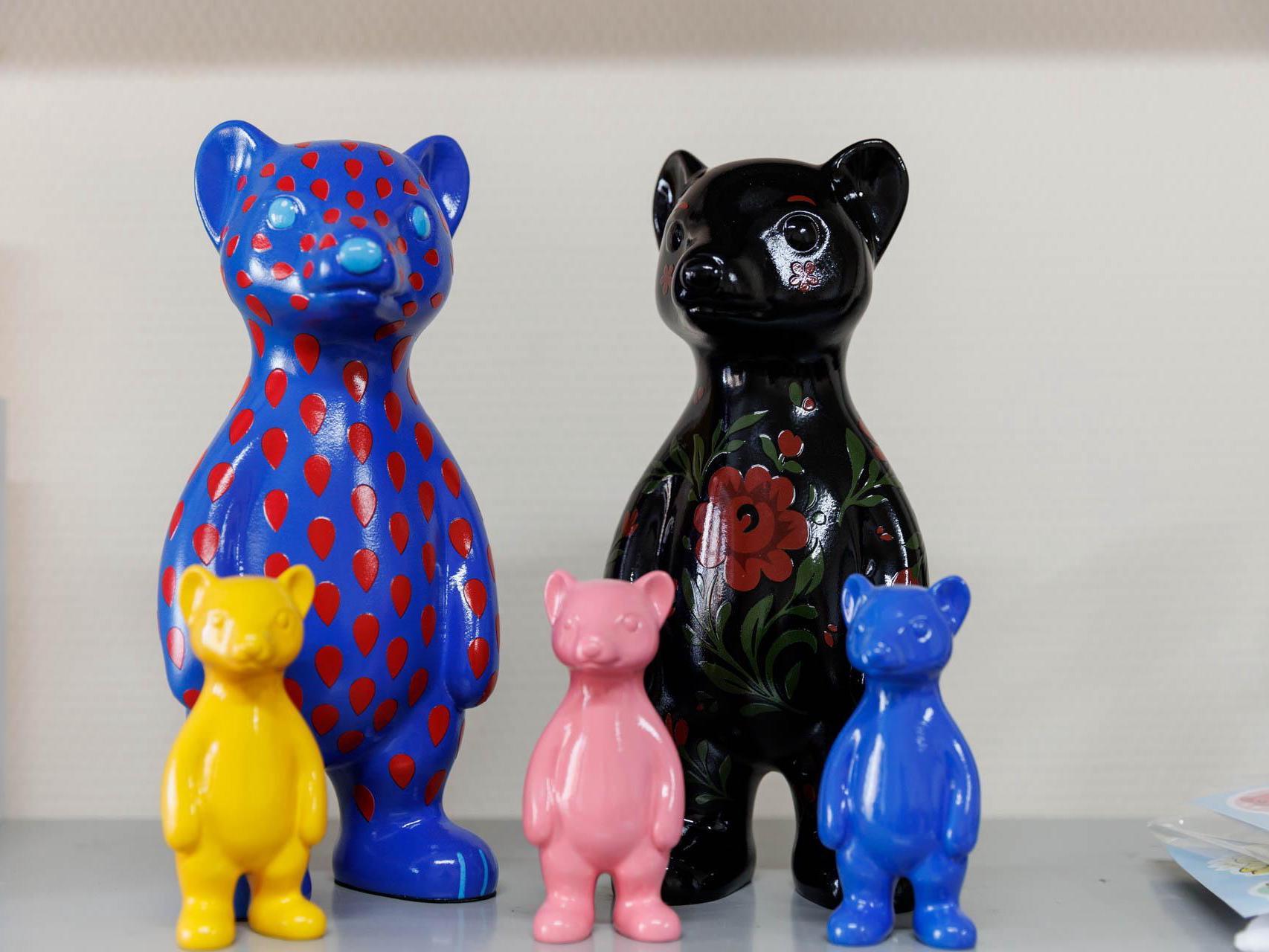
Sources of Inspiration, the Legend of the Sable, and a Cherished Dream
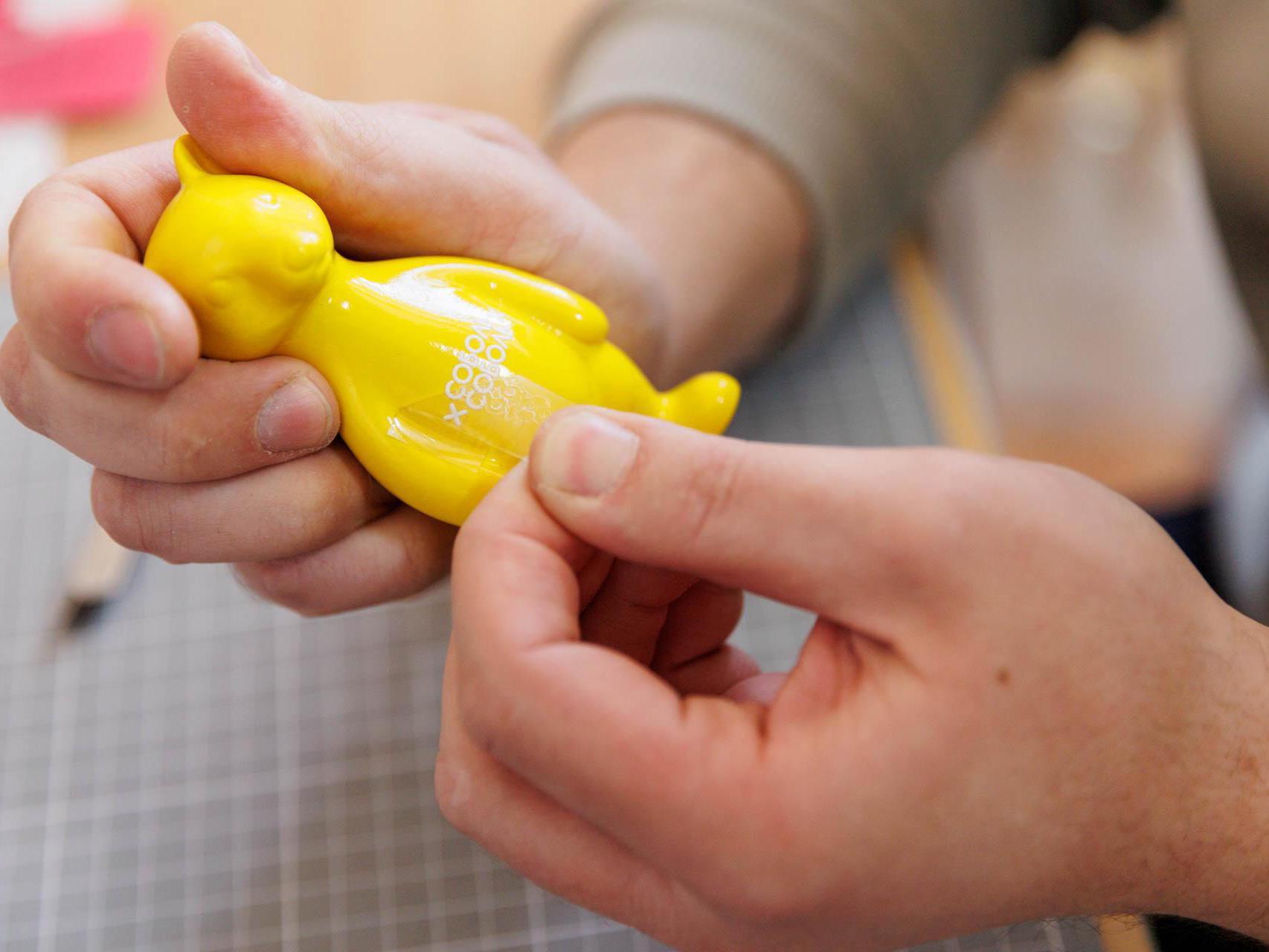
Now the designer family copes with all the flow of tasks (but in the future, they wouldn«t mind getting helpers). Besides the direct process of creating figures, they pack them, send parcels, and are constantly in search of new ideas, not only in terms of design for their already recognizable figures.
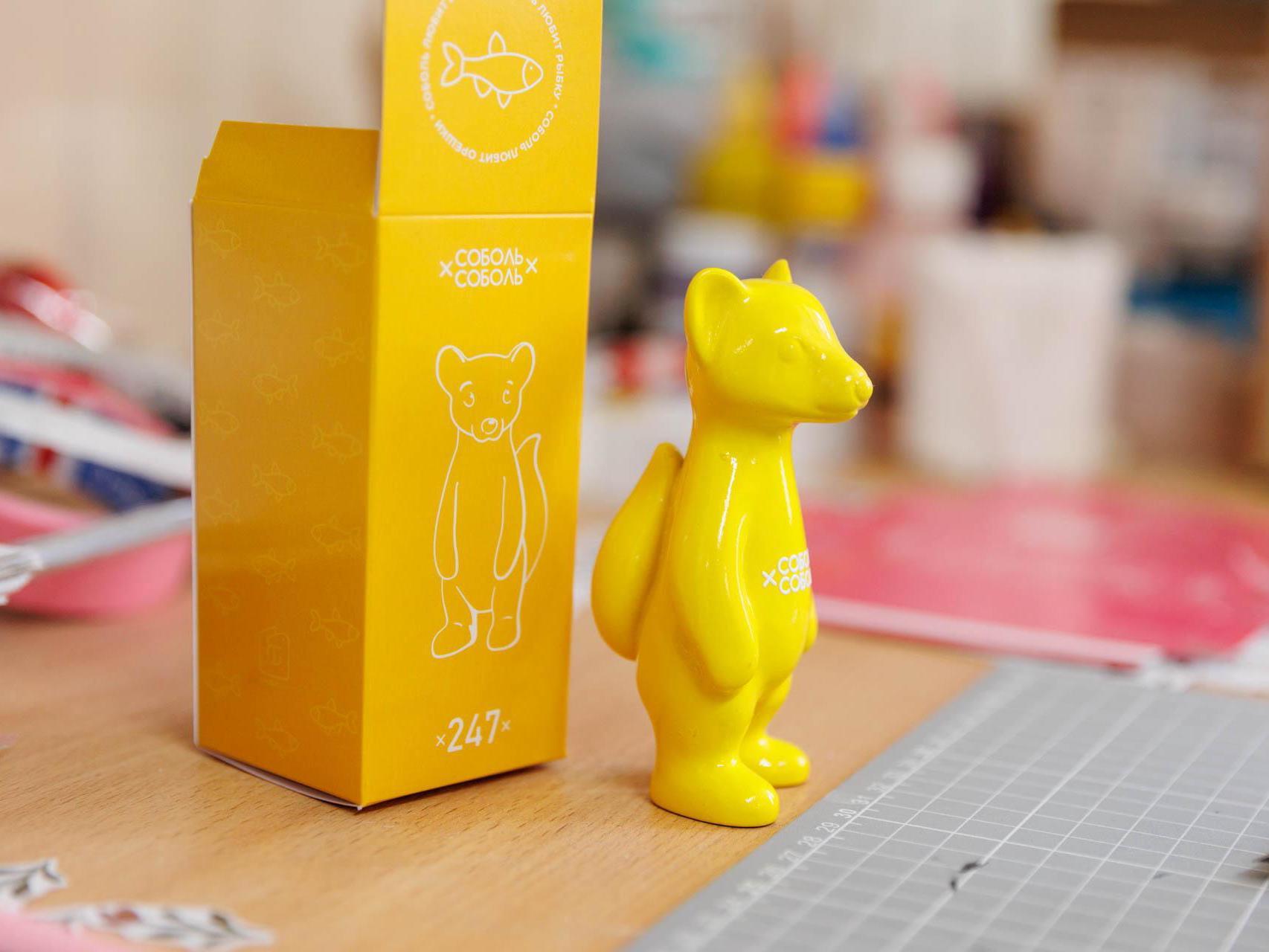
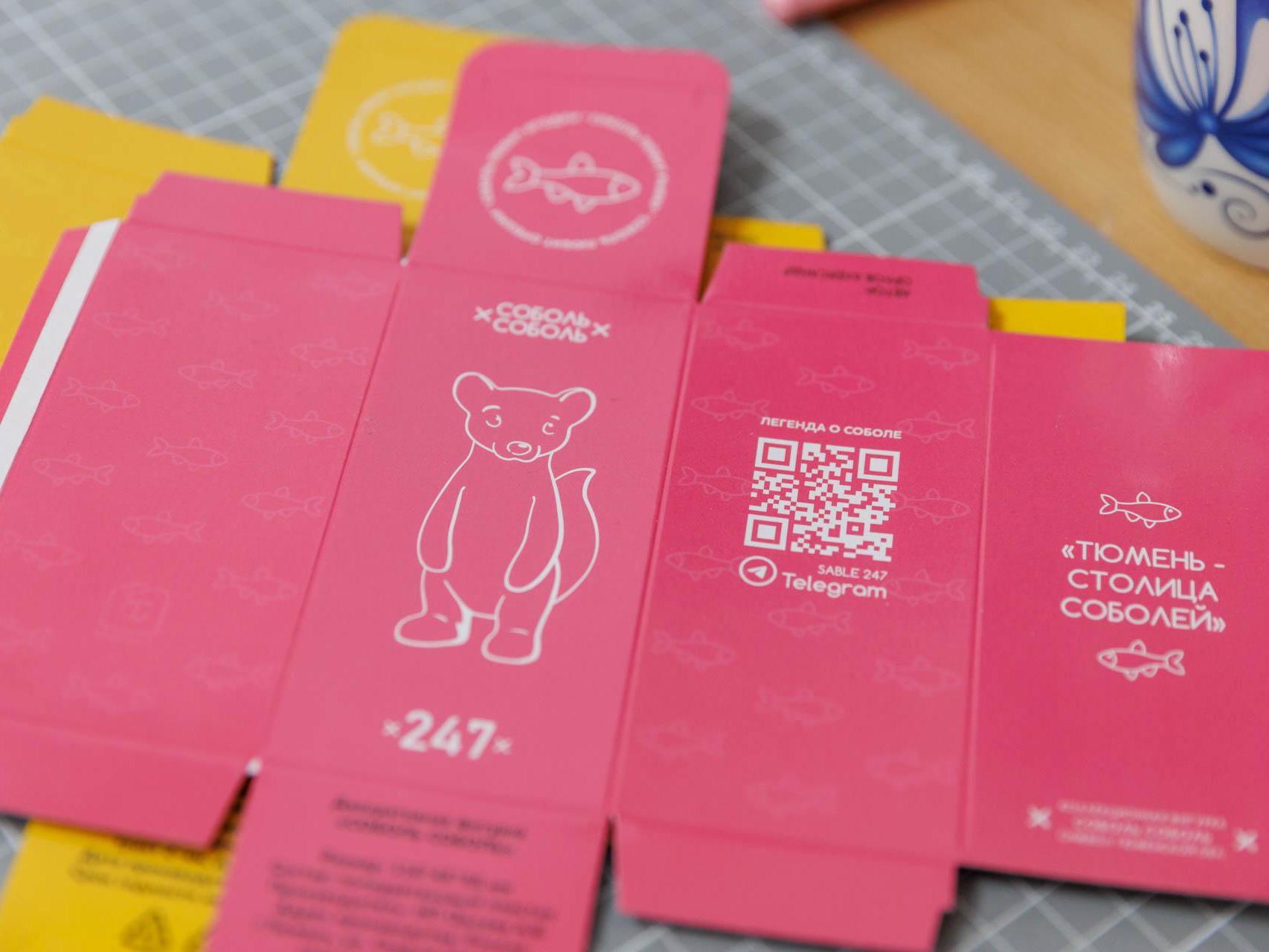
— Sources of inspiration? My lack of sleep, — our interviewee says jokingly. — I have a very large visual experience. Ideas connect in my head, and something new comes out. I see all designs as images in my head. If I understand that, oh, this will be cool, I immediately run to the computer — to make it. By the way, we have a legend about the sable, connecting historical facts with fiction. This little animal helped found Tyumen, build a fort, and find hot springs, — says the project founder.
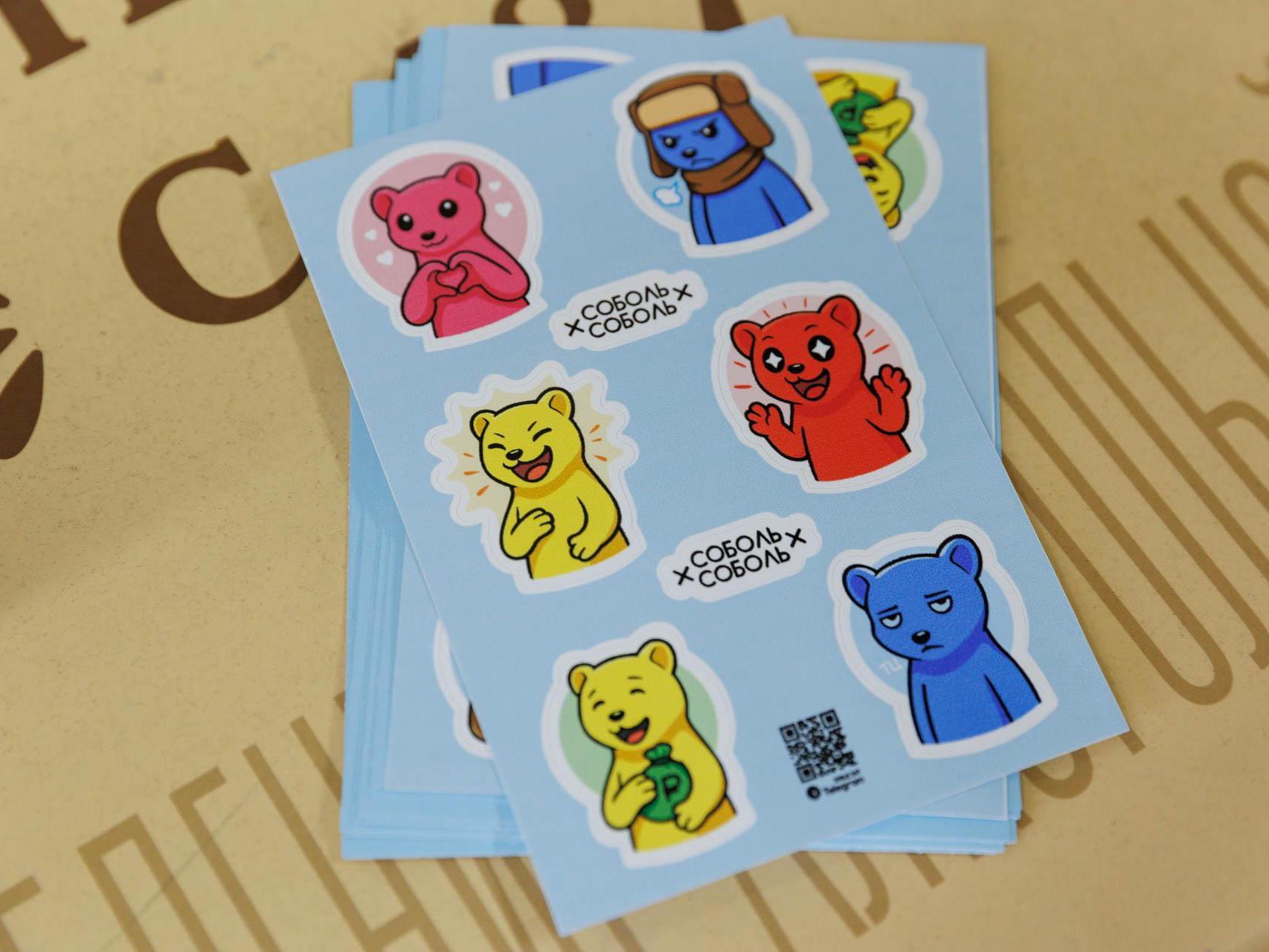
According to Alexander, pricing was resolved quite quickly and easily: at the very start, they sold sables almost at cost. After gaining experience and receiving certain recognition, they raised prices. Now, cute Tyumen sables are taken by city guests to different corners of Russia and sent by parcel by Anna and Alexander. On the list, for example, are Moscow, St. Petersburg, Novosibirsk, Tver. Further — more. But there are no plans to enter marketplaces: it«s a principled point.
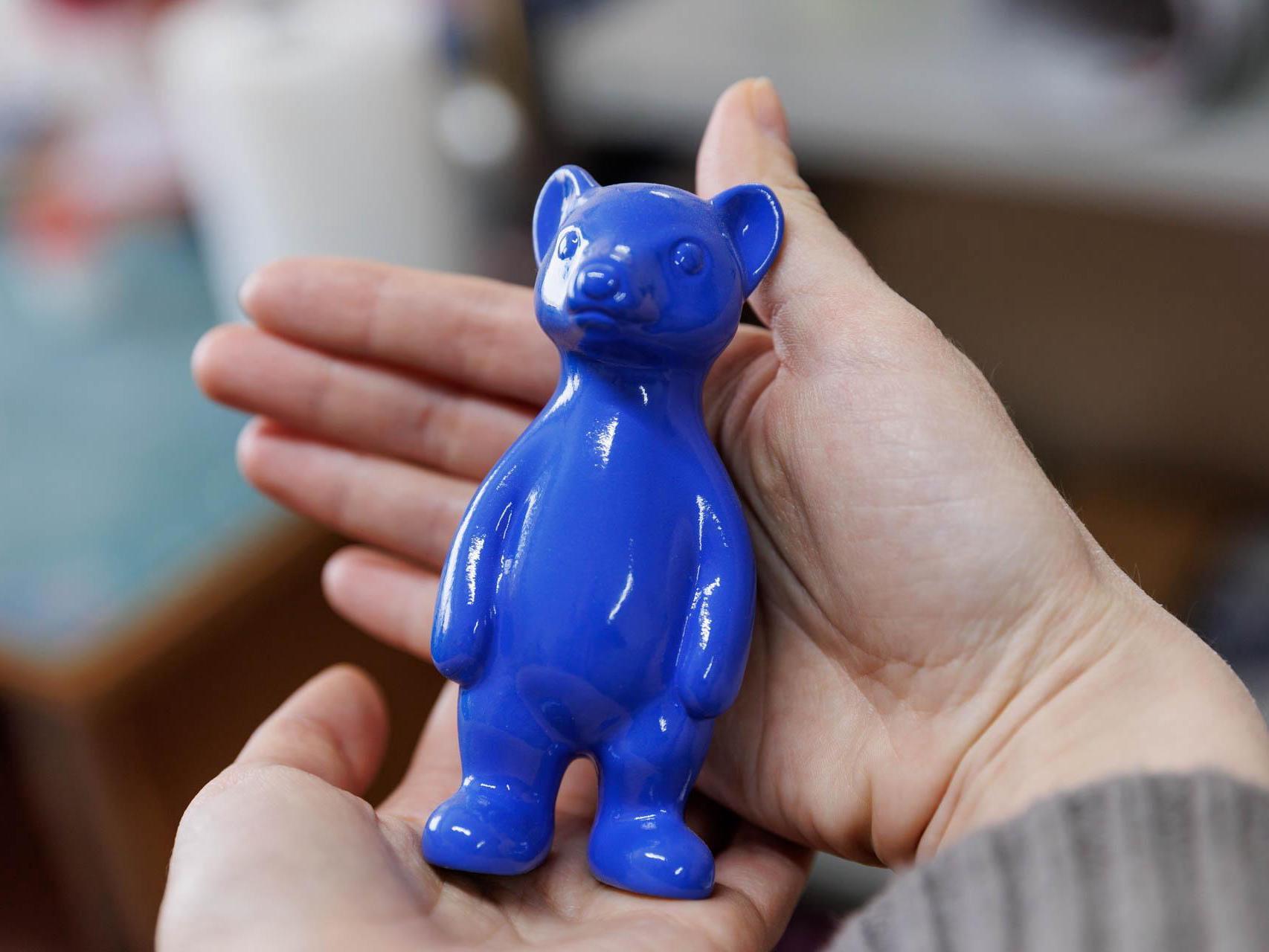
— We want to be exclusive and individual, and marketplaces — that«s flows, mass production, which we don»t want to go into. We want sables to be treated as art objects, not just souvenir figures. To get into large galleries. We have a dream about a space where there would be both a showroom and production. You could also conduct master classes there, that«s interesting, — reflects Alexander Orlov.
Of the dozens of sables already made, he left one at home that he will never give to anyone. By the way, the sable is the flagship, but other characters will appear soon. But that«s a whole different story.
By the way, we told you about other unusual hobbies of Tyumen residents. For example:
Pearlescent shine and unique patterns: how a Tyumen resident turns wood slices into fashionable tables — a story.
Couturier for Yorkies and Spitz: how a designer from Tyumen created a clothing brand for small dogs.
Lyuda the city girl and Andryushka the programmer: how a family creates toys inspired by their favorite Tyumen district.