Watermelons Tastier Than Southern Ones
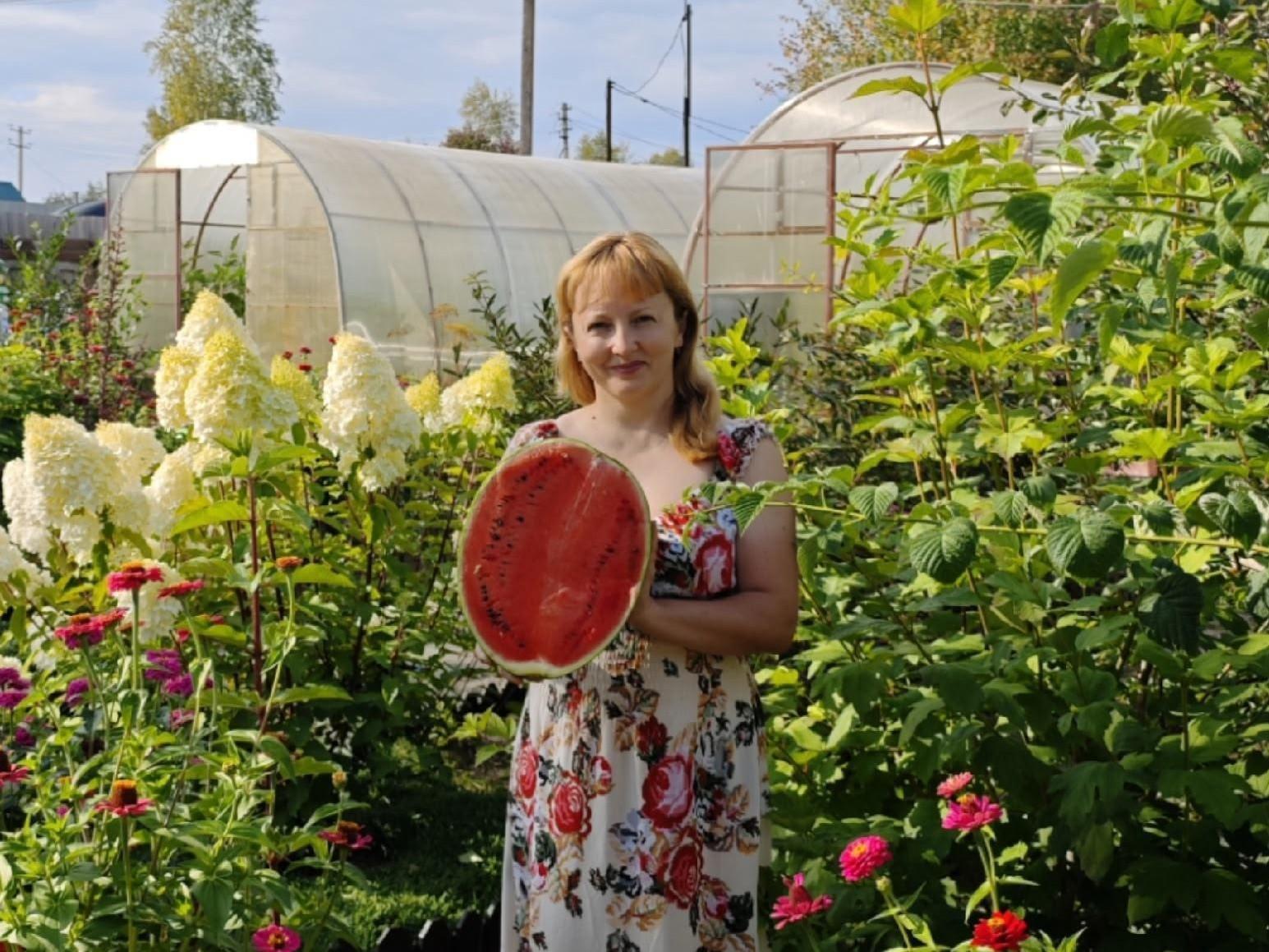

Elena manages to find time for the dacha even after her workday.
All sorts of things grow on the plot of Elena Kondrashina from Langepas (Khanty-Mansi Autonomous Okrug—Yugra, Russia). Watermelons, melons, giant pumpkins and sunflowers, Napa cabbage, cherries, apple trees, sea buckthorn — that’s only part of the list. Next to the fruit, the Yugra resident has laid out a lovely flower garden with asters, violas and petunias.
Here’s how Elena created a blooming, fertile plot in the far North.
«At first there was only a fence and willow scrub»
«I’ve always loved this,» the Yugra resident admits. Her childhood passed in the settlement of Fedorovsky. Little Lena even then couldn’t walk past a single daisy. Although, by her recollection, nothing really grew in the North.
«I was constantly digging in the vegetable garden! My mother even set aside a separate flowerbed for me. And when I grew up, the whole garden was already on me.»
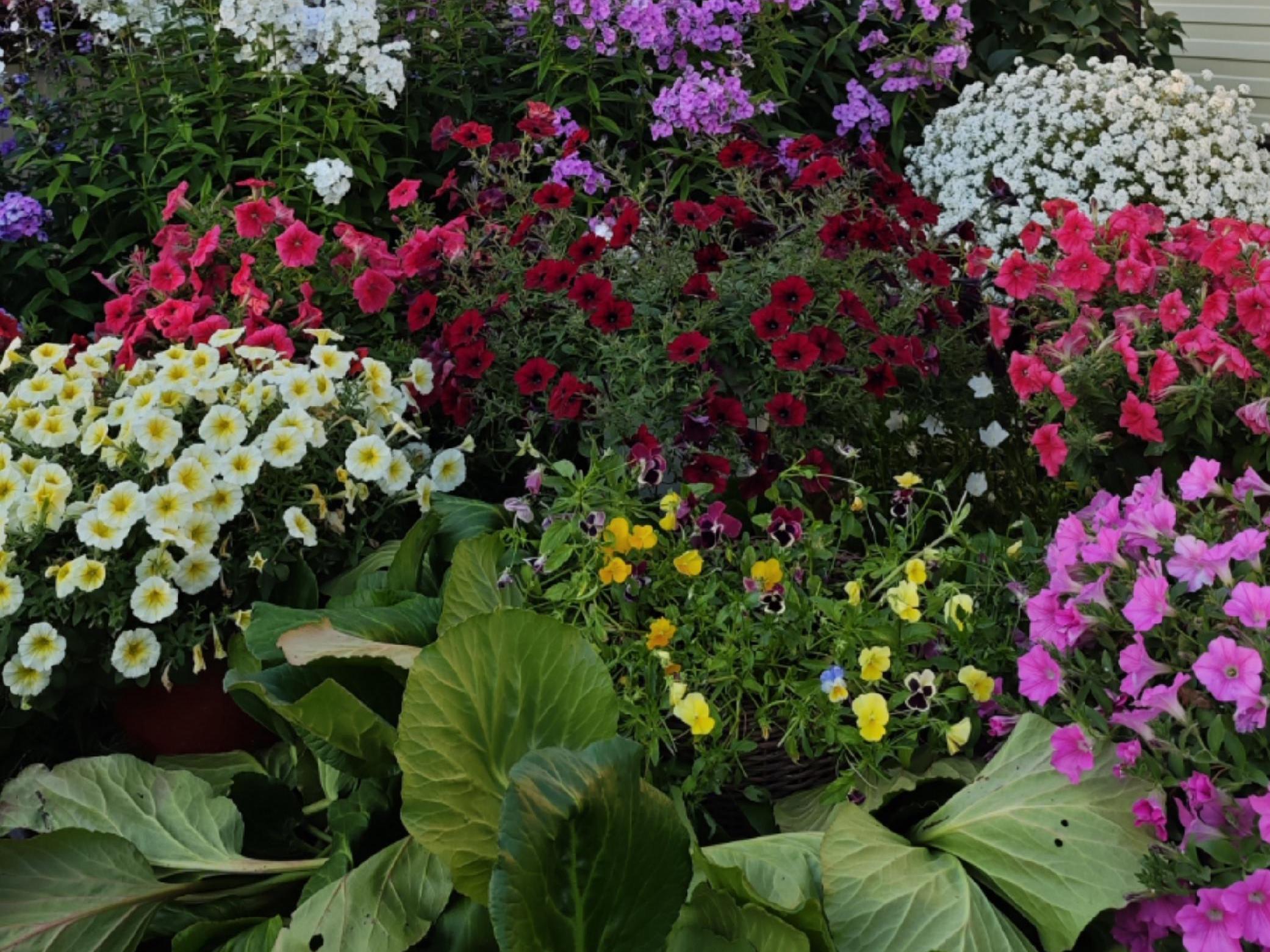
These days, the Yugra resident’s flower beds extend far beyond simple daisies.
Elena got her own plot after she married. At first there was only a fence and a stand of willows, which she spent about two years pulling out by hand.
«My husband likes construction more. If he liked the garden, we’d probably fight over it,» the Yugra resident jokes.
But her husband didn’t stand aside. Deciding to help fight the willows, one fine day he simply drove a tractor onto the plot and tilled everything up. Then they backfilled the territory, made beds and put up greenhouses.
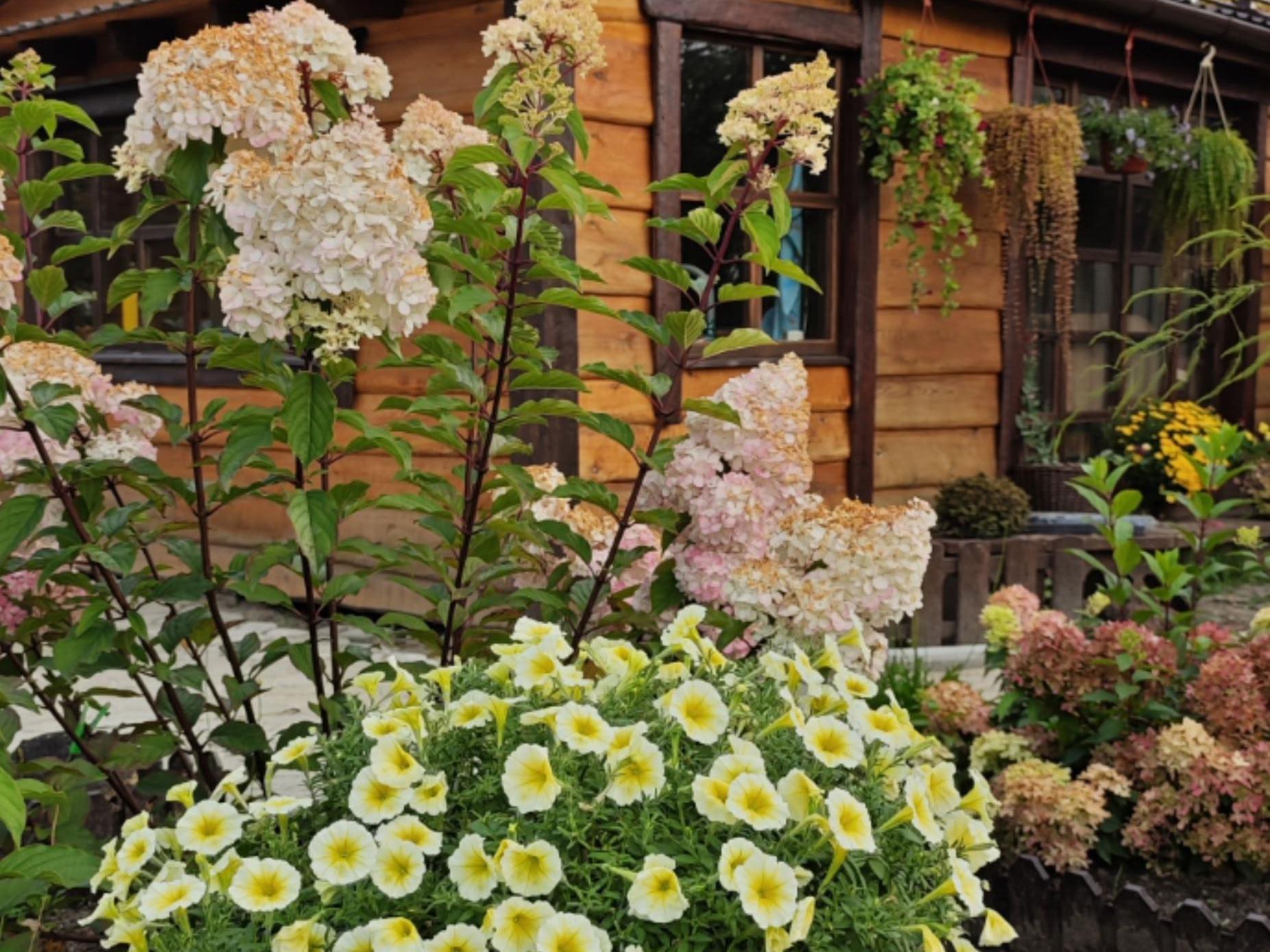
The plot began with bare fencing and willow scrub before transformation.
From that moment, Elena was fired up by the idea of turning the plot into a blooming greenhouse.
«I scoured the entire internet for advice on how to grow crops in the North. Back then, 10 years ago, information on this was vanishingly scarce. I had to learn a lot by trial and error.»
Watermelons thrive; melons are fussier
Elena’s special passion and her “signature crop” is the watermelons from her greenhouse. She has been cultivating them for several years.
«At first I planted them together with tomatoes, then I allocated a separate greenhouse for the watermelons. I made the soil the way they like it — and off they went. Now I worry they’ll eventually draw all the nutrients out of it. And I’m very afraid to feed watermelons mineral fertilizers, because they say they accumulate nitrates heavily. So I work on the soil in the greenhouse, adding beneficial bacteria that make it more fertile.»
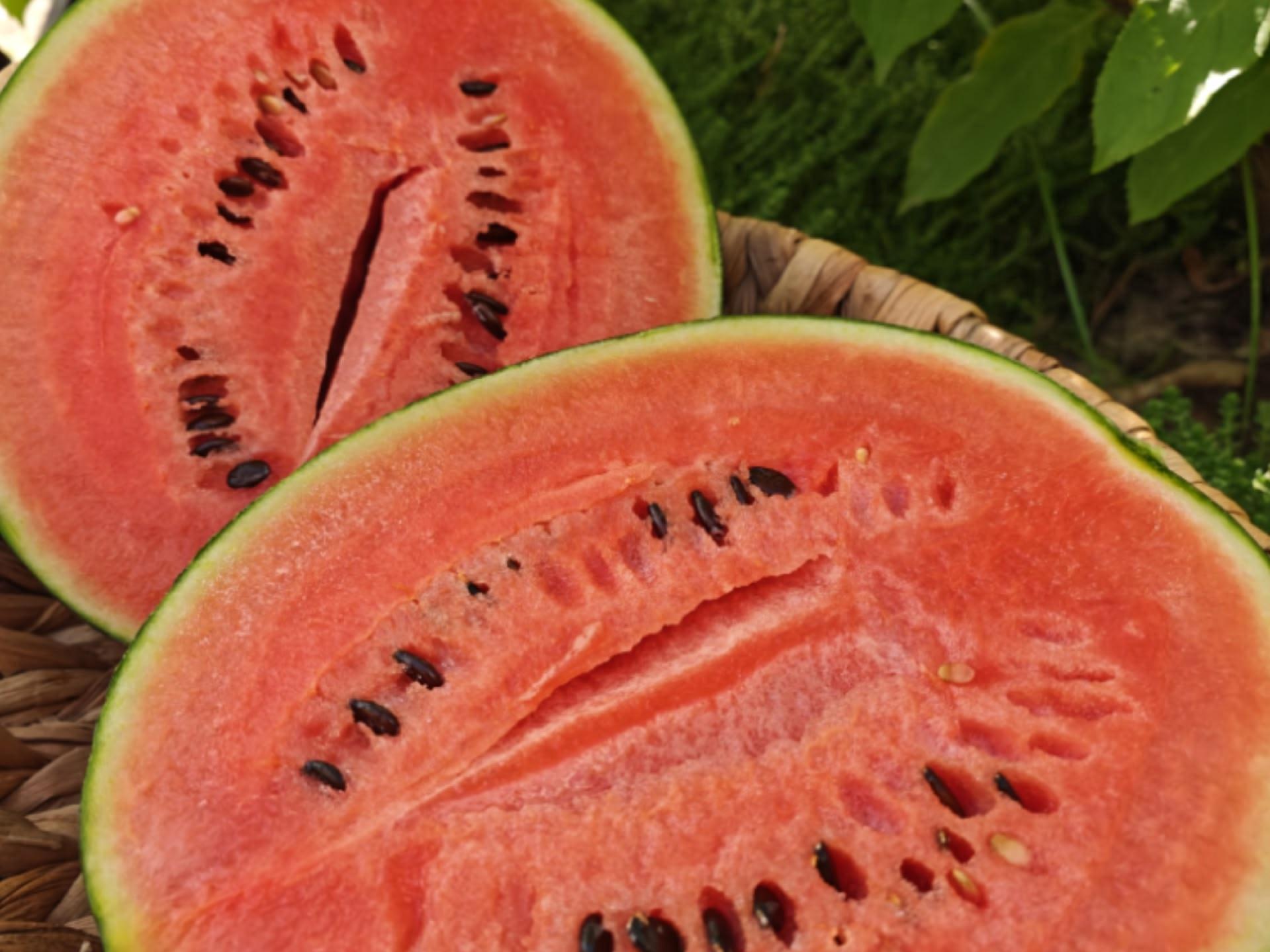
Such fruit are what her carefully prepared greenhouse soil consistently produces.
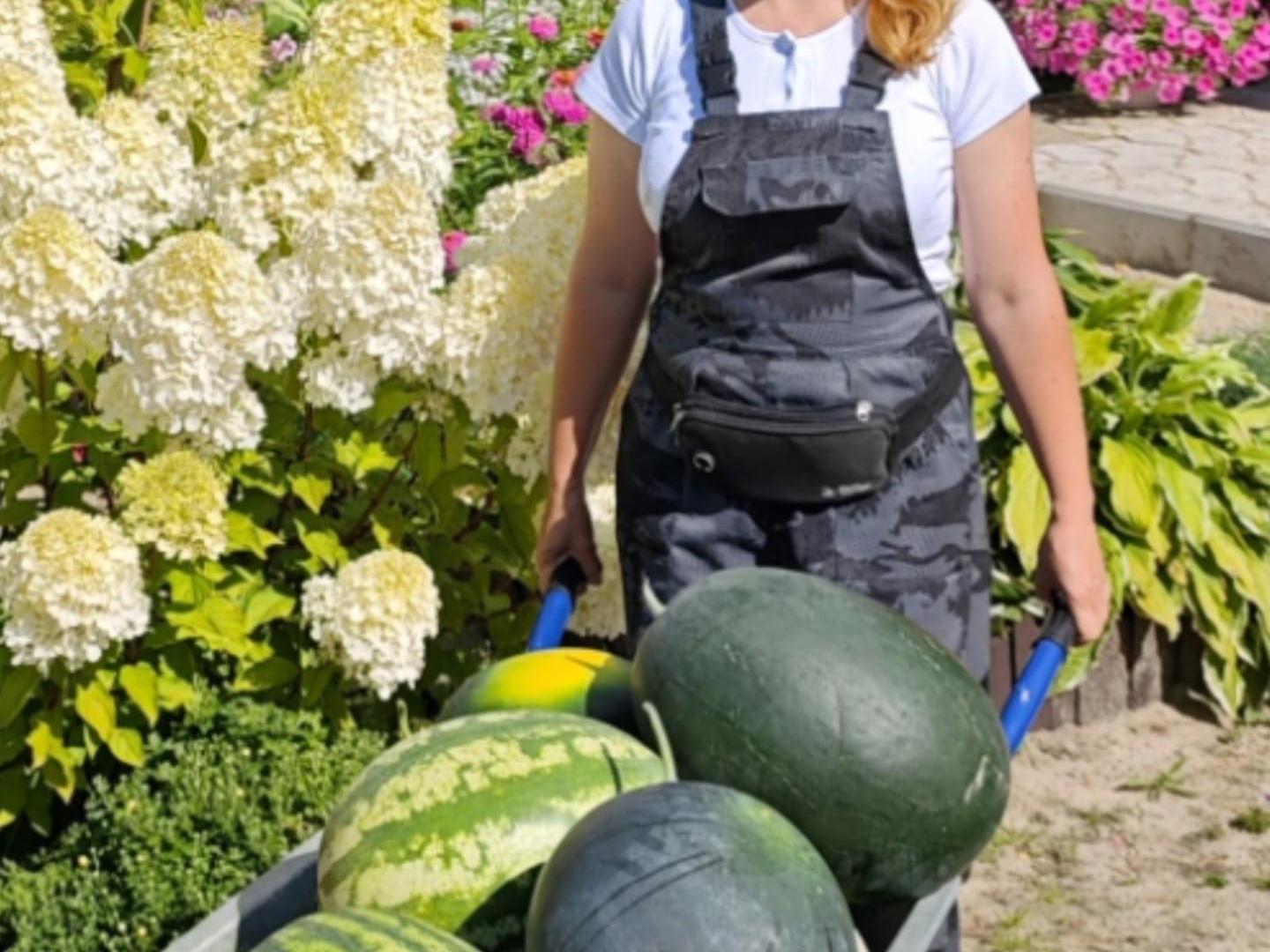
Watermelon vines occupy a dedicated greenhouse, separate from tomatoes for better results.
In a season, a single vine can give her up to five watermelons. And they turn out even tastier than southern ones.
«They have a different structure. I’ve never seen anything like it in store-bought watermelons. Mine are the tastiest, sweet, with a thin rind — sometimes like an apple’s. I use a technique of grafting watermelons, which also has an effect. Everyone I’ve treated says: “We’ve never eaten such delicious ones in our lives!” Especially the yellow ones,» Elena admits.
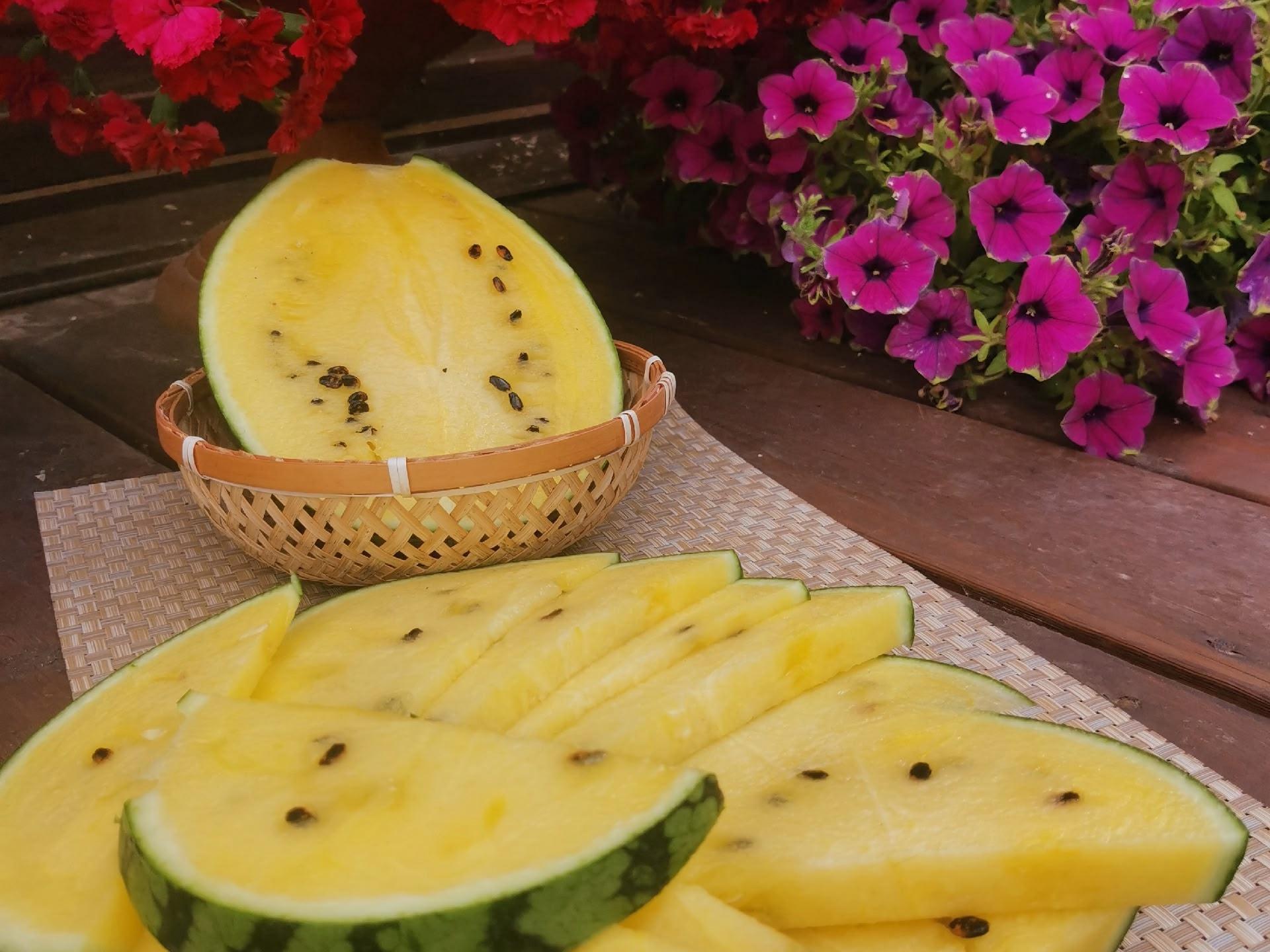
Both red‑fleshed and yellow‑fleshed watermelons ripen under her northern greenhouse conditions.
According to the gardener, melon is more capricious. It grows longer, gets sick more often, and can split.
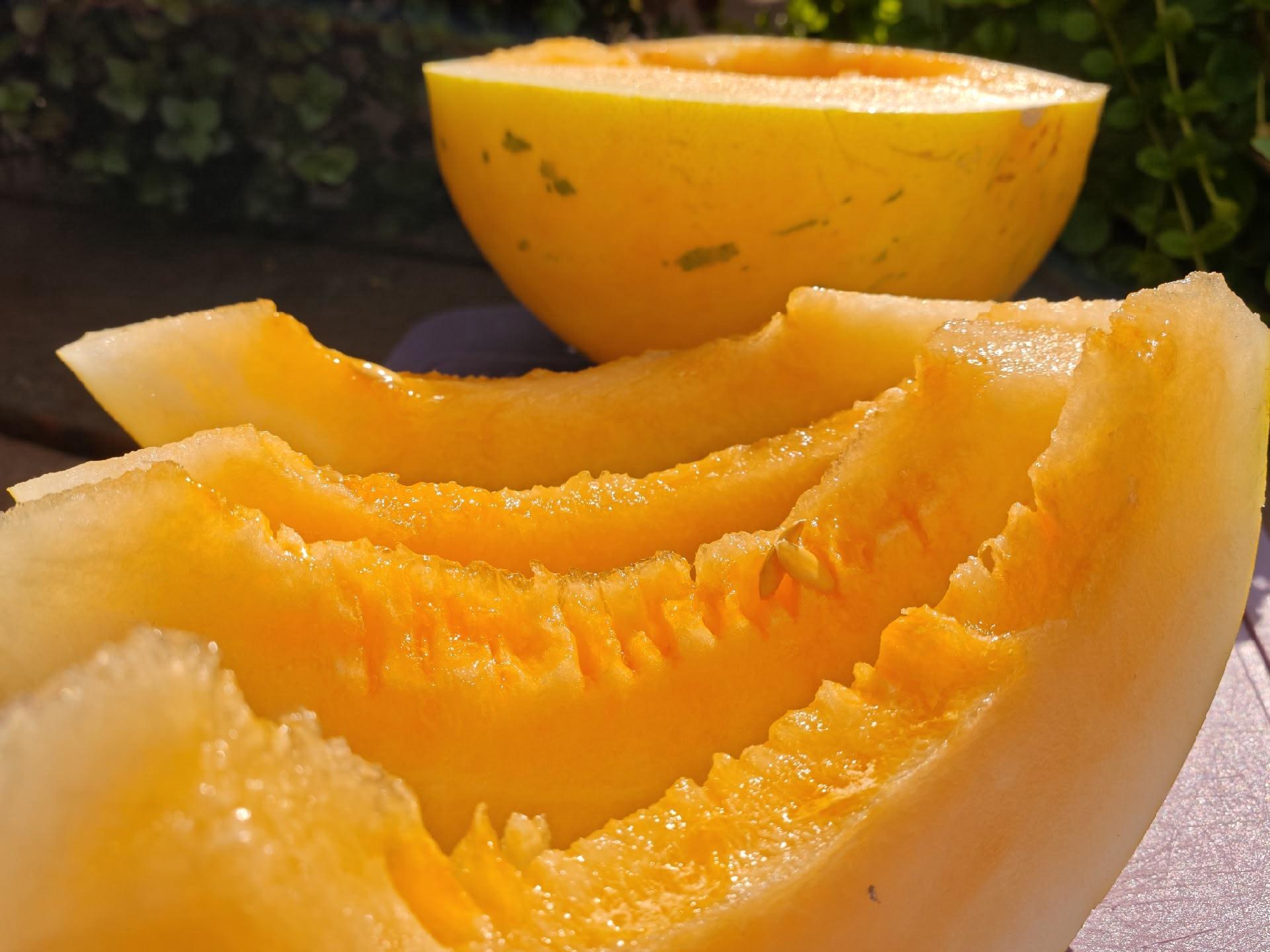
Melons share space with watermelons, despite advice against such mixed cultivation.
«I grow melons together with watermelons, even though some say you can’t. Earlier I planted it separately, in big little barrels; I put straw on the bottom to warm the roots. Now I just plant in the bed. They turn out very sweet. My son likes them more.»
«Businka», which took over the neighboring beds
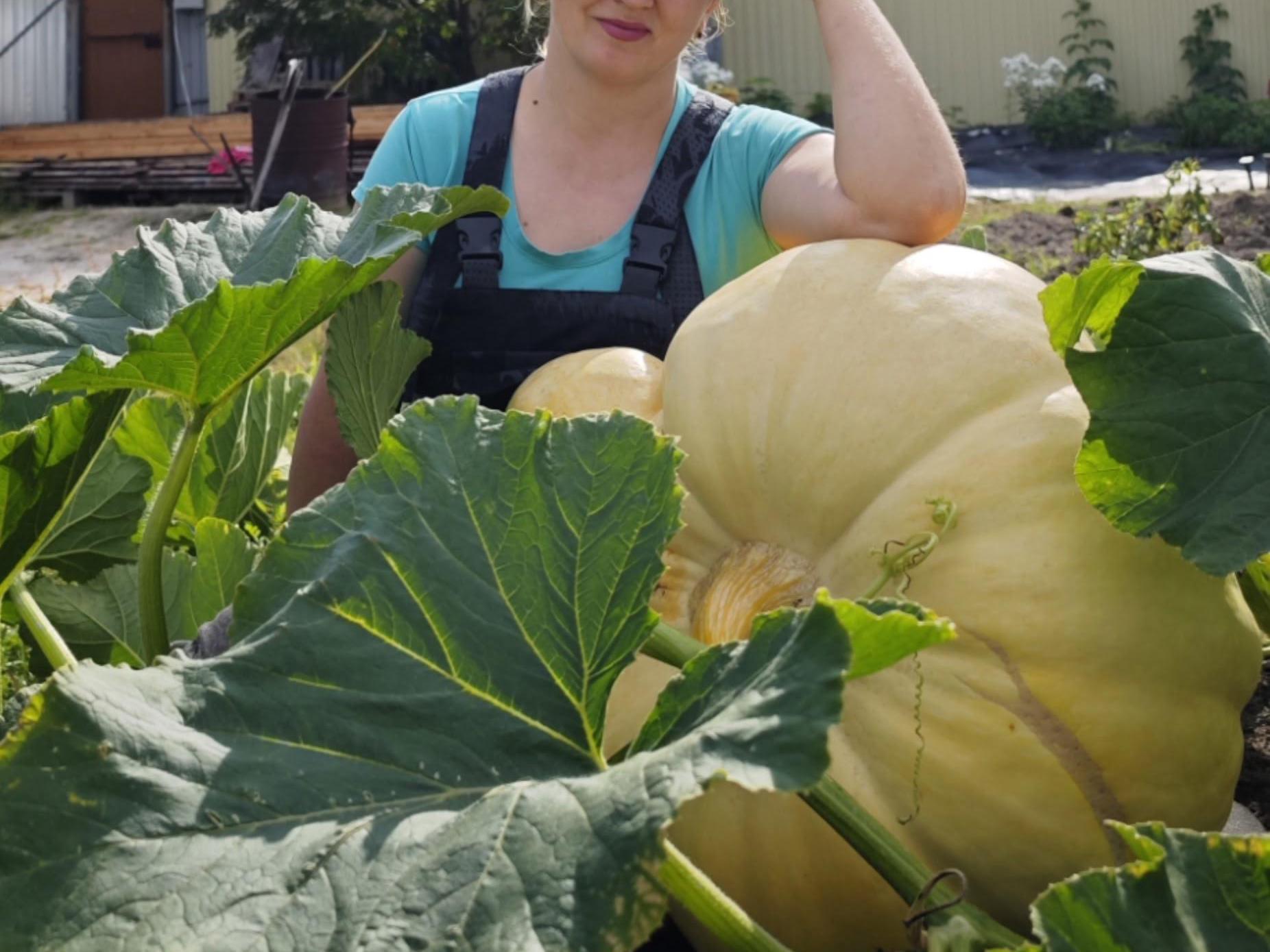
The giant pumpkin «Businka» eventually grew larger than its proud owner.
This year, however, Elena had a new favorite: stepping into the garden, the first thing she did was run to Businka. That cute nickname went to a 50‑kilogram (110 lb) giant pumpkin. Growing one is a kind of contest among gardeners. Giant pumpkins, which can reach several hundred kilos, are taken to exhibitions and set records. This year Elena decided to try as well. But in the North, it proved hard to grow one.
«I covered it, fed it, and loosened the soil. One fine day an unscheduled rain fell, and it cracked. But even after that it kept growing and put on another 25 kilograms (55 lb). I kept walking around saying to it: “Oh my little Businka, just keep growing!”» the Yugra resident laughs.
Besides, the pumpkin took up a lot of space. It was originally allotted an area 5 × 10 meters. But Businka managed to seize half the neighboring potato field as well. And from an excess of moisture the pumpkin kept cracking and spoiling inside. In early September, Elena gave Businka to the rabbits for feed.
There is another giant on the plot — a sunflower. Elena bought seeds for it from another gardener who last year became a record‑holder with her huge sunflower. Those seeds ended up in our heroine’s hands.
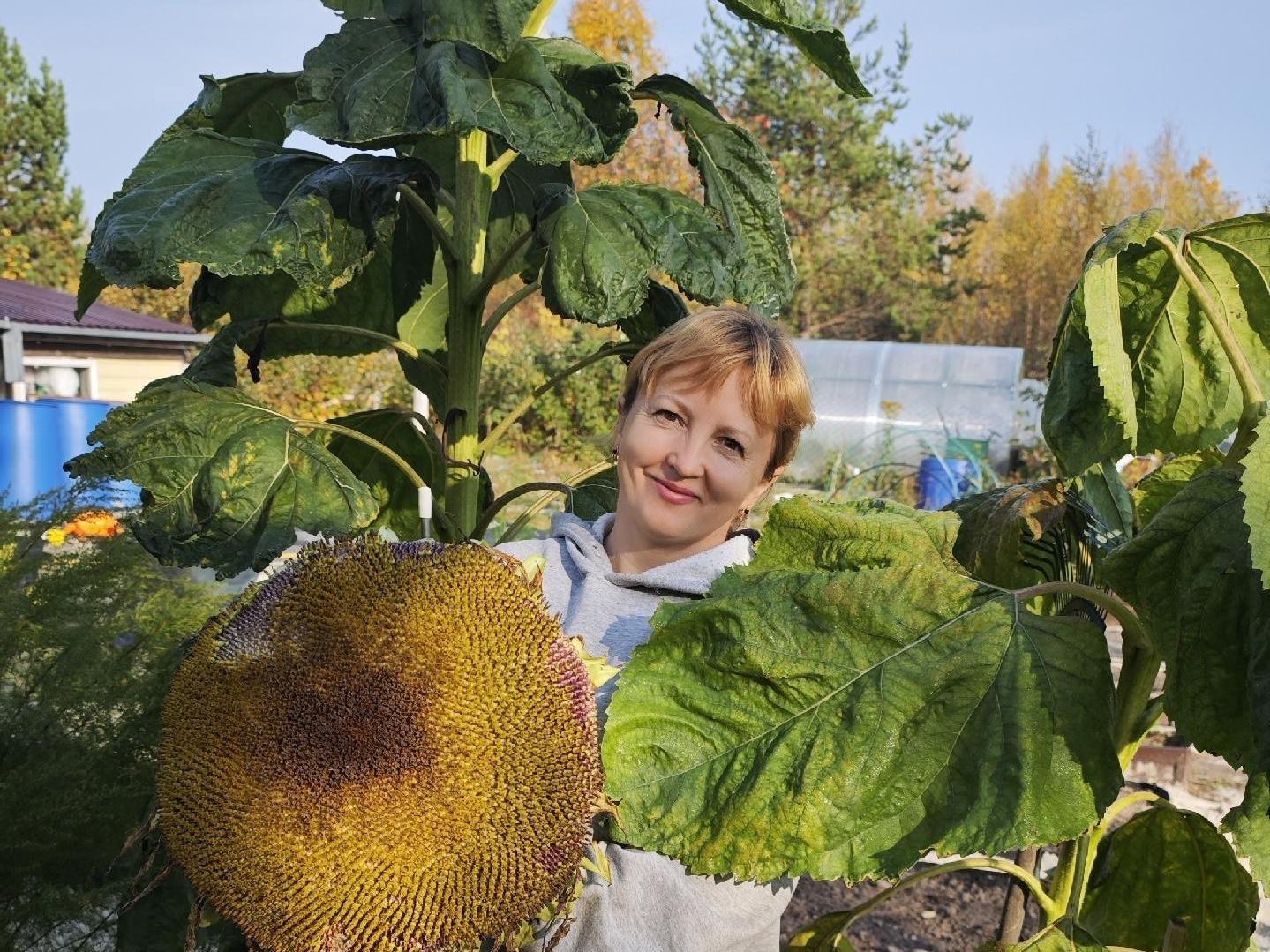
A sunflower formed a massive head, yielding an impressive quantity of plump, flavorful seeds.
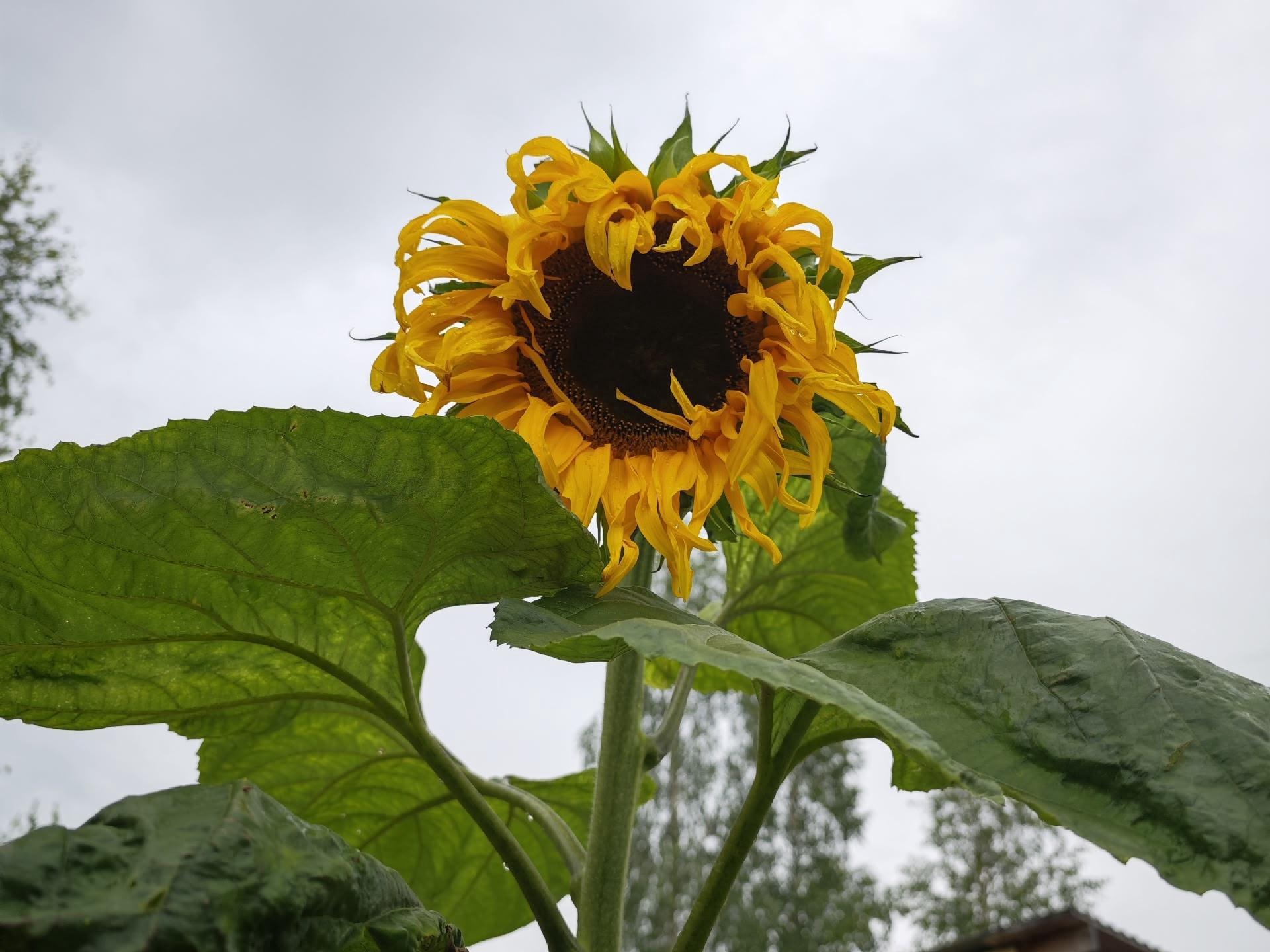
Seed heads differed by variety, producing both black and light‑striped kernels.
«I planted three seeds, and all sprouted. They have a huge head, about 40–50 cm in diameter. The most interesting thing is that the sunflowers turned out to be different varieties: two with black seeds, one with light‑striped seeds. Then we cut them, and the seeds turned out so tasty, large! I laugh and say: “Three seeds cost 500 rubles (about $5 at current rates), and here I am just sitting and eating them. We could make a business out of this!”» the gardener says.
What’s the secret?
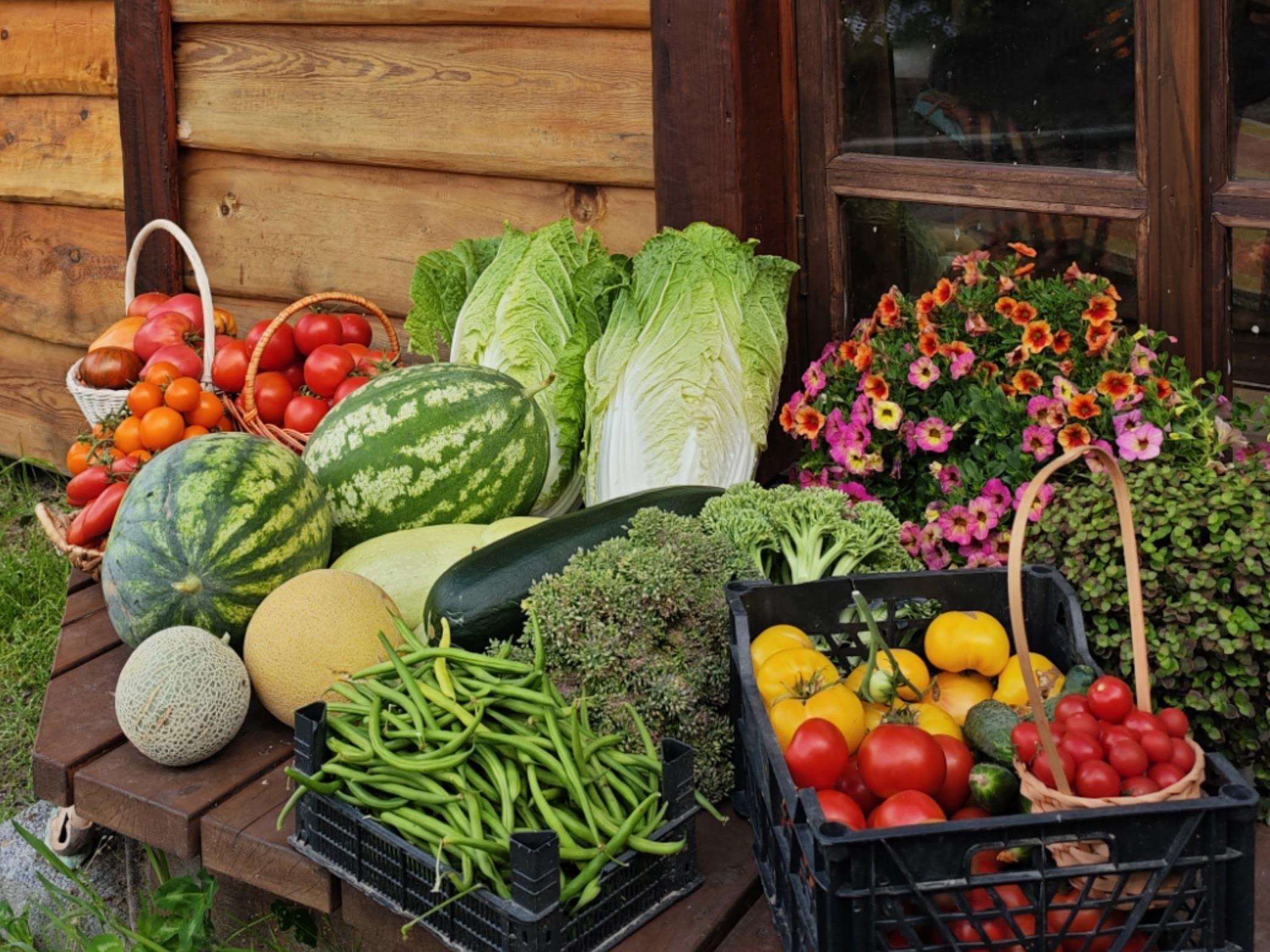
Elena’s harvest reflects years of soil work, careful pruning, and organic disease prevention.
«In the North it’s important to work on the soil. Not like many think — brought in peat and that’s it. No, you also absolutely need to add sand, humus, compost. Fertilize with Trichoderma, soil fungi, so there are no diseases. Sow green manures — that’s very beneficial for the soil,» Elena advises.
Another important point is pruning the excess. Side shoots on plants need to be removed without pity, so that all their strength and nutrients go into the fruit. This applies not only to tomatoes, but also to other crops — eggplants, peppers, watermelons. The only crop Elena does not pinch is potatoes.
«At first my husband was frightened: “What are you doing, you’ll leave us without a harvest!” But the northern soil won’t have the strength for all those side shoots.»
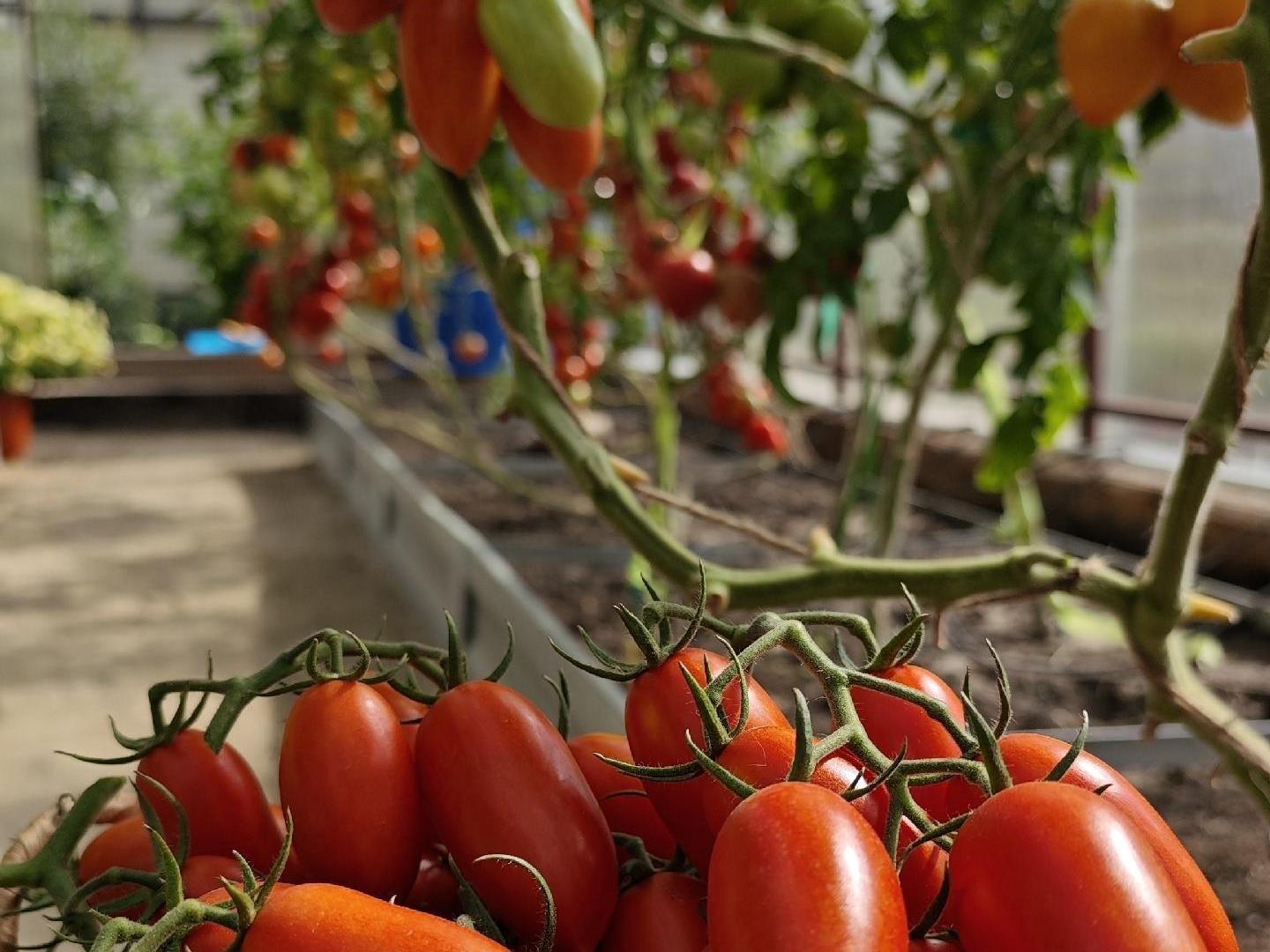
Biological treatments replace chemical sprays in her approach to plant health.
As for chemicals for the beds, the Yugra resident says «No». Right now they simply aren’t needed
«There are a lot of modern biological products on sale that do a better job: hay bacillus and Trichoderma. If you spray plants with them every couple of weeks, there’s no need for chemicals. My beds don’t get sick. Of course it seems easier to spray once with a chemical and forget, but how are you supposed to eat the harvest after that?» Elena believes.
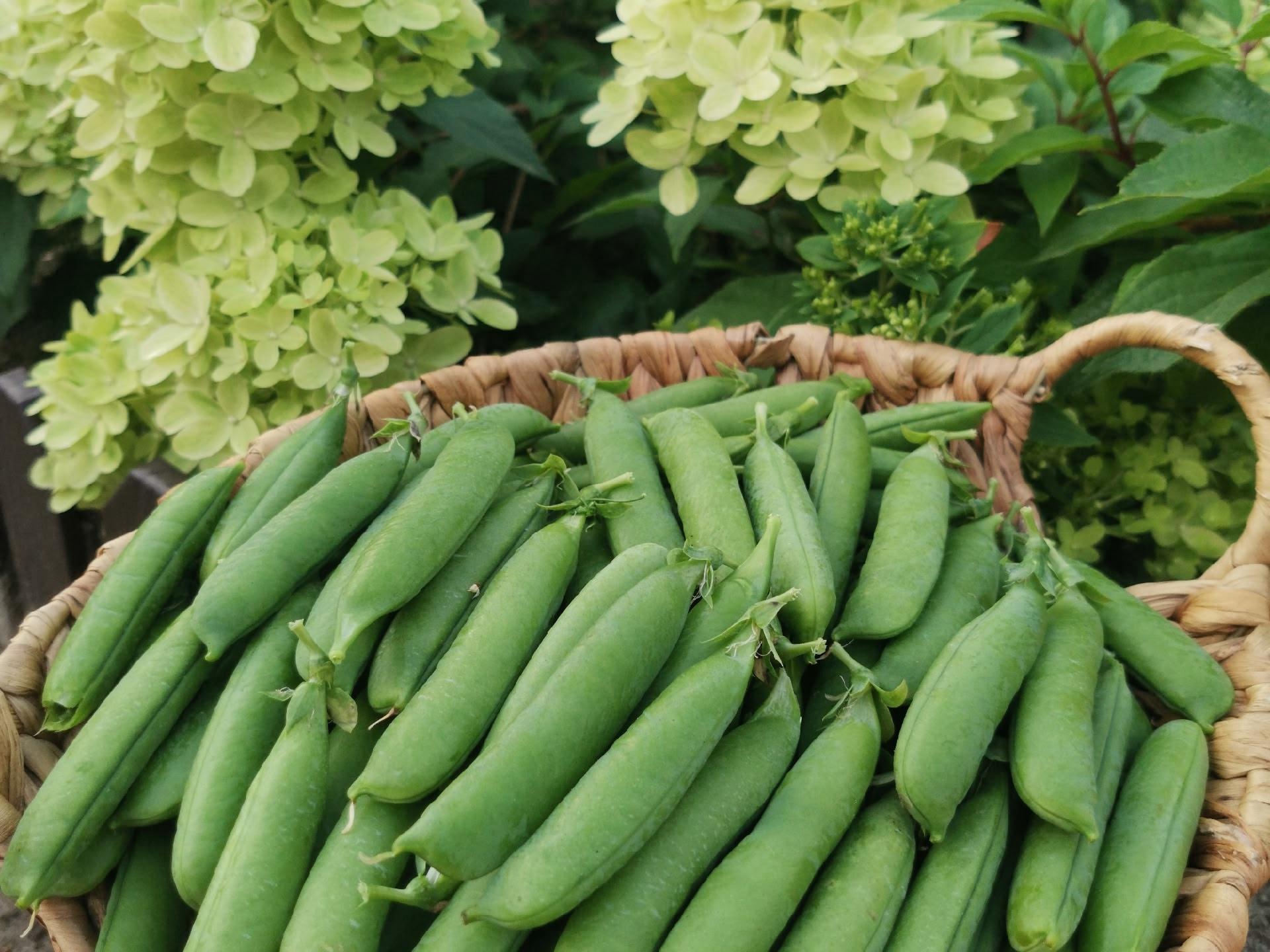
Green manures and soil fungi improve fertility and suppress common greenhouse pathogens.
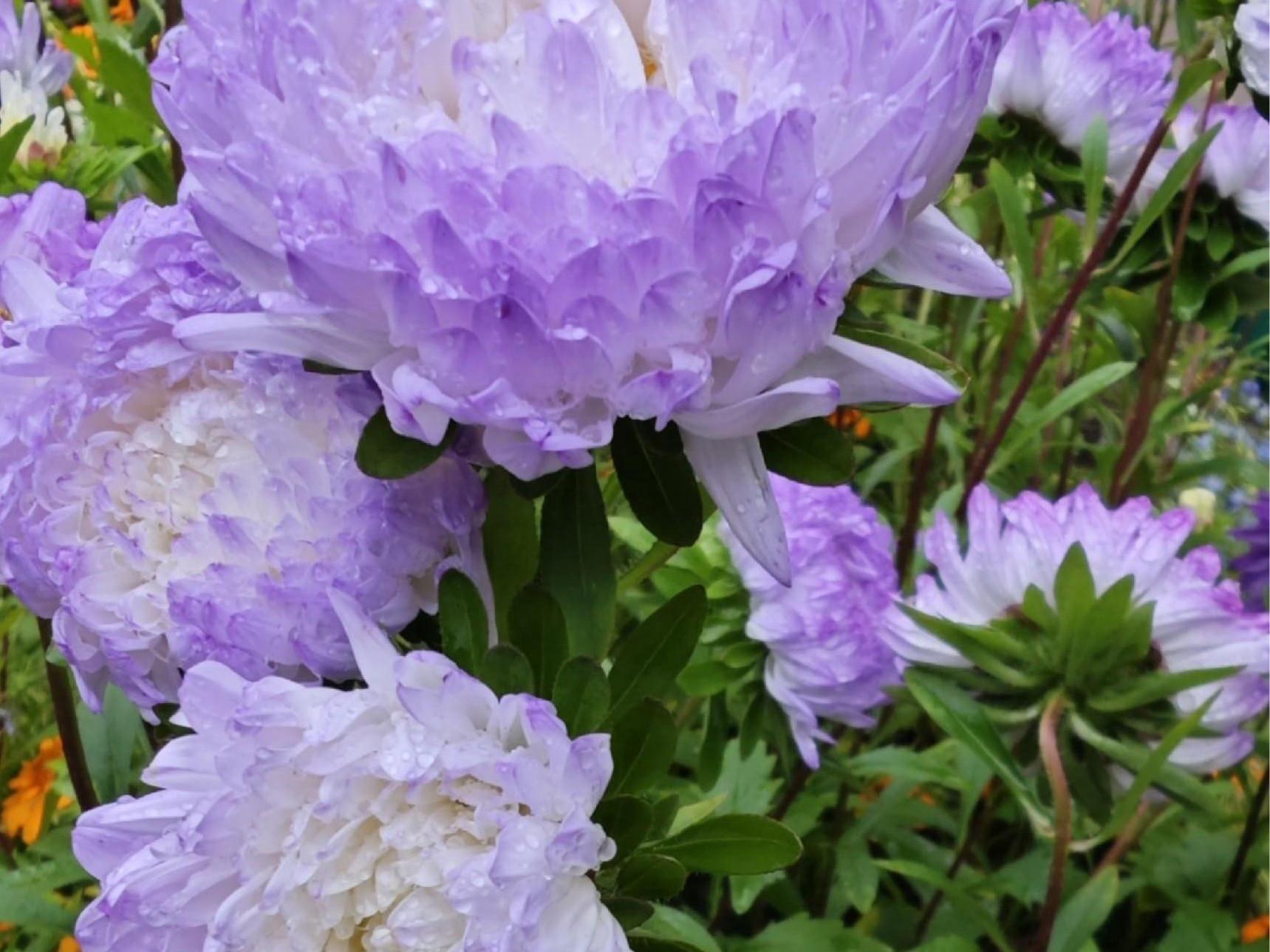
Peony‑type aster varieties contribute color and structure to the summer flower garden.
She admits that a dacha is an expensive hobby — from bringing in soil, compost and humus to seedlings and seeds. But she has found a way with the latter: she collaborates with agricultural companies that send her various seeds for testing — whether they will sprout or not. Such “experiments” often end with a successful harvest.
From work — straight to the dacha
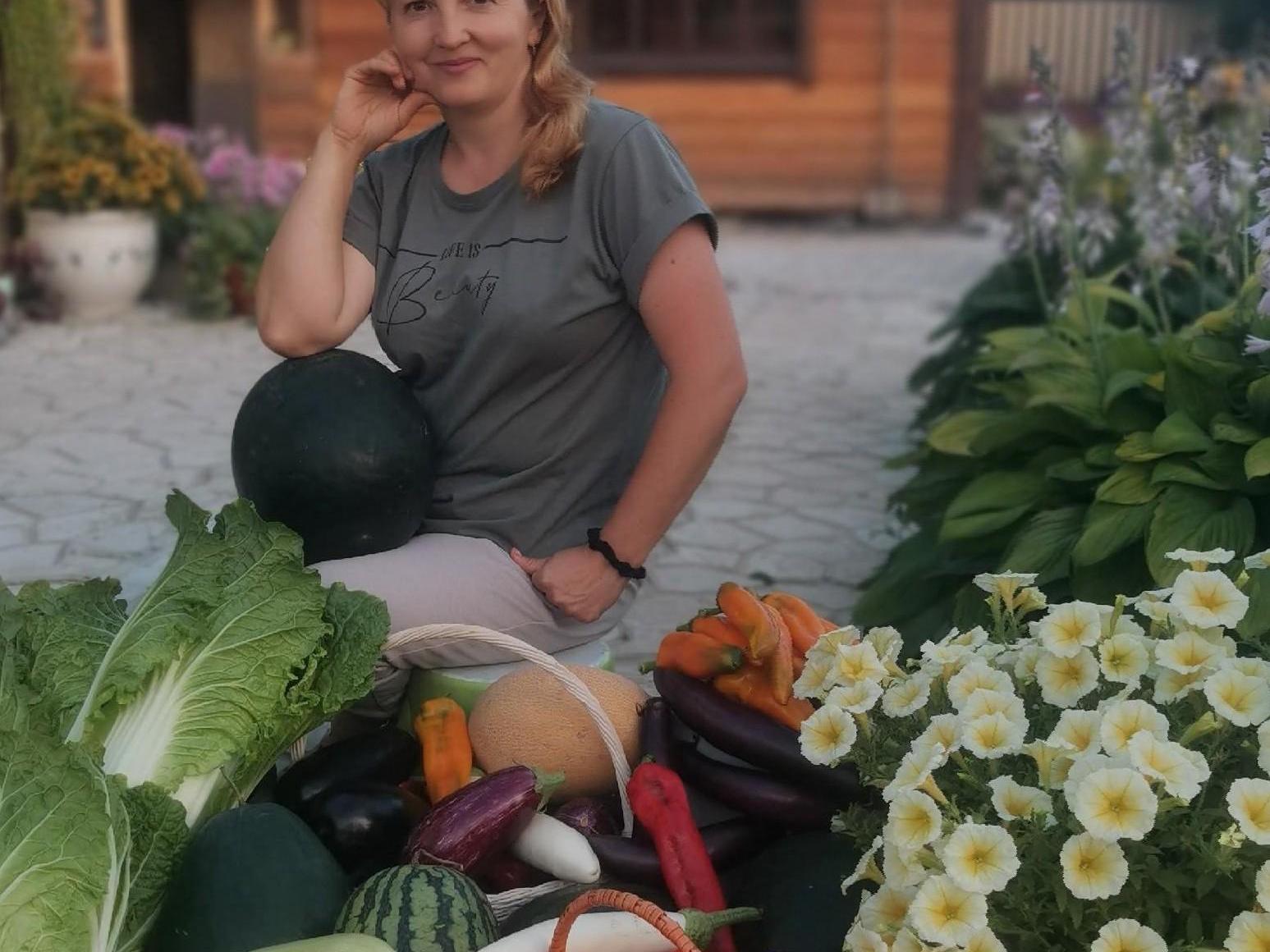
After work, Elena heads straight to the dacha to tend beds and seedlings.
Recently Elena’s cherry trees began to bear fruit. As the gardener says, there were no problems with them: you need to buy varieties that grow in the North and cover them, and the plant itself is quite cold‑hardy. But apple trees were difficult.
«Either they froze, or mice ate them. It worked out on the third attempt. For winter, you need to wrap apple trees to protect them from rodents. But the sea buckthorn bears so much fruit that our whole family can’t pick it all. It grows by itself — it has taken over everything!»
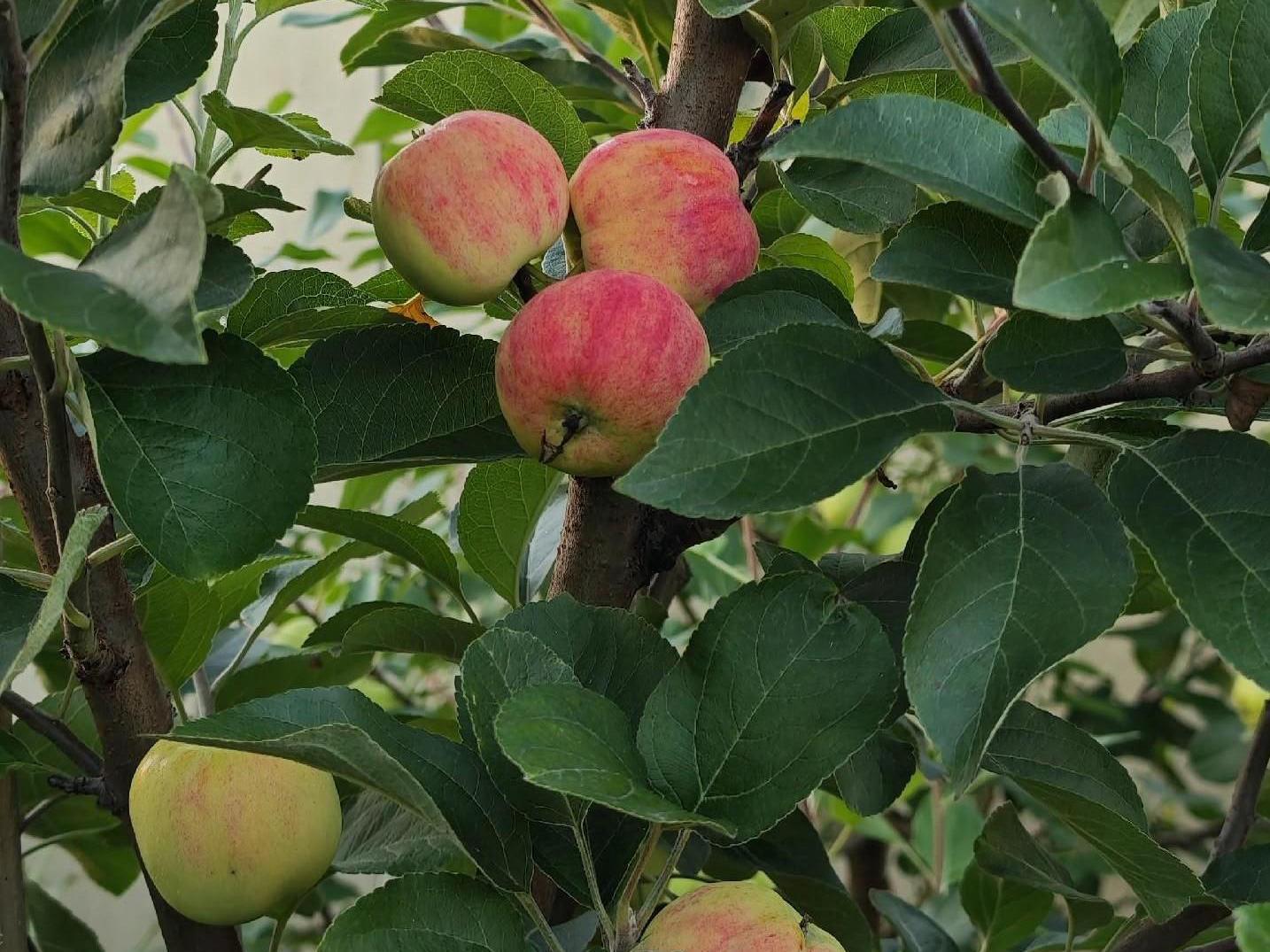
Apple trees demanded protection from rodents and cold before finally establishing.
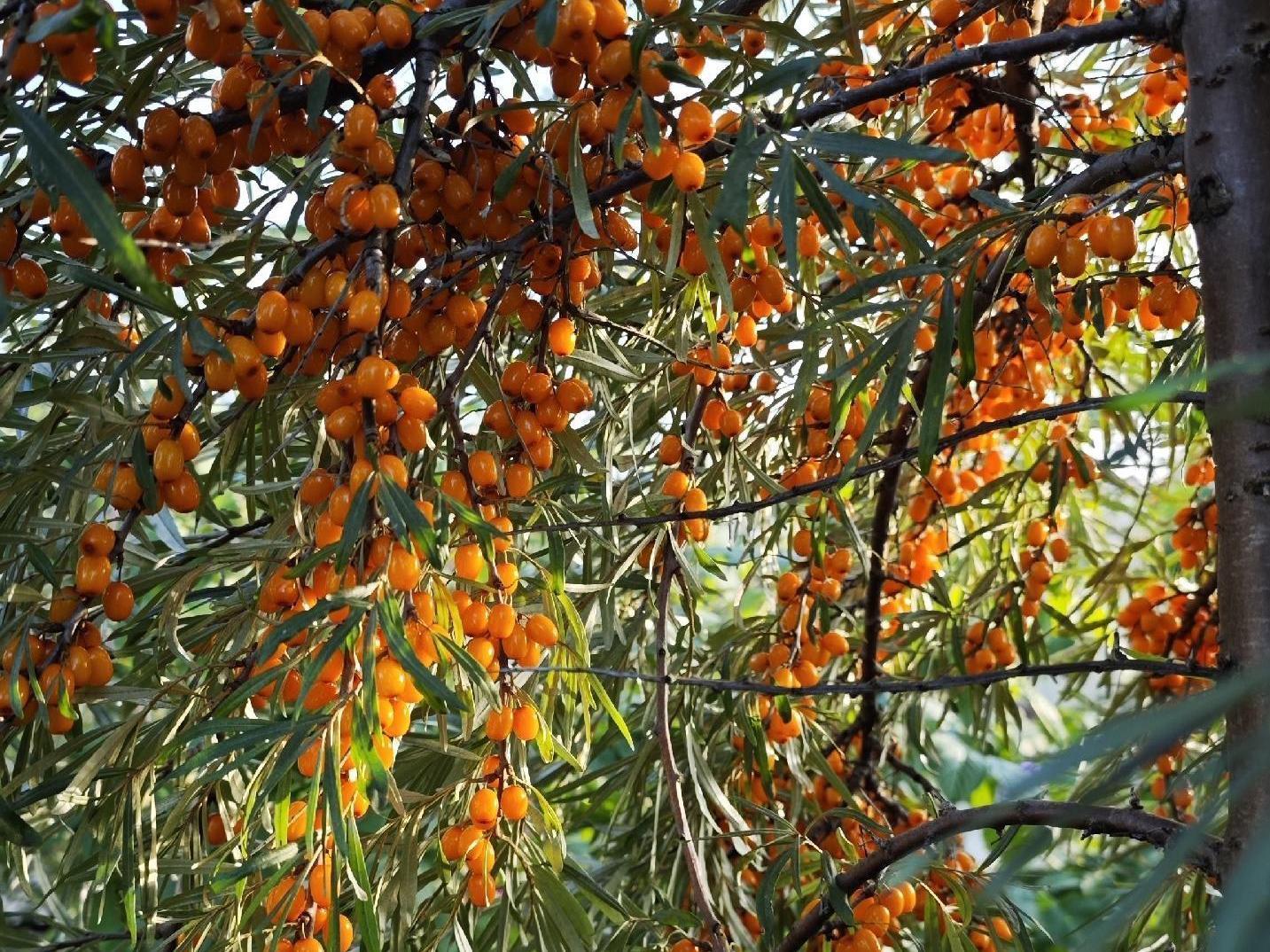
Vigorous sea buckthorn spreads aggressively, fruiting heavily and colonizing available space.
Elena admits she would like to spend even more time on her orchard and vegetable garden, but there isn’t enough time since she works.
«All right, we’ll wait for retirement. Although what if I won’t have the strength then?» the Yugra resident laughs. «People often ask me why do all this, it’s so much work — petunias alone are something! But I love it. Sometimes I get very, very tired at work, then I come to the dacha, start doing something, and immediately feel lightness. It’s no accident they say the earth gives you strength.»
Recently we told the story of another gardener from Yugra: Natalia Gorelik grows giant vegetables in a small garden. Read about her here.