Volgograd Residents Boycott Lolita Concert After Scandal
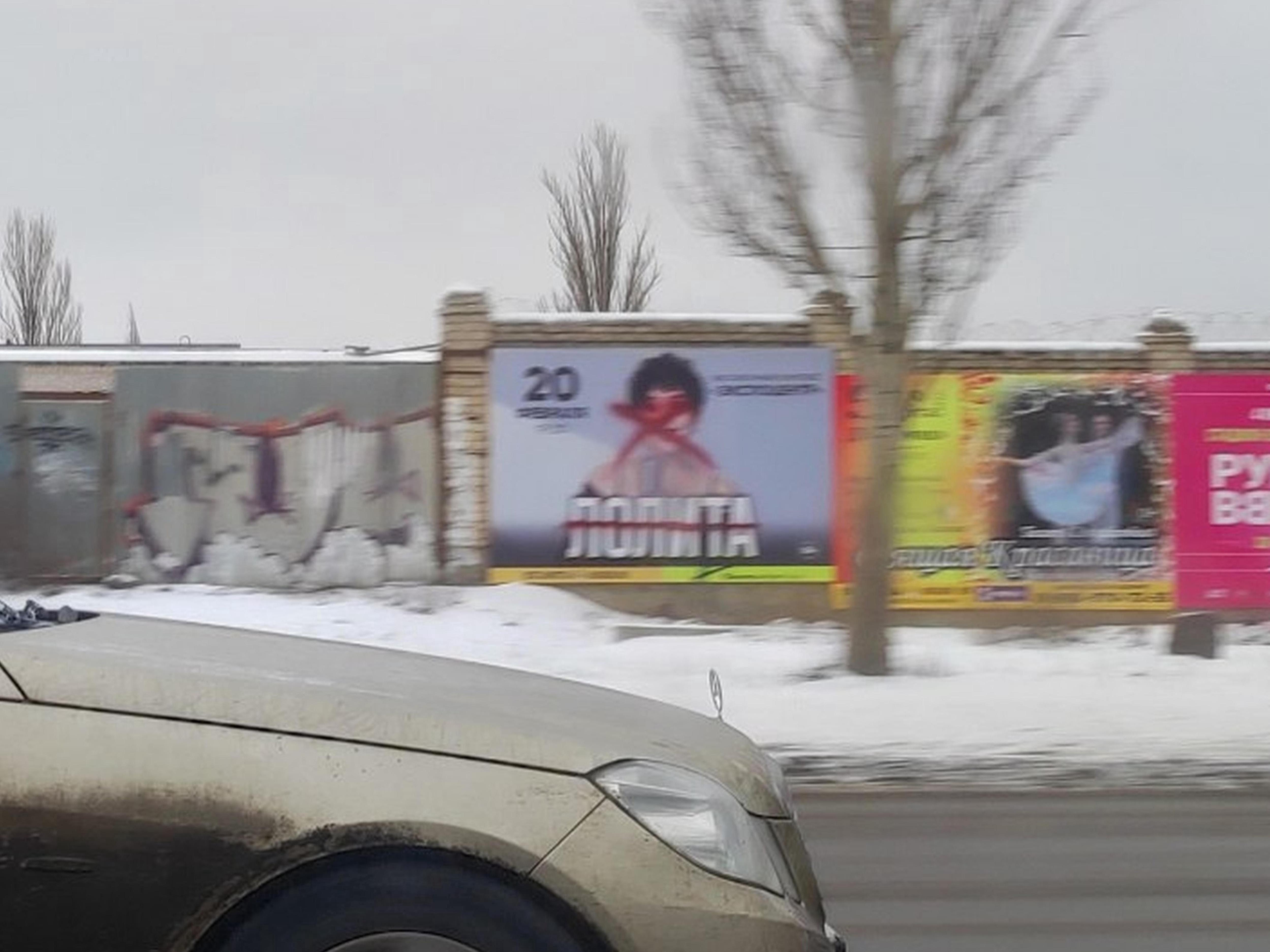

In Volgograd, a wave of protests is growing against the upcoming concert of Lolita Milyavskaya. The reasons are her participation in the scandalous naked party of Nastya Ivleeva and sharp statements towards Muscovites. Activists are damaging advertising banners and demanding the cancellation of the performance.
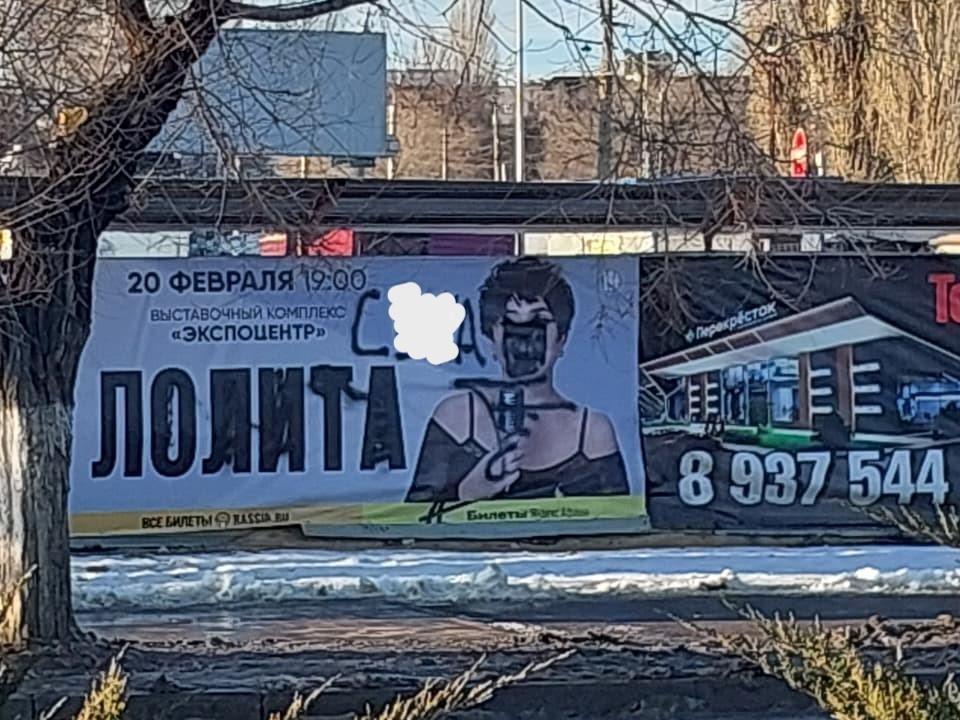
The event is scheduled for 20 February at the ExpoCenter concert hall. Ticket prices reach 11,000 rubles (approximately $122 at current rates).
In late December, participants of the special military operation appealed with a video address to the prosecutor of the Volgograd region. They called for a ban on the concert, citing the singer«s behavior.
We consider her performance in Russia impossible after her participation in the so-called naked party during the special military operation, as well as after her statement about «consuming Muscovites,»
they stated.
In early January, damaged posters with the advertisement began appearing in the city. One is located near the ExpoCenter, another in the area of the Sudoverf settlement in the south of Volgograd.
Ticket sales are going extremely poorly. According to ticket operators, less than half of the seats have been booked for the concert, which is less than a month away. For comparison, the performance of Leonid Agutin, scheduled for the next day in the same hall, is almost completely sold out.
Online, city residents express an even sharper position. Some commentators on social media are calling to disrupt the event.
Our special services need to show their class. Lure her, release her on stage and take her right from there. Then the Central District Court will figure out which permits are missing. That would be spectacular,
writes one user. Another wonders: Interesting... who allows them to visit the hero city? What are their last names?
This is not Lolita«s first attempt to hold a concert in Volgograd. In March 2025, she already canceled a performance, citing a received letter with demands to obtain permits from the regional departments of the FSB (Federal Security Service), police, and Ministry of Culture by 23 February.