Tea Clippers: How Trade Created Fast Sailing Ships
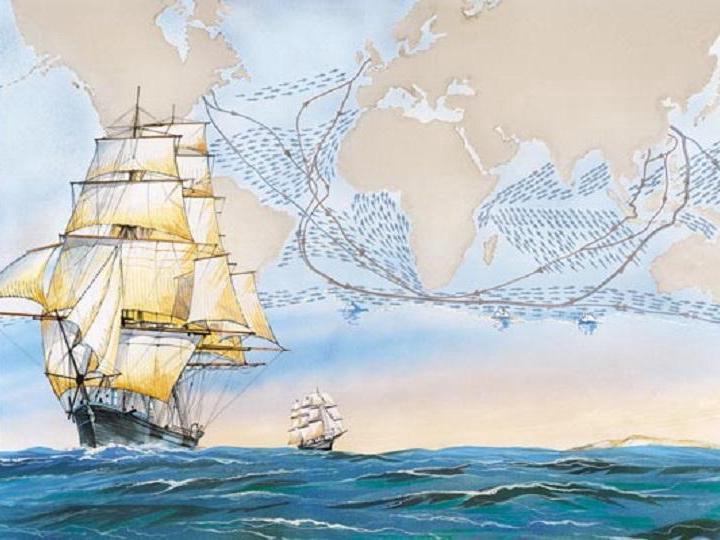

In 1660, upon returning to England after many years of emigration in Portugal, the future King Charles II brought not only the Portuguese Princess Catherine of Braganza but also a small snuffbox with dried leaves. He brewed them with boiling water, offering courtiers to try the aromatic drink — thus tea first appeared at the English court.
The Portuguese had been familiar with tea for over a hundred years, as well as coffee. Soon, the London East India Company (EIC) presented the king with a precious gift — about a kilogram of tea leaves. Charles II blessed the company to independently import tea from China, which laid the foundation for regular trade.
Opium Instead of Silver
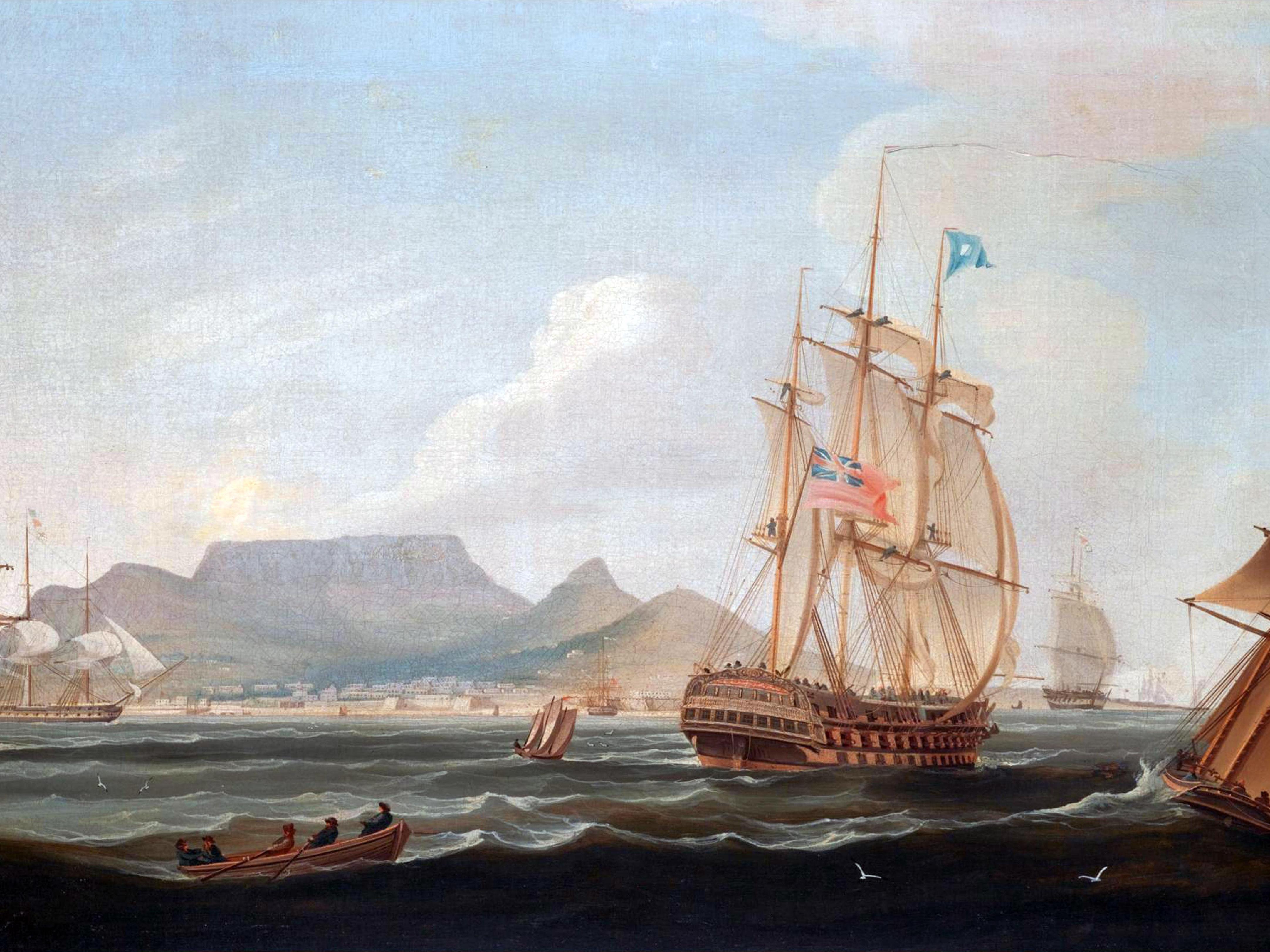
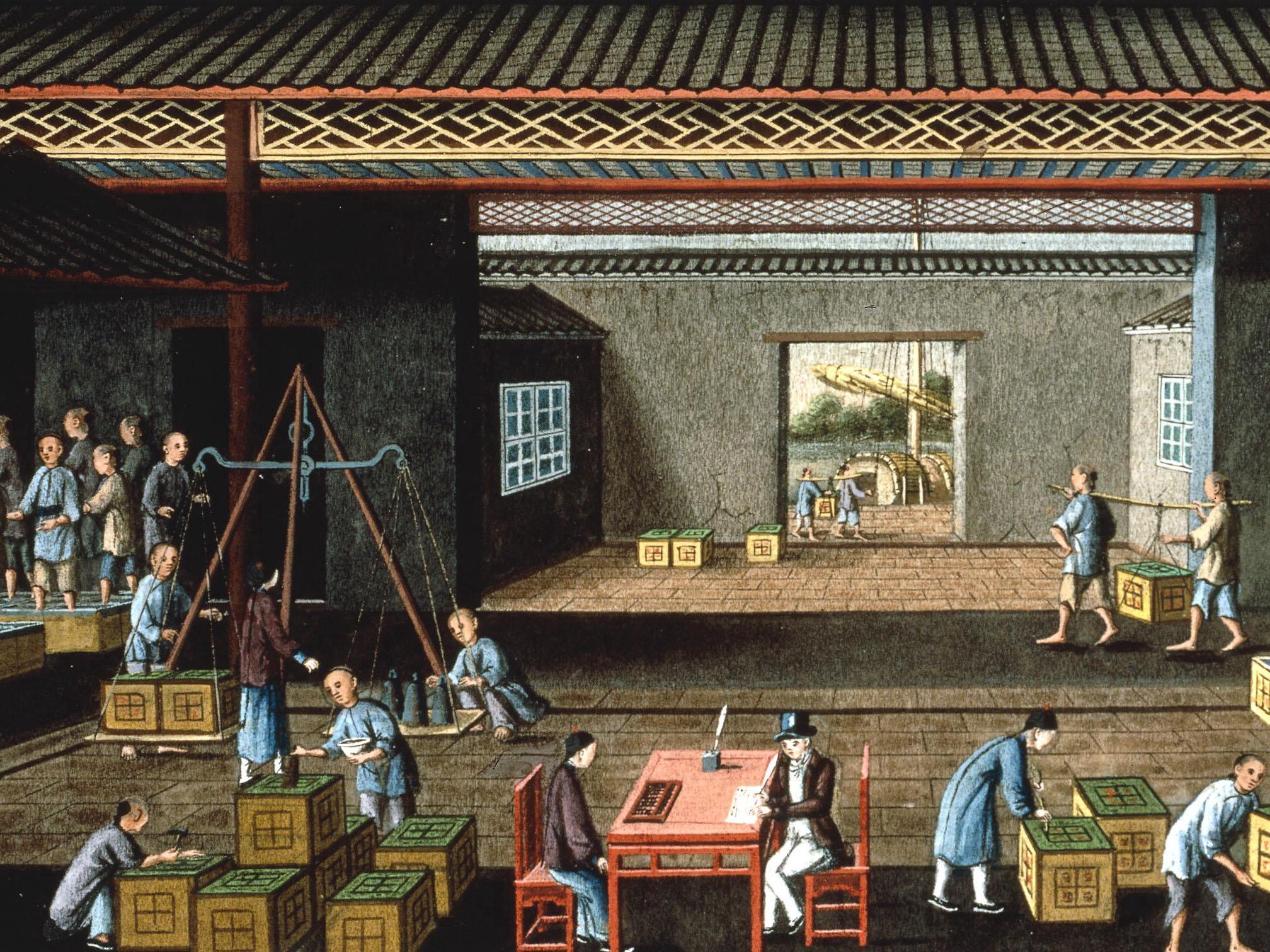
In the 18th century, tea trade revived, and dozens of ships rushed to Canton, the only port open to foreigners. However, the London East India Company faced payment problems: the Chinese demanded silver, which was in short supply. Then British merchants began paying with opium, which they brought from their colony — India. Despite the ban on opium import to China since 1796, the profit from tea was so great that traders took the risk.
Opium smuggling required not only speed but also the ability to evade pursuit. English ships violated prohibitions by entering closed ports, and on the return journey, they were ambushed by pirates. All this pushed for the creation of faster and more maneuverable ships.
American Innovators
The first specialized tea clippers appeared in the USA. In 1844, the clippers «Houqua» and «Rainbow» were launched. The English, bound by the Navigation Act of 1651, could not use foreign ships for import, but once chartered the American clipper «Oriental». It made the journey from Hong Kong to London in 97 days — an unprecedented speed for that time.
British shipbuilders, admiring the lines of the «Oriental», secretly took its measurements in dry dock. They did the same with the best French ships. This industrial espionage allowed England to accumulate experience and begin building its own clippers. The first British tea clipper «Stornaway» was launched in 1850.
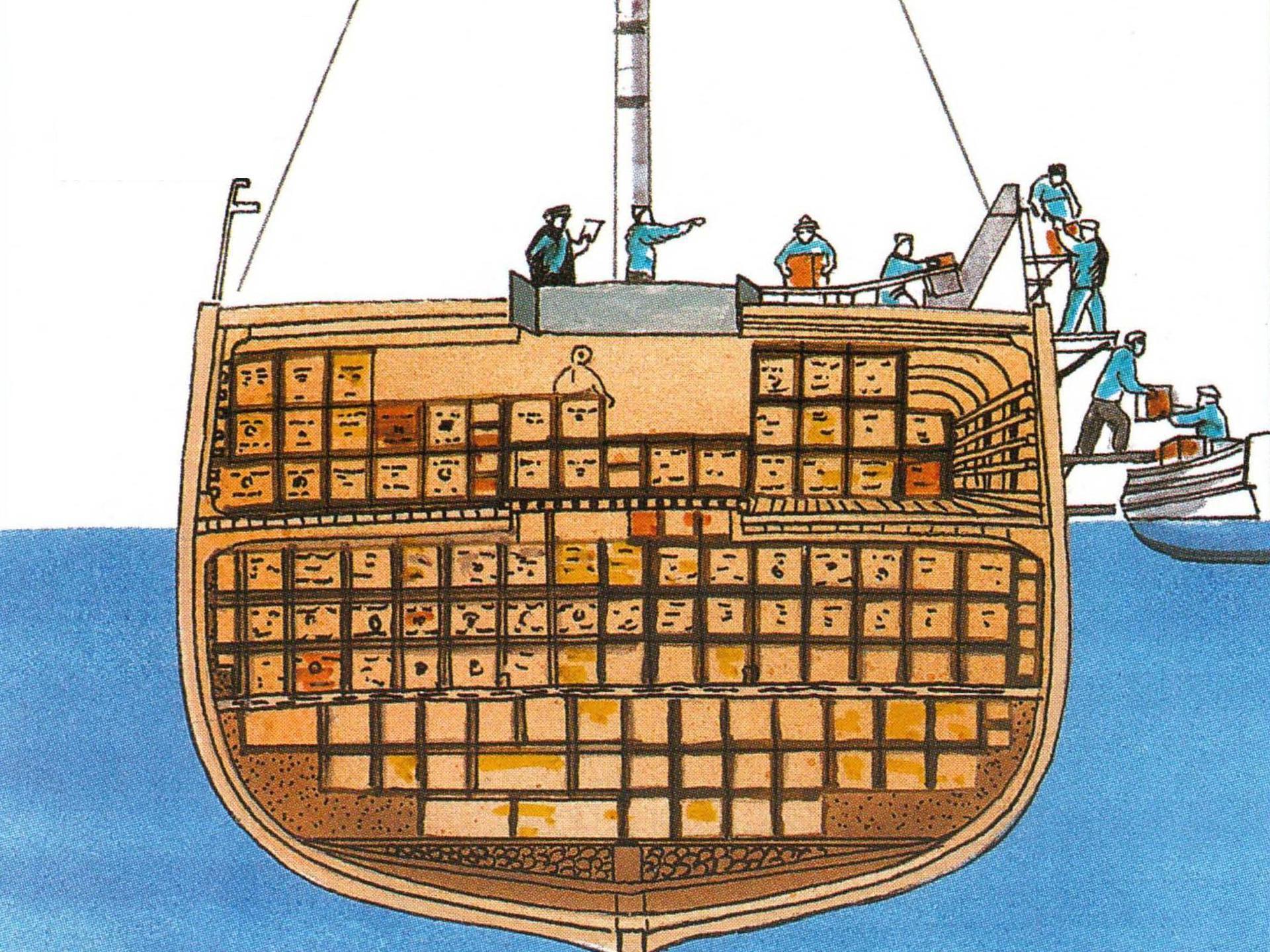
Secret of Clipper Speed
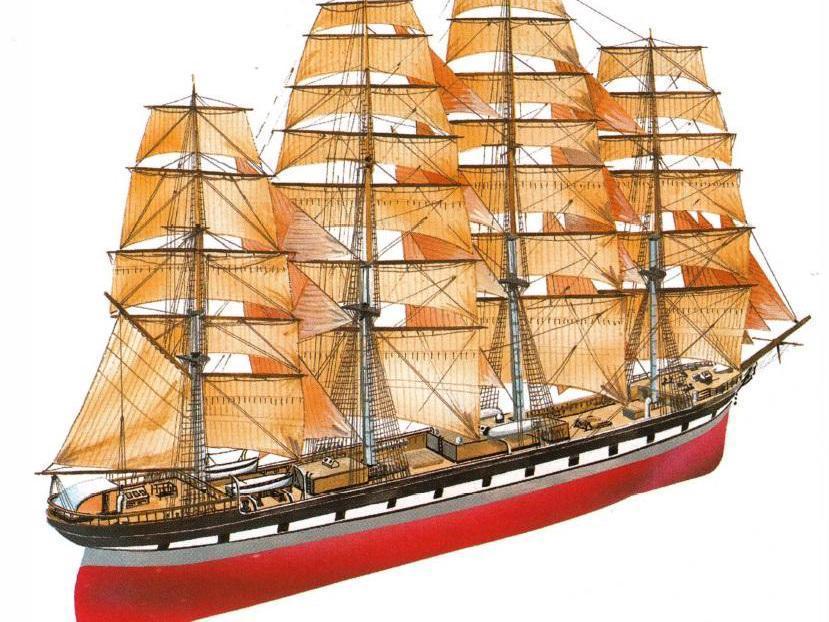
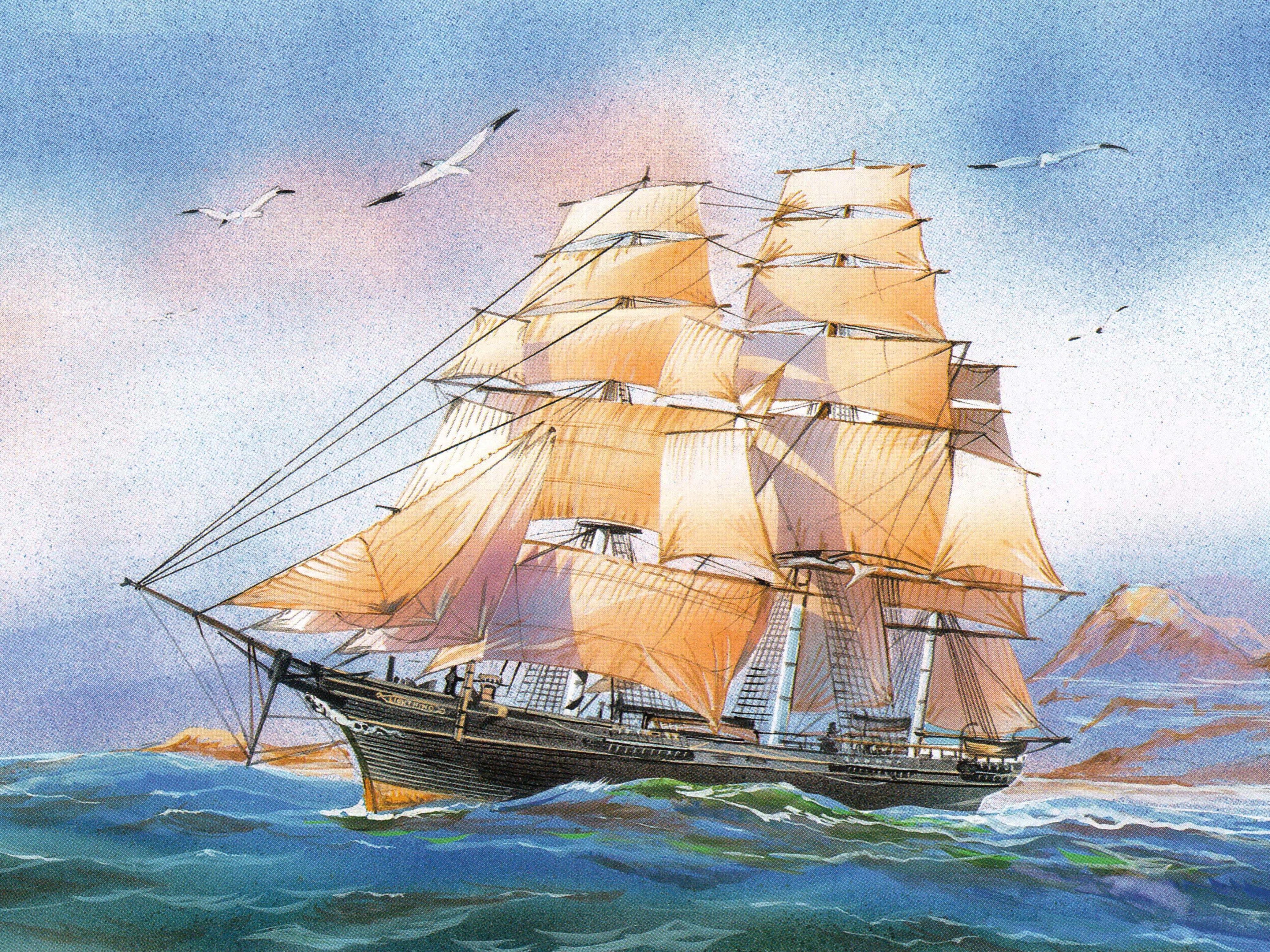
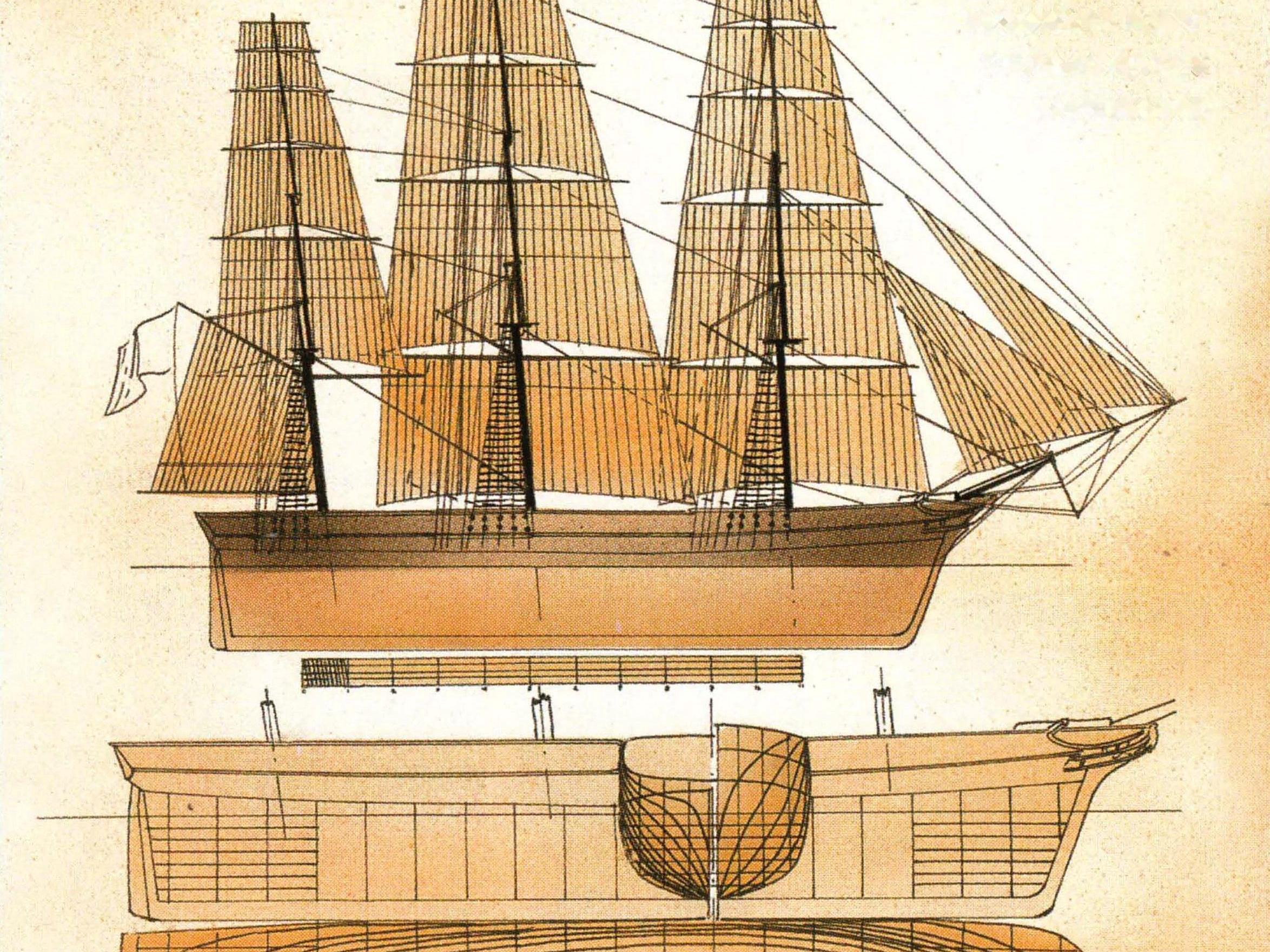
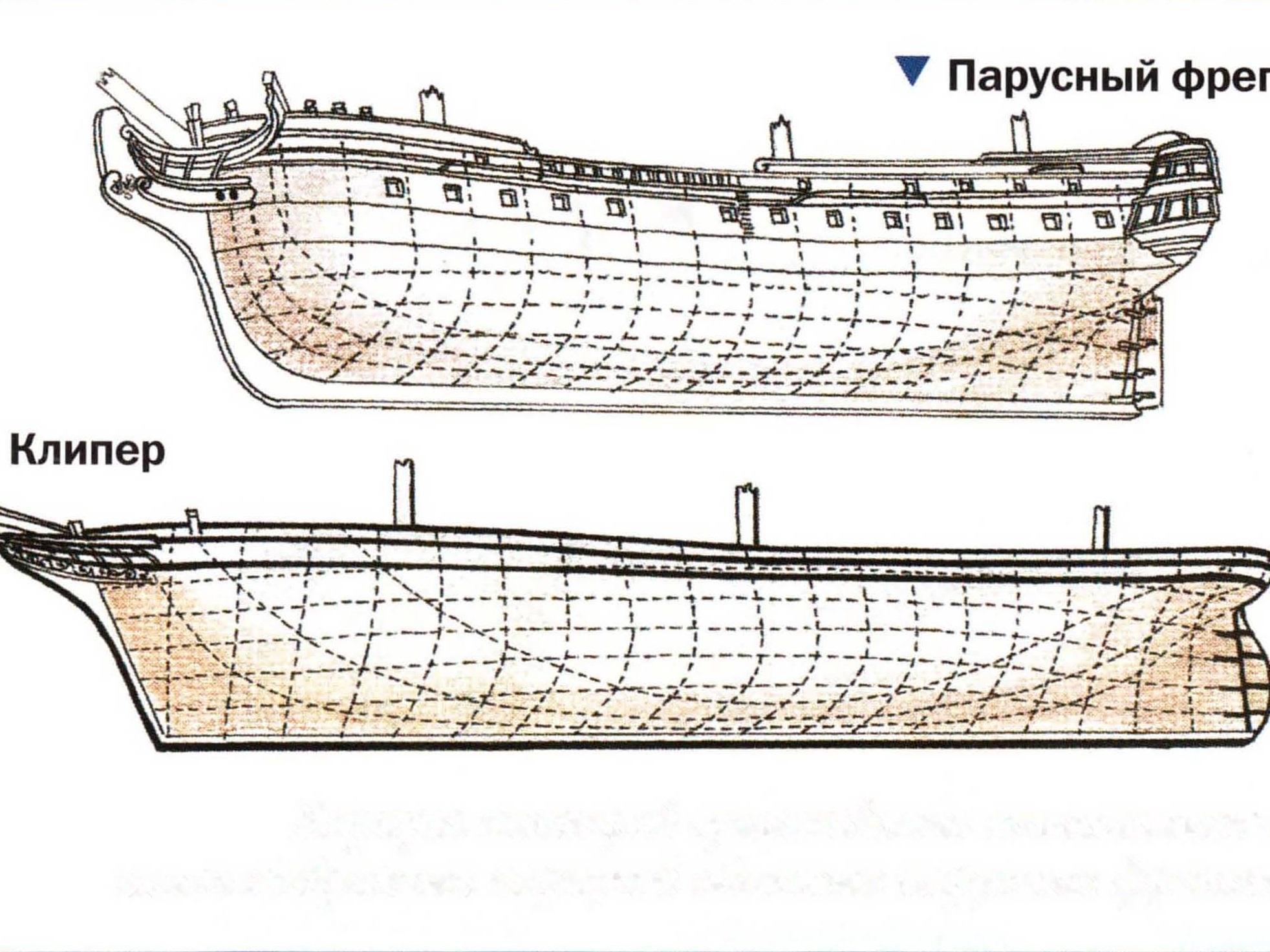
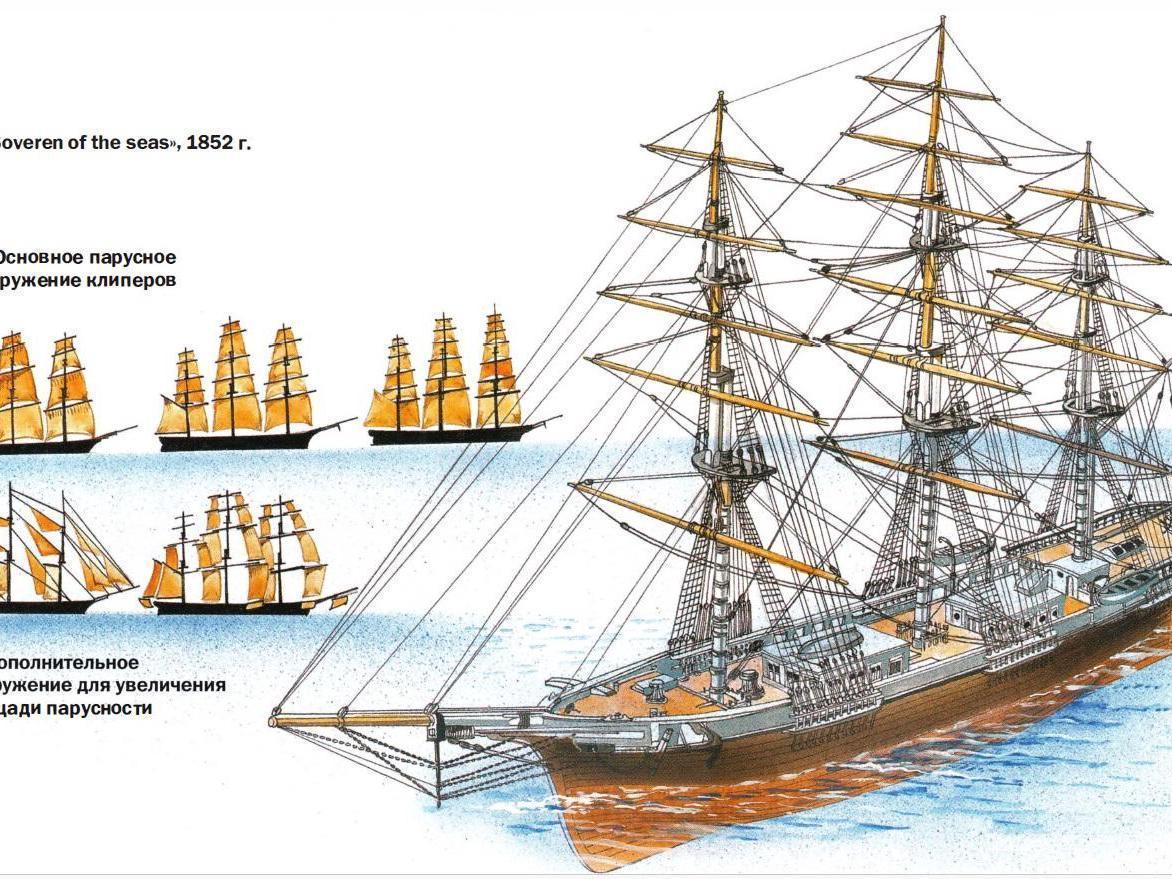
The name «clipper» comes from the English verb to clip — «to cut short». These ships indeed shortened distances due to high speed. By the standards of the mid-19th century, clippers could reach from 14 to 20 knots, which was a record for sailing ships. Their elongated narrow hulls, abundant sail rigging, and streamlined shapes allowed them to sail fast even in unfavorable conditions.
Tea Races
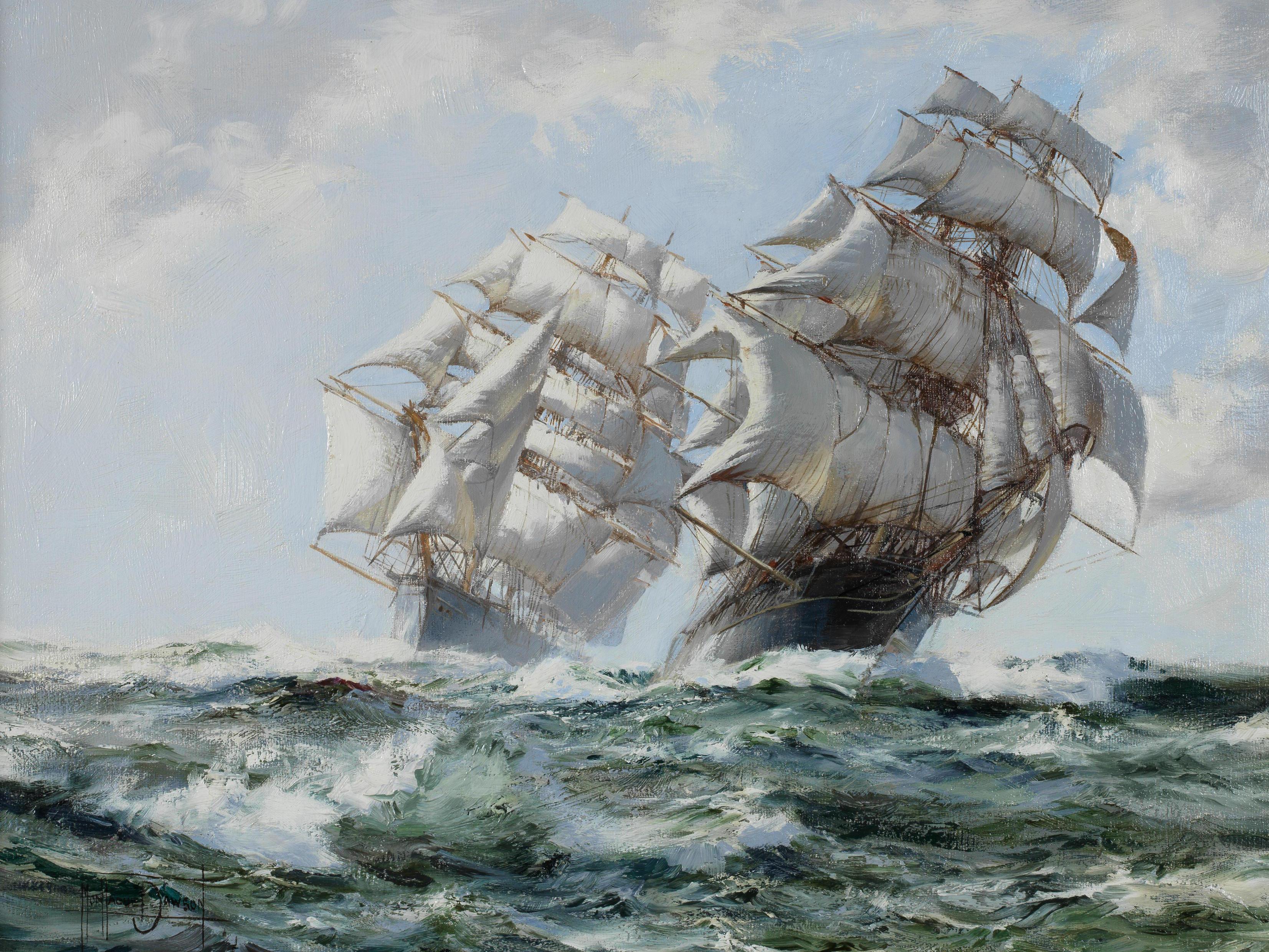
Since tea was harvested seasonally, dozens of clippers accumulated simultaneously in Chinese ports. Captains, striving to be the first to deliver the cargo to Europe, took enormous risks. It happened that, upon seeing a competitor set sail, a captain would stop loading and rush in pursuit, even without proper documents.
Clipper captains were young and ambitious. They were threatened by storms, calms, shoals, and pirates. Trading companies awarded bonuses to the crew of the ship that first brought the new harvest tea. These races became legendary, for example, in 1866 the clippers «Ariel» and «Taeping» finished with a difference of one minute.
End of an Era and Legacy
The construction of clippers ceased around 1870, when steamships, independent of wind, proved their economic efficiency. Sails gave way to steam.
One of the most famous clippers — «Cutty Sark», launched in 1869. Although it never won a tea race, its name became a symbol of the era. The clipper underwent several renamings and changes of ownership, and since 1954 has stood in Greenwich as a museum ship.
In 2007, «Cutty Sark» was severely damaged by fire, but after a five-year restoration, it was reopened to the public. The 2014 fire caused less damage. Today, this clipper is the last surviving representative of tea clippers, a reminder of times when speed and wind decided the fate of trade.