Perfect Serbian Ski Resort Has Perilous Approach Road


Skiing in Serbia rarely appears on must-see destination lists — and, as it turned out, completely unjustly. After unsuccessful attempts to ski in Montenegro, we decided not to go back home but to continue onward.
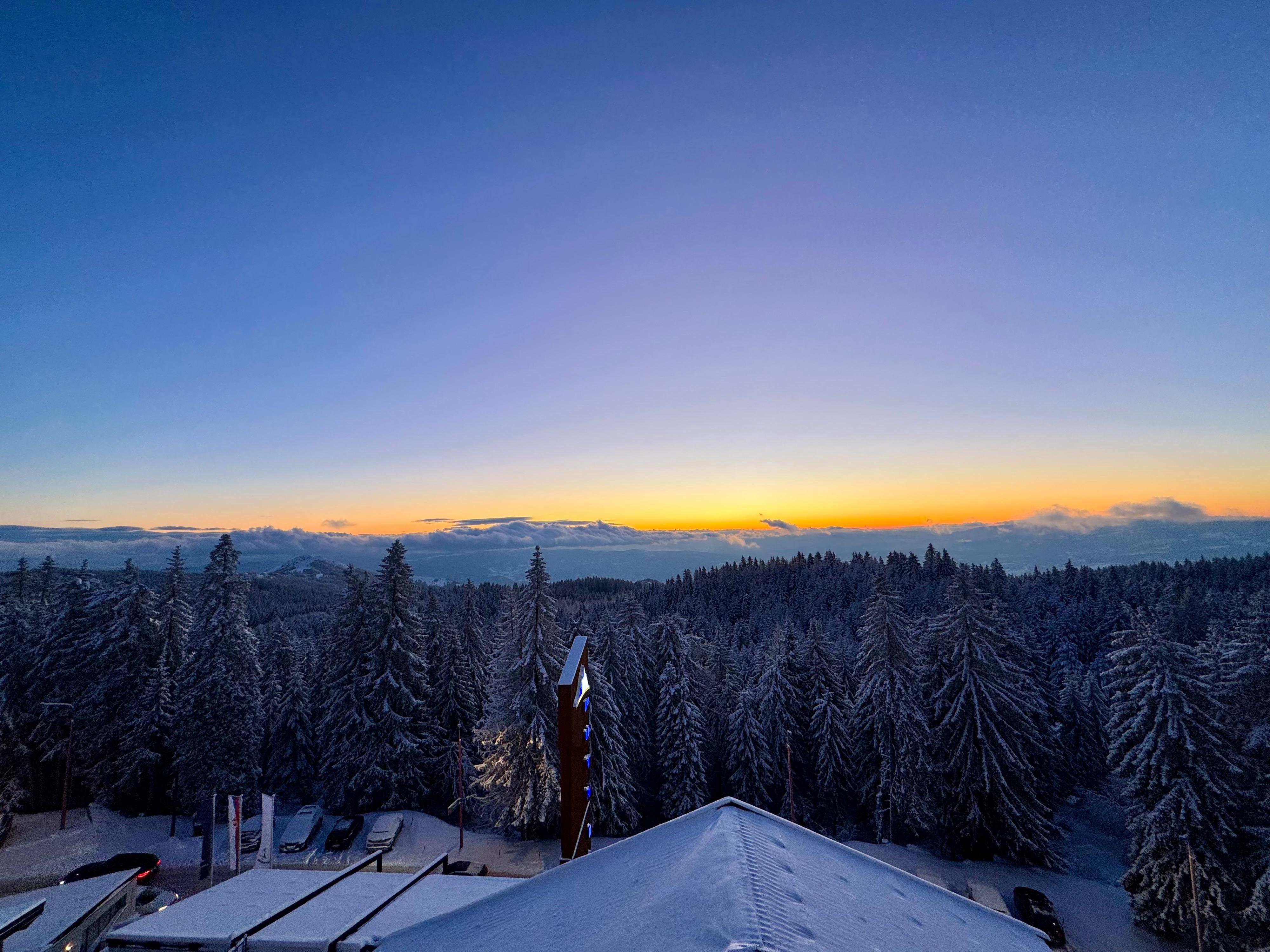
About how our winter route through Montenegro went, what difficulties we encountered, and which resorts there are really worth considering, we detailed in a separate article. So the route led us to Kopaonik — Serbia«s main ski resort, which ultimately turned out to be one of the most comfortable and well-thought-out resorts for winter holidays, especially for families.
Our correspondent traveled to Serbia during the New Year holidays and tells how to cross the border by car, what to expect on the road, and why Kopaonik should be considered on par with more promoted Alpine resorts.
Why Serbia at All
The idea to go to Serbia didn«t arise spontaneously. With extensive skiing experience behind us — Austrian and Spanish resorts, almost all key Russian destinations from Krasnaya Polyana to Dombay and Arkhyz — our expectations were high, and requirements were clear: good slopes, developed infrastructure, rentals, straightforward logistics, and reasonable prices.
Things didn«t work out with Montenegro this time, so we decided not to end the trip but to continue the route. Serbia turned out to be a logical choice: close, visa-free, and with developed ski infrastructure.
The route ran from Budva through Podgorica towards Serbia. According to plan, the drive should have taken about 6 hours, but in reality, we drove for almost 8, and this was perhaps the most difficult part of the entire journey.
The problem was the weather: in Montenegro at that moment, there were heavy downpours and local flooding. Roads were closed, we had to detour, and the navigator constantly added half an hour, then an hour, then two. There were sections where no alternative existed — we had to drive literally through water.
A separate problem — navigation. Google Maps works well on short routes, but on long mountain distances, it doesn«t show how difficult the road is: whether there are serpentines, steep slopes, asphalt, or lighting.
And lighting on the roads, by the way, is almost nonexistent — neither in Montenegro nor in Serbia. Even central highways often aren«t lit. So the main advice: plan the transfer so that you reach the resort before dark. Driving at night on mountain roads without guardrails is a dubious pleasure.
The Border
The border between Montenegro and Serbia turned out to be unexpectedly simple: about 10 minutes, without queues or car inspection. This is explained by the close historical ties between the countries dating back to the time of Yugoslavia.
You can drive into Serbia in a rental car, but this must definitely be agreed upon in advance with the rental company.
However, entering Kosovo in a rental car is strictly prohibited — due to insurance and border rules in effect since the late 2000s.
A full tank of gas cost about 5000 rubles (approximately $63 at current rates) — this was enough for 600–700 km. For the entire transfer from Montenegro to Serbia, we refueled once.
Gas in the region is cheaper than in Western Europe, but due to mountain roads, consumption is higher than usual — this is worth considering when planning the budget.
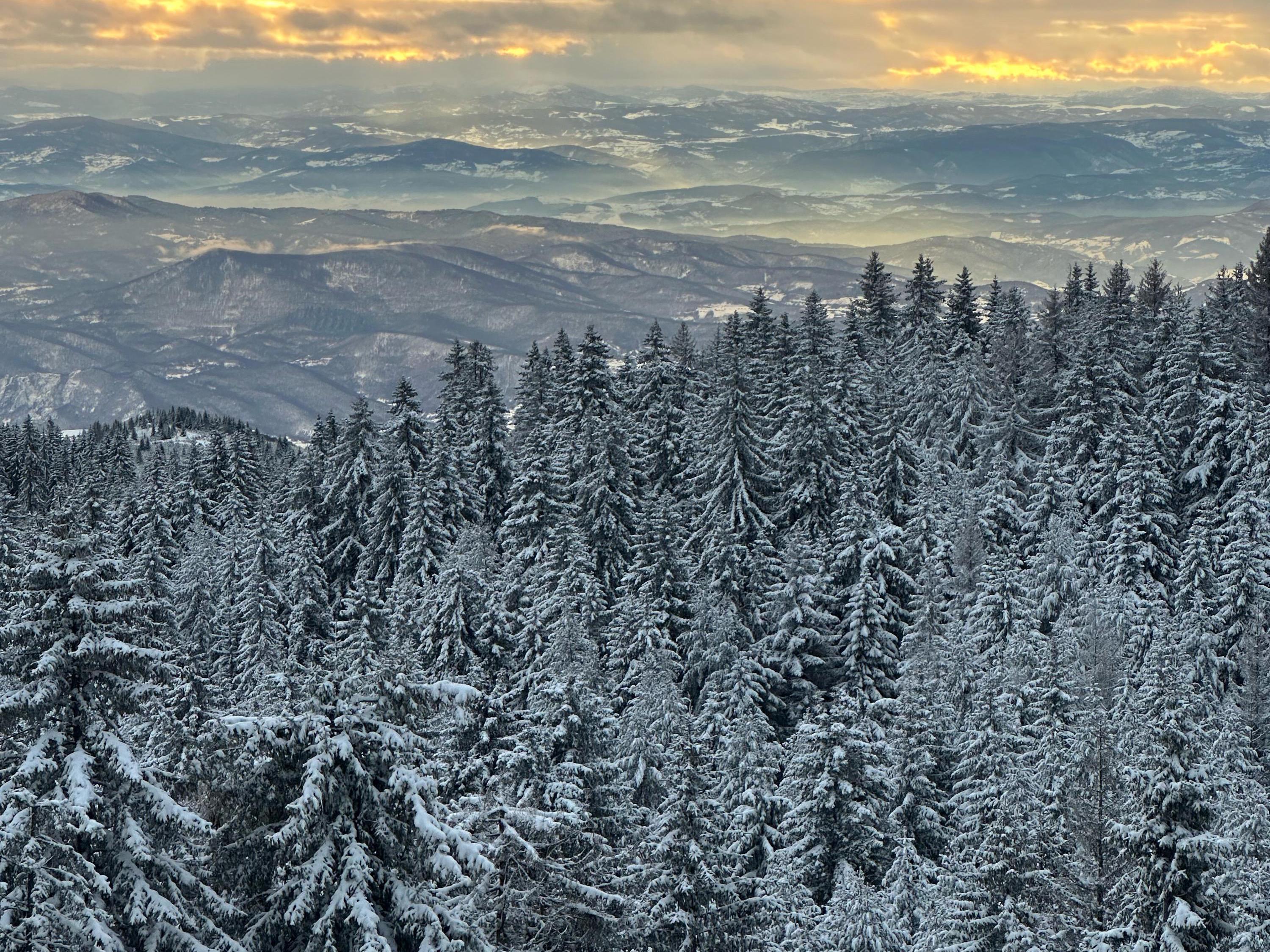
Kopaonik
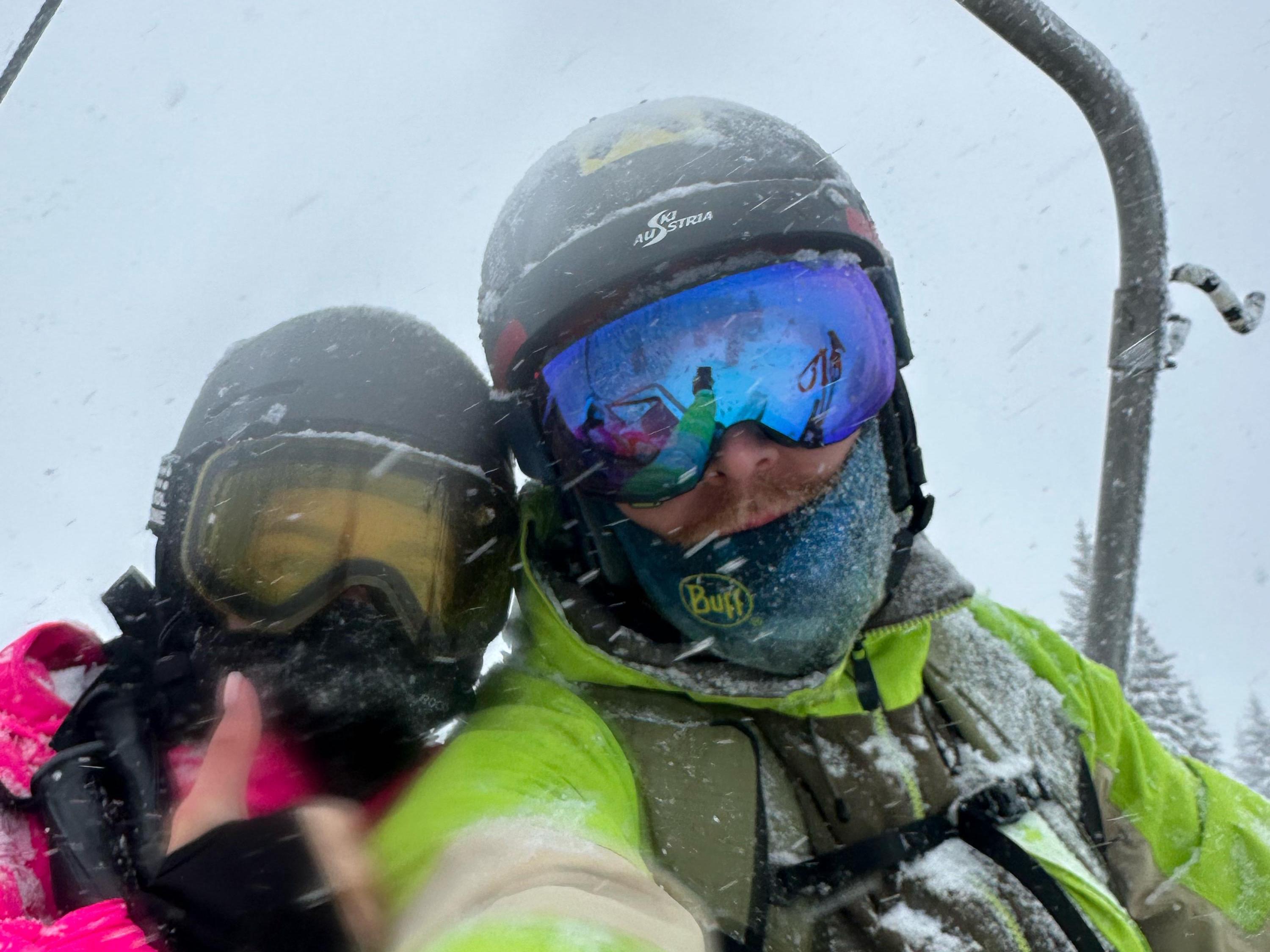
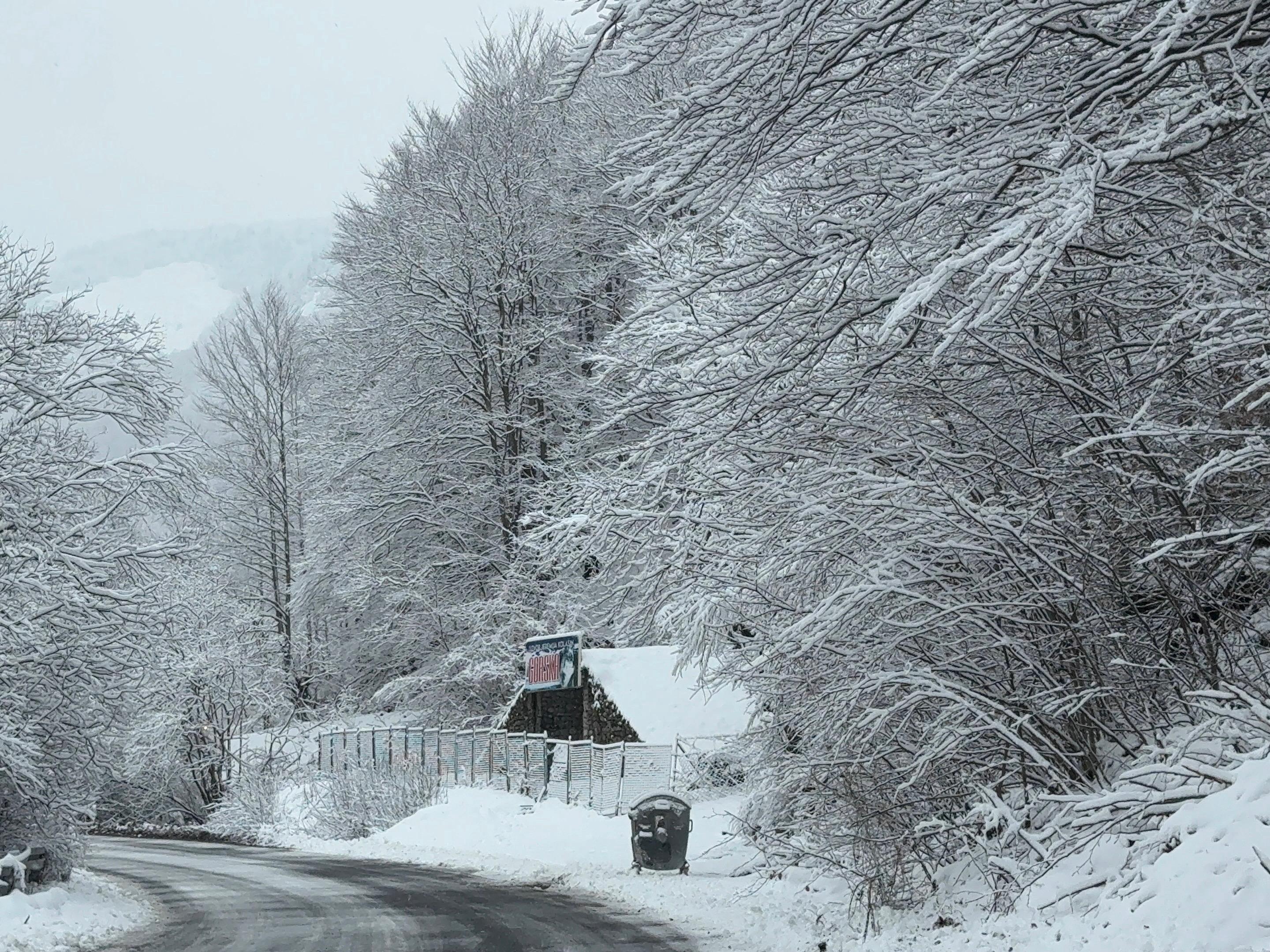
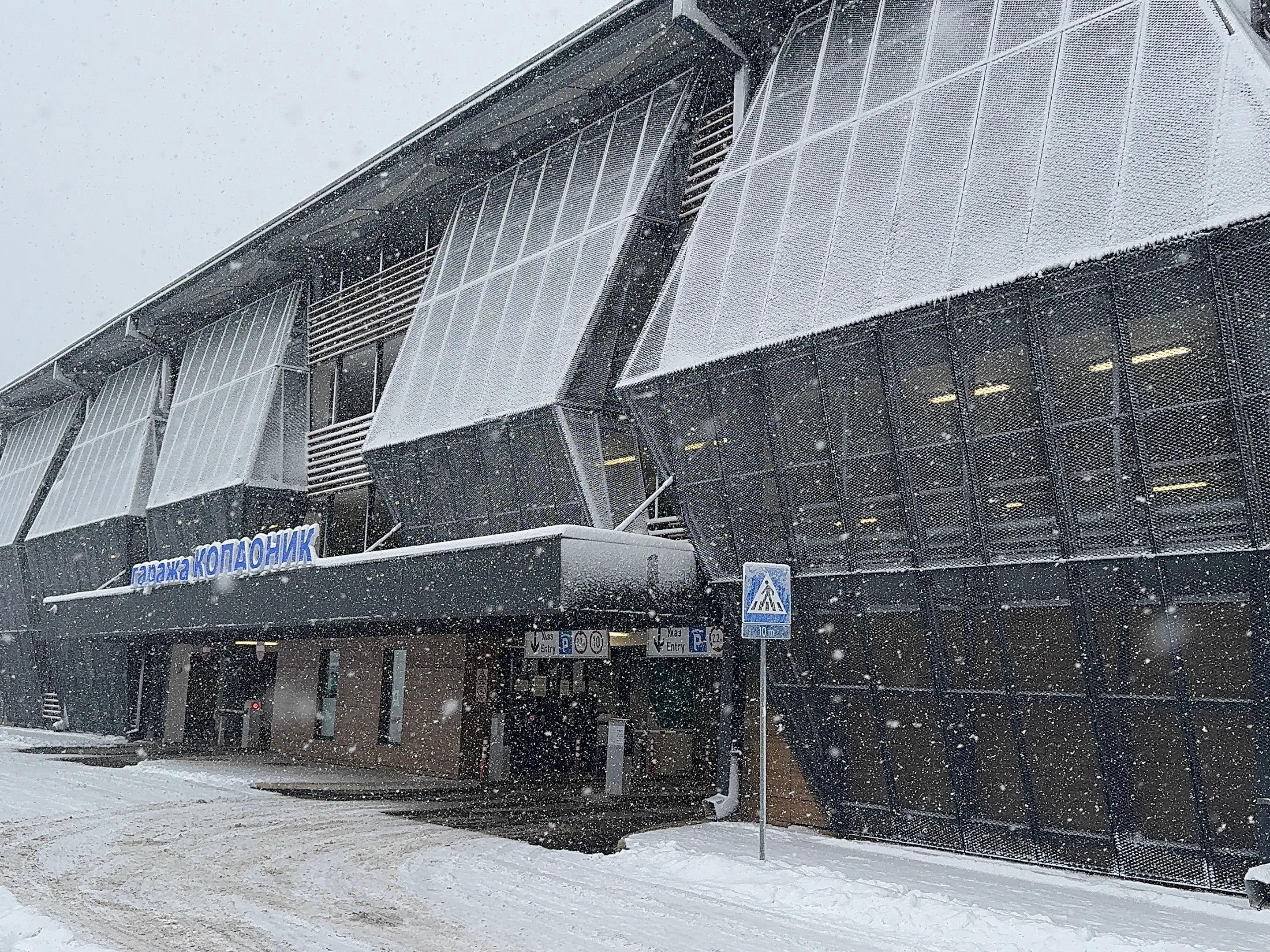
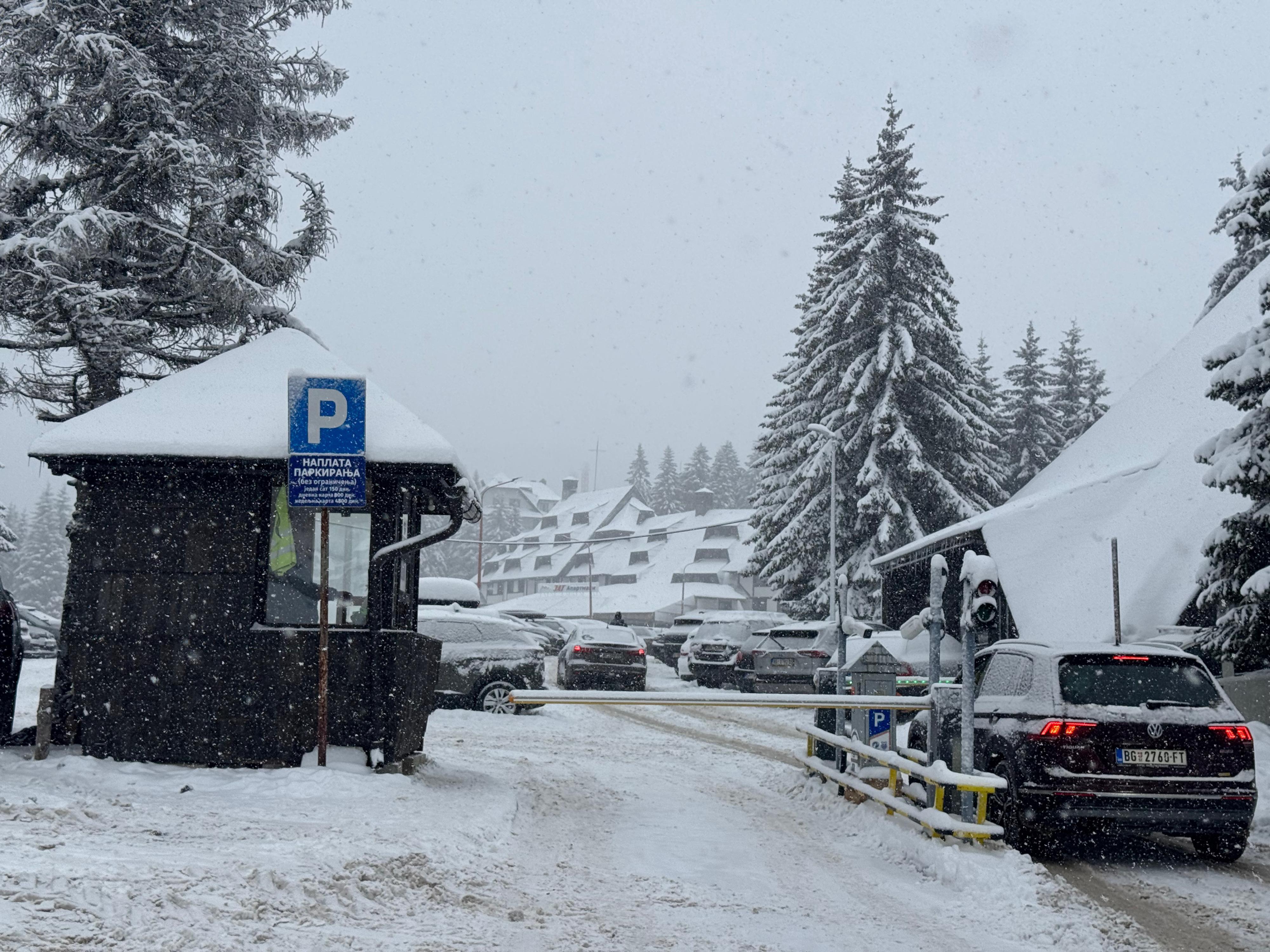
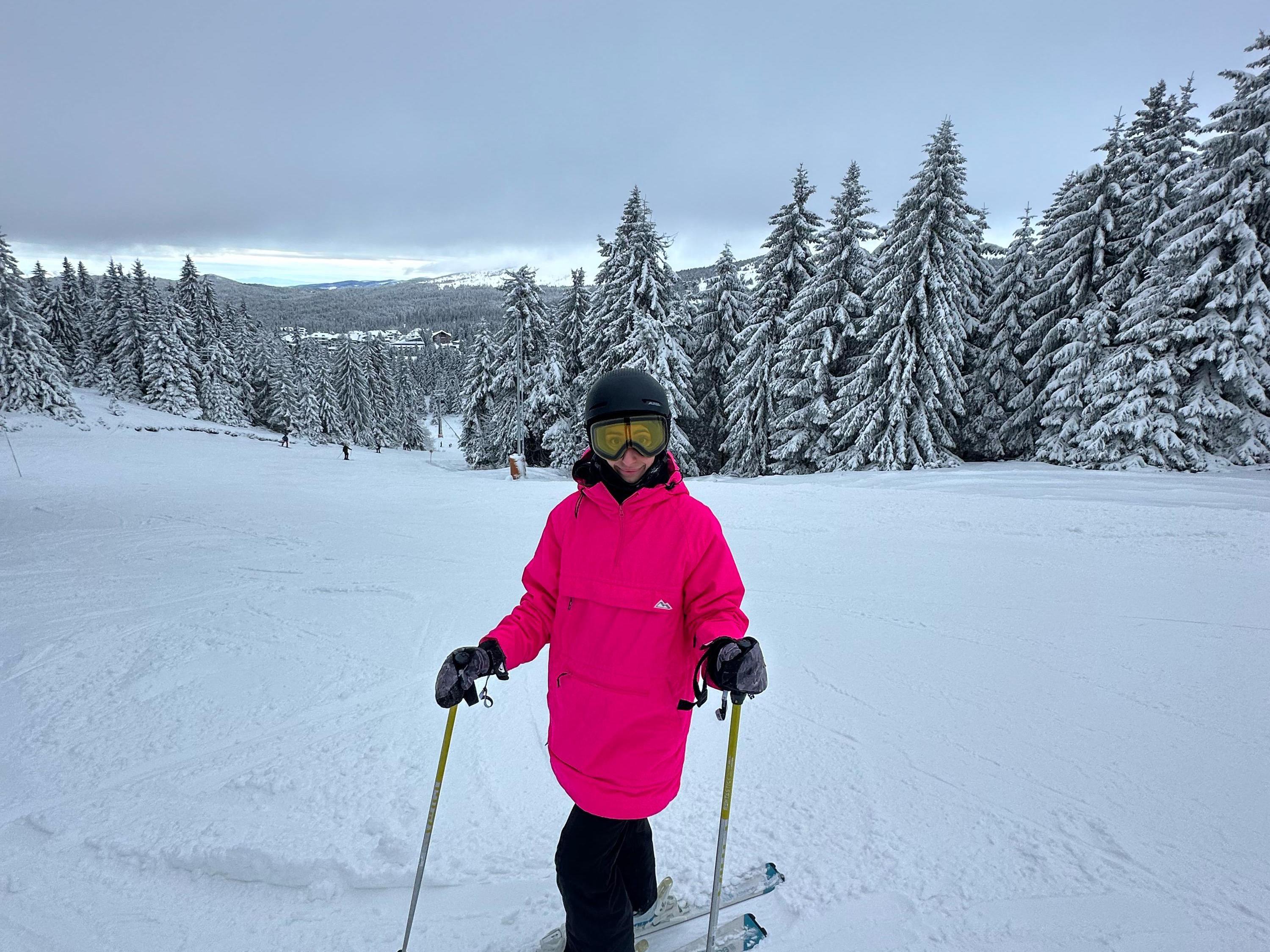
Ski resorts in Serbia are hard to access, and Kopaonik is no exception. The ascent up the mountain is sharp and steep. We were driving a compact Hyundai i20 with chains (mandatory in winter), but even so, climbing was frankly scary.
Locals didn«t always confidently make the ascent even in all-wheel-drive jeeps with chains. Roads are partially uncleared, nonexistent in places, and sometimes the navigator leads simply »through snow.«
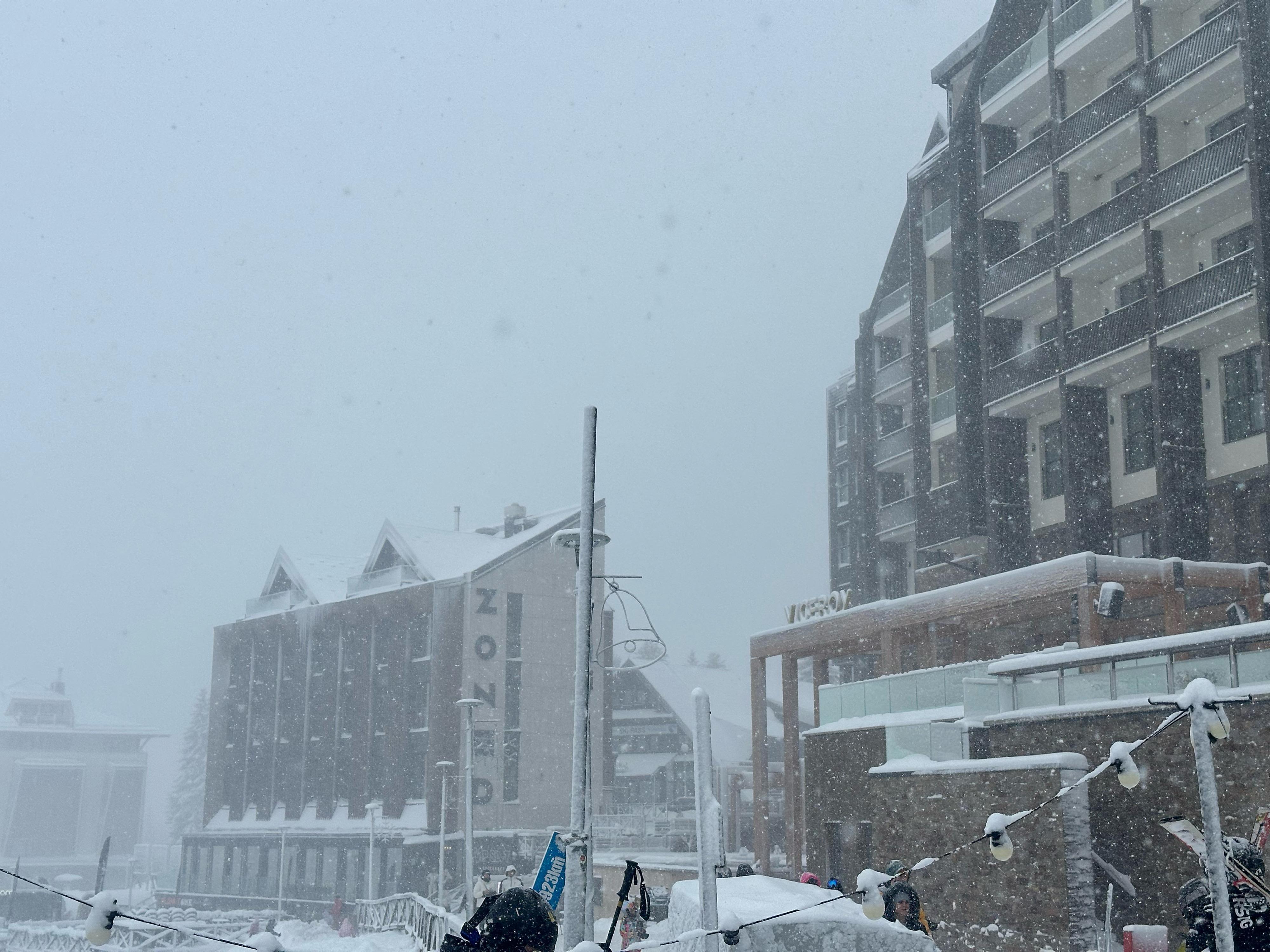
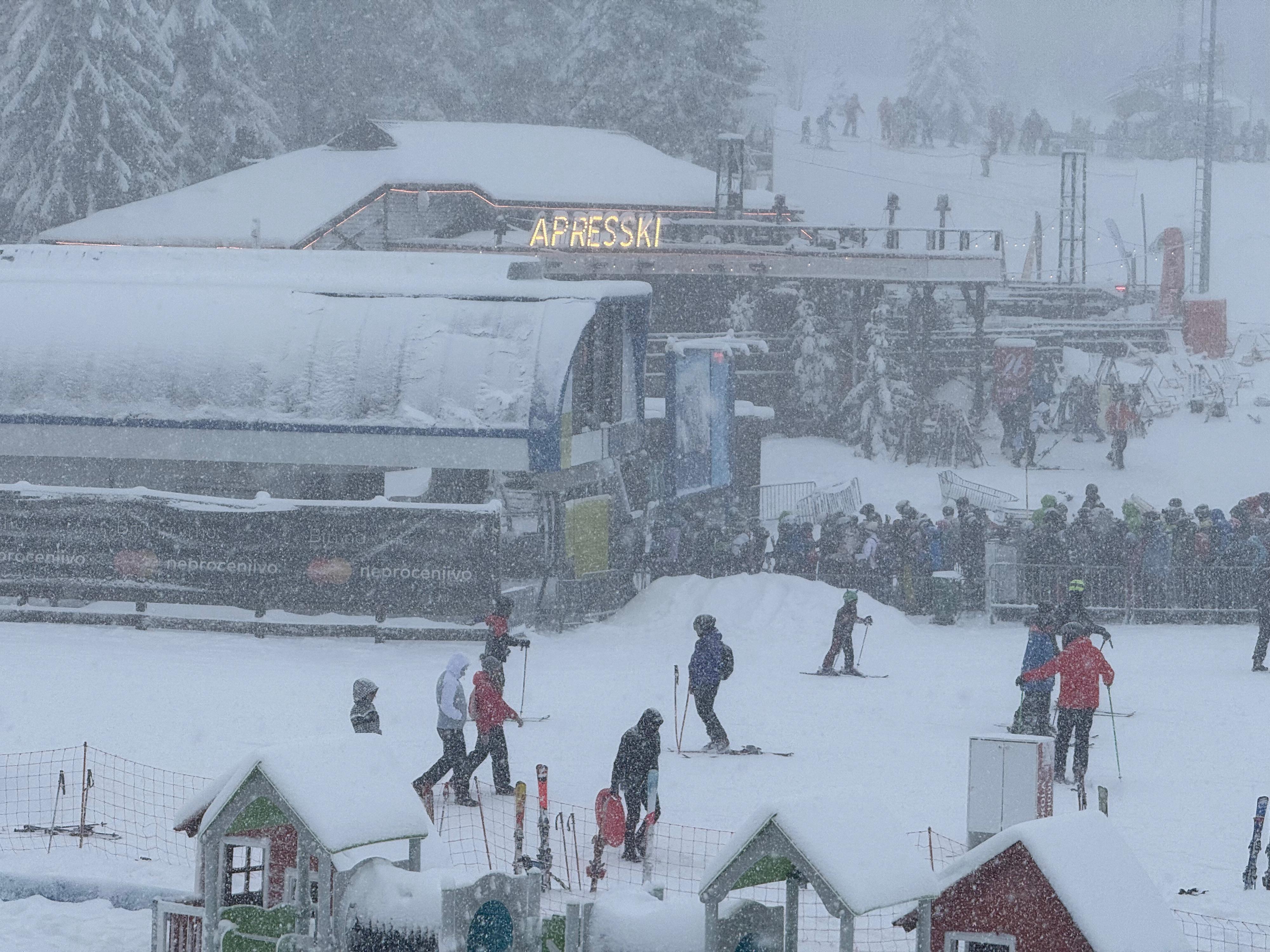
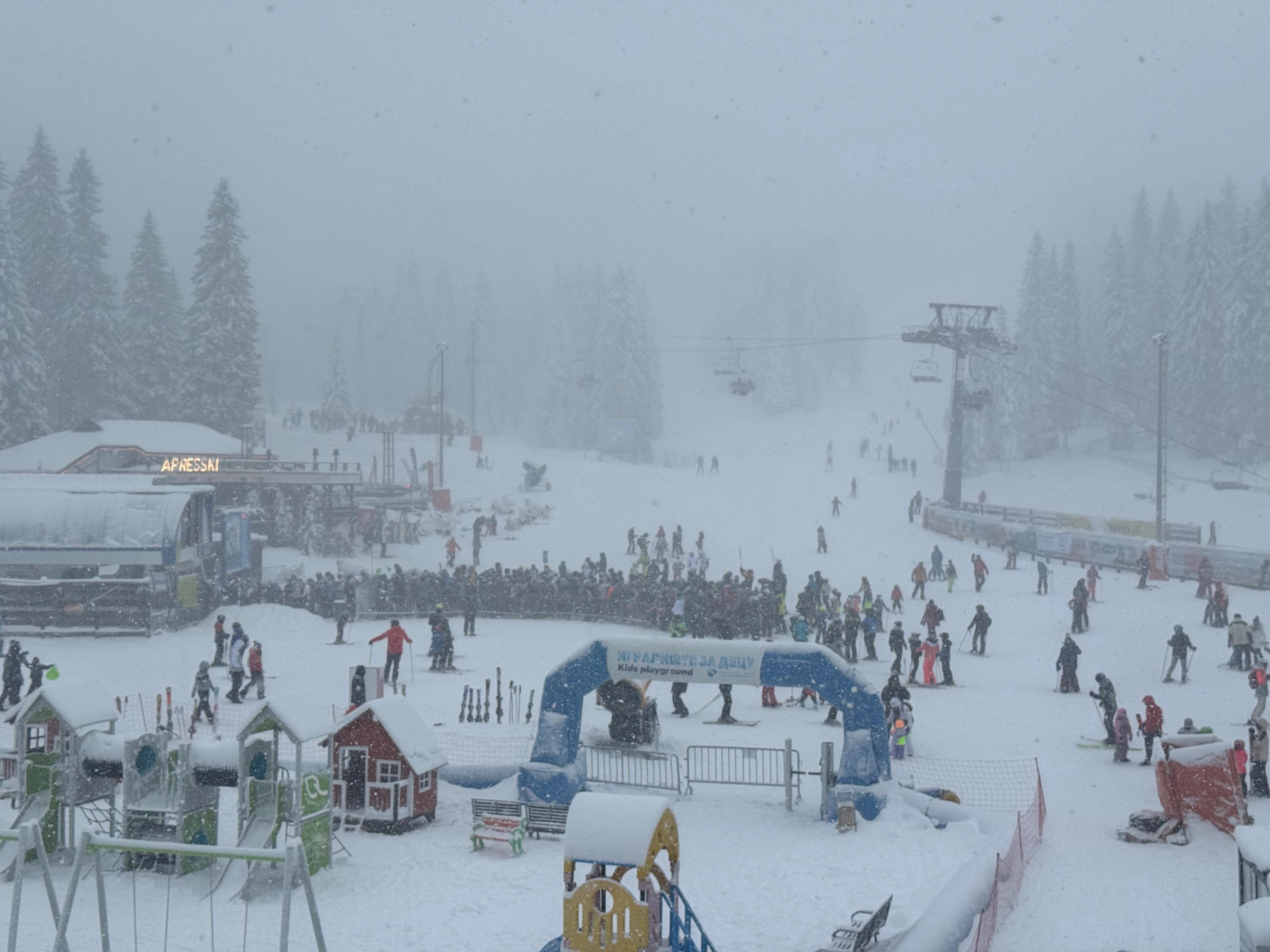
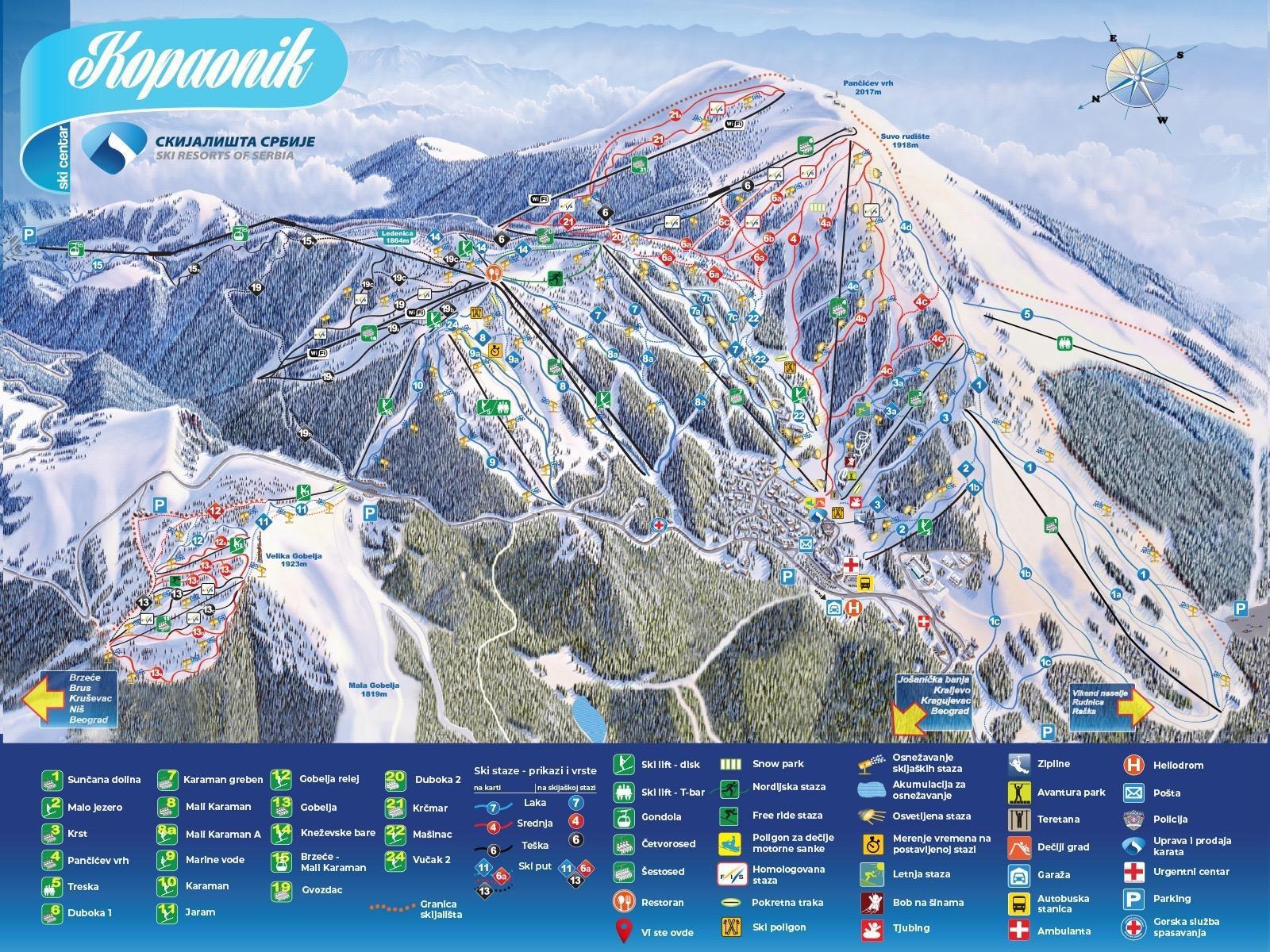
Meanwhile, Kopaonik itself welcomes you with full European infrastructure. This isn«t just one slope, but a real resort town:
dozens of hotels and chalets;
ski shops and rentals;
pharmacies, supermarkets, restaurants.
The first thing that catches the eye is the huge number of children and teenagers. There are many sports schools here, and this is a good indicator: the slopes are truly high-quality and suitable for learning.
Slopes and Skiing
The resort offers:
about 55 km of alpine ski trails;
an additional about 12 km of cross-country (Nordic) trails;
25–28 lifts (chairlifts, T-bars, gondolas);
capacity — up to 32,000 people per hour.
By difficulty level:
approximately 11 blue (easy) trails;
about 7 red (intermediate) trails;
around 6 black (difficult) trails;
there is a lit trail for evening skiing.
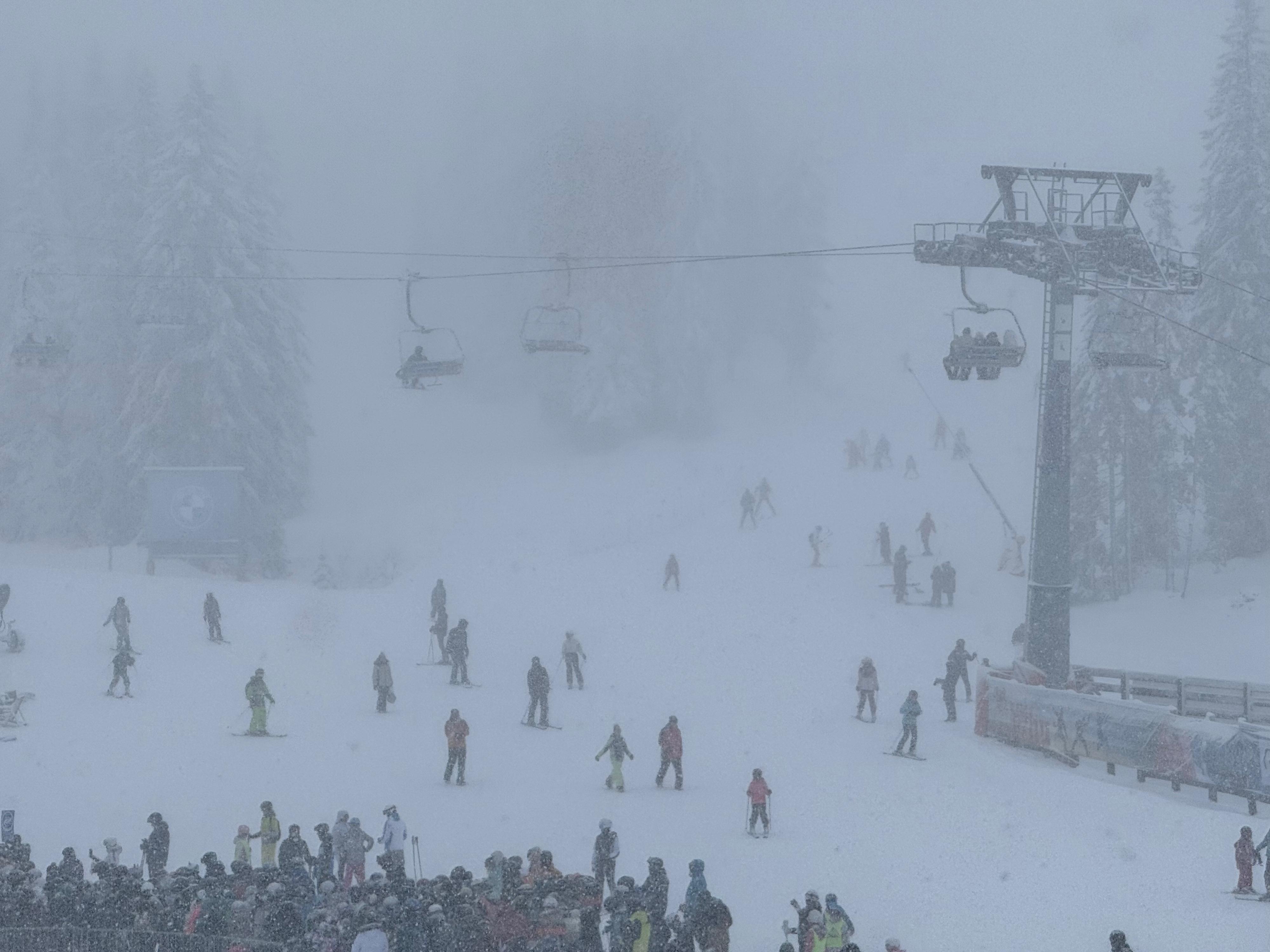
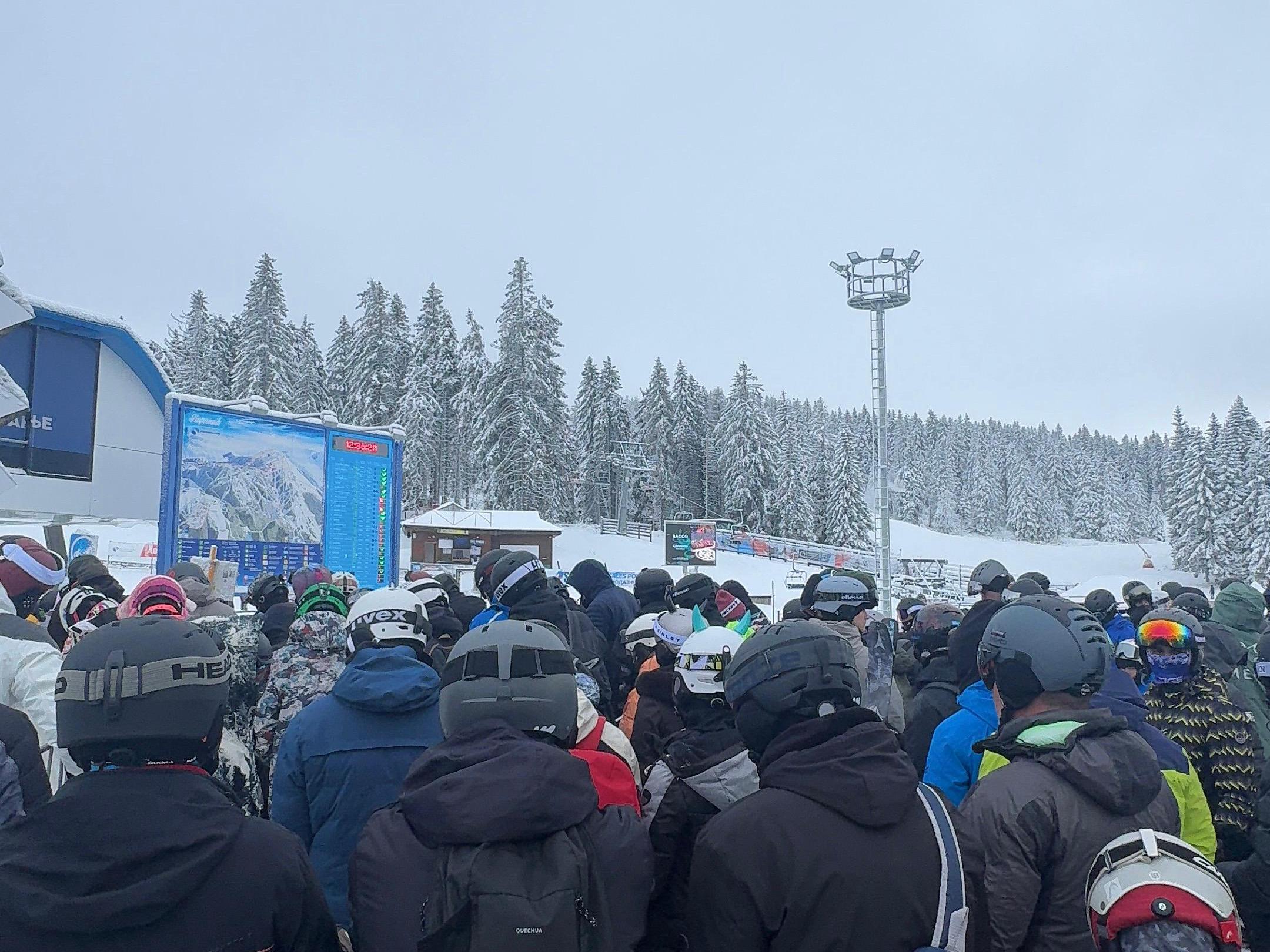
There are routes you want to return to again and again. There were queues for the lifts, but moderate ones, even during the New Year holidays.
Prices
A two-day ski pass for two — about 18,000 rubles (approximately $225 at current rates);
a 1-day ski pass during the New Year holidays — approximately 48€ (≈4200 rubles, about $53 at current rates).
At rentals, you can get everything: from suits and helmets to professional skis of Atomic, Stöckli, Van Deer level, which is rare for less promoted resorts.
Full set (skis/board + boots) — 25–35€ per day;
when renting for a week — 15–20€ per day per person.
Atmosphere and Service
Serbian hospitality deserves special mention. Upon learning we were from Russia, they sincerely welcomed us, treated us to hot local drinks — without formalities or ostentatious service.
Kopaonik is a very family-friendly resort: many parents with children, a calm, friendly atmosphere, but there are also difficult trails for those who want serious skiing.
We chose a hotel near the slopes. From there, you could reach the trails on foot, by free shuttle (runs every 30 minutes), or in your own car.
The hotel had a pool, spa area, and included two meals a day (breakfast and dinner). And all this for 100 euros per night for two.
How Much a Week of Skiing in Serbia Costs
Since we were in Kopaonik for only two days, I decided to calculate what a full week would cost and compare this option with Russian resorts.
Approximate Budget for Two
Flight — ~50,000 rubles (approximately $625 at current rates);
car rental + gas — ~25,000 rubles (approximately $313 at current rates);
accommodation — ~70,000–98,000 rubles (approximately $875–$1225 at current rates);
ski passes — ~36,000 rubles (approximately $450 at current rates);
equipment rental — ~25,000–30,000 rubles (approximately $313–$375 at current rates).
Total: from ~200,000 to 240,000 rubles for two for 7 days (if saving on accommodation, you can manage closer to 180,000 rubles, approximately $2250 at current rates).
For comparison: for the same money in the high season at popular Russian resorts, you often get either fewer skiing days or more modest conditions.
In Kopaonik, however, for this budget — a full-fledged European resort, good slopes, a calm atmosphere, and the feeling that you«re truly relaxing, not constantly calculating expenses.
Serbia turned out not to be a backup option, but a full-fledged ski destination that is definitely worth considering, especially for those seeking comfortable, family-friendly, and honest winter holidays without extra pretension.