A Monk Opened the Monastery Just for Us: Why Winter is the Time to Visit Montenegro
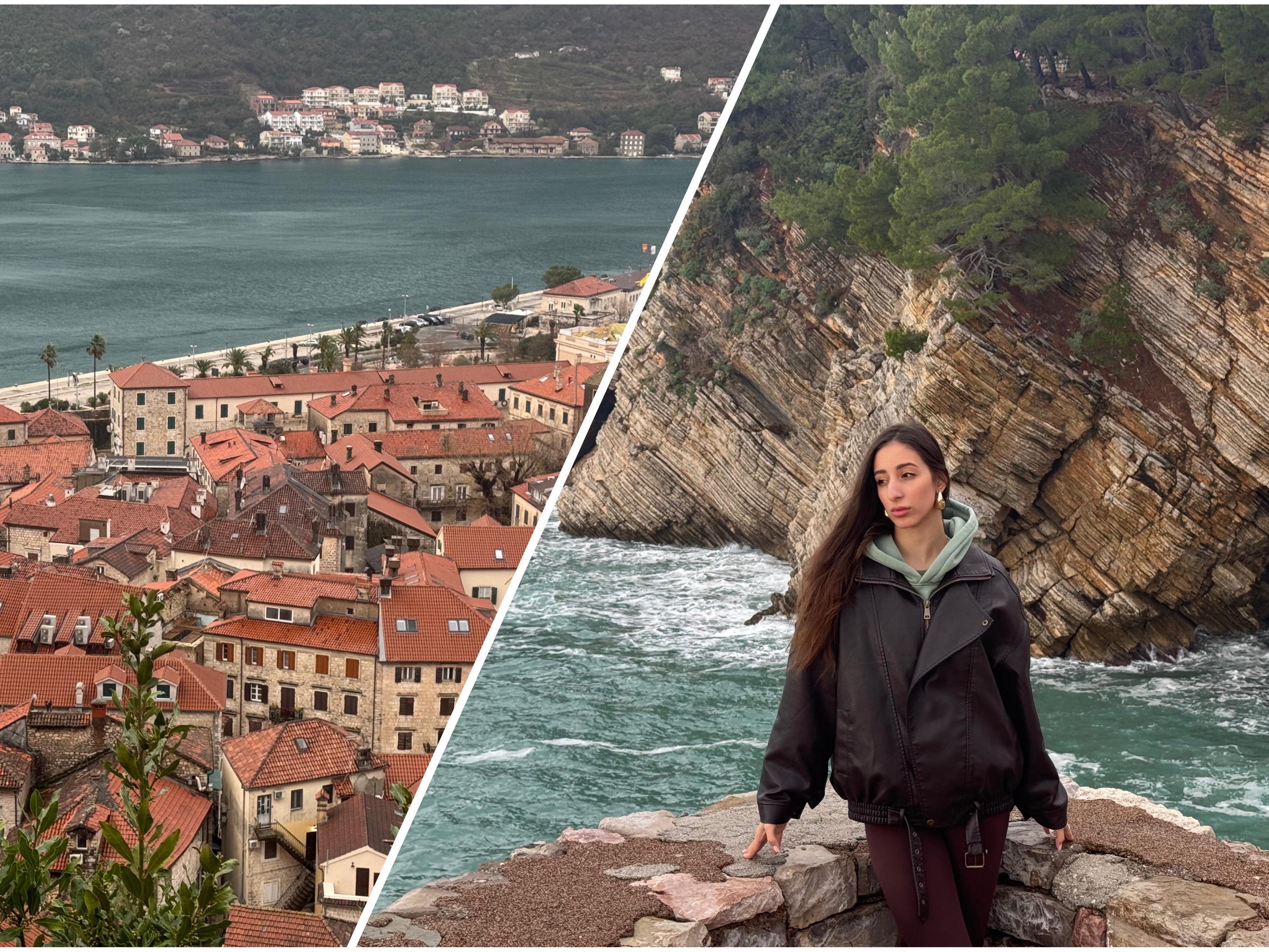

Montenegro is not the most traditional destination for winter holidays. A correspondent from 26.RU went there for the New Year holidays and now shares impressions of the trip, discussing the pros and cons.
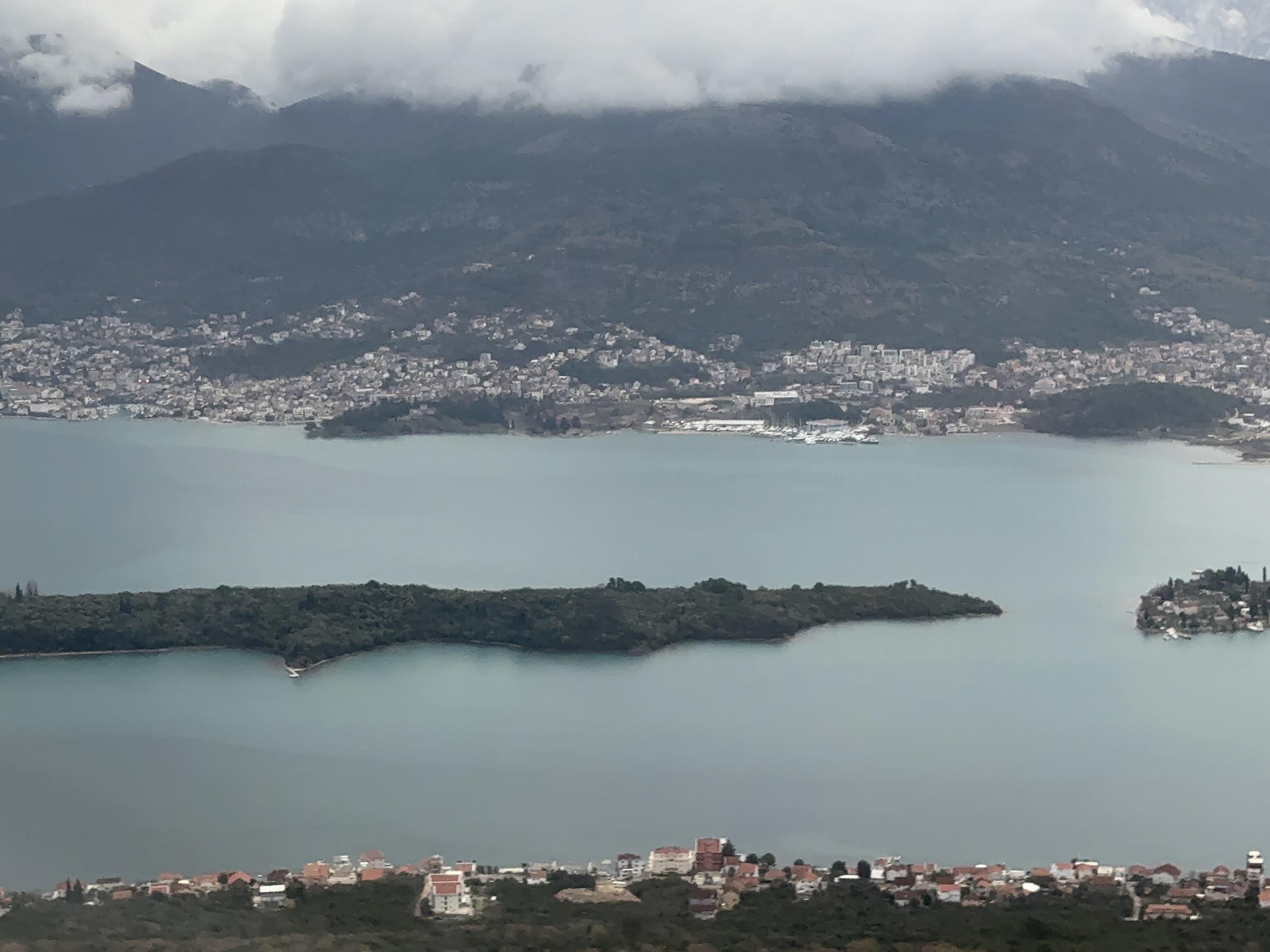
To say that Montenegro is underestimated by tourists is to put it mildly.
It is a rare example of a destination where expectations are not just met but exceeded.
How to Get There
Our route looked like this: Mineralnye Vody – Istanbul – Tivat.
The flight turned out to be unexpectedly simple and comfortable: about two hours to Istanbul and another two to Tivat. During the New Year holidays, round-trip tickets cost 42,000 rubles (about $460 at current rates), which for New Year in the high season is a rare stroke of luck.

It«s important to understand: Tivat is not the capital of Montenegro, but it»s the place to fly into. The country«s capital, Podgorica, is practically not oriented towards tourists. The city is located inland, in the mountains, and logistics from there to the main attractions are inconvenient and time-consuming.
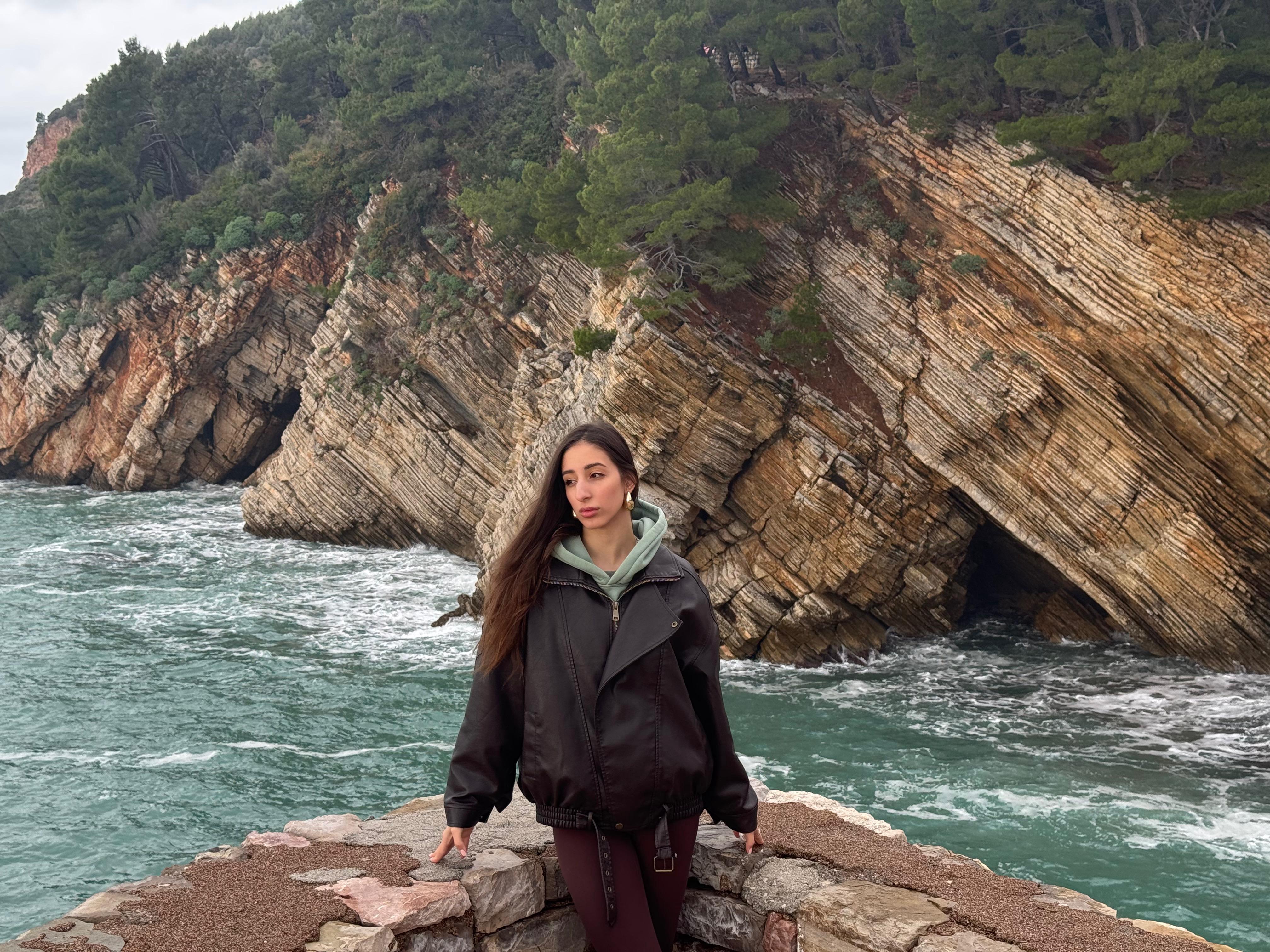
Tivat, on the other hand, is the perfect starting point: from here, it«s easy to get to the coast, ancient towns, and mountain areas.
Tivat Airport surprises immediately: there are no usual buses. The plane stops, passengers descend the stairs – and literally walk along the runway.

You Can«t See Montenegro Without a Car
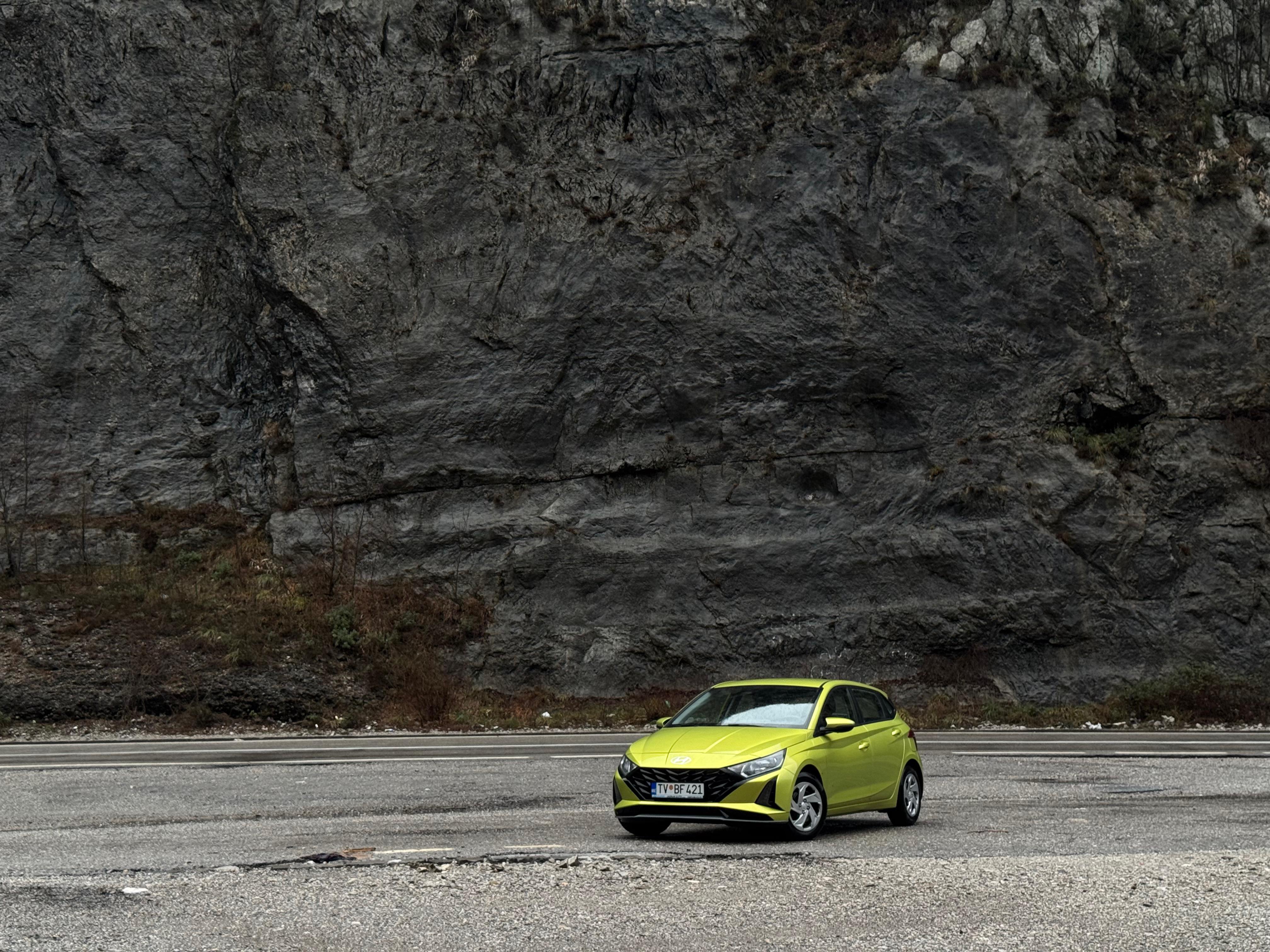
Our plan was ambitious: to drive around all of Montenegro in 14 days, as much as possible. So the first thing we did at the airport was rent a car. Rental costs in the high season start from about 30–40 € per day for a compact car and from 60–90 € for an SUV. We paid 330 € for 12 days in the low season for a compact Hyundai i20 with winter tires and chains – the latter are mandatory here by law. After getting the car, we immediately headed to Kotor.

In Montenegro, there are strict speed limits: 50 km/h in populated areas, 80 km/h outside them. Exceeding even by 1 km/h is considered a violation. There aren«t many cameras, but traffic police often patrol discreetly. Fines can reach up to 2,000 €.
Moreover, the driving style of locals is a separate topic. In the mountains, you often have to deal with being literally «pushed» towards the cliff, especially on serpentine roads. This was unsafe.
Kotor
We checked into a small old hotel decorated in the style of the Venetian era – which largely shaped the appearance of coastal Montenegro.
Hospitable hosts, excellent breakfasts – two nights cost us 18,400 rubles (about $200 at current rates), but we hardly stayed in the hotel: Kotor demanded attention.
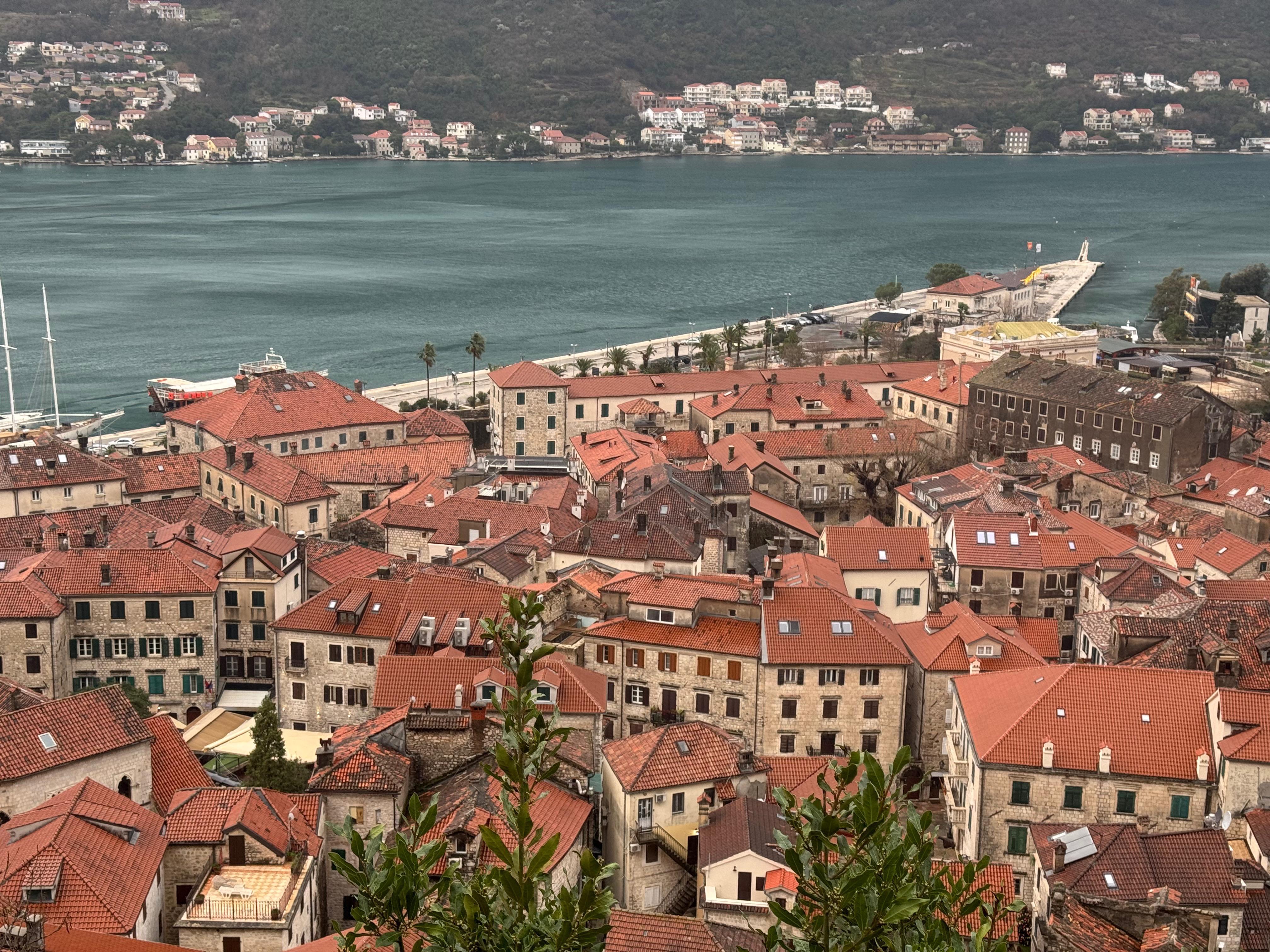
First thing – viewpoints with a view of the Bay of Kotor, one of the most beautiful bays in Europe. It is beautiful in any weather. We, by the way, were unlucky with the forecast: it rained all two weeks. But it is in rainy Kotor that there is a special, almost cinematic beauty.
Kotor«s Old Town is Venetian architecture, narrow streets, and a feeling of frozen time. In rainy weather, the city was almost empty.
From the 14th to the 18th century, the coastal cities of Montenegro were part of the Venetian Republic. Venice built them as trade and defensive ports, so stone houses, arches, and fortress walls are still preserved here.
One of the main points – the Fortress of St. John. This is about two hours of steep ascent: in summer – heat and crowds of tourists, in winter – slippery and cold.
The path is old, partially destroyed, but the views from above are worth every step. This is the best way to see Kotor in its entirety. It«s definitely not worth going here with children.
Perast and the Island of Our Lady of the Rocks
From Kotor, we went to Perast. Distances in Montenegro are small: on average, the road between towns takes 15–20 minutes, without traffic jams and hustle. In one day, you can see more than one city without rushing.
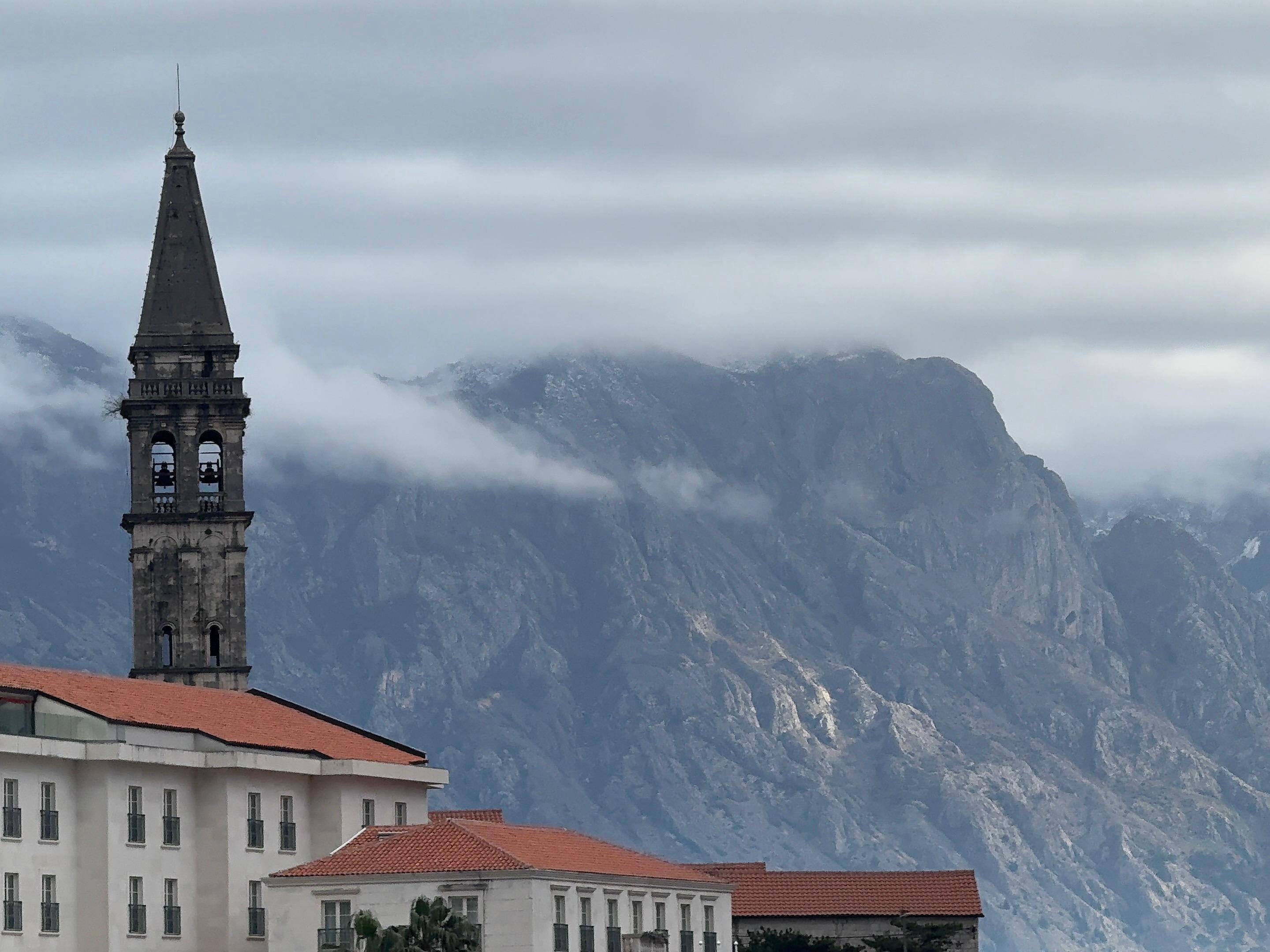
Perast is a cozy bay town. It«s worth going here for Our Lady of the Rocks, a cathedral located on a man-made island.
The history of the island is one of the most beautiful legends of Montenegro. According to legend, two sailor brothers found an icon of the Virgin Mary here. One of them was seriously ill – and after praying at the icon, he was healed. In gratitude, the residents of Perast vowed to build a church on this site. For hundreds of years, they threw stones into the sea, creating the island by hand – an act of faith repeated from generation to generation.
Nearby is the second island – the Island of St. George, closed to visitors. It was previously considered cursed: sailors, captains, and elderly monks were buried here.
During our visit, it was difficult to get to the Island of Our Lady: the sea was rough, and officially no tours were running there. But we persuaded a local trader to take us there in his boat. The crossing cost 25 € for two.
Porto Montenegro: Yachts and Billions
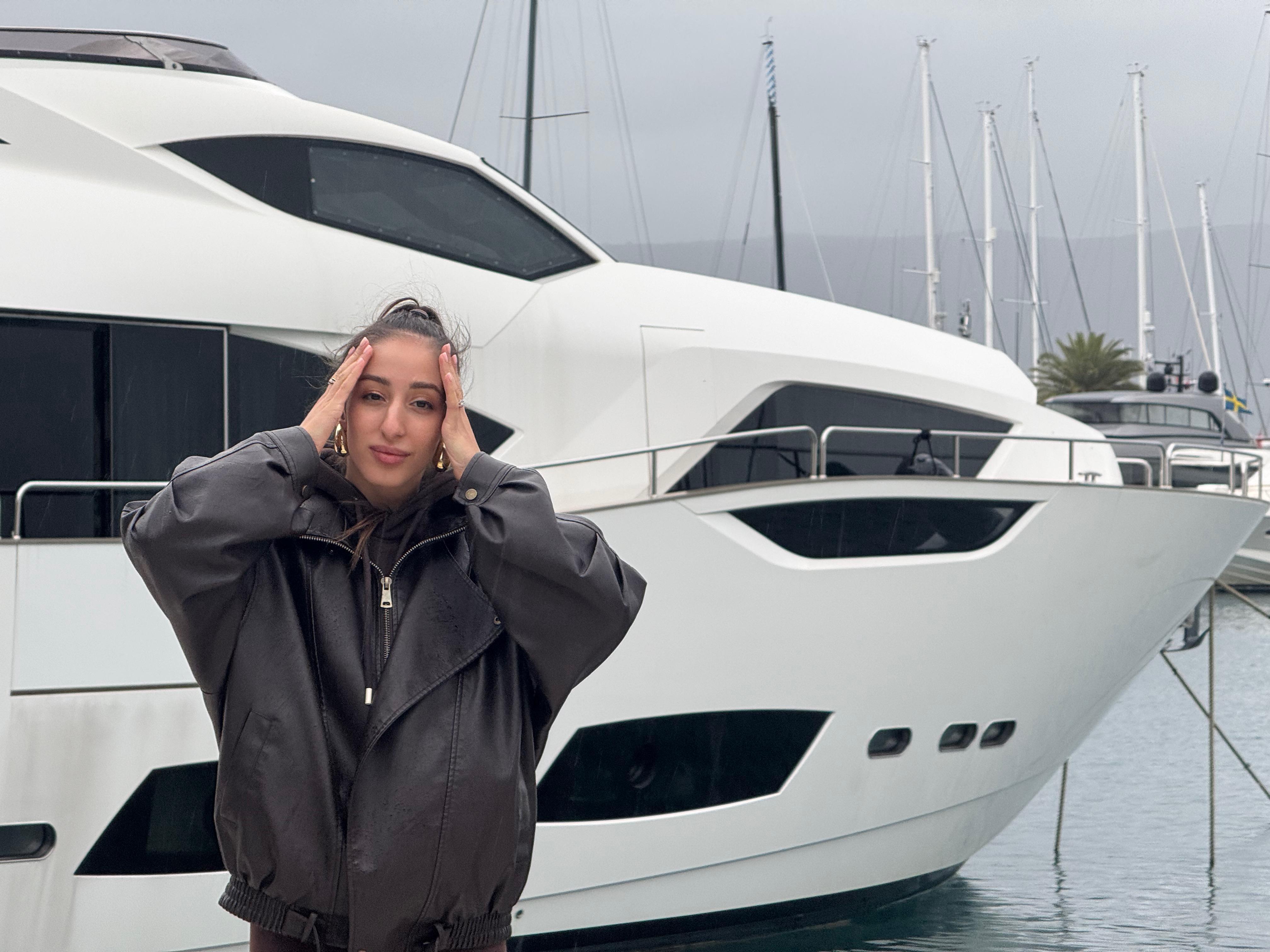
The next point was Porto Montenegro – the most expensive and glossy spot in Montenegro. Superyachts dock here, with luxury hotels, boutiques, and restaurants. This is where millionaires and billionaires live and vacation. Here, the difference between tourist and authentic Montenegro is sharply felt.
The average bill in a cafe here starts from 40–50 € for two – even for a simple lunch. This is the most expensive location in the country, but the atmosphere matches: yachts, service…
I highly recommend trying the national cuisine. Montenegrins love to eat well and know how to cook. Meat, cheeses, seafood – everything is very tasty and high-quality.
In Montenegro, people smoke in cafes. In Russia, where the ban on smoking in public places has been in effect since 2013, we have gotten unused to people smoking at neighboring tables. But here, even waiters can smoke – and it«s part of the local culture.
Budva and Bar
We arrived in Budva when a real storm was raging. According to locals, this is rare here. Strong wind, huge waves, and yet a comfortable temperature of about +15 °C (59 °F). We calmly walked in light jackets and didn«t freeze.
Budva is not just a resort. The Old Town is surrounded by fortress walls, inside – narrow streets, churches, and viewpoints. Entry to the citadel costs about 5 € per person, and this money is definitely worth paying. The view from above is one of the best on the coast. In summer, according to locals, it«s packed, and this is another argument in favor of traveling outside the high season.
Montenegro is an Orthodox country, and its churches are one of the main cultural treasures. Among the oldest:
Church of St. Tryphon in Kotor,
Ostrog Monastery,
Church of St. Luke in Kotor,
Church of St. Sava.
For religious travelers, you can create a separate pilgrimage route here, and it will be incredibly rich.
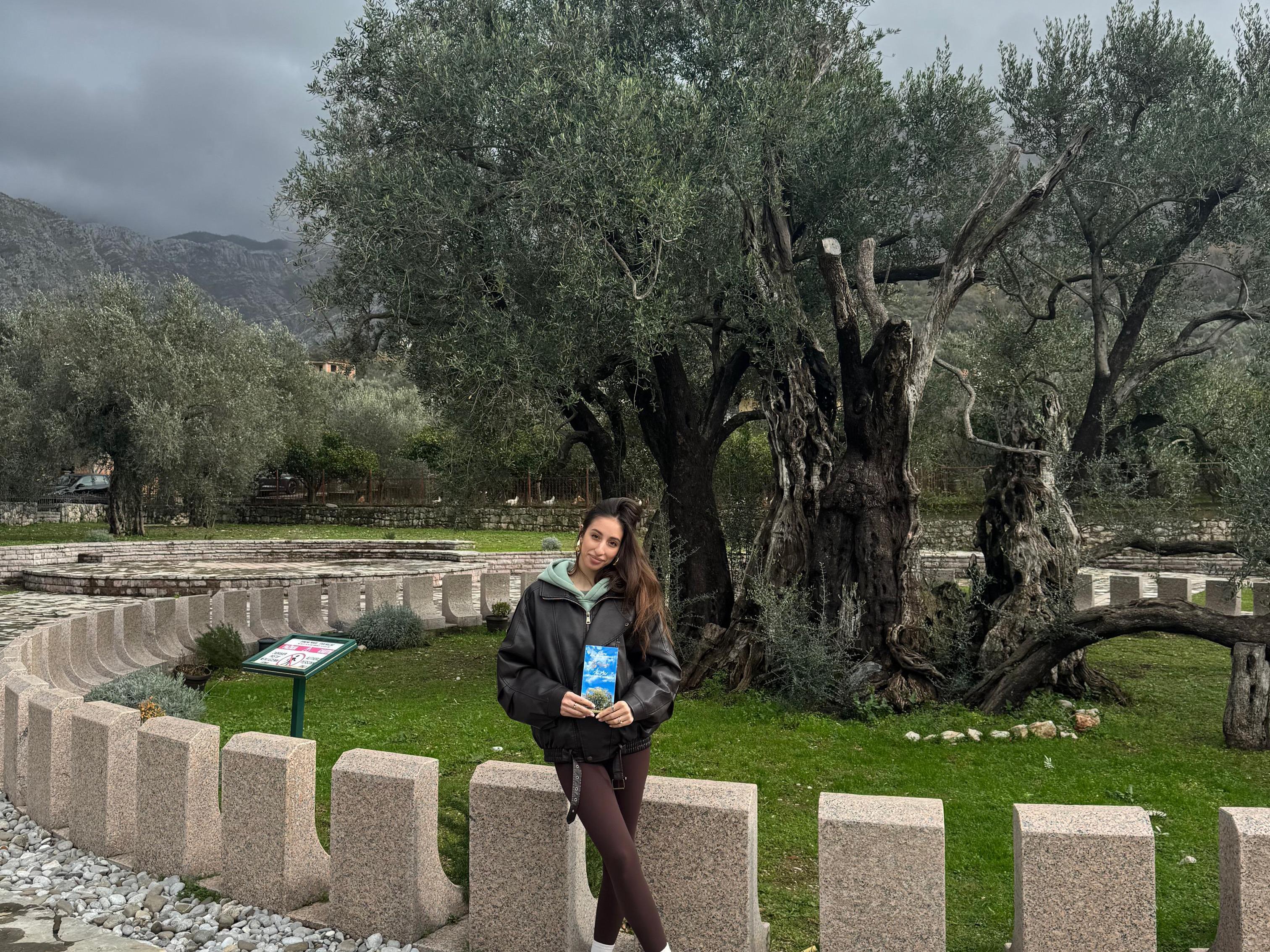
Then we went to the city of Bar. The main reason to come here – the oldest olive tree in the world, which, according to various estimates, is over 2,000 years old. It is officially recognized as one of the oldest living olives in Europe. It is believed that the tree existed even during the time of Jesus Christ.
Many legends are associated with this tree: under its branches, feuding relatives made peace, it has healing power. But even without myths, the very fact that you are touching something living that has survived millennia of wars, empires, and religions makes an incredible impression.
Our arrival in Bar coincided with Orthodox Christmas. Driving past a church, we noticed a strange scene: local residents were carrying armfuls of oak branches and dry leaves, someone was dragging whole trees.
It turned out to be an ancient Christmas ritual – the burning of the badnjak (a traditional Christmas oak log), which South Slavs (Serbs, Croats, Bulgarians) chop and burn, symbolizing purification and renewal. We joined the ritual.
Ostrog Monastery: A Road You Won«t Forget
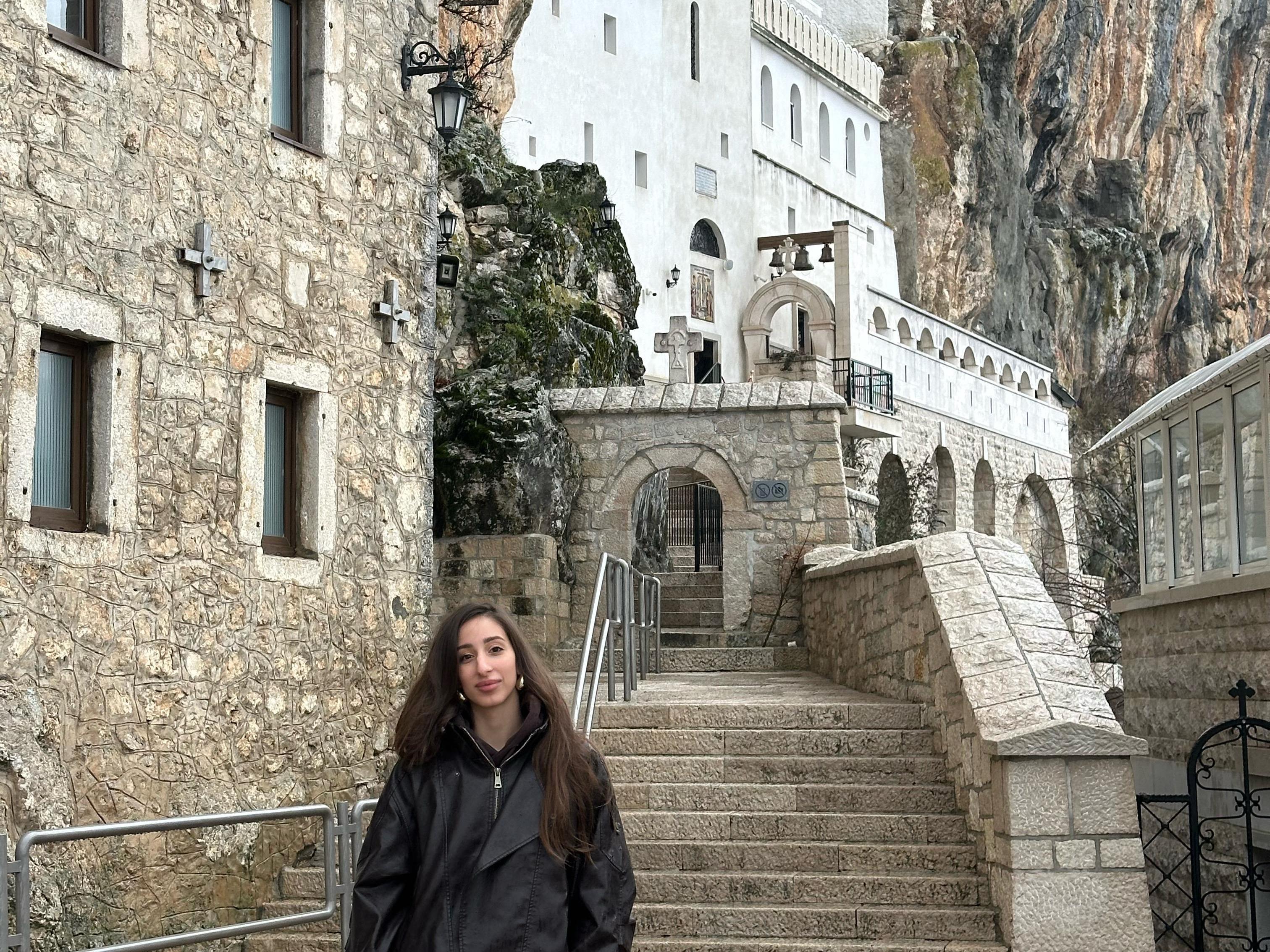
Ostrog Monastery is the main religious site in the country and one of the most revered Orthodox shrines in the Balkans. It was founded in the 17th century and literally carved into a vertical cliff at an altitude of about 900 meters above sea level.
The main shrine of the monastery – the incorruptible miraculous relics of Saint Basil of Ostrog, to which numerous healings are attributed. Pilgrims from all over the world come here annually – Orthodox, Catholics, Muslims.
Locals often call Ostrog Monastery one of the most visited pilgrimage sites in the world. In religious circles, it is often ranked third in terms of the number of pilgrims – after Jerusalem and Mount Athos.
The road to Ostrog is a test. A narrow serpentine without guardrails, cliffs, difficult passing. Combined with the driving style of locals and bad weather, the journey was nerve-wracking.
Inside, photography is prohibited. Therefore, I show the monastery only from the outside – and that is enough to understand the scale and power of the place.
Mountains: Kolašin, Žabljak and Durmitor
We planned skiing in Kolašin, but arriving on January 7, we found that there was no snow, the slopes were closed. And we moved on – to Žabljak.
Here the situation was the opposite: lots of snow, severe cold (feeling like down to −20 °C / −4 °F) and closed slopes due to avalanche danger. We stayed in an A-frame house – and this is perhaps the best accommodation format for Žabljak. Such a house cost for 3 days – 20,100 rubles (about $220 at current rates) for two.
Instead of skiing, we went to Durmitor National Park and to Black Lake – one of the most beautiful in the country. The entrance ticket cost 5 € per person.
We also visited the Đurđevića Tara Bridge over the Tara River – one of the highest road bridges in Europe. Even if you are afraid of heights, it«s worth overcoming yourself to see this.
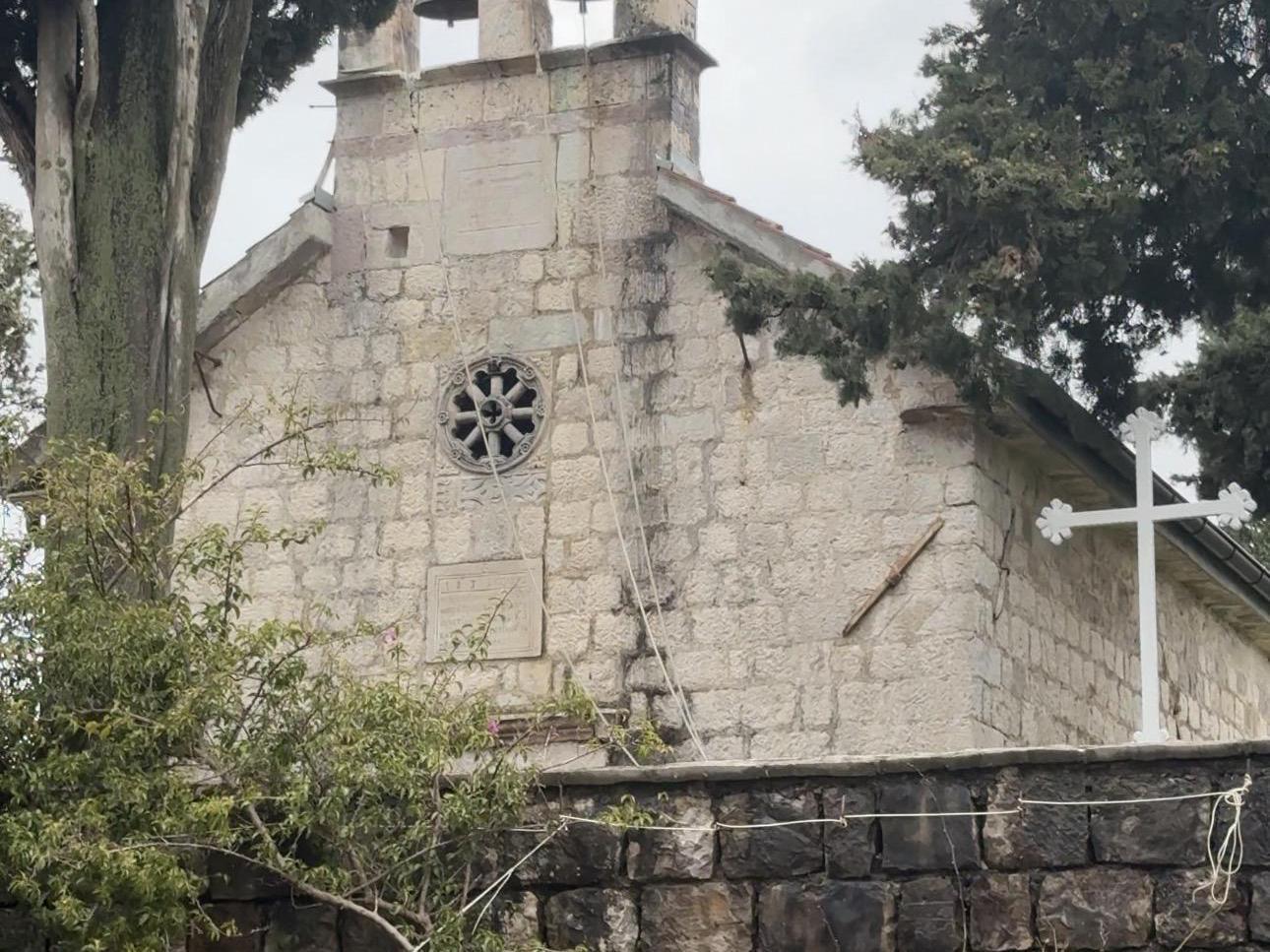
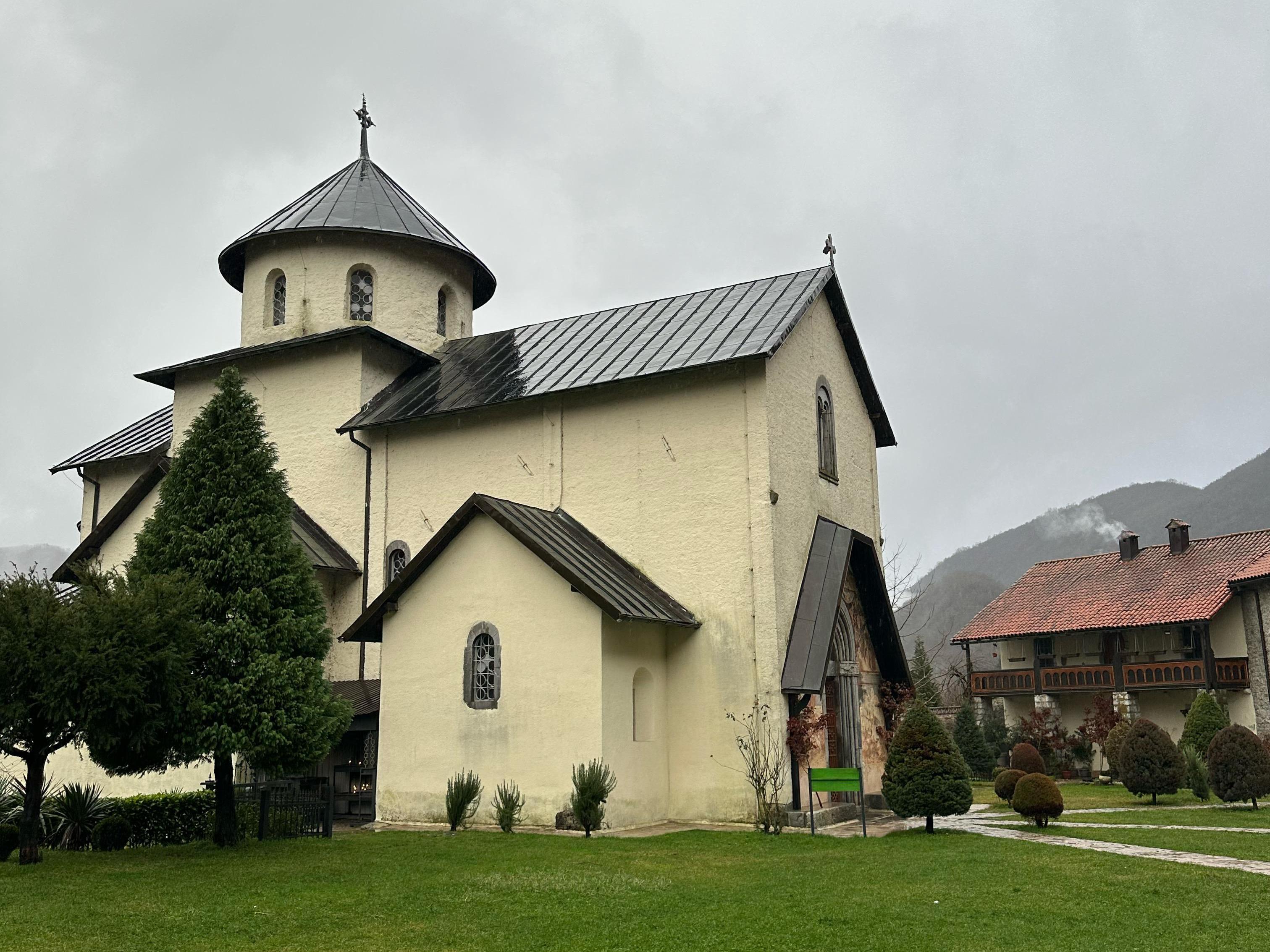
Before the flight, we returned to Tivat – and it was here that the most powerful moment of the entire trip happened. It«s about the Monastery of the Archangel Michael, located on the Prevlaka Peninsula. This is one of the oldest spiritual sites in the region.
When we arrived, it was pouring rain, the monastery was closed. On the gates – a phone number. I decided to call. A monk came out and opened the monastery personally for us.
Inside, relics of monks are kept, who, according to tradition, died from poisoning. The atmosphere is heavy, unsettling. This place is often chosen for weddings, and in rain and storm it looked mystical.
How Much Money You Need and Other Useful Things
Lunch in an inexpensive cafe will cost you 10–15 € per person, dinner in an average restaurant – 20–35 € per person, coffee and dessert: ~5–8 €.
Hotels with three stars – 50–100 € per night, four – 100–200 €. It«s more advantageous to rent private apartments, especially in the mountains. Taxis are expensive, and the need for frequent stops for photos, changing locations makes renting a car much more profitable.
In Montenegro, Google Maps navigation works excellently – considering serpentines, mountain roads, and small towns, this is the most reliable way to get around. Routes are built correctly, but you should allocate more time for the road: roads are narrow, and the landscapes constantly make you stop.
Cash is essential. In many cafes, markets, when renting boats privately or parking, cards are not accepted at all. It feels like cash is used everywhere, including as a way to avoid high taxes.
Connection and internet: the best solution is to buy a local SIM card. This is noticeably cheaper and more stable than eSIM, especially if you actively use navigation. Tourist tariffs are inexpensive; for 30 days, 500 GB on a local SIM card cost 15 €, coverage is good even in the mountains.
What You Need to Know Before the Trip
Visa: Russian citizens do not need a visa for Montenegro – visa-free entry for up to 30 days. This regime is valid at least until September 1, 2026.
Currency: the country uses the euro (€), even though Montenegro is not in the EU.
Tourist registration: within 24–48 hours after arrival, it is necessary to complete tourist registration (usually hotels do this automatically). Cost – about 1–1.5 € per day.
Language: there is a stereotype that Montenegrin, Serbian, and Croatian languages are easily understandable to Russian speakers. In practice – we did not understand almost any word, and locals did not speak Russian. The only working language of communication was English.