9 fascinating facts about skyscrapers

Skyscrapers have become arenas for extreme sports competitions — vertical races. The world record for men was set by Australian Paul Crake: in 2005, he climbed 2,046 steps in 10 minutes and 29 seconds to reach the top of the Taipei 101 skyscraper.
The title of the smallest skyscraper belongs to a 12-meter (39-foot) building in Wichita Falls, USA. It appeared in 1912 after an oil boom: the clients wanted to build a 146-meter (479-foot) tower, but due to an error in the contract (feet were specified as inches), only four floors were built.

The first skyscraper in history — The Home Insurance Building — was built in Chicago in 1885. Its height was only 10 stories (two more were added later), but it was here that a steel frame was first used, which, like a skeleton, bears the weight of the structure, allowing for taller buildings. The building was demolished in 1931.
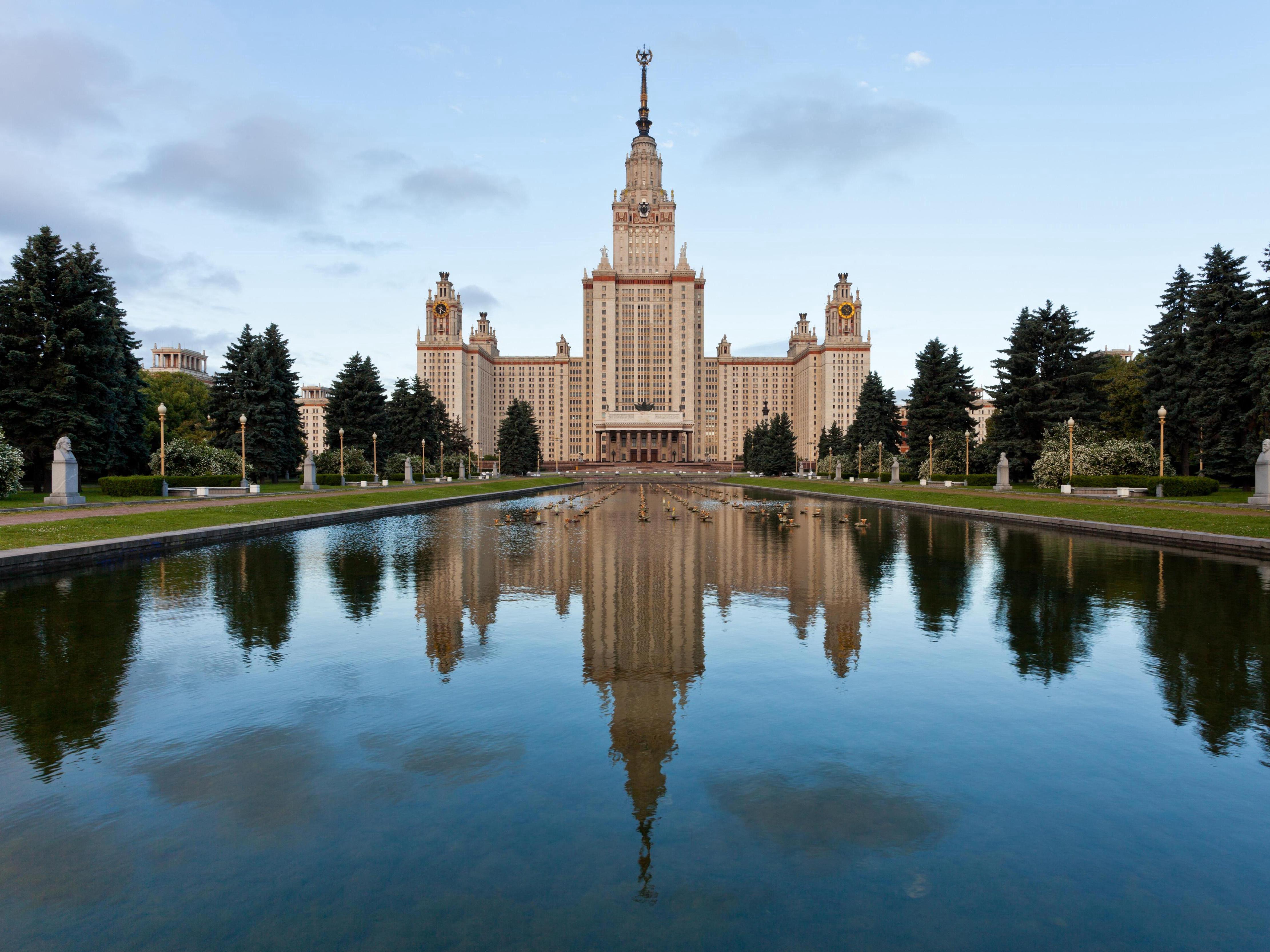
The tallest educational institution in the world remains the Main Building of Moscow State University on the Vorobyovy Gory (Sparrow Hills) — 239.5 meters (786 feet) or 36 stories. It is one of the seven Stalinist skyscrapers built in Moscow in the mid-20th century.
The record holder among skyscrapers is the Dubai tower Burj Khalifa with a height of 828 meters (2,717 feet). This 163-story structure is two and a half times taller than the Eiffel Tower and can be seen from a hundred kilometers away. Its construction required 55,000 tons of reinforcing steel, and up to 12,000 workers labored on the site simultaneously.
The fastest elevator in the world is installed in the Shanghai Tower (632 meters or 2,073 feet). It accelerates to 20.5 meters per second (73.8 km/h or 45.9 mph) and rises from the second underground floor to the 119th in just 53 seconds. For comparison, a typical elevator in a residential building moves at a speed of about 1–1.6 m/s (2.2–3.6 mph).
In 1979, Elvita Adams decided to end her life by jumping from the 86th floor of the Empire State Building. However, a gust of wind blew her back, and she landed on a ledge one floor below, suffering only a broken hip.
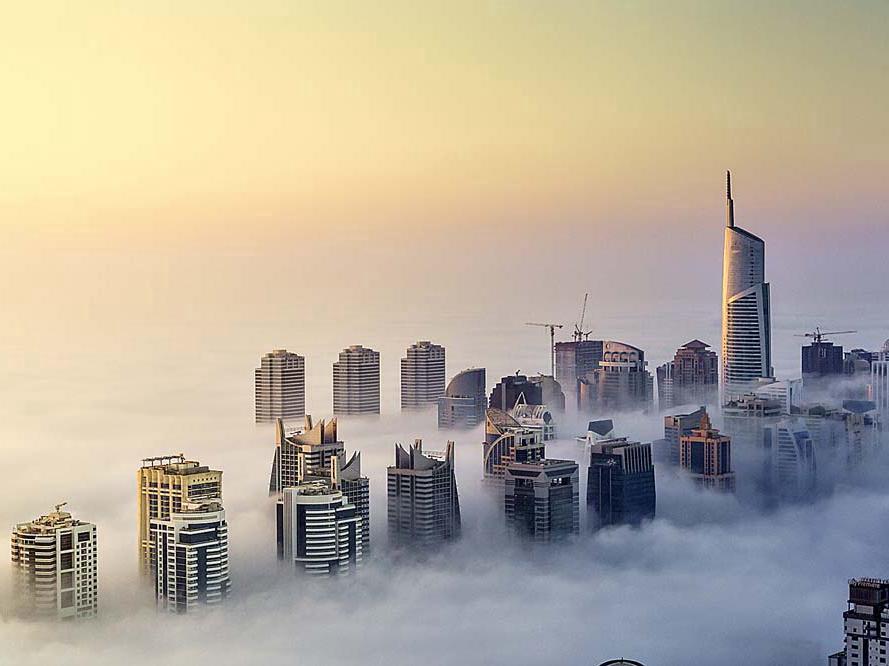
More than 6,900 skyscrapers over 150 meters (492 feet) tall have been built worldwide. China leads with 3,183 such buildings, followed by the USA (887) and the UAE (332). Russia ranks 17th with 54 high-rises.
If you stack the 20 tallest buildings in the world on top of each other, their total height would be 10,740 meters (35,236 feet) — almost two kilometers more than the height of Mount Everest.