19 Facts About Finns That Will Surprise You
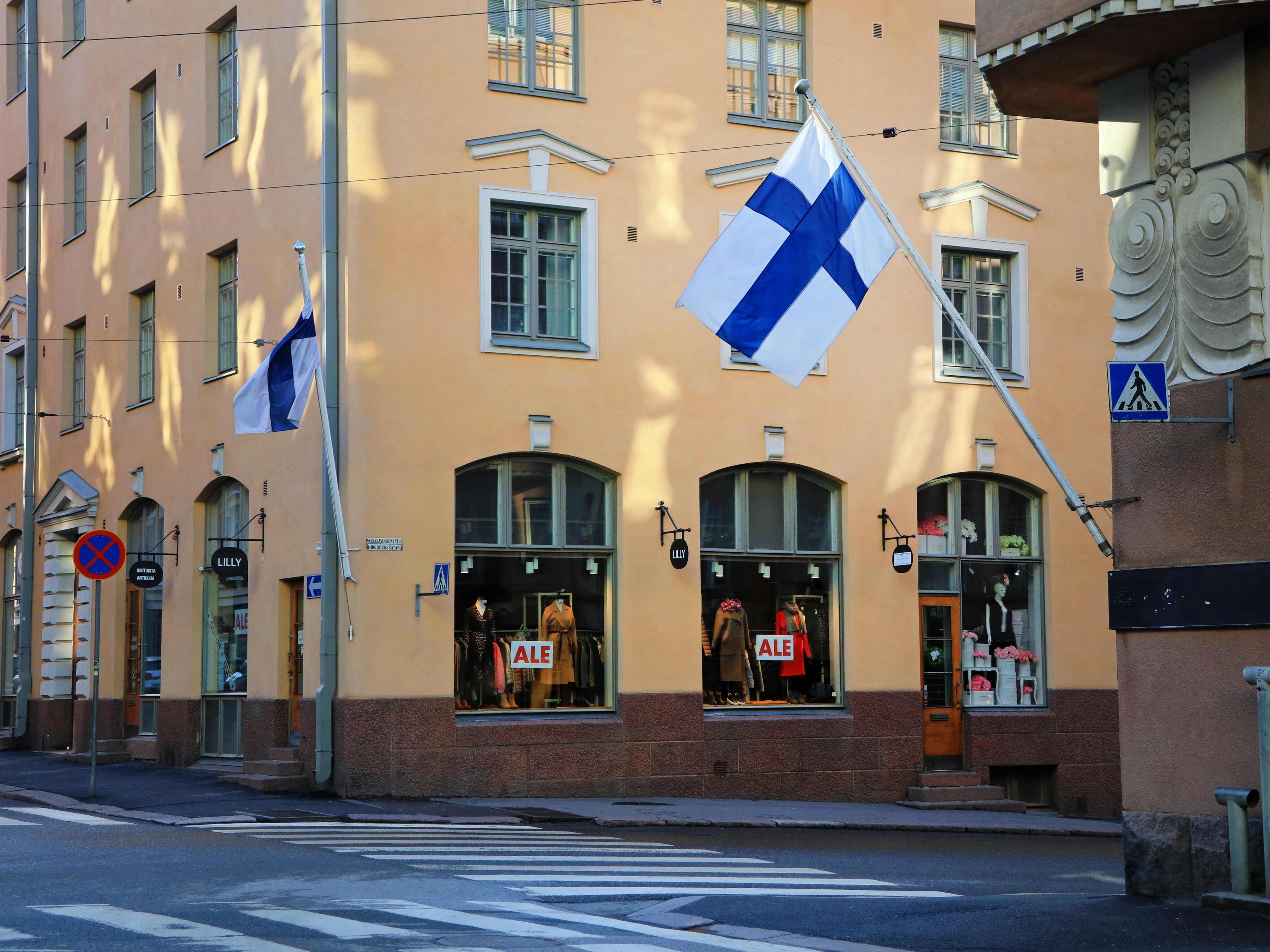

Finnish culture is full of surprises, and even everyday things can look different here than in other countries. These details reveal the essence of the Finnish character and way of life.
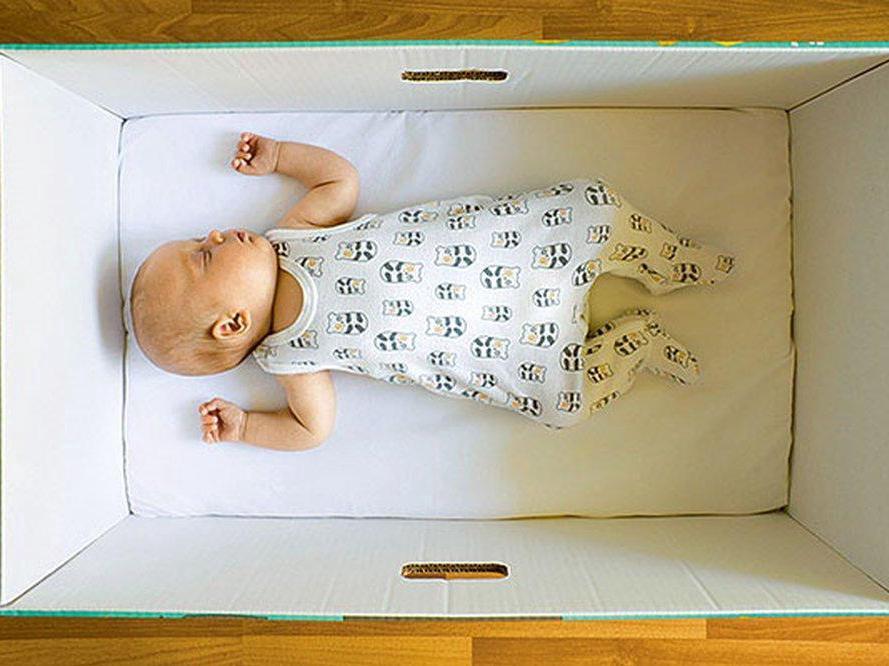
One of the most famous traditions is the cardboard box for newborns. For 85 years, the state has been giving expectant mothers a set with clothes, bedding, and toys. The box in which the set is packed serves as the first crib. This practice, which began in the 1930s, symbolizes equality: children from both poor and wealthy families have grown up in such boxes.

The Finnish language is full of peculiarities. For example, local onomatopoeias for animals differ from the ones we are used to: a duck says «kvaak», a dog says «hau», and a horse says «ihahaa». Finns also prefer to count centuries differently: instead of «at the beginning of the 19th century», they say «at the beginning of the eighteen-hundreds». Even the Christmas grandfather here is named Joulupukki, which literally translates to «Christmas goat».
Finnish grammar can be impressive: 15 cases for nouns, pronouns, adjectives, and numerals are studied in school. Prepositions are often replaced by endings: for example, «talo» means house, «talossa» means in the house, and «talosta» means from the house. The love for doubling vowels and consonants in words inspired J.R.R. Tolkien to use Finnish as the basis for the Elvish language in «The Lord of the Rings».

Coffee is an integral part of Finnish life. The work schedule officially includes a coffee break (kahvitauko). The average Finn drinks 9–12 cups a day and consumes about 12 kg of coffee per year, which is one of the highest rates in the world.
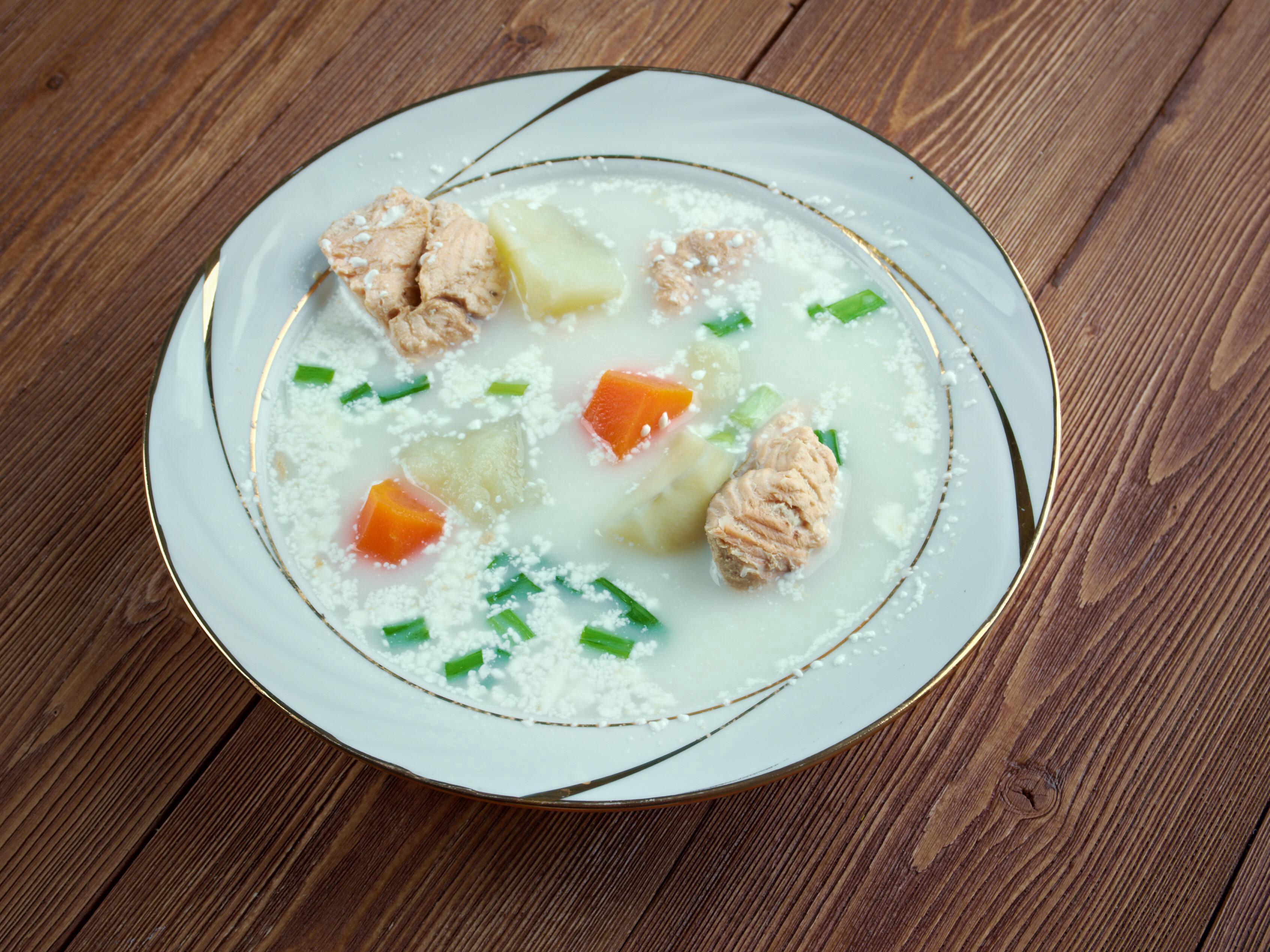
Finnish eating habits are also unique. Red caviar is often eaten here without bread, mixed with onions and sour cream or added to soup. When making fish soup, there is a rule: after the fish is put in the pot, the broth should not boil in order to preserve the delicate flavor. Finns calmly combine in one dish such products as milk, lamb, beef, veal, and river and sea fish.
In supermarkets, milk is chosen by the color of the packaging: red means 3.5% fat, dark blue means 1.5%, blue means 1%, and light blue means 0.1%. Whole milk in red packaging is the least popular. However, tap water in Finland is considered one of the cleanest in the world, according to the UN Water Resources Committee statistics, and it can be drunk straight from the tap.
Television in Finland is almost uninterrupted by advertising, especially on state channels. They exist on tax revenues, not advertising income. For example, in 2023, the maximum tax on television broadcasting was 163 euros (about $176 at current rates) per year per family.
Finnish laws include unusual fines. Drivers can be fined not only for traffic violations but also for signs of fatigue on their faces. Also, since 2023, fines have been imposed for using summer tires in winter and winter tires in summer — similar rules now apply in Russia.
Wedding traditions here have their own peculiarities. The bride«s braids are plaited not by the mother but by the father. Instead of a veil, a crown is often worn — a symbol of purity and innocence.
In the Evangelical Lutheran Church, to which most Finns belong, a woman can be a priest, which reflects gender equality in the religious sphere.
In street vending machines, in addition to soda and chocolate, one can buy fishing licenses. Fishing without such a license is prohibited, which helps preserve natural resources.
Even nonverbal communication among Finns is different: when surprised, they often squeeze their eyes shut rather than opening them wide.
These facts, from everyday trifles to state traditions, show how deep and original Finnish culture is, continuing to surprise and inspire.