Volgograd Residents Discuss Teacher Shortage in Schools
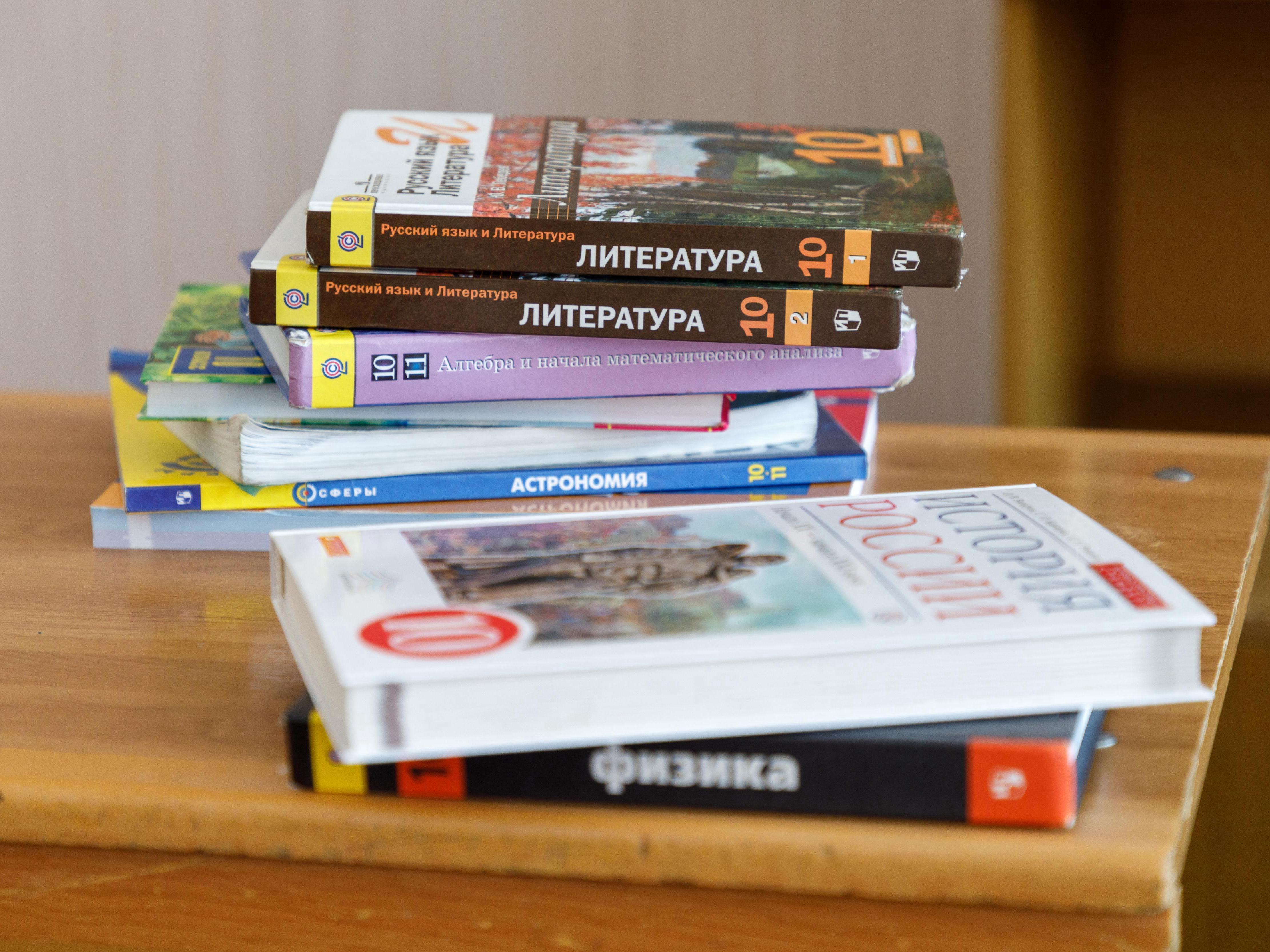

Teachers who have left the profession also shared their views on the school crisis.
Volgograd schools are experiencing an acute shortage of teaching staff. Due to the lack of teachers, some educational institutions have had to remove mathematics or Russian language from their schedules. The management of educational institutions acknowledges the problem and is offering vacancies with a salary of about 28,000 rubles (approximately $280 at current rates).
For example, at Gymnasium No. 13 in the Traktorozavodsky District, fifth grades have been left without a mathematics teacher, while at Gymnasium No. 2 in the Krasnoarmeysky District, three seventh grades have been studying mathematics with a computer science teacher for over a year. Both schools are willing to pay new employees from 27,000 to 40,000 rubles (approximately $270 to $400 at current rates).
Hundreds of reader comments have gathered under materials about this situation. Here are some of their opinions:
«Well, here»s the result: there«s no one to teach the children. Simply put, few people go into teaching after university, and those who cling to the school for dear life for 250 rubles (about $2.50 at current rates) are almost ready to be devoured by the whole city! I am a teacher myself and know what I»m writing about!«
«There will soon be no teachers left in schools.»
«Haven»t they tried raising the salary?«
«It»s high time to implement a mandatory three-year work period in one«s specialty after university. And it»s not just about salary. The attitude towards teachers needs to change somehow. Insults and humiliation of teachers should be punished, not just the rude children, but also their parents.«
«Young teachers have to work for the minimum wage! That»s 25,000 rubles (about $250 at current rates). Or toil at two rates, then 30,000-35,000 rubles (approximately $300-$350 at current rates) maximum. Who would go there?«
«And can one live on 16,000 rubles (about $160 at current rates)? Teachers, children want to eat and live decently, not like stray kittens. And how teachers are humiliated by children, parents, and the state, which introduced certification every 5 years, where you collect these miserable points, and it»s impossible to earn them, but your category depends on them. And so I, after working for 45 years, had to prove once again that I meet the highest category. It«s utterly disgusting. I retired and don»t think about school. I could have worked more, but not for such a salary.«
«When teachers are dragged through the mud, from the school administration to the children and parents, one simply doesn»t want to work. The salary is enough to pay for housing, bus fare (a teacher in the current situation will never earn enough for a car), and, probably, for a pack of pasta with cheap semi-finished products to have at least some semblance of meat on the table.«
«The colossal workload on an ordinary subject teacher, and for some, class supervision is added on top, does not correspond to the salary. The teaching profession should be classified as particularly hazardous.»
«Until the teaching profession is properly paid, until a teacher is seen as »providing an educational service,« until the prestige of the profession is at such a low level, until individual parents and students treat teachers like servants, we will have what we have.»
«A gymnasium, an elite institution. A similar income can be earned without stress by a newcomer in a call center, without qualifications.»
«They could write the advertisement more concisely: looking for a teacher to work for food.»
«If a mathematics teacher were offered the salary of a school principal, and the principal took the mathematics teacher»s salary of 27,000-30,000 rubles (approximately $270-$300 at current rates) before personal income tax deduction, then there would be a queue and you could even choose.«
«As a teacher with 33 years of experience, I can name several main reasons: payment that has long lagged far behind a cleaner»s salary; complete lack of respect from students, parents, and management; an excessive number of duties for a low salary; the reluctance of most students to gain knowledge, devaluation of labor results.«