Tougher competition looms for paid spots at Russian colleges
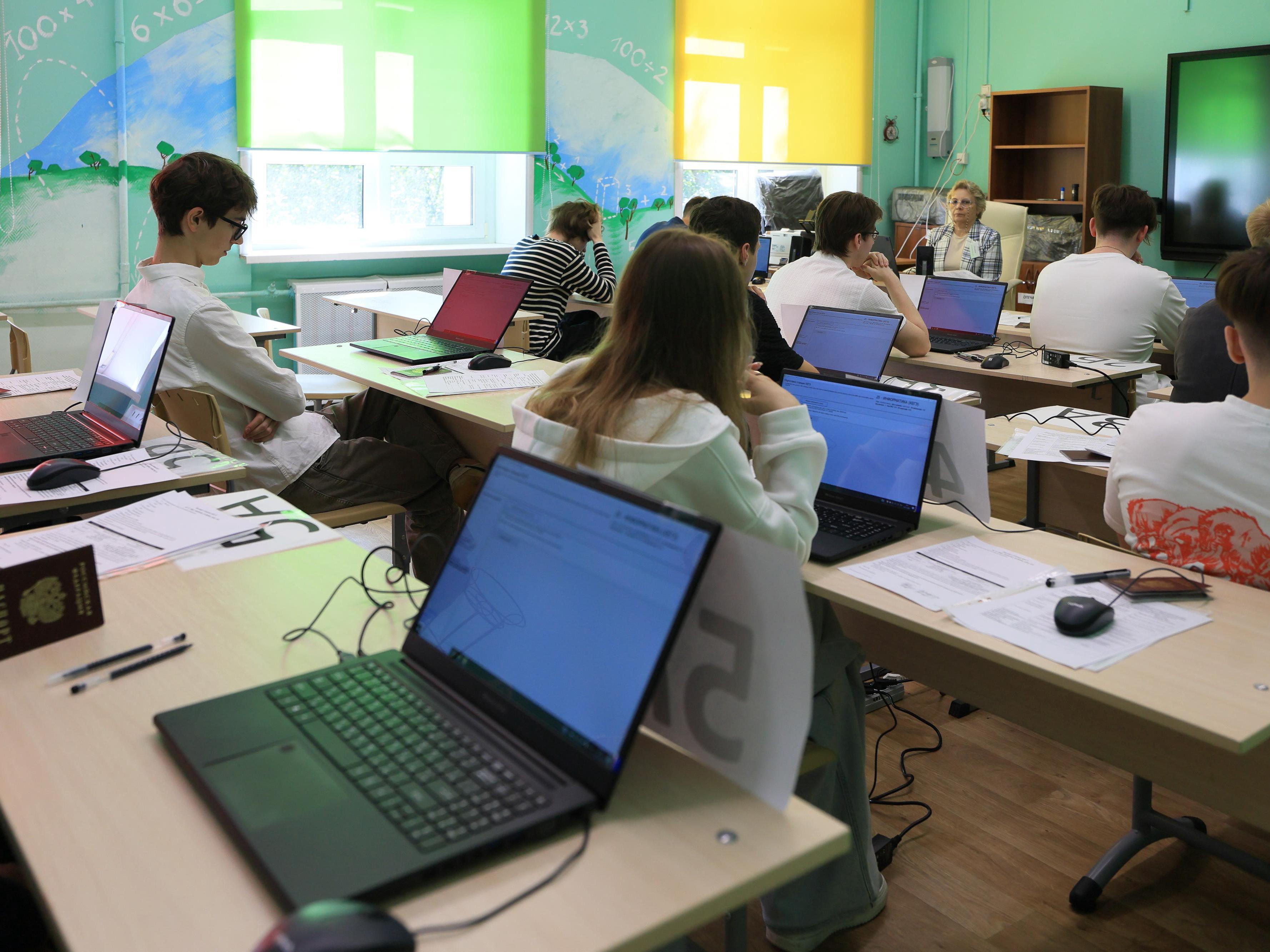

The number of tuition-based spots in colleges and technical schools is planned to be reduced. The corresponding draft law will be developed and submitted to the State Duma before the end of the 2026 spring session. A whole range of specialties may fall under the restriction. More details on the upcoming changes are in our article.
Why this is needed
The initiative is aimed at combating workforce shortages in the real sector of the economy. The authorities want to redirect the flow of applicants from popular humanities and economics majors to in-demand blue-collar, engineering, and technical specialties. This is a continuation of a policy already being applied in universities on the president«s instructions.
Which specialties are under threat
Restrictions will primarily affect the most popular tuition-based majors among applicants, which, in the authorities« view, have oversaturated the labor market. These include:
Jurisprudence;
Economics and management;
Media sphere and library and information science;
Screen arts.
According to the Institute for the Development of Vocational Education (IRPO), these programs today account for mass paid admissions. In total, 37.1% of students in colleges and technical schools study on a tuition basis — about 1.4 million people.
How the new mechanism will work
Following the model used for universities, the government will gain the authority to approve a list of specialties for which it will set a maximum number of tuition-based spots. The Ministry of Education will distribute quotas among educational institutions. Currently, each college decides this issue independently.
«Mass paid admissions are most common in programs that are popular with school graduates but not in demand on the labor market. At the same time, the real sector of the economy is experiencing a shortage of qualified workers and specialists,» explained State Duma Vice-Speaker Victoria Abramchenko in a conversation with Izvestia.
What are the risks
Experts warn of two key threats.
Financial stability of colleges: for many institutions, especially in the regions, revenue from tuition-paying students is a critically important source for covering budget deficits. Reducing these revenues could undermine their material resources.
Outflow of applicants: some students may choose to study at foreign colleges.
«This decision could cause an outflow of applicants to other countries for education, and then we face the risk of losing human capital,» warns Irina Abankina, a professor at the Institute of Education at the Higher School of Economics (HSE University).
Experts believe that after detailed discussions with professional communities and relevant agencies, the draft law will be developed and adopted. The initiative appears logical, given that a similar law was previously approved for universities.
Meanwhile, in Russia, there has been a proposal to make first-time higher education free at universities and colleges. However, that initiative concerns a limited range of specialties: doctors, teachers, engineers, programmers.