‘They Called Us Service Staff’: Teacher with 43 Years Explains Why Educators Leave

The heavy metal door of Omsk School No. 30 swings open, and children with backpacks that seem bigger than themselves run out into the street, knocking passersby off their feet. For them, lessons are over for today. Now it’s time to go home, and tomorrow the schoolchildren will again hurry to class along familiar paths.
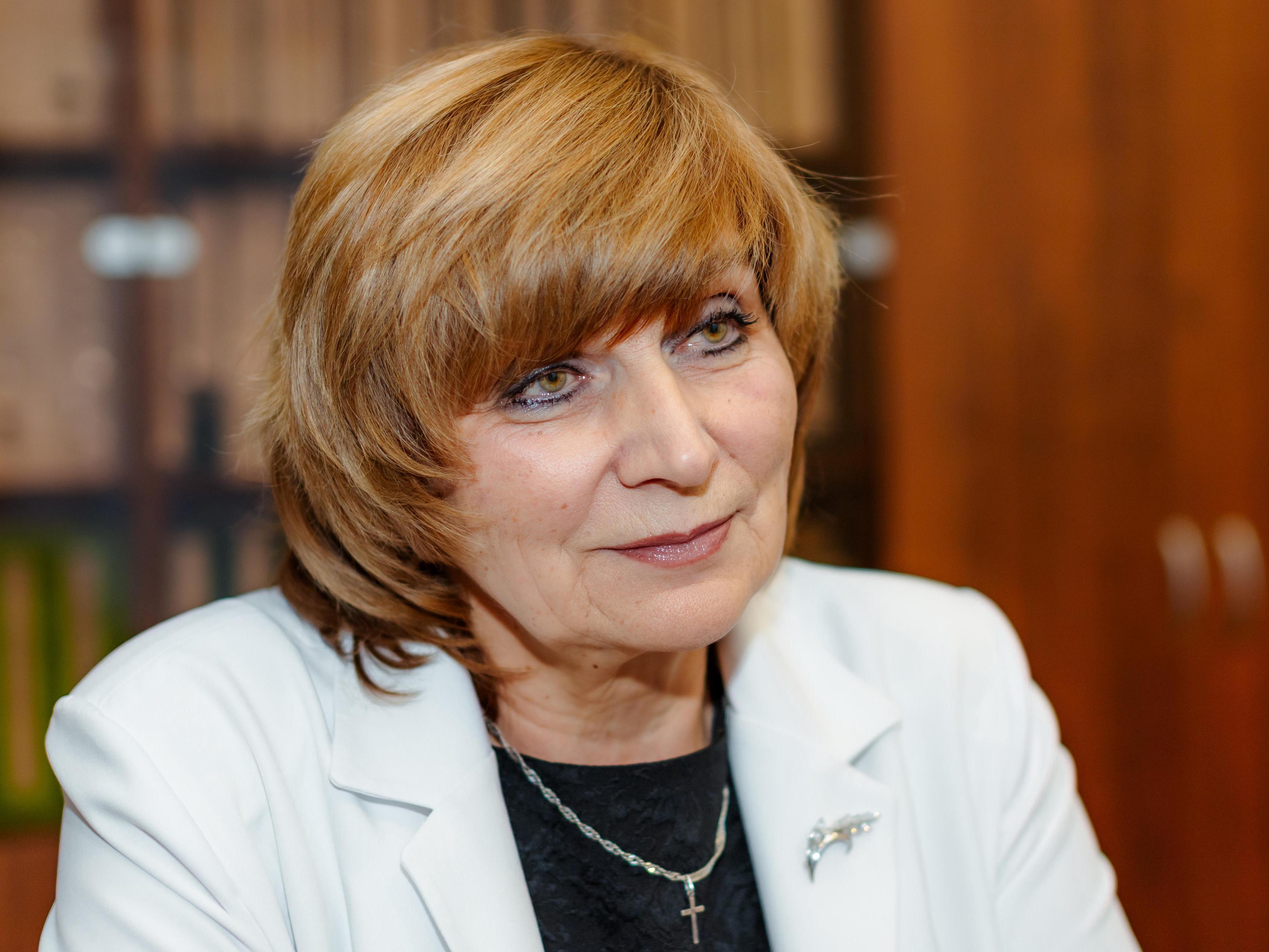
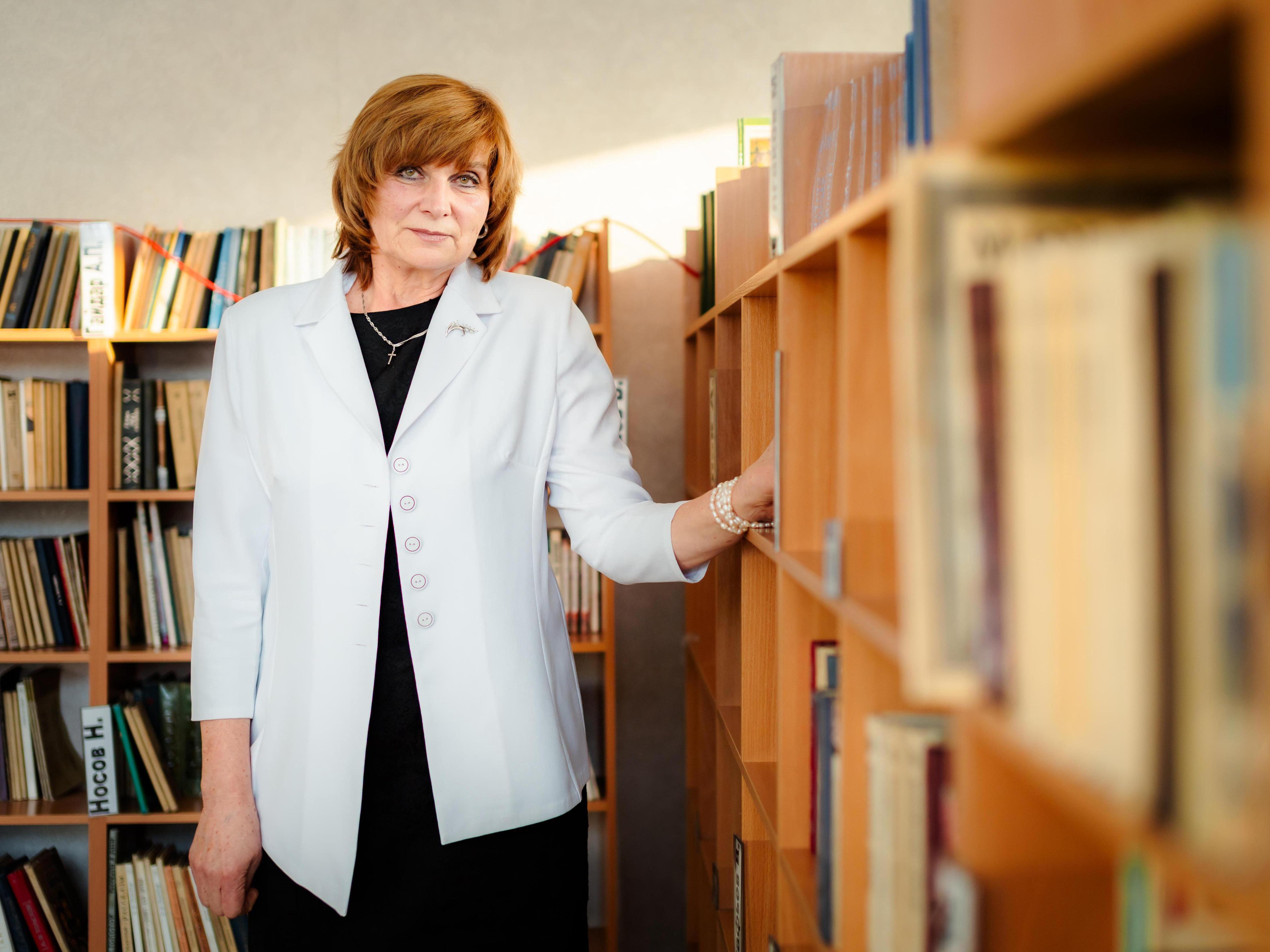
For more than half a century, primary school teacher Irina Vladimirovna Solodkova has walked that same path. First as a pupil, and after graduating from pedagogical institute, she returned to her home school to teach. How children and parents have changed over the decades, why young people don’t want to be teachers, and when an educator should retire — in a report by NGS55.RU correspondent Ekaterina Shrayner.
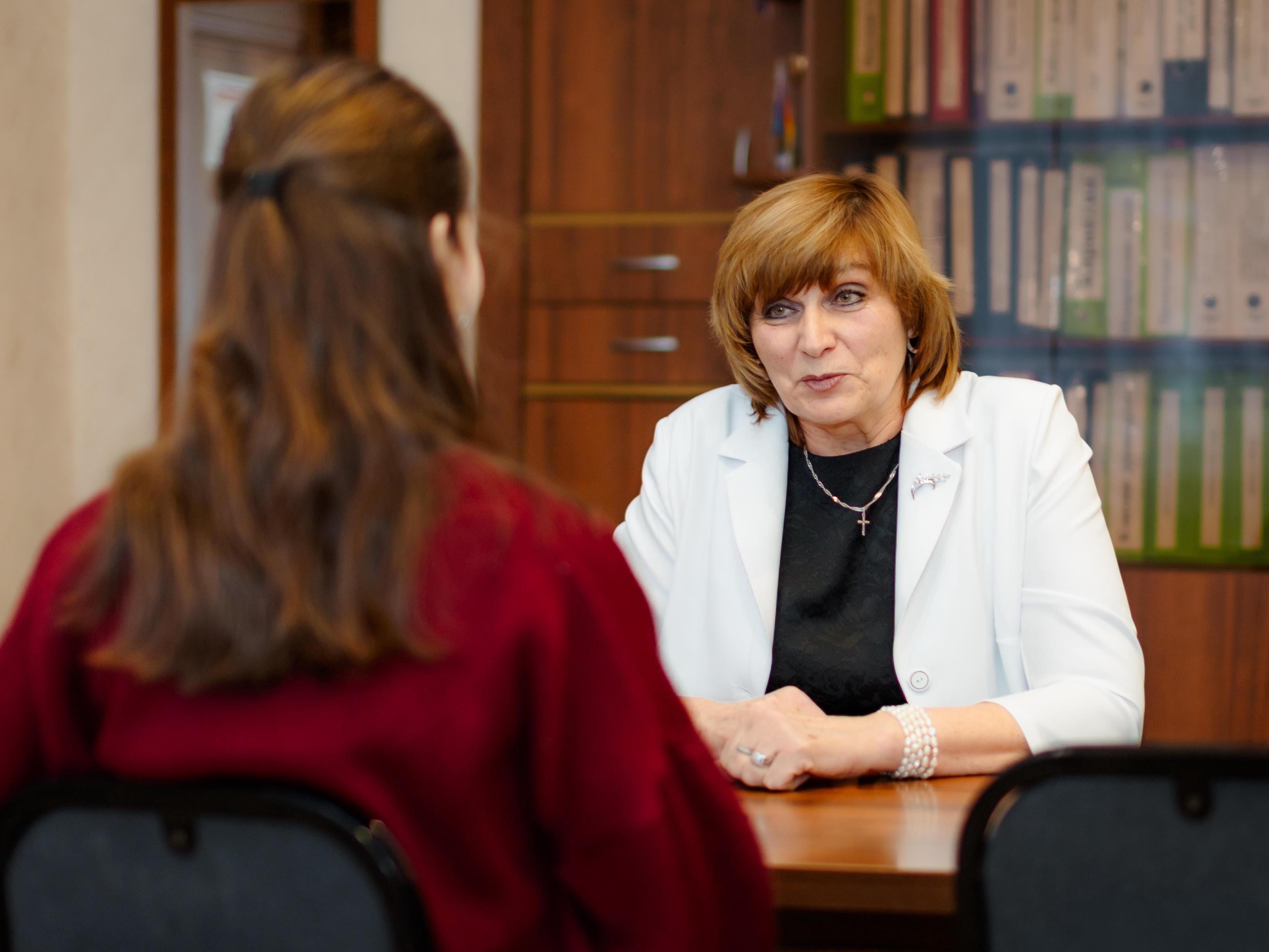
‘If You Want Difficulties — Come to School’
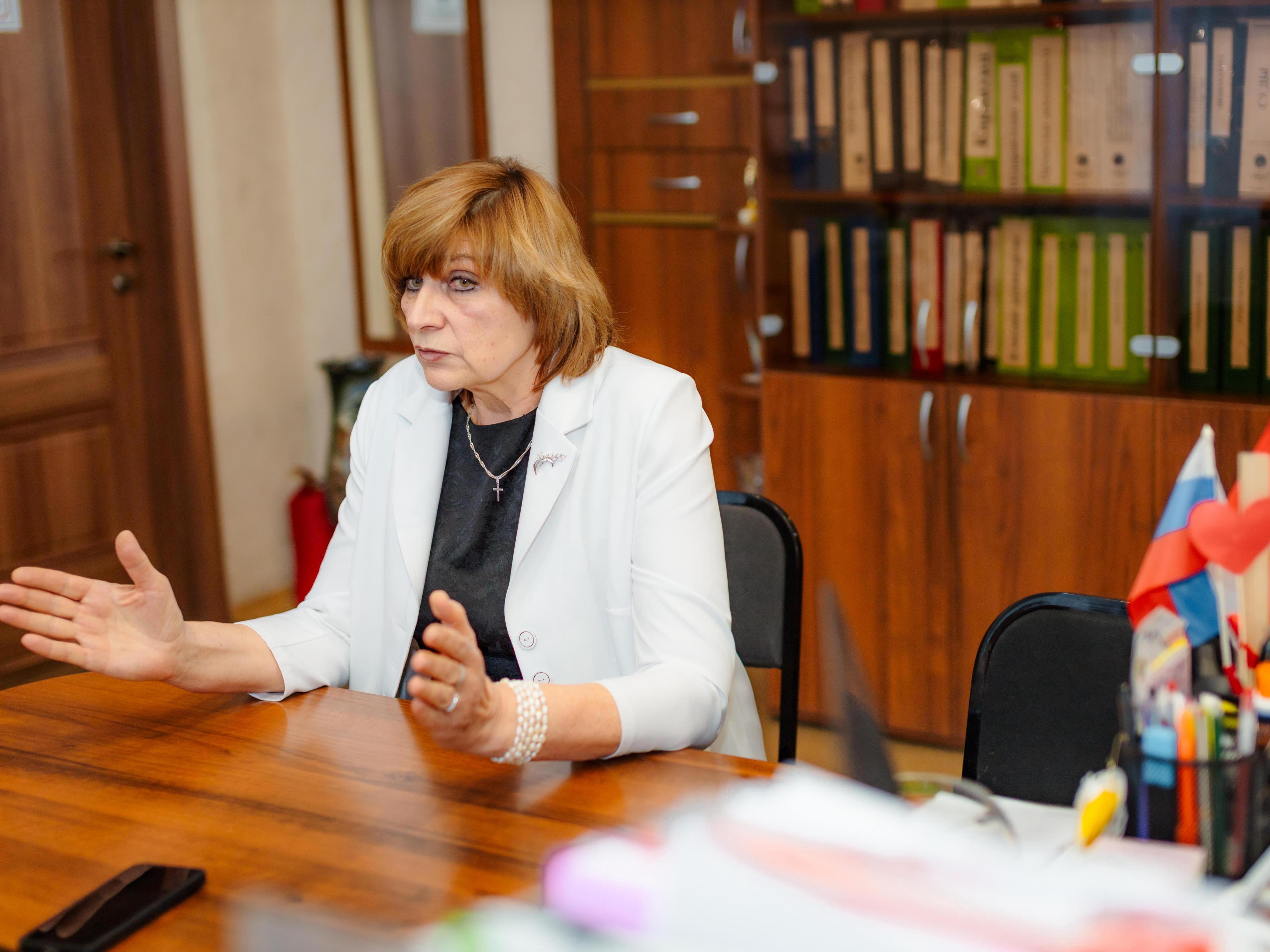
They say a profession leaves its mark on a person’s appearance. Irina Vladimirovna confirms this theory. A stern but simultaneously kind gaze, straight posture, and clear speech — it’s immediately clear that this is a teacher.
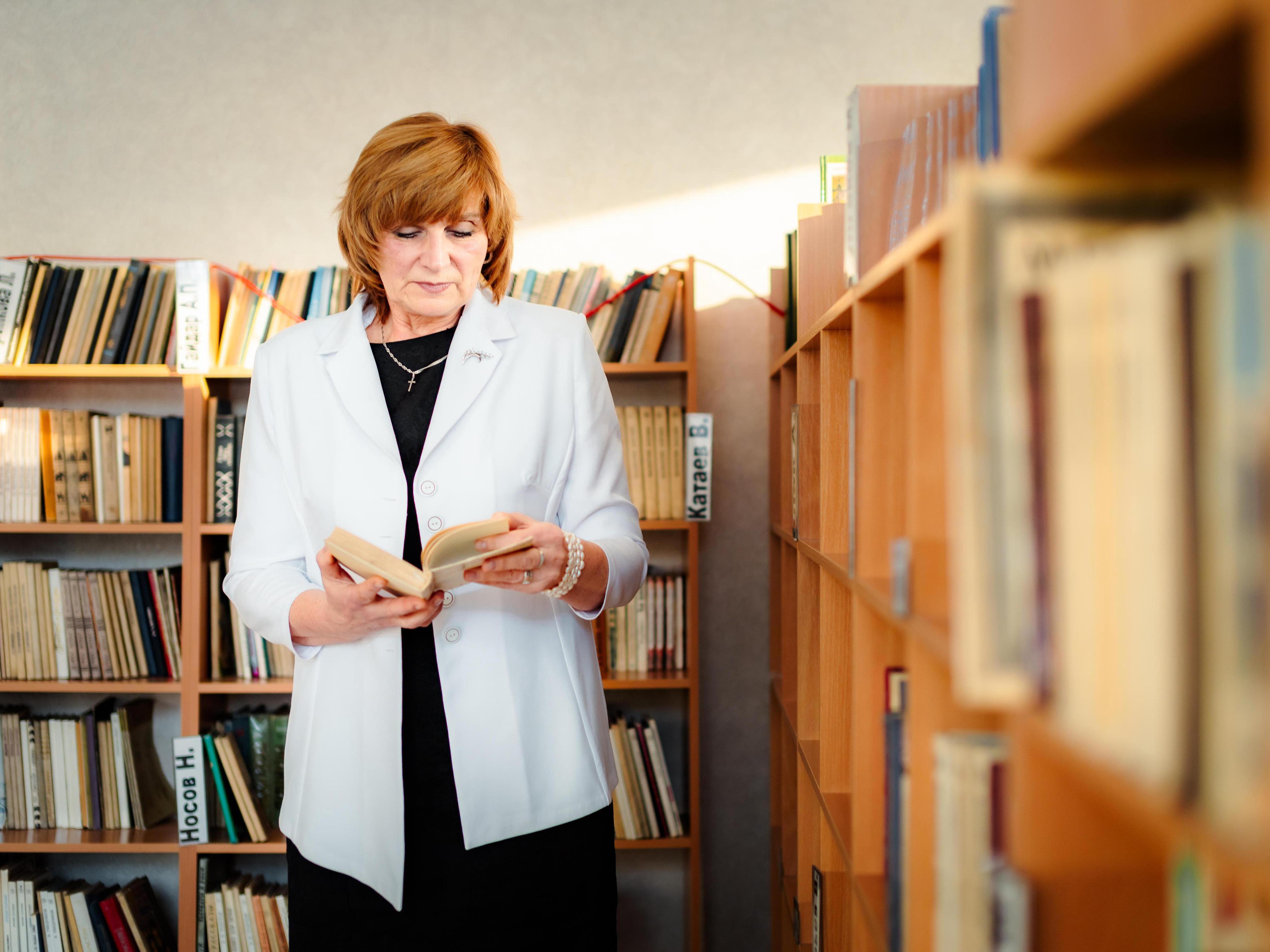
As the teacher admits, she didn’t have to choose her profession. Although there were no teachers in her family, she always knew she would teach. And specifically, primary classes. She never considered other options.
‘I’ve been doing this for 43 years. I studied for 10 years at School No. 30, then came back to work. I’ve been here all this time. I also taught at the pedagogical university, but alongside my main teaching. The profession chose me itself. I was lucky; I was surrounded by wonderful teachers. My first teacher was a WWII veteran, an anti-aircraft gunner who went through the entire war. She was an amazingly brilliant person. Plus, I had a wonderful coach (Irina Vladimirovna did cross-country skiing. — Ed.). Teachers are some special kind of people, that’s what I’ve always thought.’
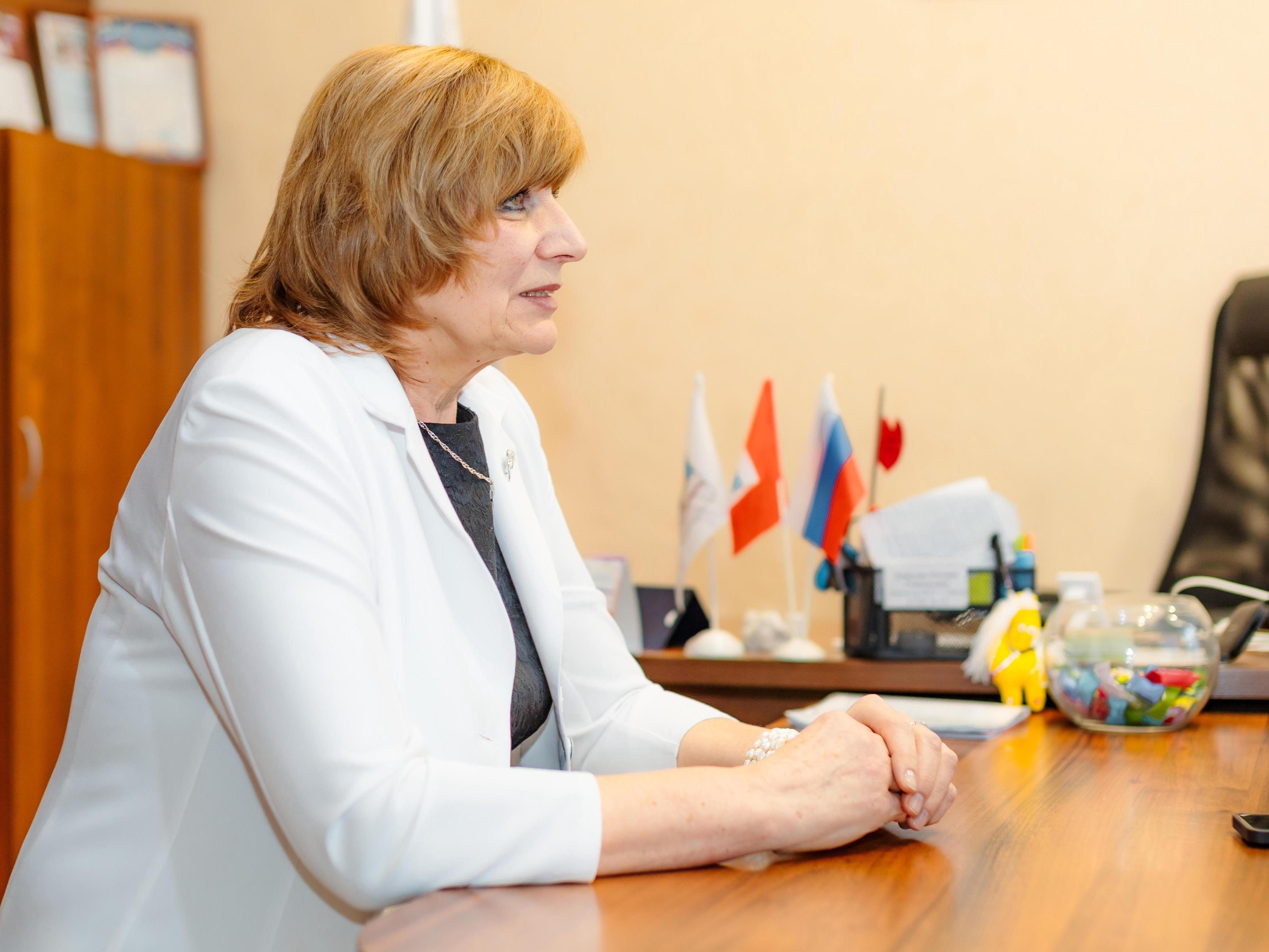
The hardest thing at the start was getting used to the fact that children far from always meet expectations. At school, as Irina Vladimirovna admits, each new day is unlike the previous one. You can plan the perfect lesson, but you still have to improvise.
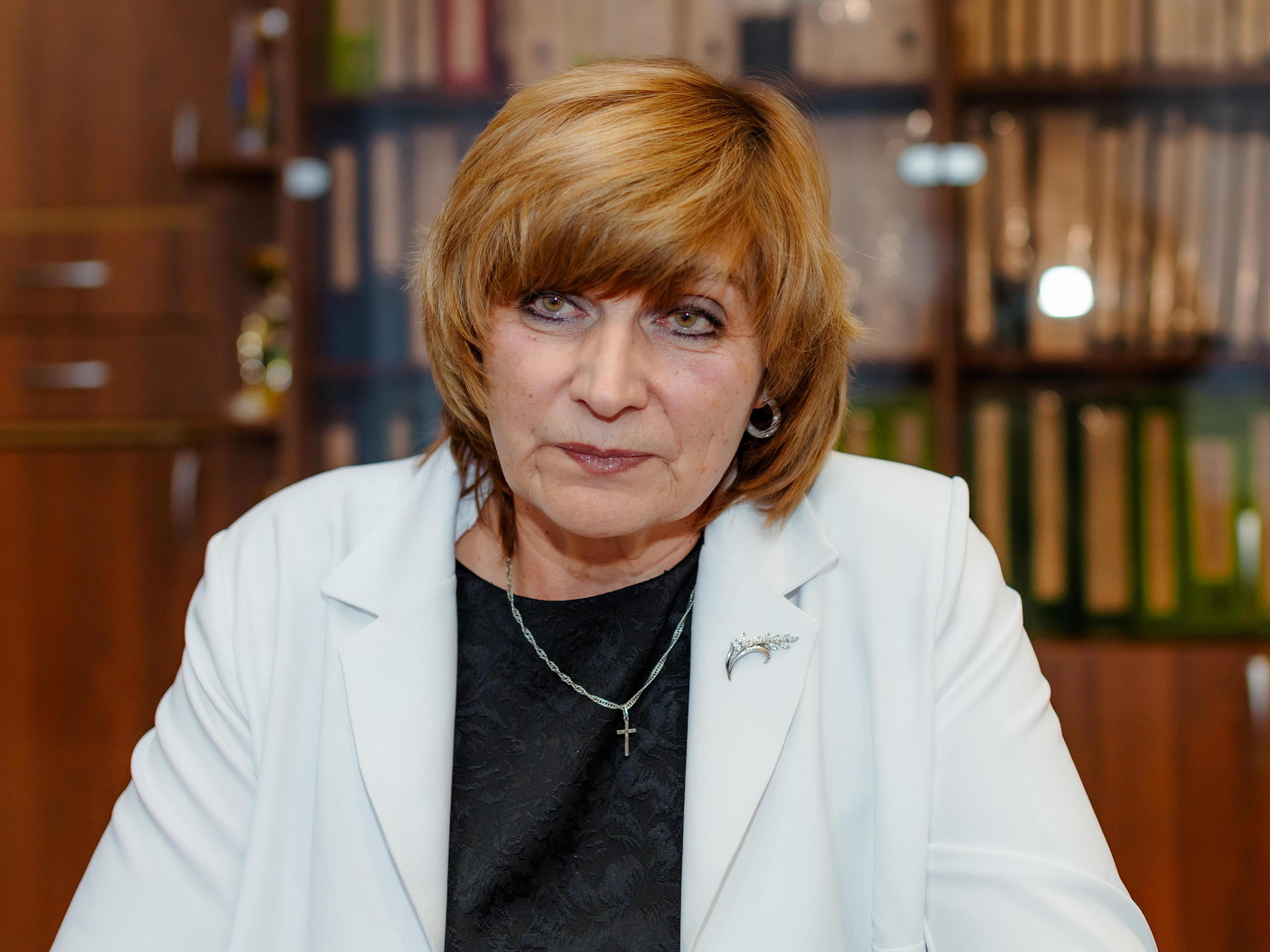
‘We are advancing in our ability to teach correctly, but every day brings new surprises. You think you know how to act in a situation, but it turns out you don’t. How are difficulties perceived at first? “I can do anything!” When you realize that your desire is shattered by the reality of getting a result, that’s the first difficulty. The second difficulty is that you actually believe you’ll say “A” and the children will answer in unison “B.” In the end, you understand that’s not the case.’
When she first started teaching, advice from experienced teachers helped. Now she herself has become a mentor for young colleagues. It’s important not to extinguish their desire to teach, because the difficulties only increase over the years. An experienced teacher is trusted, which means more responsibility rests on them.
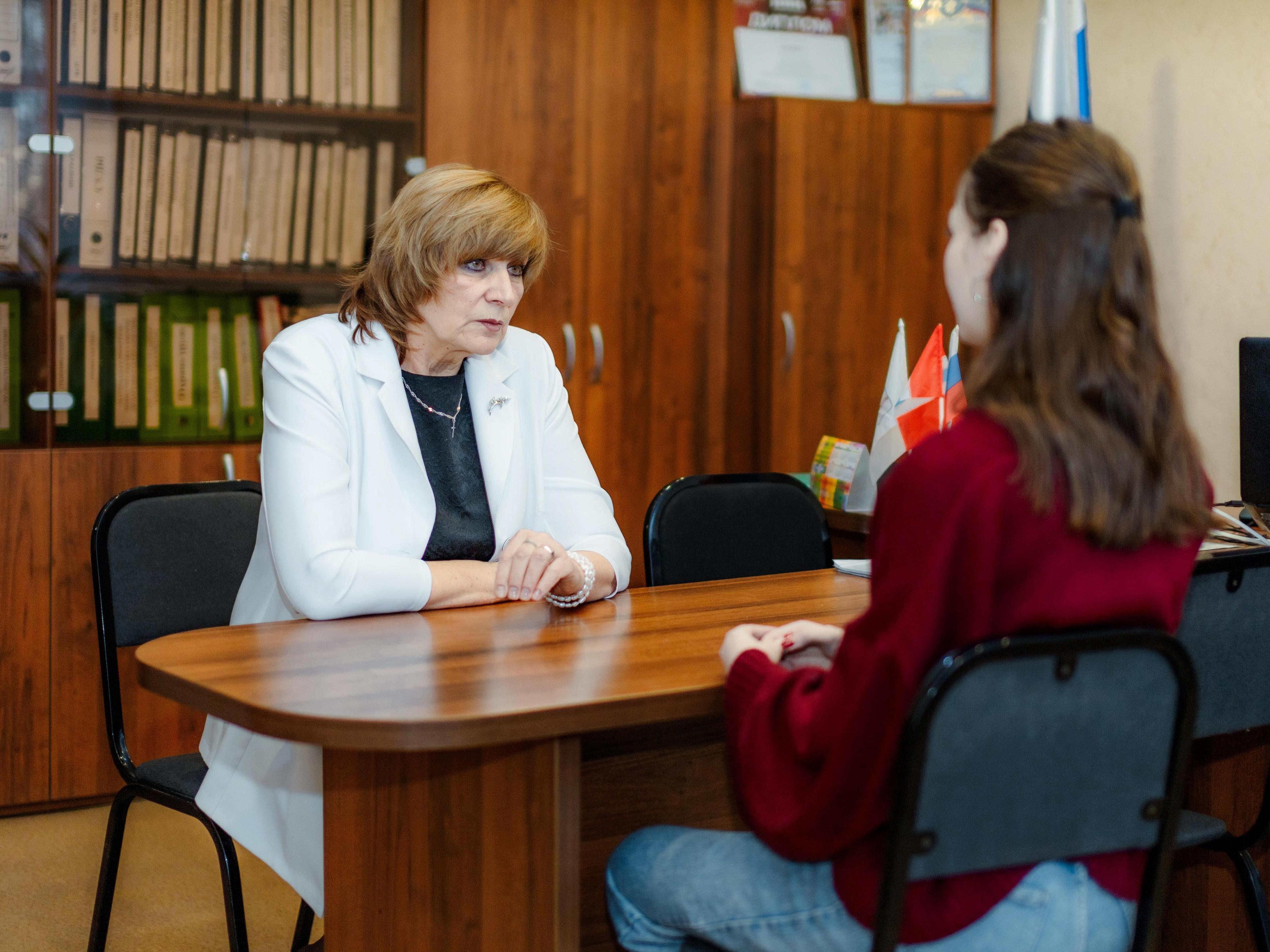
‘It seems the difficulties are greater at the very beginning. No, your zone of responsibility expands every year. People come to you because they believe in you. Yes, I don’t have difficulties presenting the material, but I can have difficulties because a child is special. Perhaps there’s a tragedy in his family, and I need to act so as not to damage his nervous system or something else. If you want difficulties — come to school.’
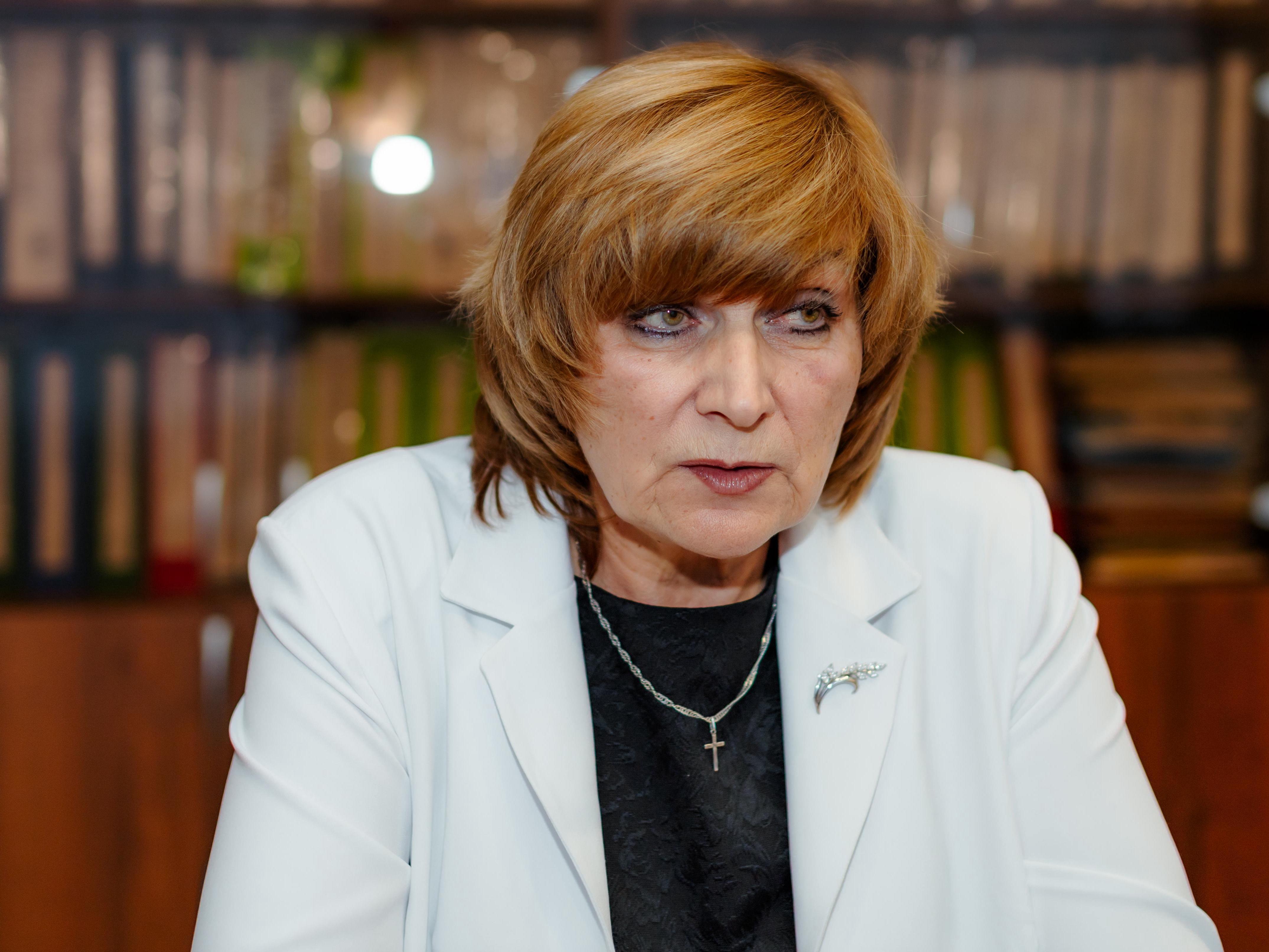
‘It’s Easier to Give a Phone with Cartoons Than to Talk’
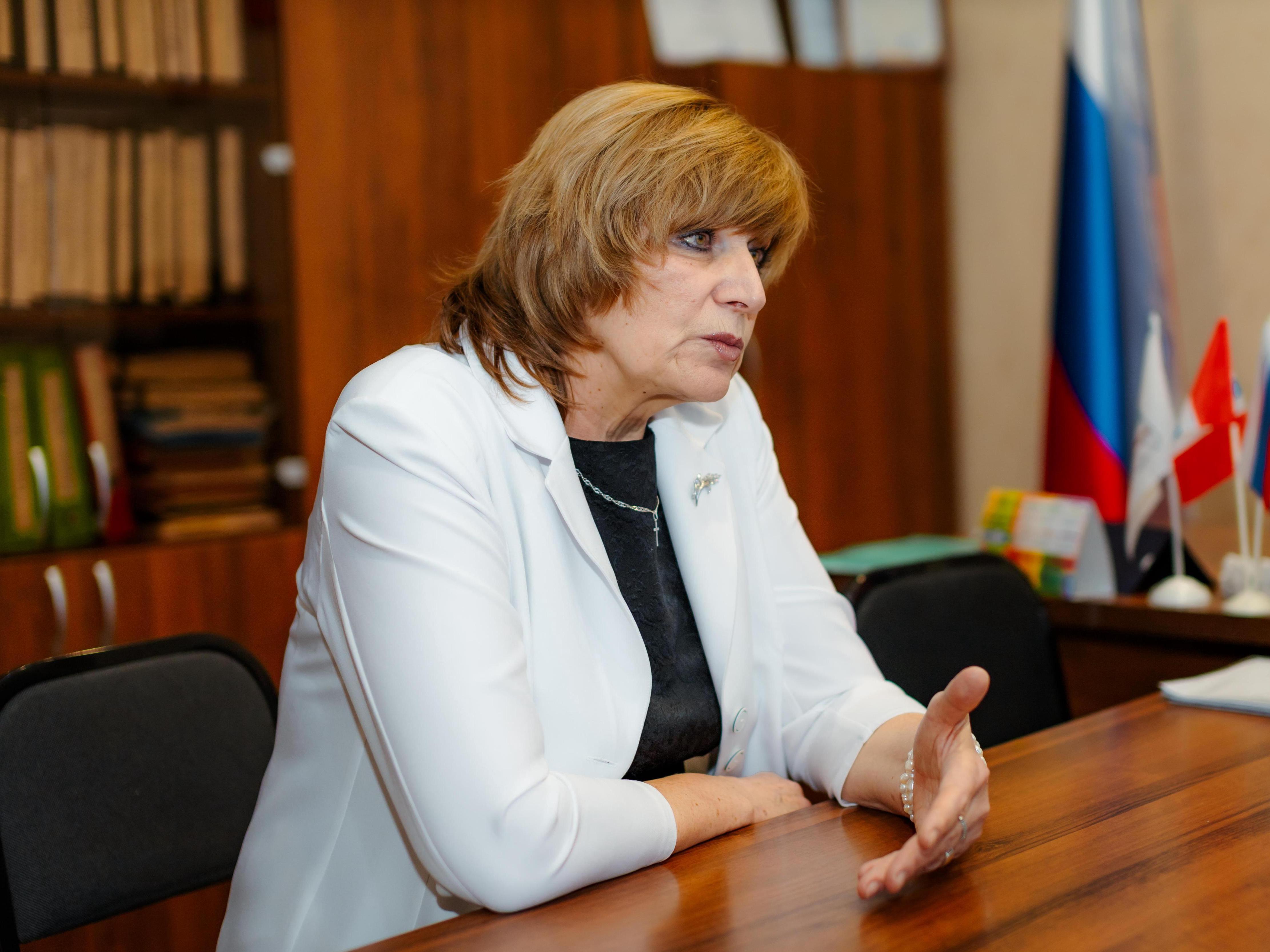
Over her years of work, the primary school teacher has worked with different children. Each generation brings new tasks to solve. In recent years, children are increasingly unprepared for the curriculum.
‘Many children coming to school today are socially unadapted. They lack self-care skills. In the modern pace of life, it’s easier for parents to do everything for them. Putting on a puffer jacket, sitting them in a sled, and taking the child is easier than getting up earlier and letting them get ready themselves. Giving a phone with cartoons is also easier than talking. There’s a lag in speech development, and in logical, figurative, and associative thinking. All this naturally affects the quality of education.’
Parents often don’t engage with their children. They take them to tutors, to extra classes. But this doesn’t replace communication with mom and dad. A child spends much more time in the family than at school, so it’s primarily the parents who should be raising them.
‘Another trend I don’t like now is the trend to shift responsibility for raising one’s child onto someone else. They’ll take the child to a prep studio, but they themselves won’t read a book with him. But the child is first and foremost yours. Contact with children is lost. At first, a child studies for his mother, so she will praise him. I certainly don’t like that many parents have no need for art, for literature, for reading. They pass this dislike on to their children.’
Rudeness and insults towards a teacher are not uncommon even in primary grades. Behind such behavior there is always a child’s pain. It’s important to recognize it in time and never allow yourself to sink to the child’s level.
‘I remember there was a boy in my first graduating class. His dad runs up and says: “I’ve lost my son.” It turns out he was hanging out here at the hockey rink. The father drags him to me and asks: “He’s probably gotten a bunch of failing grades too?” There really was a failing grade that day, but I realized I couldn’t say that. I said I was very pleased with the child. The boy, when he grew up, came and said that was the only day he wasn’t beaten. You see? I saw fear in the child’s eyes.’
Conflicts with parents also occur often. Sometimes adults think their children are being mistreated. You need to find common ground. Experience helps with this.
‘The parents coming now are parents of a completely different generation. And it’s easier for me to establish relationships with them. I have a long track record. Many parents are my former students or students of our school. A certain authority has been formed. Behind you trails the train of demands you set for the children. And, of course, that works in your favor. Parents sometimes have a feeling that their child is being offended. That they don’t ask him enough.’
‘They Advertise Courier Work, Not Teacher Work’
Often, students of pedagogical universities openly state that they don’t plan to teach children, and they come to lectures just to get some higher education. To solve this problem, in the teacher’s opinion, the prestige of the profession must be raised. Moreover, she is not against introducing mandatory work placement for graduates.
‘Our teaching staff is mostly very old. They will leave, and who will replace them? A teacher’s prestige is falling. And it’s falling because of society, not because of the teacher. Teaching is as it was, and it works. Whatever the situations, the turbulent 1990s. The school existed and worked. There was a time when we were declared service staff. A teacher is not service staff. But for some reason, they advertise courier work, not teacher work. Moreover, obligations for students to work in a school would help normalize the change of personnel.’
Another problem for schools is salaries. People who stay to teach long-term work out of love for the job, and they need support, including financial.
‘They never paid much in school. Therefore, it’s not the worst part of the population that works there. These are people who truly get satisfaction from their labor. I believe that school, institute, colleges — they should be the elite. The salary should correspond, so that a teacher works creatively and doesn’t take on 50 hours just to feed the family.’
About the Unified State Exam, Grades, and Corruption in Education
People constantly argue about the modern exam system. While some claim that the Unified State Exam (USE) gives a student from the provinces a chance to enter any university in the country, others are sure this test format doesn’t show real knowledge.
Irina Vladimirovna is calm about the USE. She says there is no system without shortcomings. In her opinion, when applying to university, the average grade from the school certificate could be added to the exam scores. Then schoolchildren would have motivation to study not only the subjects they plan to take, but all the others.
‘The USE is advantageous because a child, having passed three exams, can apply to several universities. The problem is that the 11th grade doesn’t study. They are only interested in the subjects they will take. To some extent, our children lose out in general education here. If he doesn’t need history and geography, then he won’t focus on reading the textbook and supplementary literature. And if there were a dependence on the certificate grade, then the picture might be different.’
Another advantage of the USE, often cited by supporters, is the absence of corruption and a transparent grading system. In Soviet years, getting a grade for money at school was also impossible, but in universities such cases occurred. However, the teacher personally never encountered them.
‘There is and was no corruption in school. I went through it myself when we took 7 exams. We prepared, knew all the tickets, were nervous, but the teachers were focused on us passing. Of course, we knew some subjects better, some worse, but our general education still grew. When applying, I personally didn’t encounter corruption; no one paid for me. But it certainly existed.’
Another controversial topic is grades. Some believe the existing grading system in Russia needs to be changed or abolished. Irina Vladimirovna disagrees. School grades give children motivation to learn.
‘A child must work for something. The idea that he should want to gain knowledge is only said by people who haven’t worked in school. He doesn’t owe anyone anything. The system can be without marks, but it will still be evaluative. When I tell a child he answered well, I am still evaluating him.’
When Do You Need to Leave?
Irina Vladimirovna is currently teaching the fourth grade. She doesn’t know yet if she will continue next year. She says that if she takes on first-graders again in September, she’ll have to see them through to the end of primary school. She may not have the energy for another four years.
Burnout in education is a frequent occurrence. Especially among older teachers. The first and main warning sign is the irritation a teacher feels towards children.
‘Our teachers are quite wise, and those who felt that upon reaching their length of service they began to lose desire simply honestly left the school. They were magnificent teachers, but a teacher must leave school on time. A pupil needs a teacher who is combat-ready, interesting, and energetic. A child can sympathize with you that something hurts, but he can’t sympathize with you 365 days a year. I think this: when children start to irritate you, you should turn around and honestly say “goodbye.”’
The main motivation for a teacher is the children. As long as they inspire, the work will be a joy.
‘How not to make a mistake and close this door in time. I have, after all, reached the age when I need to think about retirement. But how can you close the door to a place that is dear to you? I’ve been coming here for 53 years. I’m afraid of that number myself. I studied here for 10 years and then came here to work. Children motivate me, truly. I always have new ideas.’