Teachers’ family on burnout and conflicts
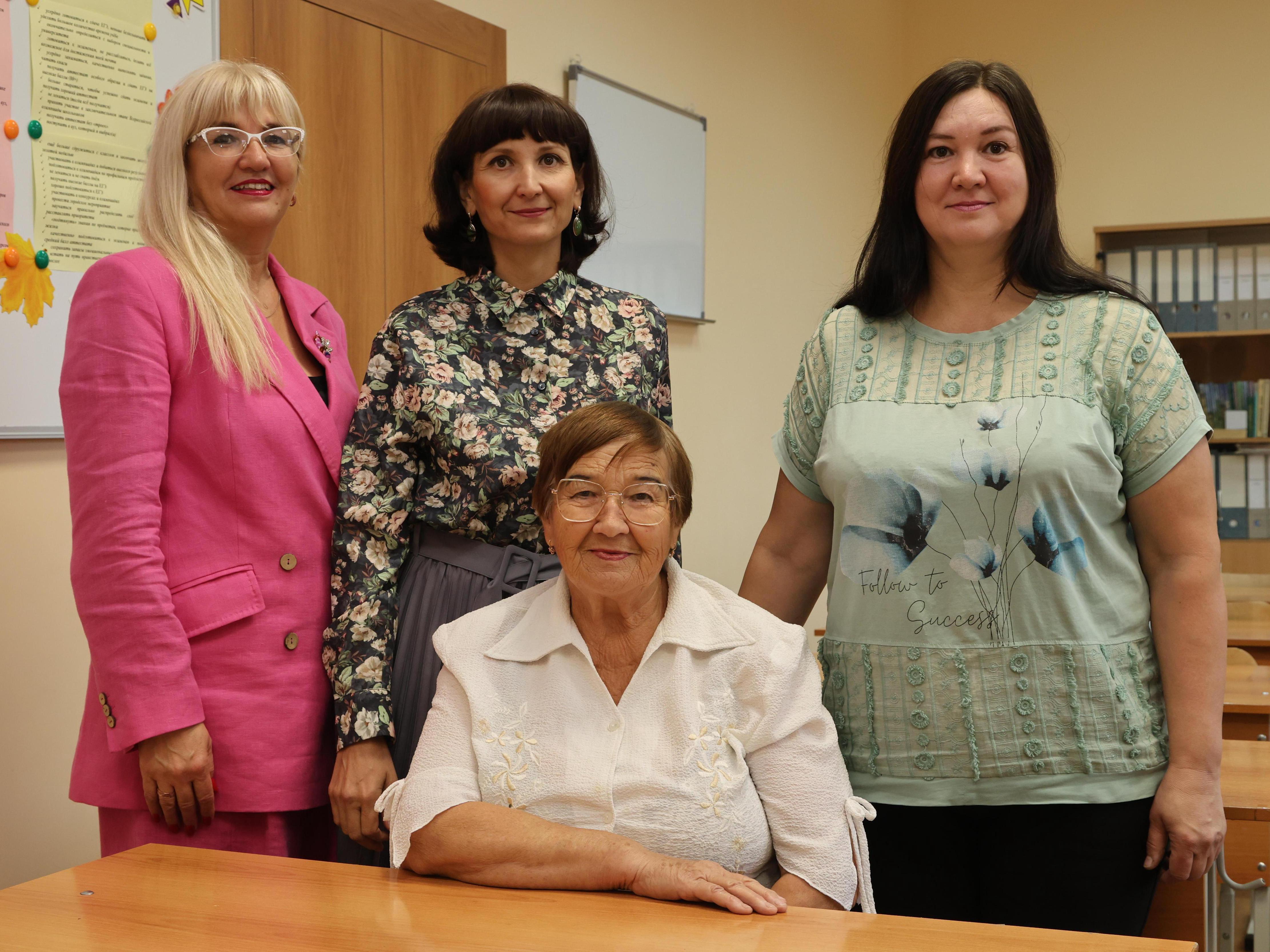

The combined teaching experience of these women has long surpassed half a century.
This outlet often covers topics related to schools and teachers. For example, we have examined the shortage of teachers, their salaries and reported on a wave of resignations among school principals. On the professional holiday, our correspondent spoke with those who have stayed true to their vocation for many years despite the difficulties.
«So that anger toward children doesn’t arise»
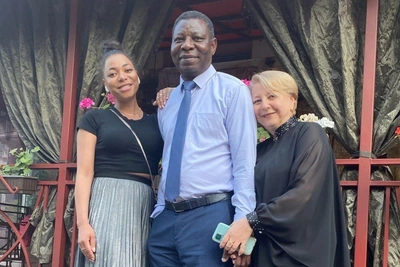
Sisters Alfiya Khunafina, Albina Byvaltseva, Zemfira Kilmukhametova, and their mother Rakhima Khunafina have together given schools more than 50 years. They are from a village in Bashkortostan (Russia) 200 kilometers from Magnitogorsk. Rakhima Khunafina’s daughters work at local schools. Alfiya is deputy principal for student development at School No. 56, Albina teaches Russian language and literature at School No. 42, and Zemfira teaches technology at School No. 55. Their teaching dynasty may not end: Zemfira’s daughter graduated from a pedagogical college. But she is still finding herself and has not yet taken a job at a school.
— Rakhima Gimaevna, how did it happen that your daughters followed in your footsteps? Surely, over your years in a school you experienced all kinds of things, and your daughters saw that?
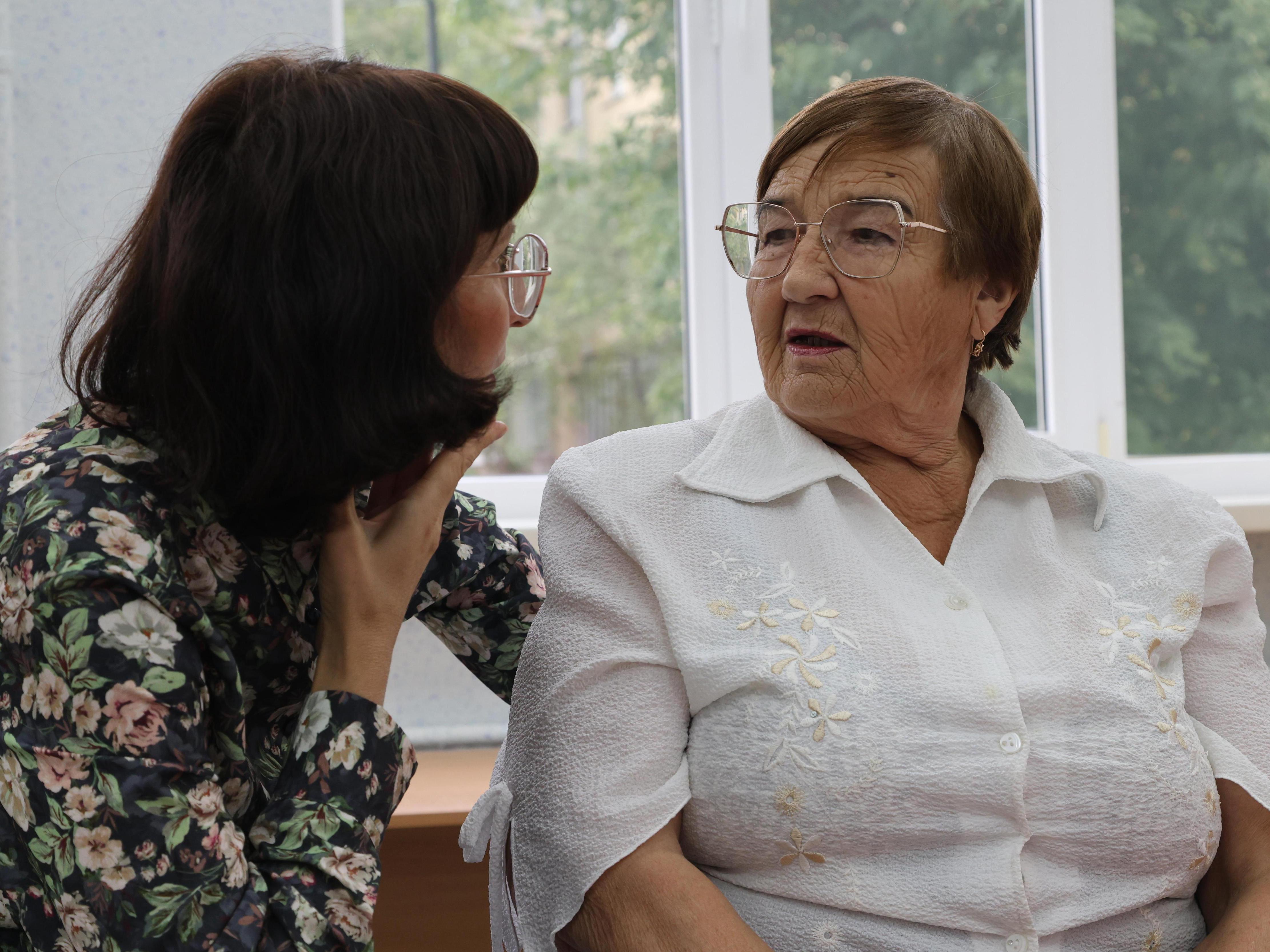
There were no disputes in this family about career choices.
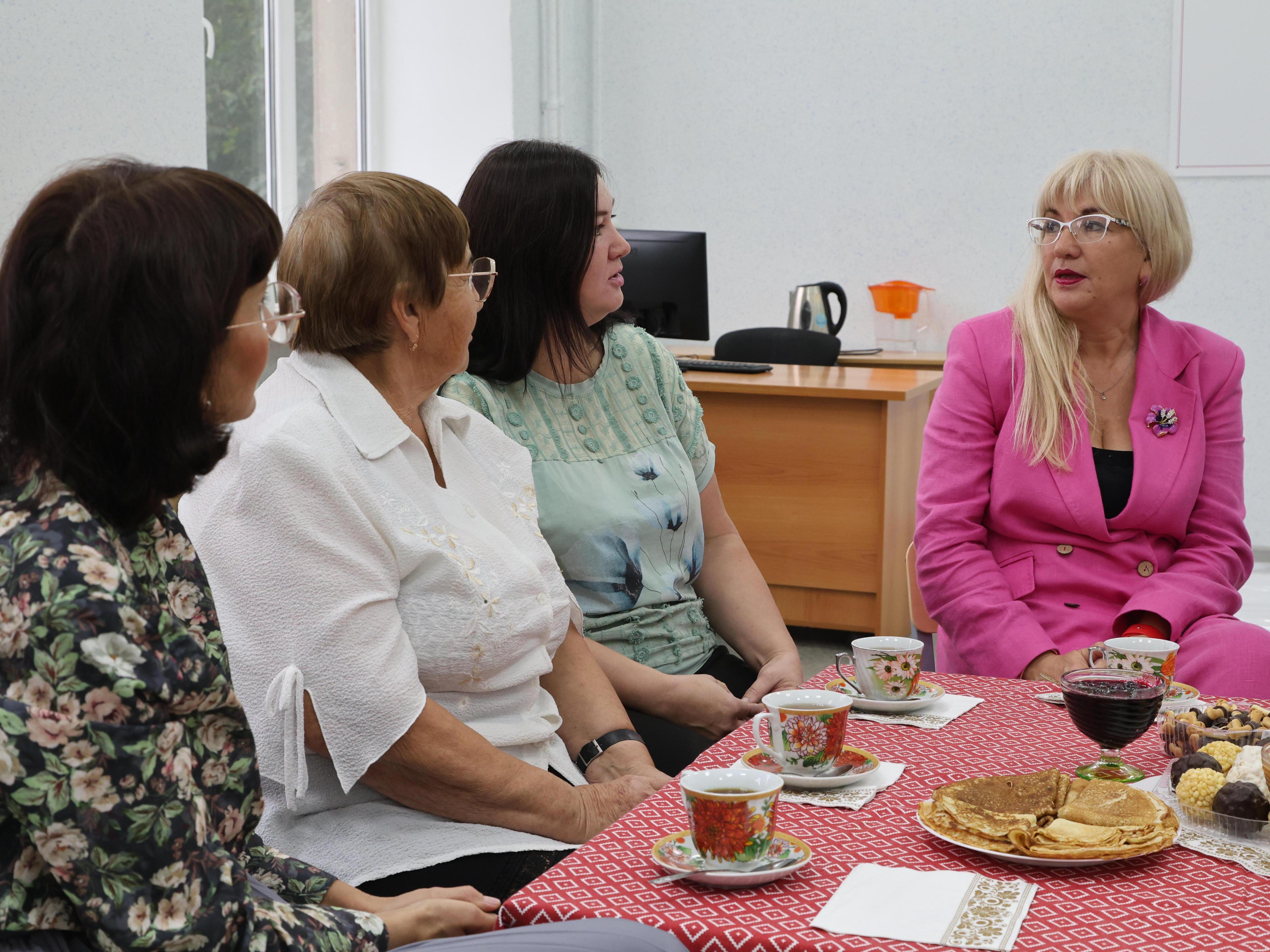
The daughters followed their mother’s example and chose careers in teaching.
— I have 38 years of teaching experience in one school; I am a primary school teacher. There are two entries in my employment record book: “hired” and “dismissed due to retirement.” I was an example for them. They all first finished the Sibay Pedagogical College. Then, in Magnitogorsk, they graduated from the local state university and stayed here.
— It seems to me a teacher’s work is largely thankless now. Zemfira, would you advise your daughter to go work at a school today?
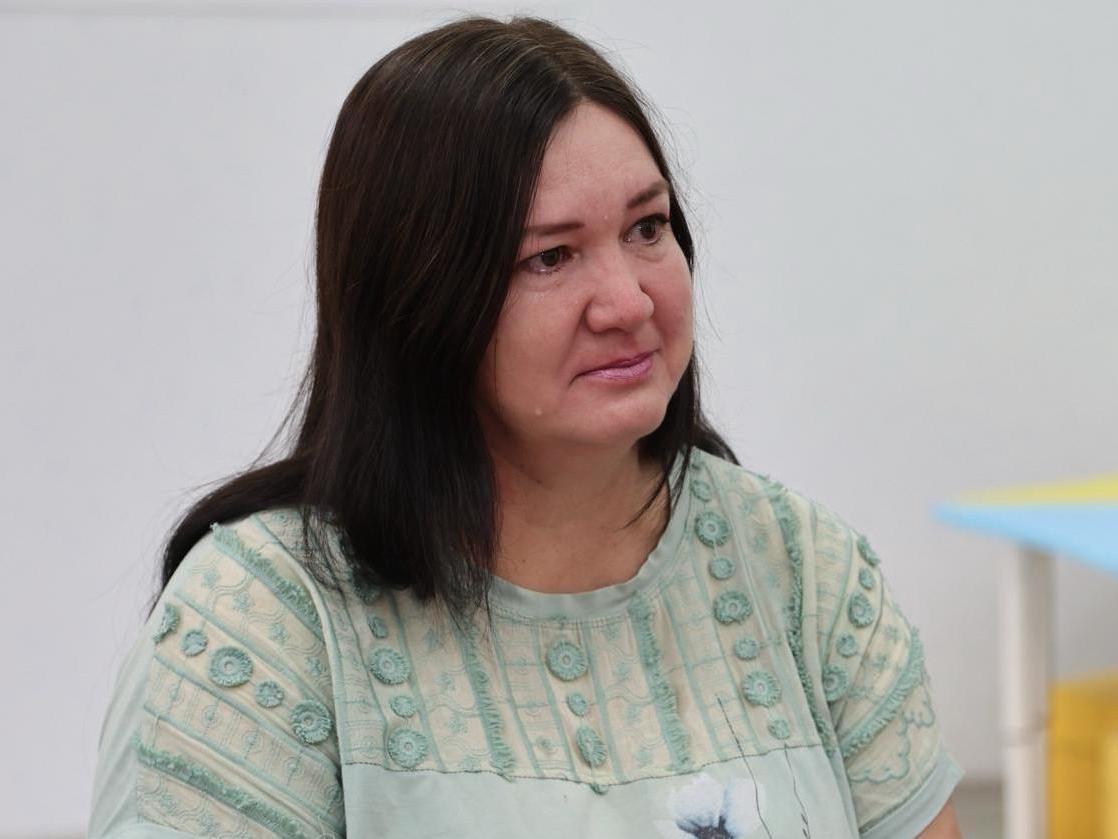
Each sister still had to walk her own demanding professional path.
— I would. First, it’s a stable income. Second, young teachers are supported. That could help her get some housing. Because stable work means a stable income. I am grateful to the school. This profession is what enabled me to raise my children. Things were not smooth in my family with my husband; we separated. But I managed to raise the children and get them on their feet. When I moved to Magnitogorsk and got a job at a school, I wasn’t afraid of any work. I didn’t have many hours. I combined teaching and also worked as the school janitor. In the mornings I swept the yard and picked up trash, and the kids would walk by and greet me. I saw nothing wrong with it — we had to live. They needed a shop teacher for the boys. Those were years when almost all the men left schools because the pay was very small. There was only this vacancy, and I said: «I’m from the village, I can saw — take me».
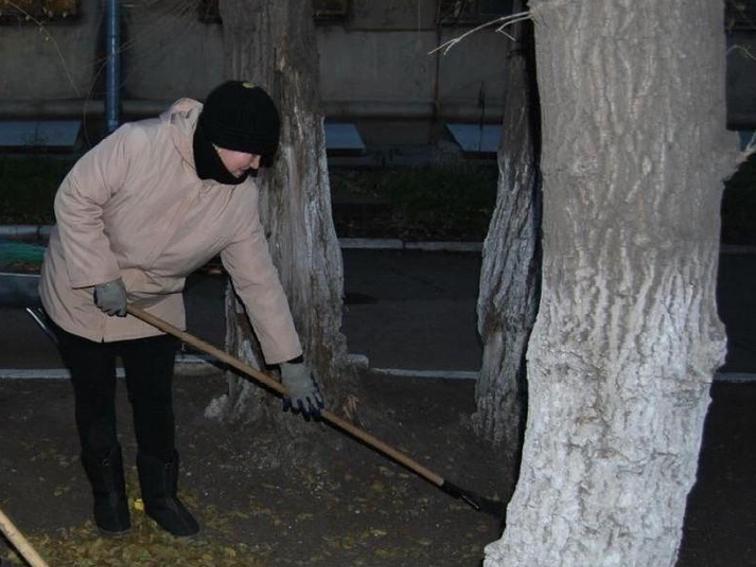
At times, the mother of many children began days sweeping and raking before lessons.
— What is the hardest thing to cope with at work now? Conflicted parents who don’t always meet you halfway, kids being rude? Our mayor, by the way, has raised the issue that teachers are being hounded — people file complaints on social networks over any pretext. Albina, what do you say?
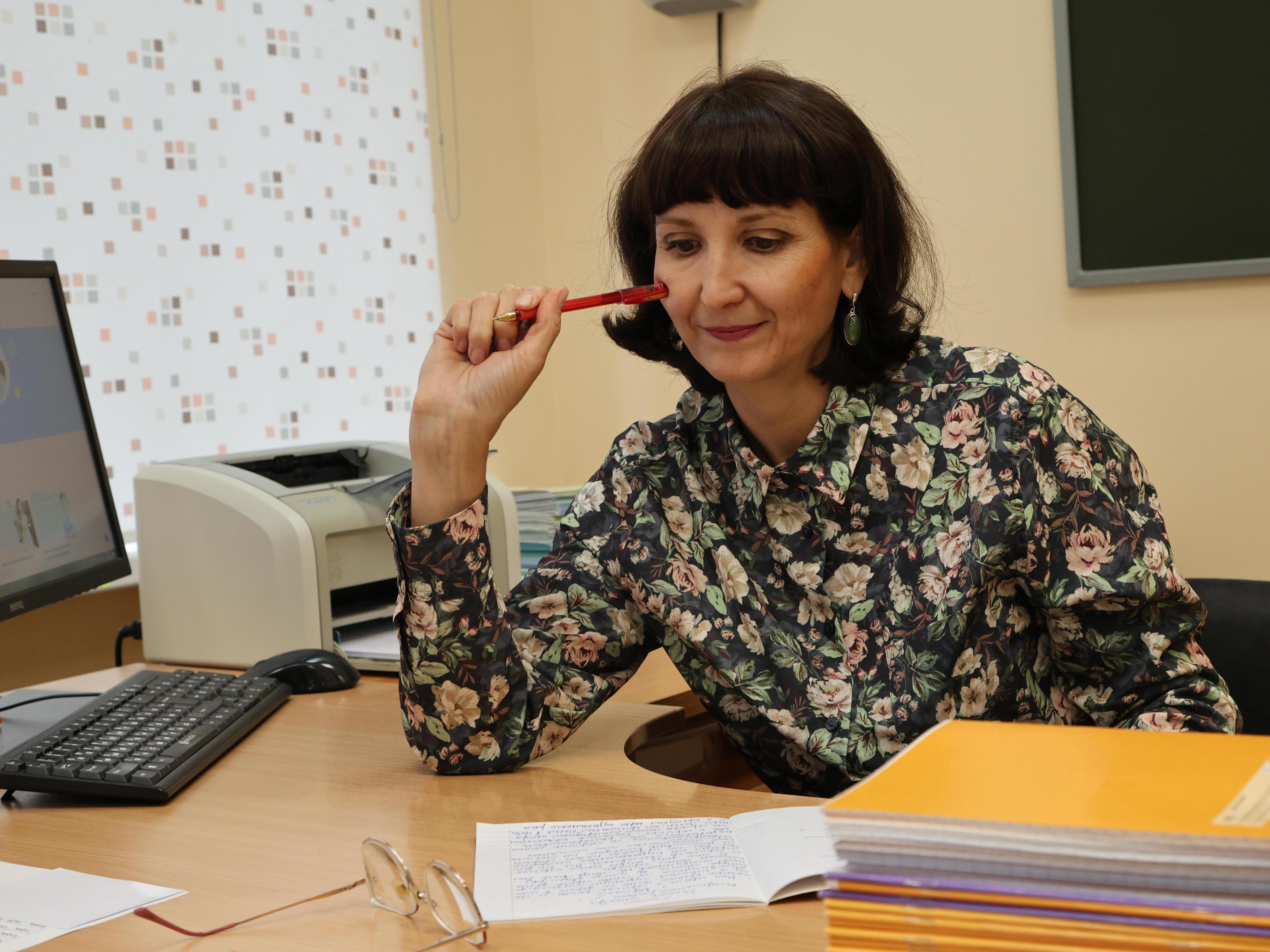
Albina became a subject teacher, a choice carrying heavy academic responsibility.
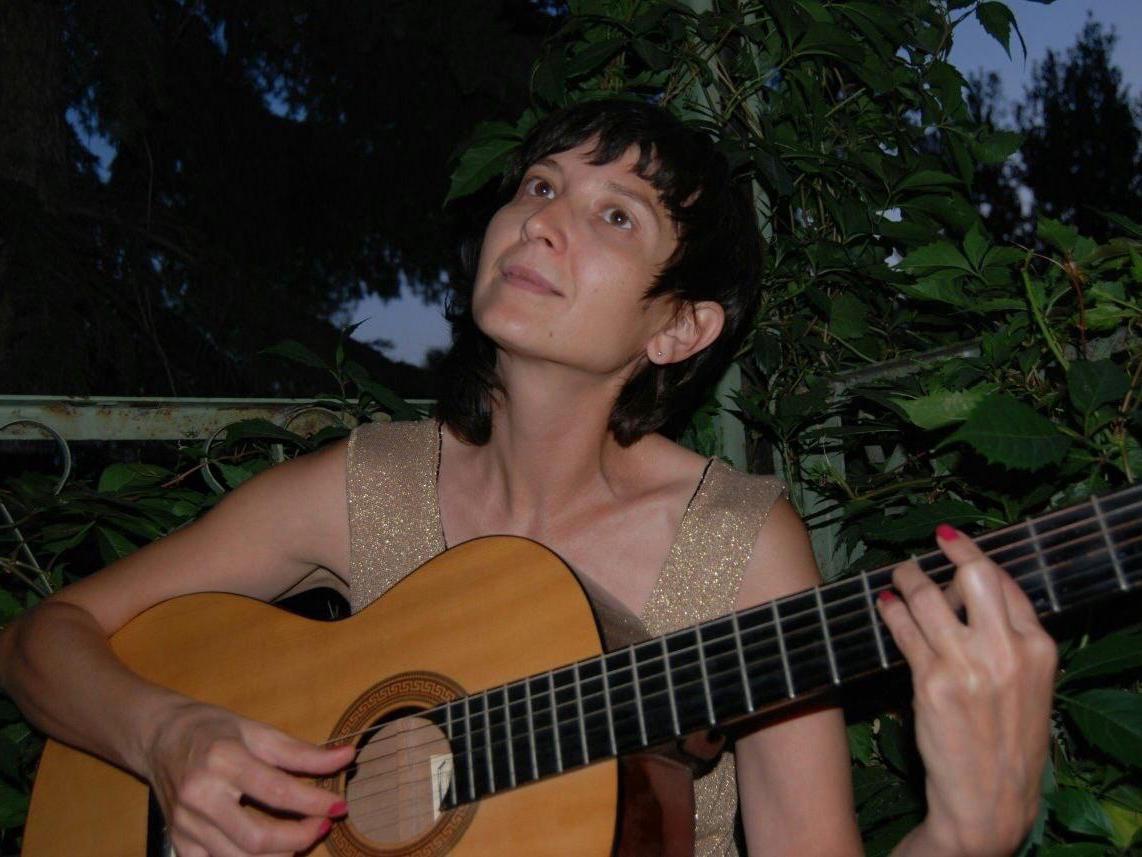
Creative work helps the idealistic teacher prevent burnout and stay motivated.
— Of course, [students] can say to your face everything they think. Since I teach core subjects — Russian language and literature — I encounter such problems. And I come to the conclusion that only kindness should resolve them. Because aggression elicits an aggressive reaction.
— Zemfira, how is it for you?
— No one cancels adolescence for children. Fifth-graders come in and look at you [in admiration]; they like the new subject. But the most challenging age is sixth grade. They don’t see you, don’t hear you. There you just have to show character and say: «Calm down — you need to study». You try not to get completely angry at them, so that anger toward children doesn’t take root in me (cries). Somehow you have to forgive them. If there is anger, there’s nothing for you to do in a school. If you don’t love children, there’s nothing for you to do in a school. You have to defuse conflict, no matter how hard it is, because you are the teacher and you will be held to account.
— Alfiya, what do you think?
— Sometimes, purely for educational purposes, you start treating a child the way he treats you. And when he realizes that it doesn’t fly, and that you can answer him too, he quiets down a bit and behaves differently.
— We will protect our own children. Does anyone support you — perhaps there’s a union — Zemfira?
— No. In our case, for example, my principal handles many issues herself. If parents get in touch, she tries to defend the teacher. And she tells us: «Please work in a way that creates fewer provocative situations. Don’t set yourselves up; restrain yourselves. Don’t provoke conflict». Because teachers are less protected now.
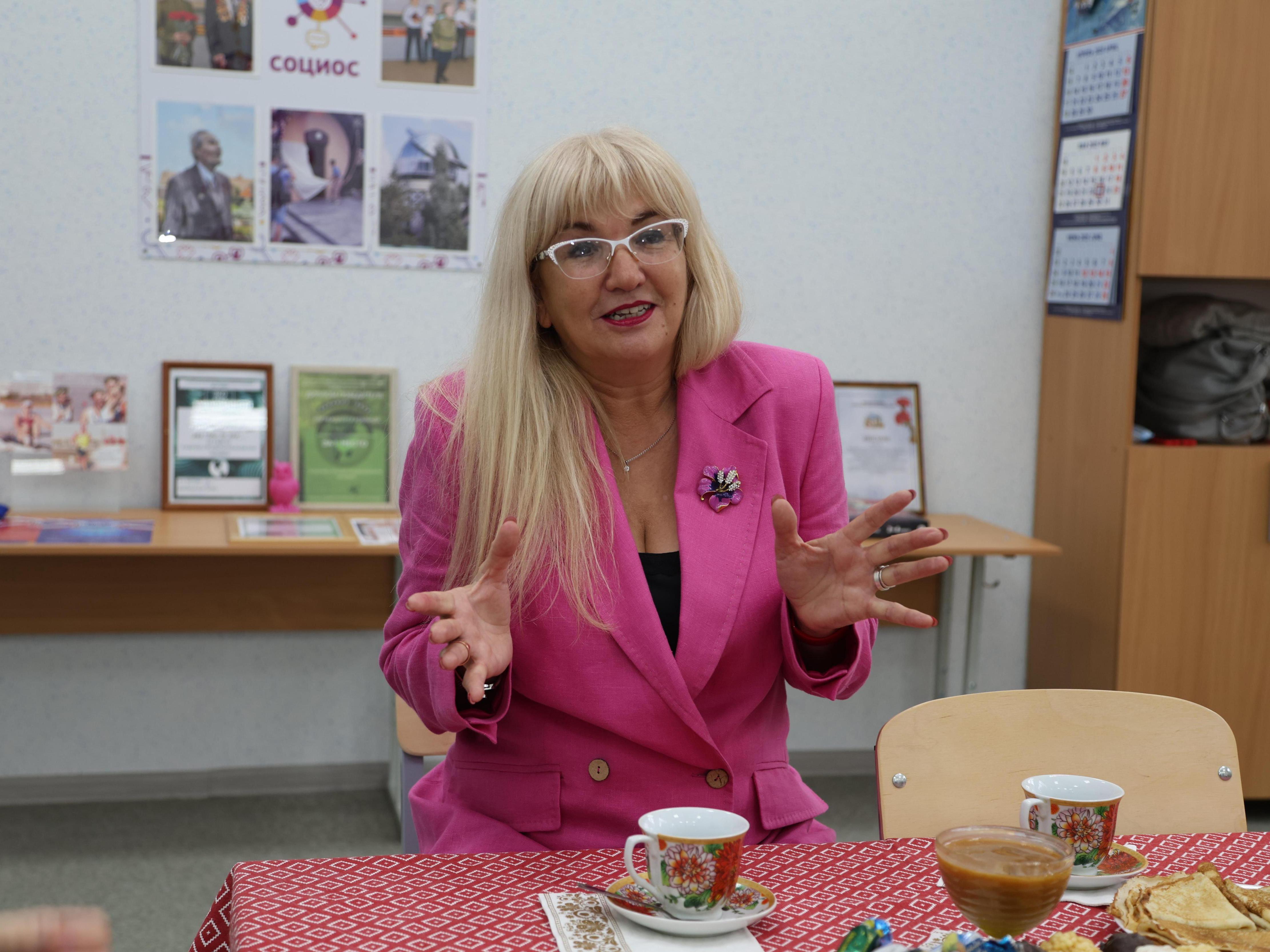
Alfiya moved into leadership, aided by exceptional communication skills with diverse audiences.
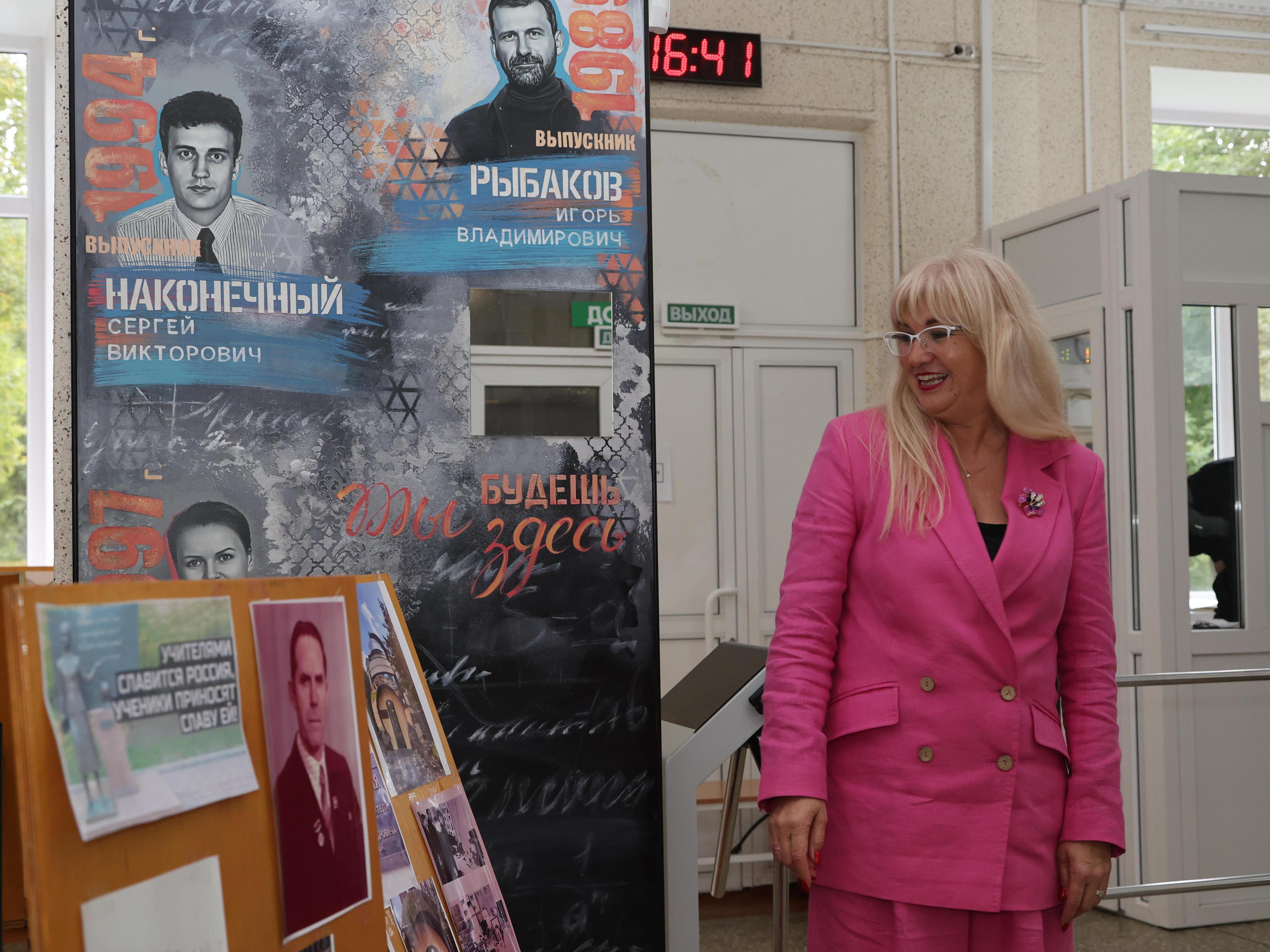
She readily builds rapport with students and comfortably engages high-profile business leaders.
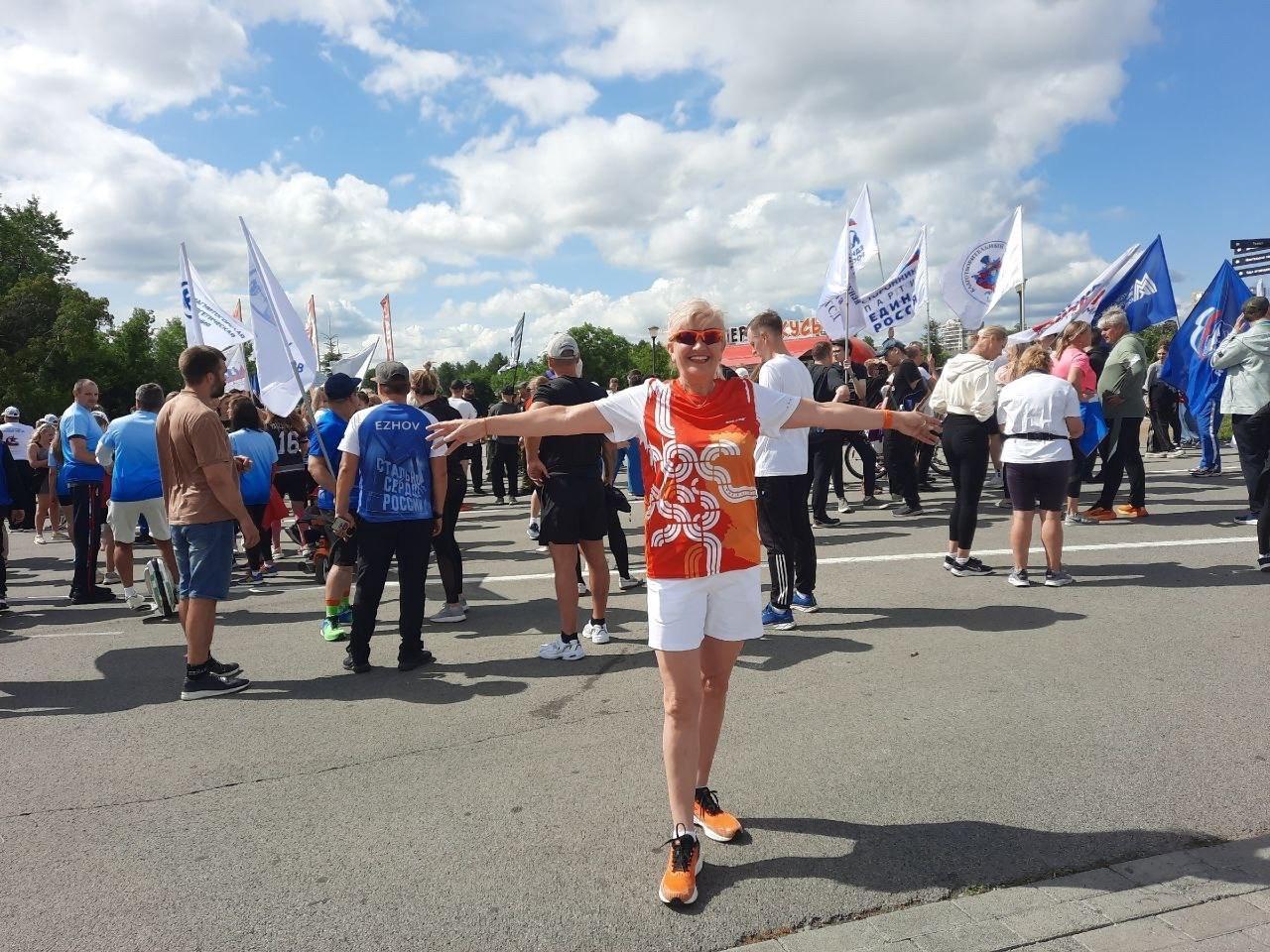
Her many hobbies include competitive sport, alongside cultural outings and community initiatives.
«You want to come home, watch TV, and sit on your phone»
— When schools introduced the position of advisor to the principal for student development, I tried it on myself. I thought: what was I doing for 25 years as deputy principal for student development? This need arose because, for a long time in a row, glossy magazines were doing our upbringing. All that beautiful life. So even more than one generation formed the idea that you should get all the wonderful things from life, and no one spoke about the labor behind it.
— What is the main problem with the current generation, Alfiya?
Zemfira joins the conversation:
— We had an ideology. We had an example. Our class was named after Alexander Matrosov (a World War II hero). Who was Matrosov? How old was he when he covered an embrasure with his chest? Naturally, you always measured yourself against that role. Would I be able to do that?
— Alfiya, do you work at the school where billionaire Igor Rybakov was a graduate? Is he a role model for the children? Outside of publicity, how often do children feel his support?
— He is an extraordinary person who thinks unconventionally. If he were ordinary, he wouldn’t have become a billionaire. That’s why he is so contradictory. He always creates shock value to bring opposites into contact and generate something new. The school and he took a long time to adjust to one another. He was raising us, and we were raising him. You know, I tell the children that he understood clearly what he wanted while still at school. He was a student of School No. 56, but he enrolled in the distance school of the Moscow Institute of Physics and Technology (Moskovskiy Fiziko‑Tekhnicheskiy Institut, MIPT), became a student there, got their tests, solved them, went to the post office, and mailed them. And in the end he graduated from MIPT and built a business. Now, with a single tap on a smartphone, you can do what you want. But he went on foot. Just imagine. What desire he had! That’s a model — seek opportunities, don’t look for a reason to do nothing.
— Is it possible now to pull children away from their phones and, in a good way, change their mindset?
— That requires a long stretch of time — not one or two generations. Not so much to pull them away as to form understanding in a child. I was at a presentation of a book by Pavel Krasheninnikov, a State Duma (Gosduma) deputy and specialist in civil law, and children asked him whether it would be possible to introduce criminal liability for profanity. He said criminal liability would be too much. Everything starts in the family. Raising children is very big and difficult work. Sometimes you want to come home and watch TV, sit on your phone. But you have to, like Baron Munchausen, lift yourself up by your own hair. Theft, robbery, violence, drug addiction, alcoholism were, are, and will be. But we decide which road we take, and we help children choose their path.
— Speaking of choices, I can’t avoid such an important topic. In Magnitogorsk, there are suicides among schoolchildren. In your opinion, what happens that breaks children? It is customary to say that when children are in trouble it’s either the school’s fault or the family’s. What are we all to do, Rakhima Gimaevna?
— It turns out I worked in a wonderful time. There was no such problem. And now the problem is almost in primary school.
— Zemfira?
— We need to show more humanity and see in time that a child has some problems. And at that moment, give him some kindness and warmth so he doesn’t feel alone.
— Alfiya, what do you think?
— There are such children in classes. And you can see them. They later switch to homeschooling or receive treatment in institutions. And you think: he is cognitively fine — he can study. We are living through a period like this. Now I observe many cases where a child is a dependent. A mother sits there, crying. I tell her: «You are beautiful, successful, you have created the best possible conditions for your child. He studies at a good school, travels abroad. But at the same time you have created a situation where you can’t say anything to him. Because he threatens that (she lists methods of suicide). What can I do in this situation as deputy principal for student development? Of course, I’ll involve him [in school life]. But what are parents like now? They come to school as if it were a left‑luggage office — drop off the child and then say: “Give us results.” Where is the soul? Where is the love? And the child breaks discipline once, twice. I say: “Whom are you expressing a protest to? Who offended you? And what about mom and dad? They will worry and cry.”»
Zemfira adds:
— There’s a lack of understanding in places, because parents are busy now. You have to maintain this standard of living when you must pay for everything and clothe them. If you work a lot, naturally you pay them less attention. Yes, you miss things.
— And you also have to do homework with them. How is your work with the new textbooks, for example, Zemfira? I’ll be honest: to me they are reference books. Even with higher education I can’t explain a lot to my child — I simply don’t understand.
— Textbooks don’t keep up with the new programs. For shop class there are still no textbooks, but the program already exists. So it’s very hard to teach. Education is now moving to where the child has to obtain knowledge himself, be motivated, and search for answers. But in general it’s easier for a person when things are explained and told to him. Searching is always harder.
— There are also mandatory pre‑school courses now, and by first grade children are supposed to arrive already with knowledge…
— Educational programs are structured so that a child must be able to read by first grade. It’s harder for the teacher because the levels of preparation vary: one child comes in and knows everything, another doesn’t. But we have to be oriented to any level. That is what teacher professionalism consists of. You have to give the lesson in a way that pays attention to everyone. Unfortunately, that’s very hard. First‑graders’ lessons last 30 minutes, and sometimes there are 32 children in a class.
— I understand what you mean. I asked at a parents’ meeting why, if a child doesn’t understand a topic, he isn’t kept after class. The teacher looked at me in surprise. But that’s how it was in our day. I personally sat with a teacher at school until dark.
— In Soviet times, my mother would go directly to a family if a child couldn’t master reading. She showed the parents how to read with the children. This was in her additional free time, without extra pay. At that time the teacher bore moral responsibility for the knowledge imparted to children. As a primary school teacher she had to pass along to middle school children who could write and read. Teachers really did keep students after class so the child would understand. And even now there are teachers who work with children like that.
— Are you forbidden to stay with children?
— From a legal standpoint, it’s scary to stay with a child, because if he doesn’t go home on time, I’m responsible for him. Of course, it’s better for me to let him go on time so he gets home. I had a case where a student re‑took an assessment during the holidays; he didn’t like getting a B in the subject. But again, he came with his parents’ consent. And in the past? A child misbehaved, and you’d say: «Right, you’ll stay after class as punishment. You’ll do the task you didn’t do in class». And that checked his behavior — he tried. Now we don’t have the right.
— Alfiya, are there moments when you feel like quitting from exhaustion?
— There are. I always say you have to switch off. You realize this with the years. For example, I have a film club every Wednesday. Eating something delicious also calms the nerves. My favorite activity is running. I love going to the theater and exhibitions. Albina’s hobby is avtorskaya pesnya (bard song) — composing, declaiming poetry, singing.
— Zemfira, yours?
— Lately I’ve been crocheting. First, it improves my skill level. I teach girls at school to crochet. You sit at a stop waiting for a tram, or ride on a bus, and you crochet. It’s something that is always with you.