Student Complains of Freezing Classrooms: 'High Schoolers Don't Grow Fur'
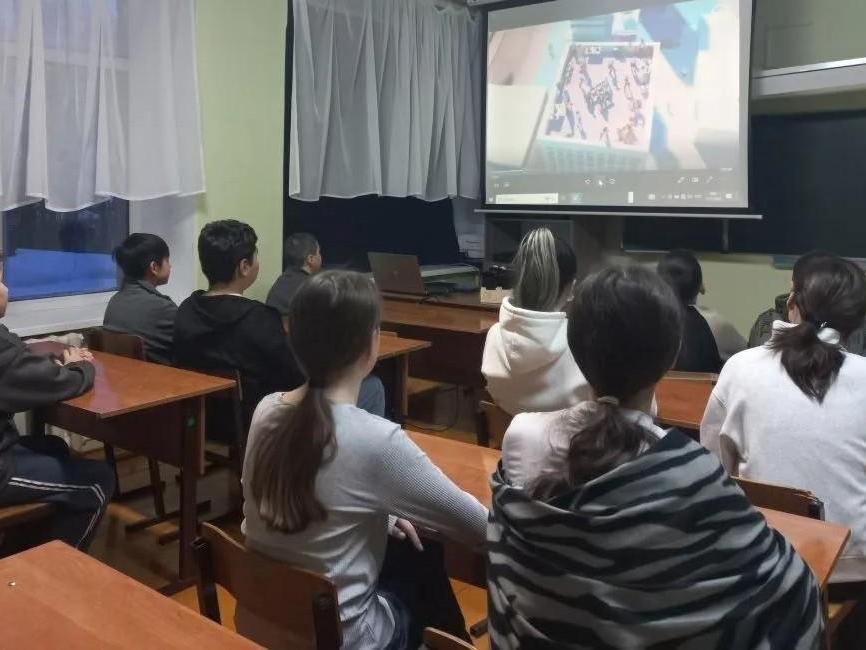

A student at a rural school in Bashkortostan complained to Yekaterina Mizulina, head of the League for Safe Internet (LSI). The public organization«s head herself reported this. According to her, school and university students, as well as their parents, across Russia are dissatisfied with heating in educational institutions.
«People from various cities and villages are writing about heating problems in educational institutions,» Mizulina reported in her Telegram channel.
She attached several complaints to her post. Among them was one from the Bashkir village of Verkhneyarkeyevo.
«At our school, they make us go when it»s -28 °C (-18 °F) or -30 °C (-22 °F), and there«s almost no heating, and it»s very weak. Yesterday we studied in one classroom on the first floor because the 11th graders had a trial district Unified State Exam. When we were sitting there, everyone froze, and the radiators were completely cold. It was -25 °C (-13 °F) outside. Why do we have to go to school in such frost? High school students don«t grow fur,» the complaint stated.
Verkhneyarkeyevo is the administrative center of the Ilishevsky District, located 150 kilometers (93 miles) from Ufa, with a population of about 10,000 people. There are several schools there; the complaint published by Yekaterina Mizulina concerns the school named after Talgat Rakhmanov.
It was not possible to contact the school«s administration to get a response to the complaint. UFA1.RU called the phone number listed on the institution»s website, but no one answered. The school«s social media pages have published a number of reports on lessons and extracurricular activities in recent days, but nothing has been said about the heating.
Meanwhile, the prosecutor«s office of Bashkortostan has already responded to the complaint. The press service of the agency reported that an inspection has begun.
«An assessment will be made of the completeness of the measures taken by the authorized bodies to ensure the heating of the educational organization»s building, compliance with the requirements of education legislation, and the fulfillment of sanitary and epidemiological norms,« the prosecutor»s office said.