Ryazan Speech Therapist on Not Dividing Students into 'Special' and 'Normotypical'
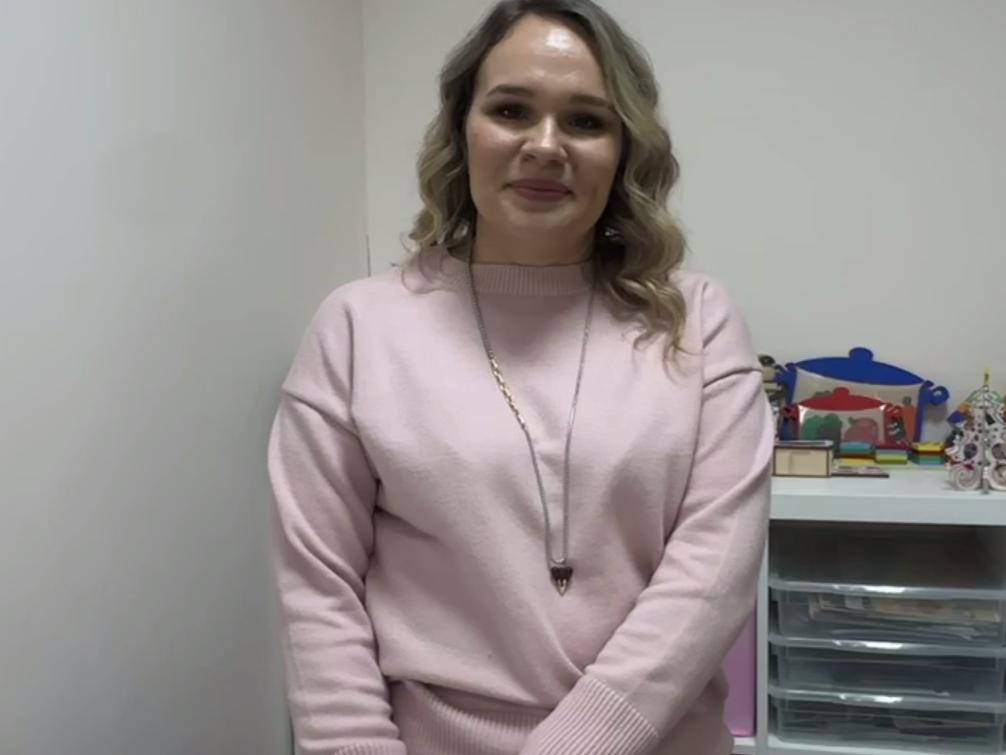

Alexandra Tolochko has been working in Ryazan with children with mental impairments since 2010.
In the Ryazan region, more than ten thousand teachers of various categories work — this is official statistics. And among these teachers, there are those whose work is considered more difficult. They teach children with developmental disabilities: first, they help them adapt to communication in life, and then they rejoice at every success. Even a small one.
Alexandra Tolochko is a speech therapist-defectologist from Ryazan. For more than five years, she has worked at the regional public organization «Children-Angels» and works with children with developmental disabilities, including autism, cerebral palsy (CP), hearing and speech impairments. Besides that, she works at boarding school No. 18 and is raising two children.
«Children-Angels» has been operating in Ryazan since 2018, and it is headed by Oksana Sukharnikova, who is raising a daughter with Rett syndrome. Rehabilitation courses in the organization are paid, but the money goes towards paying for visits from the best specialists from different parts of Russia. Including travel, accommodation, and meals.
Alexandra Tolochko told YA62.RU about the difficulties of working with children with developmental disabilities, why she chose this path, and how parents influence the results.
«The Biggest Fear Is Lack of Information»
Alexandra graduated from Ryazan State University named after Yesenin in 2010 and at the same time began working with children with mental impairments. In her fourth year, she went for practice at boarding school No. 18 and decided for herself: she was interested in working with such students.
Now, teachers have an approximate idea of working with children with disabilities, but in 2010, this topic was not particularly raised.
«It was nerve-wracking, I worried whether I would manage or not, but still decided to try. After university, I started teaching full-time at the boarding school,» says Alexandra Tolochko.
«That was the biggest fear — lack of information. But in interacting with children with disabilities, everything was calm. From the start, I have not divided and do not divide students into »special« and »normotypical«,» noted Alexandra.
To work with children with mental impairments, our heroine did not separately learn the basics of psychology. According to Alexandra, everything comes from the family: both she and her surroundings simply calmly treated «special» kids, so morally, teaching did not weigh on her. But this does not mean that the classes are easy.
«The first classes are not always productive. We get used to each other, it»s nerve-wracking. The child needs to understand that it is safe and interesting here, that they are awaited and understood, and then the work proceeds,« explained Alexandra Tolochko.
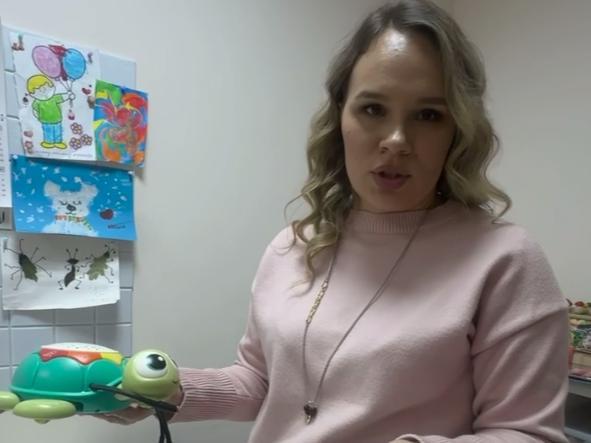
Parents play a key role by explaining their child«s specific needs to the teacher.
Understanding the sense of safety of a specific child is also not easy. Students often cannot explain in words what is wrong, so the teacher has to observe each one very carefully. And also remember the peculiarities.
«We observe the child, always ask the parents what they love, what they don»t love, what they are afraid of. The most important thing is not to do something from this list during the class. For example, if there is a fear of feathers, and we use them in the first class, it«s unlikely the child will want to return. This is a very high level of involvement,» emphasized Alexandra.
Even with extensive experience, Alexandra Tolochko continues to take professional development courses.
«Our profession assumes constant continuous learning. It is impossible to measure by the number of times. It is constant. That is, one training ends, the next one begins,» specified the speech therapist.
But the work now is radically different from work in 2010. There are more opportunities for rehabilitation of children with mental impairments, a lot of literature, and thematic conferences are constantly held.
«Before, there were a couple of books, and for knowledge, one had to travel to Moscow, St. Petersburg, Pskov…» recalls Alexandra Tolochko.
Now, there is at least the opportunity to study remotely.
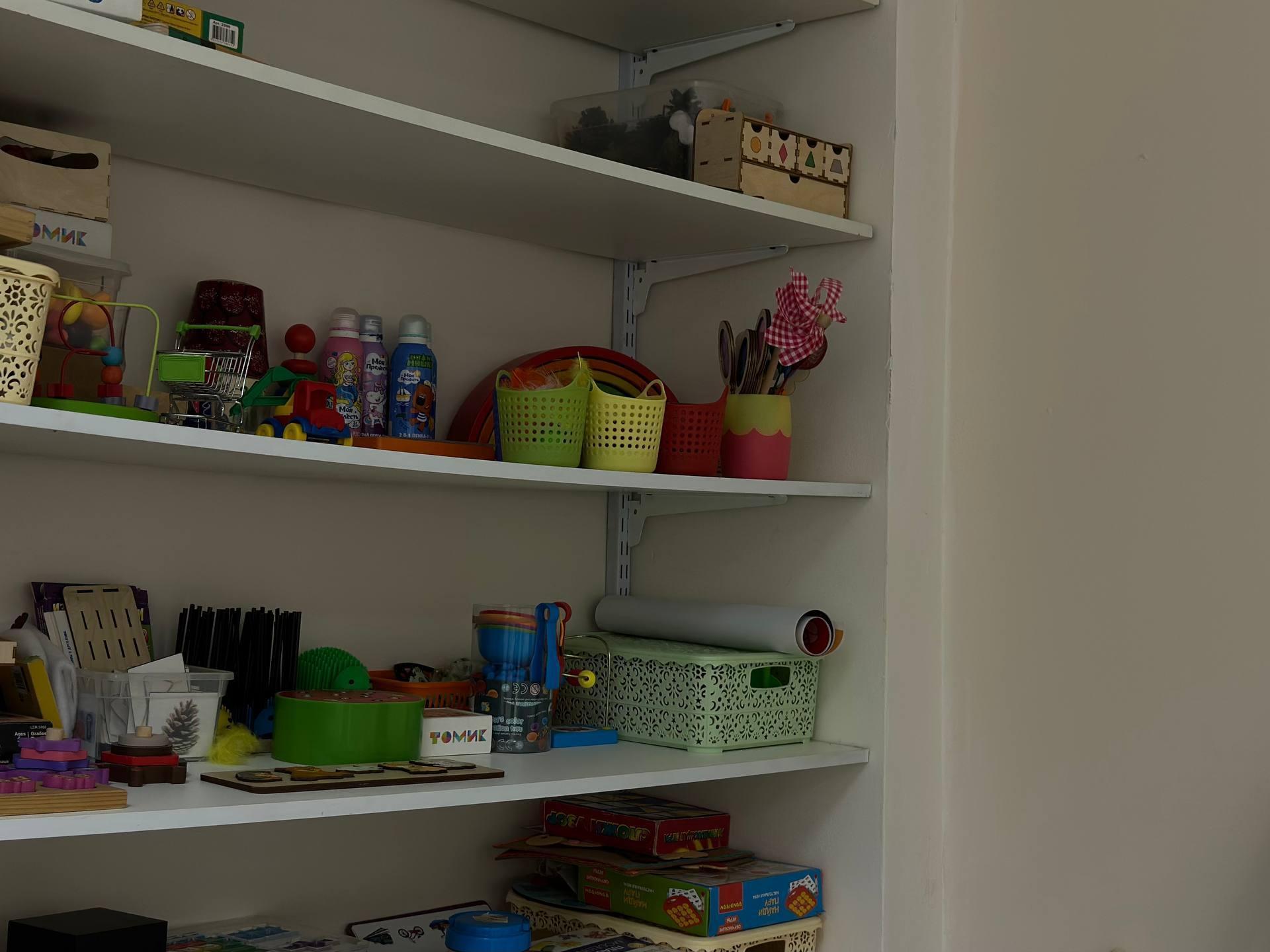
The availability of remote learning has reduced, but not eliminated, the need for travel to courses.
«My Work Is Very Specific»
In the standard understanding, a speech therapist is a specialist who deals with sound production. But in working with children with disabilities, everything is different.
«My work is very specific because I am not quite an ordinary speech therapist. In my profession, one usually deals with sound production. But I work with non-speaking children and children with developmental disabilities. They cannot always pronounce words, and I teach them alternative communication.
This includes various cards, applications, adaptive keyboards, and gestures. Every child should be heard and has the right to speak in a way accessible to them,« says Alexandra Tolochko.
And children really learn communication. But there are no clear deadlines for when this happens: learning is individual, and the results depend not only on the teacher but also on the involvement of parents.
According to Alexandra, if parents are ready to work in a team with the speech therapist and the child, everything turns out quickly and successfully. Many mothers and fathers understand this and make contact.
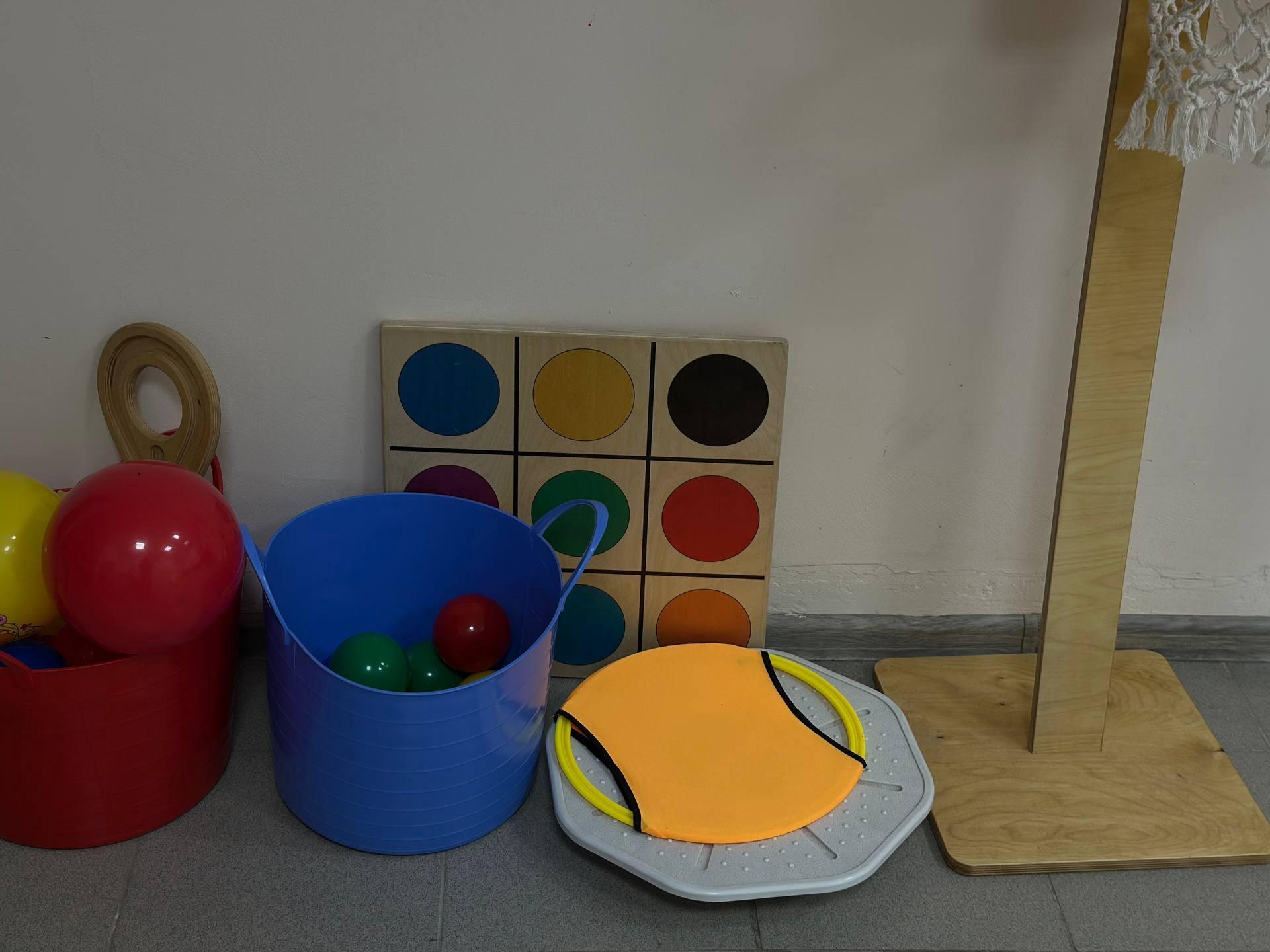
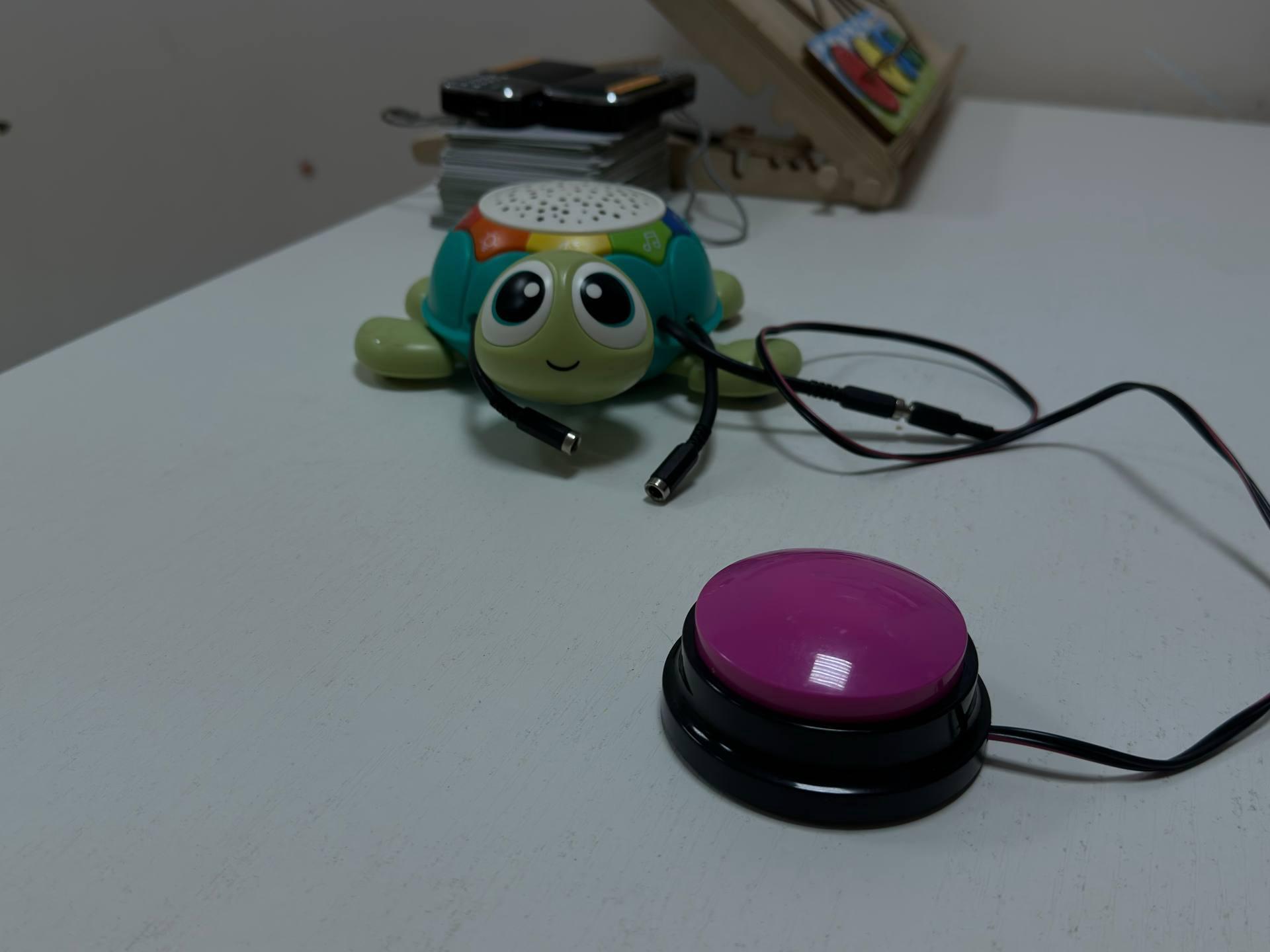
In her classes, she utilizes a wide range of specialized toys and tools.
«In my work, I like the emotional response. The shining eyes of parents when the child says their first word, when the child manages to form a sentence or read, write something. These are indescribable feelings.
Very recently, my student and I learned a very difficult poem. He was able to read it on a tablet using the alternative communication system PECS,« the speech therapist joyfully told.
In the PECS system, sentences are formed using cards that depict objects or wishes («I want», «I see», «give»).
She employs both traditional cardboard and electronic versions of PECS communication cards.
But, alas, not all parents are maximally involved in their child«s classes.
«Not all parents are ready to spend finances, time, and other resources so that the child can simply form a sentence on a tablet, although that is also a success. Many remain positive, involved, and are easy to communicate with, so the results are good,» added Alexandra Tolochko.
«A Teacher Is Not Just Work in the Classroom»
Alexandra Tolochko literally lives her work. But she admits: sometimes her family is sad because of this, as even at home, the speech therapist regularly communicates with the parents of students.
«A teacher is not just work in the classroom, but also a lot of preparation at home for classes, work with documents, and this takes additional time. This, of course, does not please my family, and me sometimes too. But it is an integral part of the work,» sighs our interviewee.
But where is there without burnout? With all the love for work, practically all specialists face this. Especially those who are constantly immersed in their field and do not always maintain work-life balance to switch off.
«Every May, I tell myself: »That«s it, enough, I probably need to change jobs.» This happens when the school year ends, fatigue accumulates, and the load increases. But in September, I go back into battle. The strength appears on its own,« noted Alexandra Tolochko.
The speech therapist-defectologist calls her work emotionally costly. To not burn out completely, Alexandra spends time with her family: goes to the circus, on walks, or simply communicates. But outside of teaching, thoughts about the students still remain.
«I do some household chores and analyze the past day, make plans for the next. The thoughts don»t let go,« admitted Alexandra Tolochko.
Despite this, Alexandra Tolochko does not want to change her field of activity. She enjoys the work and motivates herself with the kind words of the students« parents and their successes.
Some parents continue to thank Alexandra Tolochko even after the course of classes ends.