Children’s ombudsman addresses Zabaykalsky school bullying
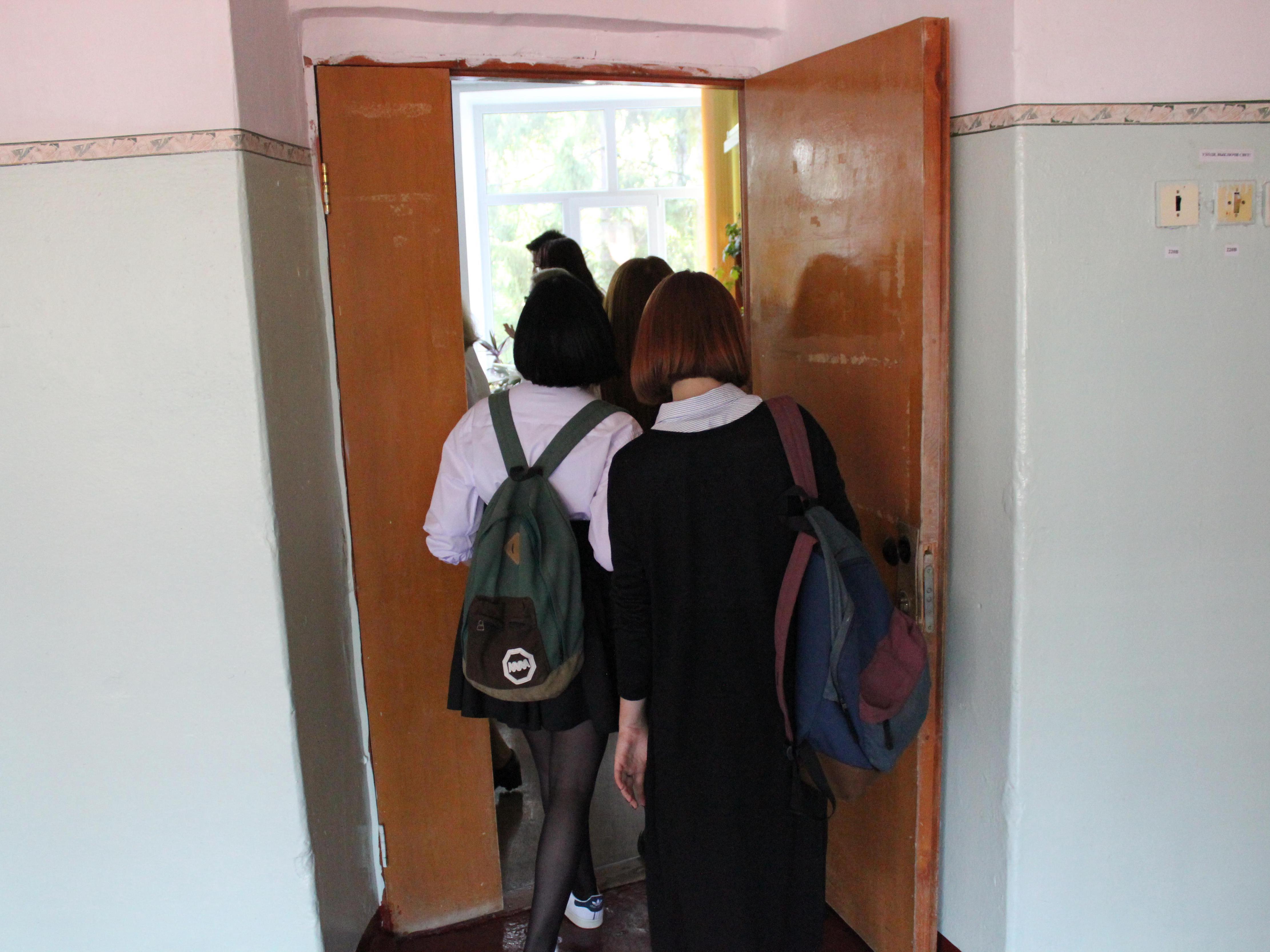

Epova urged coordinated action by families, schools, and police to curb harassment.
Natalia Epova, the Children’s Rights Commissioner (Upolnomochenny po pravam rebenka) for Zabaykalsky Krai, responded to reports of bullying at the new I. I. Kryukov School in the settlement of Darasun (Karymsky District, Zabaykalsky Krai, Russia). On 24 September on her Telegram channel, she set out where to file complaints about harassment and what to do if teachers or the principal fail to act.
Students reported on 23 September that insults were being posted in a messaging app over weight, appearance, or even personal animosity. They said many do not tell their parents about it, and that teachers know about the bullying but stay silent. The school principal said that teachers were unaware of what was happening.
«I want to stress this: teenagers who face abuse and pressure should not be afraid to seek help from adults — parents, guardians, homeroom teachers. Help with bullying is most effective when family, school, and law enforcement work together. The police have already begun a review in this case, and that is the right step», Epova wrote.
She added that, unfortunately, this is not the only such situation: «I have received submissions. All too often, parents learn about the conflict too late, when the entire class is already involved. And it usually starts with an unfamiliar number slipping into the class’s social-media and messenger chats. This “provocateur” gradually sows discord, picks a target, and sets children against one another. At first it seems like a game, an entertaining diversion, but very quickly they themselves become drawn into a real, destructive conflict».
The Children’s Rights Commissioner advised parents to pay close attention to whom their child is communicating with: «This is your direct duty — to know which groups and chats your child is in and what is discussed there. You are not violating their personal boundaries; you are creating a safe space. You have every right, in your child’s presence, to familiarize yourself with their interests on the phone. Every parent must know the password to their school‑age child’s phone».
«It saddens me that some parents, trying to observe a child’s imagined personal boundaries, forget their primary duty — to create safe conditions for the child’s life and development. The threat that comes from the internet is a real danger, not the child’s private affair», Natalia Epova added.
She offered recommendations for parents if they learn of a conflict or bullying:
Contact the homeroom teacher immediately. Act calmly but firmly. Inform the teacher of the facts.
If there is no response or it is inadequate, go to the school principal. Demand that a teachers’ council be convened with the participation of the school psychologist.
If the school fails to act, contact the district education committee (department).
If the bullying includes threats, insults, or defamation, collect screenshots and file a report with the police. This is important to stop unlawful actions.
Support your child. Make it clear they are not to blame and that you are on their side. Seek help from a child psychologist.